
Kappa
Also known as: Kawataro, Komahiki
Japan's mischievous water imp with a bowl of power on its head.
Pre-1600s (Japanese folklore)
Throughout Japan
Child-sized (3-4 ft)
Mischievous to dangerous
Cultural tradition continues
The Lore
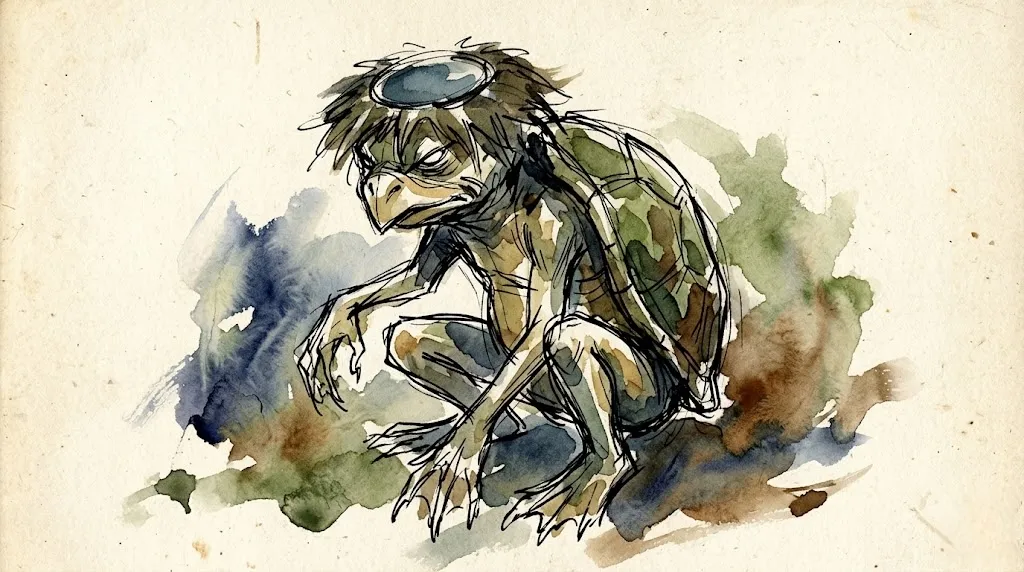
The Kappa is one of Japan's most well-known yokai. A green, turtle-like humanoid the size of a child, it inhabits rivers and ponds. Its defining feature is a dish-like depression on its head that holds water, the source of its strength. Kappa are said to be obsessed with cucumbers and sumo wrestling, but can be dangerous, pulling victims underwater.
The Kappa is one of the best-known yokai in Japanese folklore, a water-dwelling creature that has been part of Japanese culture for centuries. The name literally means "river child," and the Kappa is associated with rivers, ponds, and other bodies of fresh water throughout Japan. It is simultaneously feared, respected, and, in modern times, treated with a degree of affection.
Traditional descriptions depict the Kappa as roughly the size of a child, between 3 and 4 feet tall, with green or blue-green skin, a turtle-like shell on its back, webbed hands and feet, and a beak-like mouth. Its most distinctive feature is a dish-shaped depression on the top of its head, called a sara, which must remain filled with water at all times. If the water spills, the Kappa loses its supernatural strength. This weakness has given rise to a well-known piece of Japanese folk wisdom: if confronted by a Kappa, bow deeply. The Kappa, being compulsively polite, will bow in return, spilling the water from its head.
Historical accounts of Kappa interactions range from mischievous to deadly. Kappa were blamed for drowning livestock and children who ventured too close to rivers. They were said to reach up from the water and pull victims under, sometimes extracting a mythical organ called the shirikodama from the victim's body. Signs warning of Kappa were posted along dangerous waterways, and some historians believe Kappa legends served as cautionary tales to keep children away from rivers and ponds.
But the Kappa was not purely malevolent. In some traditions, Kappa that were captured or defeated could be bargained with. They were said to possess knowledge of medicine, particularly bone-setting, and could be persuaded to share this knowledge. Communities that successfully negotiated with a Kappa sometimes received its protection.
The Kappa has been depicted in Japanese art since at least the Edo period (1603 to 1868). Ukiyo-e woodblock prints, illustrated bestiaries called "yokai emaki," and regional folk art all feature the Kappa prominently. In modern Japan, the Kappa has become a beloved mascot. It appears on warning signs near waterways, in advertising, in manga and anime, and as a character in video games. Kappabashi, a famous kitchen-supply district in Tokyo, takes its name from the creature.
Some researchers have suggested that Kappa legends may have been inspired by the Japanese giant salamander, a real animal that can grow over 5 feet long and inhabits rivers in western Japan. Others have proposed that Kappa stories may have roots in encounters with river otters or in the practice of placing cucumbers (the Kappa's favorite food, according to legend) as offerings at water shrines.
Notable Witnesses
- Numerous historical accounts from Edo period village records
- Tono region residents (documented in Tono Monogatari by Kunio Yanagita, 1910)
Media Appearances
- Tono Monogatari by Kunio Yanagita (book, 1910)
- Summer Days with Coo (anime film, 2007)
- Saiyuki (manga/anime, Kappa character)
- Yo-kai Watch (video game/anime, 2013-present)
- Animal Crossing (video game series, Kappei/Kapp'n character)
- Various ukiyo-e woodblock prints from Edo period
- Kappa by Ryunosuke Akutagawa (novella, 1927)
Further Reading
Written about Kappa directly, drawn from the record on this page.
- Tono Monogatari by Kunio Yanagita (1910)
Named in the record for Kappa.
- Cryptozoology A to Z by Loren Coleman and Jerome Clark (1999)
The standard one-volume encyclopedia, roughly two hundred entries covering creatures, investigators, and hoaxes.
- Mysterious Creatures: A Guide to Cryptozoology by George M. Eberhart (2002)
The larger reference guide, stronger on sourcing and on creatures that never reached the popular books.
As an Amazon Associate, Cryptid Vault earns from qualifying purchases. Links open Amazon in a new tab.
Get the Field Notes.
Field notes from the Vault, when there is something worth sending. No spam.
No spam. Unsubscribe anytime.
You might also like
Bunyip
Australia's lurking water spirit, feared by indigenous peoples for thousands of years.
Kelpie
A shape-shifting water horse that lures riders to a watery grave in Scottish lochs.
Yara-ma-yha-who
A tiny red tree creature that swallows you whole, then spits you out slightly shorter.
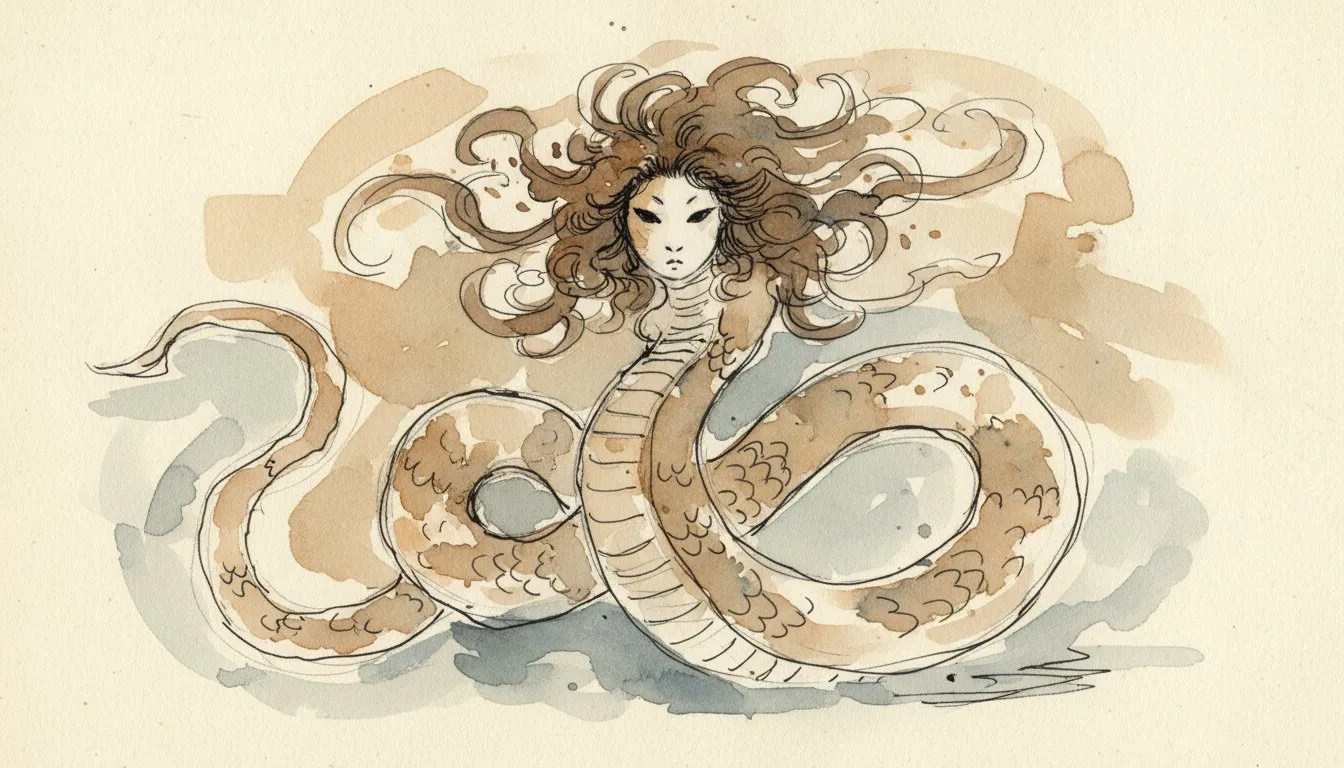
Nure-Onna
A serpent with a woman's head that haunts riverbanks, cradling a phantom baby to paralyze its prey.
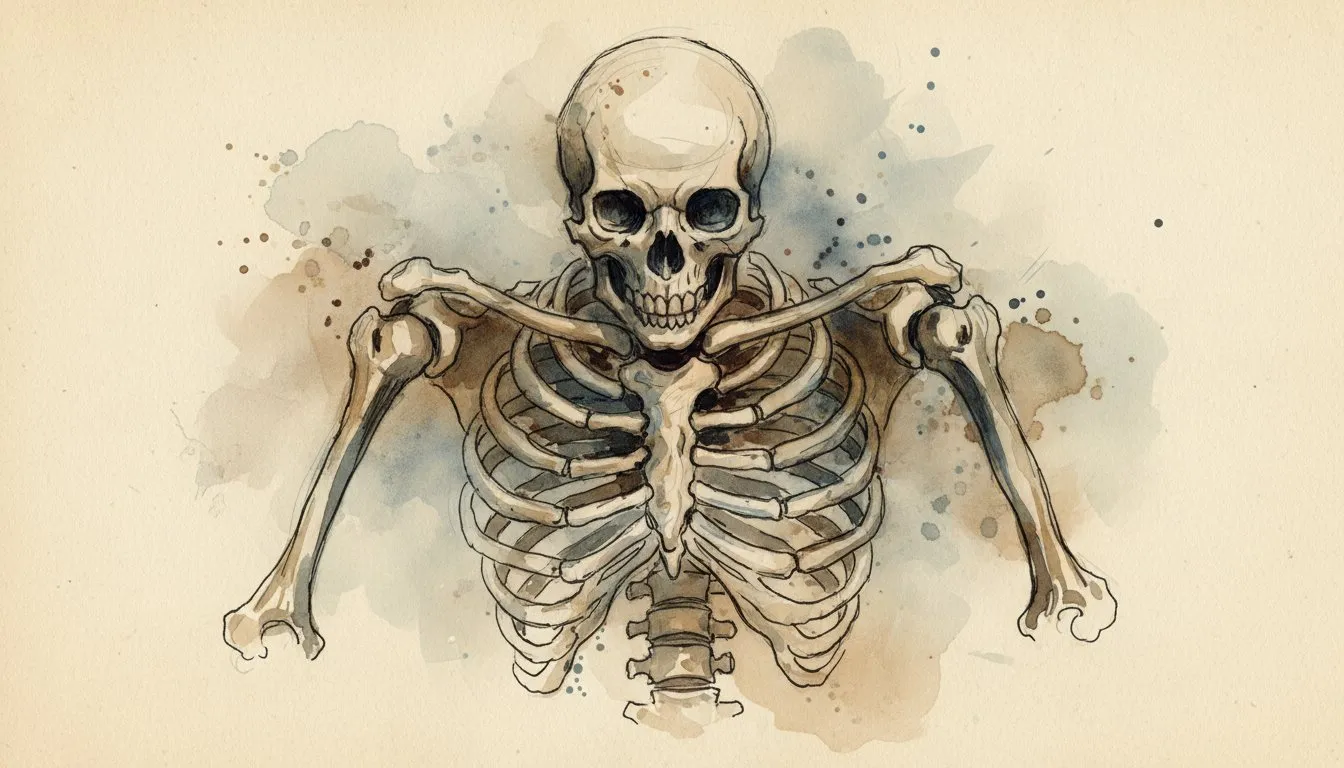
Gashadokuro
A towering skeleton formed from the bones of the unburied dead, rattling through the night to bite off heads.
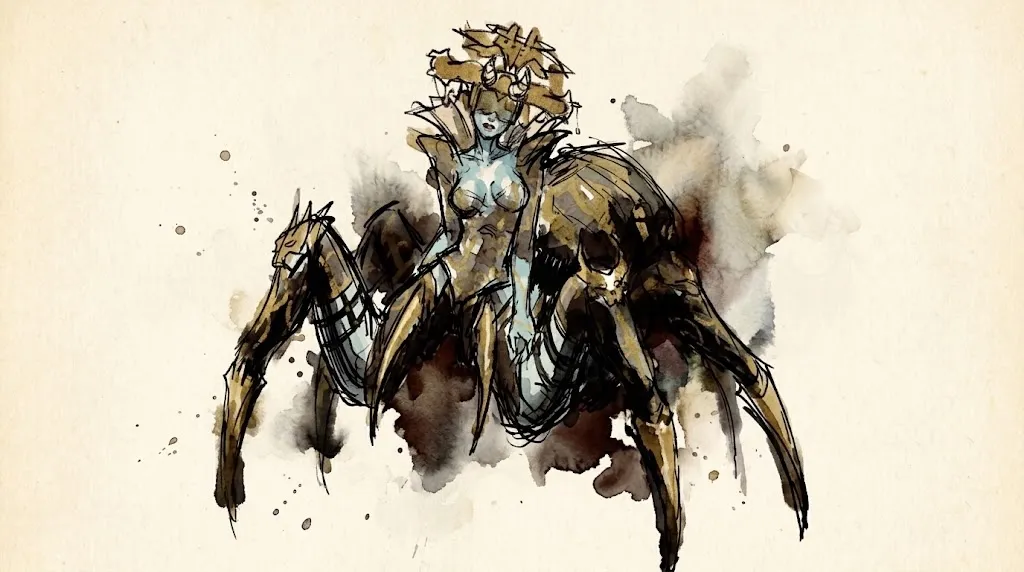
Jorogumo
A 400-year-old spider that takes the form of a beautiful woman to lure men to their death.
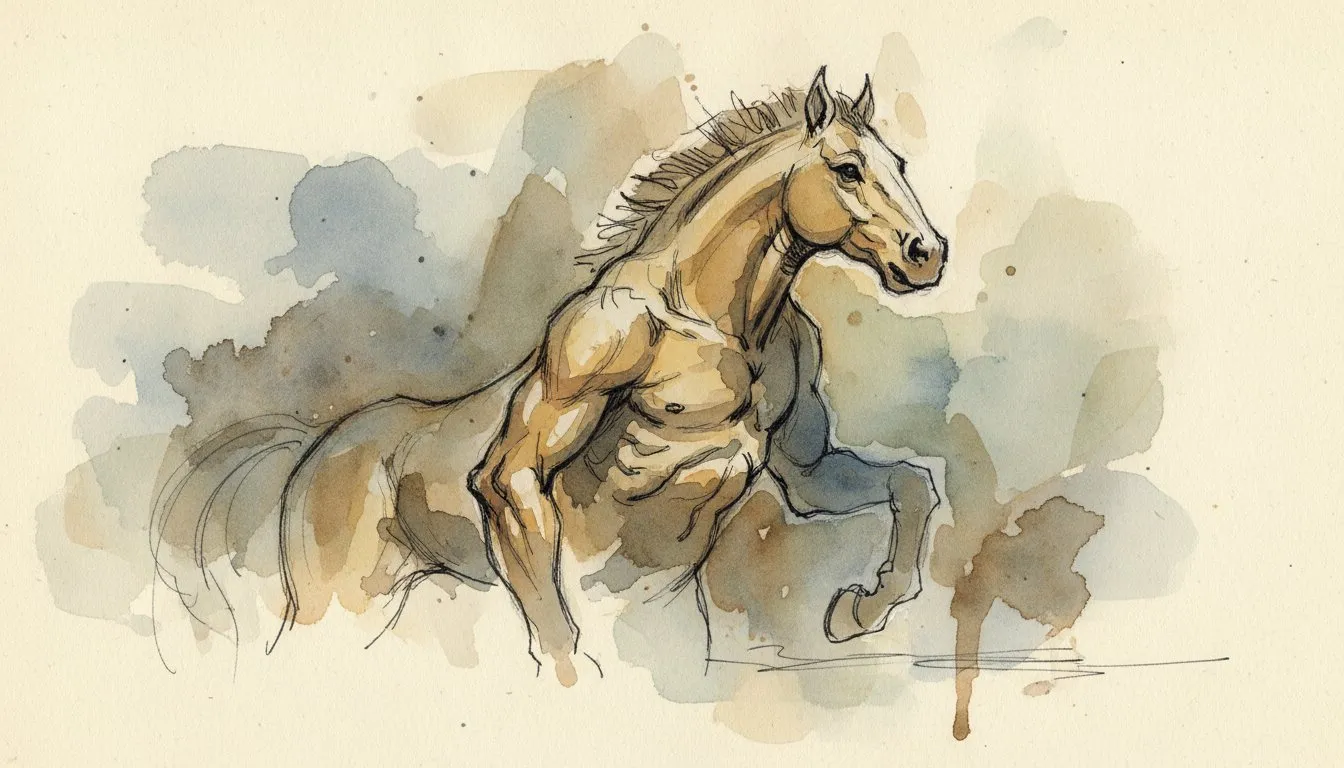
Tikbalang
A towering horse-headed giant that leads travelers in circles through the Philippine wilderness.
Tsuchinoko
A fat, stumpy snake that supposedly jumps, speaks, and has a taste for alcohol.