
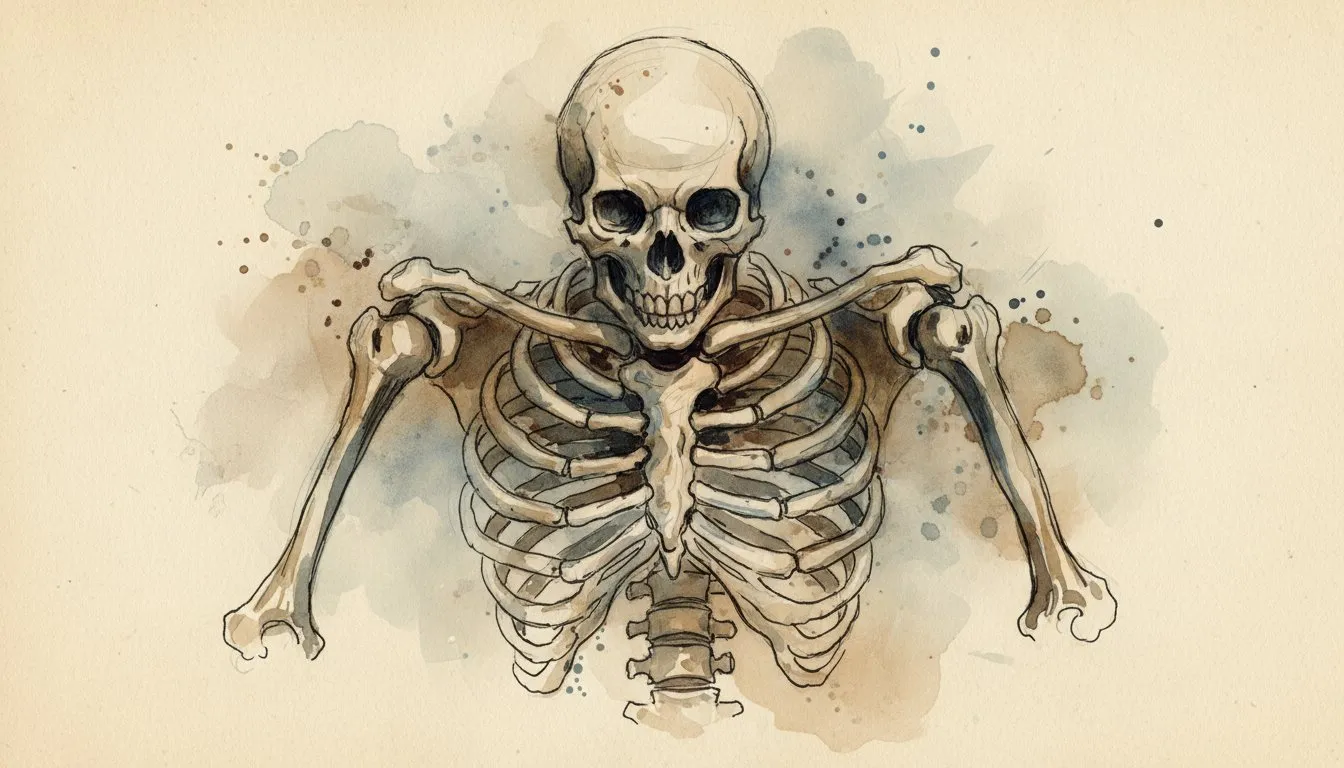
Gashadokuro
Also known as: Starving Skeleton, Giant Skeleton
A towering skeleton formed from the bones of the unburied dead, rattling through the night to bite off heads.
Heian period folklore, popularized 1844
Japan, widespread
15+ meters tall
Hostile, predatory
Cultural legend, no physical evidence
The Lore
The gashadokuro is a massive skeletal figure from Japanese folklore, said to be fifteen times the height of a person. It forms from the gathered bones of those who died in famine or battle without proper burial. The creature roams after midnight, invisible to most, and its approach is signaled only by a ringing in the ears. It seizes lone travelers and bites off their heads. The legend gained visual fame through Utagawa Kuniyoshi's iconic 1844 woodblock print.
The gashadokuro is one of the most visually striking yokai in Japanese tradition, a giant skeleton said to stand fifteen times the height of a grown man, composed of the gathered bones of those who died in famine, battle, or epidemic without receiving proper funeral rites. Its name combines gasha, an onomatopoeia for the rattling clack of dry bones, with dokuro, the word for skull. It emerges only in the deepest hours of the night, wandering the countryside in search of living humans to seize with its enormous fleshless hands and bite their heads off, drinking the spraying blood. Its only warning signal is a sudden ringing in the ears of anyone it approaches.
Unlike many yokai, which have roots extending back to the Nara or Heian periods, the gashadokuro in its current recognizable form appears to be a relatively late invention, crystallizing during the Edo period as part of the broader yokai boom in popular illustrated literature. Its most iconic depiction is Utagawa Kuniyoshi's 1844 woodblock triptych Takiyasha the Witch and the Skeleton Spectre, in which a massive skeleton looms over the warrior Mitsukuni, summoned by the sorceress Takiyasha hime. Kuniyoshi's print is often cited as the definitive image of the creature, but it actually depicts a different summoned skeleton from a kabuki play, and some scholars argue the gashadokuro as a distinct named creature was partially back-formed from misreadings of the woodblock in the 20th century.
The historical ground for the legend is grim and real. Japan experienced repeated devastating famines during the Edo period, including the Kyoho famine of 1732, the Tenmei famine of the 1780s, and the Tenpo famine of the 1830s, each killing hundreds of thousands of people. Mass graves and unburied corpses were a common feature of rural Japan during these events, and folk belief held that the untended dead accumulated spiritual grievance that could eventually take physical form. The gashadokuro can be read as a literalization of that collective debt: the bones of the forgotten, unmourned, and unpropitiated, rising up in a single massive body to collect from the living.
In contemporary Japanese popular culture, the gashadokuro has become a visual shorthand for scale horror, appearing in video games, anime, manga, and tattoo art. But its core meaning remains tied to the old agricultural fear of famine and the religious obligation to bury the dead properly. The creature is not evil by nature. It is the consequence of a community's failure to do right by its own, compounded across generations, until the accumulated wrong walks.
Media Appearances
- Nioh 2 (video game)
- Kubo and the Two Strings (2016)
Further Reading
No book is devoted to this creature. These are the general references that cover the field, plus a direct search if you want to dig further.
- Cryptozoology A to Z by Loren Coleman and Jerome Clark (1999)
The standard one-volume encyclopedia, roughly two hundred entries covering creatures, investigators, and hoaxes.
- Mysterious Creatures: A Guide to Cryptozoology by George M. Eberhart (2002)
The larger reference guide, stronger on sourcing and on creatures that never reached the popular books.
Search Amazon for Gashadokuro books
As an Amazon Associate, Cryptid Vault earns from qualifying purchases. Links open Amazon in a new tab.
Get the Field Notes.
Field notes from the Vault, when there is something worth sending. No spam.
No spam. Unsubscribe anytime.
You might also like
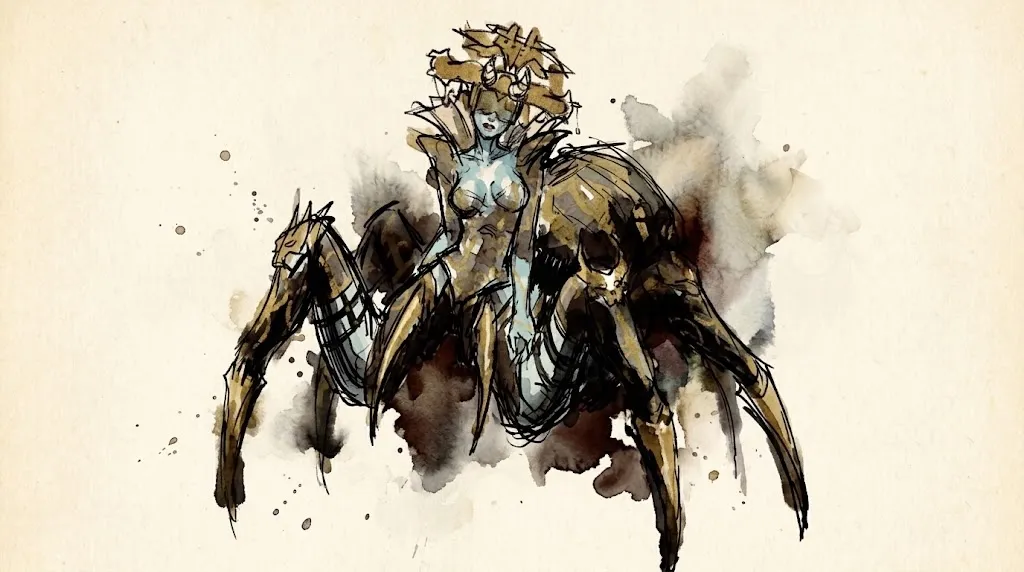
Jorogumo
A 400-year-old spider that takes the form of a beautiful woman to lure men to their death.
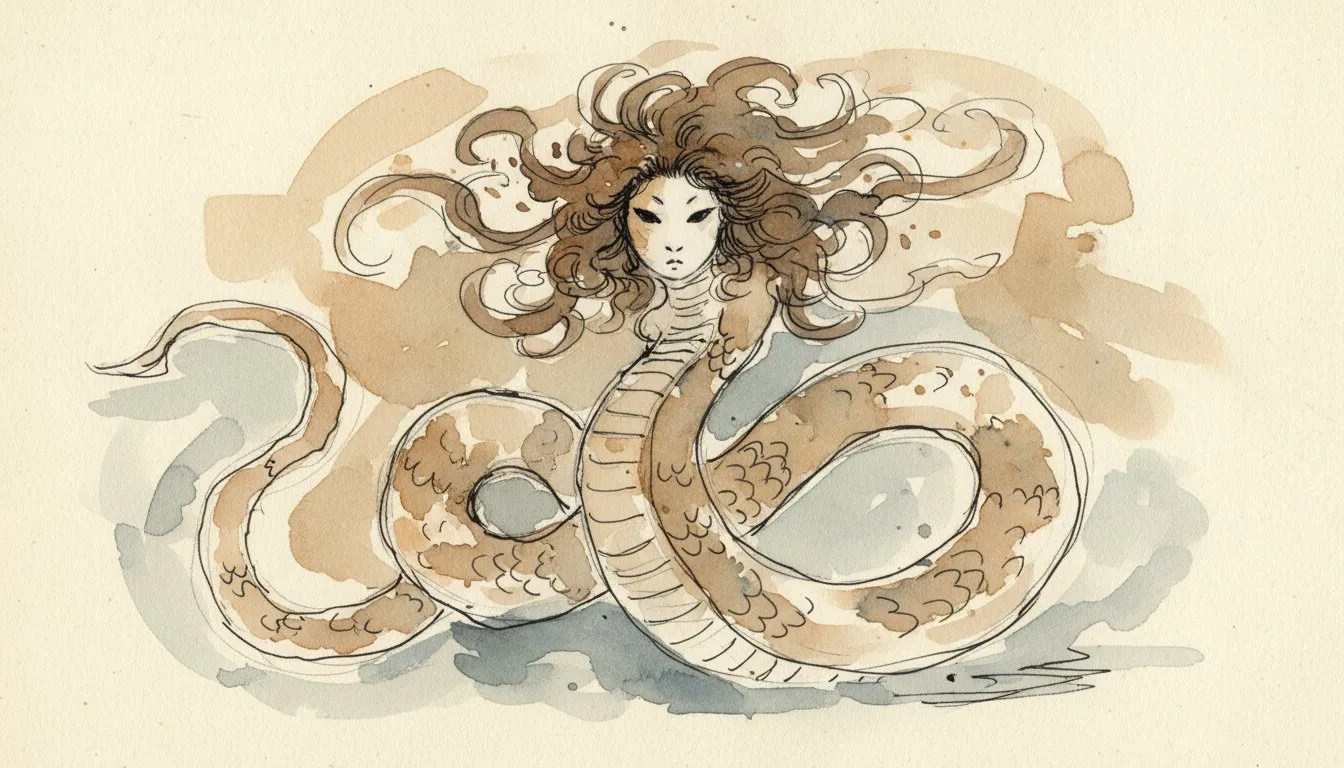
Nure-Onna
A serpent with a woman's head that haunts riverbanks, cradling a phantom baby to paralyze its prey.
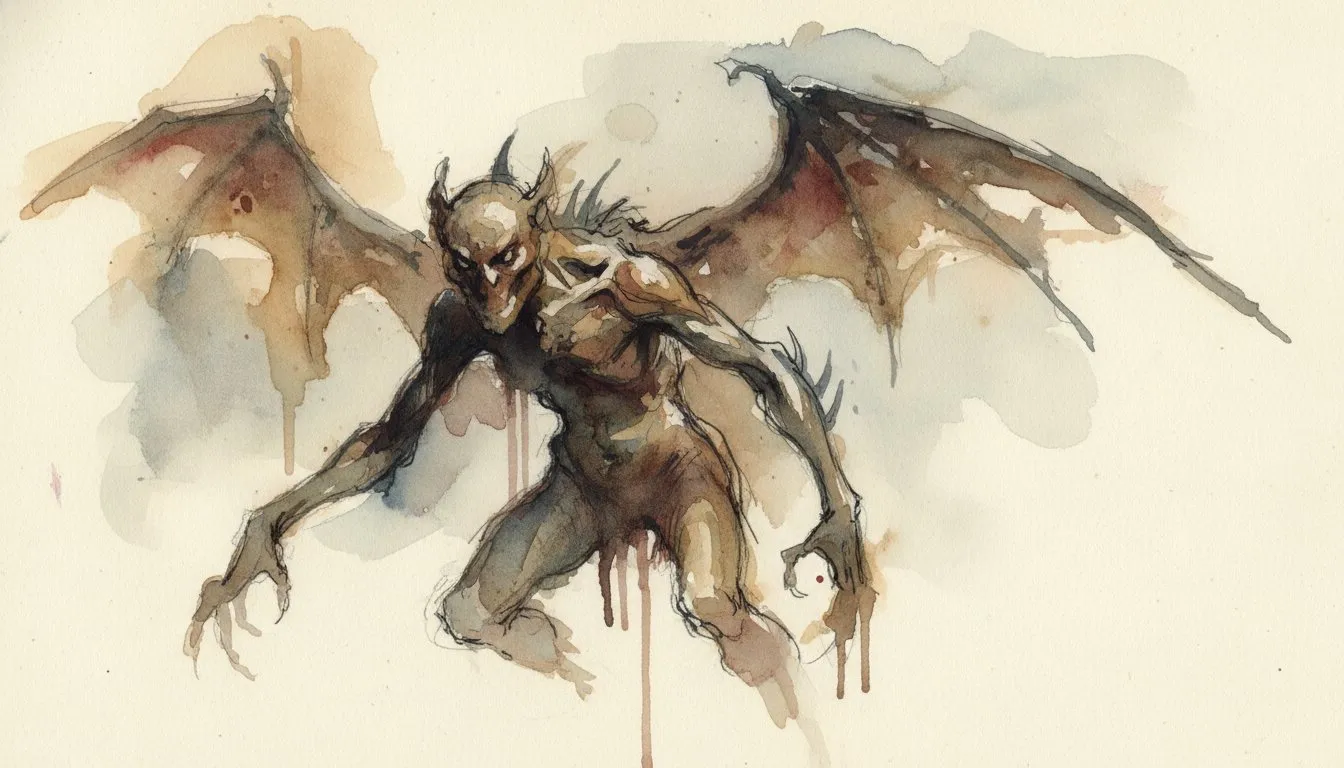
Aswang
The Philippines' most feared shapeshifter hides as your neighbor by day and hunts as a beast by night.
Kappa
Japan's mischievous water imp with a bowl of power on its head.
Manananggal
A vampire that tears its own torso free and flies through the night on bat-like wings, trailing its entrails below.
Orang Minyak
A slippery, oil-coated humanoid that terrorizes Malaysian towns at night, impossible to catch or hold.
Tsuchinoko
A fat, stumpy snake that supposedly jumps, speaks, and has a taste for alcohol.
Hibagon
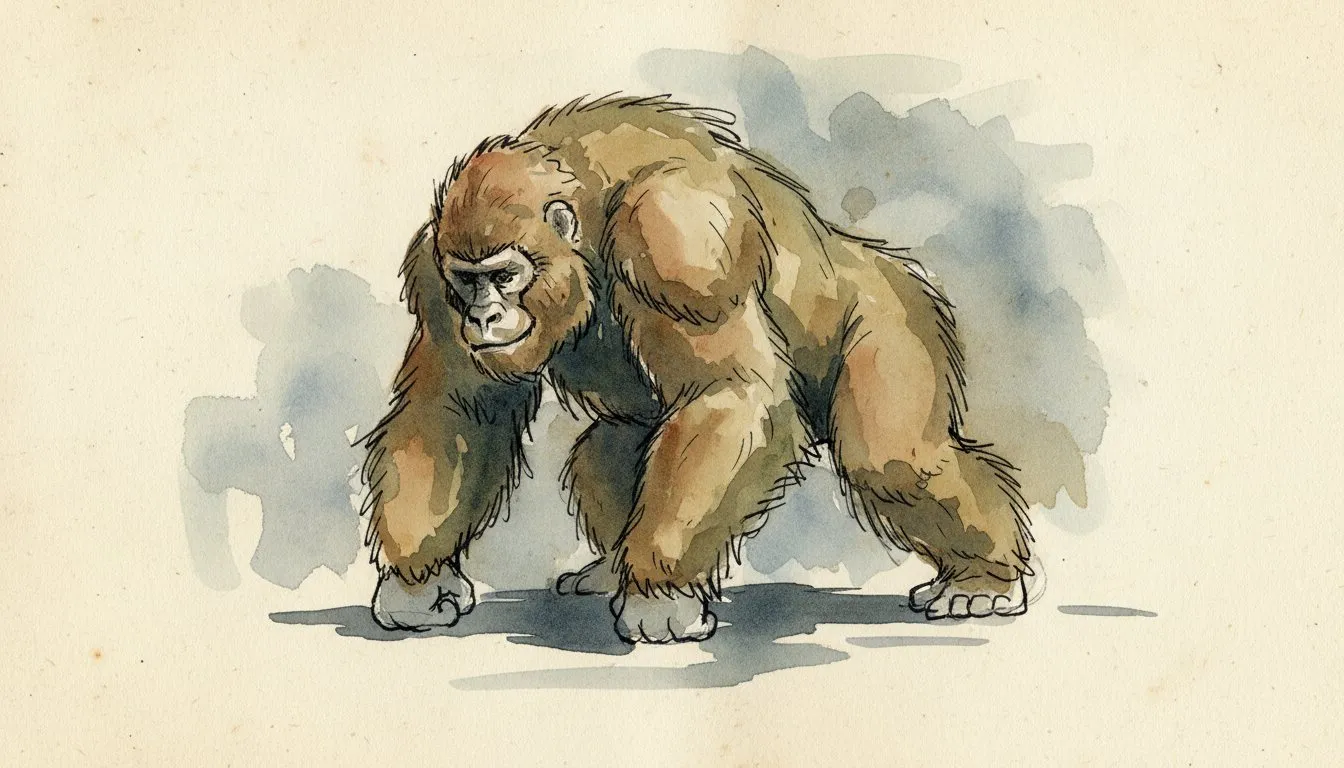
A foul-smelling ape-man stalking the misty slopes of Mount Hiba in rural Japan.