
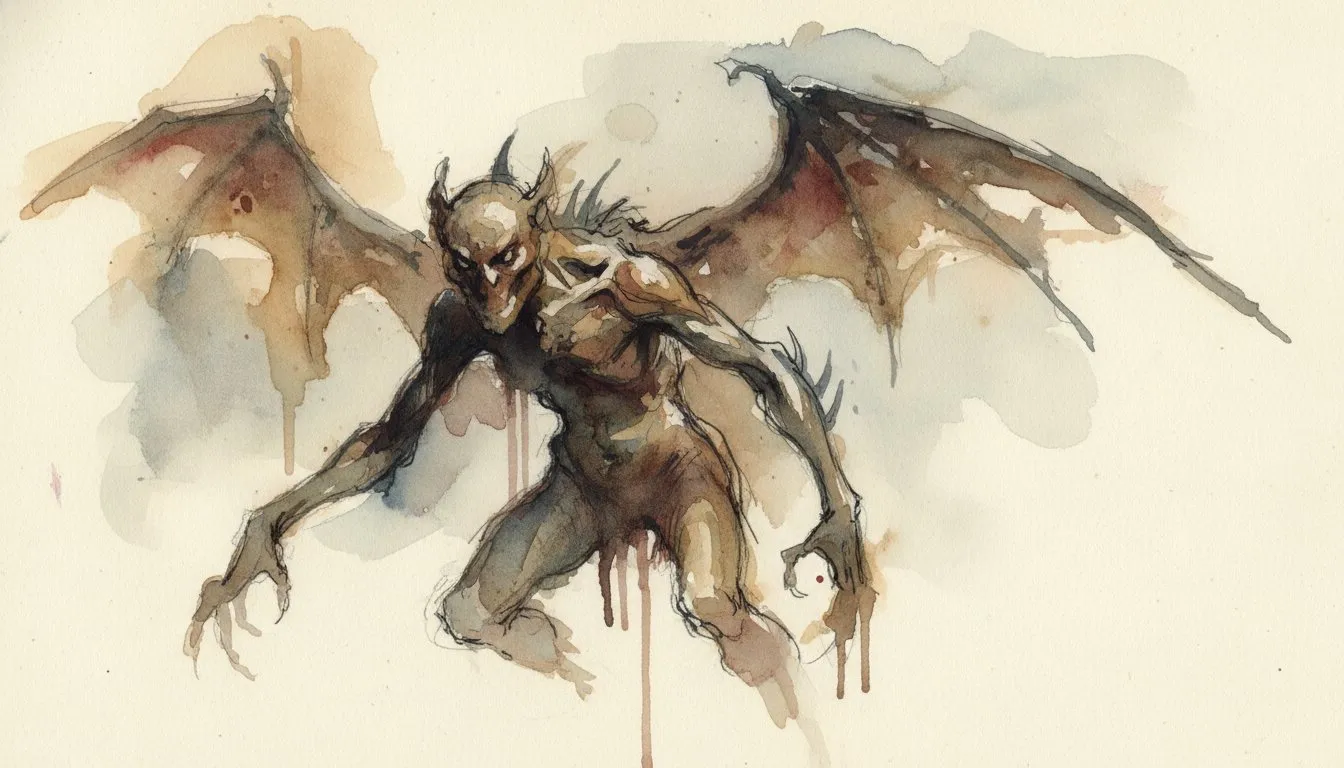
Aswang
Also known as: Tik-Tik, Wak-Wak
The Philippines' most feared shapeshifter hides as your neighbor by day and hunts as a beast by night.
Pre-colonial Filipino oral tradition
Philippines, nationwide but especially Visayas
Varies by form, human-sized by day
Predatory, deceptive
Deeply embedded in living cultural belief
The Lore
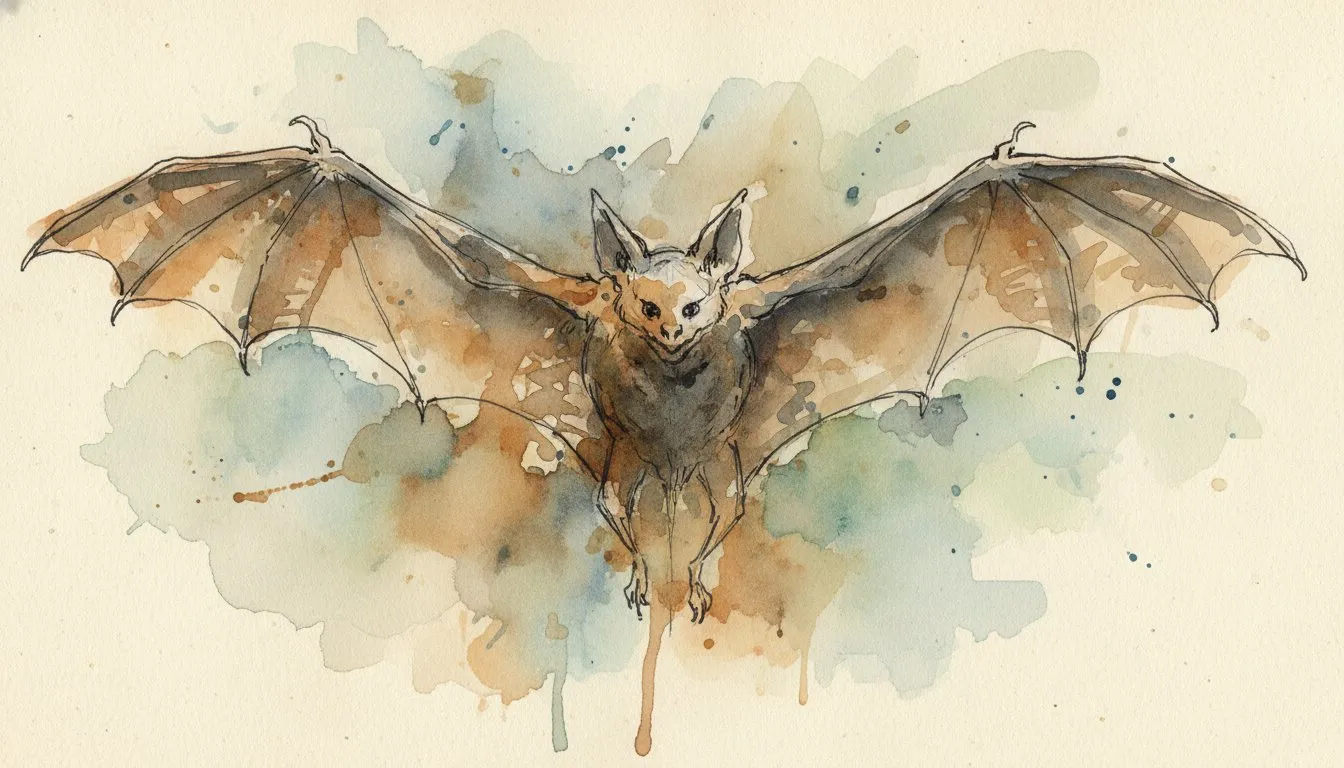
The aswang is the most prevalent and feared supernatural creature in Filipino folklore, found in nearly every regional tradition across the archipelago. By day, it appears as a quiet, unassuming person. By night, it transforms into a dog, pig, bat, or other animal to hunt. The aswang is particularly associated with a long, thread-like tongue used to feed on sleeping victims. Entire communities in rural Philippines maintain specific countermeasures, including garlic, salt, vinegar, and the tail of a stingray.
The aswang is less a single creature than a category, an umbrella term in Filipino folklore covering a range of shapeshifting predators that blend into human communities. Different regions emphasize different forms: the Visayan aswang leans toward the viscera-sucker, the Tagalog tradition stresses the shapeshifting dog or pig, and the Waray aswang often appears as a black bird the size of a water buffalo. What unites them is the premise that the monster lives among you. She sells fish at the market. He is the quiet man who fixes bicycles. During the day they are indistinguishable from their neighbors, and it is only at night, in transformation, that their true nature surfaces.
The feeding method is the part of the legend that has stayed most consistent across centuries and islands. An aswang targets sleeping victims, particularly pregnant women and small children, and extends a long thread-like tongue through the roof or bamboo floor of the home to feed on the fetus or the liver. Rural countermeasures are specific and practical. Salt, garlic, and the tail of a stingray are said to repel them. Some communities plant thorny bamboo around their homes. Others hang buntot pagi, a stingray tail whip, near sleeping infants. A common test involves having a suspected aswang look at you while you bend over and peer between your legs - the legend says their reflection will appear inverted.
Spanish colonial records from the 16th century describe aswang belief as already deeply embedded across the archipelago, and some scholars argue the colonizers actively promoted and elaborated the legend as a tool to demonize village healers, midwives, and women who held pre-Christian religious roles. The babaylan, indigenous spiritual leaders who were almost always women, were often accused of being aswang by Spanish friars trying to consolidate Catholic authority. If that theory is correct, the aswang occupies a strange double position: a genuine pre-colonial monster that was then weaponized against the communities that originally feared it.
The belief has proven stubbornly resistant to modernization. As recently as the 2010s, reports surfaced of entire barangays in Capiz, the province most strongly associated with aswang tradition, conducting informal investigations into suspected witches. The 2011 documentary Aswang and the 2021 Netflix series Trese brought the legend to international audiences, but in the Philippines it never needed rediscovery. It simply never left.
Media Appearances
- Trese (Netflix animated series)
- Aswang (2011 documentary)
- Grimm (TV series)
Further Reading
No book is devoted to this creature. These are the general references that cover the field, plus a direct search if you want to dig further.
- Cryptozoology A to Z by Loren Coleman and Jerome Clark (1999)
The standard one-volume encyclopedia, roughly two hundred entries covering creatures, investigators, and hoaxes.
- Mysterious Creatures: A Guide to Cryptozoology by George M. Eberhart (2002)
The larger reference guide, stronger on sourcing and on creatures that never reached the popular books.
Search Amazon for Aswang books
As an Amazon Associate, Cryptid Vault earns from qualifying purchases. Links open Amazon in a new tab.
Get the Field Notes.
Field notes from the Vault, when there is something worth sending. No spam.
No spam. Unsubscribe anytime.
You might also like
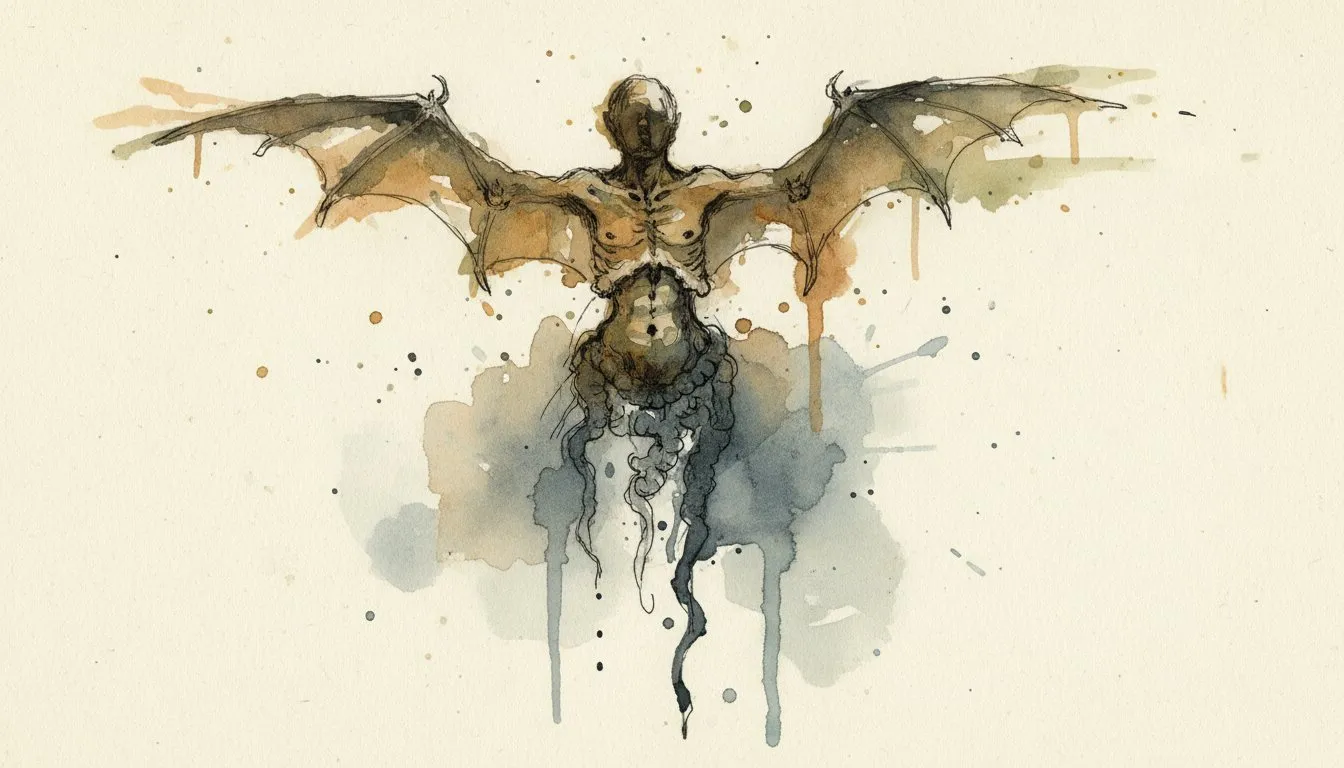
Manananggal
A vampire that tears its own torso free and flies through the night on bat-like wings, trailing its entrails below.
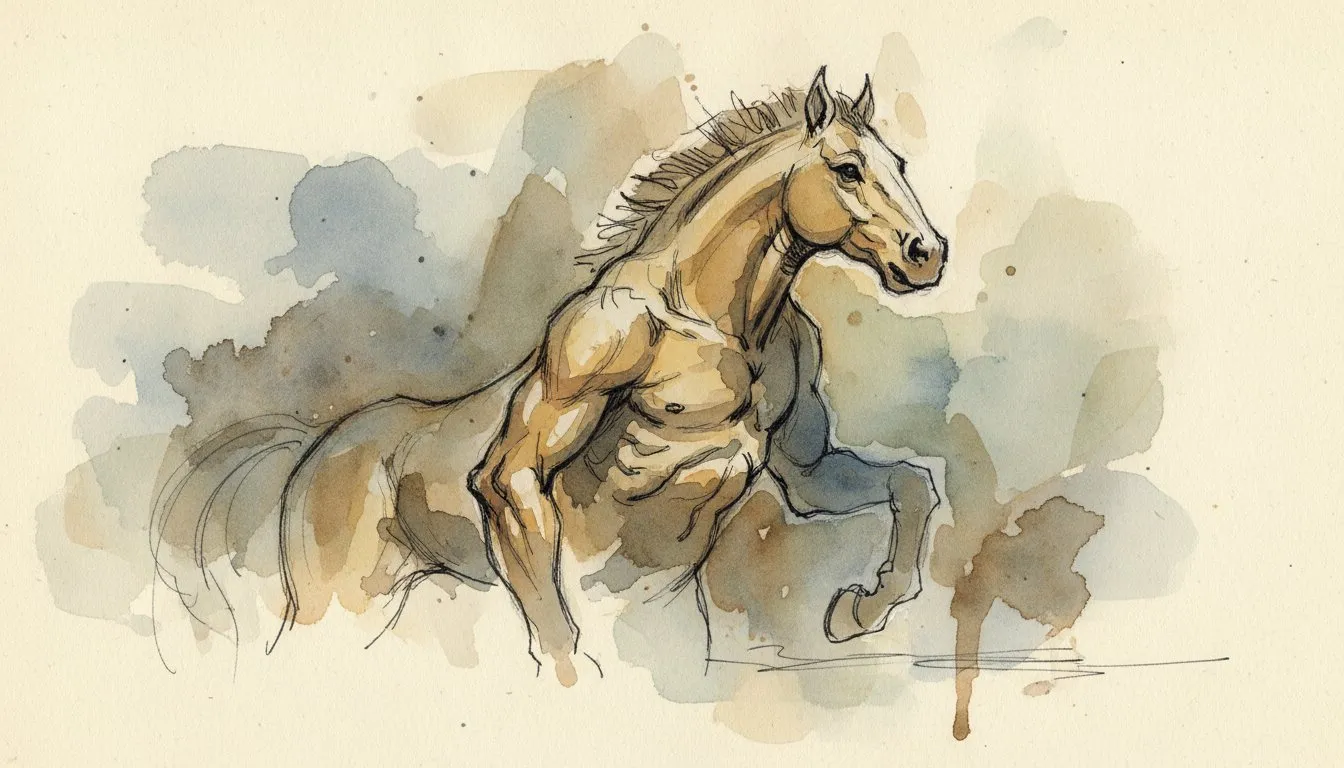
Tikbalang
A towering horse-headed giant that leads travelers in circles through the Philippine wilderness.
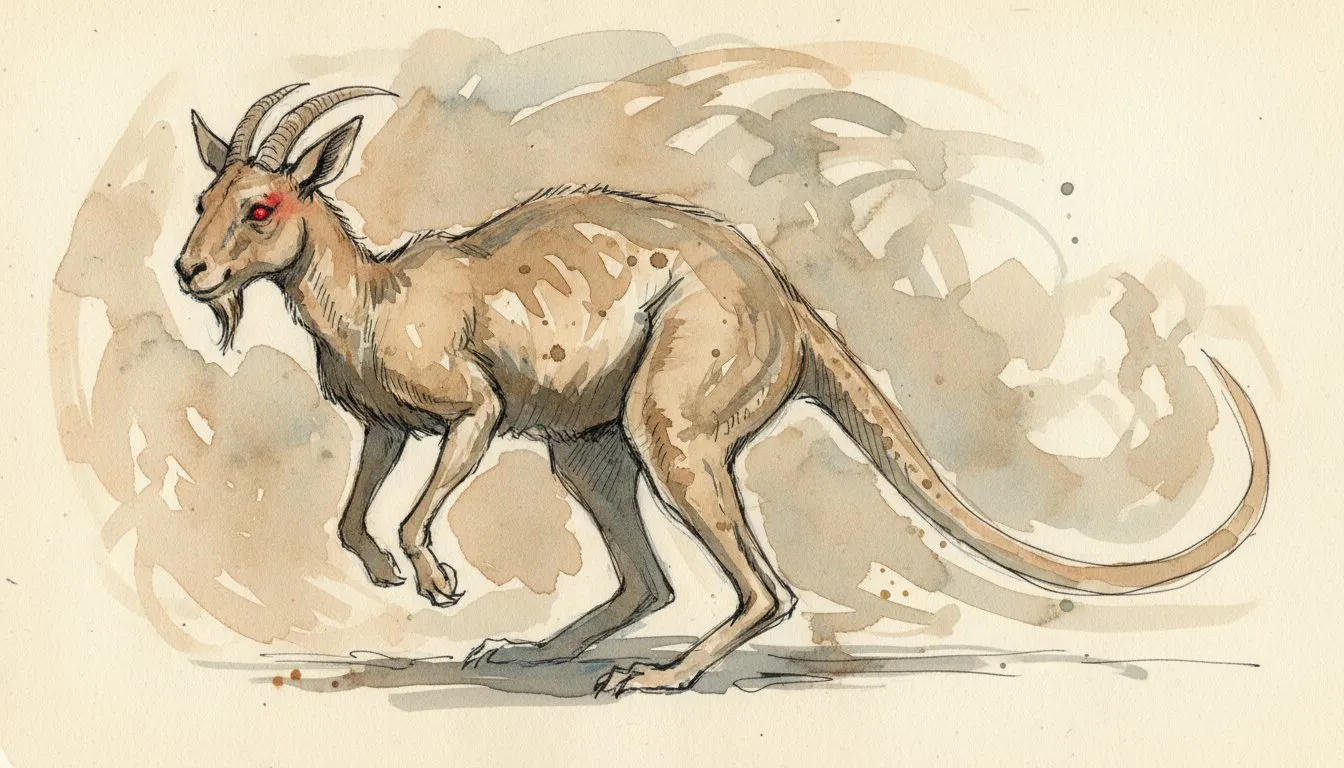
Sigbin
A blood-drinking creature from the Philippines that walks backward and hides in the shadows of its owner.
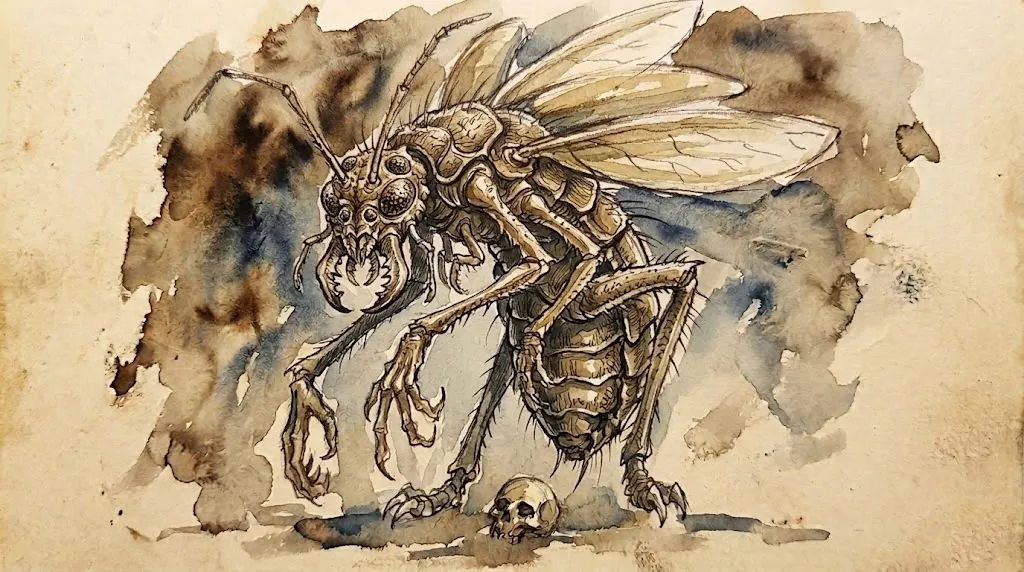
Adze
In Togo, a vampire disguised as a glowing firefly slips through locked doors to feed on the sleeping.
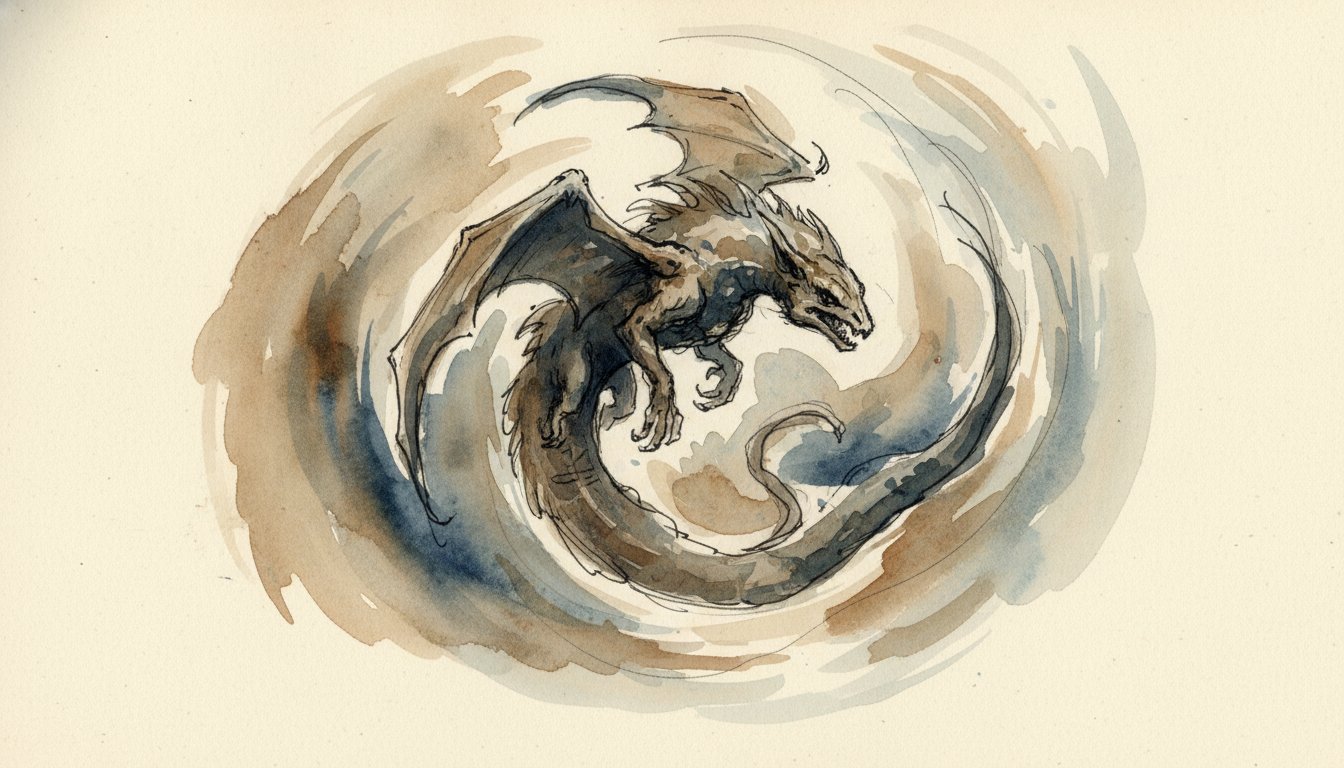
Peuchen
A shapeshifting flying serpent from Chilean forests that drains the blood of livestock from the air.
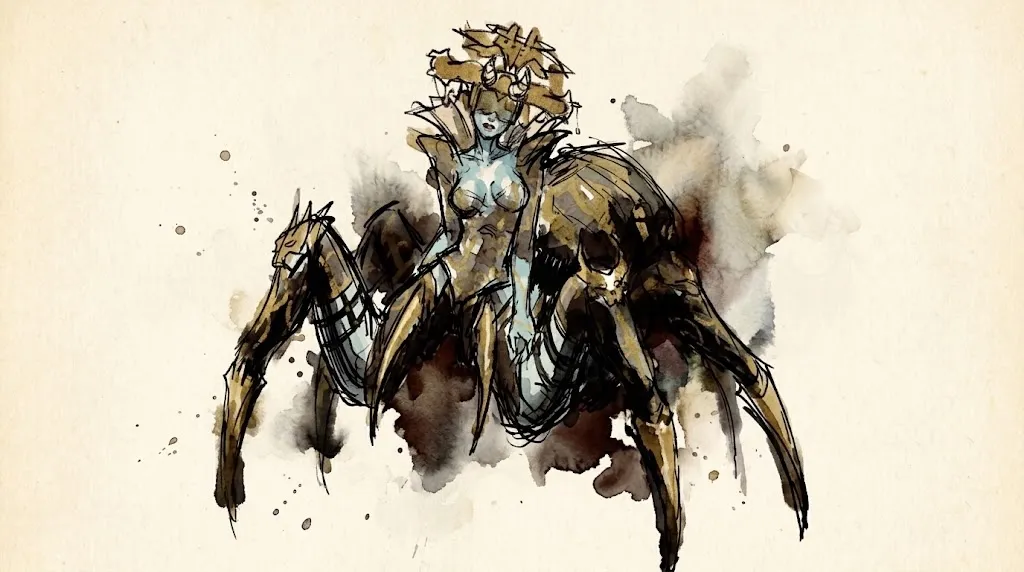
Jorogumo
A 400-year-old spider that takes the form of a beautiful woman to lure men to their death.
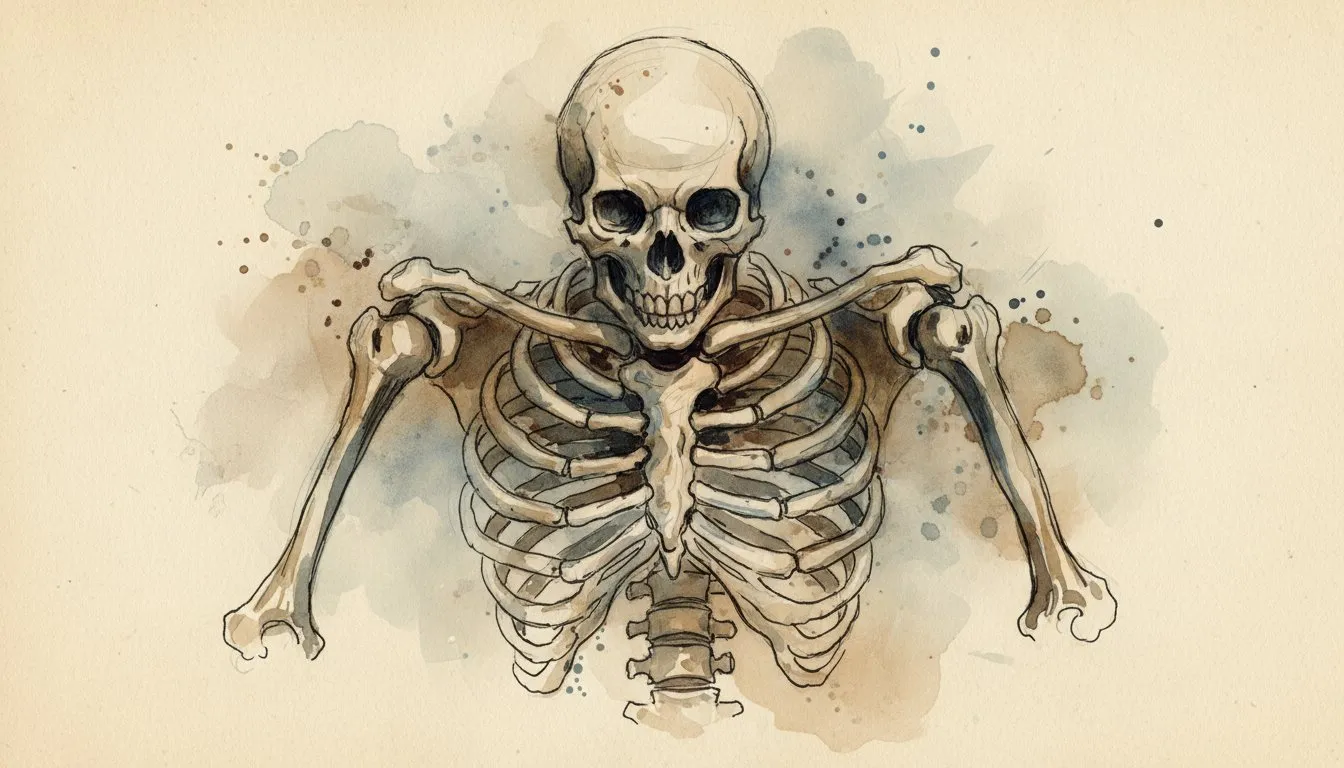
Gashadokuro
A towering skeleton formed from the bones of the unburied dead, rattling through the night to bite off heads.
Ahool
A giant bat with a 10-foot wingspan, screaming through the jungles of Java.