
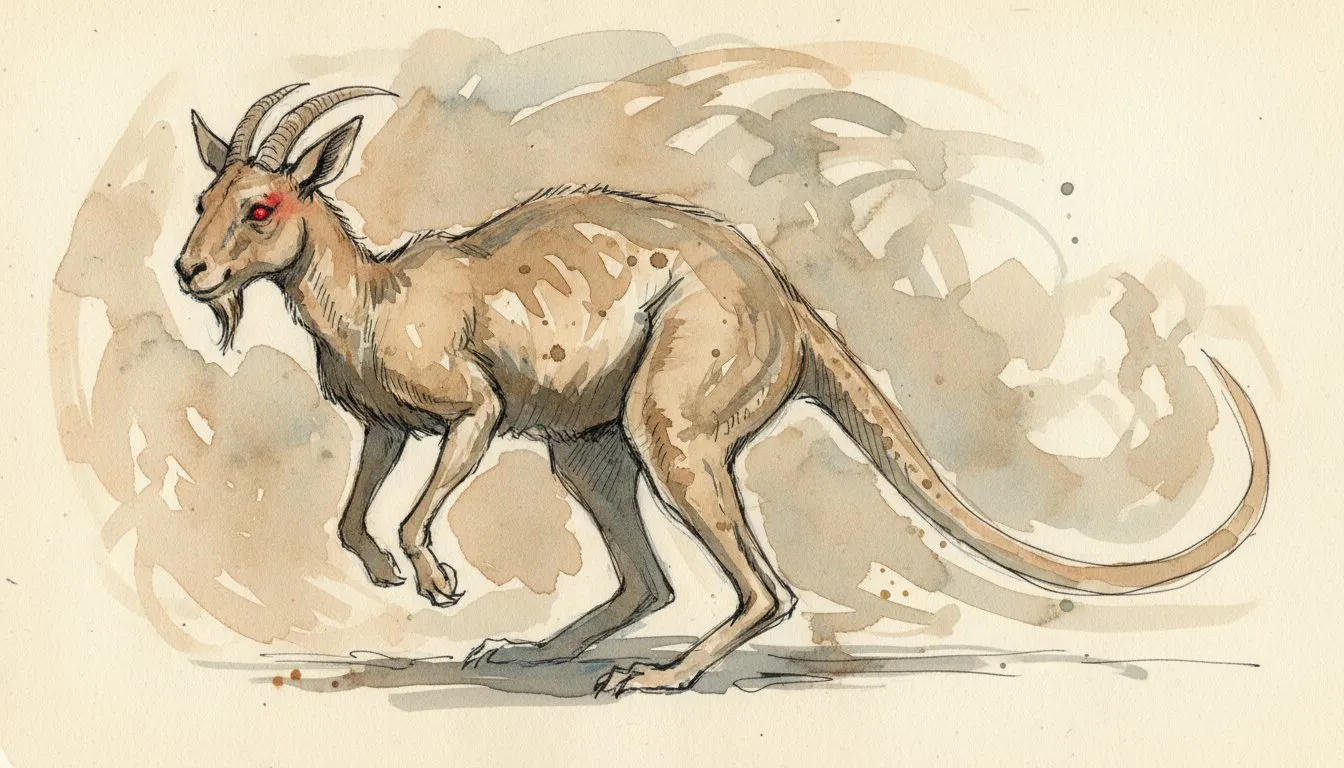
Sigbin
Also known as: Sigben
A blood-drinking creature from the Philippines that walks backward and hides in the shadows of its owner.
Pre-colonial Filipino oral tradition
Visayan islands, Philippines
Medium dog-sized
Predatory, stealthy
Active in folklore, occasional modern claims
The Lore
The sigbin is a creature from Philippine folklore described as a hornless goat or large rodent-like animal that walks backward with its head lowered between its hind legs. It is said to come out during Holy Week to suck the blood of victims through their shadows. In the Visayan tradition, certain families called sigbinan are believed to keep sigbin as pets that bring wealth and power. The creature emits a nauseating smell and is said to be invisible to most people.
Among the most feared creatures in Philippine folklore, the Sigbin occupies a space between the supernatural and the grotesquely physical that makes it particularly disturbing to encounter in traditional accounts. Described in Visayan communities across Cebu, Leyte, and surrounding islands, the Sigbin is said to be roughly the size of a large dog but assembled along anatomical lines that violate the expected order of living things. It walks backward with its head lowered between its hind legs. Its ears are broad enough to clap together like hands. Its neck is set on its shoulders in a manner observers describe as inverted, and its mouth is filled with needle-like teeth capable of puncturing skin. The creature is said to emerge at night, particularly during Holy Week, to hunt humans and animals - drinking blood and consuming hearts.
The Sigbin is strongly associated with certain families in the Visayas who are reputed to harbor the creatures as familiars. These families, known as sigbinan, are said to keep the Sigbin in rattan jars sealed with palm leaves, releasing them to do harm at the direction of the family patriarch. The possession of a Sigbin familiar is a source of social stigma in traditional communities; families accused of sigbinan status are treated with suspicion and sometimes excluded from community life. This social dimension gives the legend an active function in regulating community relations, with accusations of Sigbin ownership operating in ways analogous to accusations of witchcraft in other cultural contexts.
The Sigbin legend gained renewed international attention in 2005 when cryptozoologists cited a report from the southern Philippines of a cat-like creature photographed in the wild that had features inconsistent with known felids. The report circulated widely online before the images were identified as manipulated or misidentified photographs of a known species. The episode illustrates the way digital media has given regional legends new avenues for global circulation, sometimes at the cost of accuracy.
Skeptics have proposed that Sigbin accounts may originate in garbled descriptions of the Philippine naked-tailed dog or of civets seen under unusual conditions, their characteristic anal scent glands perhaps contributing to the creature's reputation for supernatural emanations. Whatever its biological inspiration, the Sigbin functions most powerfully as a social organism - a creature whose existence is held in place not by physical evidence but by community belief.
Media Appearances
- Trese (Netflix animated series)
Further Reading
No book is devoted to this creature. These are the general references that cover the field, plus a direct search if you want to dig further.
- Cryptozoology A to Z by Loren Coleman and Jerome Clark (1999)
The standard one-volume encyclopedia, roughly two hundred entries covering creatures, investigators, and hoaxes.
- Mysterious Creatures: A Guide to Cryptozoology by George M. Eberhart (2002)
The larger reference guide, stronger on sourcing and on creatures that never reached the popular books.
Search Amazon for Sigbin books
As an Amazon Associate, Cryptid Vault earns from qualifying purchases. Links open Amazon in a new tab.
Get the Field Notes.
Field notes from the Vault, when there is something worth sending. No spam.
No spam. Unsubscribe anytime.
You might also like
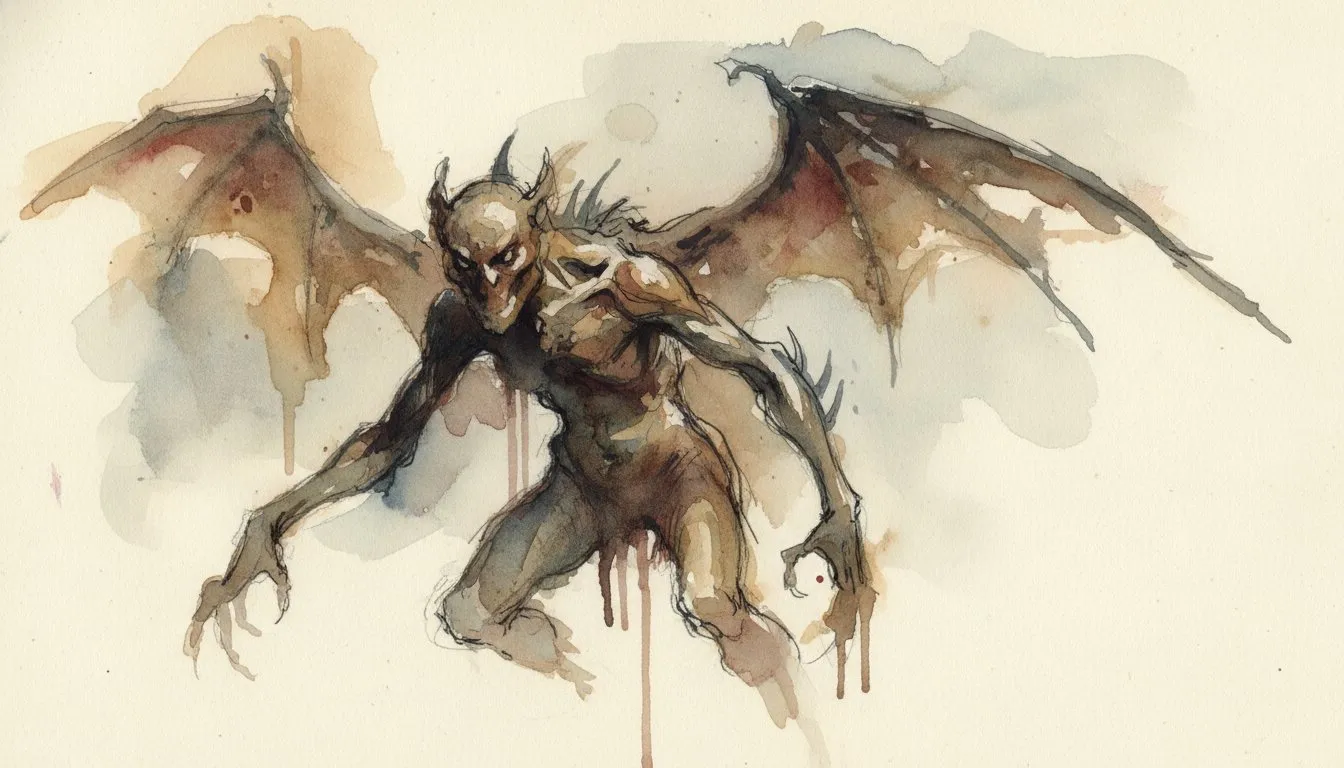
Aswang
The Philippines' most feared shapeshifter hides as your neighbor by day and hunts as a beast by night.
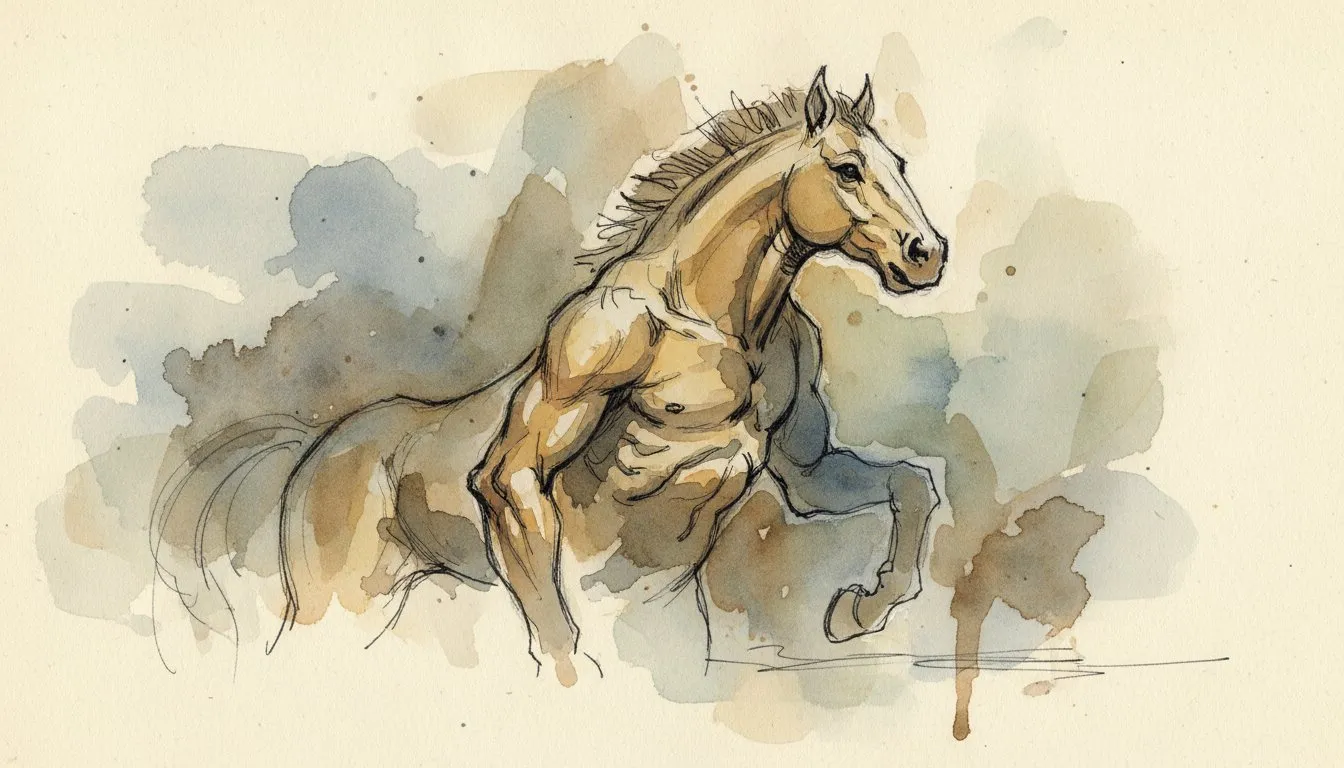
Tikbalang
A towering horse-headed giant that leads travelers in circles through the Philippine wilderness.
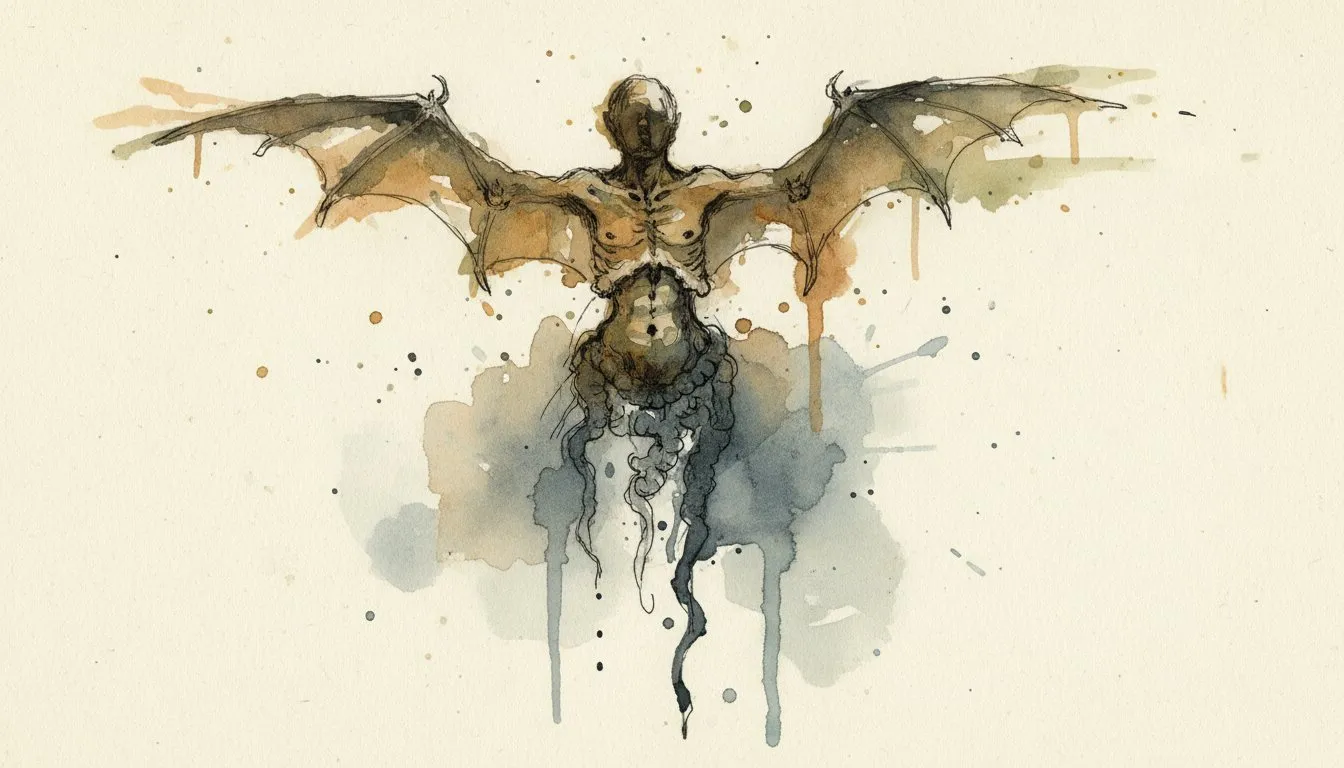
Manananggal
A vampire that tears its own torso free and flies through the night on bat-like wings, trailing its entrails below.
El Cadejo
In Central America, a glowing-eyed dog follows you home at night, but its color decides your fate.
Beast of Bray Road
A shaggy, upright canine prowling a rural Wisconsin road since the 1980s.
Black Shuck
A ghostly black dog with blazing red eyes has haunted the roads and churchyards of East Anglia for over a thousand years.
Cu-Sith
A massive dark green hound the size of a bull roams the Scottish Highlands, and hearing its third bark means death.
Gashadokuro
A towering skeleton formed from the bones of the unburied dead, rattling through the night to bite off heads.