
Manananggal
Also known as: Self-Segmenter, Tik-Tik
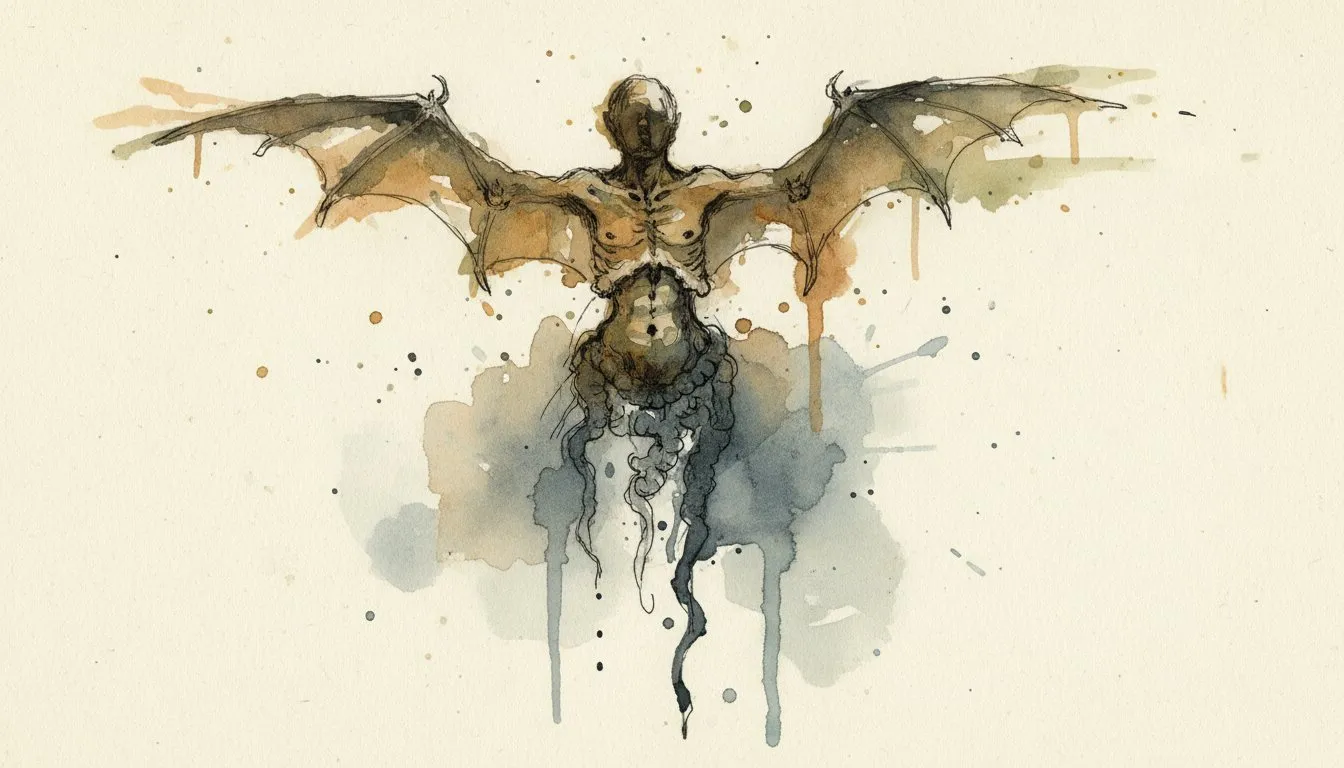
A vampire that tears its own torso free and flies through the night on bat-like wings, trailing its entrails below.
Pre-colonial Filipino oral tradition
Visayas, Philippines
Human-sized (upper body in flight)
Predatory, nocturnal
Deeply embedded in living cultural belief
The Lore
The manananggal is one of the most visceral creatures in Filipino folklore. By day, it appears as an ordinary woman. At night, its upper body separates from its lower half, sprouts enormous bat-like wings, and takes flight. It uses an elongated tongue to feed on sleeping victims, with a particular focus on pregnant women. The creature's weakness is its abandoned lower half. If someone finds it and sprinkles salt, crushed garlic, or ash on the exposed waist, the upper body cannot reattach, and the manananggal dies at dawn.
The manananggal is among the most physically specific monsters in Filipino folklore and one of the most disturbing to visualize. Her name comes from the Tagalog word tanggal, meaning to separate or remove, referring to her defining act. By day she is an unremarkable woman, often beautiful, usually living in or near a rural barangay where she is known to her neighbors. At night she secludes herself, rubs a special oil onto her torso, and separates her upper body from her waist down. Massive leathery bat wings unfold from her back, and she takes flight, leaving her lower half standing upright and vulnerable in whatever hidden place she has chosen.
Her hunting method mirrors the broader aswang pattern but with greater violence. The manananggal flies to the roof of a target home, usually one containing a pregnant woman, and extends an elongated proboscis-like tongue down through the thatch or floorboards. She uses the tongue to pierce the mother's abdomen and feed on the heart of the unborn fetus, or in some variants the liver, or the blood. Victims often wake weakened and miscarry, and communities experiencing unexplained pregnancy losses have historically attributed them to a nearby manananggal. The creature must return to her lower half before sunrise or the upper body dies at first light, unable to survive without its legs.
The traditional defense exploits this dependency. If a person discovers the manananggal's abandoned lower half during the night, they can destroy her by rubbing salt, garlic, ash, or crushed ginger on the exposed raw flesh of the waist. Treated this way, the severed halves cannot reattach, and the upper body perishes at dawn no matter how desperately she tries to return. Rural Filipino homes have historically kept salt and garlic near sleeping areas, and pregnant women were advised to sleep with sharp objects, rosaries, or stingray-tail whips nearby. The 2011 documentary Aswang filmed contemporary Capiz residents discussing the manananggal as a current rather than historical concern.
Folklorists have read the manananggal in multiple ways. Some see her as an externalization of fears around maternal death and miscarriage in a pre-modern agricultural society where such losses were common and inexplicable. Others argue the legend served a social function in policing female behavior, with suspected manananggal often being widows, midwives, or women who lived alone outside the control of male relatives. Whatever its origins, the creature has survived into contemporary Philippine horror cinema and into the Netflix series Trese, where her wings, her tongue, and her sundered body remain exactly as rural grandmothers have described them for at least five centuries.
Media Appearances
- Trese (Netflix animated series)
- Shake, Rattle & Roll (film series)
Further Reading
No book is devoted to this creature. These are the general references that cover the field, plus a direct search if you want to dig further.
- Cryptozoology A to Z by Loren Coleman and Jerome Clark (1999)
The standard one-volume encyclopedia, roughly two hundred entries covering creatures, investigators, and hoaxes.
- Mysterious Creatures: A Guide to Cryptozoology by George M. Eberhart (2002)
The larger reference guide, stronger on sourcing and on creatures that never reached the popular books.
Search Amazon for Manananggal books
As an Amazon Associate, Cryptid Vault earns from qualifying purchases. Links open Amazon in a new tab.
Get the Field Notes.
Field notes from the Vault, when there is something worth sending. No spam.
No spam. Unsubscribe anytime.
You might also like
Aswang
The Philippines' most feared shapeshifter hides as your neighbor by day and hunts as a beast by night.
Jorogumo
A 400-year-old spider that takes the form of a beautiful woman to lure men to their death.
Nure-Onna
A serpent with a woman's head that haunts riverbanks, cradling a phantom baby to paralyze its prey.
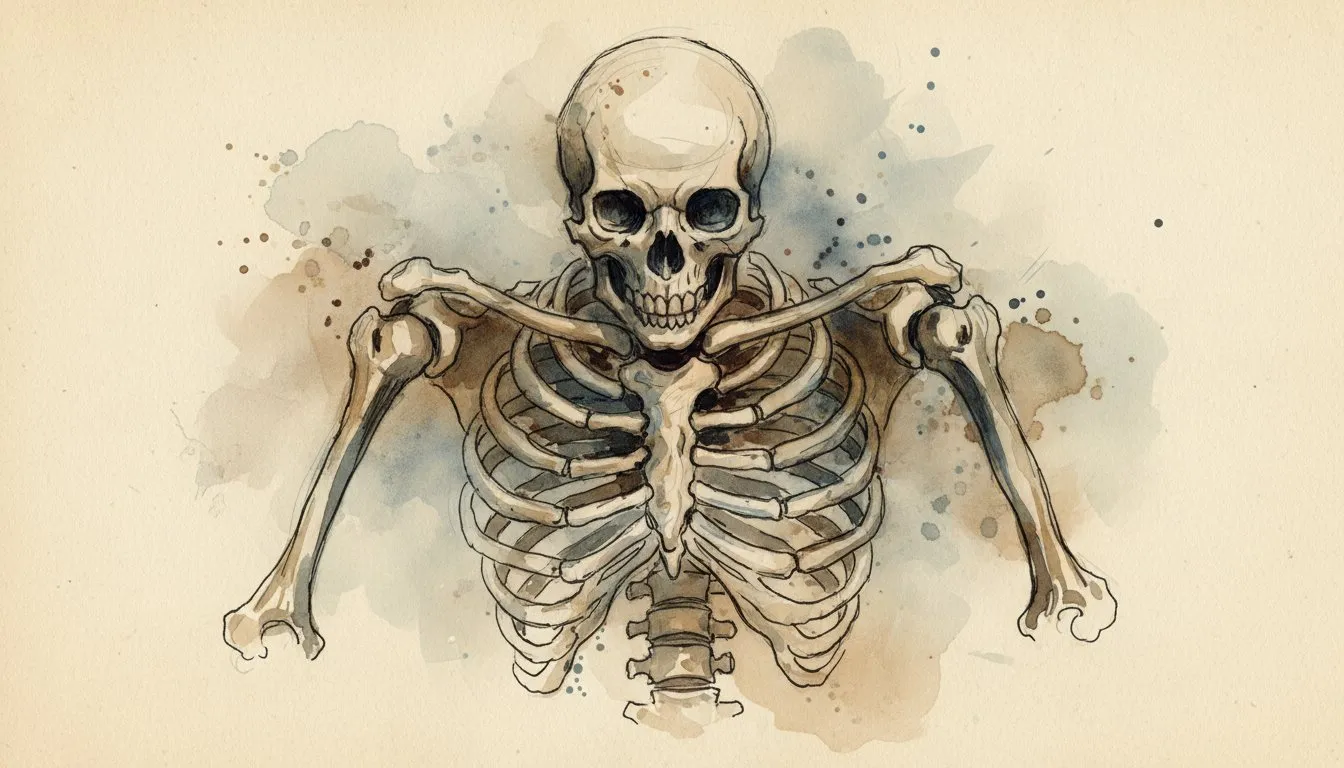
Gashadokuro
A towering skeleton formed from the bones of the unburied dead, rattling through the night to bite off heads.
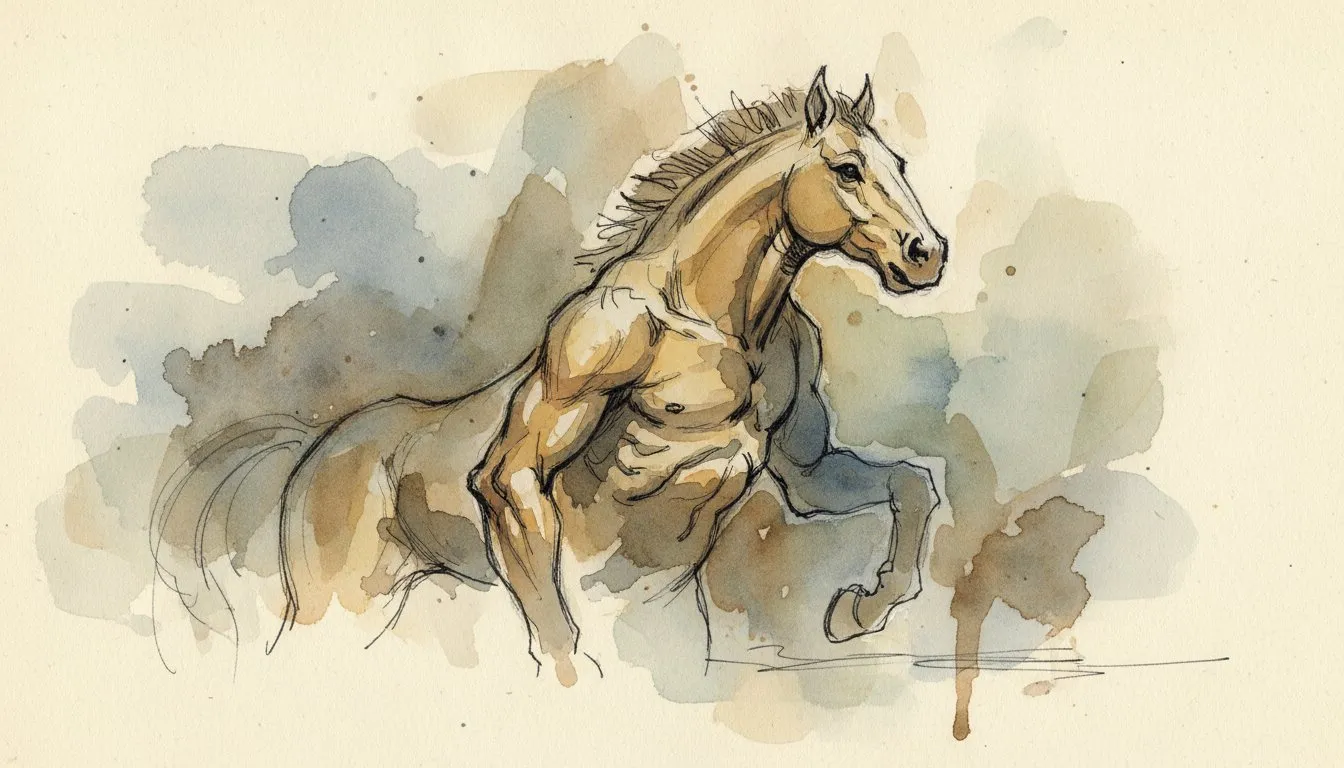
Tikbalang
A towering horse-headed giant that leads travelers in circles through the Philippine wilderness.
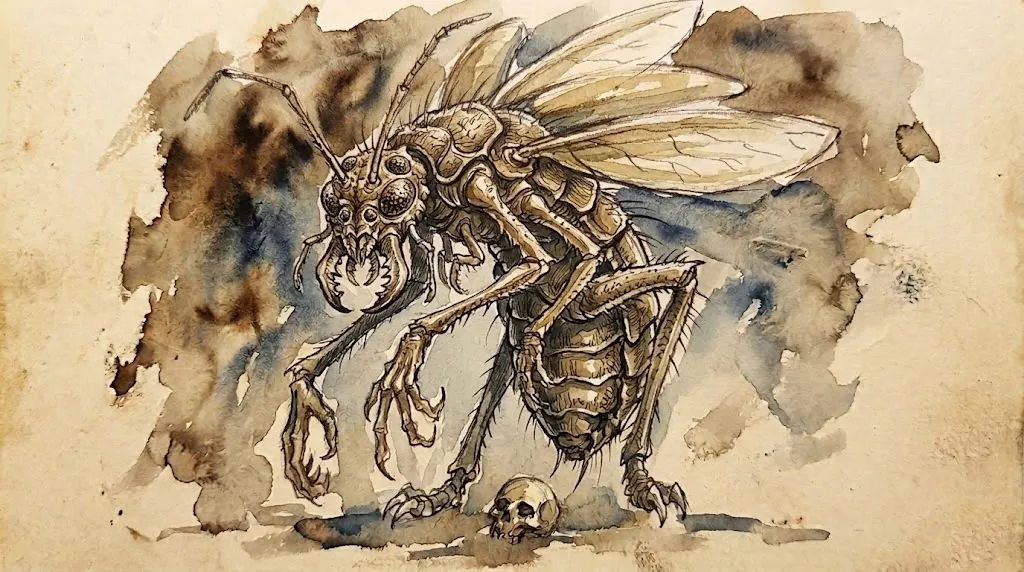
Adze
In Togo, a vampire disguised as a glowing firefly slips through locked doors to feed on the sleeping.
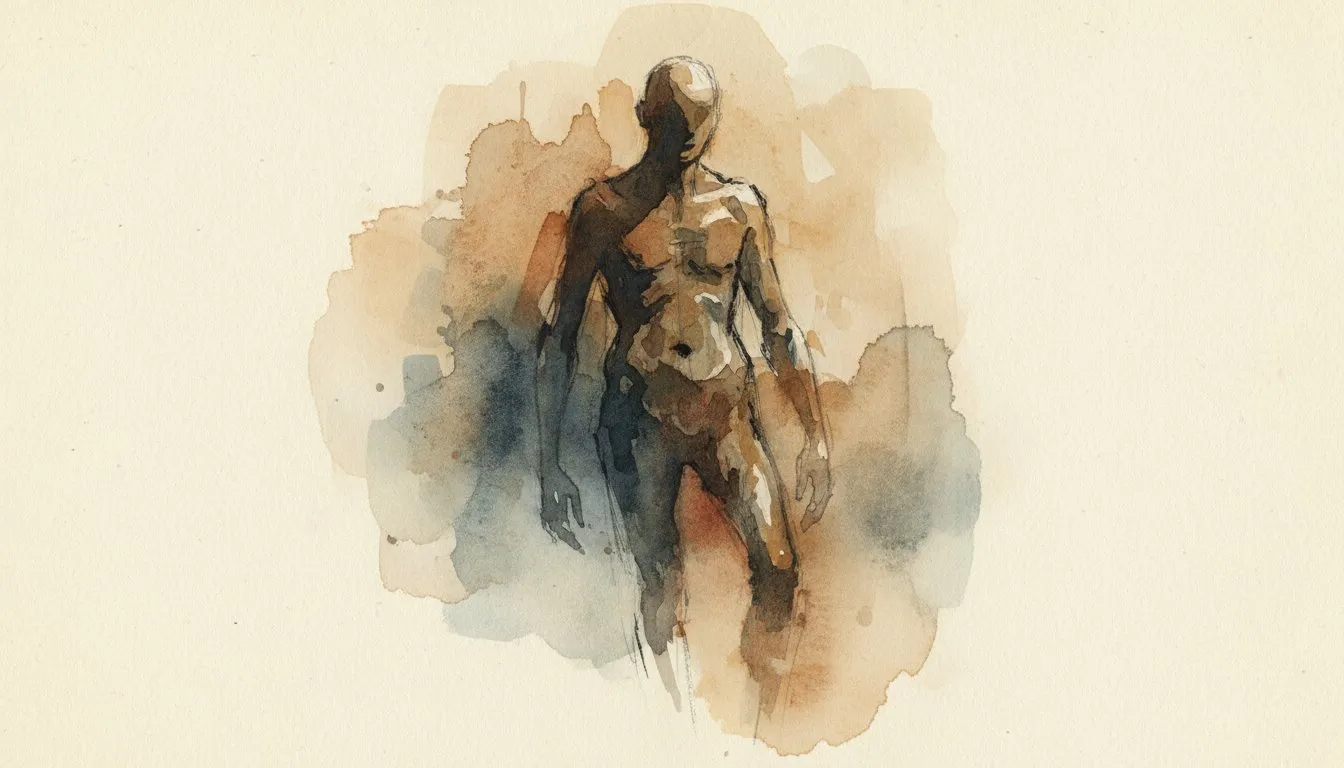
Orang Minyak
A slippery, oil-coated humanoid that terrorizes Malaysian towns at night, impossible to catch or hold.
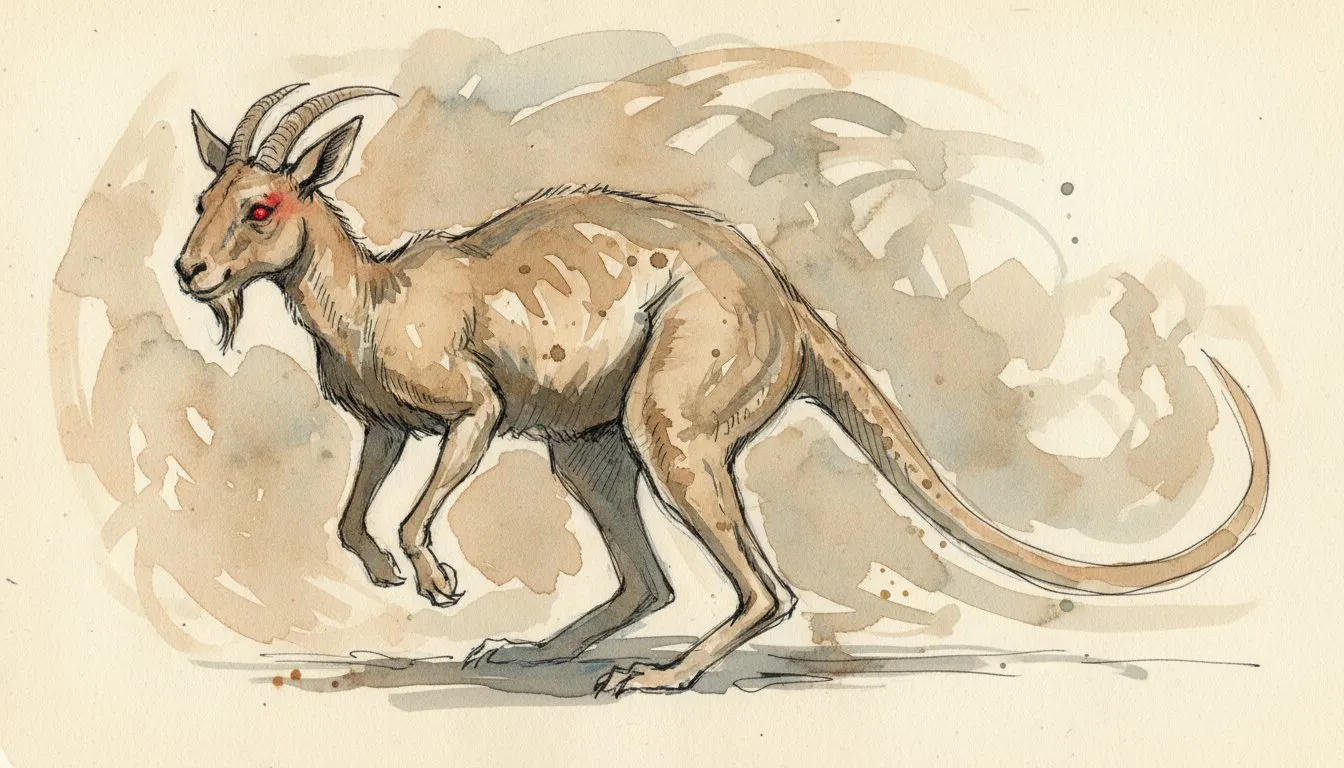
Sigbin
A blood-drinking creature from the Philippines that walks backward and hides in the shadows of its owner.