
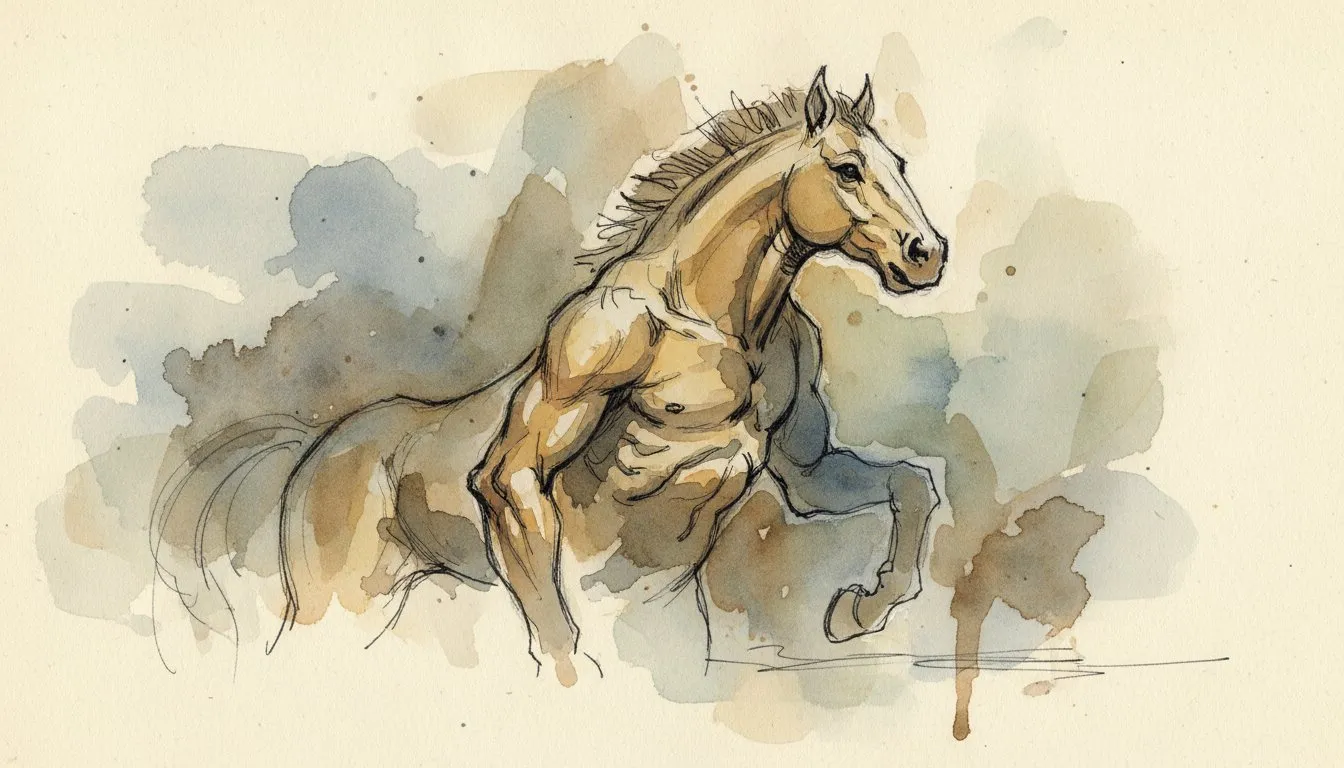
Tikbalang
Also known as: Tigbalang, Tigbalan
A towering horse-headed giant that leads travelers in circles through the Philippine wilderness.
Pre-colonial Filipino tradition
Philippines, Luzon and Visayas
2-3 meters tall
Mischievous, territorial
Active in Filipino folklore and pop culture
The Lore
The tikbalang is a creature from Filipino folklore depicted as a tall, bony humanoid with the head and hooves of a horse and disproportionately long limbs. It lurks in mountains, forests, and bamboo groves, where it causes travelers to lose their way by making them walk in circles. The traditional countermeasure is to wear your shirt inside out. Some accounts say that plucking the three golden hairs from its mane will make it your servant. The tikbalang is one of the Philippines' most recognizable folkloric beings.
The Tikbalang is among the most feared and fascinating creatures in Philippine mythology, a shapeshifting trickster that has haunted the archipelago's forests and mountains for centuries. The name derives from the Tagalog words for horse and person, and the creature is typically described as a being of grotesque proportions: towering and gaunt, with an elongated horse's head set on a humanoid body, its legs so impossibly long that its knees rise above its shoulders when it crouches. Its skin is dark, its eyes burn with a red or yellow light, and its mane is said to conceal a single strand of hair so powerful that anyone who captures it can command the Tikbalang absolutely.
In pre-colonial Tagalog and Visayan traditions, the Tikbalang occupied a complex spiritual role. Some accounts positioned it as a guardian of enchanted forests and the domains of elemental spirits called diwata and engkanto. It was not simply a monster but a boundary marker, a being that enforced the separation between the human world and the spirit realm. Encounters with a Tikbalang often resulted in travelers becoming hopelessly lost, wandering in circles despite knowing the terrain intimately. Filipino folklore holds that this disorientation is intentional: the Tikbalang is playing with its victim, delighting in human confusion.
Countermeasures described in regional tradition are remarkably specific. Travelers lost in the forest are advised to turn their clothing inside out, or to ask the Tikbalang's permission before entering unfamiliar woodland. In some provinces, the smell of burning hair is believed to repel it. Loud noise and profanity are also mentioned as deterrents in certain accounts from the Visayas. The sound of a Tikbalang's movement is described variously as the crack of bamboo, the stamping of hooves on dry earth, or a distant sound like children laughing.
Contemporary sightings in the Philippines continue to be reported, particularly from agricultural communities in Luzon and Visayas. The creature has been incorporated into modern Philippine pop culture, appearing in komiks, horror films, and literary fiction, sometimes reimagined as a sympathetic or even romantic figure. Its persistence in the Filipino imagination speaks to the Tikbalang's deep roots in the cultural landscape: it is not merely a scary story but a living piece of Philippine identity, a reminder that the natural world contains domains that human beings enter only on its terms.
Media Appearances
- Trese (Netflix animated series)
- Dayo (2008 animated film)
Further Reading
No book is devoted to this creature. These are the general references that cover the field, plus a direct search if you want to dig further.
- Cryptozoology A to Z by Loren Coleman and Jerome Clark (1999)
The standard one-volume encyclopedia, roughly two hundred entries covering creatures, investigators, and hoaxes.
- Mysterious Creatures: A Guide to Cryptozoology by George M. Eberhart (2002)
The larger reference guide, stronger on sourcing and on creatures that never reached the popular books.
Search Amazon for Tikbalang books
As an Amazon Associate, Cryptid Vault earns from qualifying purchases. Links open Amazon in a new tab.
Get the Field Notes.
Field notes from the Vault, when there is something worth sending. No spam.
No spam. Unsubscribe anytime.
You might also like
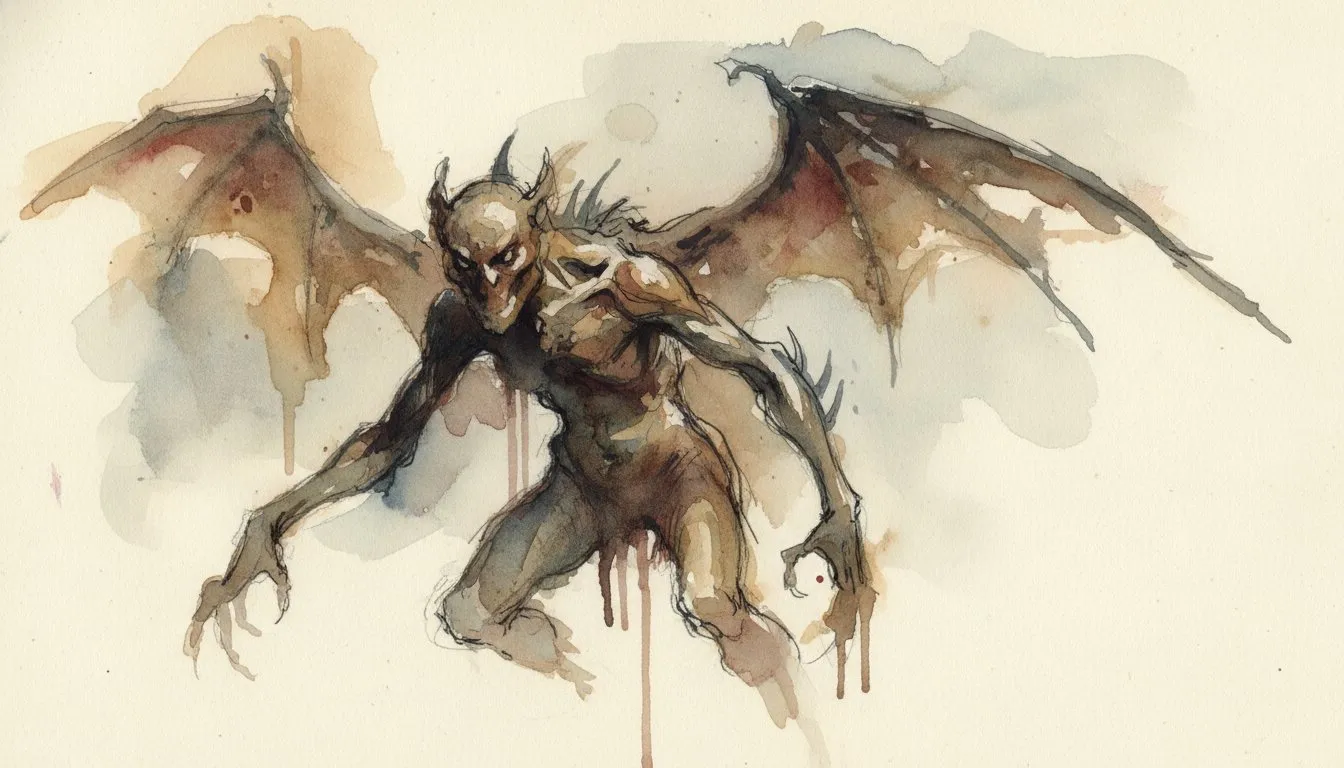
Aswang
The Philippines' most feared shapeshifter hides as your neighbor by day and hunts as a beast by night.
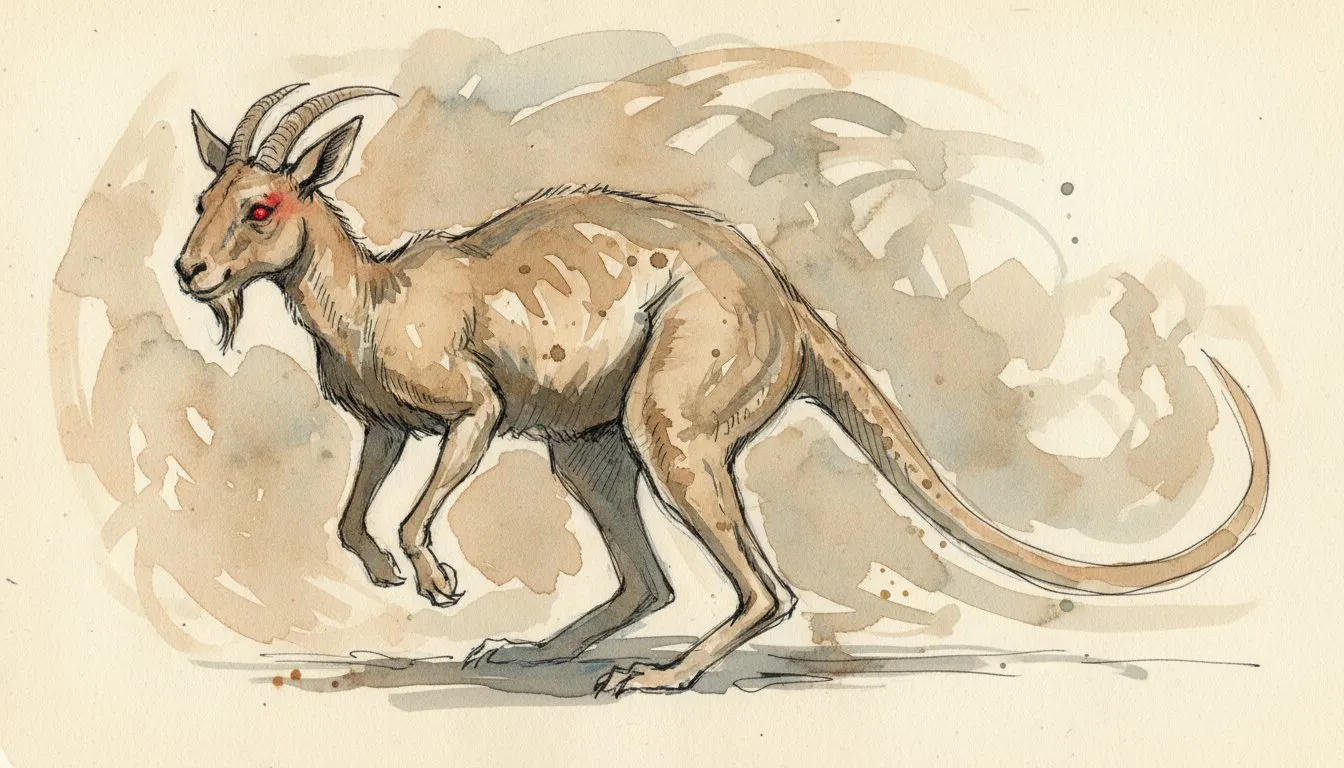
Sigbin
A blood-drinking creature from the Philippines that walks backward and hides in the shadows of its owner.
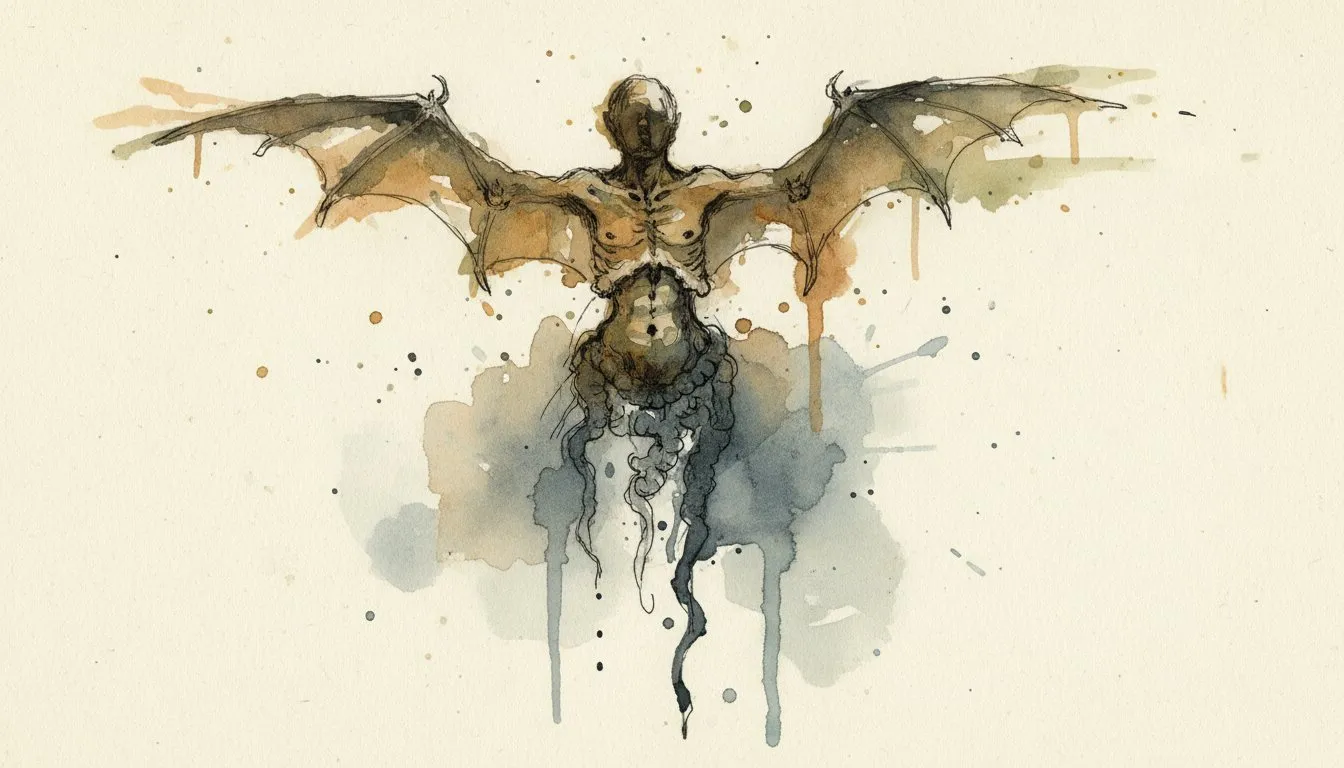
Manananggal
A vampire that tears its own torso free and flies through the night on bat-like wings, trailing its entrails below.
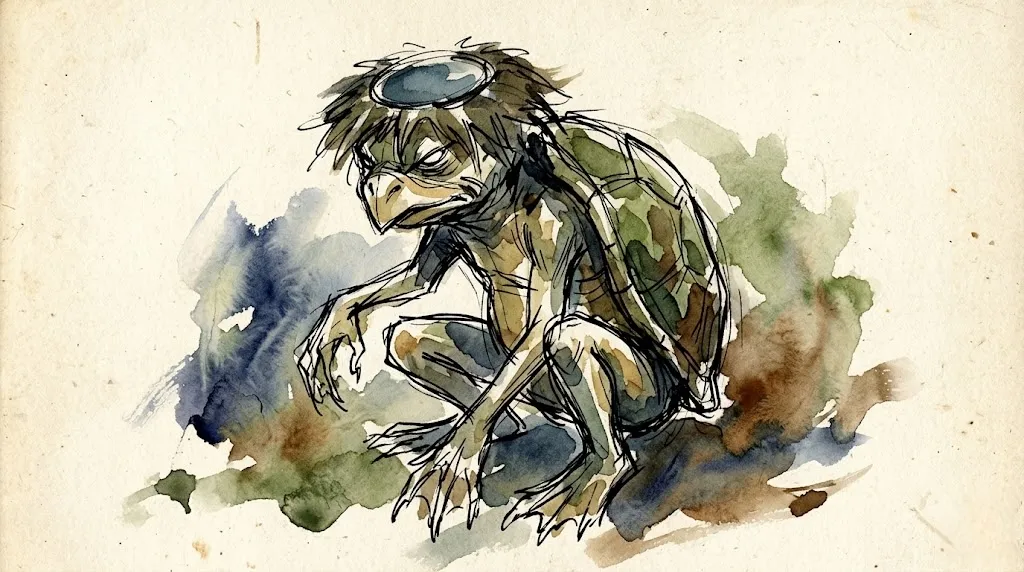
Kappa
Japan's mischievous water imp with a bowl of power on its head.
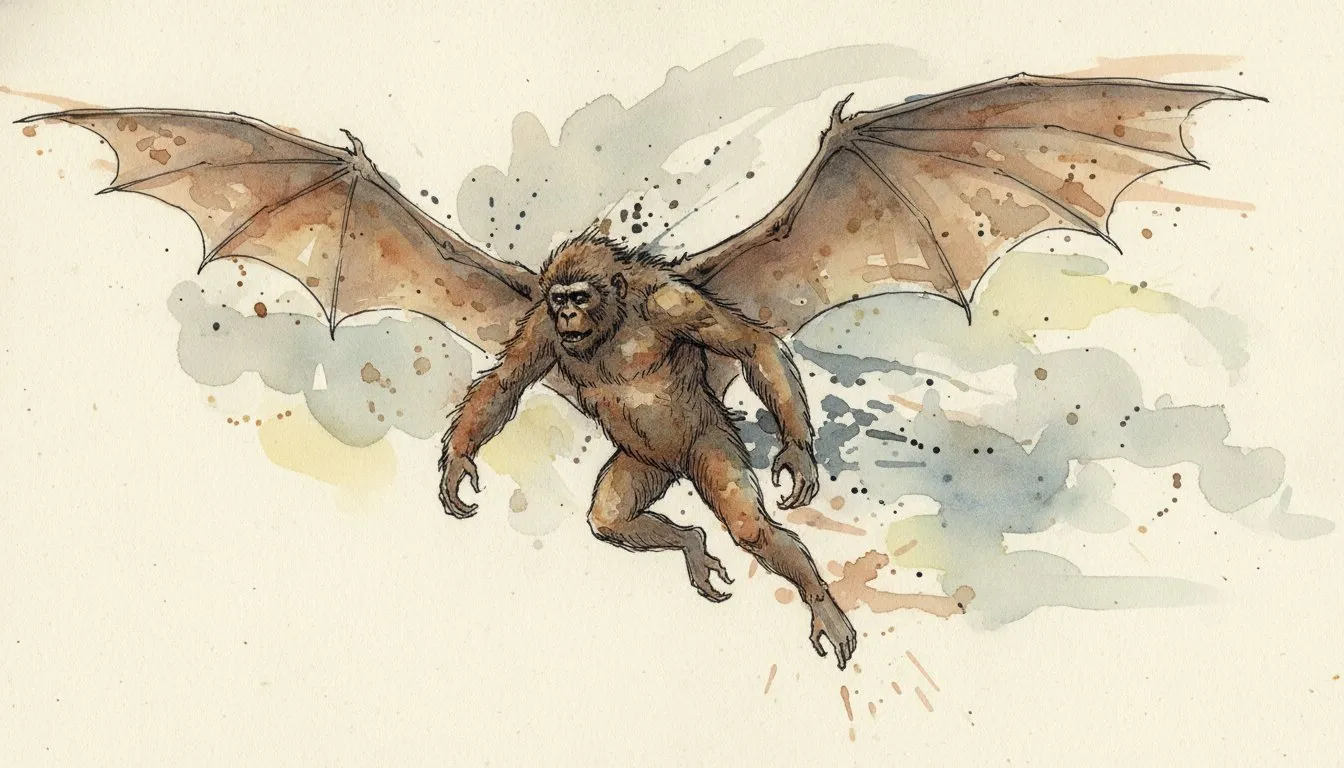
Batutut
A bipedal ape spotted by both Vietnamese villagers and American soldiers during the war.
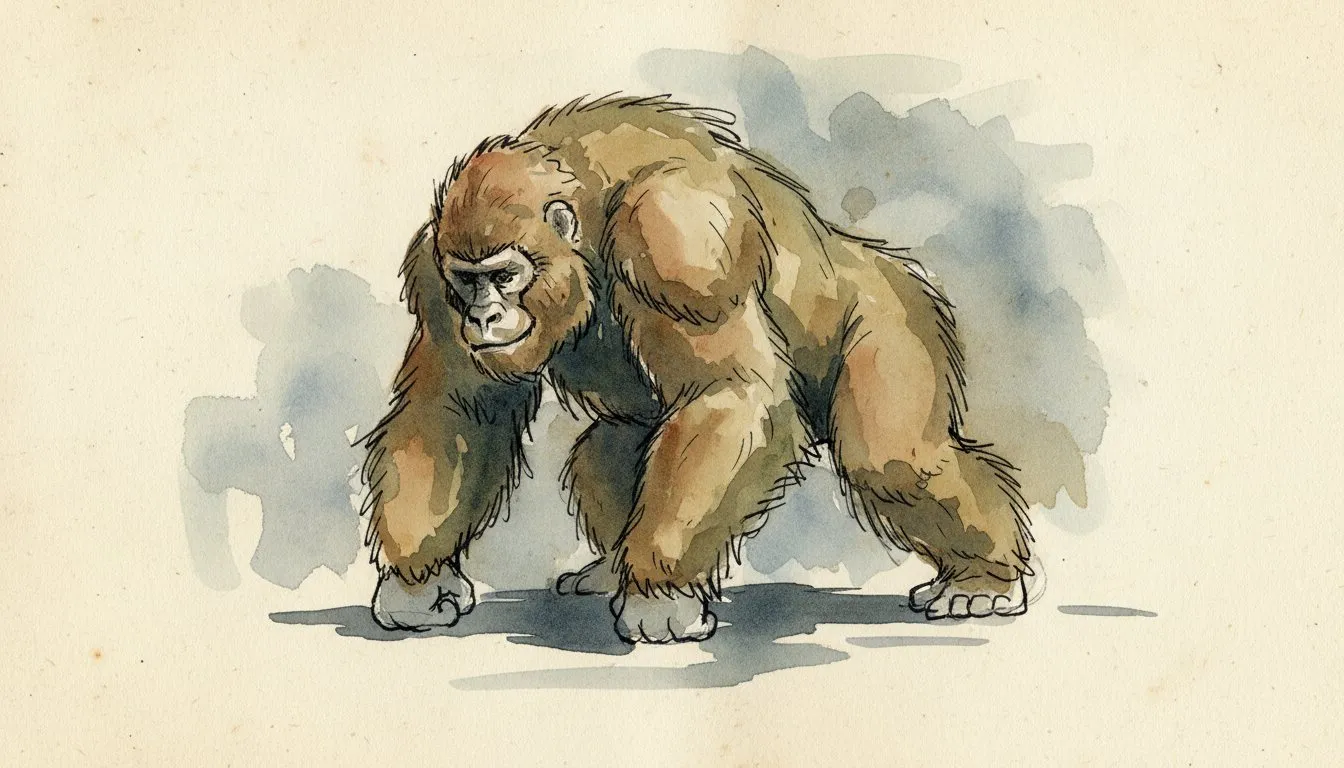
Hibagon
A foul-smelling ape-man stalking the misty slopes of Mount Hiba in rural Japan.
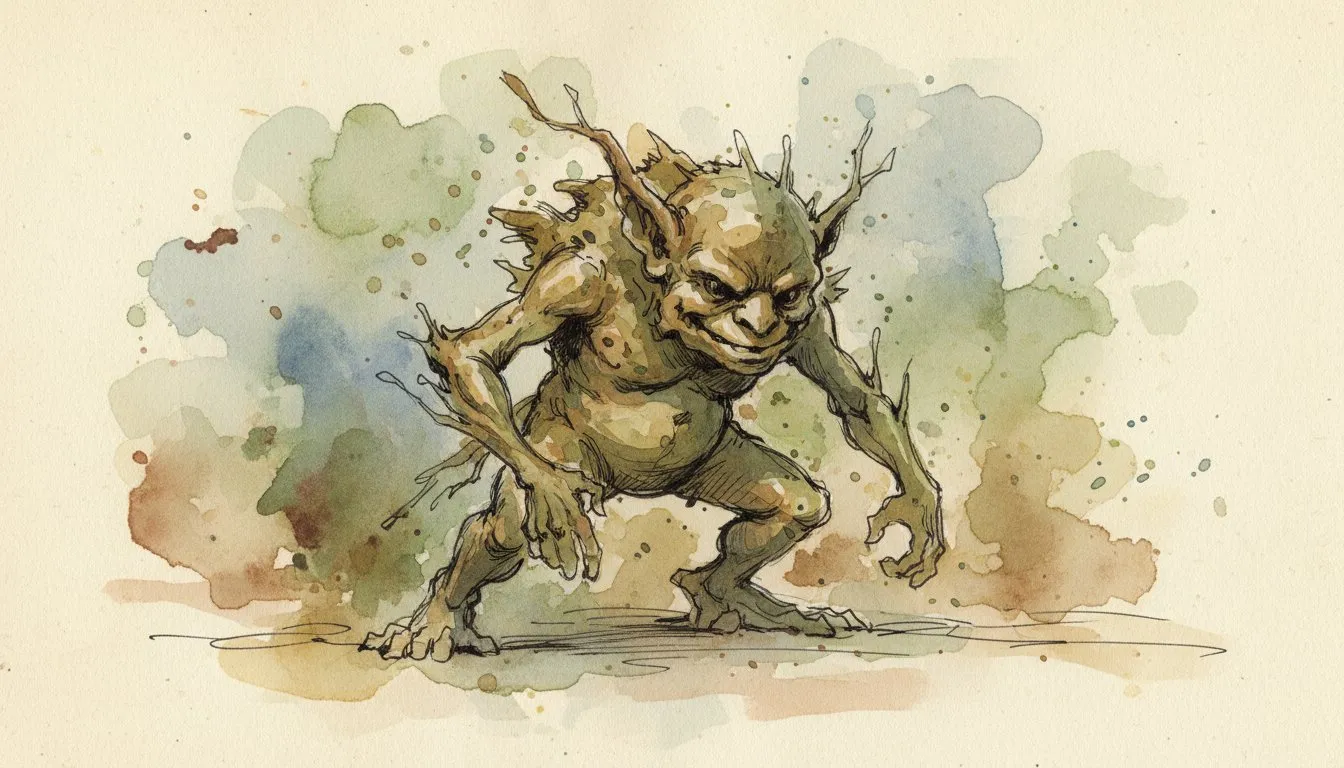
Pukwudgie
A small, troll-like trickster from Wampanoag legend that lures victims off cliffs.
Yeren
China's Bigfoot roams the thick forests of Hubei Province, backed by thousands of reported sightings.