
Each-Uisge
Also known as: Aughisky, Water Horse
This shape-shifting water horse of Scottish lochs lures riders onto its back, then drags them to a watery death.
Pre-medieval oral tradition
Scottish Highlands and Islands
Horse-sized when in equine form
Predatory, deliberately lures victims
Folklore tradition, no modern sightings
The Lore
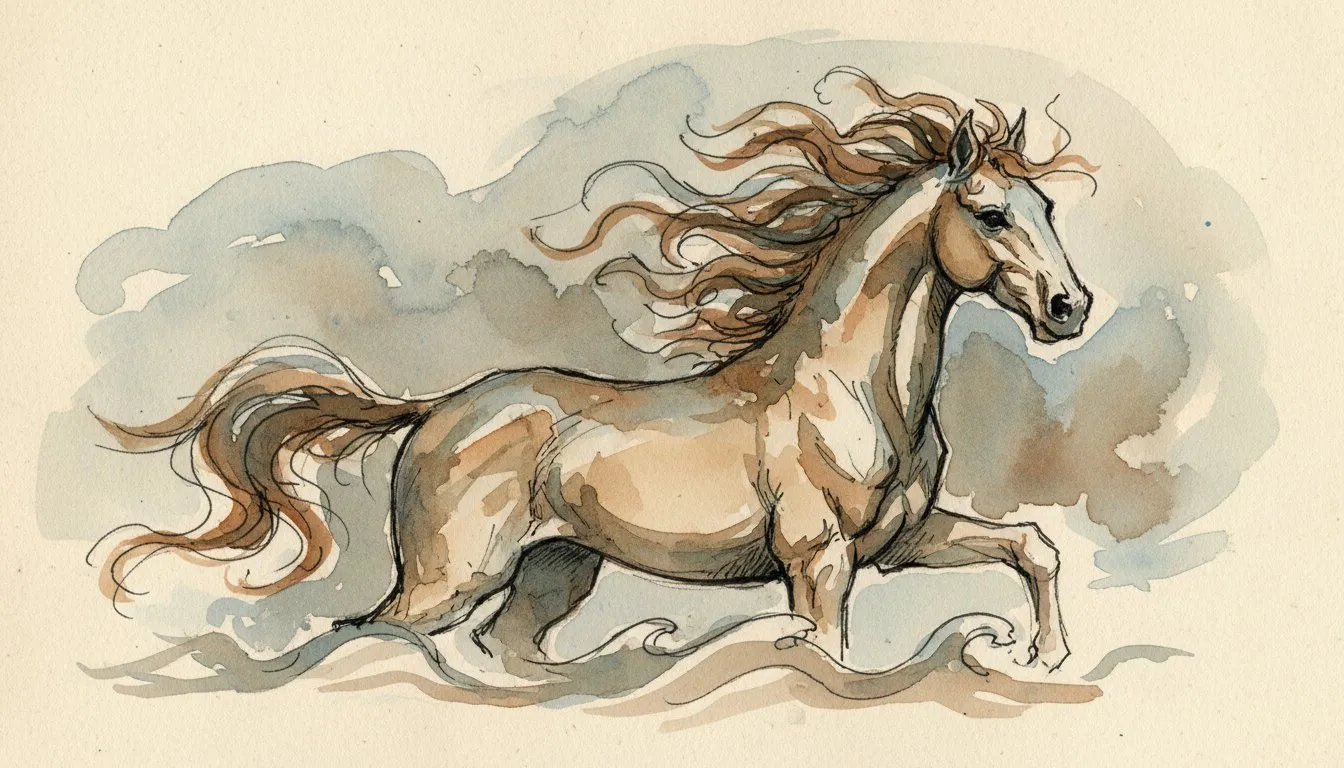
The Each-Uisge is a creature from Scottish Gaelic folklore considered far more dangerous than its cousin, the kelpie. It appears as a beautiful horse grazing near lochs and the sea. Anyone who mounts it finds their skin fused to its hide as it gallops into the deepest water. According to tradition, only the liver of the victim washes ashore. Stories of the Each-Uisge are recorded across the Highlands and Islands, and some researchers connect these tales to early Loch Ness sightings.
The each-uisge, pronounced roughly ech-ooshkya and translating to water horse, is the saltwater and sea-loch counterpart to the kelpie in Scottish Gaelic folklore. Traditional belief held the two creatures distinct despite their surface similarities, with the each-uisge inhabiting the deep lochs and coastal waters of the Highlands and the Hebrides while the kelpie preferred rivers and streams. Of the two, the each-uisge was considered by far the more dangerous. The kelpie might drown a careless rider, but the each-uisge was understood as a deliberate and patient predator, a creature that hunted humans the way a pike hunts fish.
Its hunting method has a horrible specificity. The each-uisge appears as a beautiful horse, most often dark in color with a sleek wet coat, grazing near the shore or standing at the water's edge as if waiting to be claimed. A traveler who mounts the horse finds that their skin bonds instantly to its hide, as if covered in warm pitch, and the creature bolts into the deepest water. There it devours the rider entirely, tearing the body apart beneath the surface. Only the victim's liver, rejected by the each-uisge for reasons folklore never quite explains, is left to wash up on the shore as evidence. Families whose missing relatives were never found would sometimes wait for this grim sign at the water's edge.
The creature can also take human form, usually as a handsome stranger, and in this guise it preys on young women along the lochs. In several traditional tales, the woman notices seaweed or sand caught in the stranger's hair and realizes what she has nearly encountered, escaping only through quick action. One well-known Highland story describes a blacksmith whose daughter was killed by an each-uisge at Loch Aberdeenavon. He forged a set of great iron hooks, baited them with roasted mutton, and waited by the shore at night. When the creature emerged to investigate the smell, he and his apprentice drove the hooks through it and killed it, and by morning only a pile of what appeared to be soft grey jelly remained on the beach.
Scholars have read the each-uisge as a concentrated folkloric response to the dangers of Scotland's coastal and loch environments. Drowning was the leading cause of accidental death in traditional Highland communities, and the lochs in particular were known for sudden cold-water shocks, unexpected depths, and the kind of quiet mirror surfaces that tempted even cautious people to wade in or ride along the banks. A creature that specifically punished the act of trusting the water's surface was a tool of collective self-preservation. The legend has survived into modern Scottish literature and fantasy fiction, but in the Gaelic communities of the Outer Hebrides it is still sometimes mentioned with the particular quiet reserved for things that are not entirely past.
Media Appearances
- Fantastic Beasts and Where to Find Them (book reference)
Further Reading
No book is devoted to this creature. These are the general references that cover the field, plus a direct search if you want to dig further.
- Cryptozoology A to Z by Loren Coleman and Jerome Clark (1999)
The standard one-volume encyclopedia, roughly two hundred entries covering creatures, investigators, and hoaxes.
- Mysterious Creatures: A Guide to Cryptozoology by George M. Eberhart (2002)
The larger reference guide, stronger on sourcing and on creatures that never reached the popular books.
Search Amazon for Each-Uisge books
As an Amazon Associate, Cryptid Vault earns from qualifying purchases. Links open Amazon in a new tab.
Get the Field Notes.
Field notes from the Vault, when there is something worth sending. No spam.
No spam. Unsubscribe anytime.
You might also like
Morag
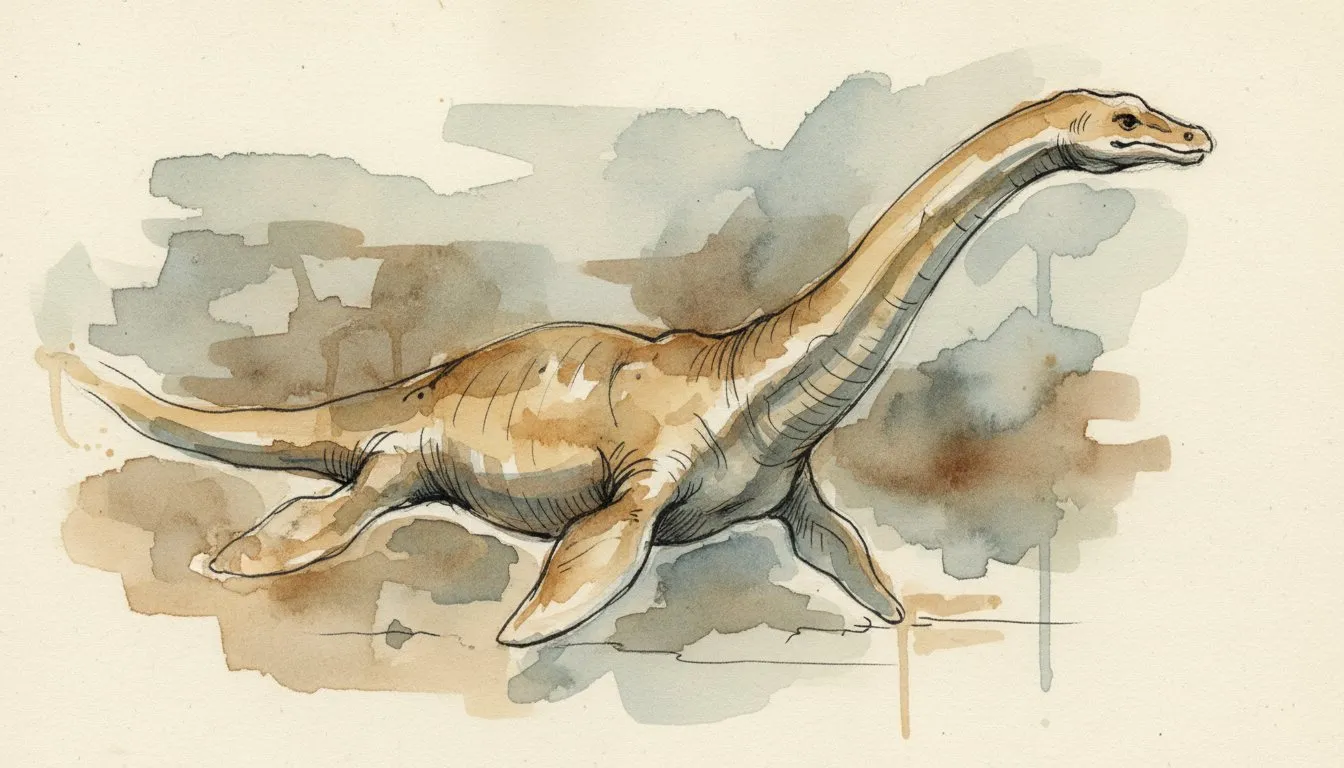
Scotland's other lake monster lurks in the deepest freshwater loch in the British Isles, far from the tourist cameras of Loch Ness.
Nuckelavee
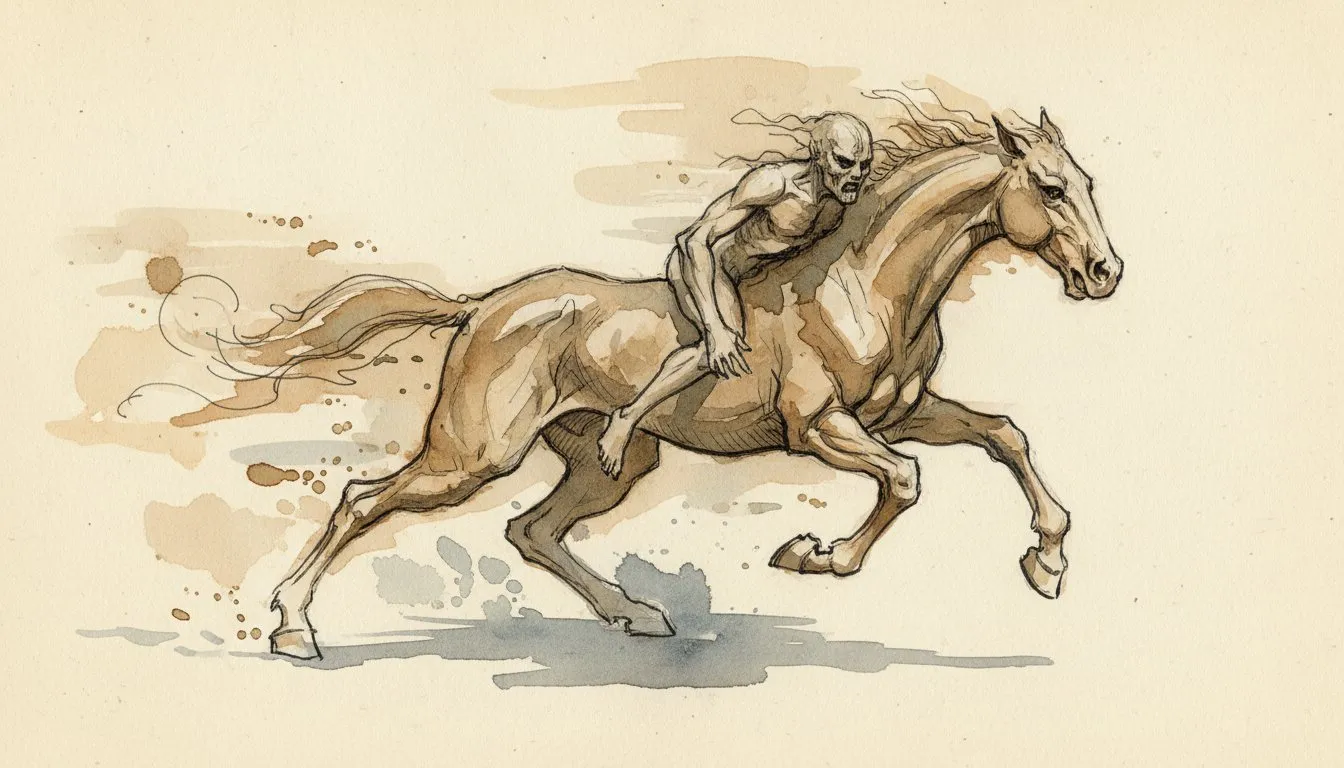
A skinless horse-rider hybrid rises from the ocean around Orkney, and its breath alone can wilt crops and sicken entire islands.
Vodyanoy
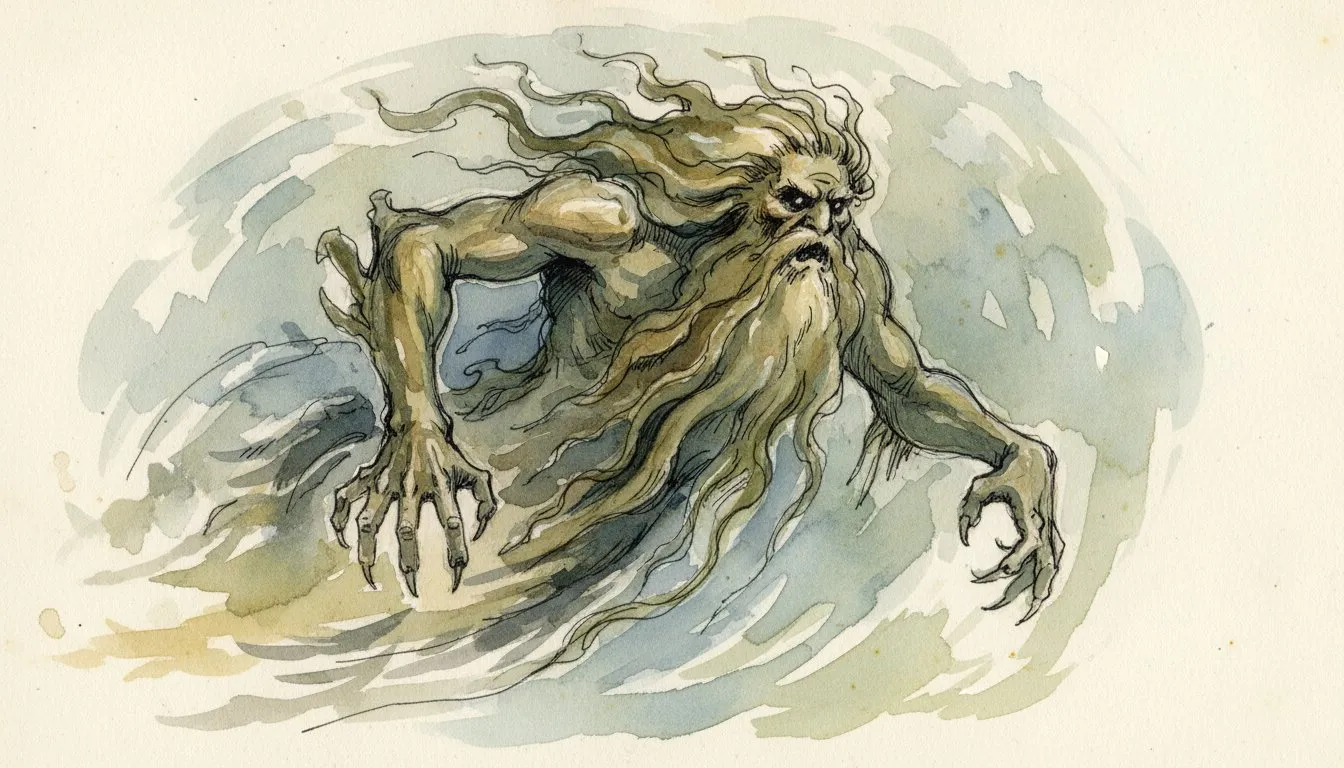
A bloated, frog-faced old man lurks at the bottom of Slavic rivers, drowning the careless and keeping their souls in teapots.
Cu-Sith
A massive dark green hound the size of a bull roams the Scottish Highlands, and hearing its third bark means death.
Kelpie
A shape-shifting water horse that lures riders to a watery grave in Scottish lochs.
Taniwha
Sacred water guardians of Maori tradition that shape rivers, protect tribes, and sometimes drag the unwary to their doom.
Wolpertinger
A fanged, winged rabbit with antlers sounds like a joke until you see the taxidermy specimens in Bavarian hunting lodges.
Adze
In Togo, a vampire disguised as a glowing firefly slips through locked doors to feed on the sleeping.