
Wolpertinger
Also known as: Wolperdinger, Bavarian Chimera
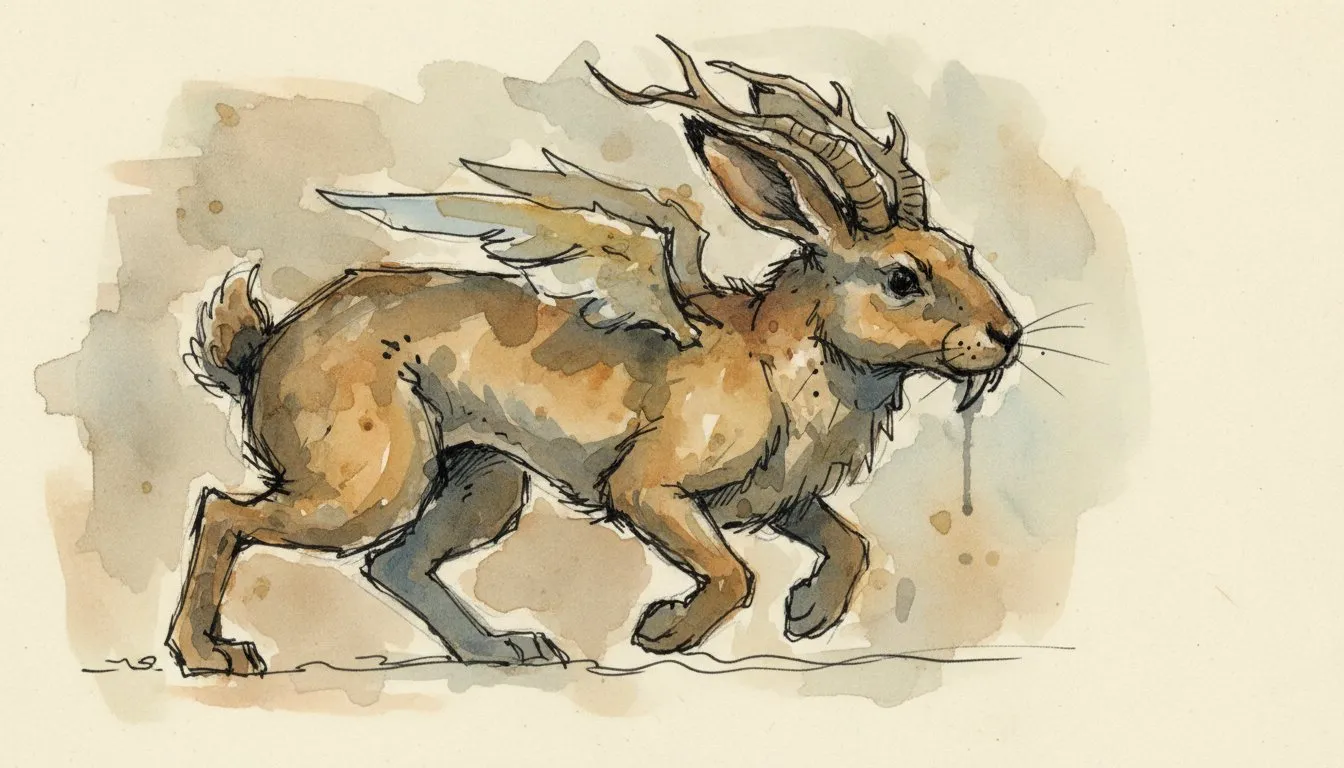
A fanged, winged rabbit with antlers sounds like a joke until you see the taxidermy specimens in Bavarian hunting lodges.
1500s (oral tradition likely older)
Bavaria, Germany
Rabbit-sized, roughly 12-18 inches
Shy, elusive, harmless
Cultural icon, taxidermy specimens exist
The Lore
The Wolpertinger is a chimeric creature from Bavarian folklore, typically depicted as a rabbit with antlers, fangs, and wings. Taxidermy specimens created from assembled animal parts have been displayed in hunting lodges and museums across southern Germany for centuries. While widely regarded as a folk tradition and practical joke played on tourists, some folklorists argue it reflects genuine regional beliefs about hybrid forest creatures. The Deutsches Jagd- und Fischereimuseum in Munich keeps several specimens on display.
The Wolpertinger is Bavaria's great folkloric chimera, a creature assembled from whatever forest animals the local taxidermist had on hand when the hunting party came back empty-handed. The classic wolpertinger combines a squirrel or hare body with the antlers of a roebuck, the wings of a pheasant or duck, and the fangs of some small predator, though regional variants substitute fox heads, marten bodies, or owl wings according to the maker's mood. The creature's name is believed to derive from the Bavarian village of Wolpertshausen, though its etymology is as disputed as its taxonomy.
Unlike many European cryptids, the Wolpertinger has never pretended to be a scientific mystery. It is a practical joke refined into a regional institution, a piece of alpine tavern humor that stretches back at least to the seventeenth century. Innkeepers in Bavaria traditionally kept stuffed wolpertingers behind the bar to trick visiting flatlanders and greenhorn hunters, and the Deutsches Jagd und Fischereimuseum, the German Hunting and Fishing Museum in Munich, maintains a serious collection of antique specimens as examples of folk craftsmanship. Some nineteenth-century wolpertingers are genuinely beautiful objects, painstakingly constructed from salvaged taxidermy with a level of care that suggests pride rather than mere mischief.
The folklore surrounding the creature is elaborate despite its obvious artifice. Bavarian tradition holds that wolpertingers are extraordinarily shy and can be seen in the wild only by the pure of heart, by those deeply in love, or, most usefully for the humor, by those who are very drunk. The hunter must carry a candle, a burlap sack, and a pretty young woman at midnight under a full moon, at which point the wolpertinger will reveal itself. Every element of the procedure is calibrated to make the pursuit itself, rather than the catch, the point of the exercise.
The Wolpertinger belongs to a small family of composite cryptids that includes the Pennsylvania jackalope, the Swedish skvader, and the Austrian rasselbock, creatures that emerged from frontier taxidermy traditions and now occupy affectionate corners of regional identity. In Bavaria the wolpertinger appears on beer labels, tourist postcards, and heimatfilm posters. It is a rare case of a cryptid whose believers and skeptics have agreed, by long convention, to enjoy it on exactly the same terms.
Media Appearances
- World of Warcraft (creature cameo)
- Grimm (TV show reference)
Further Reading
No book is devoted to this creature. These are the general references that cover the field, plus a direct search if you want to dig further.
- Cryptozoology A to Z by Loren Coleman and Jerome Clark (1999)
The standard one-volume encyclopedia, roughly two hundred entries covering creatures, investigators, and hoaxes.
- Mysterious Creatures: A Guide to Cryptozoology by George M. Eberhart (2002)
The larger reference guide, stronger on sourcing and on creatures that never reached the popular books.
Search Amazon for Wolpertinger books
As an Amazon Associate, Cryptid Vault earns from qualifying purchases. Links open Amazon in a new tab.
Get the Field Notes.
Field notes from the Vault, when there is something worth sending. No spam.
No spam. Unsubscribe anytime.
You might also like
Tatzelwurm
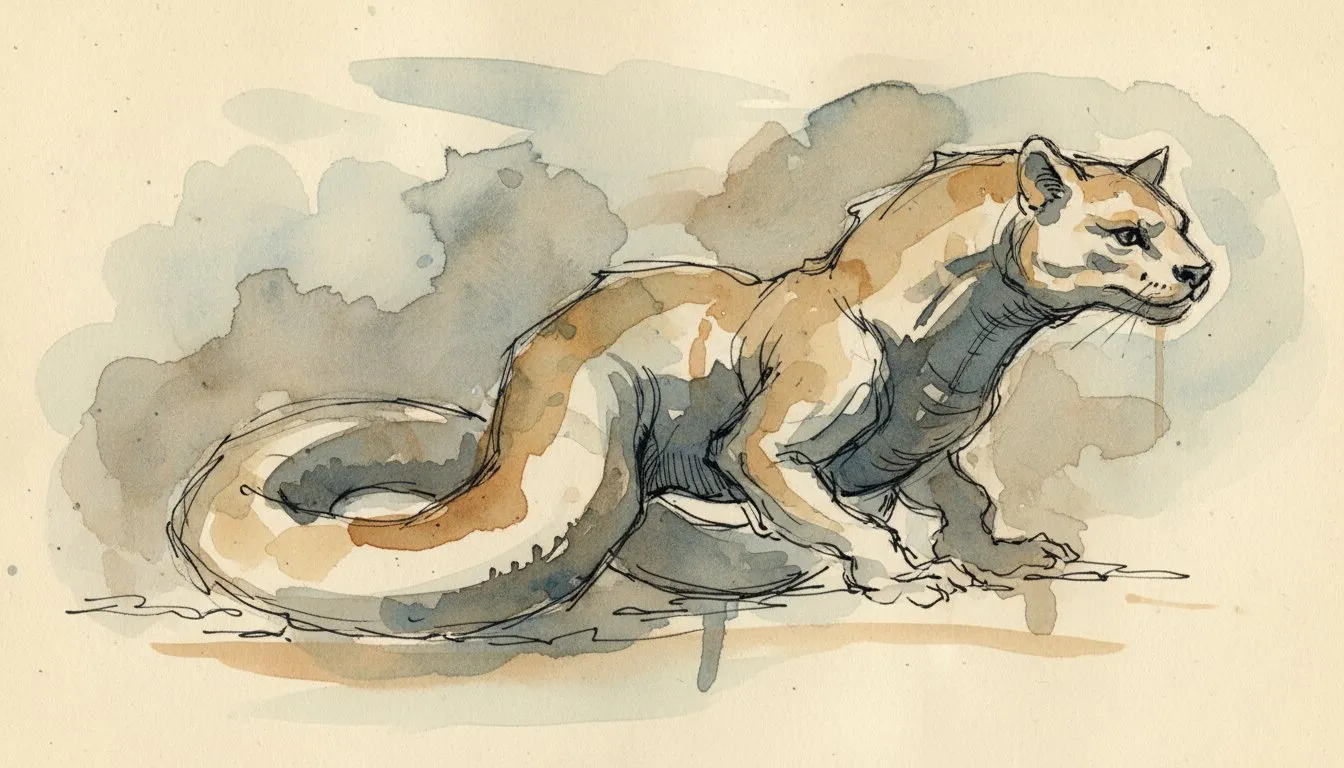
A stubby, venomous dragon-cat with two front legs haunts the caves and cliffs of the European Alps.
Dahu
This mountain goat with legs shorter on one side than the other can only walk in circles around Alpine peaks.
Cu-Sith
A massive dark green hound the size of a bull roams the Scottish Highlands, and hearing its third bark means death.
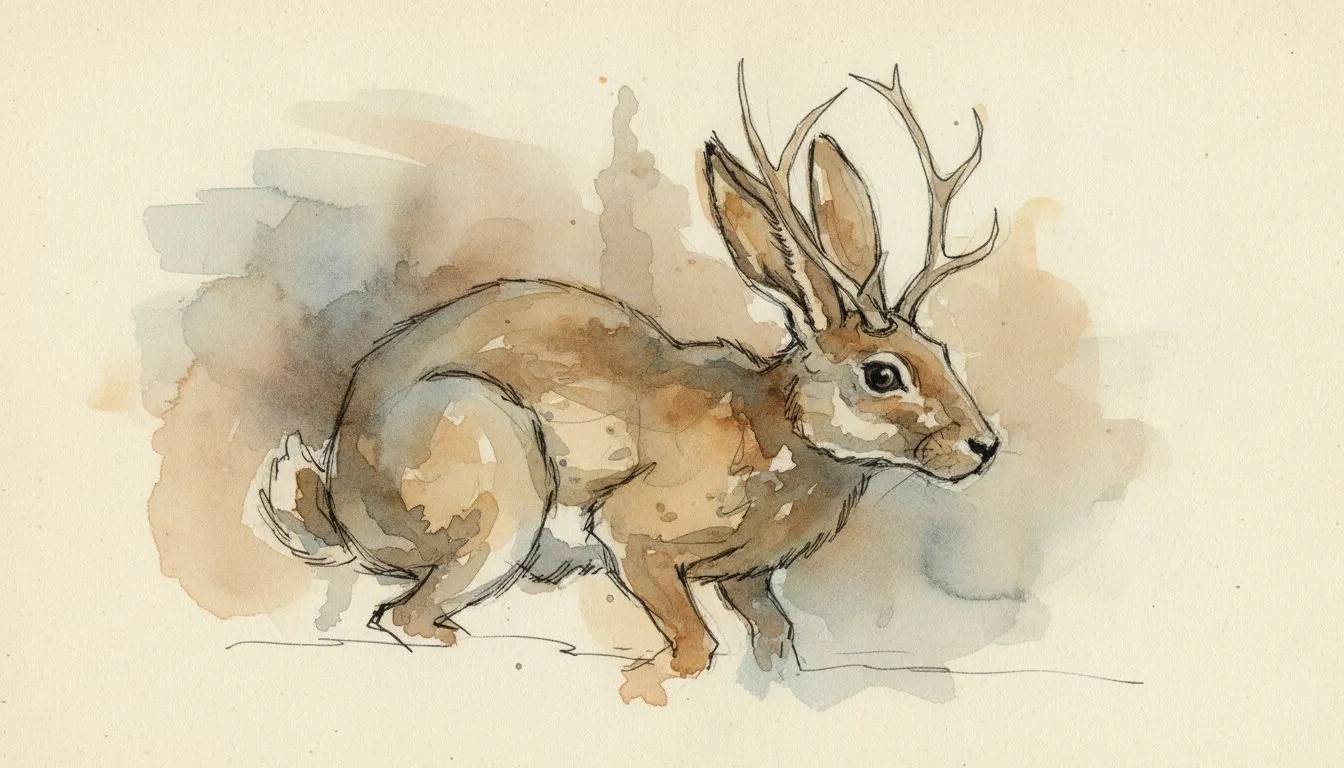
Jackalope
The antlered rabbit of the American West, born from taxidermy humor and frontier tall tales.
Each-Uisge
This shape-shifting water horse of Scottish lochs lures riders onto its back, then drags them to a watery death.
Kirin
A divine chimera of dragon and deer that only appears to herald greatness or disaster.
Manananggal
A vampire that tears its own torso free and flies through the night on bat-like wings, trailing its entrails below.
Strigoi
The original Romanian undead predates Dracula by centuries and is still feared enough that corpses are occasionally exhumed and staked in rural villages.