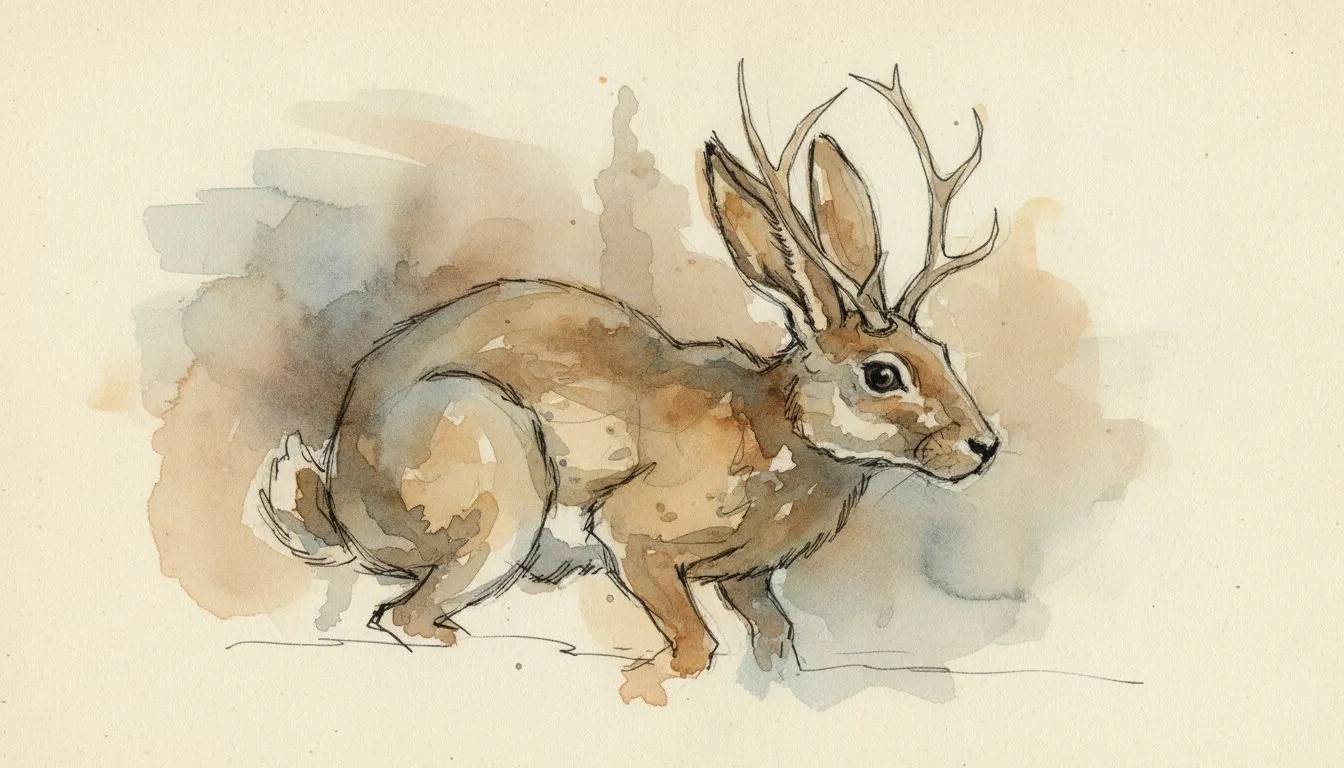
Jackalope
Also known as: Horned Rabbit, Warrior Rabbit
The antlered rabbit of the American West, born from taxidermy humor and frontier tall tales.
1932 (modern form)
Douglas, Wyoming, USA
Jackrabbit-sized with antlers
Elusive, fast
Confirmed hoax, cultural icon
The Lore
The Jackalope is a mythical jackrabbit bearing antelope horns, originating from Douglas, Wyoming in 1932 when taxidermist Douglas Herrick mounted deer antlers on a jackrabbit body. The joke took on a life of its own. Douglas now issues official Jackalope hunting licenses and hosts an annual festival. Some researchers note that rabbits infected with the Shope papilloma virus develop horn-like growths, suggesting a possible real-world inspiration for the legend.
The Jackalope's official birthplace is Douglas, Wyoming, where in 1932 a young taxidermist named Douglas Herrick returned from a hunting trip and tossed a dead jackrabbit onto the floor of his workshop. It landed near a set of deer antlers, and Herrick and his brother Ralph saw the absurd visual possibility immediately. They mounted the first antlered rabbit and sold it to the La Bonte Hotel for ten dollars. Within a few years, Herrick taxidermy Jackalopes were traveling across the American West as novelty souvenirs, and the image began filtering into postcards, bar decor, and roadside attraction signage throughout the Great Plains.
What started as a taxidermy gag quickly developed its own folklore. Cowboys claimed Jackalopes could mimic human voices, throwing their calls back at lonely cattle drivers around the campfire. They were said to be fond of whiskey, making them easier to catch if the hunter left a saucer out overnight. Some stories insisted that Jackalope milk had medicinal properties, and that the creatures only bred during lightning flashes. The town of Douglas leaned into every embellishment, eventually declaring itself the official Jackalope Capital of the World, issuing hunting licenses valid only on June 31st between midnight and 2 a.m., and erecting an eight-foot statue on its main street.
The strange part is that Herrick's prank may have been anticipated by biology. Rabbits infected with the Shope papilloma virus develop keratinous tumors that sprout from their heads and faces in long, horn-like protrusions. The virus was first documented scientifically in the 1930s by Richard Shope, right around the time Herrick was mounting his first antlered jackrabbit, and accounts of horned hares appear in European natural histories going back to the medieval lepus cornutus. Albrecht Durer-era woodcuts show rabbits with full racks of antlers, and taxidermy horned hares exist in European collections that predate Wyoming settlement by centuries.
So the Jackalope occupies an unusual position. It is demonstrably a hoax in its modern American form, yet the visual template existed in European folklore for hundreds of years, and a real viral infection produces rabbits that look uncannily like the legend. Whether frontier storytellers had seen infected hares and folded them into tall tales, or whether the coincidence is pure, the Jackalope is one of the few cryptids where the joke, the folklore, and the biology all circle each other without ever quite meeting.
Notable Witnesses
- Douglas Herrick (creator)
Media Appearances
- America's Funniest Home Videos (referenced)
- Red Dead Redemption 2 (Easter egg)
Further Reading
No book is devoted to this creature. These are the general references that cover the field, plus a direct search if you want to dig further.
- Cryptozoology A to Z by Loren Coleman and Jerome Clark (1999)
The standard one-volume encyclopedia, roughly two hundred entries covering creatures, investigators, and hoaxes.
- Mysterious Creatures: A Guide to Cryptozoology by George M. Eberhart (2002)
The larger reference guide, stronger on sourcing and on creatures that never reached the popular books.
Search Amazon for Jackalope books
As an Amazon Associate, Cryptid Vault earns from qualifying purchases. Links open Amazon in a new tab.
Get the Field Notes.
Field notes from the Vault, when there is something worth sending. No spam.
No spam. Unsubscribe anytime.
You might also like
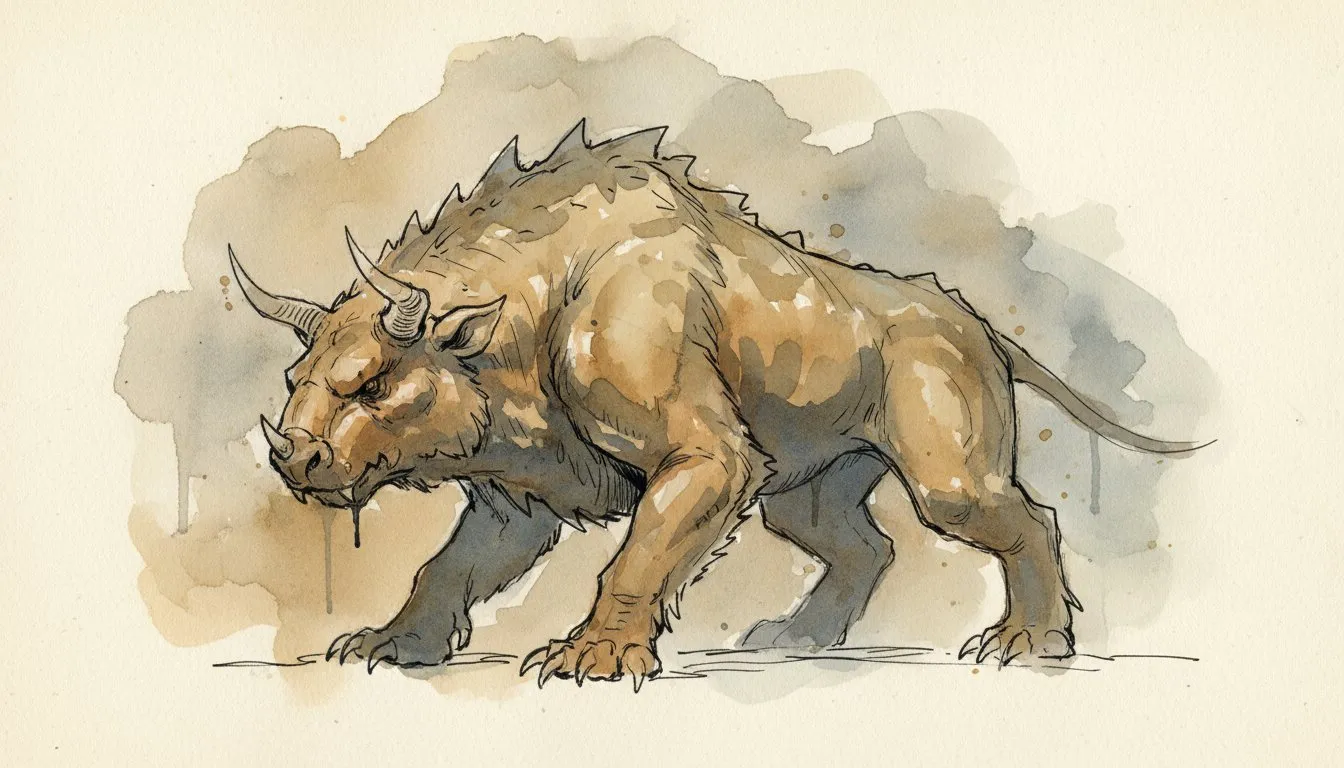
Hodag
A spiny, fire-born beast from the Wisconsin woods with a taste for white bulldogs.
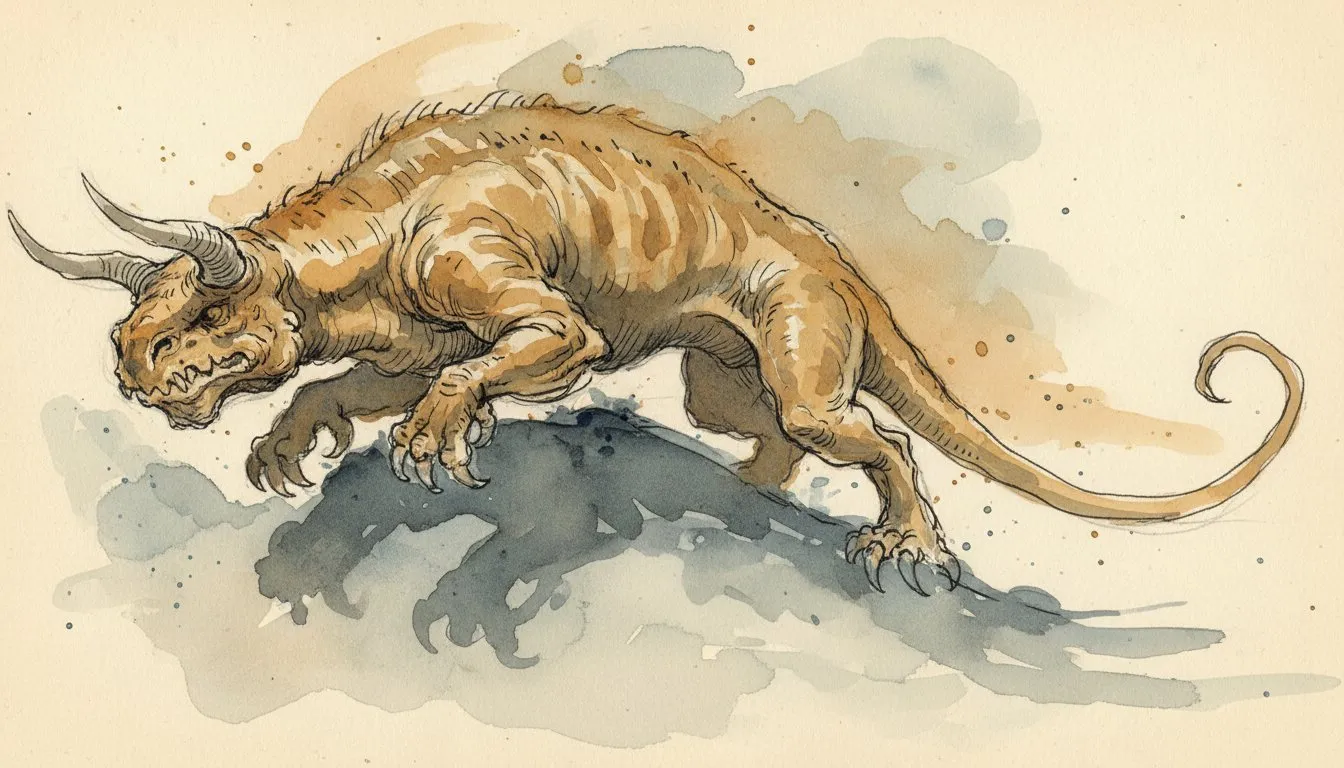
Slide-Rock Bolter
A whale-shaped mountain predator that slides down Colorado slopes to swallow hikers whole.
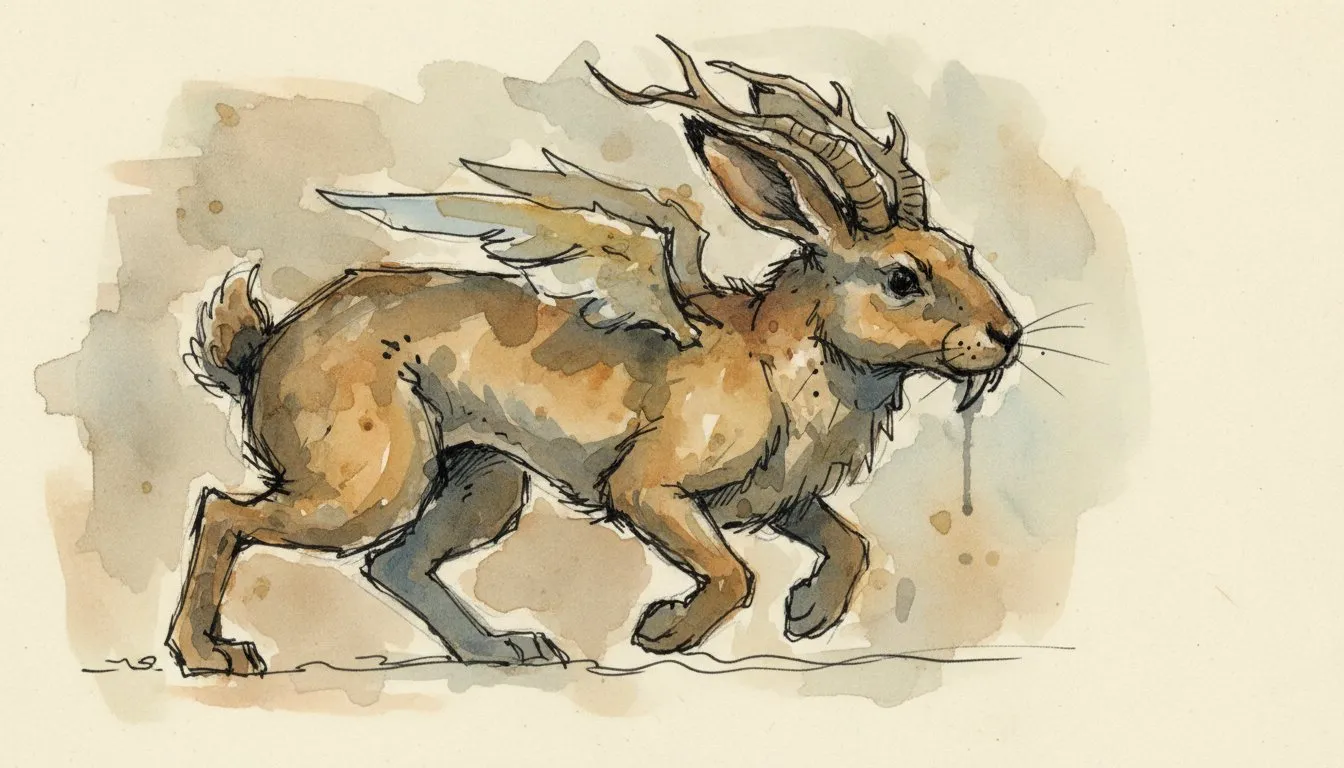
Wolpertinger
A fanged, winged rabbit with antlers sounds like a joke until you see the taxidermy specimens in Bavarian hunting lodges.
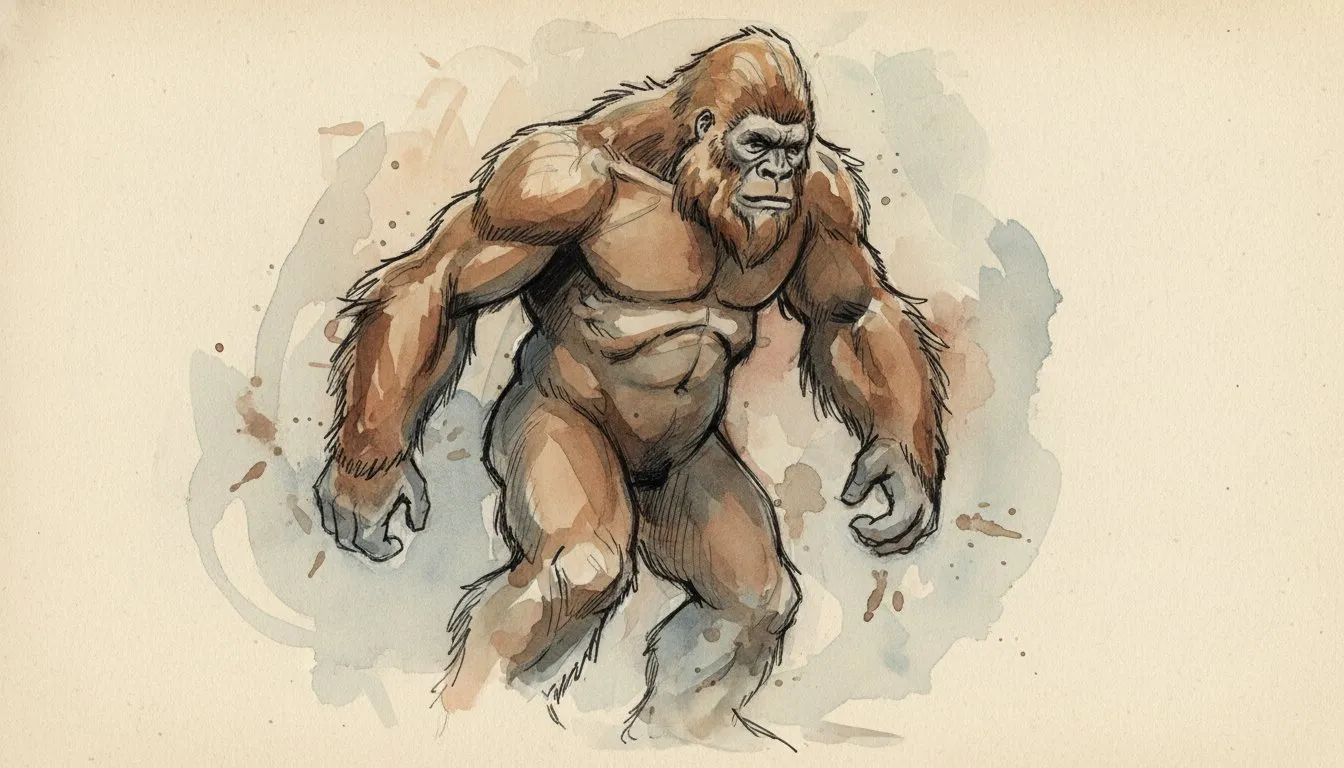
Bigfoot
The towering ape-man of the Pacific Northwest, glimpsed in fog and legend for centuries.
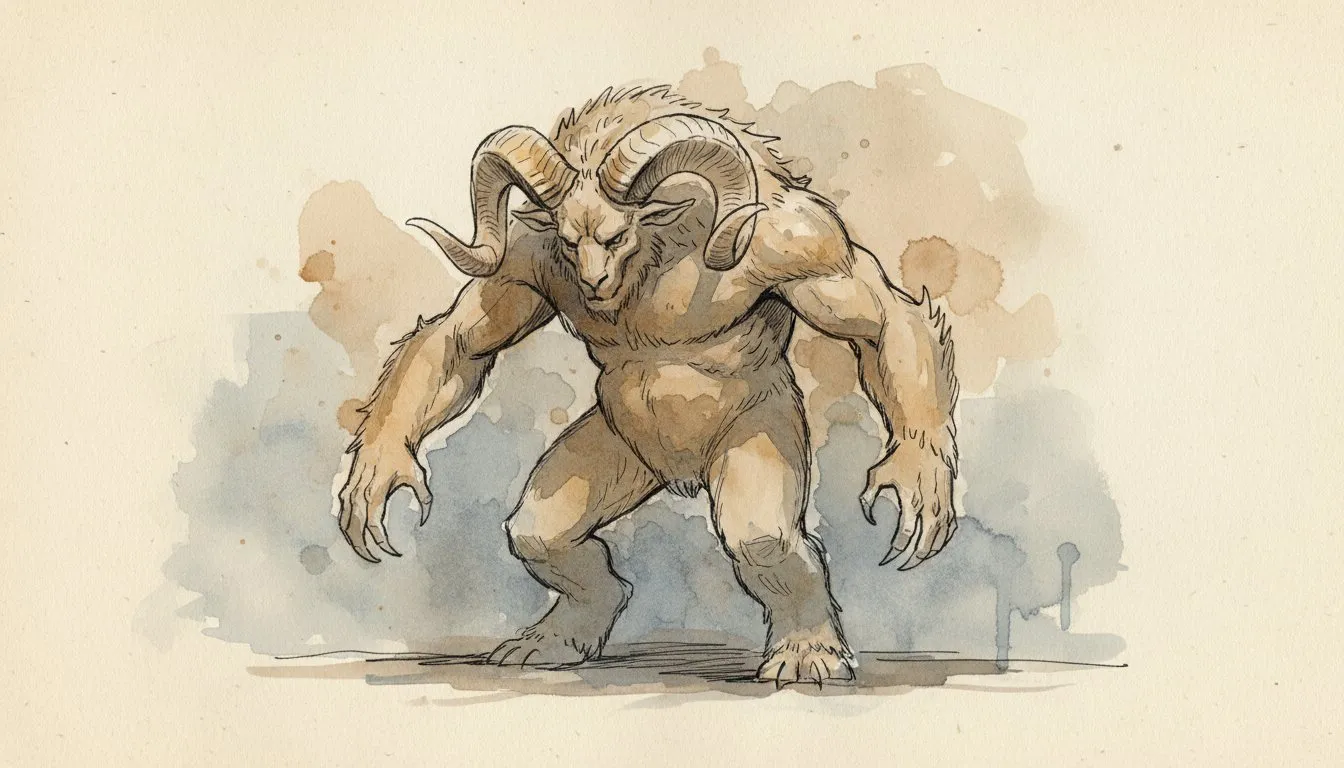
Sheepsquatch
A woolly, horned quadruped lurking in the hills of West Virginia since the 1990s.
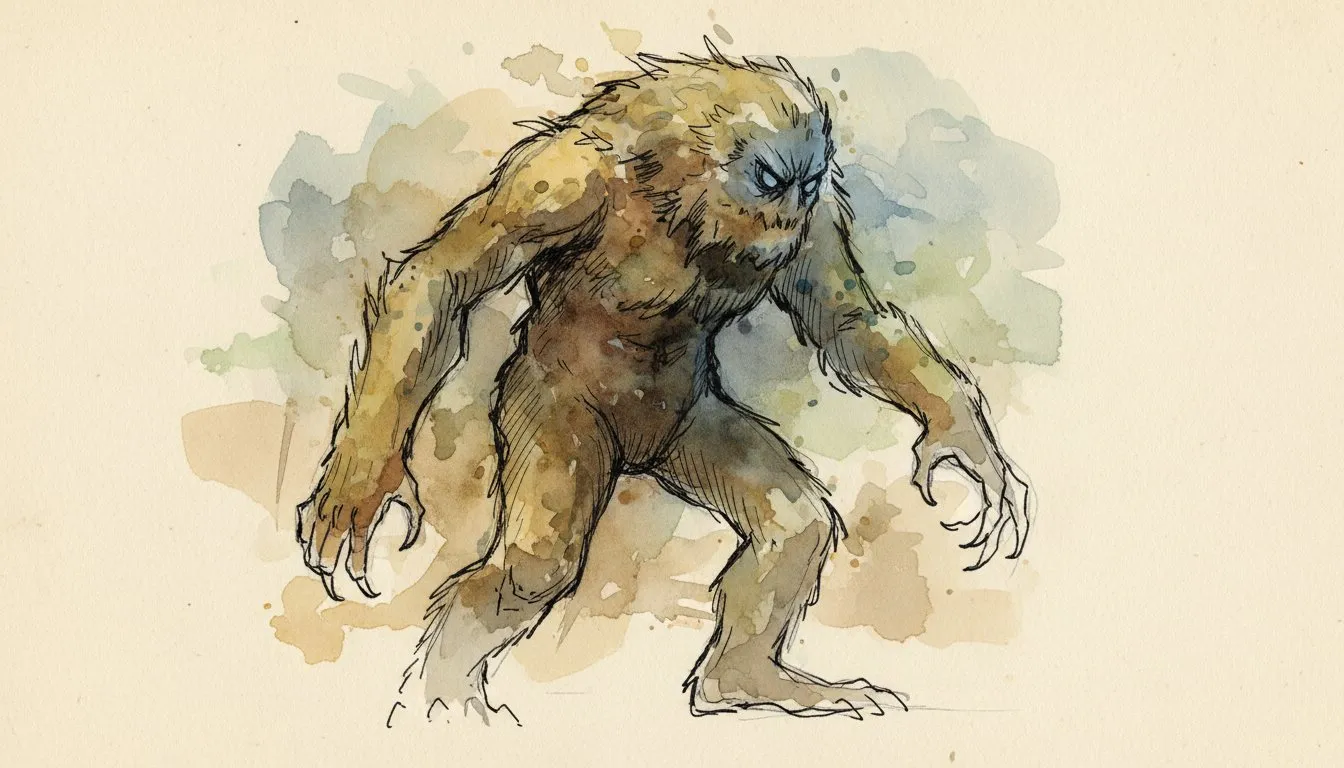
Fouke Monster
The hairy hominid of Boggy Creek, Arkansas, that inspired one of horror's first docudramas.
Honey Island Swamp Monster
A web-footed, amber-eyed beast haunting one of America's most pristine swamps.
Momo the Monster
A blood-stained, three-toed giant that terrorized a small Missouri town in the summer of 1972.