
Sheepsquatch
Also known as: White Thing
A woolly, horned quadruped lurking in the hills of West Virginia since the 1990s.
1994
Boone County, West Virginia, USA
Bear-sized, can stand bipedally
Aggressive, territorial
Active sightings
The Lore
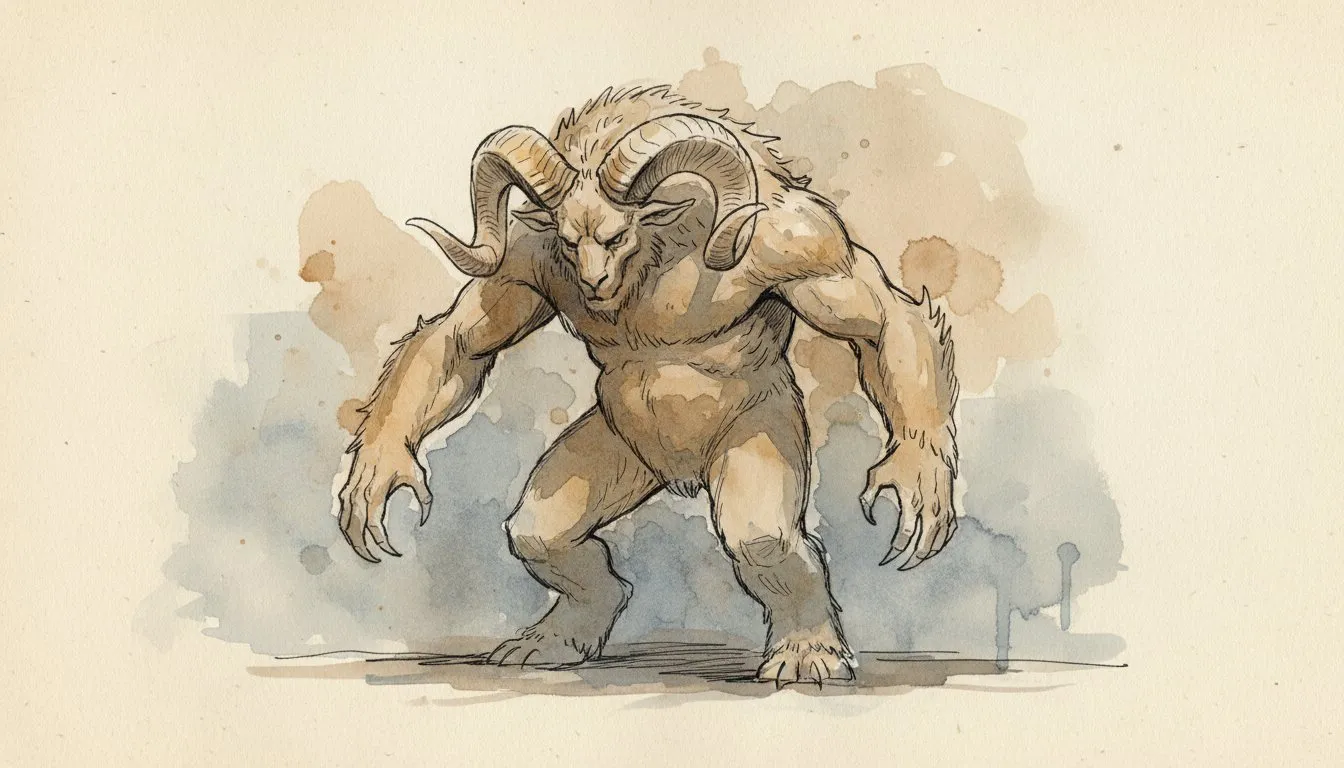
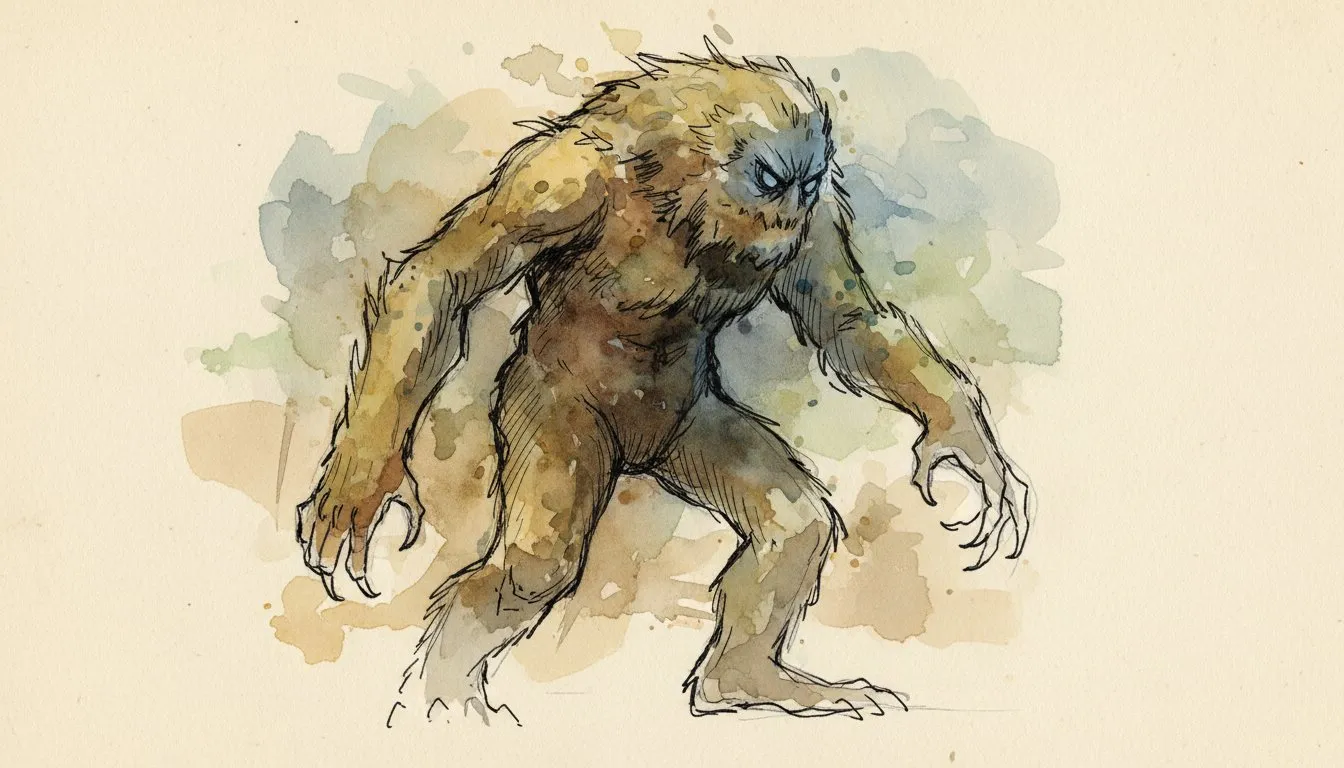
Sheepsquatch, also called the White Thing, is a large white creature reported in the counties of West Virginia's Appalachian backcountry. First widely reported in 1994 by a former Navy seaman in Boone County, it is described as bear-sized with thick white wool, ram-like horns, and a long pointed snout. Witnesses say it can stand on its hind legs and has been blamed for killing dogs and livestock. The creature has become a regional icon.
In the heavily forested mountains of Boone and Putnam counties in West Virginia, where the New River and Kanawha valleys cut through Appalachian ridgelines, a creature has been reported since the early 1990s that defies easy categorization even within the loose taxonomy of cryptids. The Sheepsquatch, a name coined by local witnesses and investigators to capture the creature's strangest feature, combines the imposing bulk of a large primate with the white, woolly coat and curved horns of a sheep. The result is an animal that sounds almost comic in description but that witnesses invariably report with unmistakable fear.
The first sighting associated with the modern Sheepsquatch legend dates to 1994, when a former United States Navy man reported encountering a large, white creature in the Boone County woods. He described a being roughly five to six feet tall on its hind legs, covered in thick, pale fur or wool, with a long, hairless tail and a face described as dog-like with a prominent snout. The curved horns were present even in this early account. Subsequent reports through the mid-1990s clustered in a geographic zone encompassing the TNT Area outside Point Pleasant, the same location associated with Mothman sightings in 1966 and 1967, which prompted some investigators to speculate about a connection between the two phenomena.
West Virginia's cryptid tradition is distinctly shaped by its industrial history. The Kanawha Valley, which runs through the heart of the Sheepsquatch country, is one of America's most chemically contaminated river corridors, home to decades of chemical manufacturing activity. Point Pleasant's TNT Area, site of a World War II munitions plant, contains significant contamination. Some researchers, unwilling to invoke the supernatural, have suggested that reports of anomalous wildlife in the region might reflect genuine ecological disturbance: animals affected by environmental contamination sometimes exhibit dramatically aberrant behavior, and the chronic stress of chemical exposure can produce unusual physical presentations in mammal populations.
Sightings have continued sporadically through the early 21st century, with accounts documented from campers, hunters, and rural residents in the same forested ridge systems of the Appalachian plateau. The Sheepsquatch has become part of West Virginia's broader cryptid folklore, sharing cultural space with the Mothman and the Grafton Monster as one of the state's defining supernatural traditions. Its distinctive appearance makes it among the most visually bizarre entries in American cryptid literature.
Media Appearances
- Fallout 76 (video game)
Further Reading
No book is devoted to this creature. These are the general references that cover the field, plus a direct search if you want to dig further.
- Cryptozoology A to Z by Loren Coleman and Jerome Clark (1999)
The standard one-volume encyclopedia, roughly two hundred entries covering creatures, investigators, and hoaxes.
- Mysterious Creatures: A Guide to Cryptozoology by George M. Eberhart (2002)
The larger reference guide, stronger on sourcing and on creatures that never reached the popular books.
Search Amazon for Sheepsquatch books
As an Amazon Associate, Cryptid Vault earns from qualifying purchases. Links open Amazon in a new tab.
Get the Field Notes.
Field notes from the Vault, when there is something worth sending. No spam.
No spam. Unsubscribe anytime.
You might also like
Grafton Monster
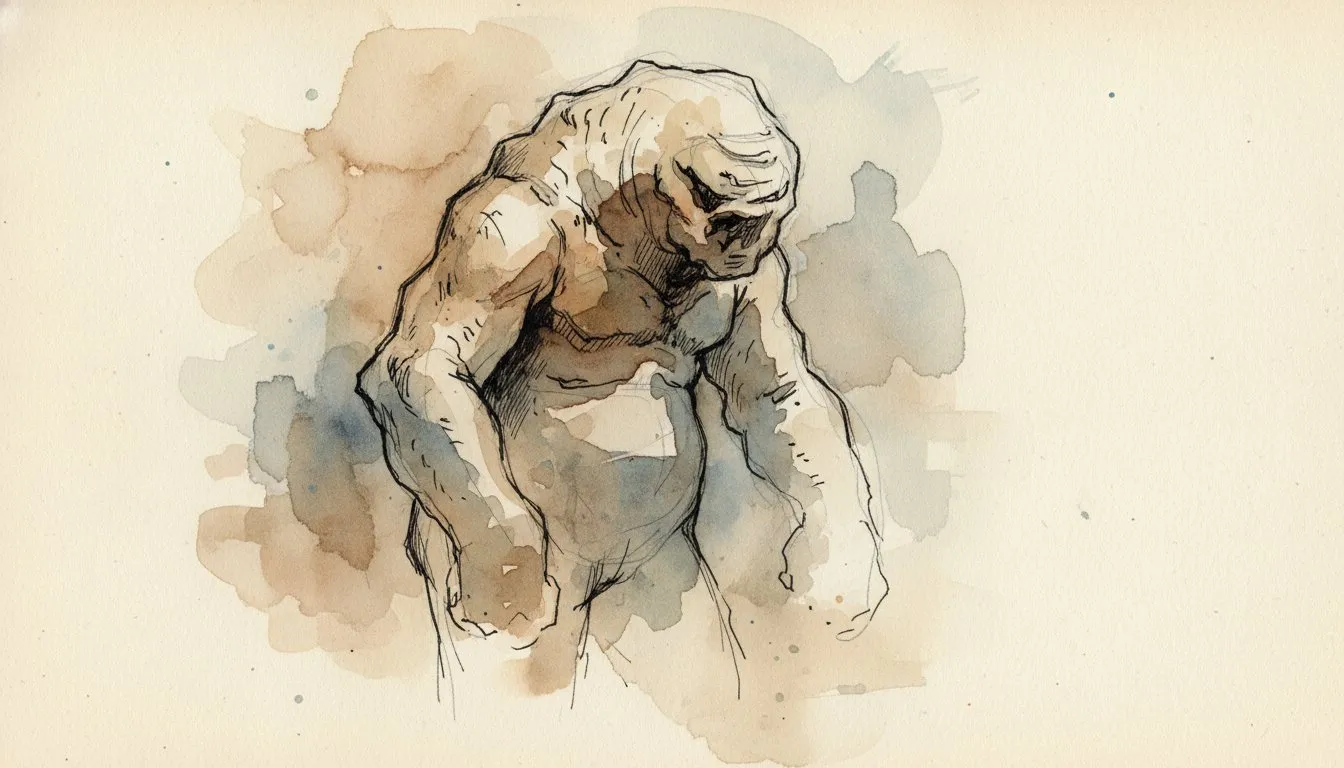
A headless, pale giant spotted lumbering through a West Virginia town in 1964.
Mothman
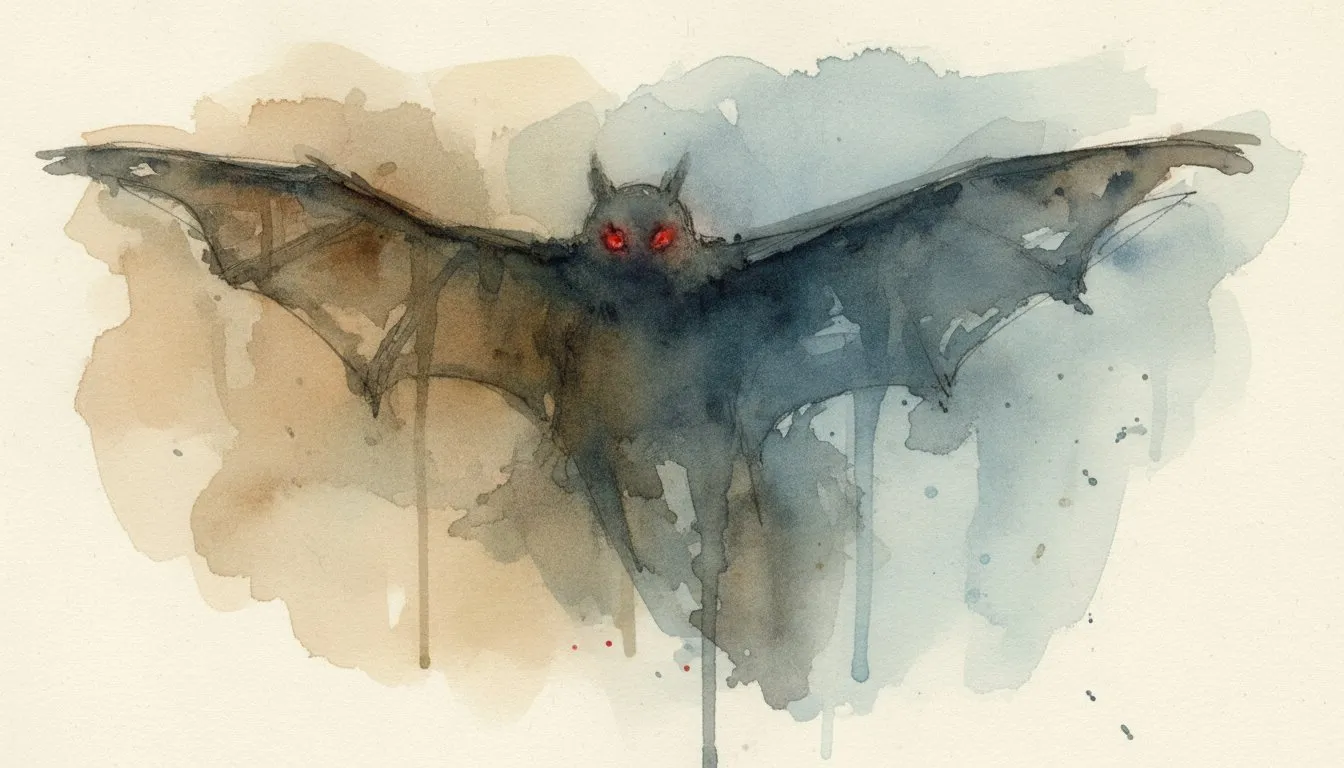
A winged humanoid with blazing red eyes, haunting Point Pleasant before disaster struck.
Wampus Cat
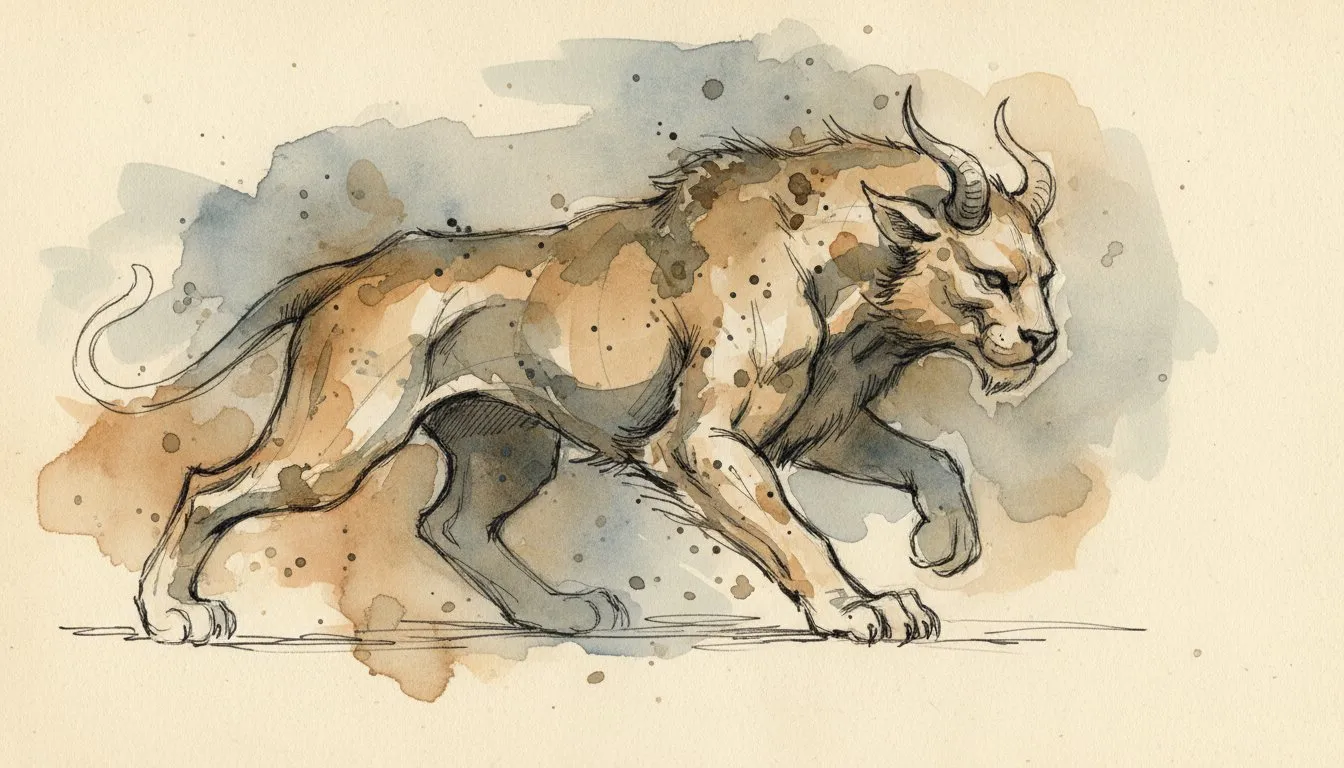
A six-legged panther-witch from Cherokee legend that screams through Appalachian hollows.
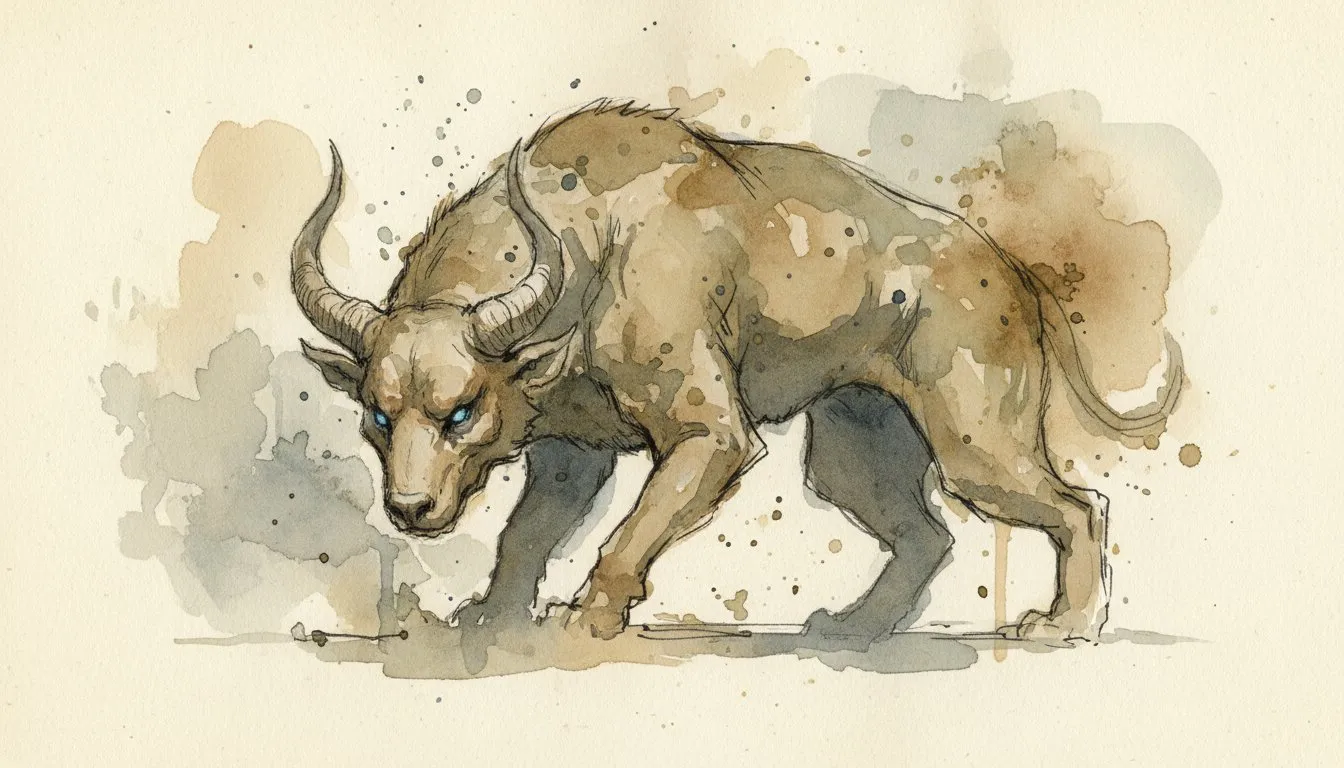
Ozark Howler
A horned, shaggy beast whose eerie howl echoes through the Ozark hills at night.
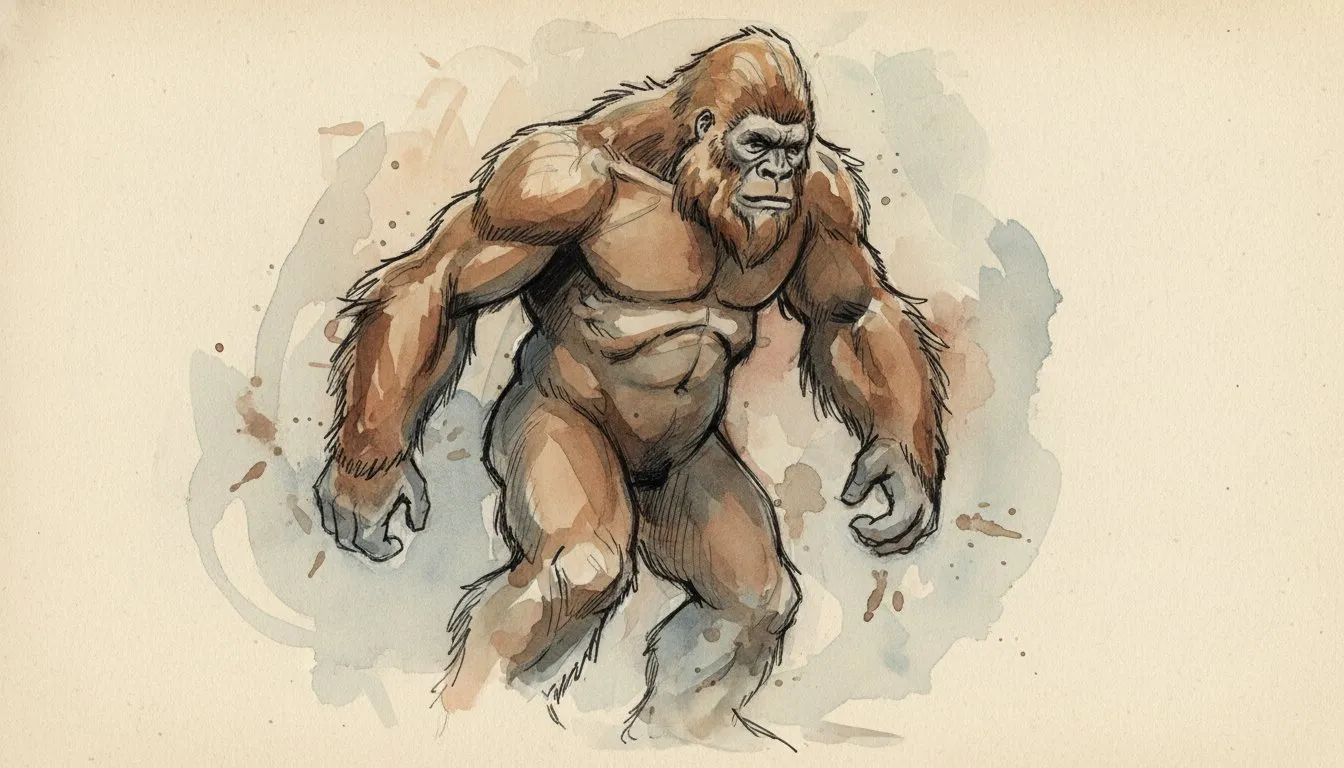
Bigfoot
The towering ape-man of the Pacific Northwest, glimpsed in fog and legend for centuries.
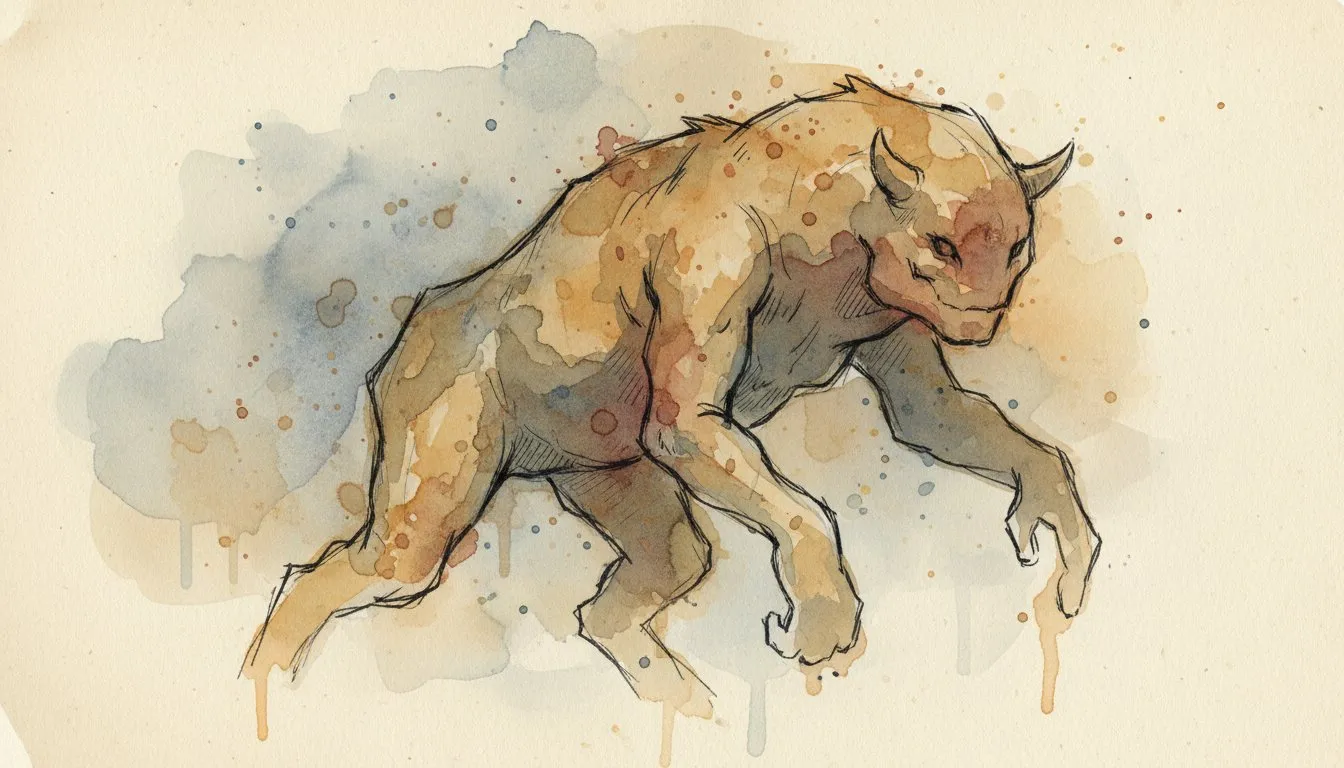
Momo the Monster
A blood-stained, three-toed giant that terrorized a small Missouri town in the summer of 1972.
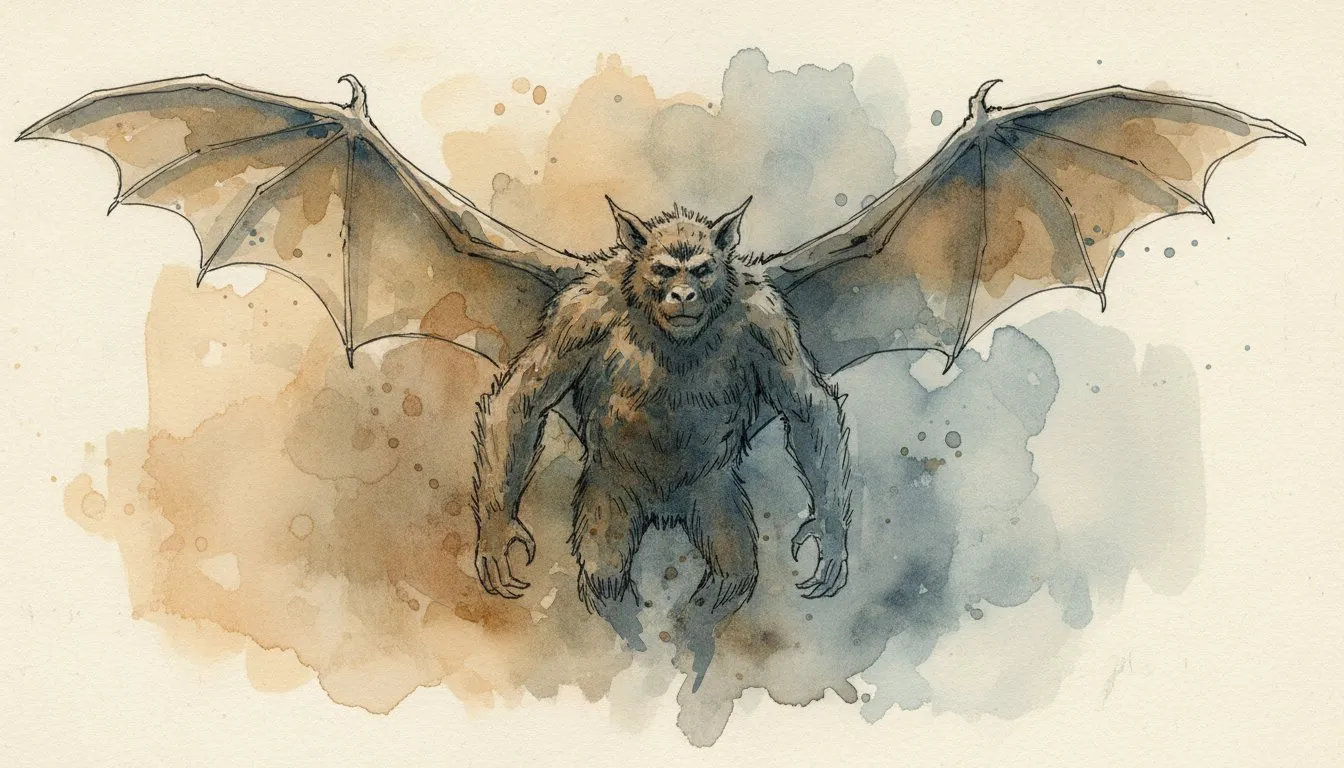
Batsquatch
A purple-skinned, bat-winged ape seen near Mount St. Helens after the eruption.
Fouke Monster
The hairy hominid of Boggy Creek, Arkansas, that inspired one of horror's first docudramas.