
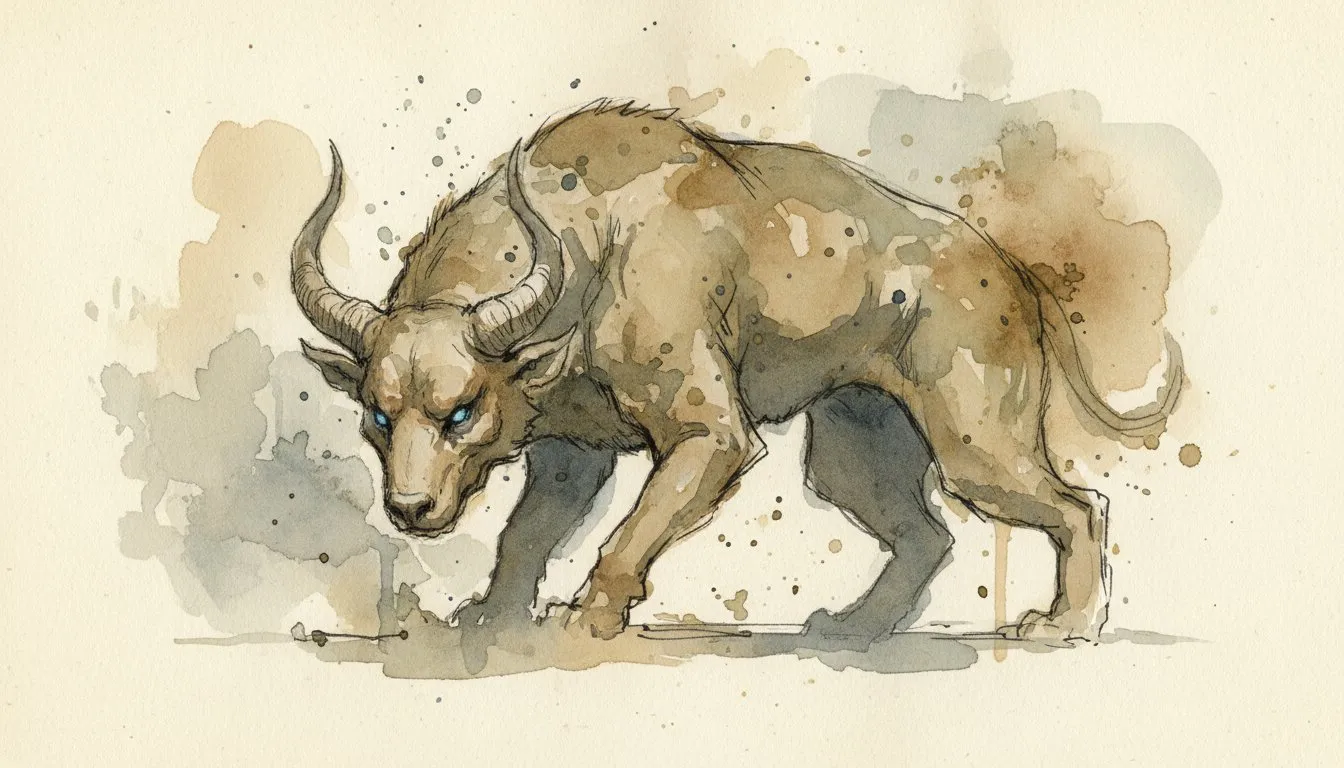
Ozark Howler
Also known as: Howler, Devil Cat of the Ozarks
A horned, shaggy beast whose eerie howl echoes through the Ozark hills at night.
Early 1800s (debated)
Ozark Mountains, Arkansas/Missouri, USA
Bear-sized, stocky build
Elusive, territorial
Unconfirmed
The Lore
The Ozark Howler is a stocky, cat-like creature with prominent horns and shaggy dark fur reported in the Ozark Mountains of Arkansas, Missouri, and Oklahoma. Its defining feature is a haunting, multi-toned howl that witnesses say combines the sounds of a wolf and an elk bugle. Some researchers debate whether the Howler is authentic regional folklore or a more recent internet-era creation, though scattered accounts predate the web.
Across the wooded ridges of the Ozark Plateau, where Arkansas, Missouri, Oklahoma, and the southeast corner of Kansas fold into a landscape of oak-hickory forest, limestone bluffs, and spring-fed rivers, locals speak of a creature they call simply the Howler, or more formally the Ozark Howler. It is typically described as bear-sized but cat-like or canine in form, shaggy black, with a low-slung body, stubby horns or large pointed ears, and eyes that reflect red or yellow in a flashlight beam. Its defining feature is its voice, a blending of a wolf's howl with an elk's bugle, loud enough to carry miles across the ridges and frightening enough to silence every other animal in earshot.
Reports cluster in the more remote Ozark counties, including Newton and Carroll in Arkansas, Shannon and Oregon in Missouri, and the eastern edge of the Oklahoma Ouachitas. The modern legend took recognizable shape in the 1990s, spread rapidly through early internet cryptid forums, and has since become a regional fixture alongside the Fouke Monster and the White River Monster. Hunters, campers, and rural residents have submitted accounts describing a large dark animal moving with feline fluidity but the approximate mass of a black bear, often accompanied by the signature howl at dusk or in the hours after midnight.
The creature's folkloric history is more complicated than it first appears. Some researchers, notably cryptozoologist Chad Arment, have traced the Ozark Howler to a confessed hoax. In the late 1990s a college student publicly admitted to inventing and seeding the modern version of the legend as a prank, complete with fabricated sightings distributed to online newsgroups. Yet older elements persist in genuine Ozark folk tradition, including hillcountry tales of the devil's dog and various panther-like specters recorded by WPA folklorists in the 1930s, suggesting the Howler may be an older regional archetype given a modern name and a more consistent description.
Skeptics argue the creature is a composite of misidentified black bears, which do reach remarkable sizes in the Ozarks, feral dog packs, and the remembered calls of elk reintroduced to parts of the region in recent decades. Believers counter that the howl itself, reported by witnesses with no cross-contamination, is too distinctive and too consistent to dismiss. Whether ancient creature, modern hoax, or something in between, the Ozark Howler has become a durable part of how the Ozarks narrate their own wildness.
Further Reading
No book is devoted to this creature. These are the general references that cover the field, plus a direct search if you want to dig further.
- Cryptozoology A to Z by Loren Coleman and Jerome Clark (1999)
The standard one-volume encyclopedia, roughly two hundred entries covering creatures, investigators, and hoaxes.
- Mysterious Creatures: A Guide to Cryptozoology by George M. Eberhart (2002)
The larger reference guide, stronger on sourcing and on creatures that never reached the popular books.
Search Amazon for Ozark Howler books
As an Amazon Associate, Cryptid Vault earns from qualifying purchases. Links open Amazon in a new tab.
Get the Field Notes.
Field notes from the Vault, when there is something worth sending. No spam.
No spam. Unsubscribe anytime.
You might also like
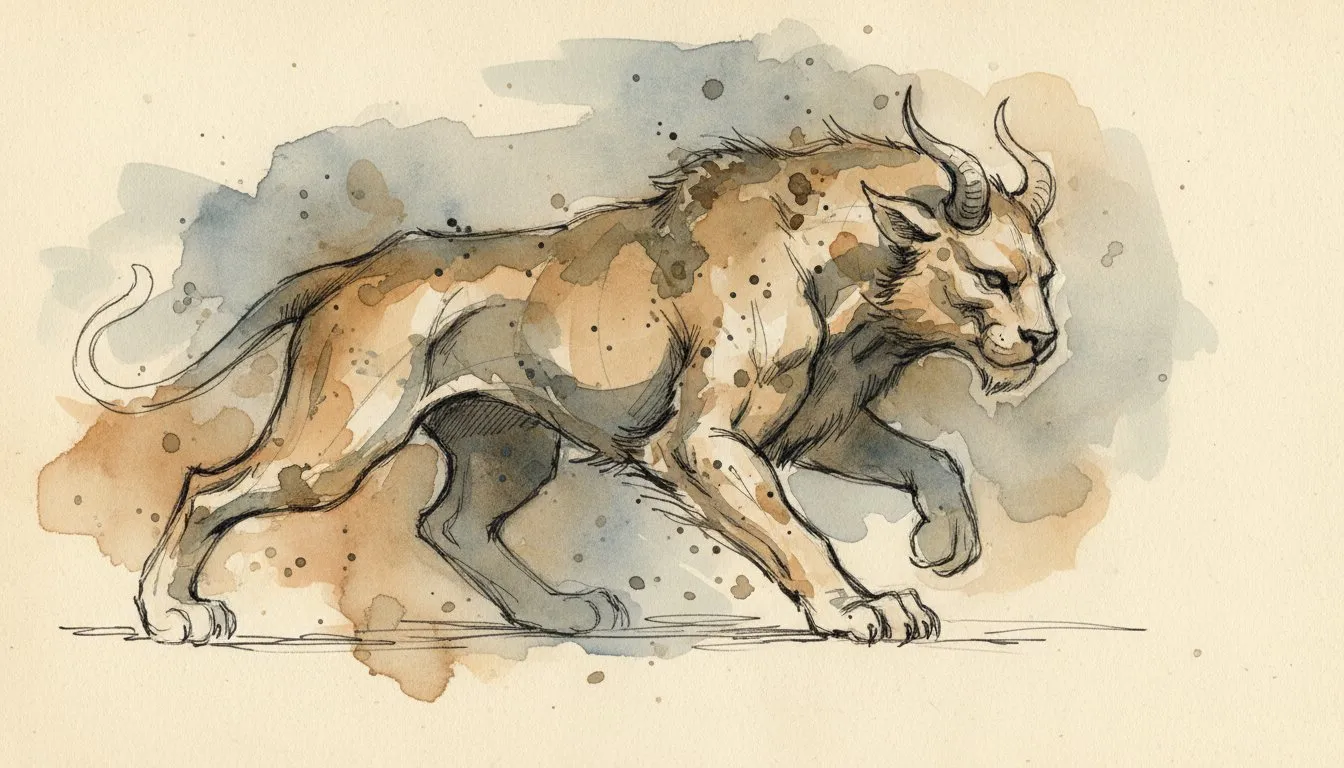
Wampus Cat
A six-legged panther-witch from Cherokee legend that screams through Appalachian hollows.
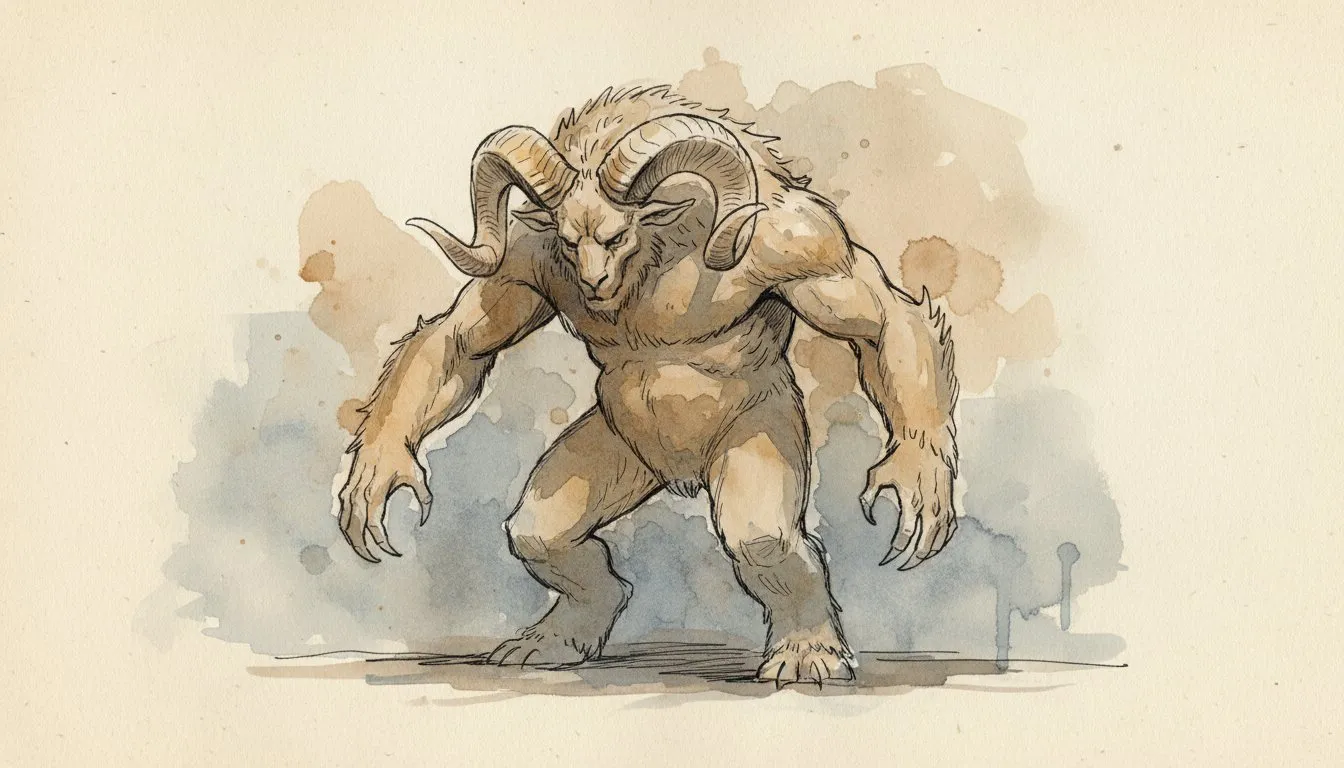
Sheepsquatch
A woolly, horned quadruped lurking in the hills of West Virginia since the 1990s.
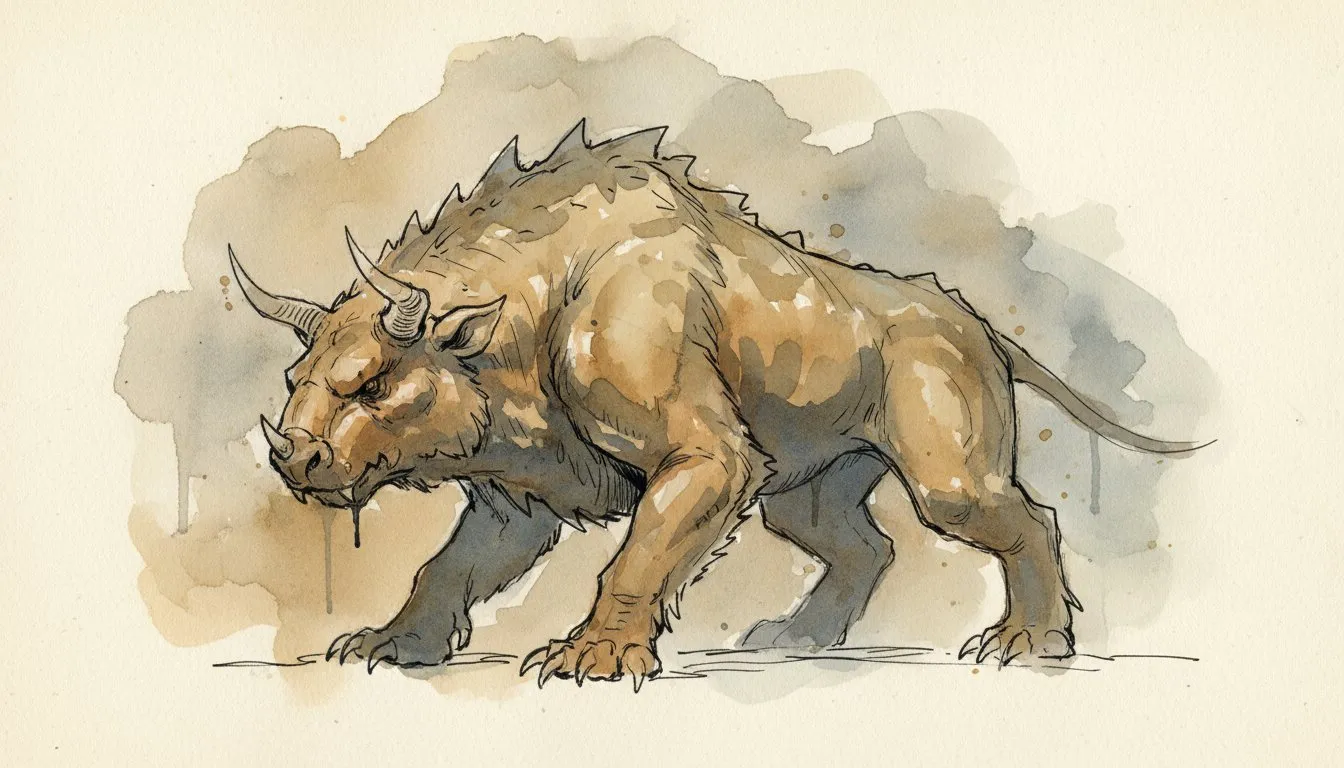
Hodag
A spiny, fire-born beast from the Wisconsin woods with a taste for white bulldogs.
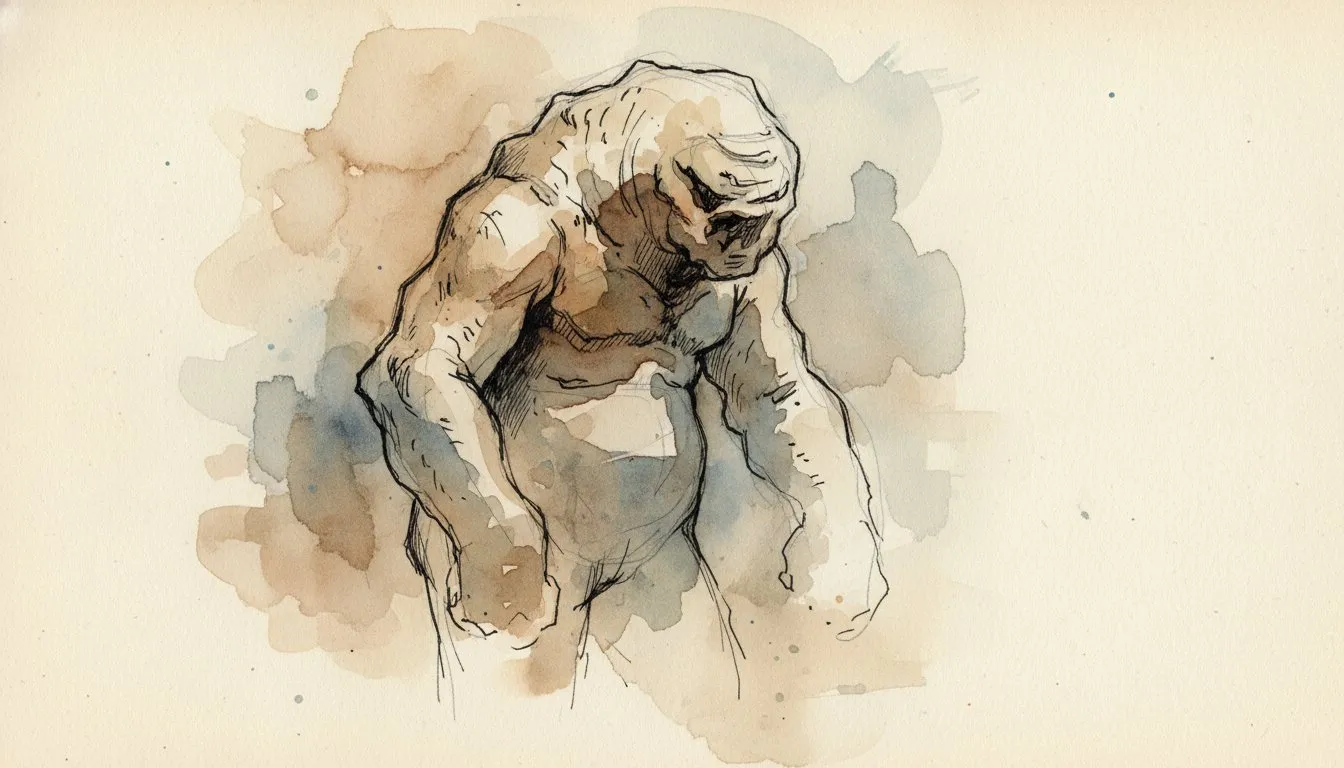
Grafton Monster
A headless, pale giant spotted lumbering through a West Virginia town in 1964.
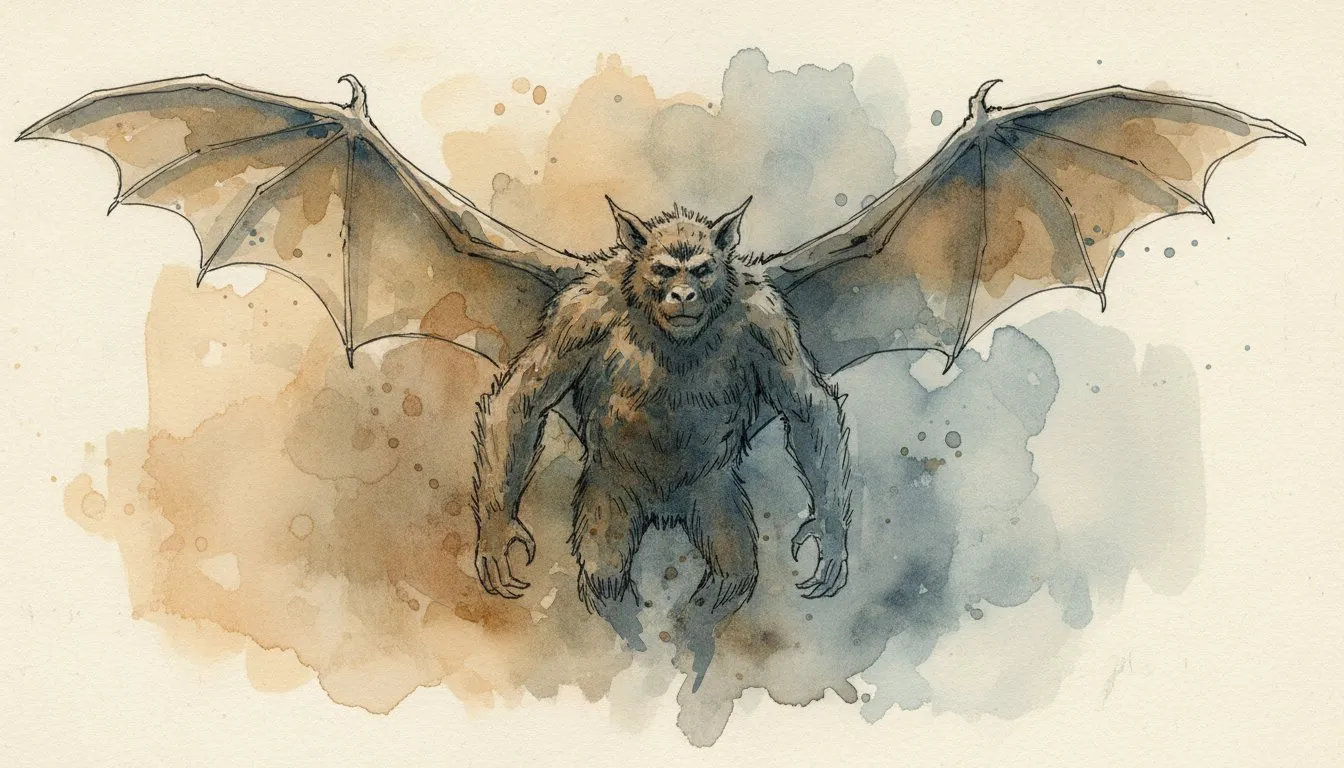
Batsquatch
A purple-skinned, bat-winged ape seen near Mount St. Helens after the eruption.
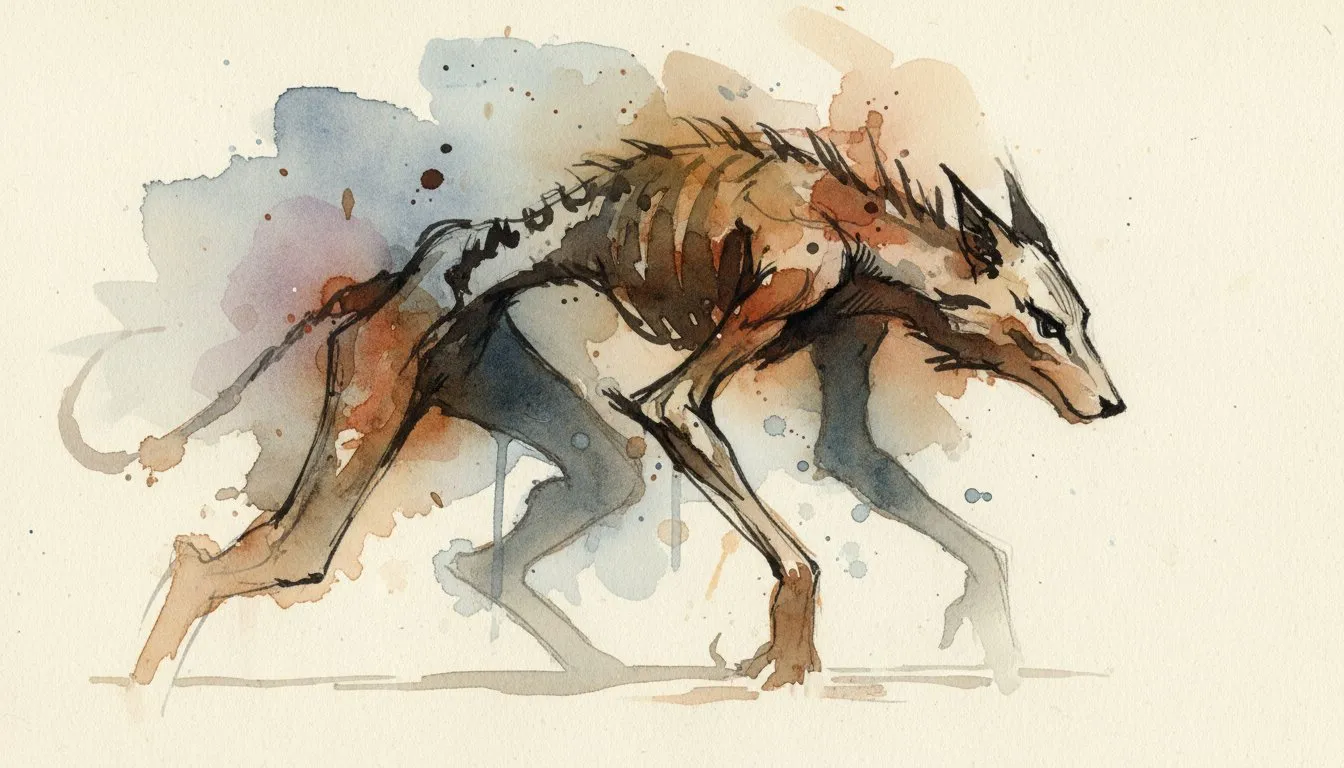
Skinwalker
A Navajo witch who wears the skins of animals and walks between worlds.
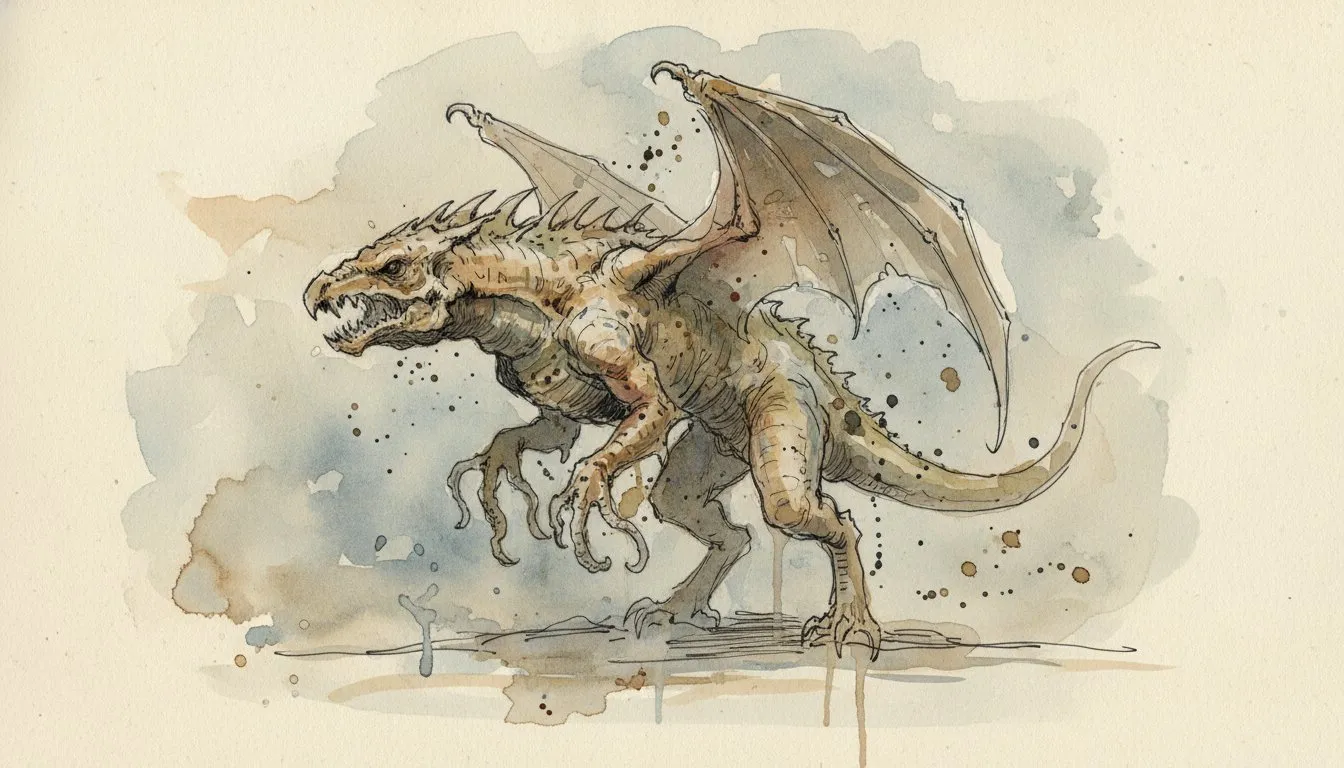
Snallygaster
A half-bird, half-reptile terror from Maryland with a taste for livestock and legend.
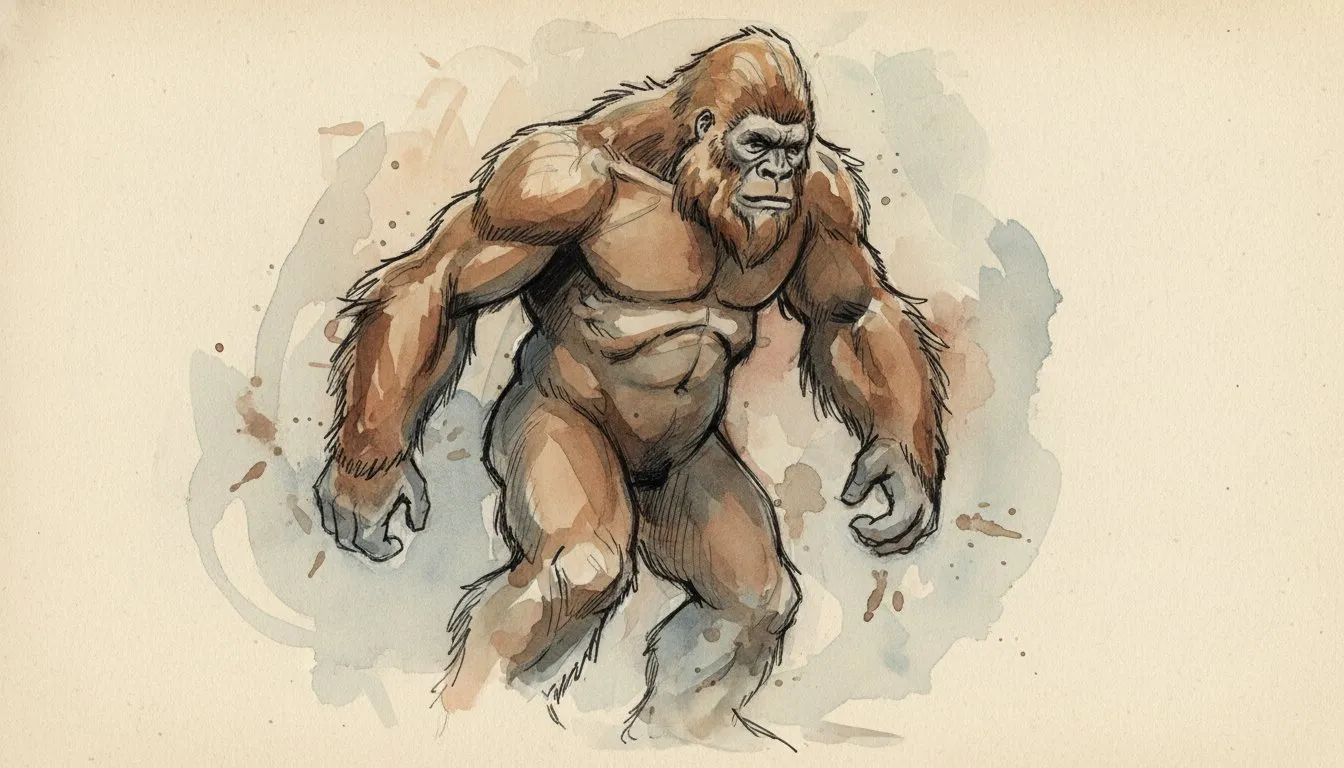
Bigfoot
The towering ape-man of the Pacific Northwest, glimpsed in fog and legend for centuries.