
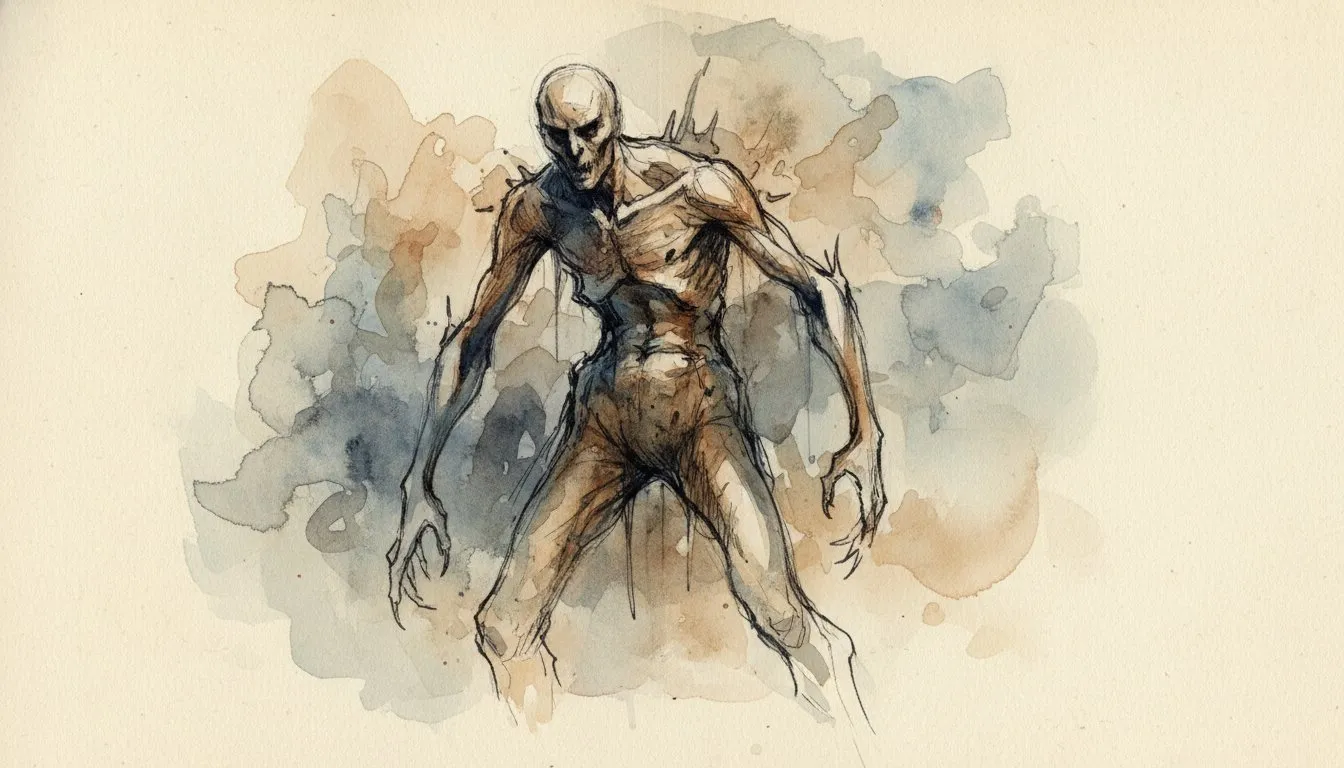
Strigoi
Also known as: Romanian Vampire, Strigoi Viu, Strigoi Mort
The original Romanian undead predates Dracula by centuries and is still feared enough that corpses are occasionally exhumed and staked in rural villages.
Ancient oral tradition, written accounts from 1600s
Romania, particularly rural Wallachia and Transylvania
Human-sized
Predatory, targets family members
Active folklore tradition, rituals still performed
The Lore
The Strigoi is a central figure in Romanian folklore, distinct from the literary vampire. There are two types: the strigoi viu, a living person cursed with vampiric tendencies, and the strigoi mort, a corpse that has risen from the grave. Strigoi are said to drain the life force of family members and livestock. As recently as 2004, villagers in Marotinu de Sus exhumed a body, removed the heart, burned it, and drank the ashes mixed with water. Romanian belief in the strigoi remains remarkably persistent.
The strigoi predates Bram Stoker's Dracula by at least a thousand years and bears only a passing resemblance to the cape-wearing aristocrat of Western fiction. Romanian tradition recognizes two distinct varieties. The strigoi viu is a living person, often born with a caul or a tail of hair, who unknowingly drains energy from those around them and whose spirit can leave the body at night. The strigoi mort is the more dangerous form, a corpse that refuses to stay buried and returns to torment its own family, feeding on their vitality until they sicken and die. The word itself derives from the Latin strix, a screeching night bird associated with blood-drinking in Roman antiquity.
Romanian burial customs developed around the assumption that the strigoi was a real and present danger. Bodies were sometimes buried face down, with thorns pressed into the mouth, or with a sickle placed across the neck so the corpse would decapitate itself if it tried to rise. Certain deaths were considered high-risk: suicides, people who died unbaptized, seventh children of seventh children, and anyone whose life had ended violently or without confession. Villages kept close watch on fresh graves for the first forty days, and any unexplained illness among livestock or relatives could prompt an exhumation.
The practice has not fully disappeared. In early 2004, in the Romanian village of Marotinu de Sus, the family of a man named Toma Petre became convinced he had returned as a strigoi after several relatives fell ill following his death. Six of his male relatives went to the cemetery at night, dug up the body, cut out the heart with a pitchfork, burned it on a nearby crossroads, and mixed the ashes with water for the sick family members to drink. The relatives reportedly recovered. Romanian police charged the men with disturbing the peace of the dead, and the case drew international attention because it demonstrated that strigoi belief was not a museum piece.
What makes the strigoi distinct from its literary descendants is the intimacy of the threat. Dracula stalks strangers in foreign cities. The strigoi comes home. It is always someone you knew, usually someone you loved, returning to drain the life out of the household it once belonged to. That domestic horror is what kept the tradition alive in rural Transylvania and Oltenia long after the rest of Europe had folded its vampires into paperback fiction.
Notable Witnesses
- Villagers of Marotinu de Sus (2004 exhumation)
Media Appearances
- The Strain (TV series inspiration)
- Strigoi (2009 film)
Further Reading
No book is devoted to this creature. These are the general references that cover the field, plus a direct search if you want to dig further.
- Cryptozoology A to Z by Loren Coleman and Jerome Clark (1999)
The standard one-volume encyclopedia, roughly two hundred entries covering creatures, investigators, and hoaxes.
- Mysterious Creatures: A Guide to Cryptozoology by George M. Eberhart (2002)
The larger reference guide, stronger on sourcing and on creatures that never reached the popular books.
Search Amazon for Strigoi books
As an Amazon Associate, Cryptid Vault earns from qualifying purchases. Links open Amazon in a new tab.
Get the Field Notes.
Field notes from the Vault, when there is something worth sending. No spam.
No spam. Unsubscribe anytime.
You might also like
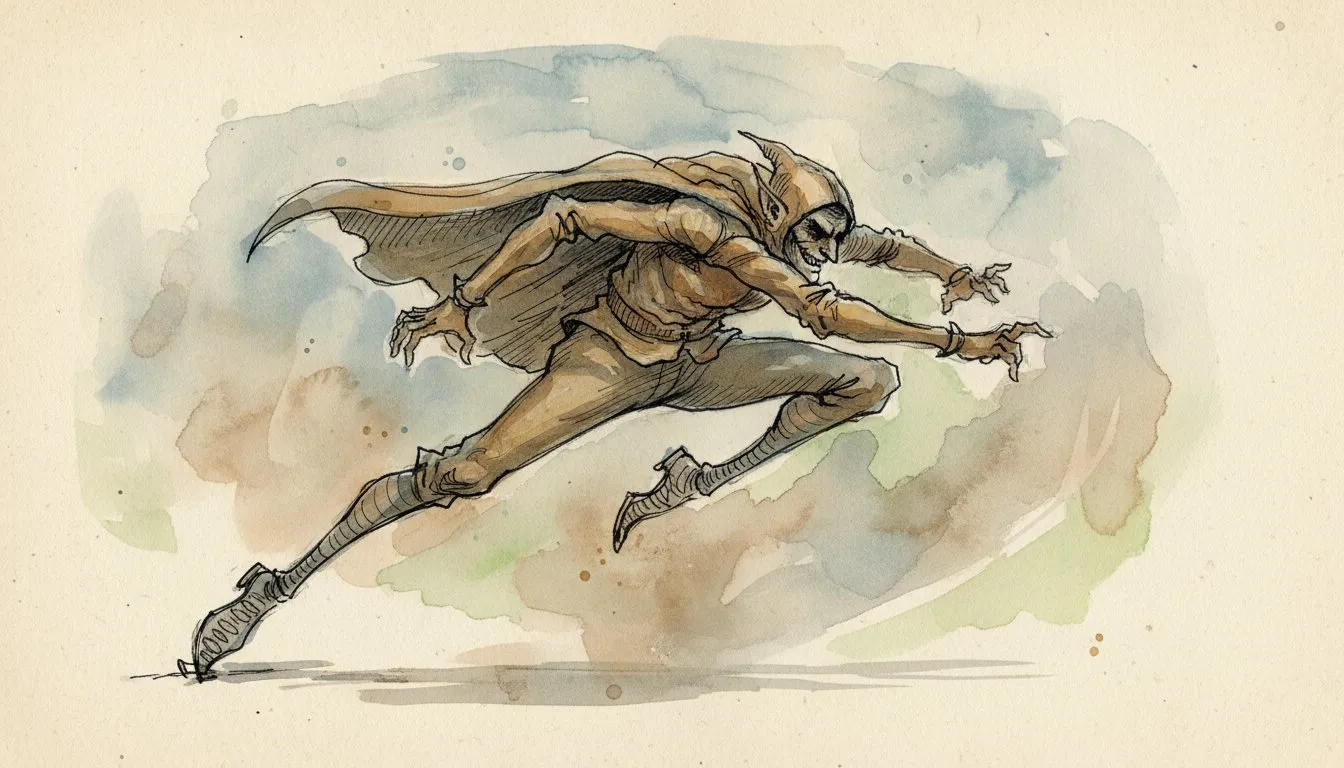
Spring-Heeled Jack
A cloaked figure with clawed hands and blazing eyes leapt over walls and breathed blue flame across Victorian England.
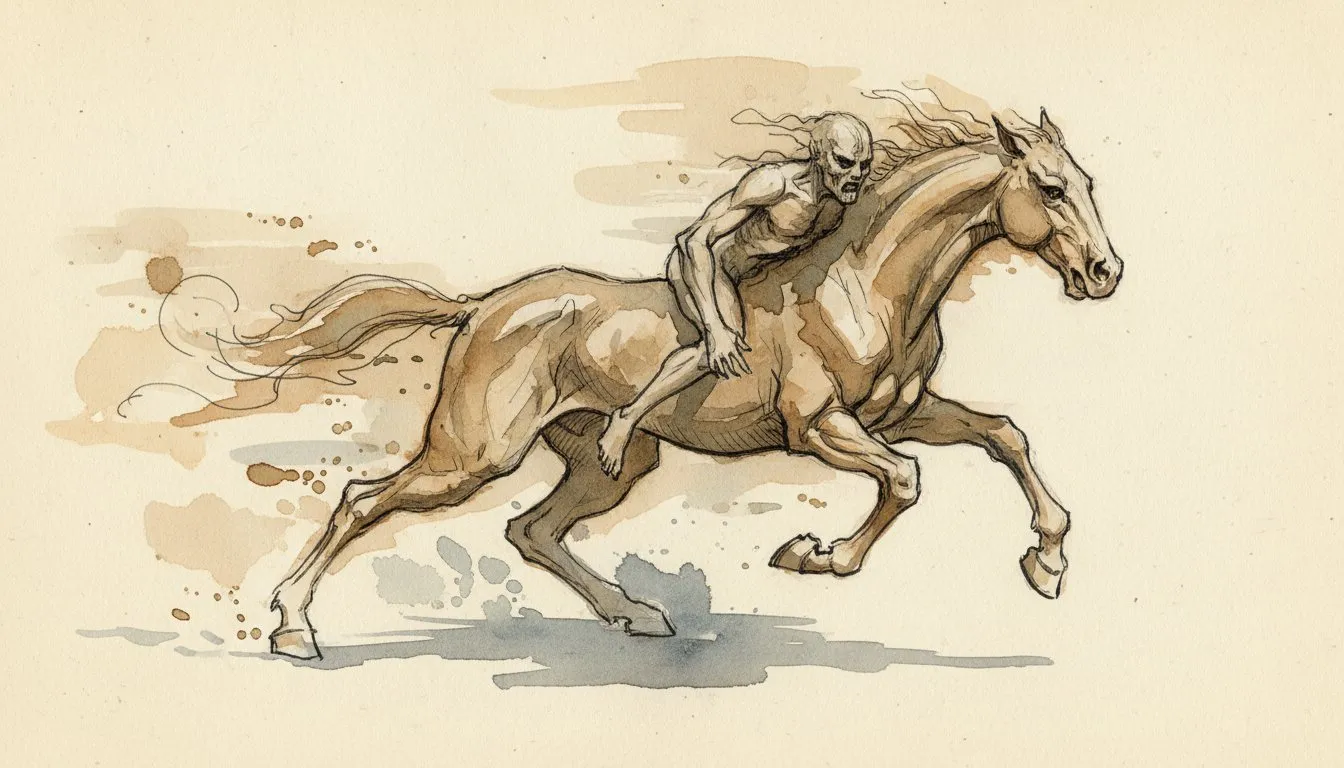
Nuckelavee
A skinless horse-rider hybrid rises from the ocean around Orkney, and its breath alone can wilt crops and sicken entire islands.
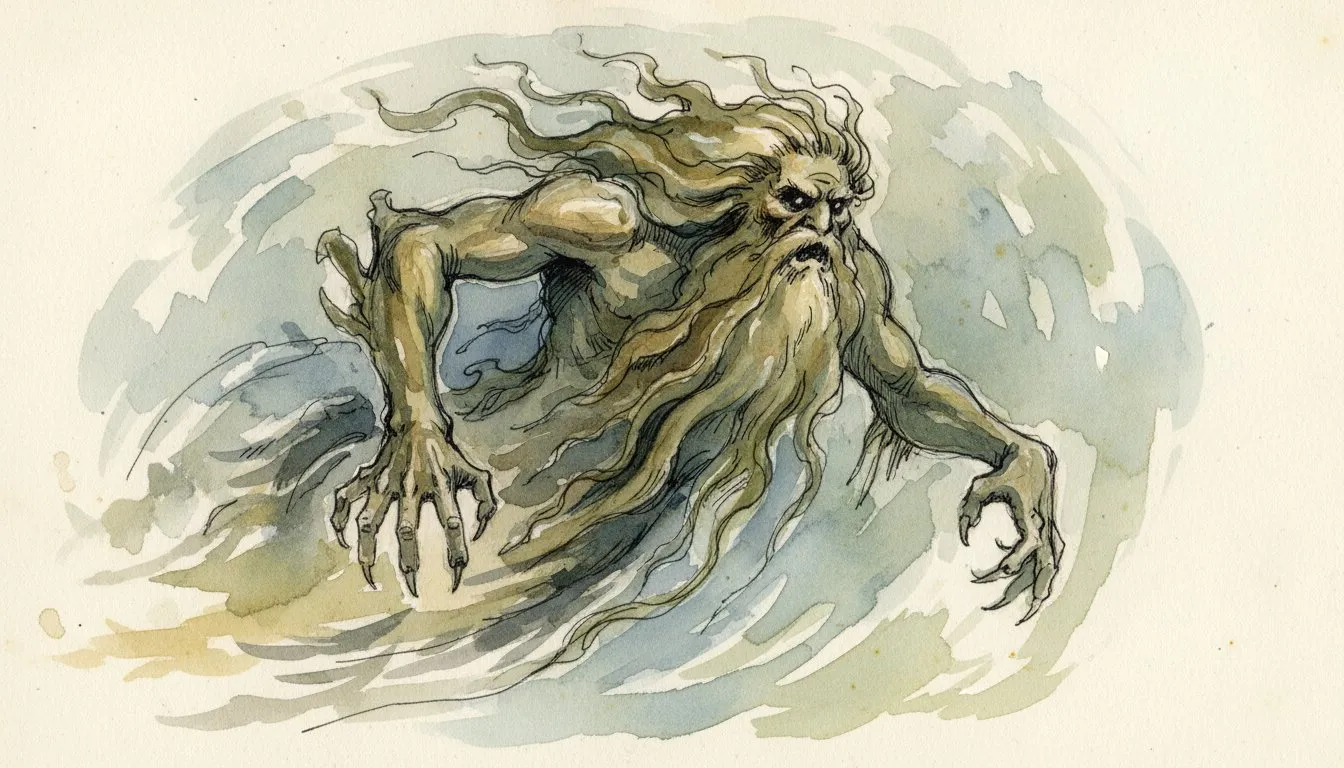
Vodyanoy
A bloated, frog-faced old man lurks at the bottom of Slavic rivers, drowning the careless and keeping their souls in teapots.
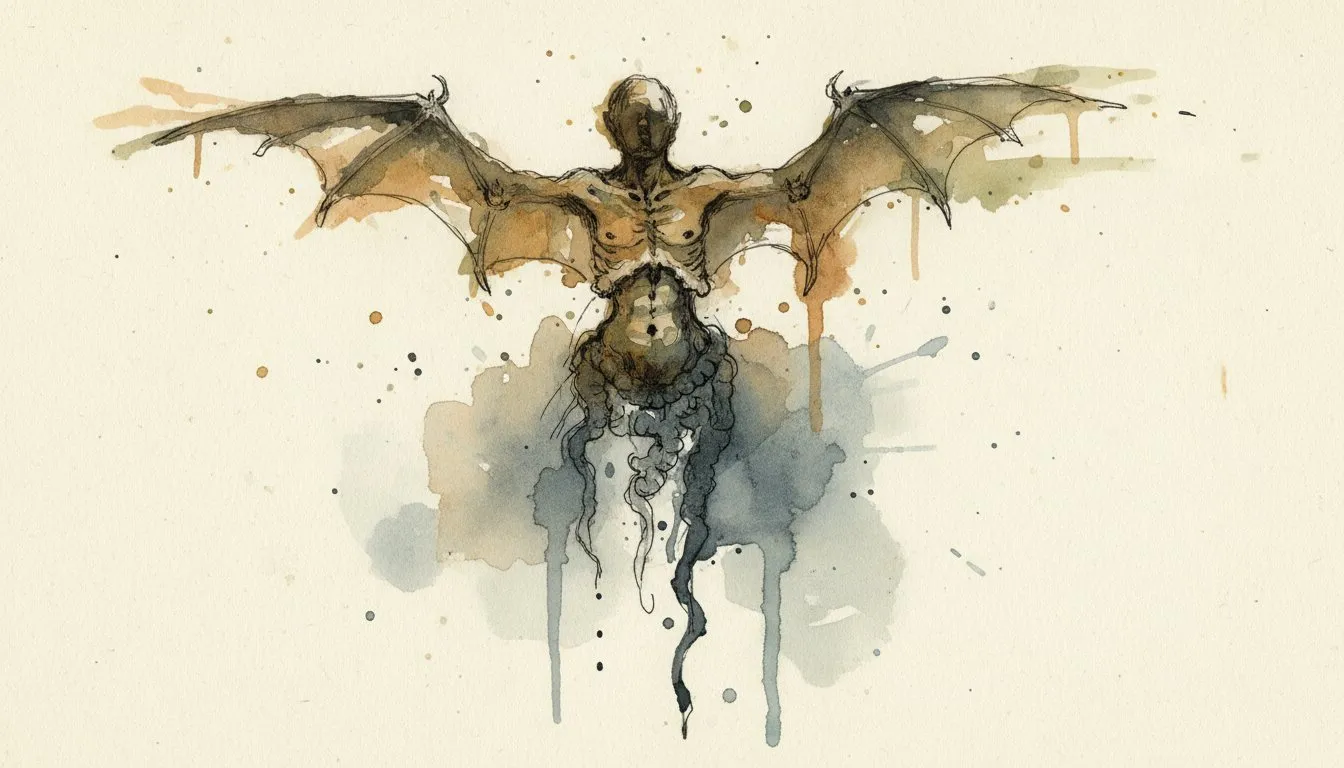
Manananggal
A vampire that tears its own torso free and flies through the night on bat-like wings, trailing its entrails below.
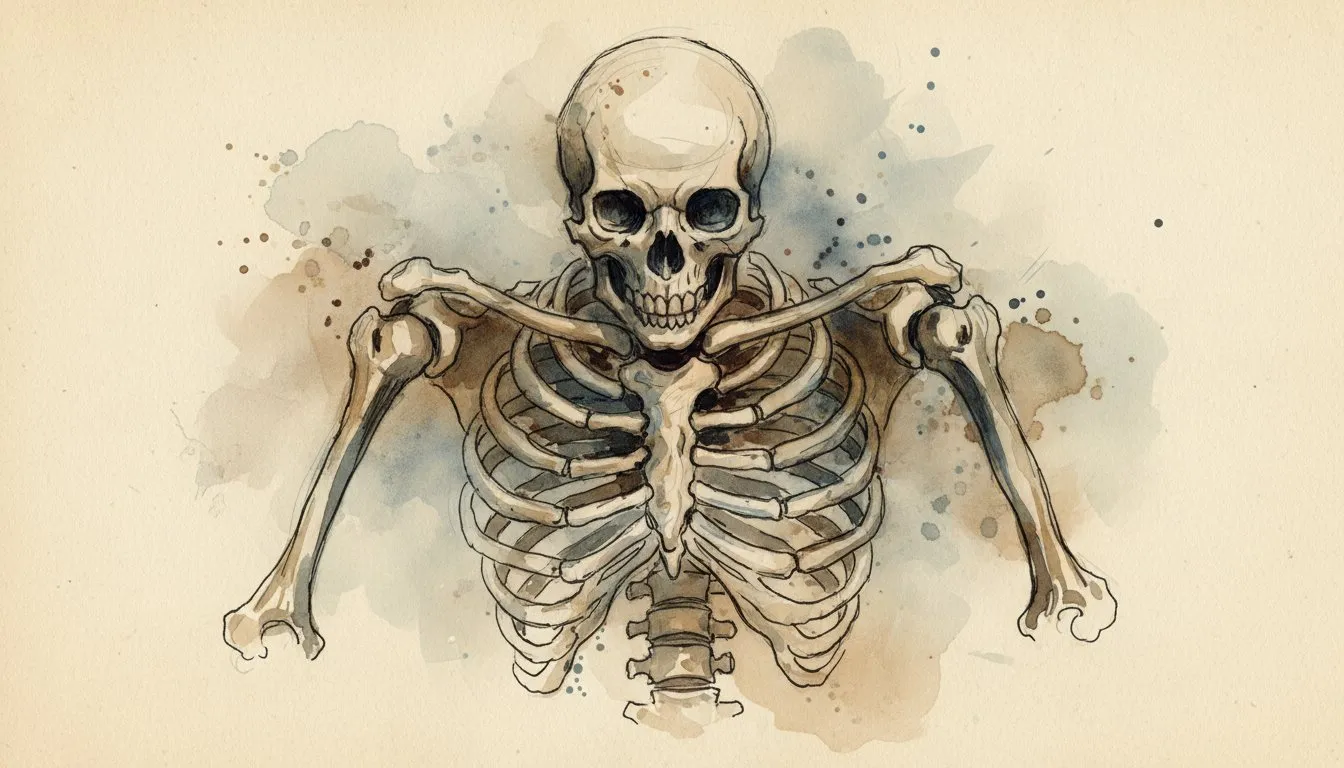
Gashadokuro
A towering skeleton formed from the bones of the unburied dead, rattling through the night to bite off heads.
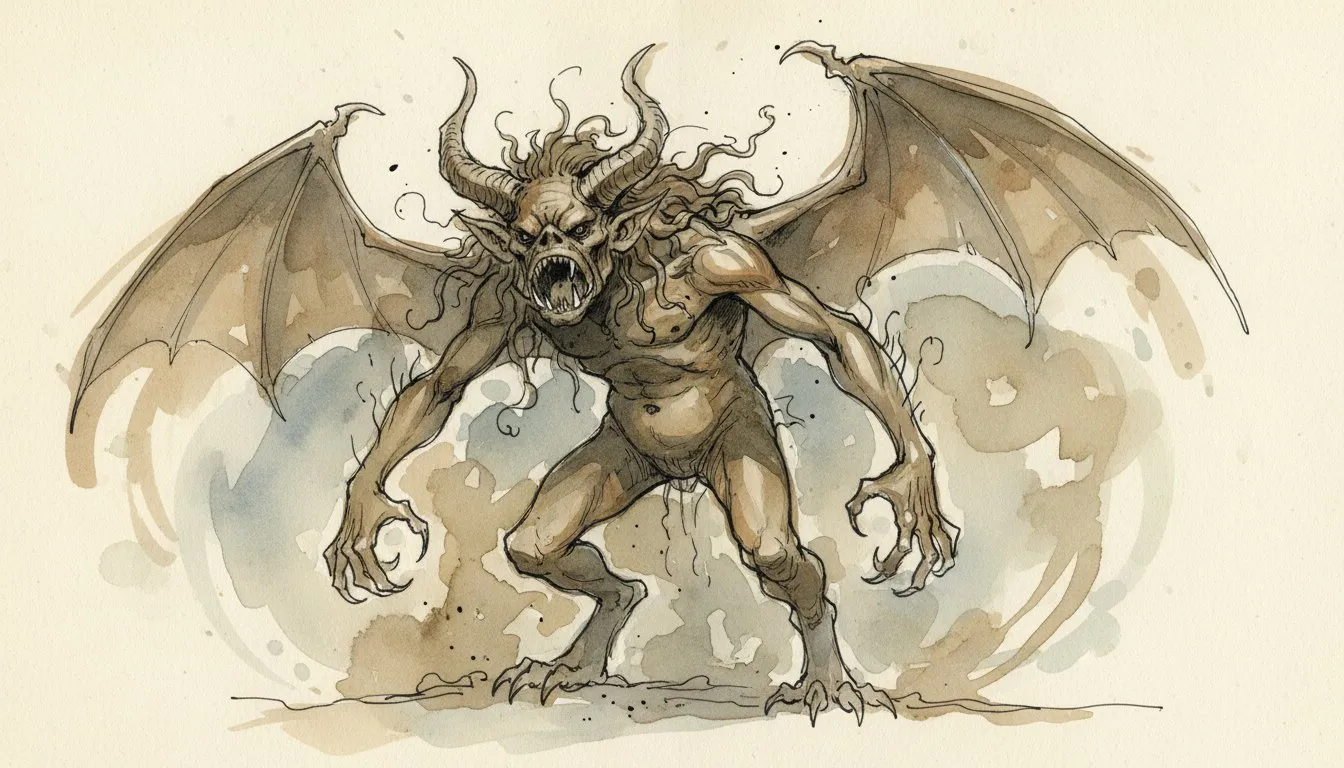
Sasabonsam
In the forests of Ghana, something with iron teeth and bat wings sits in the treetops, legs dangling like bait.
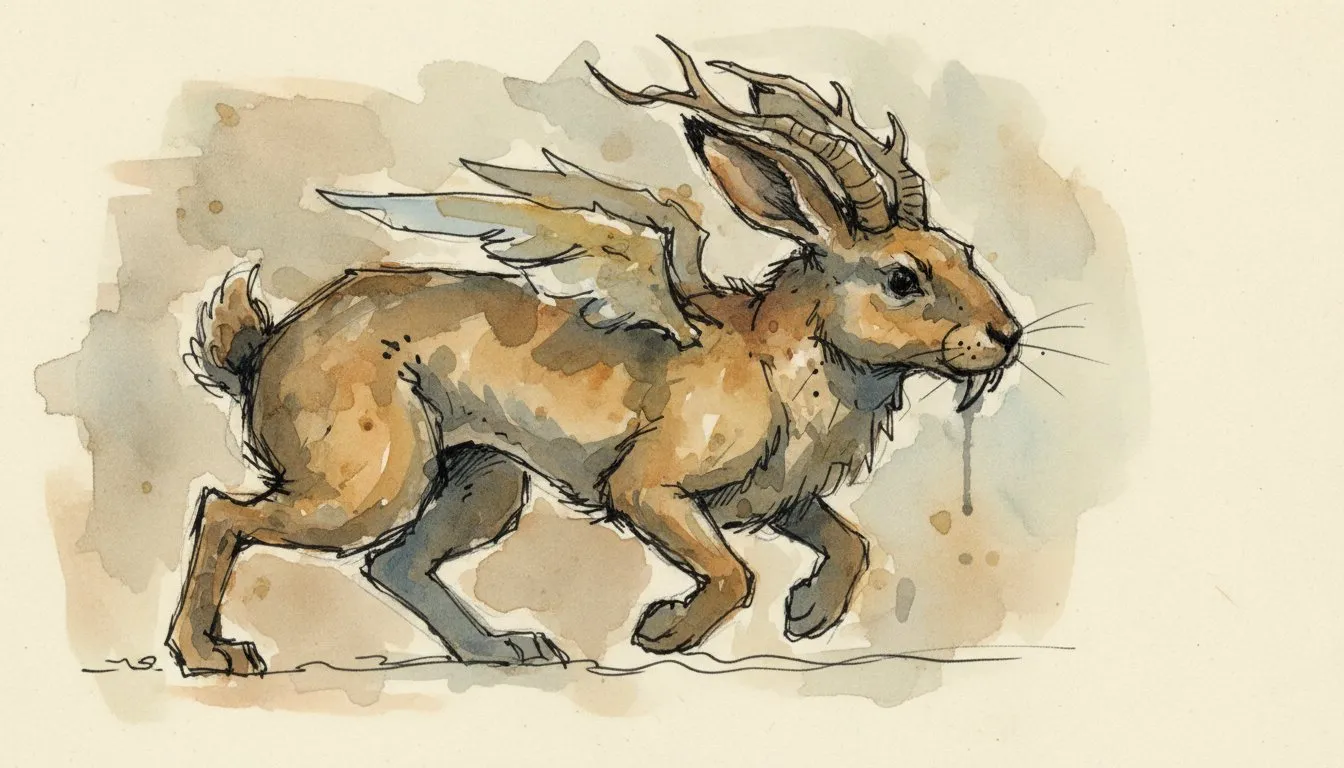
Wolpertinger
A fanged, winged rabbit with antlers sounds like a joke until you see the taxidermy specimens in Bavarian hunting lodges.
Adze
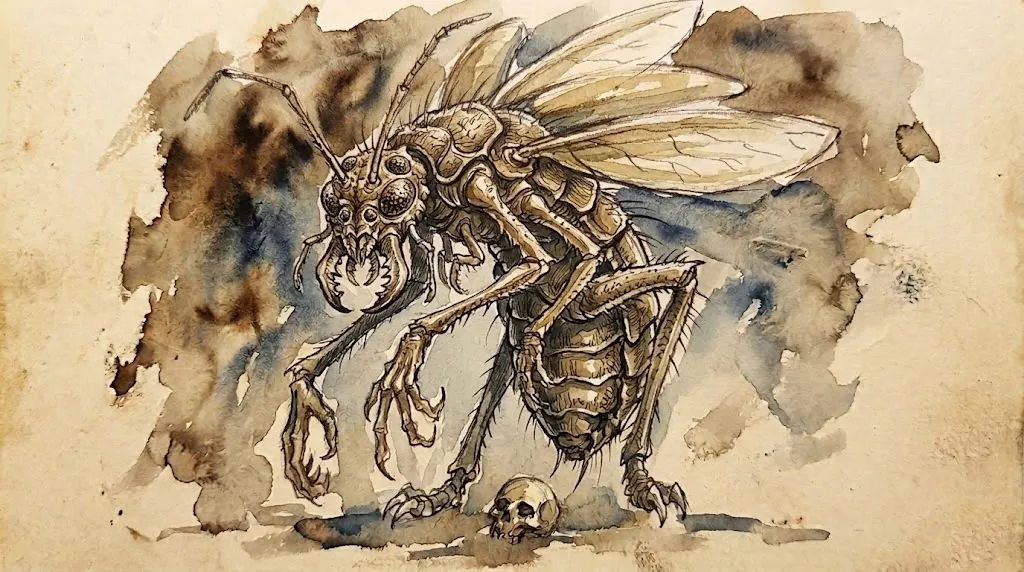
In Togo, a vampire disguised as a glowing firefly slips through locked doors to feed on the sleeping.