
Spring-Heeled Jack
Also known as: The Terror of London, Springald
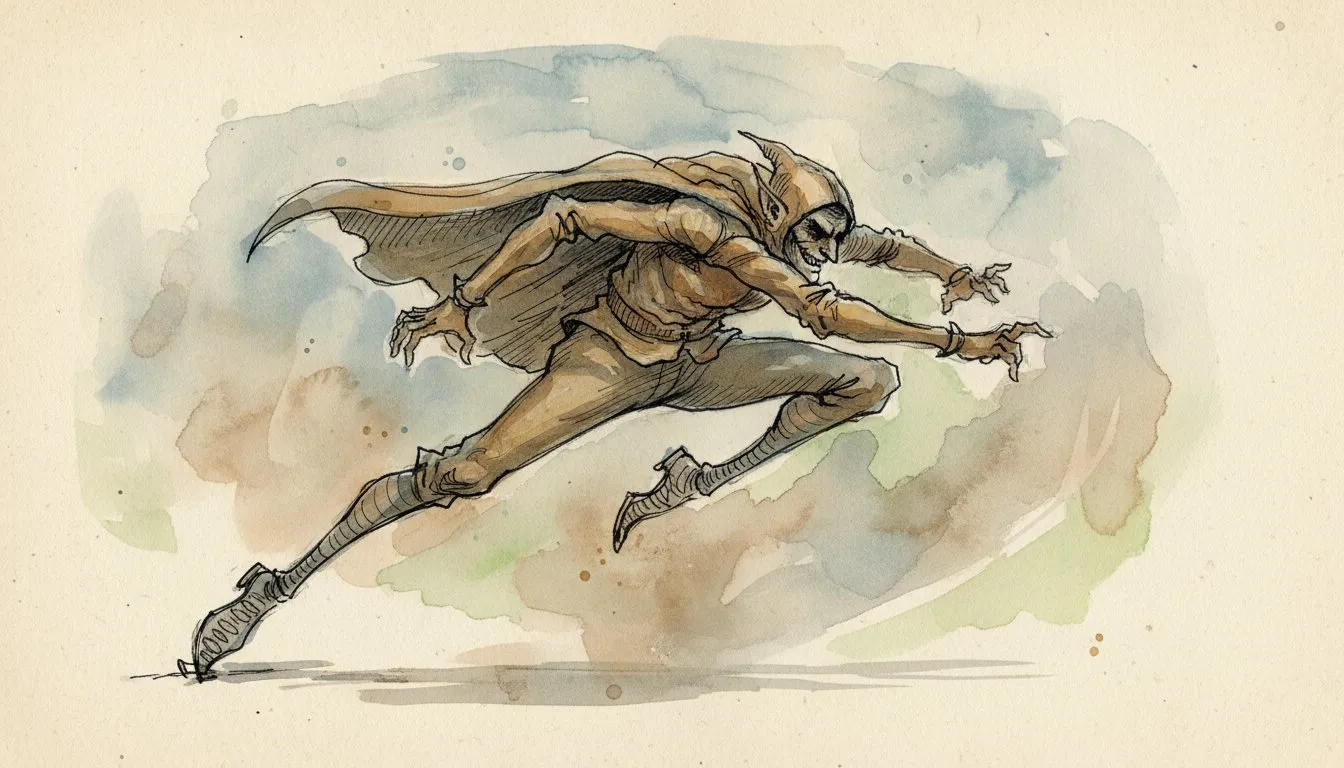
A cloaked figure with clawed hands and blazing eyes leapt over walls and breathed blue flame across Victorian England.
1837
London, England
Tall and thin, over 6 feet
Aggressive, attacked women and soldiers
Sightings ceased by early 1900s
The Lore
First reported in 1837 London, Spring-Heeled Jack was described as a tall, thin figure in a cloak who could leap over buildings and walls. Witnesses reported glowing red eyes, clawed metallic hands, and the ability to spit blue and white flames. Attacks continued sporadically across England for decades. The identity of Spring-Heeled Jack remains one of Victorian Britain's strangest unsolved mysteries.
In the autumn of 1837, a bizarre figure began terrorizing the outskirts of London. Witnesses reported a tall, thin man who could leap over walls and onto rooftops with superhuman agility. He had pointed features, glowing eyes, and hands described as cold and claw-like. Some accounts said he could breathe blue and white flames from his mouth. He became known as Spring-Heeled Jack, and for the next several decades, he was one of the most feared figures in Victorian England.
The first widely publicized incident occurred in February 1838, when 18-year-old Jane Alsop answered a knock at the door of her family's home in Bow, east London. The figure at the door identified himself as a police officer and asked her to bring a light. When she did, the figure grabbed her and began tearing at her dress with metallic claws. Alsop later described her attacker as wearing a tight-fitting white suit and a dark cloak. His eyes, she said, resembled red balls of fire. She was rescued by her sisters.
Days later, Lucy Scales was attacked near Green Dragon Alley in Limehouse. Her attacker spat blue flame in her face, temporarily blinding her, then bounded away over a wall. The attacks drew coverage in The Times of London and prompted the Lord Mayor of London, Sir John Cowan, to establish a public investigation.
Sightings of Spring-Heeled Jack continued sporadically across England for decades. He was reported in Sheffield in 1873, where witnesses said he slapped sentries at the Aldershot military barracks and leaped away over their heads. In 1877, he was reported at Newport Arch in Lincoln, where he was described as bounding across rooftops. The last significant cluster of sightings occurred in Liverpool in 1904.
Theories about Spring-Heeled Jack's identity abound. The most popular suspect has been Henry de La Poer Beresford, the 3rd Marquess of Waterford, a notorious prankster known for outrageous behavior. However, no evidence directly connects him to the attacks, and sightings continued long after his death in 1859. Other explanations include mass hysteria, multiple copycat pranksters, or the use of early spring-loaded stilt devices.
Spring-Heeled Jack became a major figure in Victorian penny dreadfuls, serialized fiction sold cheaply to working-class readers. He appeared in plays, comics, and eventually films and video games. He occupies a rare space in cryptid history as a figure who is simultaneously humanoid, seemingly supernatural, and potentially explainable as an elaborate series of hoaxes.
Notable Witnesses
- Jane Alsop (Bow, London, February 1838)
- Lucy Scales (Limehouse, London, February 1838)
- Sir John Cowan (Lord Mayor of London, launched investigation)
- Unnamed sentries at Aldershot military camp (1877)
- Multiple Liverpool residents (1904 sighting wave)
Media Appearances
- Spring-Heeled Jack penny dreadful serials (1838-1904)
- Spring-Heeled Jack: The Terror of London (serial, 1867-1868)
- The Strange Case of Spring-Heeled Jack by Mark Hodder (novel, 2010)
- Assassin's Creed Syndicate (video game, 2015, referenced)
- Castlevania (referenced)
- Various Victorian-era stage plays
Further Reading
No book is devoted to this creature. These are the general references that cover the field, plus a direct search if you want to dig further.
- Cryptozoology A to Z by Loren Coleman and Jerome Clark (1999)
The standard one-volume encyclopedia, roughly two hundred entries covering creatures, investigators, and hoaxes.
- Mysterious Creatures: A Guide to Cryptozoology by George M. Eberhart (2002)
The larger reference guide, stronger on sourcing and on creatures that never reached the popular books.
Search Amazon for Spring-Heeled Jack books
As an Amazon Associate, Cryptid Vault earns from qualifying purchases. Links open Amazon in a new tab.
Get the Field Notes.
Field notes from the Vault, when there is something worth sending. No spam.
No spam. Unsubscribe anytime.
You might also like
Black Shuck
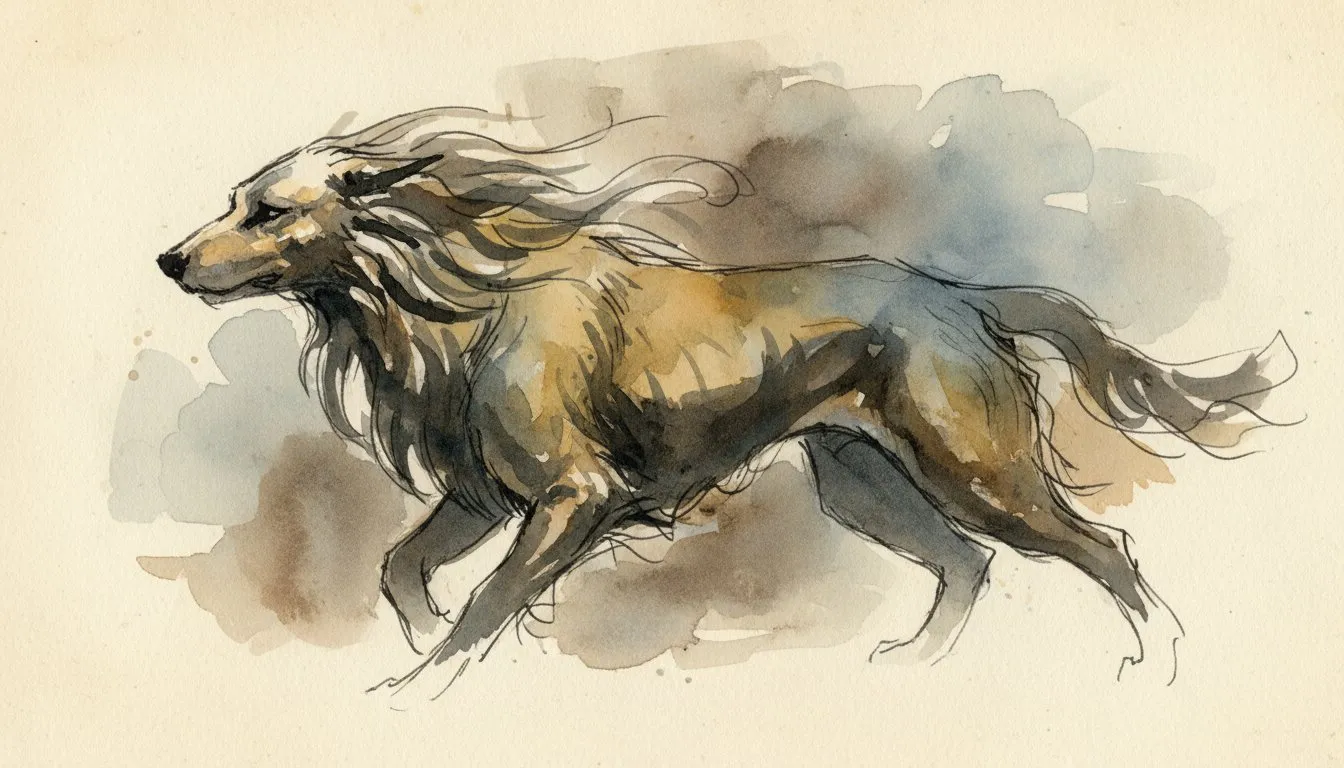
A ghostly black dog with blazing red eyes has haunted the roads and churchyards of East Anglia for over a thousand years.
Nuckelavee
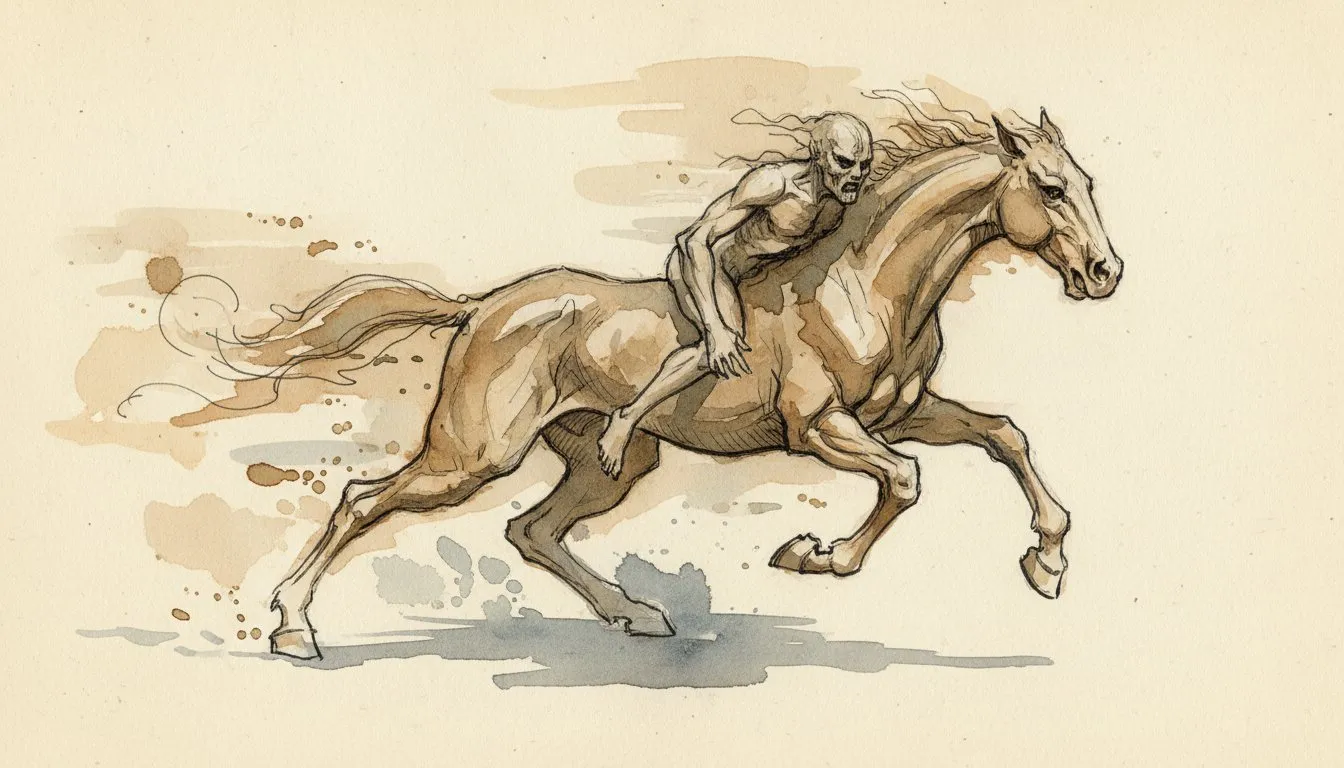
A skinless horse-rider hybrid rises from the ocean around Orkney, and its breath alone can wilt crops and sicken entire islands.
Strigoi
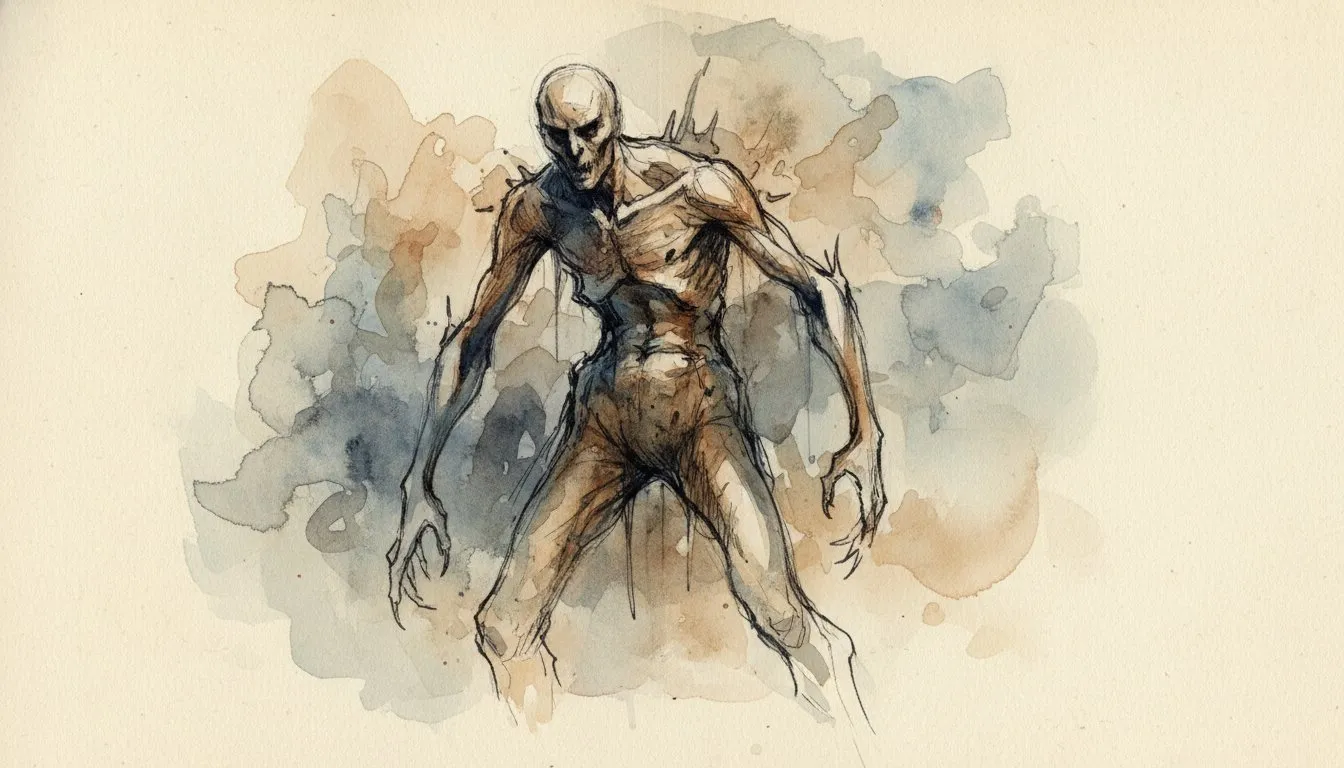
The original Romanian undead predates Dracula by centuries and is still feared enough that corpses are occasionally exhumed and staked in rural villages.
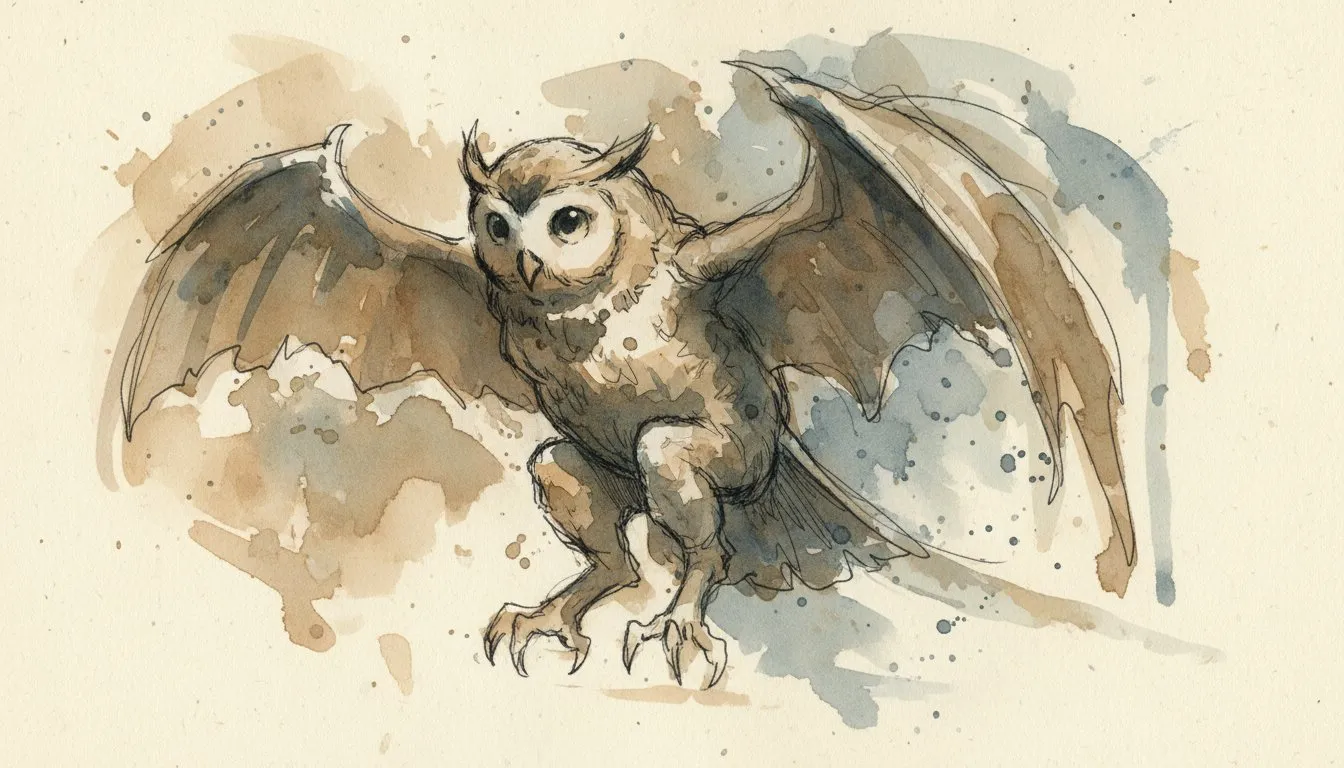
Owlman
A towering owl-humanoid haunting the woods around a Cornish church.
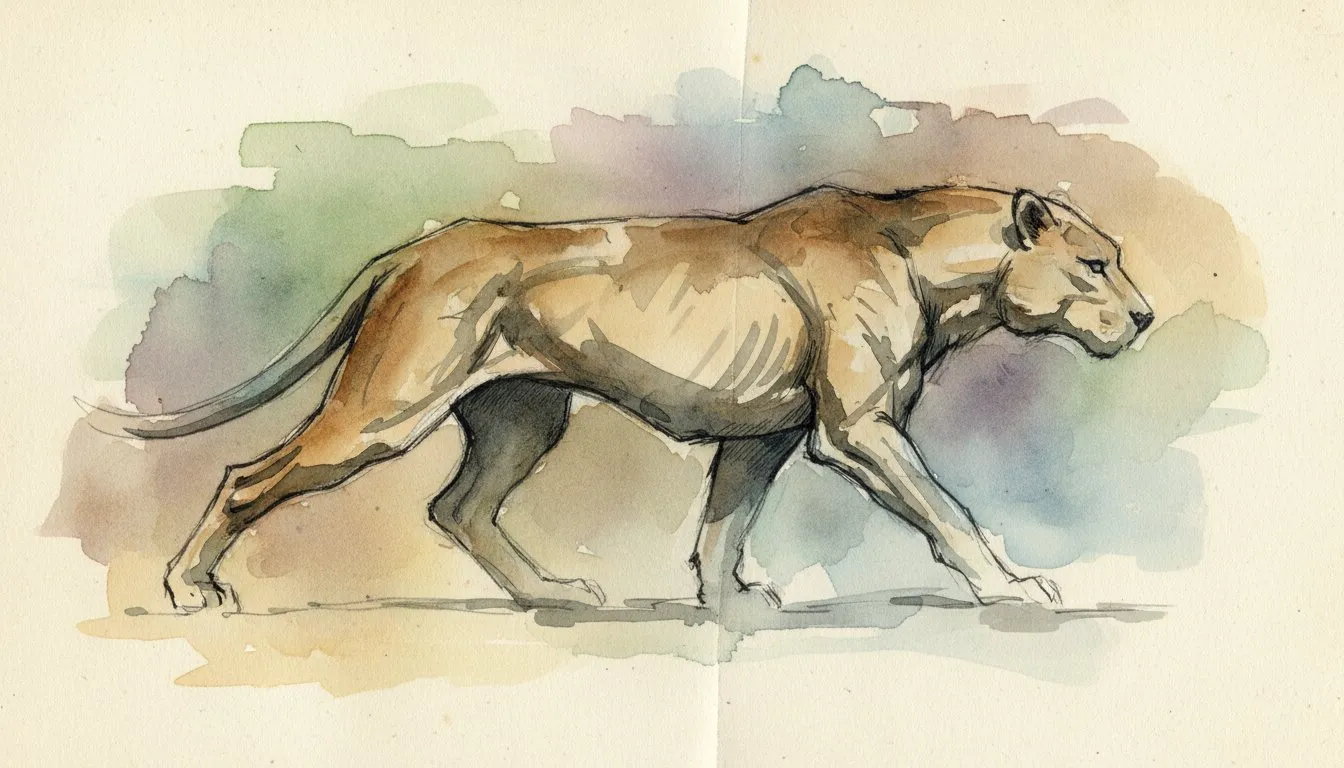
Beast of Bodmin Moor
A large black cat prowls the foggy moors of Cornwall, shredding livestock and vanishing into the granite landscape.
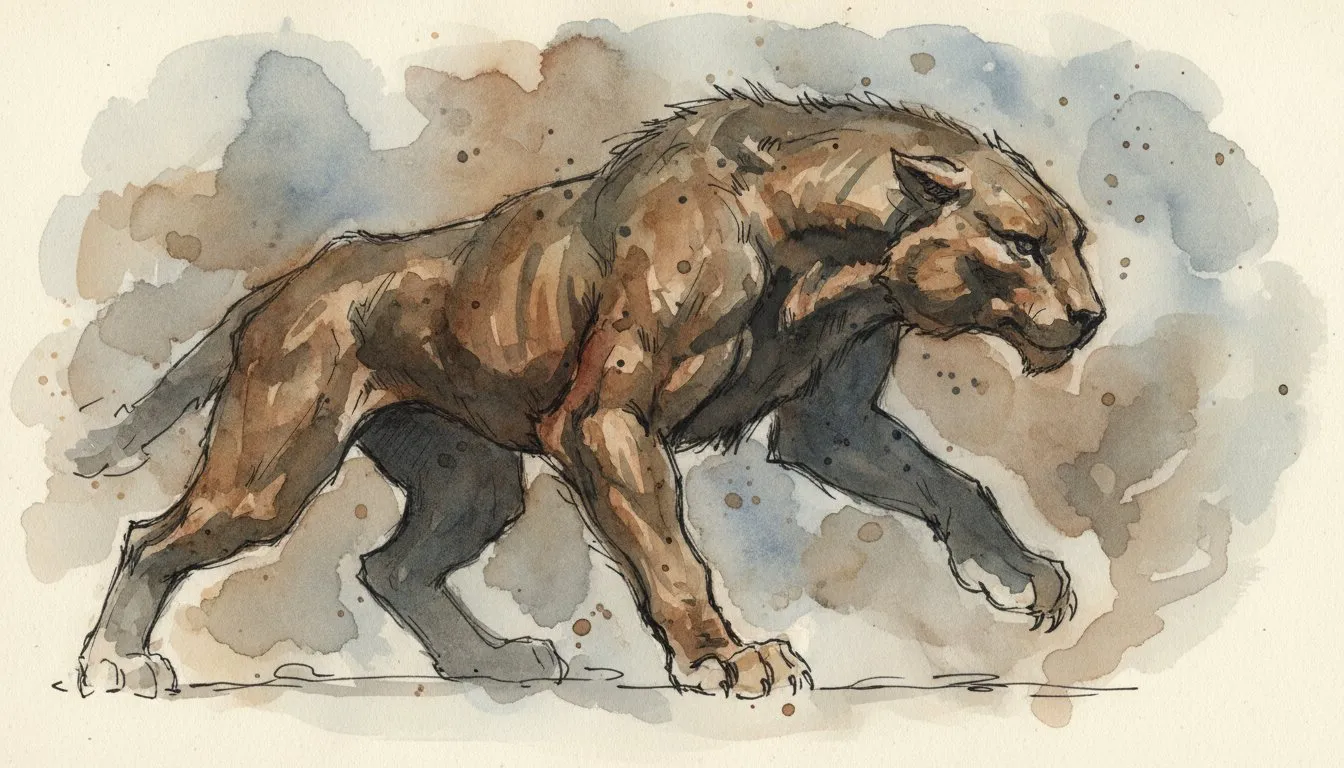
Beast of Dartmoor
Something large, dark, and feline stalks the misty moorlands of Devon, leaving torn livestock and fleeting glimpses behind.
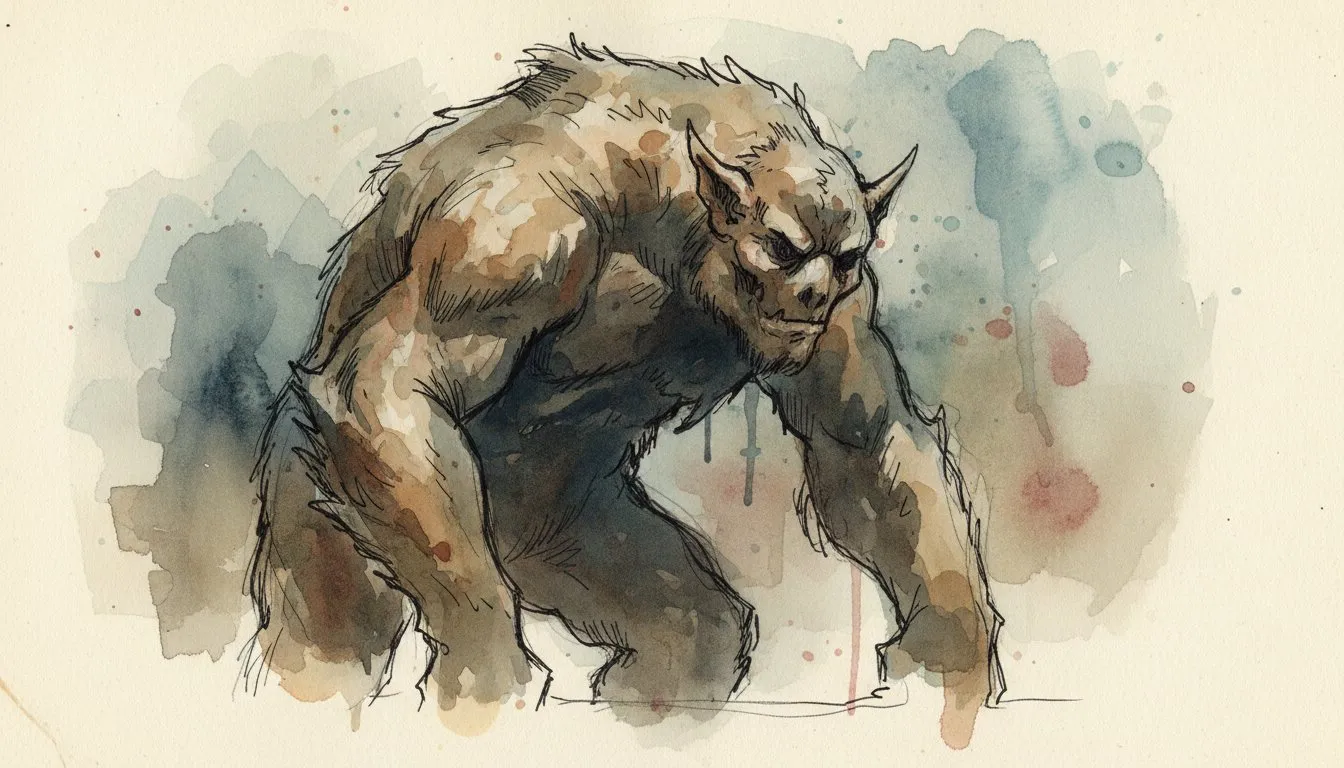
Fear Liath
Climbers on Scotland's second-highest peak report a towering grey figure following them through the mist, accompanied by crunching footsteps and overwhelming dread.
Morgawr
A humped sea serpent has been spotted off the coast of Cornwall since the 1900s, sometimes close enough to shore that beachgoers scatter.