
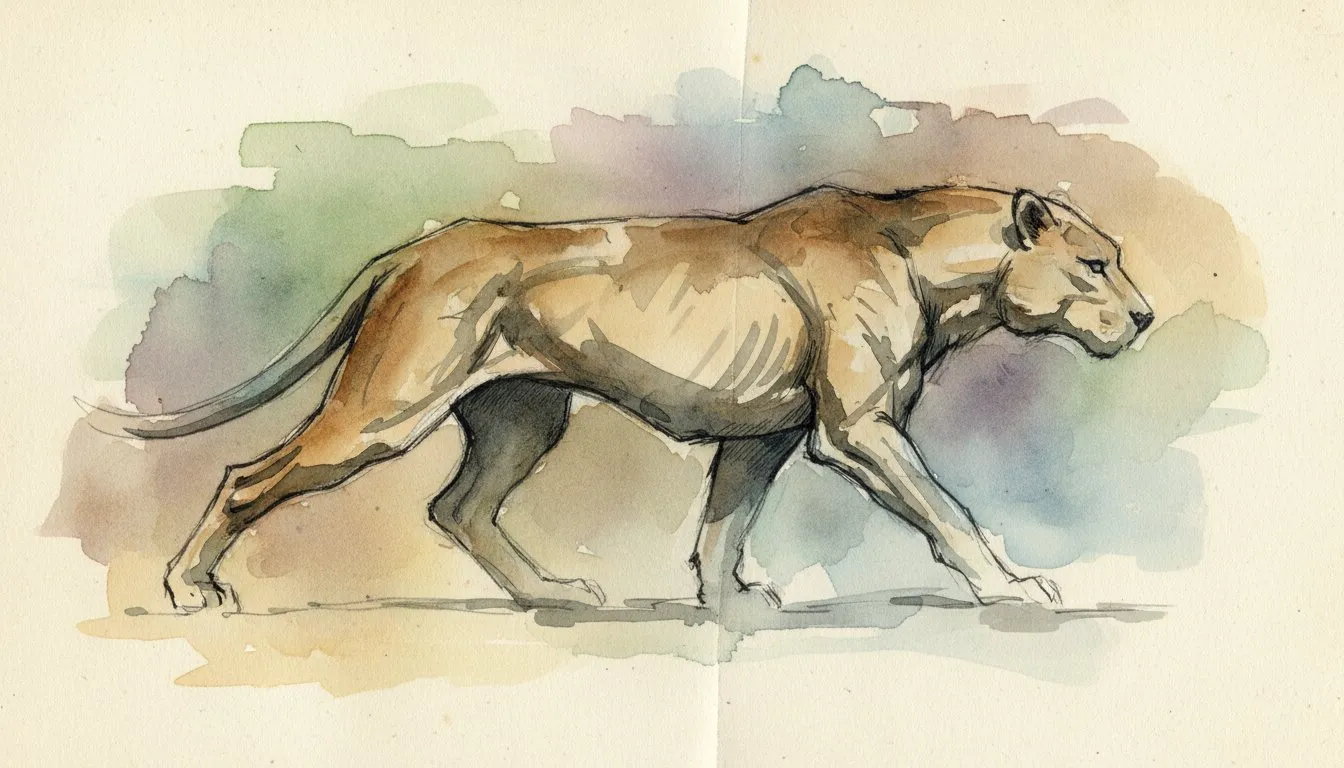
Beast of Bodmin Moor
Also known as: Beast of Bodmin, Phantom Cat of Cornwall
A large black cat prowls the foggy moors of Cornwall, shredding livestock and vanishing into the granite landscape.
1978
Bodmin Moor, Cornwall, England
3-5 feet long, panther-sized
Elusive, avoids humans
Active sightings ongoing
The Lore
Since the 1970s, residents near Bodmin Moor in Cornwall have reported a large black feline stalking the moorland. Livestock have been found with unusual claw marks and bite wounds. A 1995 government investigation found no conclusive evidence of a big cat, but sightings and livestock kills continue. Some believe escaped or released exotic cats established a breeding population on the moor.
Bodmin Moor is a granite upland in Cornwall, roughly 80 square miles of heather, bog, and scattered tors, historically used for sheep grazing and now partly protected as an Area of Outstanding Natural Beauty. Since the early 1970s, farmers and hikers have reported a large black cat prowling the moor, typically described as three to five feet long, sleek, muscular, with a long tail and glowing yellow eyes. Sightings cluster around the villages of Bolventor, St Breward, and the Fowey river valley, and they have been accompanied by persistent reports of livestock killed in ways inconsistent with foxes or domestic dogs, including puncture wounds to the throat and the distinctive claw-raking pattern associated with large felids.
The pattern fits a broader British phenomenon known as the phantom cat or ABC, alien big cat, with similar reports coming from Exmoor, the Fells of Cumbria, and the Scottish Borders. The most widely accepted explanation among zoologists is that the 1976 Dangerous Wild Animals Act, which required expensive licensing for private ownership of exotic pets, led some owners to release their pumas, leopards, and lynxes into the British countryside rather than comply. A small breeding population of such animals in the more remote parts of Britain would produce exactly the pattern of sightings and livestock predation observed on Bodmin.
The British government took the question seriously enough to launch an official investigation. In 1995, the Ministry of Agriculture, Fisheries and Food commissioned a six-month study that reviewed sighting reports, examined livestock carcasses, and conducted field surveys. The final report concluded that there was no verifiable evidence of an exotic cat on Bodmin Moor, though it carefully noted that this did not mean no such animal was present. Within days of the report's publication, a boy walking along the River Fowey found a leopard skull half-buried in the riverbank. The Natural History Museum later determined the skull was real leopard but had almost certainly been imported as part of a rug or trophy and was not from a locally-living animal, though the timing was awkward for the government conclusion.
Sightings and livestock kills have continued through every subsequent decade. In 1998, a local farmer filmed a large black cat moving across a field near Bodmin, footage that remains one of the better pieces of visual evidence despite being inconclusive. DNA analysis of hair samples collected from suspected predation sites has occasionally returned results indicating large felid species not native to Britain. Whatever is out there, the moor has not given it up, and the case sits in the productive middle ground where folklore, escaped exotics, and genuine biological possibility overlap.
Media Appearances
- Beast of Bodmin Moor (2022 documentary)
- Doc Martin (TV cameo)
Further Reading
No book is devoted to this creature. These are the general references that cover the field, plus a direct search if you want to dig further.
- Cryptozoology A to Z by Loren Coleman and Jerome Clark (1999)
The standard one-volume encyclopedia, roughly two hundred entries covering creatures, investigators, and hoaxes.
- Mysterious Creatures: A Guide to Cryptozoology by George M. Eberhart (2002)
The larger reference guide, stronger on sourcing and on creatures that never reached the popular books.
Search Amazon for Beast of Bodmin Moor books
As an Amazon Associate, Cryptid Vault earns from qualifying purchases. Links open Amazon in a new tab.
Get the Field Notes.
Field notes from the Vault, when there is something worth sending. No spam.
No spam. Unsubscribe anytime.
You might also like
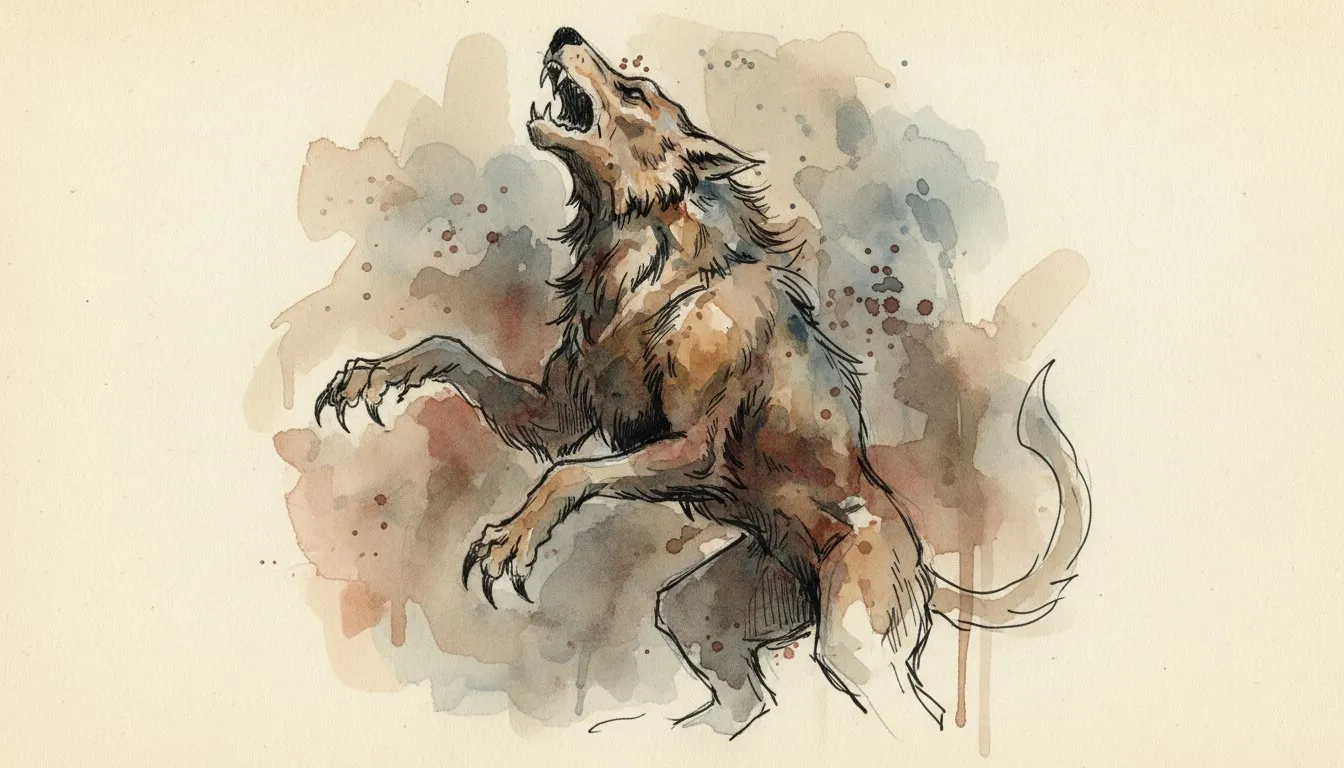
Beast of Gevaudan
A massive wolf-like predator terrorized rural France for three years, killing over 100 people before it was finally brought down.
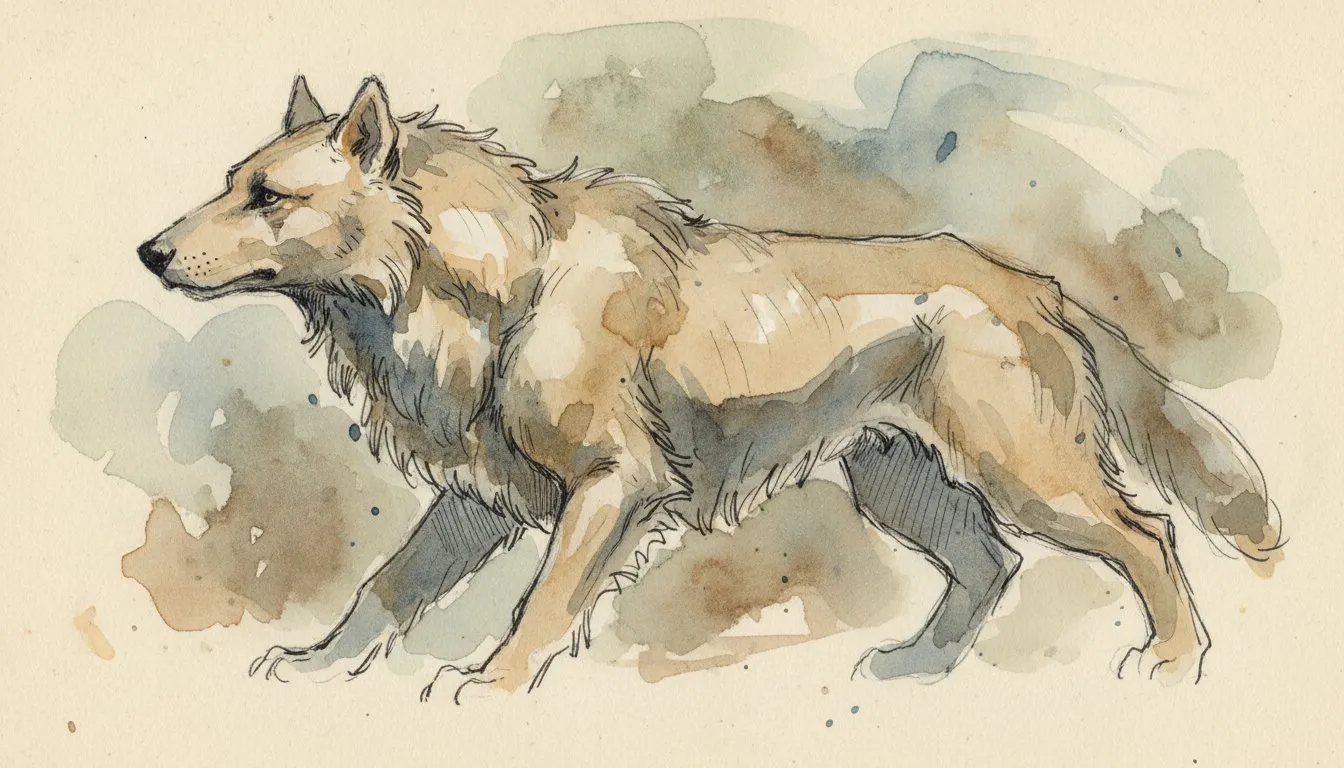
Cu-Sith
A massive dark green hound the size of a bull roams the Scottish Highlands, and hearing its third bark means death.
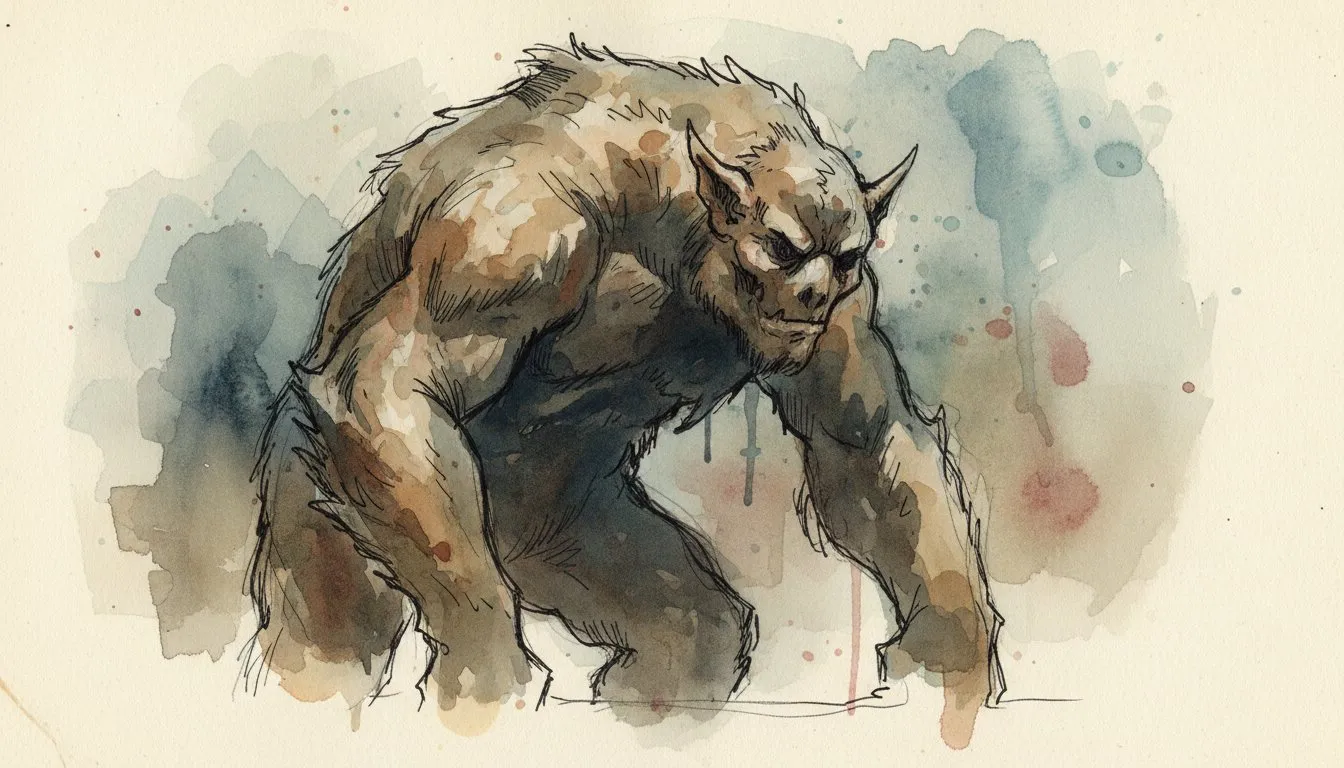
Fear Liath
Climbers on Scotland's second-highest peak report a towering grey figure following them through the mist, accompanied by crunching footsteps and overwhelming dread.
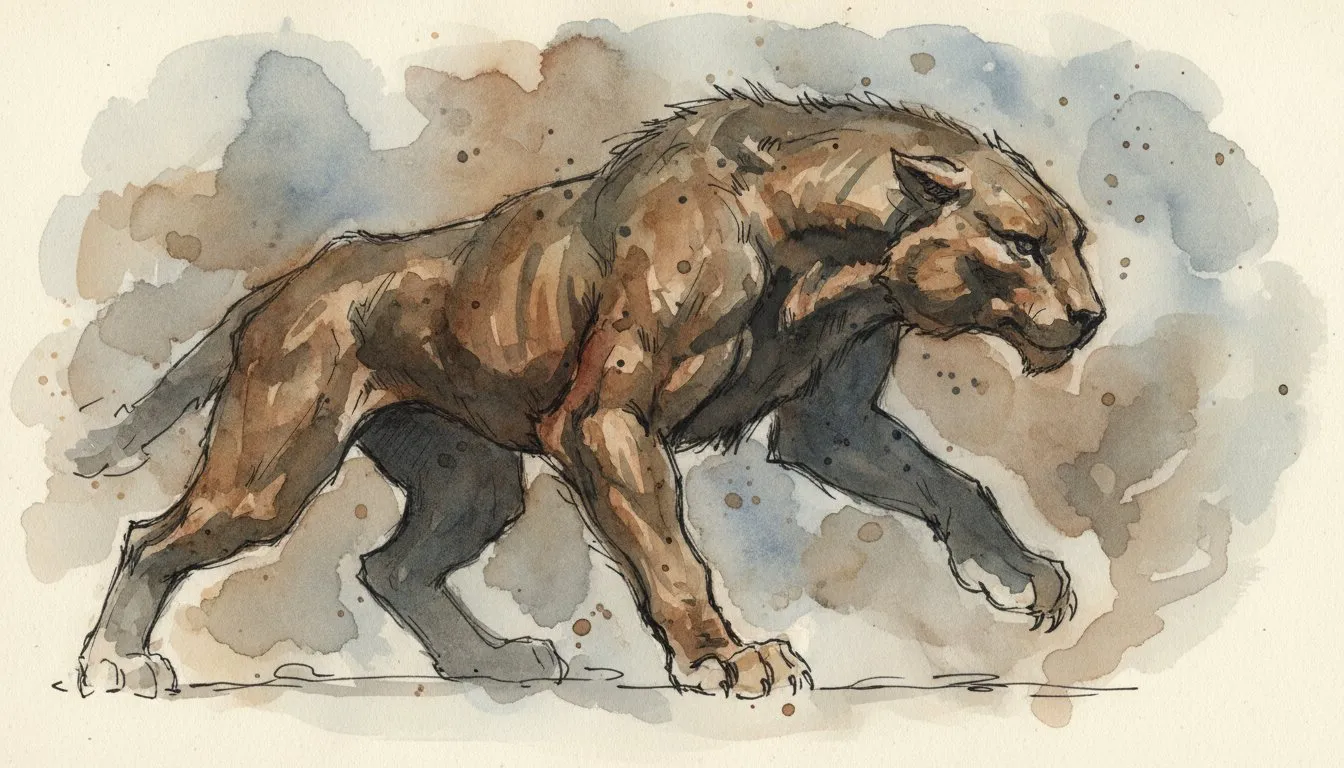
Beast of Dartmoor
Something large, dark, and feline stalks the misty moorlands of Devon, leaving torn livestock and fleeting glimpses behind.
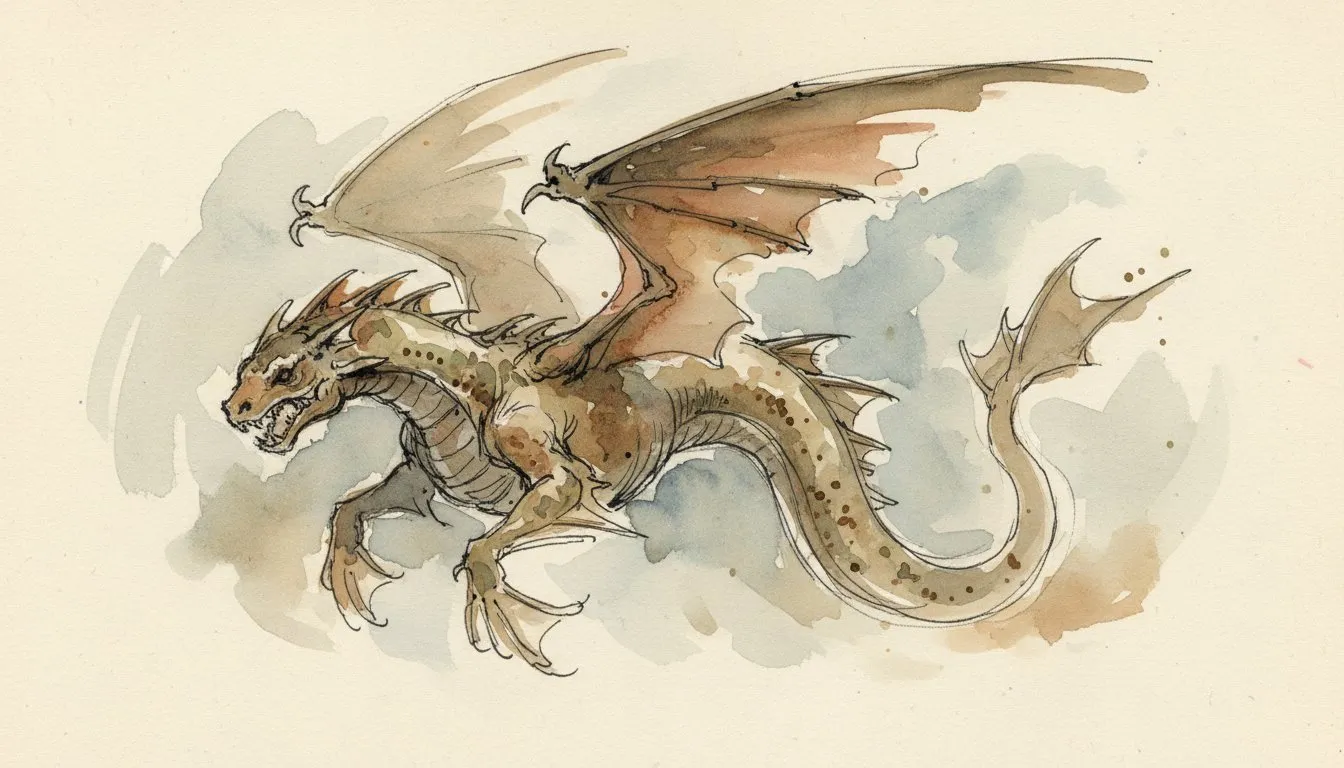
Morgawr
A humped sea serpent has been spotted off the coast of Cornwall since the 1900s, sometimes close enough to shore that beachgoers scatter.
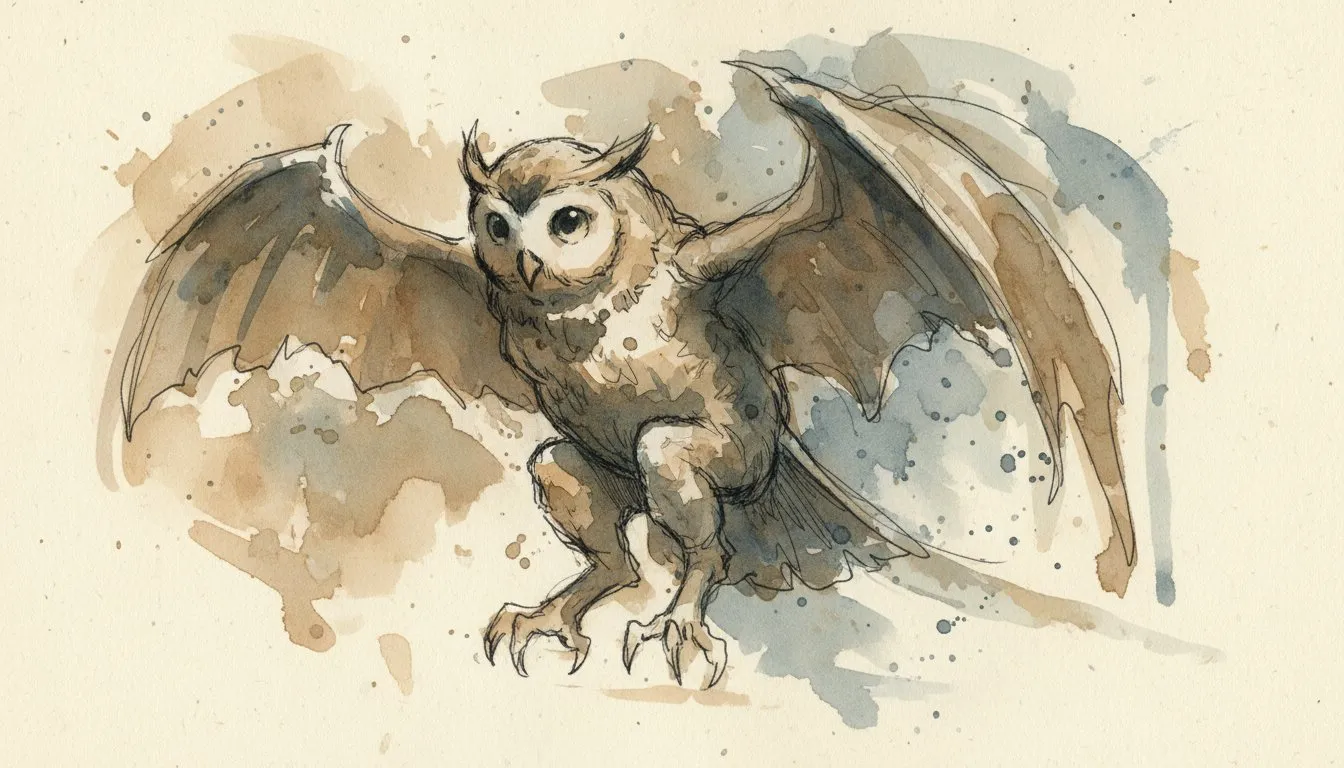
Owlman
A towering owl-humanoid haunting the woods around a Cornish church.
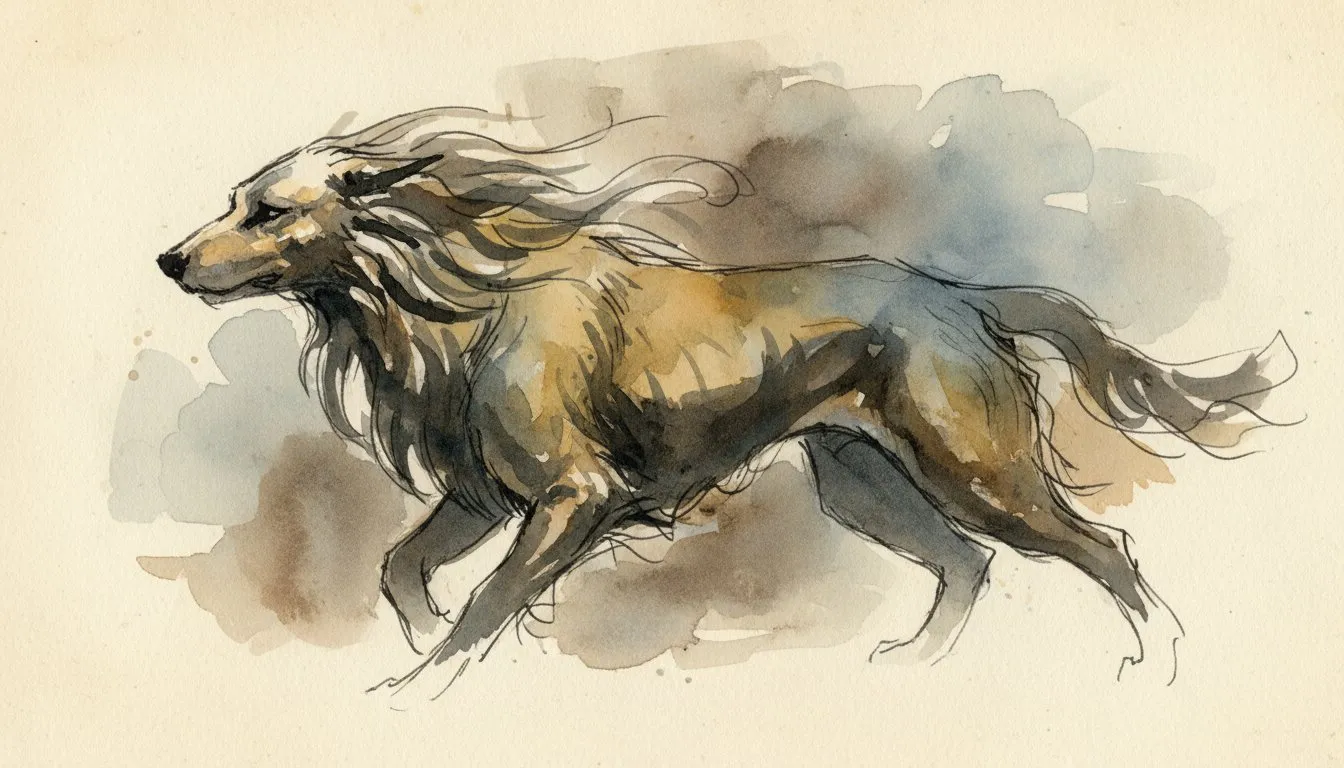
Black Shuck
A ghostly black dog with blazing red eyes has haunted the roads and churchyards of East Anglia for over a thousand years.
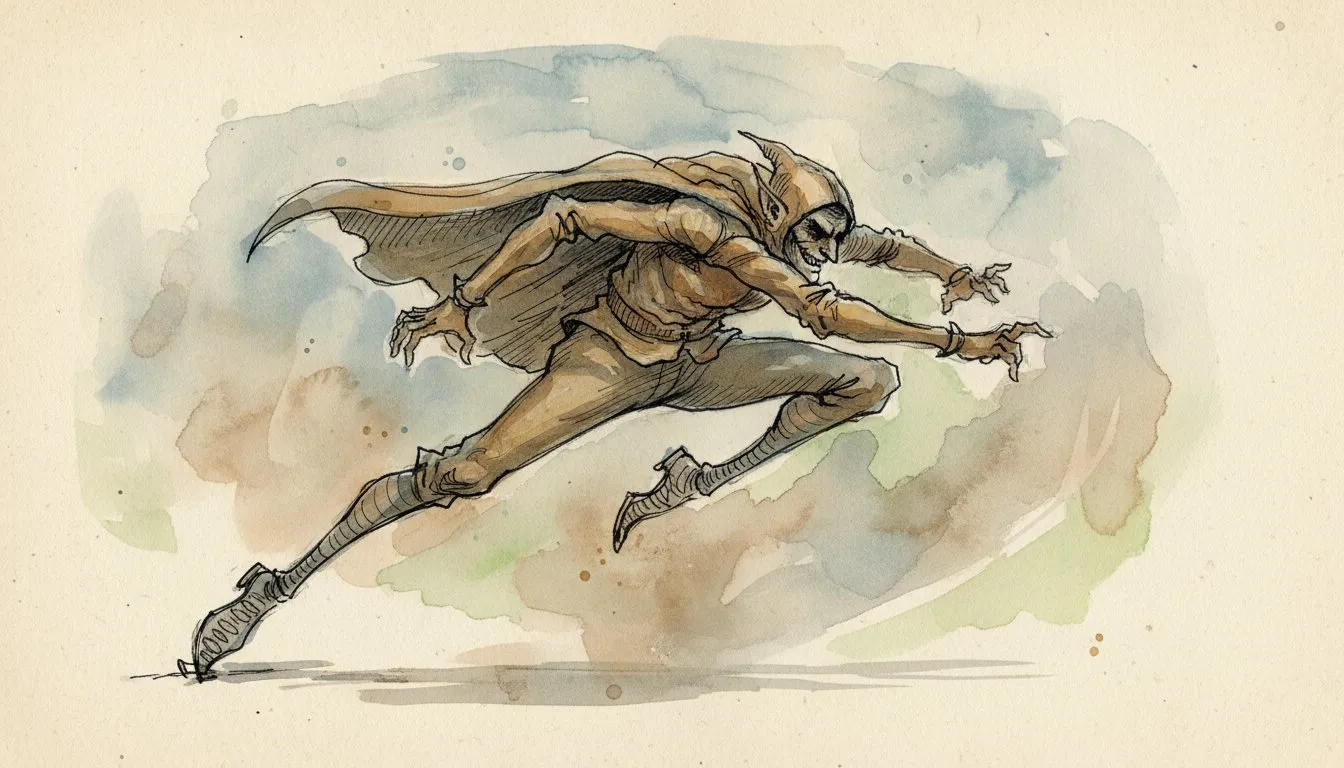
Spring-Heeled Jack
A cloaked figure with clawed hands and blazing eyes leapt over walls and breathed blue flame across Victorian England.