
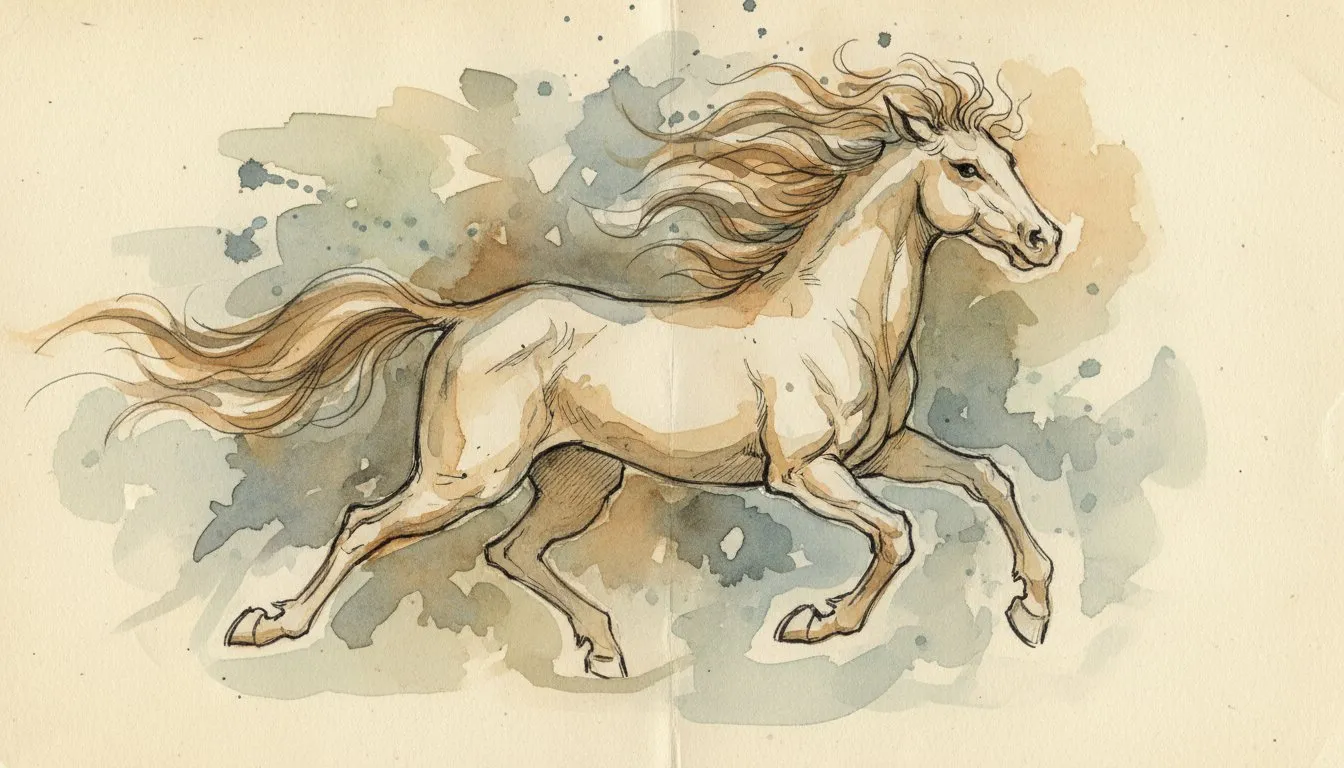
Kirin
Also known as: Qilin, Chinese Unicorn, Ki-rin
A divine chimera of dragon and deer that only appears to herald greatness or disaster.
5th century BCE (Chinese texts)
China and Japan
Deer-sized, varies by account
Benevolent, gentle
Cultural icon, no modern sightings
The Lore
The kirin is a mythic beast from Chinese and Japanese tradition, described as having the body of a deer, the scales of a dragon, and a single horn or pair of antlers. It is said to walk on clouds and never harm a living creature, not even treading on grass. Historical sightings were taken as omens of a wise ruler's arrival. Some cryptozoologists have linked kirin descriptions to rare or misidentified real animals seen along ancient trade routes.
The kirin, known as qilin in Chinese, is one of the four sacred creatures of Chinese mythology alongside the dragon, phoenix, and tortoise. Its body is composed of elements drawn from multiple animals: the hooves of a deer or ox, the scales of a dragon, the tail of a lion, a mane that flows like fire, and either a single branching antler or a pair of antlers crowning its head. In some descriptions it also possesses gentle eyes that never gaze upon violence and a soft call like the chiming of small bells. It is said to walk so lightly that it does not bend the grass beneath its hooves, and to avoid harming any living creature, including insects in its path.
The kirin's appearance in the historical record is always treated as an event of extraordinary significance. Chinese annals record kirin sightings as omens marking the birth of sages or the beginning of wise reigns. A kirin was said to have appeared before the mother of Confucius, dropping a piece of jade with an inscription foretelling her son's greatness, and another appearance near the end of Confucius's life was interpreted as an omen of his death. Emperors across multiple dynasties maintained official procedures for recognizing and reporting kirin sightings, and court historians scrutinized such reports with a seriousness reserved for matters of state.
The most historically verifiable kirin episode came in 1414, when the admiral Zheng He, commanding the largest fleet the world had yet seen on behalf of the Ming Yongle Emperor, returned from his fourth voyage bringing a live giraffe from the coast of East Africa via the Bengali court. The giraffe was presented to the emperor as a kirin, its long neck, gentle disposition, mottled scale-like coat, and small ossicones closely matching the traditional description. The emperor was photographed, so to speak, in a court painting receiving the creature, and for a period in the 15th century the Chinese word for giraffe in some contexts became synonymous with kirin. The connection persists in Japanese and Korean, where the word for giraffe and the mythological creature are still the same.
This identification has led some cryptozoologists and historians to argue that the original kirin descriptions may have been based on rare or misidentified real animals seen by travelers along the Silk Road and other ancient trade routes, with features from giraffes, okapis, deer, antelope, and even rhinos blending into a composite beast that took on independent cultural life. Whether the kirin began as a memory of a real animal or as a pure mythological synthesis, it has remained one of East Asia's most beloved figures, gentle enough to be a symbol of benevolent rule and strange enough to keep generations of scholars arguing about what, if anything, was originally seen.
Media Appearances
- Final Fantasy series
- Monster Hunter series
Further Reading
No book is devoted to this creature. These are the general references that cover the field, plus a direct search if you want to dig further.
- Cryptozoology A to Z by Loren Coleman and Jerome Clark (1999)
The standard one-volume encyclopedia, roughly two hundred entries covering creatures, investigators, and hoaxes.
- Mysterious Creatures: A Guide to Cryptozoology by George M. Eberhart (2002)
The larger reference guide, stronger on sourcing and on creatures that never reached the popular books.
As an Amazon Associate, Cryptid Vault earns from qualifying purchases. Links open Amazon in a new tab.
Get the Field Notes.
Field notes from the Vault, when there is something worth sending. No spam.
No spam. Unsubscribe anytime.
You might also like
Tsuchinoko
A fat, stumpy snake that supposedly jumps, speaks, and has a taste for alcohol.
Buru
A giant aquatic lizard once said to inhabit remote Himalayan valleys before being deliberately exterminated.
Taniwha
Sacred water guardians of Maori tradition that shape rivers, protect tribes, and sometimes drag the unwary to their doom.
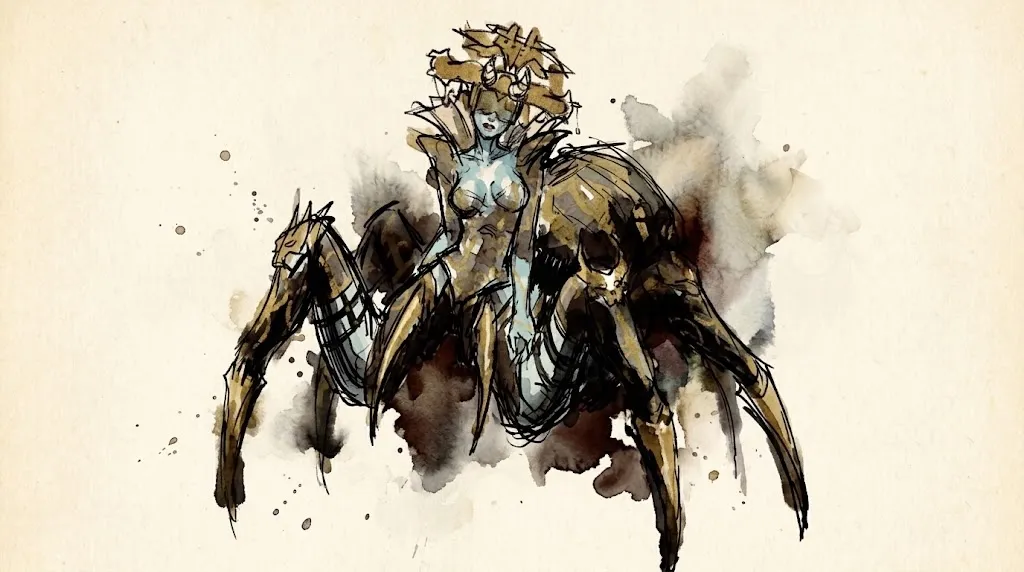
Jorogumo
A 400-year-old spider that takes the form of a beautiful woman to lure men to their death.
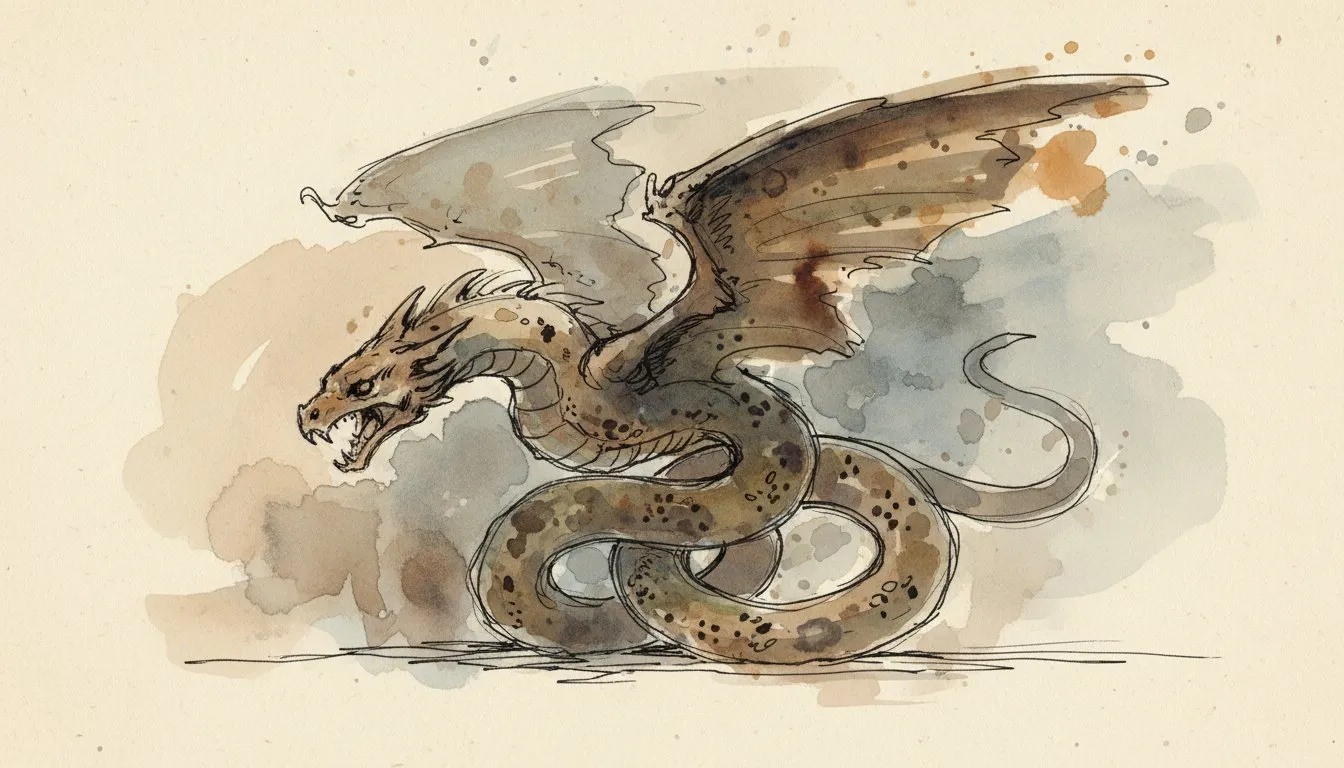
Ajatar
A Finnish forest spirit that spreads disease and madness to anyone who catches a glimpse of her moving through the trees.
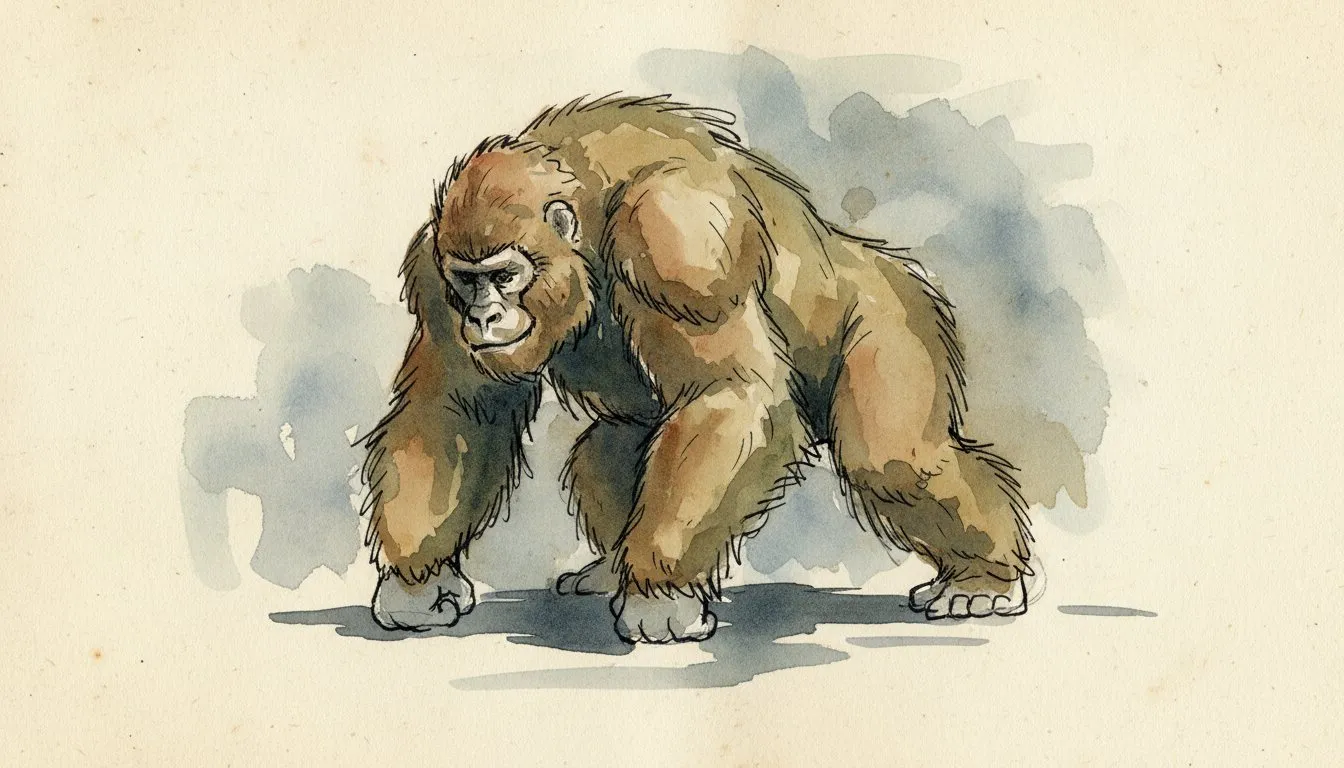
Hibagon
A foul-smelling ape-man stalking the misty slopes of Mount Hiba in rural Japan.
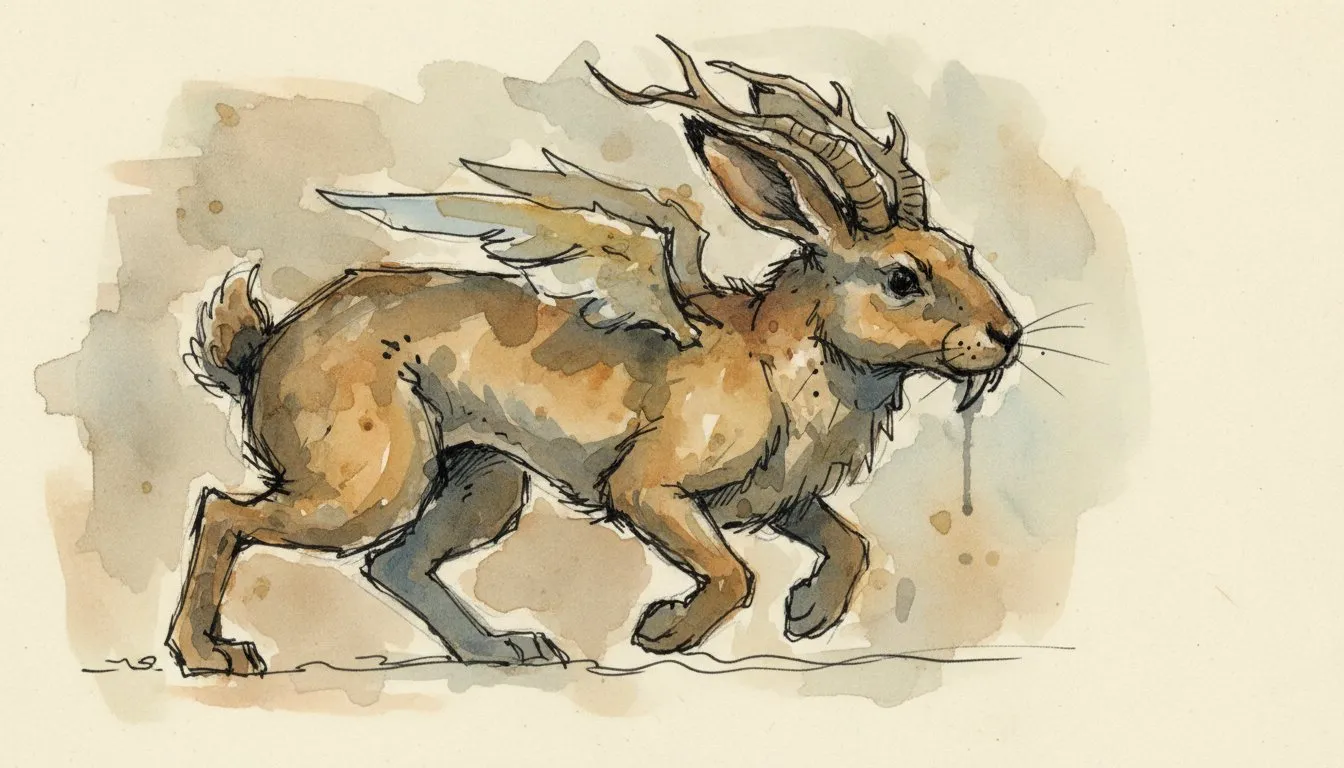
Wolpertinger
A fanged, winged rabbit with antlers sounds like a joke until you see the taxidermy specimens in Bavarian hunting lodges.
Yeren
China's Bigfoot roams the thick forests of Hubei Province, backed by thousands of reported sightings.