
Tatzelwurm
Also known as: Stollenwurm, Springwurm, Daazelwurm, Alps Dragon
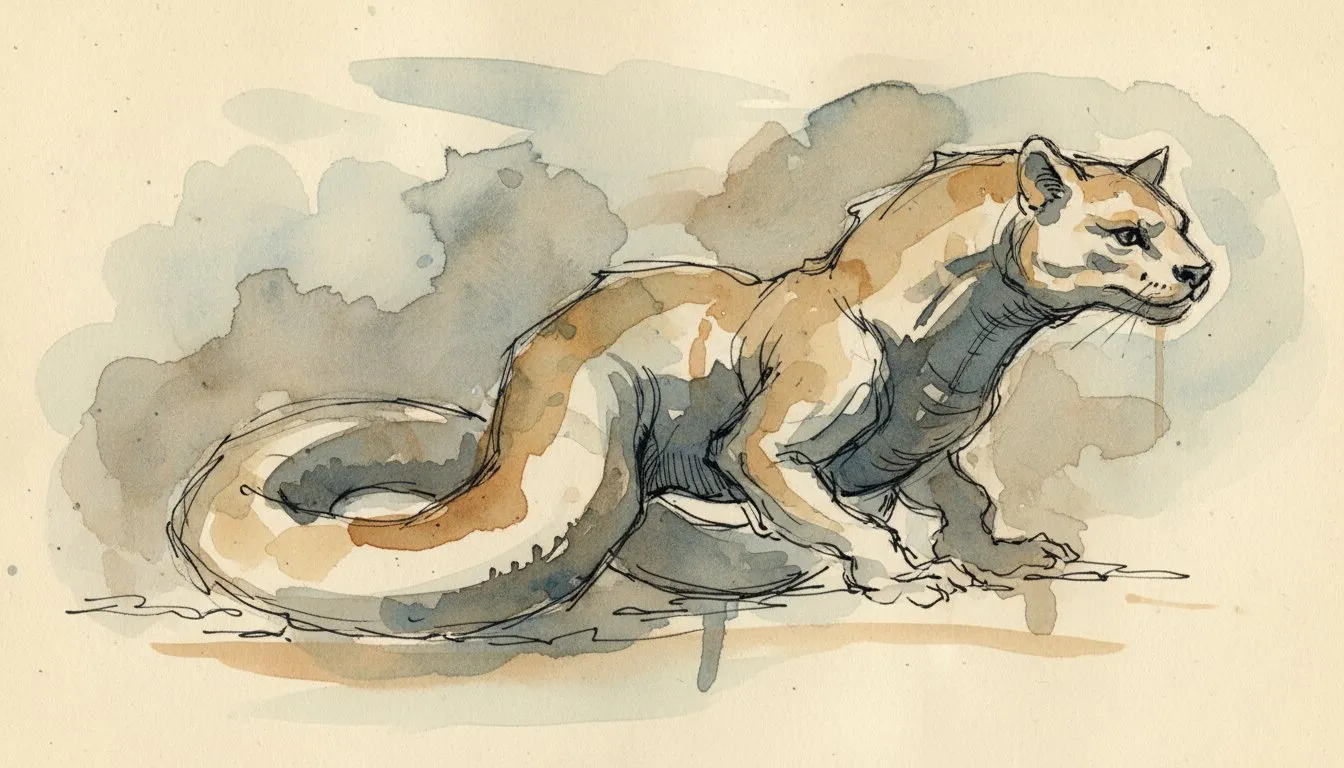
A stubby, venomous dragon-cat with two front legs haunts the caves and cliffs of the European Alps.
1500s
European Alps (Austria, Switzerland, Bavaria)
2-6 feet long
Aggressive when cornered, reclusive
Very rare modern sightings
The Lore
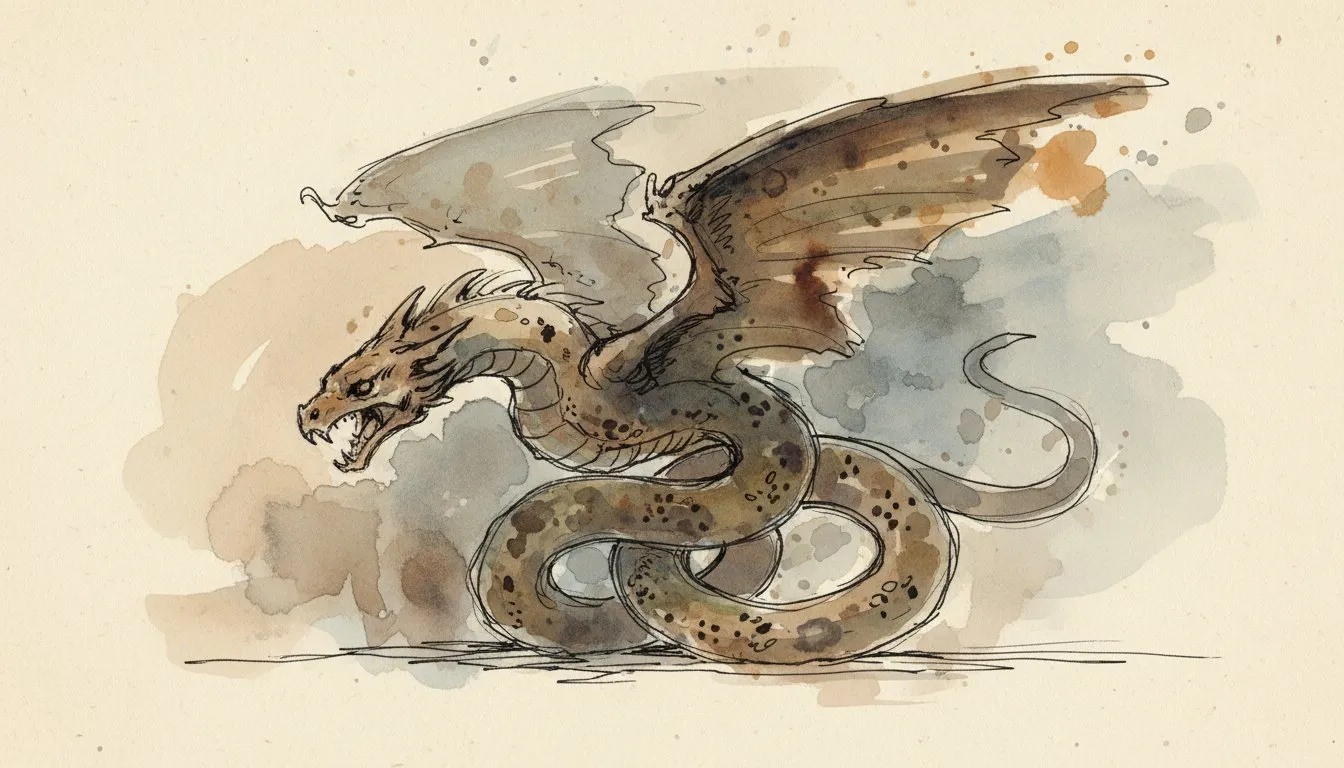
The Tatzelwurm is a cryptid reported across the Alps from Austria to Switzerland to Bavaria. Descriptions vary but typically include a thick, cylindrical body 2-6 feet long with a cat-like face, two stubby front legs, and no hind legs. Some witnesses report it spitting venom or emitting a foul stench. A 1934 photograph from the Swiss Alps shows a snake-like creature, though its authenticity is disputed. Sightings have declined since the mid-20th century.
High in the limestone of the Alps, among the scree slopes and hay meadows that straddle Switzerland, Austria, Bavaria, and northern Italy, there is said to live a creature that nobody in the valleys quite wants to meet. The Tatzelwurm, whose name translates roughly as clawed worm, is one of Europe's oldest and strangest cryptids, a lizard-like beast two to six feet long with a stout body, short legs or none at all, and a face villagers insist resembles a house cat. Alternate regional names, including Stollenwurm and Springwurm, emphasize its habit of bolting from cover at alarming speed.
Written accounts stretch back at least to the sixteenth century and appear in Alpine natural history compendia with remarkable consistency. Jakob Nicolussi reported a Tatzelwurm encounter in the Tyrol in 1779, and the 1841 Neues Taschenbuch fur Natur und Hauskunde catalogued the creature as a presumed real mountain animal. Farmers described the beast ambushing livestock from rocky ledges or from the entrances of marmot burrows, hissing loudly when disturbed, and leaving behind a rank odor. A few accounts even claimed its breath was toxic, a detail likely borrowed from older European dragon lore.
The most famous piece of alleged evidence is the Balkin photograph of 1934, taken by a Swiss photographer who said he encountered a skull-like object beside a Meiringen trail that resembled the creature's head. Critics have long argued the image shows a ceramic fragment or a prank. Nevertheless, Tatzelwurm reports continued through the twentieth century, with cases logged in the Italian Dolomites as recently as the 1970s and a handful of contemporary encounters from hikers in remote Austrian valleys.
The Tatzelwurm is interesting precisely because it refuses to fit any obvious category. It is too small to be a dragon, too strange to be an otter, too persistent to be written off as mere superstition. Some cryptozoologists have suggested it might represent a surviving population of large skink or an undescribed European salamander, while folklorists see in it the fossil trace of pagan Alpine beliefs about the spirits of scree and stone. Either way, the clawed worm remains the Alps' quiet reminder that not every creature living above the tree line has a name in the field guides.
Further Reading
No book is devoted to this creature. These are the general references that cover the field, plus a direct search if you want to dig further.
- Cryptozoology A to Z by Loren Coleman and Jerome Clark (1999)
The standard one-volume encyclopedia, roughly two hundred entries covering creatures, investigators, and hoaxes.
- Mysterious Creatures: A Guide to Cryptozoology by George M. Eberhart (2002)
The larger reference guide, stronger on sourcing and on creatures that never reached the popular books.
Search Amazon for Tatzelwurm books
As an Amazon Associate, Cryptid Vault earns from qualifying purchases. Links open Amazon in a new tab.
Get the Field Notes.
Field notes from the Vault, when there is something worth sending. No spam.
No spam. Unsubscribe anytime.
You might also like
Lindworm
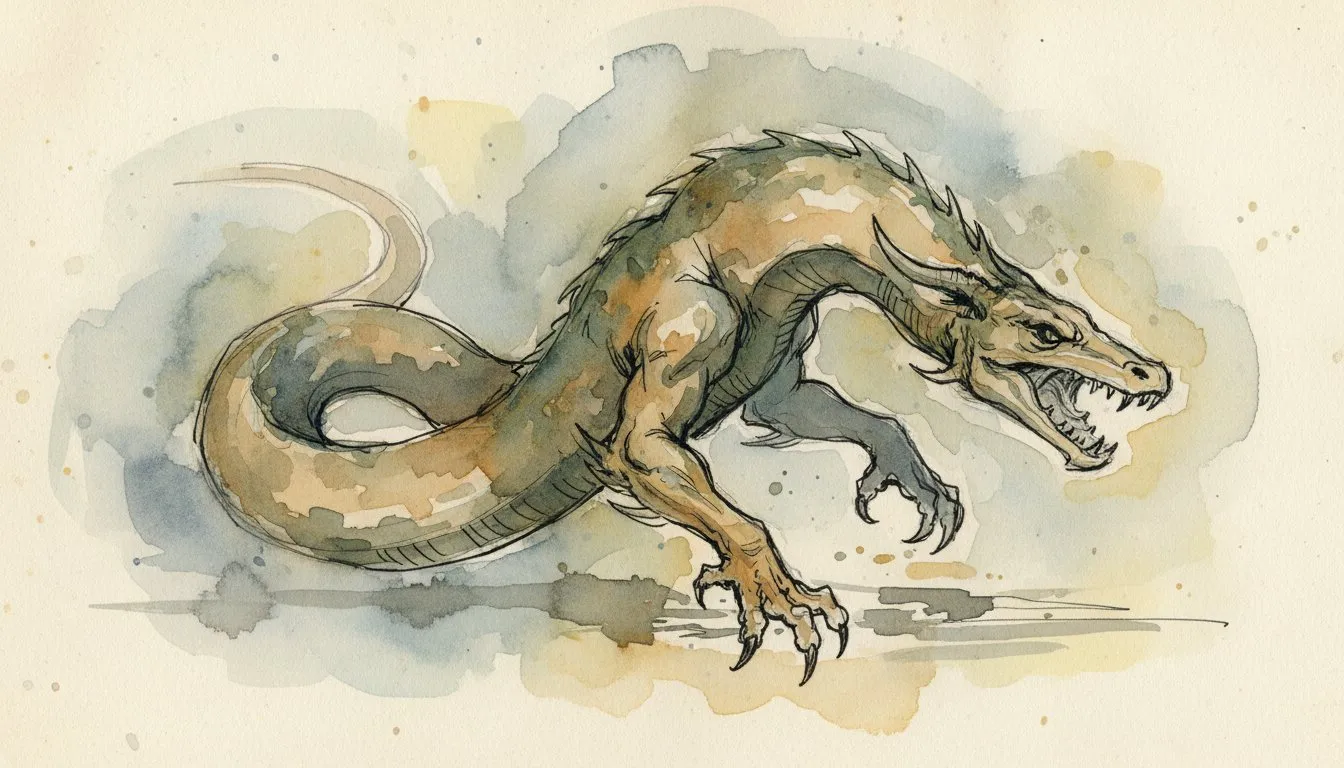
A legless or two-legged dragon slithers through Scandinavian and Germanic legends as a creature of both terror and strange wisdom.
Sirrush
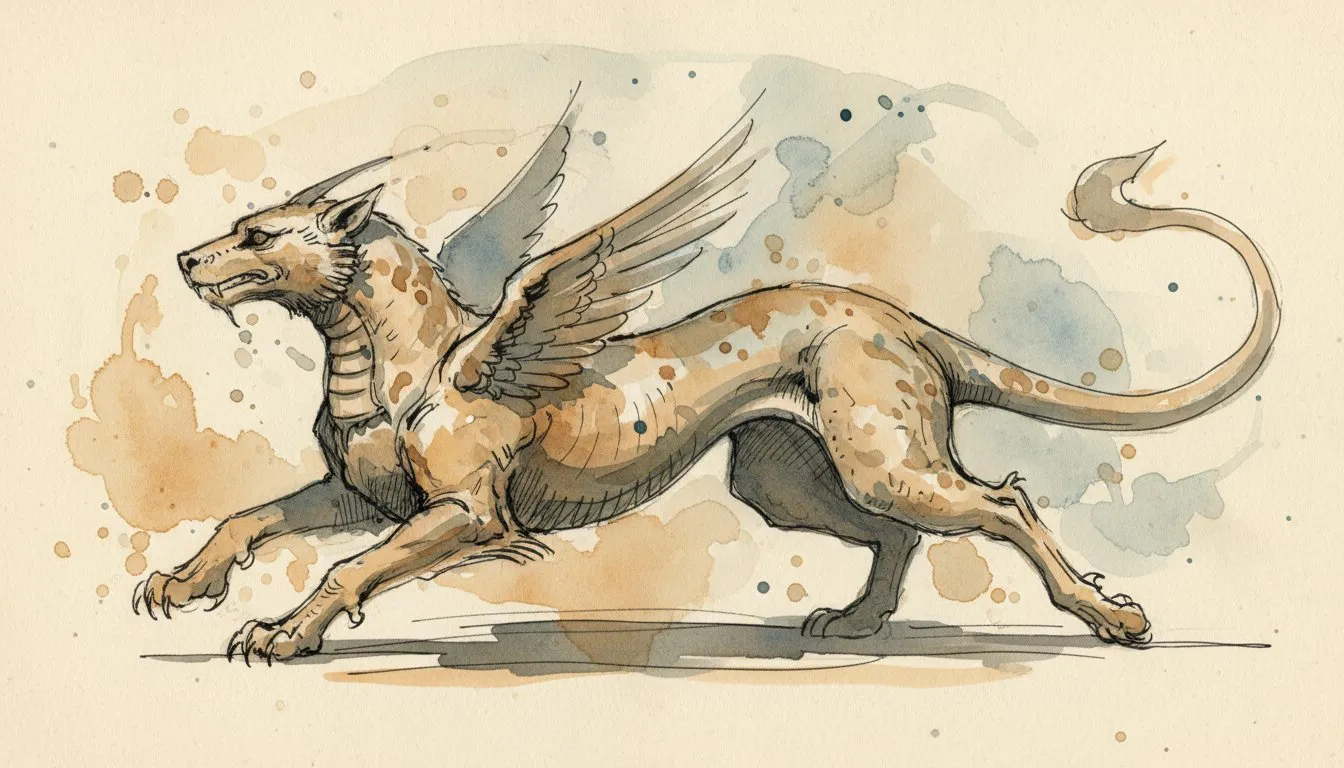
A scaly, long-necked dragon depicted on the Ishtar Gate of Babylon stands among real animals, leading some to argue it was drawn from life.
Wolpertinger
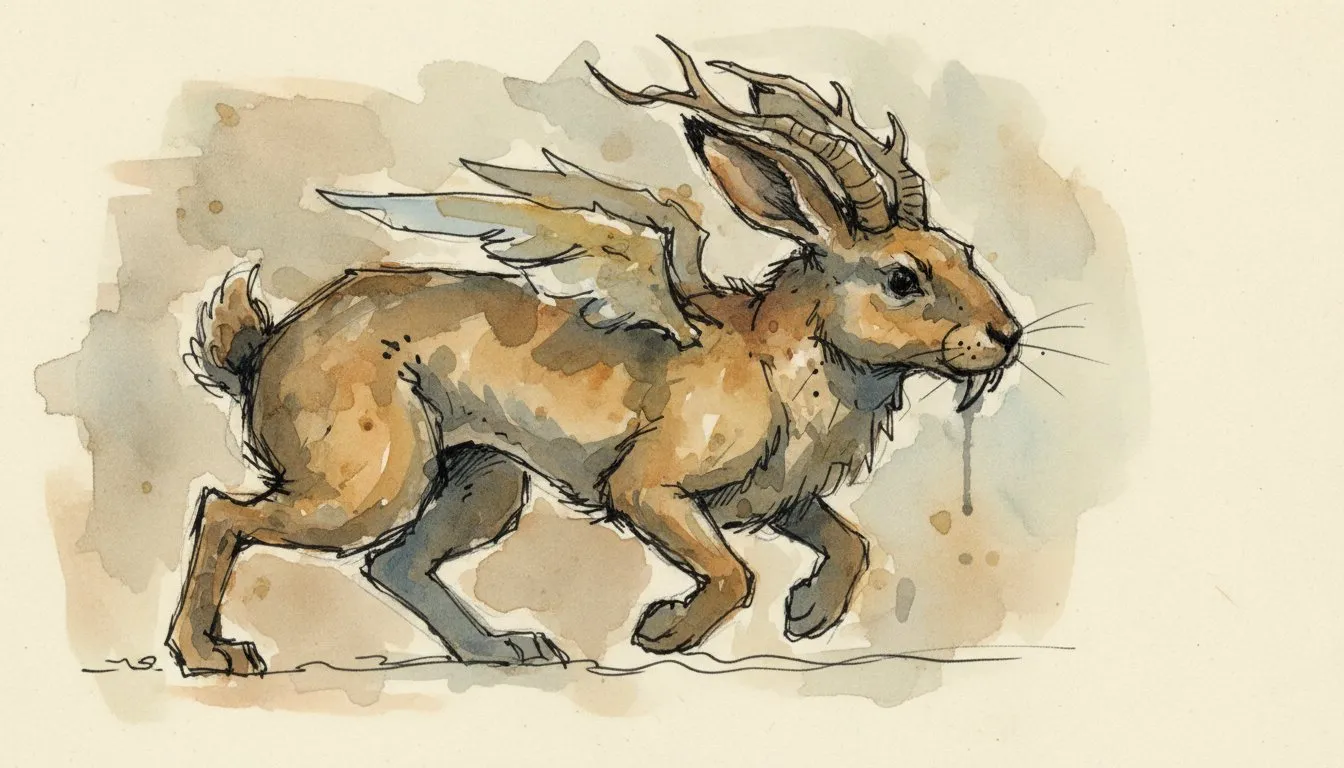
A fanged, winged rabbit with antlers sounds like a joke until you see the taxidermy specimens in Bavarian hunting lodges.
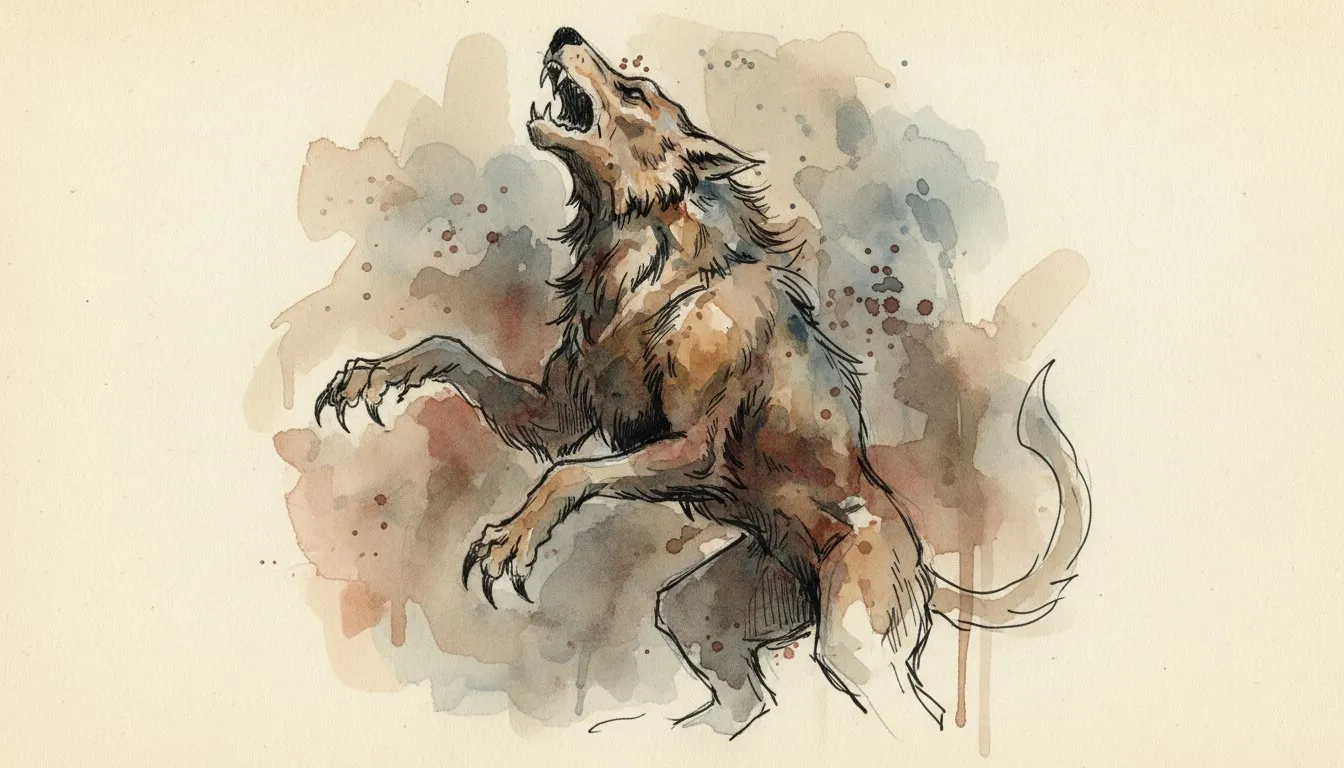
Beast of Gevaudan
A massive wolf-like predator terrorized rural France for three years, killing over 100 people before it was finally brought down.
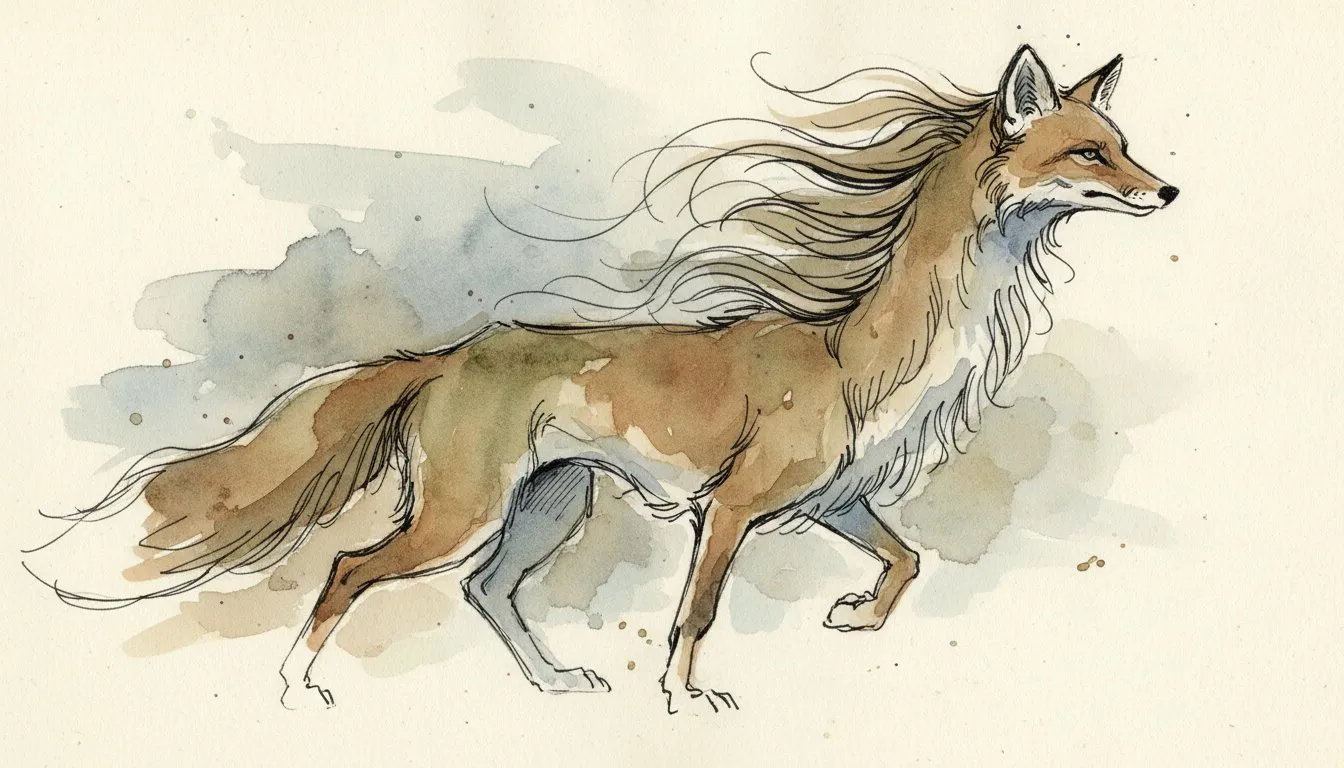
Dahu
This mountain goat with legs shorter on one side than the other can only walk in circles around Alpine peaks.
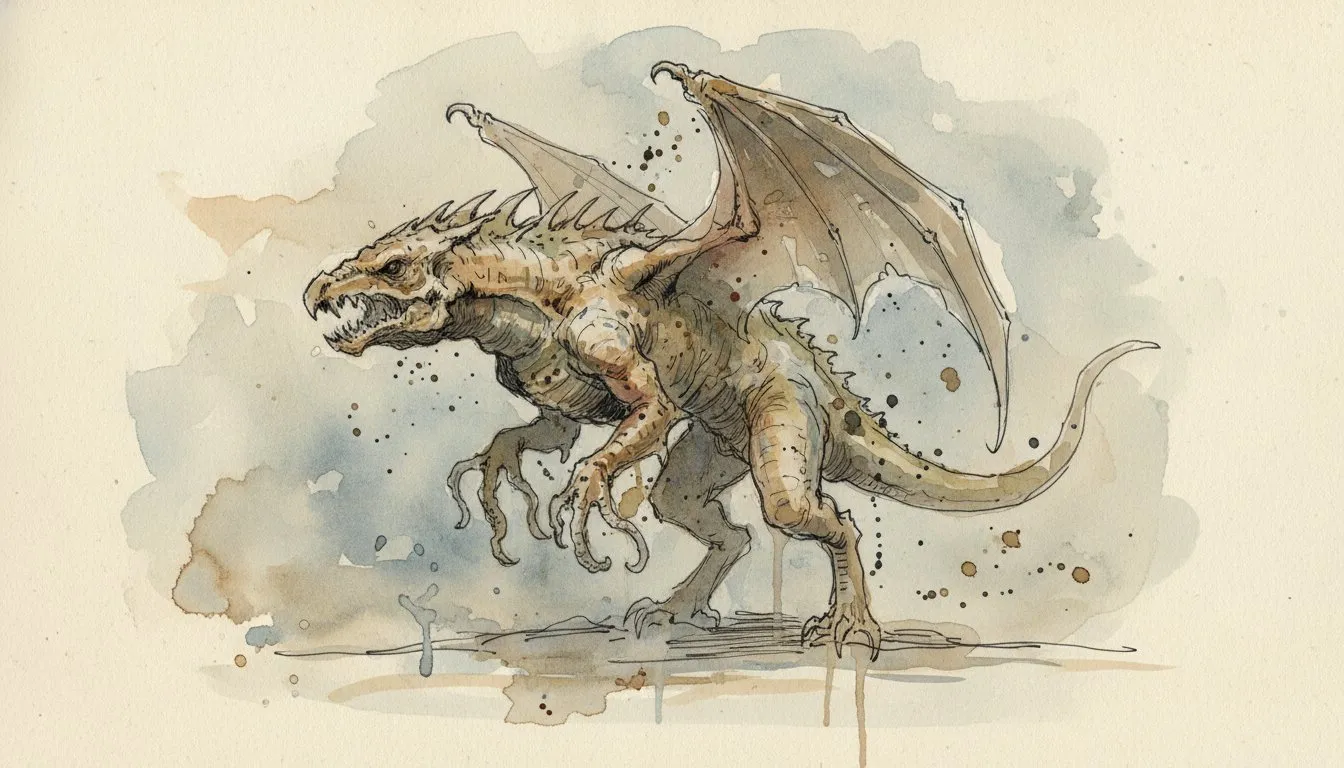
Snallygaster
A half-bird, half-reptile terror from Maryland with a taste for livestock and legend.
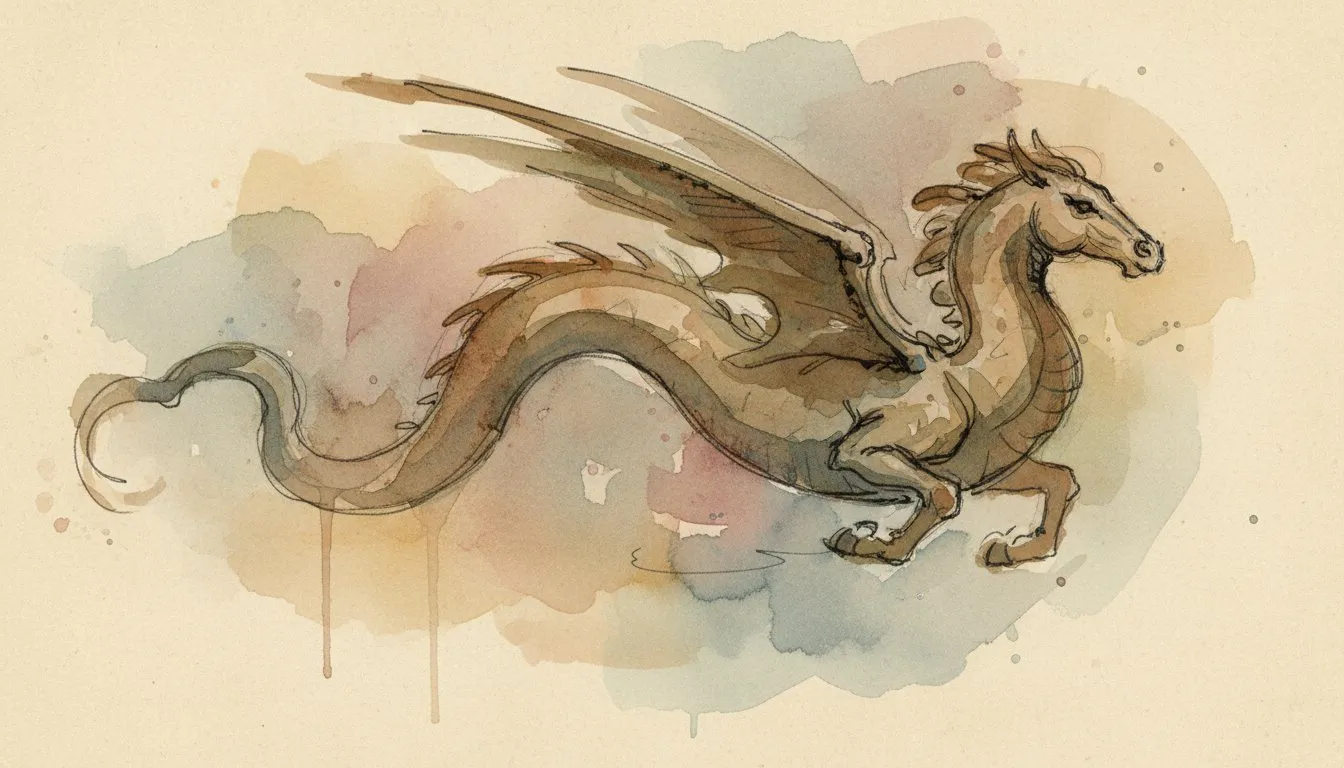
Ninki Nanka
West African elders say that anyone who sees this swamp dragon dies shortly after.
Ajatar
A Finnish forest spirit that spreads disease and madness to anyone who catches a glimpse of her moving through the trees.