
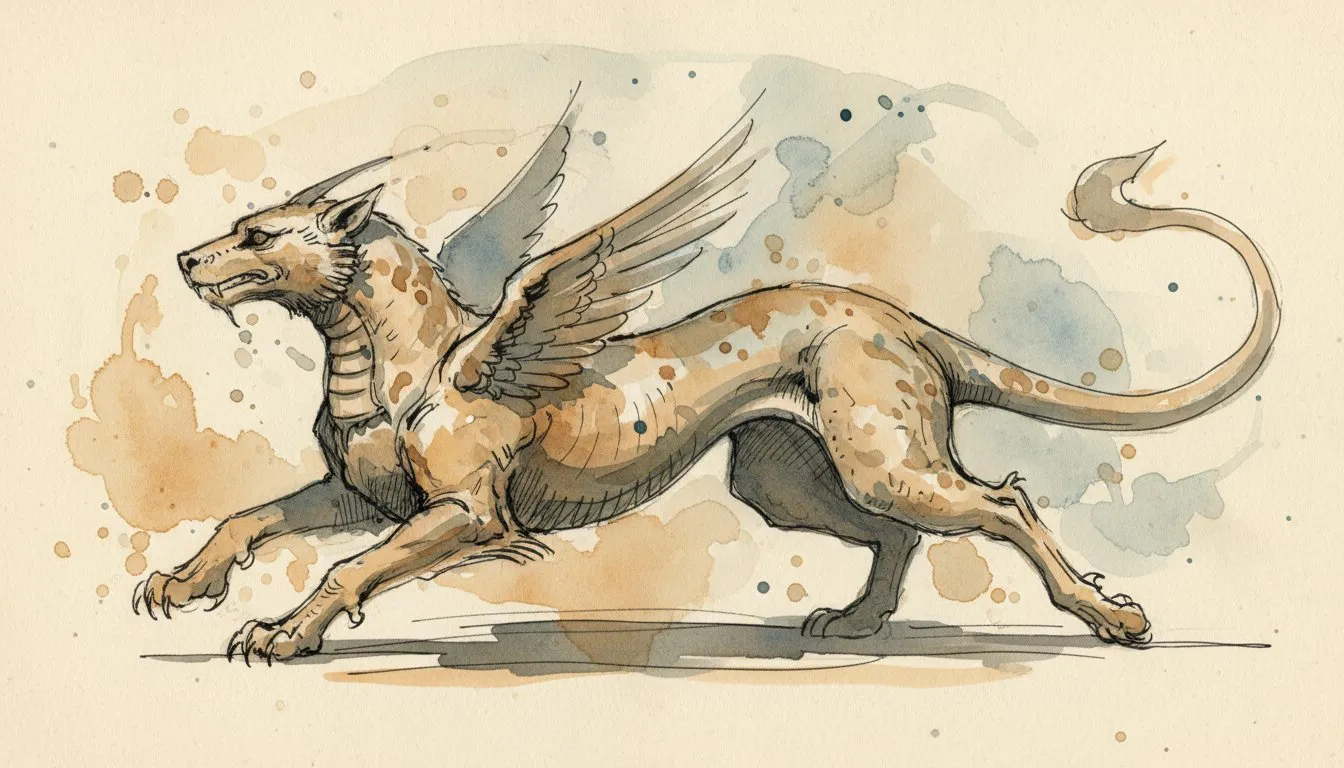
Sirrush
Also known as: Mushussu, Mushhushshu, Dragon of the Ishtar Gate
A scaly, long-necked dragon depicted on the Ishtar Gate of Babylon stands among real animals, leading some to argue it was drawn from life.
575 BCE (Ishtar Gate construction)
Babylon, modern-day Iraq
Depicted as lion-sized
Sacred guardian creature
Historical artifact, no modern sightings
The Lore
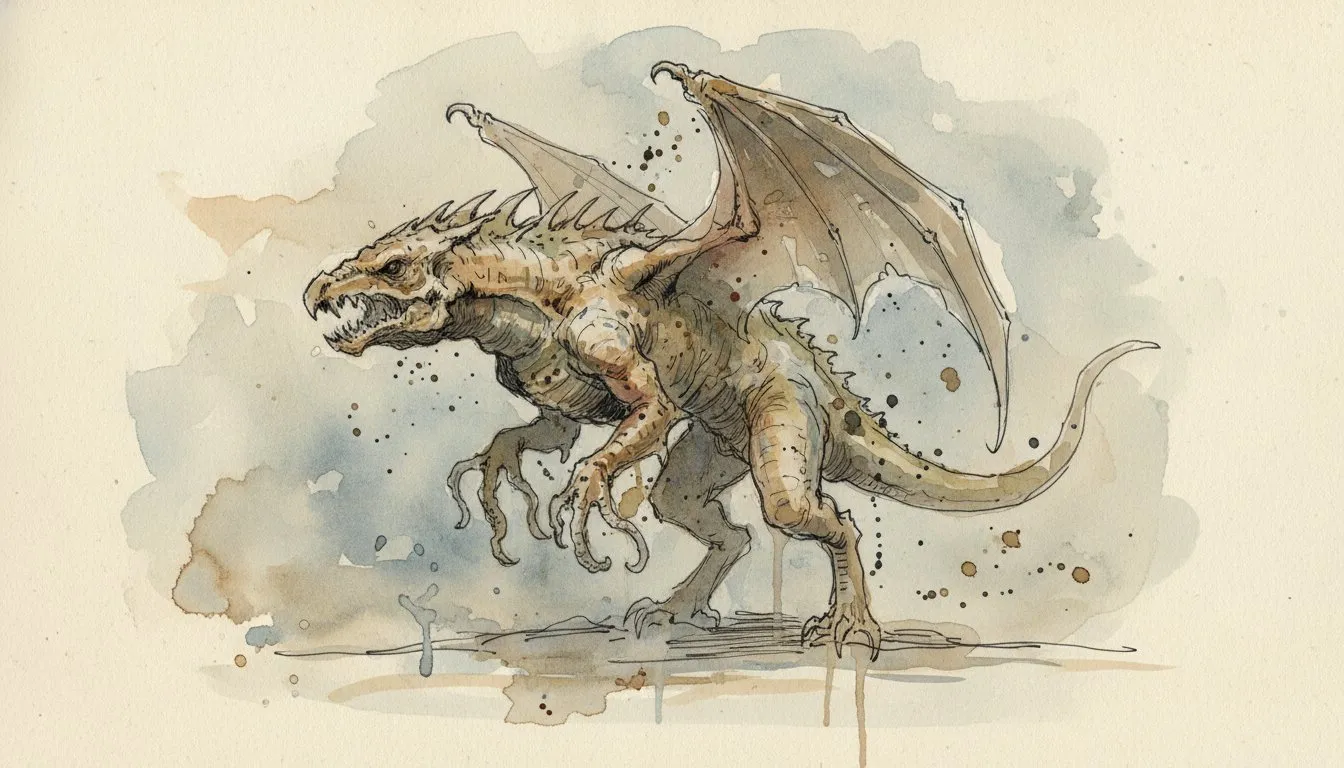
The Sirrush, or Mushussu, is a dragon-like creature depicted on the Ishtar Gate of Babylon, built around 575 BCE under King Nebuchadnezzar II. It appears alongside lions and aurochs, both real animals rendered with anatomical accuracy. The Sirrush has a scaly body, a long neck, a horned serpentine head, feline forelegs, and eagle-like hind legs. Cryptozoologist Willy Ley argued in the 1950s that its consistent depiction over centuries suggested it was modeled on a real creature, possibly a surviving dinosaur encountered in Central Africa.
On the great blue-glazed Ishtar Gate of ancient Babylon, commissioned by Nebuchadnezzar II around 575 BCE and partially reconstructed today in the Pergamon Museum in Berlin, three animals stride in parallel bas-relief bands. Two are unmistakably real, the lion sacred to Ishtar and the aurochs sacred to Adad. The third is the Sirrush, also called the Mushussu, meaning splendor serpent, and it is this creature that has provoked over a century of scholarly argument about whether the Babylonians were depicting mythology, symbolism, or something they believed they had actually seen.
The Sirrush as rendered on the gate is anatomically coherent in a way that most composite monsters are not. It has a slender scaly body, a long serpentine neck, a horned viperine head with a forked tongue, clearly articulated feline forelimbs with claws, and distinct avian hind legs with raptor-like talons. Its proportions are consistent across hundreds of individual depictions on the gate and on related Babylonian artwork spanning several centuries. Unlike the lion and aurochs, the Sirrush is never shown in naturalistic activity, and it was associated primarily with Marduk, the chief deity of Babylon.
Cryptozoologist Bernard Heuvelmans, in his 1958 landmark On the Track of Unknown Animals, argued that the Sirrush's anatomical consistency and its position alongside real animals suggested the Babylonians were representing a creature they considered zoologically factual, perhaps an animal known to them through travelers' reports from the African interior. The apocryphal Book of Bel and the Dragon, preserved in Catholic and Orthodox Old Testament canons, tells of the prophet Daniel killing a great living dragon worshipped by the Babylonians in the temple precinct, a narrative that echoes the Sirrush imagery and has been read by some as a garbled account of a real captive animal.
Heuvelmans and later researchers, including Roy Mackal, linked the Sirrush tentatively to the Mokele-mbembe reports from the swamps of the Likouala region in the Republic of the Congo, where local people describe a long-necked, heavy-bodied animal sometimes compared by Western visitors to a sauropod dinosaur. Whether or not any such connection can be sustained, the Sirrush remains a genuine puzzle in the history of zoological representation. Its glazed tiles have stared out across Babylon, Berlin, and the long argument of cryptozoology for more than two and a half thousand years, anatomically precise, persistently strange, and still waiting for an identification anyone can agree on.
Notable Witnesses
- Robert Koldewey (archaeologist who excavated the Ishtar Gate)
Media Appearances
- In Search Of (TV series)
- Ancient Aliens (TV reference)
Further Reading
No book is devoted to this creature. These are the general references that cover the field, plus a direct search if you want to dig further.
- Cryptozoology A to Z by Loren Coleman and Jerome Clark (1999)
The standard one-volume encyclopedia, roughly two hundred entries covering creatures, investigators, and hoaxes.
- Mysterious Creatures: A Guide to Cryptozoology by George M. Eberhart (2002)
The larger reference guide, stronger on sourcing and on creatures that never reached the popular books.
Search Amazon for Sirrush books
As an Amazon Associate, Cryptid Vault earns from qualifying purchases. Links open Amazon in a new tab.
Get the Field Notes.
Field notes from the Vault, when there is something worth sending. No spam.
No spam. Unsubscribe anytime.
You might also like
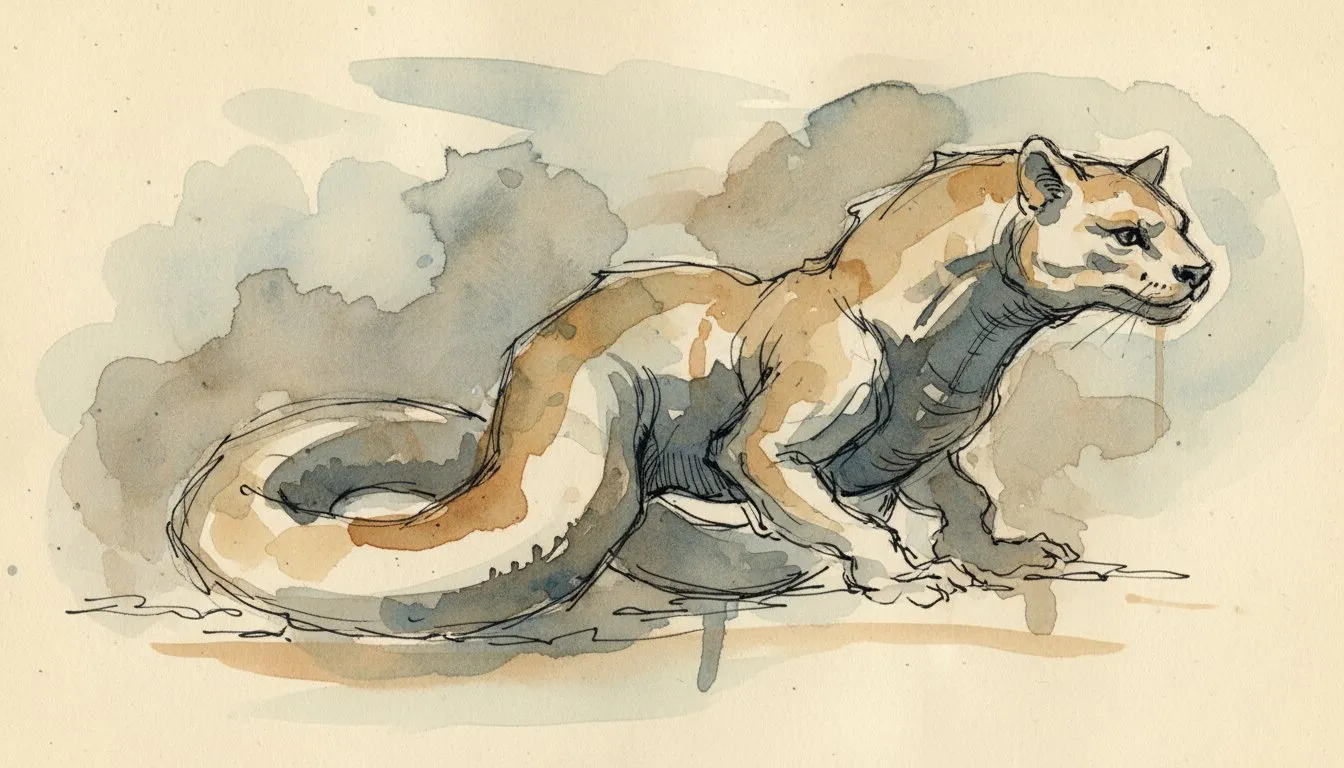
Tatzelwurm
A stubby, venomous dragon-cat with two front legs haunts the caves and cliffs of the European Alps.
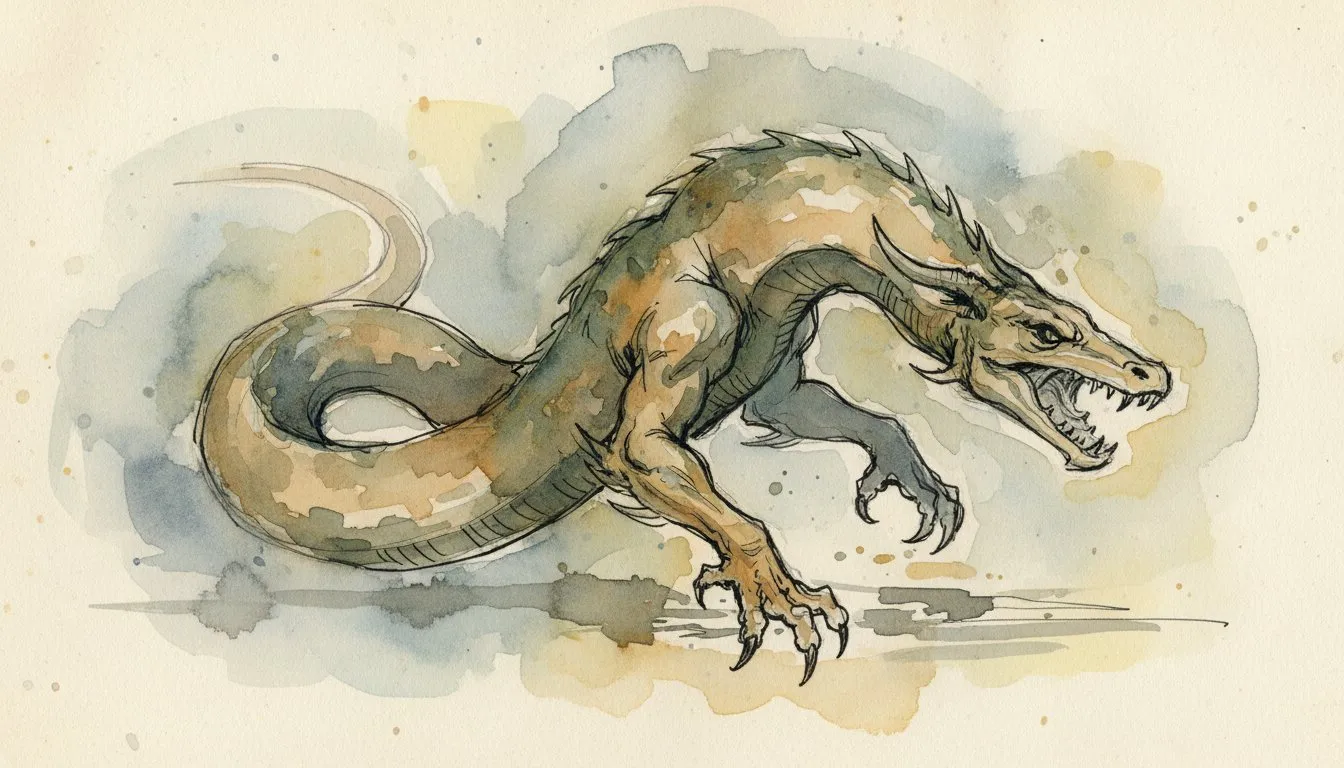
Lindworm
A legless or two-legged dragon slithers through Scandinavian and Germanic legends as a creature of both terror and strange wisdom.
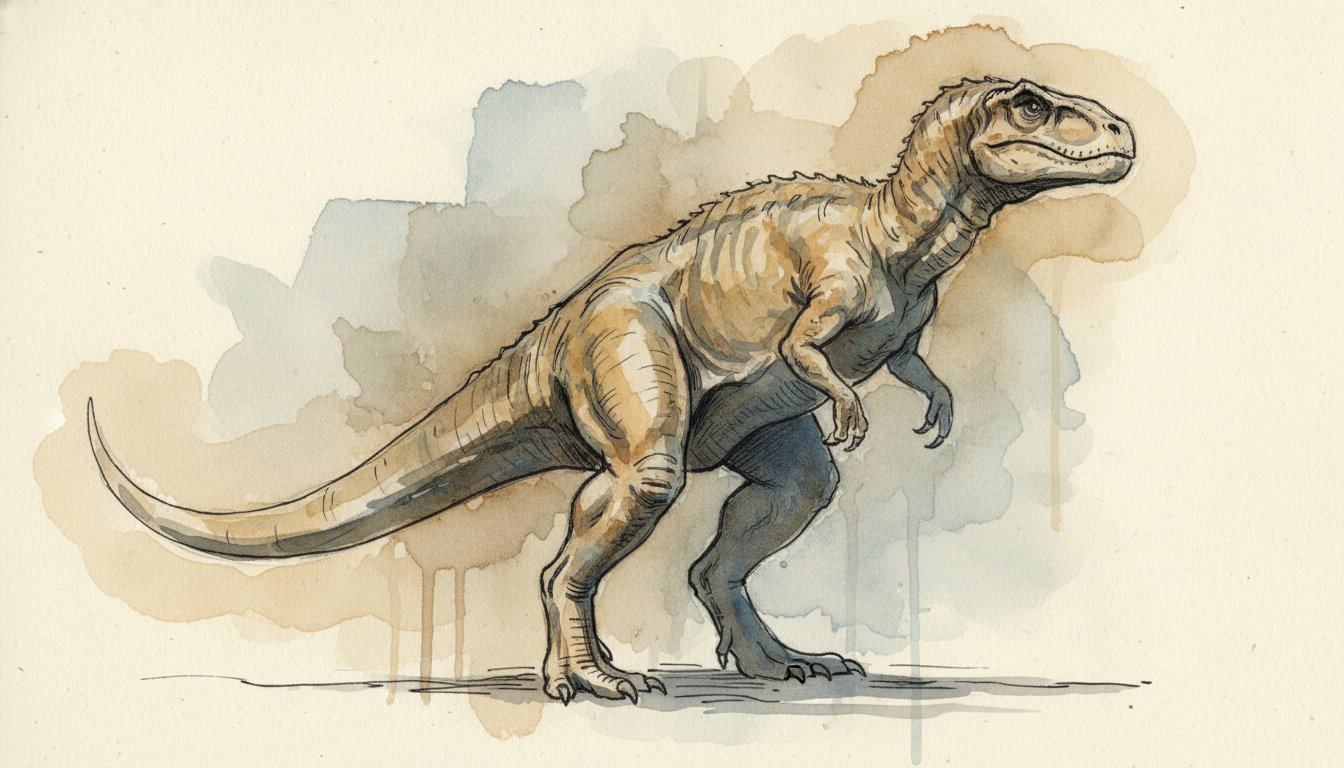
Burrunjor
A bipedal reptilian predator stomping through the Australian outback, leaving three-toed tracks in places nothing large should be.
Ninki Nanka
West African elders say that anyone who sees this swamp dragon dies shortly after.
Piasa Bird
A dragon-bird painted on Mississippi River bluffs by the Illini, feared as a man-eater.
Kappa
Japan's mischievous water imp with a bowl of power on its head.
Kirin
A divine chimera of dragon and deer that only appears to herald greatness or disaster.
Snallygaster
A half-bird, half-reptile terror from Maryland with a taste for livestock and legend.