
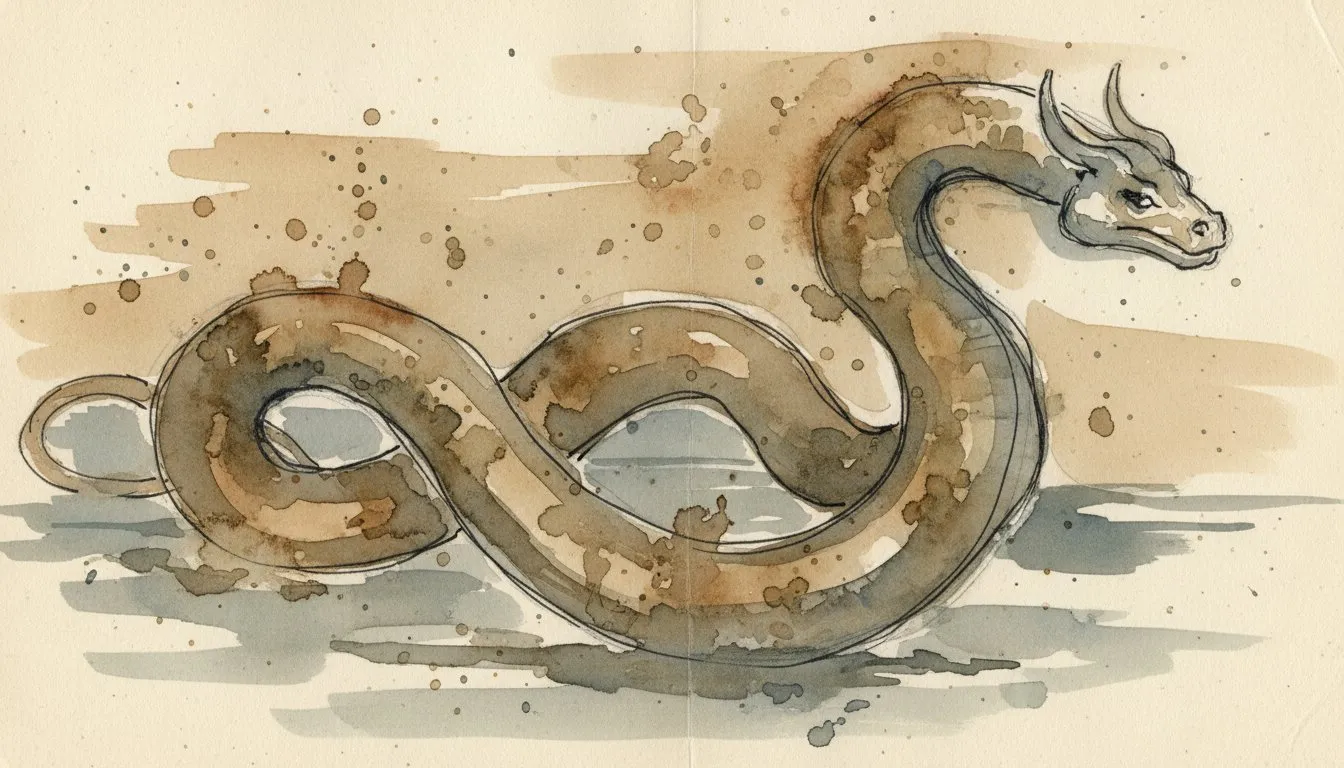
Gloucester Sea Serpent
Also known as: Cape Ann Serpent, Great New England Sea Serpent
Hundreds of witnesses watched a giant serpent patrol Gloucester Harbor for weeks in 1817.
1817
Gloucester Harbor, Massachusetts, USA
60-100 ft long
Curious, non-aggressive
Historical (no modern sightings)
The Lore
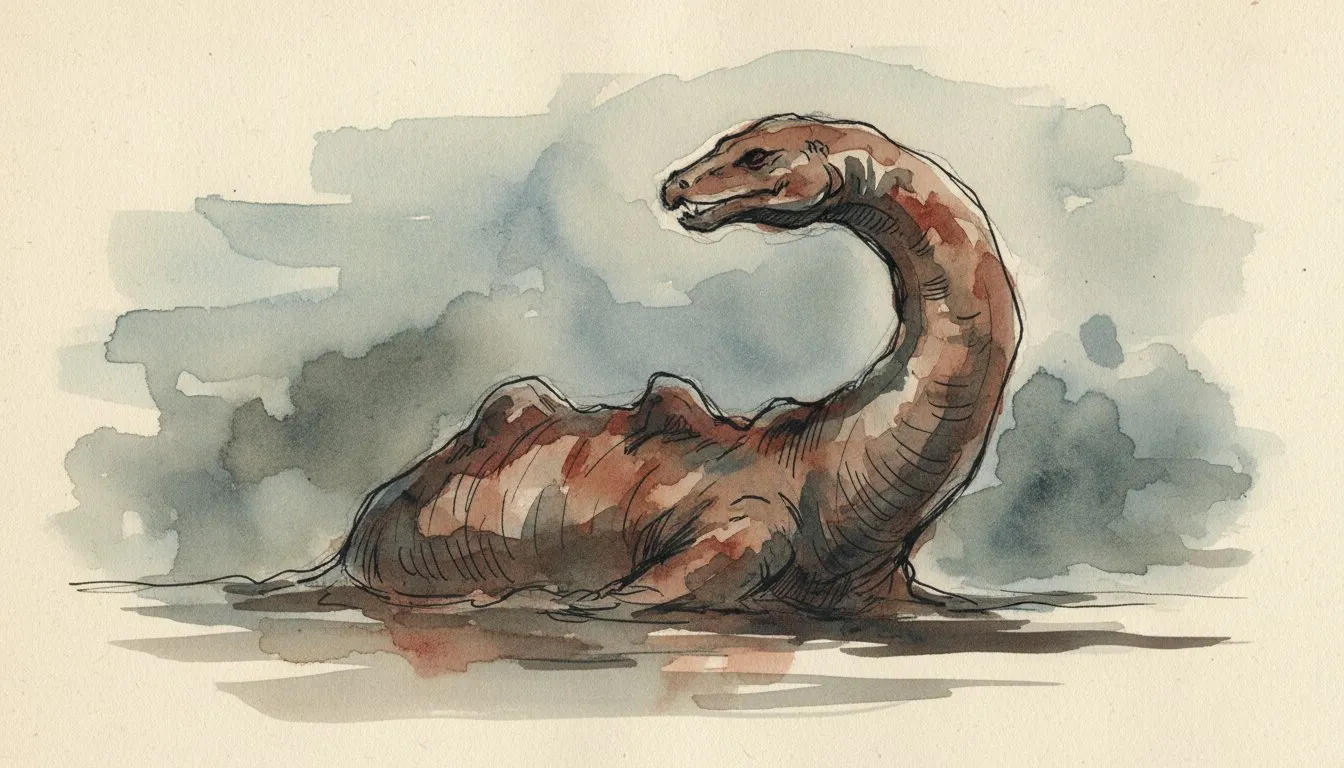
In August 1817, a massive sea serpent was observed repeatedly in Gloucester Harbor, Massachusetts over several weeks. Hundreds of witnesses, including fishermen, sailors, and prominent citizens, described a dark serpentine creature 60-100 feet long moving through the water with a series of vertical humps. The Linnaean Society of New England conducted a formal investigation, collecting sworn depositions from dozens of eyewitnesses. It remains one of the best-documented sea serpent flaps in history.
For two remarkable summers beginning in August 1817, the harbor at Gloucester, Massachusetts produced the most thoroughly documented sea serpent flap in American history. Fishermen, merchant captains, judges, customs officers, and ordinary townspeople reported, often daily and from multiple vantage points simultaneously, a large serpentine creature moving through the protected waters off Eastern Point and Ten Pound Island. Witnesses described an animal between forty and eighty feet long with a horse-like head carried several feet above the water and a line of dorsal humps or bunches along its back, capable of sudden bursts of speed and abrupt vertical undulations.
The sheer weight of testimony pushed the case beyond waterfront rumor. The Linnaean Society of New England, the premier scientific body in the region, formed a committee and dispatched Judge John Davis, physician Jacob Bigelow, and naturalist Francis Calley Gray to collect sworn depositions. More than two hundred affidavits were gathered, each given under oath before a justice of the peace, from witnesses including Amos Story, Matthew Gaffney, and Solomon Allen III, men whose professional credibility was on the line. The Society eventually published its findings in a formal report in 1817.
The investigation took a strange turn when a small deformed black snake was killed in a nearby field and presented to the committee as a possible juvenile of the harbor creature. The Society examined the specimen, declared it a new species named Scoliophis atlanticus, and illustrated it carefully, only for later naturalists to identify it as a common black snake with spinal damage. The embarrassment damaged the credibility of the entire enterprise and provided ammunition to skeptics who argued the witnesses had mistaken schooling fish, whale flukes, or drifting kelp for something more dramatic.
Yet the Gloucester case refuses easy dismissal. The witnesses were numerous, sober, geographically distributed, and economically incentivized against false reports that might embarrass them with buyers and crew. Sightings along the New England coast continued sporadically through the nineteenth century, and the Gloucester pattern, a serpentine creature moving close inshore in summer, recurred from Nahant to Maine. Whether the harbor hosted a genuine unknown animal or a collective misperception inflated by social momentum, the affair remains one of the richest bodies of testimony ever assembled around a cryptid, a snapshot of early American science encountering the edge of its own map.
Notable Witnesses
- Amos Story
- Solomon Allen
- Linnaean Society of New England investigators
Further Reading
No book is devoted to this creature. These are the general references that cover the field, plus a direct search if you want to dig further.
- Cryptozoology A to Z by Loren Coleman and Jerome Clark (1999)
The standard one-volume encyclopedia, roughly two hundred entries covering creatures, investigators, and hoaxes.
- Mysterious Creatures: A Guide to Cryptozoology by George M. Eberhart (2002)
The larger reference guide, stronger on sourcing and on creatures that never reached the popular books.
Search Amazon for Gloucester Sea Serpent books
As an Amazon Associate, Cryptid Vault earns from qualifying purchases. Links open Amazon in a new tab.
Get the Field Notes.
Field notes from the Vault, when there is something worth sending. No spam.
No spam. Unsubscribe anytime.
You might also like
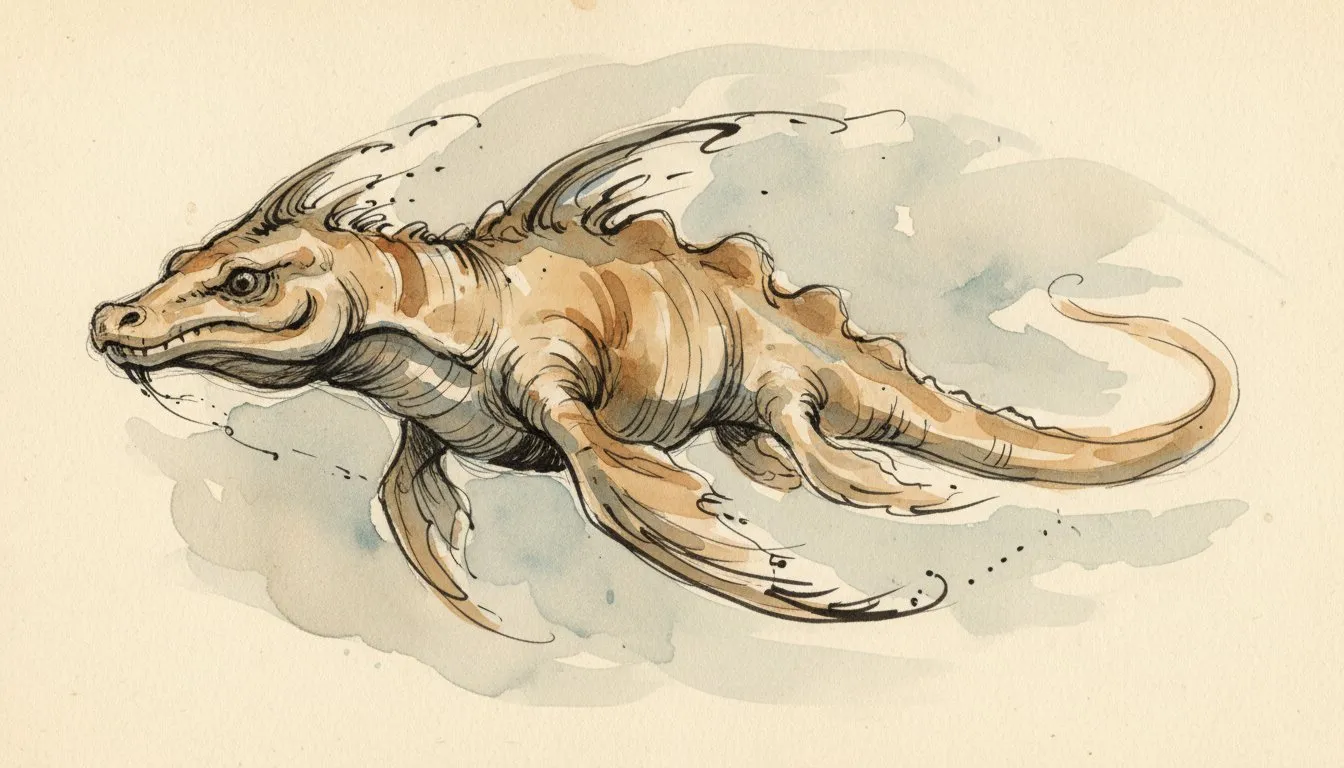
Cadborosaurus
A horse-headed sea serpent weaving through the waters of the Pacific Northwest.
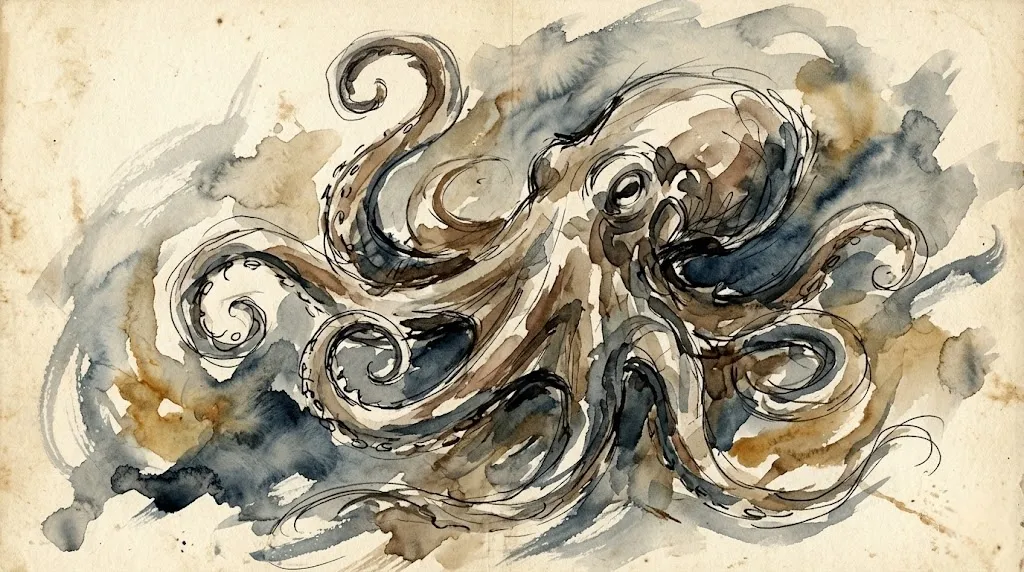
Kraken
The ship-swallowing sea beast of Norse legend, now partially explained by giant squid.
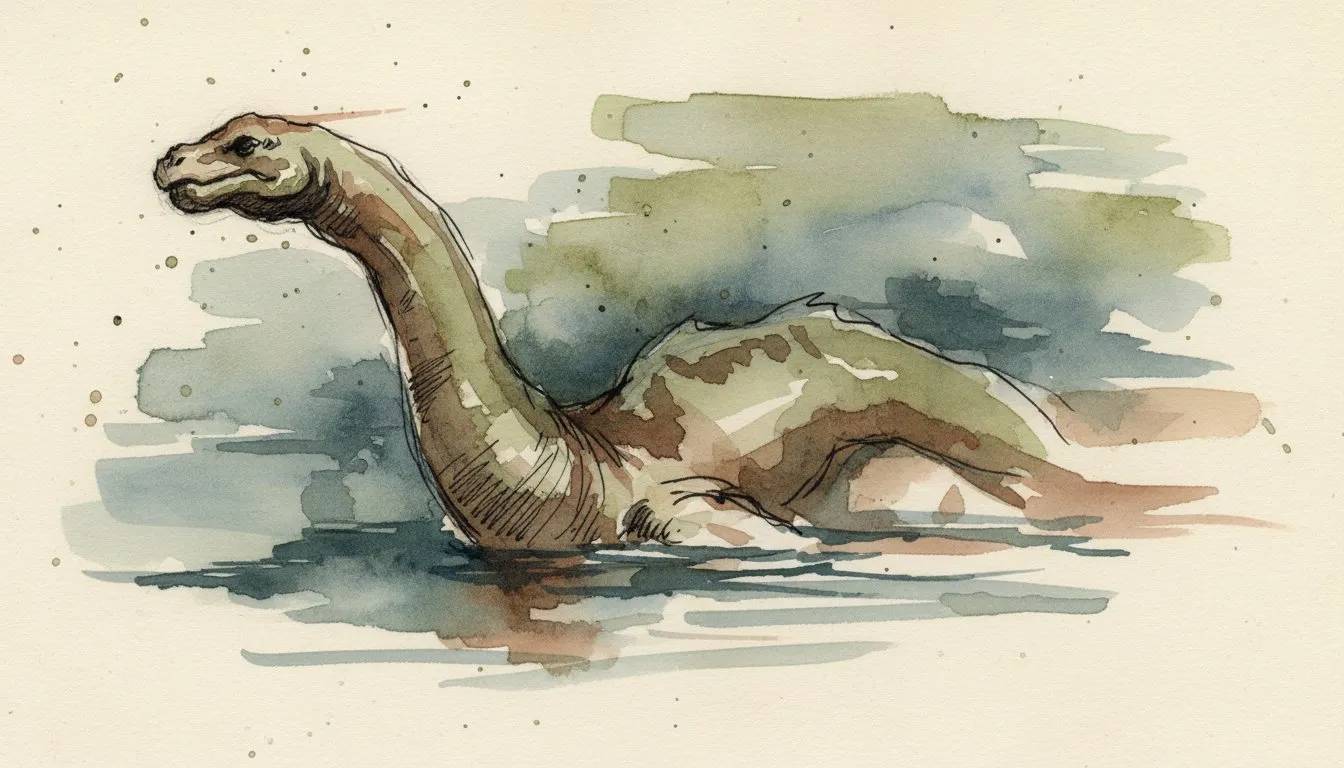
Loch Ness Monster
The legendary lake serpent of Scotland, photographed, sonar-scanned, and never found.
Trunko
A massive white carcass with an elephant-like trunk that washed ashore in South Africa.
White River Monster
An enormous gray creature that churned the White River and earned state legal protection.
Chessie
A serpentine creature reported in the Chesapeake Bay for half a century, caught on video in 1982.
Altamaha-ha
Georgia's river serpent, a long-necked mystery lurking in the murky Altamaha.
Bear Lake Monster
A serpentine terror of Bear Lake, first reported by Mormon settlers and Shoshone alike.