
Trunko
Also known as: Margate Monster
A massive white carcass with an elephant-like trunk that washed ashore in South Africa.
1924
Margate Beach, South Africa
47 ft long
Unknown (observed in distress)
Likely identified (decomposed whale)
The Lore
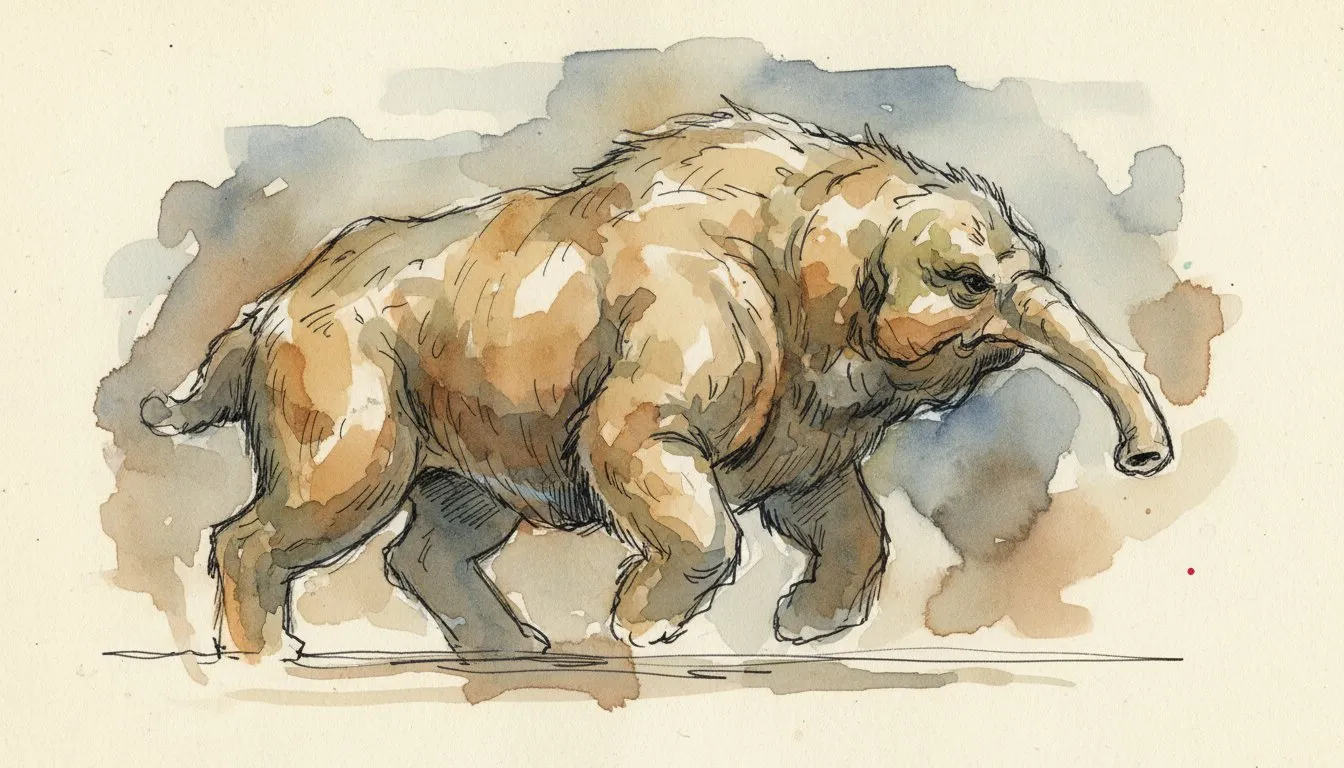
In 1924, witnesses at Margate Beach, South Africa claimed to see two whales battling an enormous white creature with a trunk-like appendage and a lobster-like tail. The creature's body allegedly washed ashore and measured 47 feet long, covered in 8-inch-long white fur. No scientist examined it before it was swept back out to sea. Photographs were rediscovered in 2010 and most researchers now believe it was a decomposed whale carcass, a so-called globster.
On October 25, 1924, witnesses on the beach near Margate, South Africa, reported watching a remarkable battle in the ocean just offshore. Two killer whales appeared to be attacking a massive white creature that observers described as resembling a giant polar bear or a creature with a long trunk-like appendage. The fight reportedly lasted three hours. When it was over, the creature washed ashore, dead. Journalist Hugh Ballance described an animal roughly 47 feet long covered in white, fur-like material, with a trunk protruding from one end and a tail resembling that of a lobster.
The carcass lay on the beach for ten days before being washed back out to sea. No scientist examined it, and no official measurements or tissue samples were taken. The story was published in South African newspapers but attracted little international attention at the time. It might have remained a minor local oddity had it not been rediscovered decades later by researchers interested in anomalous carcass reports. The creature became known as Trunko and entered the broader cryptozoological record through Ivan Sanderson's documentation of globster-type carcasses in the 1970s.
For decades, no photographs were known to exist, which allowed the story to grow considerably in the retelling. Then, in 2004, researcher Cathy Hartley discovered a set of contemporary photographs taken in 1924 by two brothers, Ernest and Herbert Balkema. The photographs show a large, pale, fibrous mass on the beach with no clearly identifiable anatomical features - compelling but inconclusive.
Zoologists who examined the Balkema photographs concluded that Trunko was almost certainly a globster - a decomposed mass of whale blubber and connective tissue that, as it decays and the skin detaches, can form a pale, fibrous, fur-like exterior. The trunk-like protrusion may have been a portion of the spinal column viewed from an unfamiliar angle. The lobster-like tail described by witnesses remains harder to explain and may have been embellished in later retellings. The Margate episode remains compelling precisely because the original witnesses had no cryptozoological framework to apply - Ballance recorded the descriptions before the globster concept existed as a category, giving the account an unusual, unfiltered quality. Whether Trunko was a dramatically decomposed whale or something not yet fully explained, the case stands as a reminder of how quickly direct observation can become overlaid with legend.
Notable Witnesses
- Hugh Ballance (Daily News reporter)
Further Reading
No book is devoted to this creature. These are the general references that cover the field, plus a direct search if you want to dig further.
- Cryptozoology A to Z by Loren Coleman and Jerome Clark (1999)
The standard one-volume encyclopedia, roughly two hundred entries covering creatures, investigators, and hoaxes.
- Mysterious Creatures: A Guide to Cryptozoology by George M. Eberhart (2002)
The larger reference guide, stronger on sourcing and on creatures that never reached the popular books.
Search Amazon for Trunko books
As an Amazon Associate, Cryptid Vault earns from qualifying purchases. Links open Amazon in a new tab.
Get the Field Notes.
Field notes from the Vault, when there is something worth sending. No spam.
No spam. Unsubscribe anytime.
You might also like
Kraken
The ship-swallowing sea beast of Norse legend, now partially explained by giant squid.
Ningen
A ghostly white humanoid shape rising from Antarctic waters, seen by Japanese fishermen.
Gloucester Sea Serpent
Hundreds of witnesses watched a giant serpent patrol Gloucester Harbor for weeks in 1817.
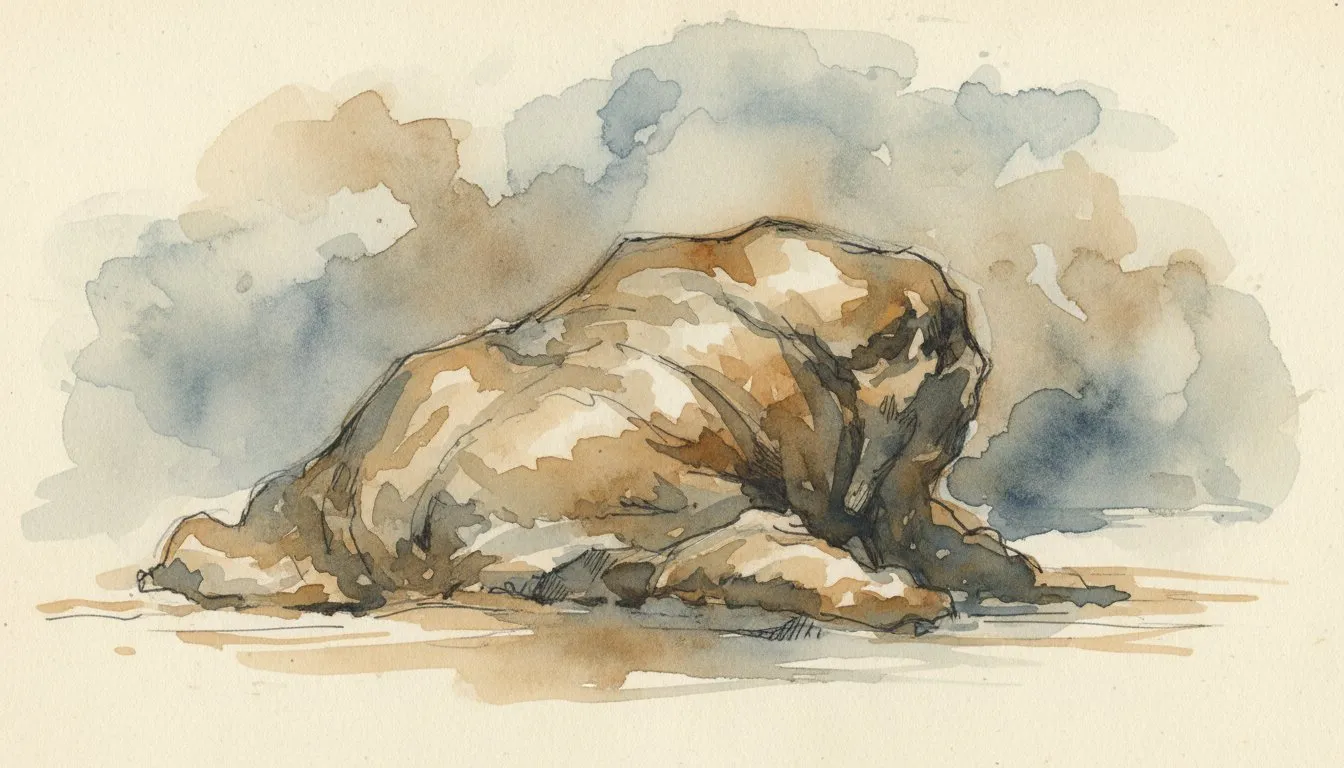
Globster
Massive, fleshy, unidentifiable masses that wash ashore worldwide, defying easy explanation until the lab results come in.
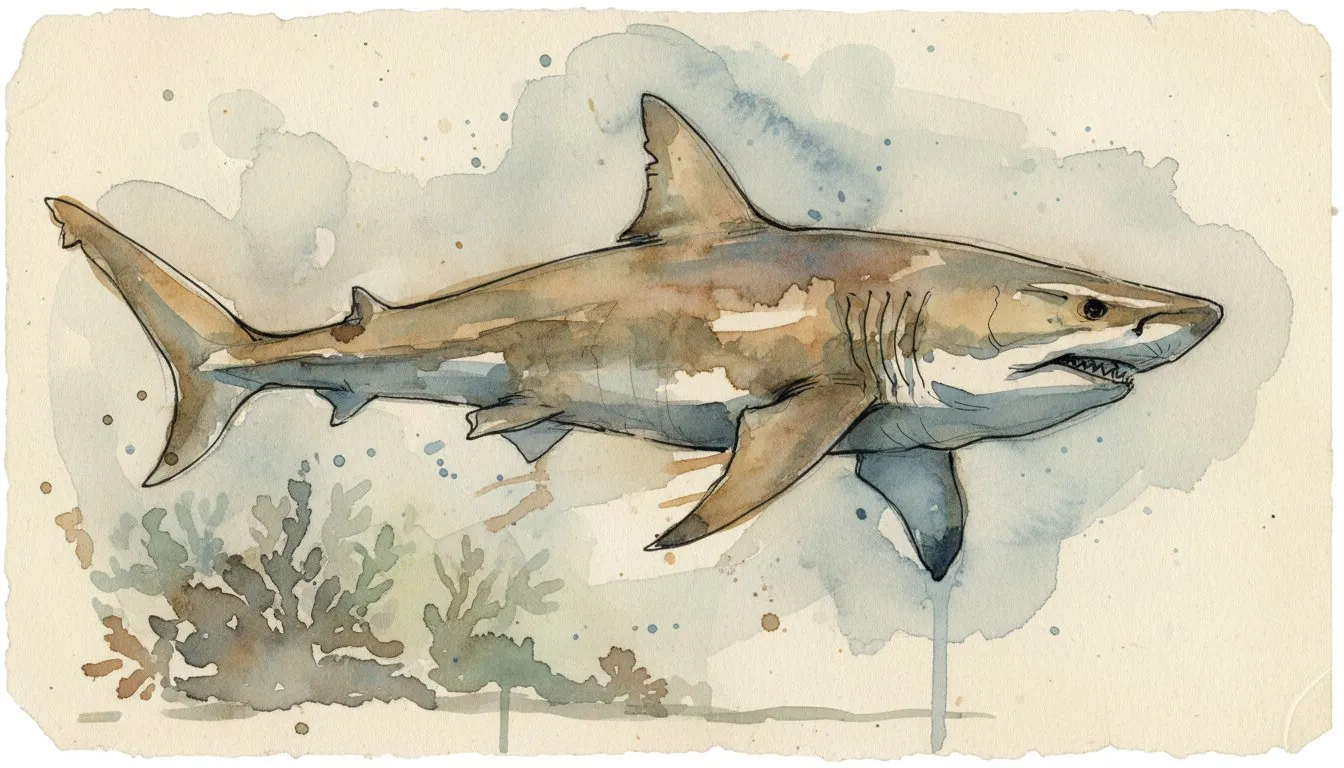
Megalodon
The largest shark that ever lived went extinct 3.6 million years ago, unless the deep ocean is hiding something.
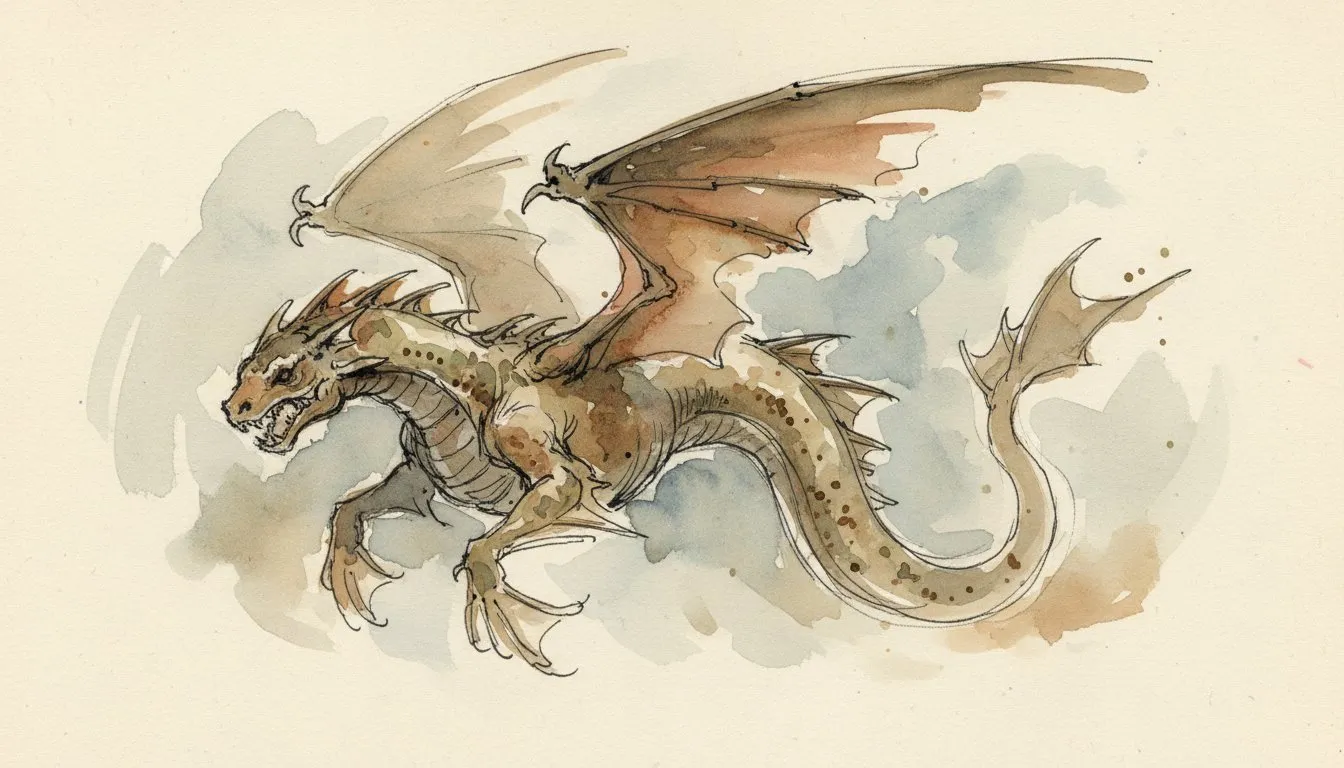
Morgawr
A humped sea serpent has been spotted off the coast of Cornwall since the 1900s, sometimes close enough to shore that beachgoers scatter.
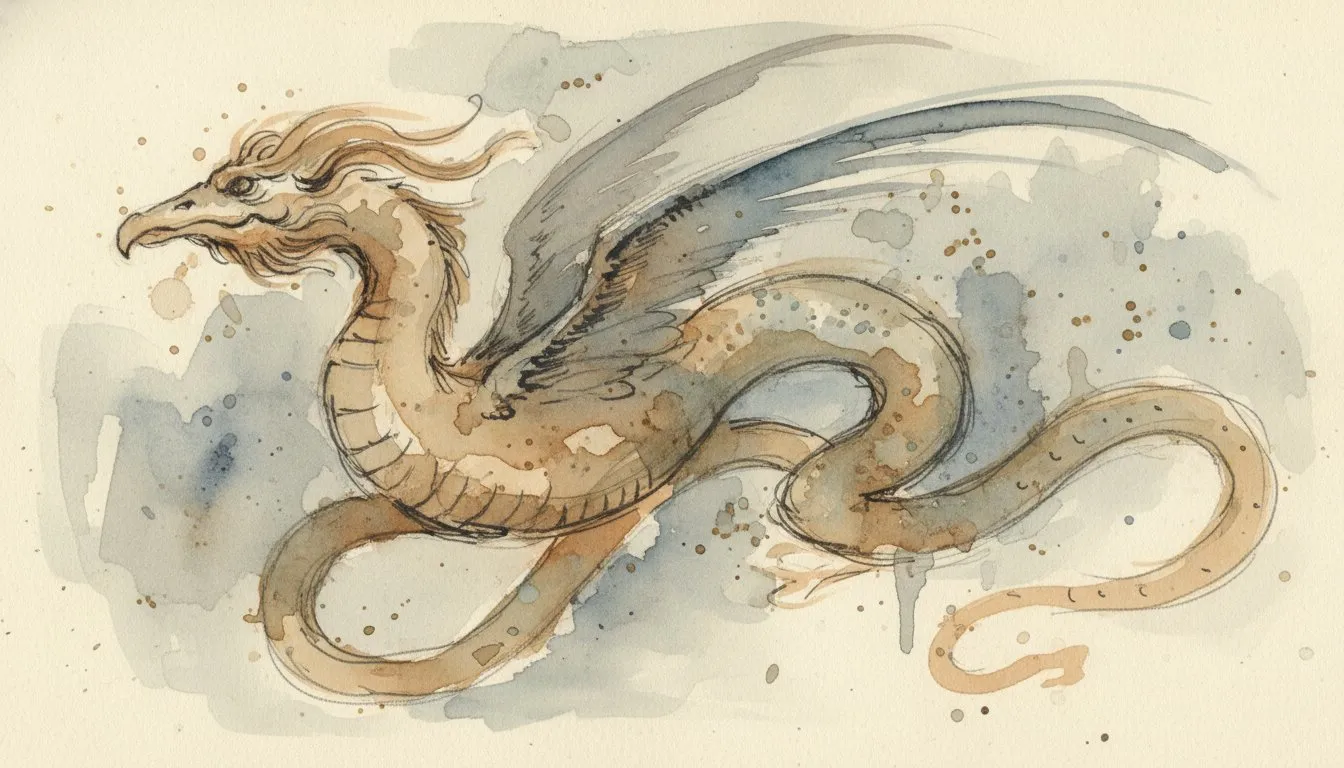
Chipfalamfula
In Zambian lakes, a massive horned beast surfaces with enough force to capsize fishing boats.
Con Rit
A segmented, armored sea creature with dozens of lateral fins, washed ashore in Vietnam in 1883.