
Gazeka
Also known as: Monckton's Gazeka, Papua New Guinea Tapir-Beast
An enormous, tapir-like beast reported by a colonial officer in the unexplored highlands of Papua New Guinea.
1910 (Monckton expedition)
Owen Stanley Range, Papua New Guinea
Small horse-sized
Docile, herbivorous
No confirmed modern sightings
The Lore
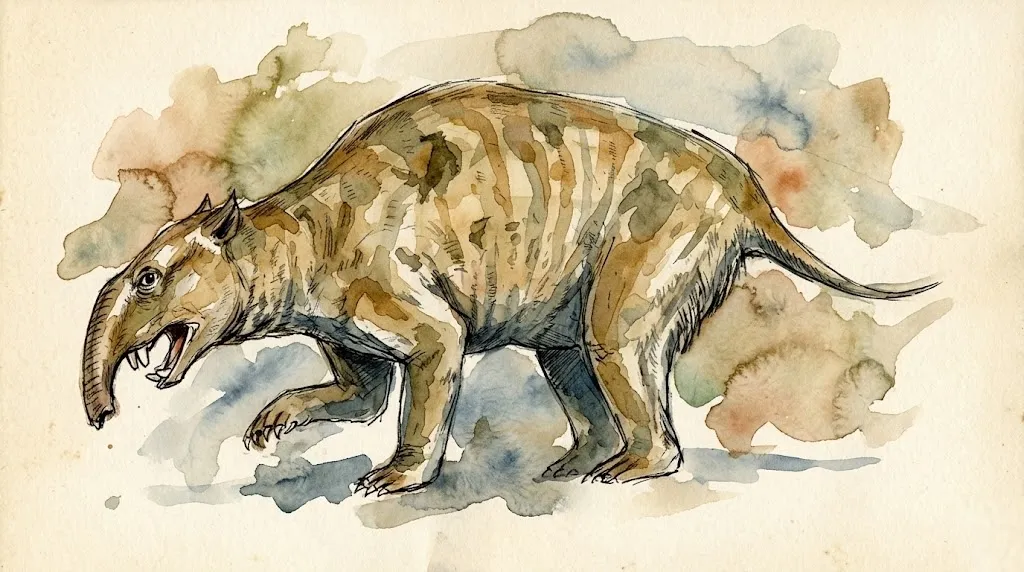
The gazeka refers to a large, unidentified animal reported by C.A.W. Monckton during his 1910 expedition into the mountainous interior of Papua New Guinea. Monckton described encountering a creature the size of a small horse with a long snout, dark hide, and a lumbering gait. Some cryptozoologists have speculated it could be a surviving member of the extinct diprotodontid marsupials, giant herbivores that once roamed Australia and New Guinea. The remote highlands of Papua New Guinea remain among the least-explored terrestrial regions on Earth.
The Gazeka entered the lexicon of cryptozoology through a series of reports from European explorers investigating the highland regions of British New Guinea in the late 19th and early 20th centuries. The creature gained its popular name from cartoonist Tom Browne, who created a comic strip character called the Gazeka in 1904, inspired by newspaper accounts of a large, unknown beast reportedly seen in the central mountain ranges of what is now Papua New Guinea. The original reports described an animal of considerable size, said to resemble a tapir in general body shape but far larger, with a massive, elongated snout and dark coloration.
The specific accounts that inspired British public interest came from exploring parties attempting to traverse the Owen Stanley Range and the highlands beyond. Indigenous porters and guides described an animal they feared and avoided, one that left large tracks in muddy highland terrain and occasionally destroyed garden plots at high elevations. British officer Claude Champion documented similar accounts during his 1927 expedition across New Guinea. The creature was said to inhabit elevations above 5,000 feet, in montane forest zones that were among the least accessible and least surveyed areas on Earth at the time.
Some researchers have connected Gazeka accounts to the Palorchestes, an extinct marsupial from Australia and New Guinea that possessed a long, tapir-like snout and was built on a large scale. Palorchestes is known to have survived into the Pleistocene, and some cryptozoologists have proposed that remnant populations might persist in New Guinea's remote highlands. This is considered speculative by mainstream paleontology, as the species is thought to have gone extinct tens of thousands of years ago.
The island of New Guinea is the second-largest island in the world and contains some of the planet's most ecologically diverse and poorly documented terrain. New species continue to be discovered in its highland regions at a remarkable rate, including new species of tree kangaroos, birds of paradise, and insects described as recently as the 21st century. This ongoing discovery record lends a degree of plausibility to reports of large unknown mammals. However, no photograph, specimen, or definitive physical evidence for the Gazeka has ever been obtained, and the creature remains primarily a product of colonial-era exploration accounts filtered through popular press reporting of varying reliability.
Notable Witnesses
- C.A.W. Monckton (colonial administrator, 1910)
Further Reading
No book is devoted to this creature. These are the general references that cover the field, plus a direct search if you want to dig further.
- Cryptozoology A to Z by Loren Coleman and Jerome Clark (1999)
The standard one-volume encyclopedia, roughly two hundred entries covering creatures, investigators, and hoaxes.
- Mysterious Creatures: A Guide to Cryptozoology by George M. Eberhart (2002)
The larger reference guide, stronger on sourcing and on creatures that never reached the popular books.
Search Amazon for Gazeka books
As an Amazon Associate, Cryptid Vault earns from qualifying purchases. Links open Amazon in a new tab.
Get the Field Notes.
Field notes from the Vault, when there is something worth sending. No spam.
No spam. Unsubscribe anytime.
You might also like
Ropen
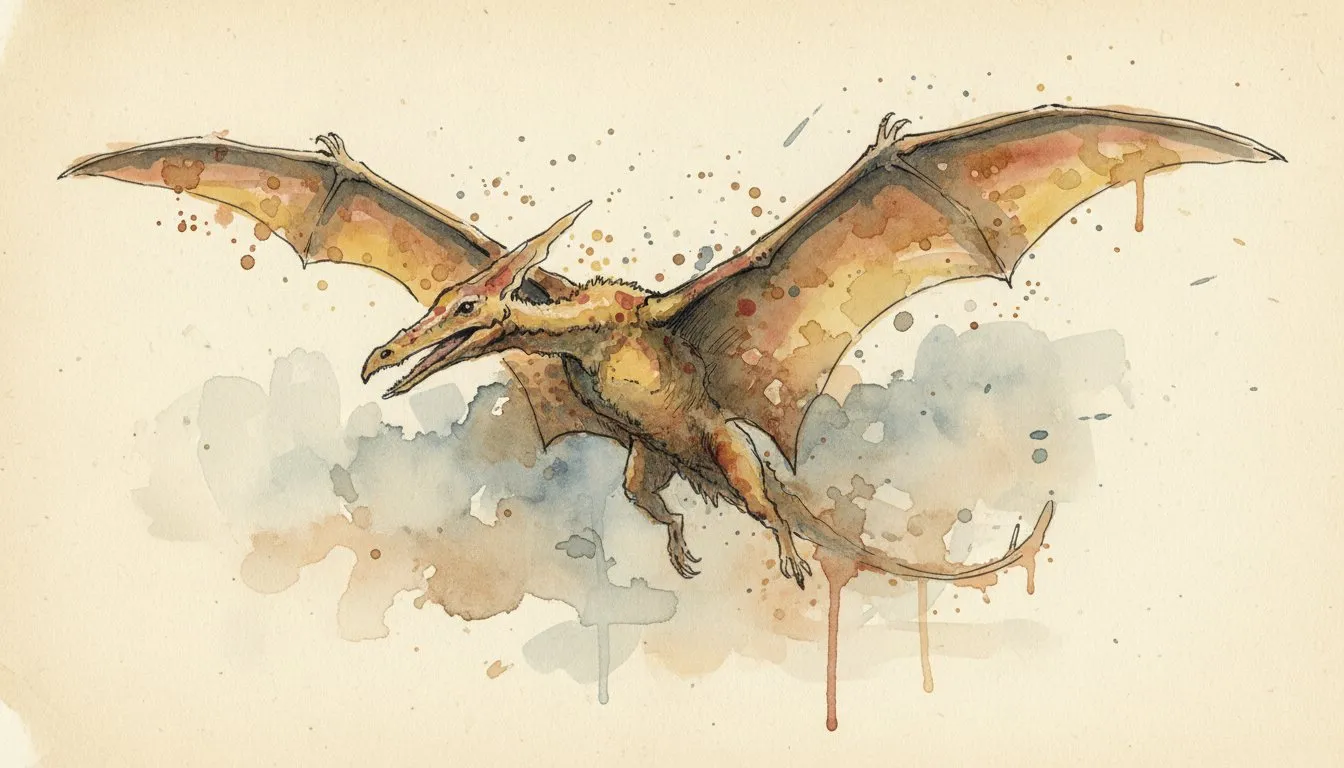
Islanders in Papua New Guinea describe a glowing, long-tailed flying creature that matches no known bird or bat.
Ri
A marine humanoid reported by fishermen in New Ireland, with a woman's upper body and a fish-like lower half.
Buru
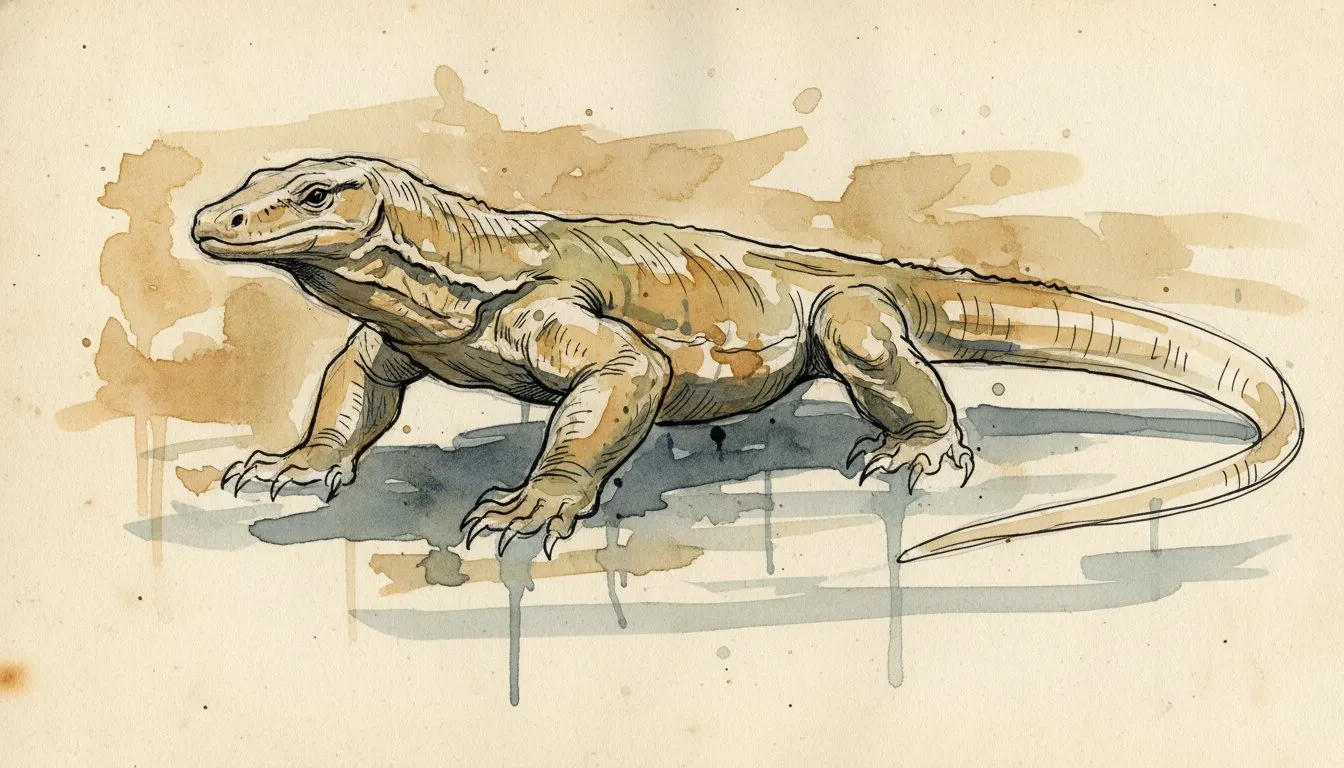
A giant aquatic lizard once said to inhabit remote Himalayan valleys before being deliberately exterminated.
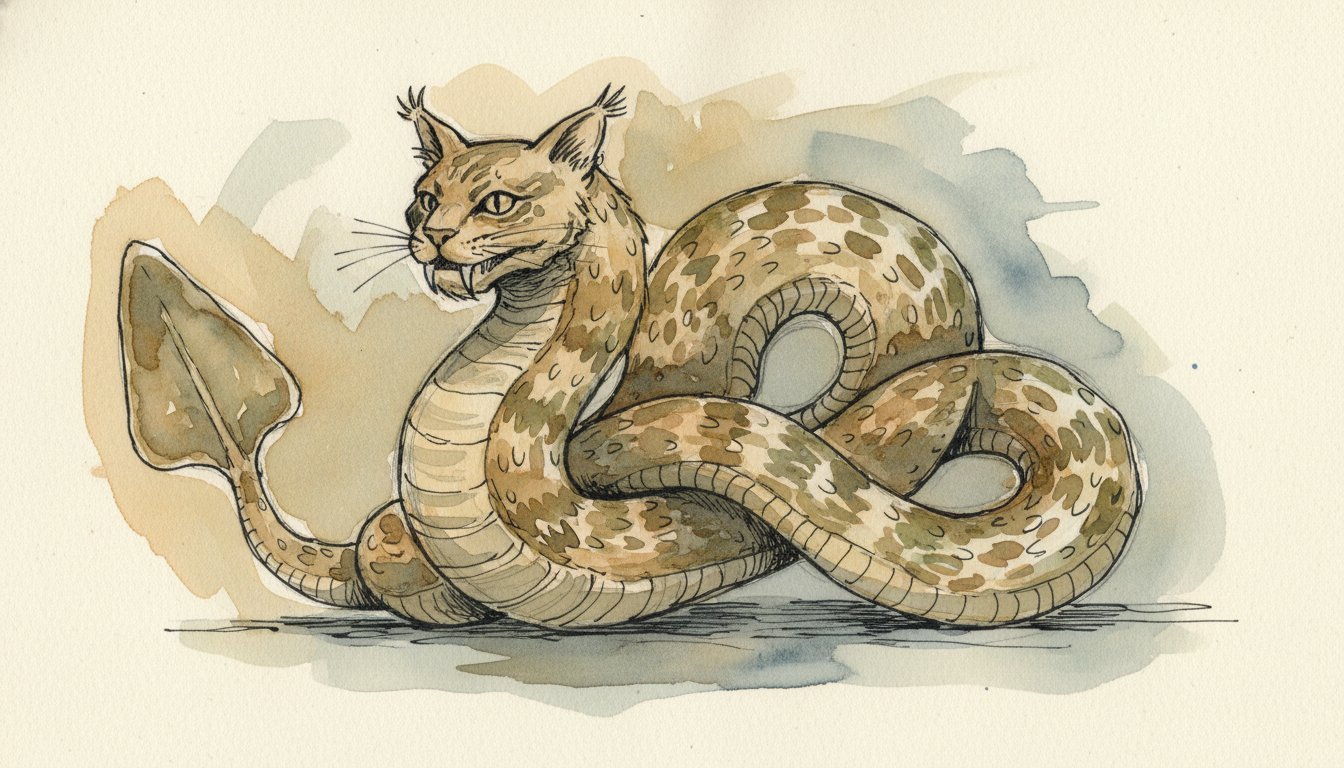
Death Adder Cat
A striped, cat-sized predator prowling the Australian bush, matching nothing in the known fossil record since the Pleistocene.
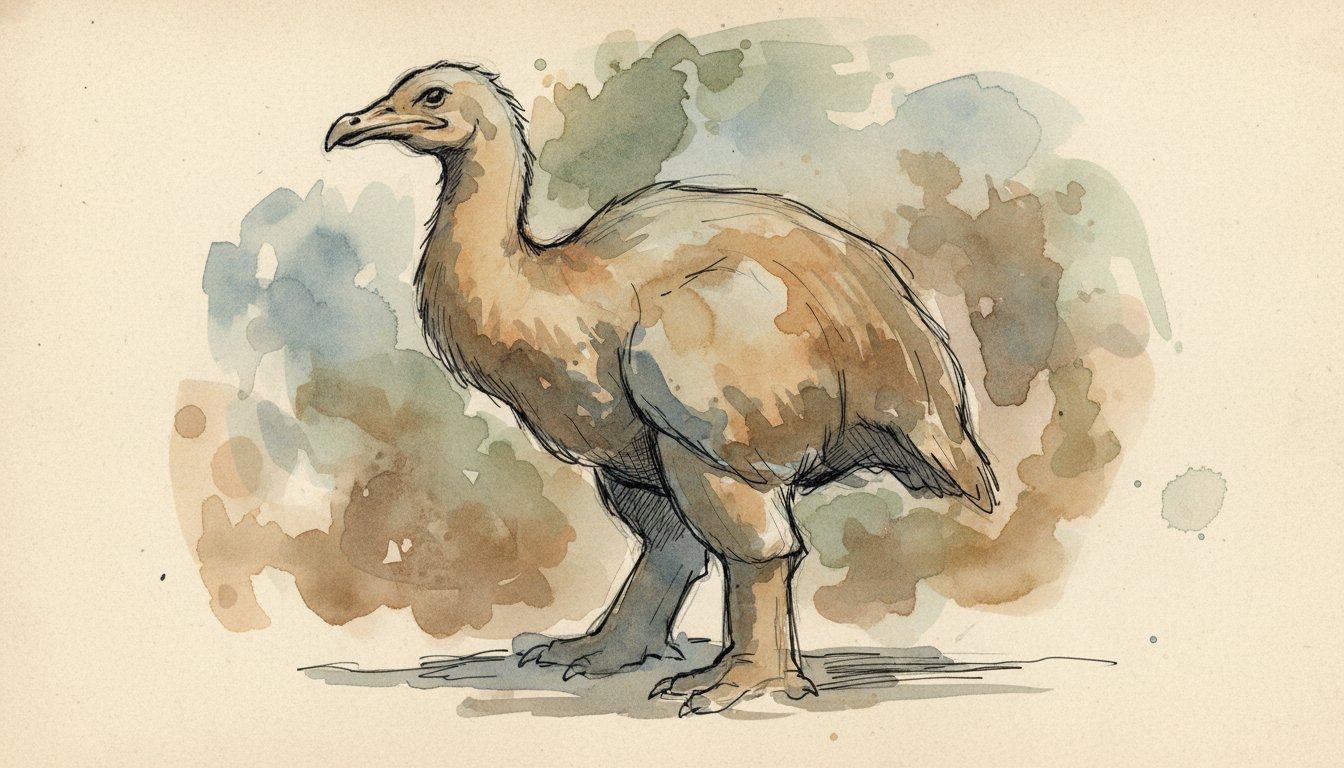
Moa
A 12-foot flightless bird, officially extinct for 600 years, with enough backcountry sighting reports to keep the search alive.
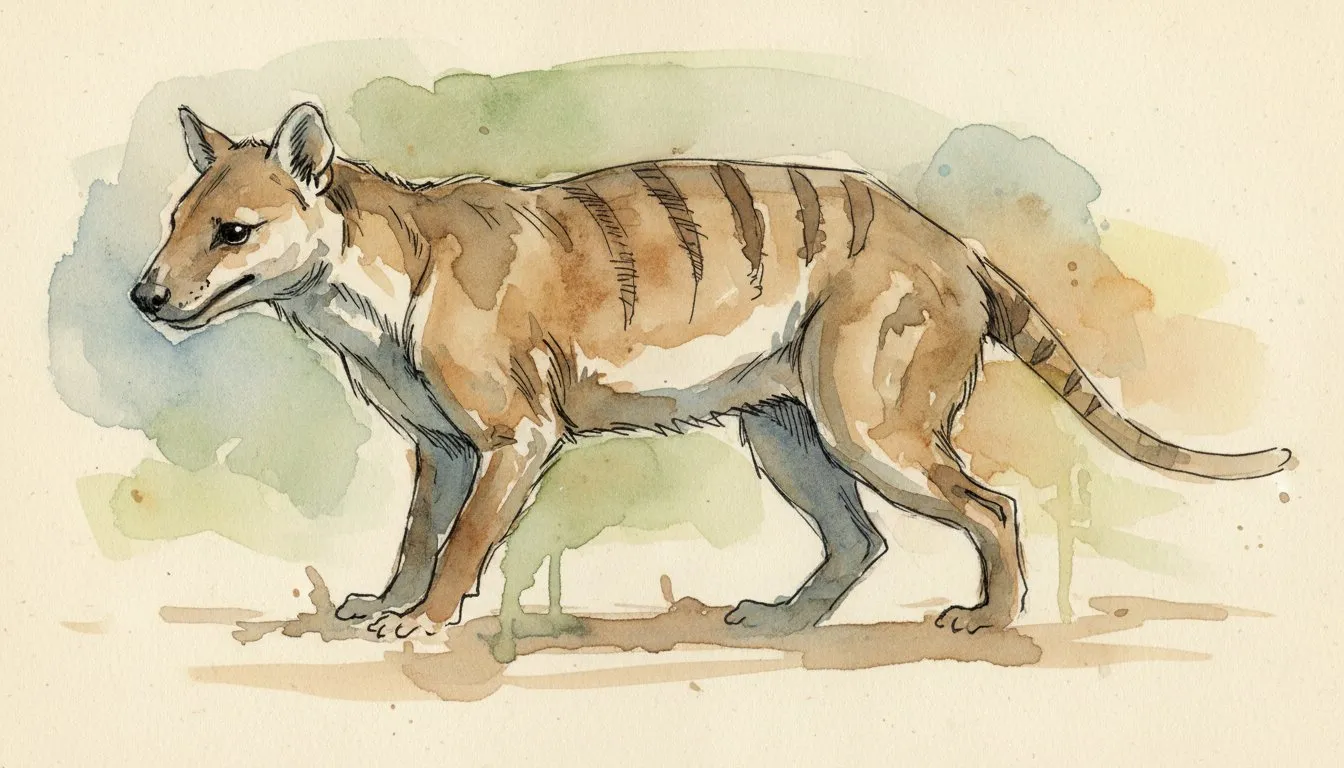
Thylacine
Officially extinct since 1936, the Tasmanian tiger is the subject of more credible survival sightings than almost any other lost species.
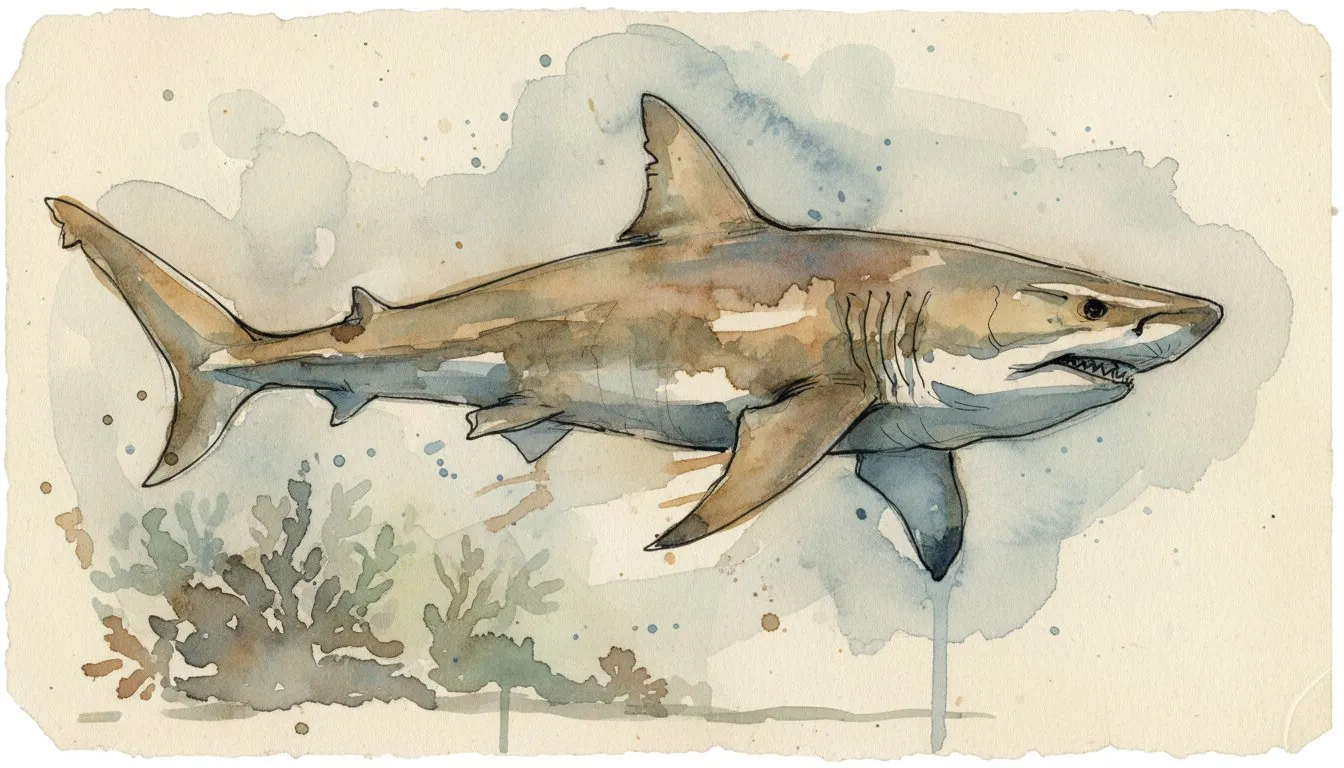
Megalodon
The largest shark that ever lived went extinct 3.6 million years ago, unless the deep ocean is hiding something.

Moehau
A hairy, rock-throwing giant reported in New Zealand's Coromandel Range long before the Bigfoot craze.