
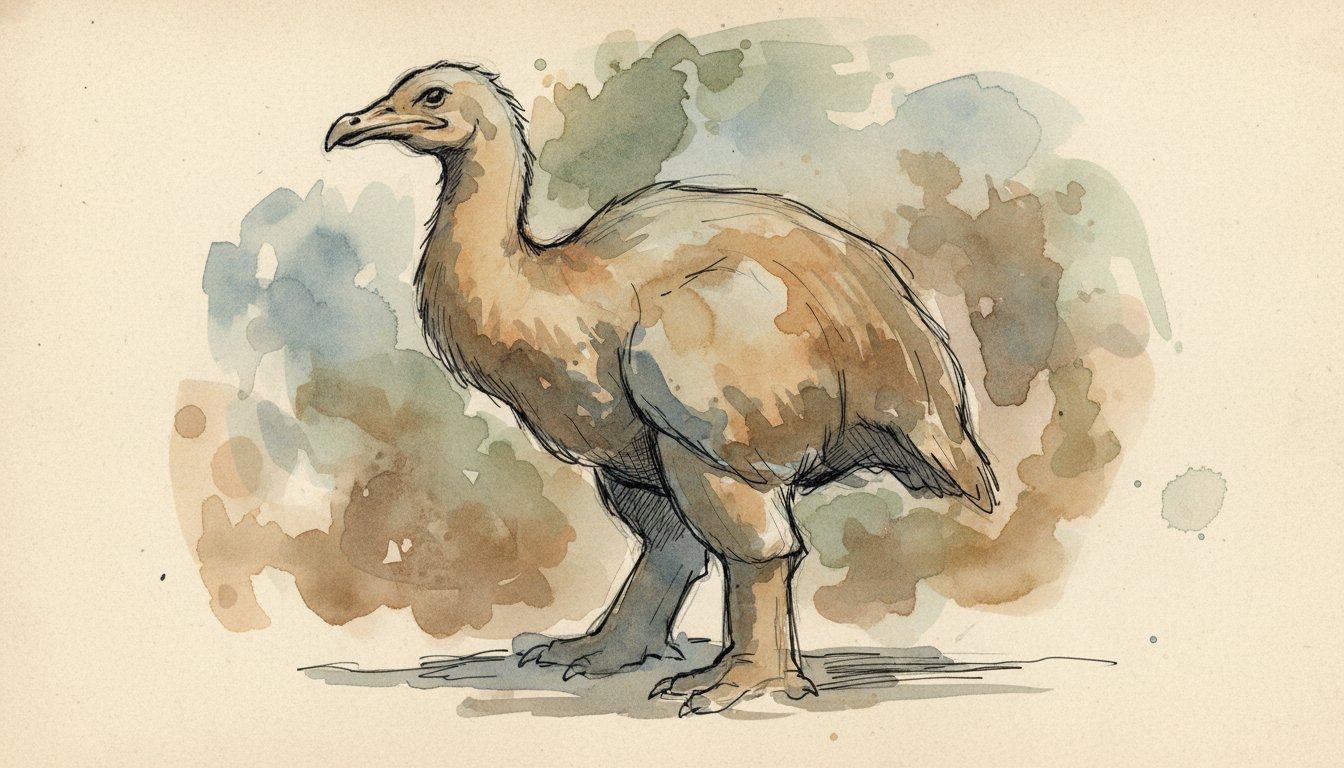
Moa
Also known as: Giant Moa, Dinornis
A 12-foot flightless bird, officially extinct for 600 years, with enough backcountry sighting reports to keep the search alive.
1400s (Maori oral history); modern sightings from 1800s
South Island, New Zealand
Up to 12 ft tall (Dinornis robustus)
Herbivorous, non-aggressive
Officially extinct (c. 1400 AD)
The Lore
The Moa were a group of giant flightless birds endemic to New Zealand, the largest species standing over 12 feet tall. They were hunted to extinction by Maori settlers around 1400 AD. But sighting reports have continued for centuries. In 1993, a photograph allegedly showing a living moa in Fiordland circulated widely. The dense, largely unexplored rainforests of South Island's west coast contain millions of acres of untouched habitat. Feathers, footprints, and droppings have been submitted to researchers, though none have been confirmed as recent. If any large animal could survive undetected in New Zealand's backcountry, the moa is the most plausible candidate.
The moa of New Zealand are not cryptids in the traditional sense. They are scientifically well-documented, with abundant fossil and subfossil material, and their extinction at the hands of the Polynesian ancestors of the Maori is one of the best-studied cases of human-caused megafaunal loss in the world. Nine species of moa are recognized by paleontologists, ranging from the turkey-sized Anomalopteryx didiformis to the giant Dinornis robustus, the female of which stood nearly 12 feet tall and weighed up to 500 pounds, making it the tallest bird ever to have lived. What elevates the moa to cryptid status is the persistent question of whether any population may have survived long enough to be encountered by European settlers, and the cluster of 19th and 20th century reports suggesting ongoing survival.
The conventional scientific consensus places moa extinction at around 600 years ago, shortly after human settlement of New Zealand, the result of intensive hunting by Maori combined with habitat modification by fire. However, some accounts collected from Maori oral tradition describe living moa being encountered well into the historical period, and early European settlers in the South Island's remote Fiordland region reported encounters with enormous flightless birds in the 1820s through the 1860s. Joel Polack, a merchant who traveled extensively in New Zealand between 1831 and 1837, wrote that Maori had told him of a species of very large bird still living in the interior, and he believed their accounts reliable.
The South Island's Fiordland, which covers approximately 10,000 square miles of near-impenetrable mountainous terrain with minimal road access even today, has been the primary focus of moa survival speculation. The region sheltered several species of other fauna previously considered extinct longer than they actually were, including Fiordland crested penguins that were unknown to science until 1874. A formal expedition to search for surviving moa was organized in 1948 by Dr. R.A. Falla of the Canterbury Museum, funded in part by public donations, though it returned no evidence of living birds.
The most intriguing modern report came from a 1993 tramping party that described an encounter with a very large, upright bird in Fiordland, estimated at 6 feet tall, which walked away calmly before disappearing into dense bush. An investigation by the Department of Conservation found no corroborating evidence. The moa's cultural significance in New Zealand is profound, a symbol of irreversible loss and of the speed with which human activity can eliminate ancient species, and the recurring hope for its survival reflects both scientific possibility and a deeper wish to undo that loss.
Notable Witnesses
- Paddy Freaney (1993 alleged photo)
- Alice McKenzie (1880s sighting)
Media Appearances
- MonsterQuest (TV)
- The Moa Hunter (book by Roger Duff)
Further Reading
No book is devoted to this creature. These are the general references that cover the field, plus a direct search if you want to dig further.
- Cryptozoology A to Z by Loren Coleman and Jerome Clark (1999)
The standard one-volume encyclopedia, roughly two hundred entries covering creatures, investigators, and hoaxes.
- Mysterious Creatures: A Guide to Cryptozoology by George M. Eberhart (2002)
The larger reference guide, stronger on sourcing and on creatures that never reached the popular books.
As an Amazon Associate, Cryptid Vault earns from qualifying purchases. Links open Amazon in a new tab.
Get the Field Notes.
Field notes from the Vault, when there is something worth sending. No spam.
No spam. Unsubscribe anytime.
You might also like
Thylacine
Officially extinct since 1936, the Tasmanian tiger is the subject of more credible survival sightings than almost any other lost species.
Waitoreke
A small, otter-like animal in New Zealand's South Island rivers, where no native mammal should exist.
Ropen
Islanders in Papua New Guinea describe a glowing, long-tailed flying creature that matches no known bird or bat.
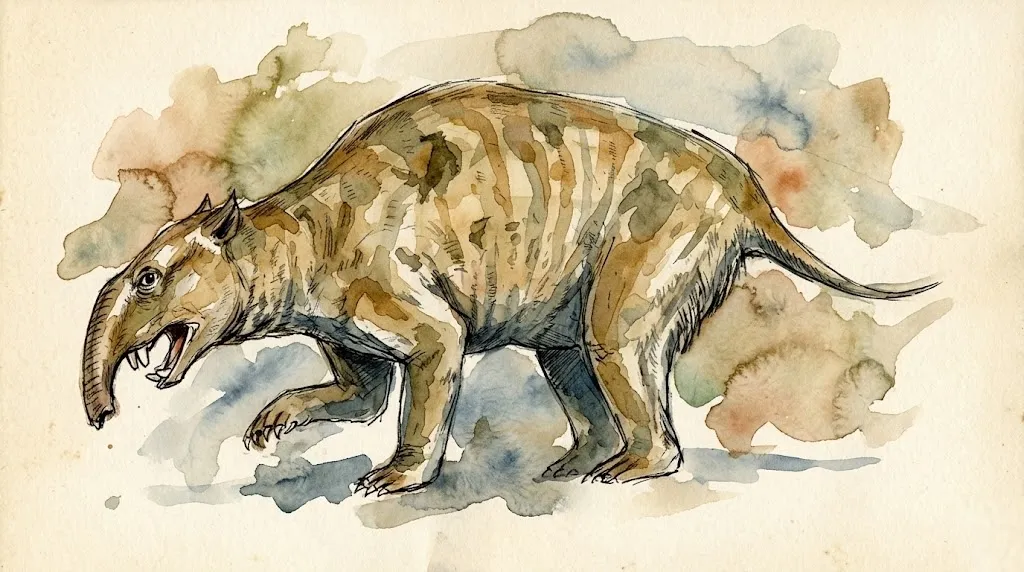
Gazeka
An enormous, tapir-like beast reported by a colonial officer in the unexplored highlands of Papua New Guinea.
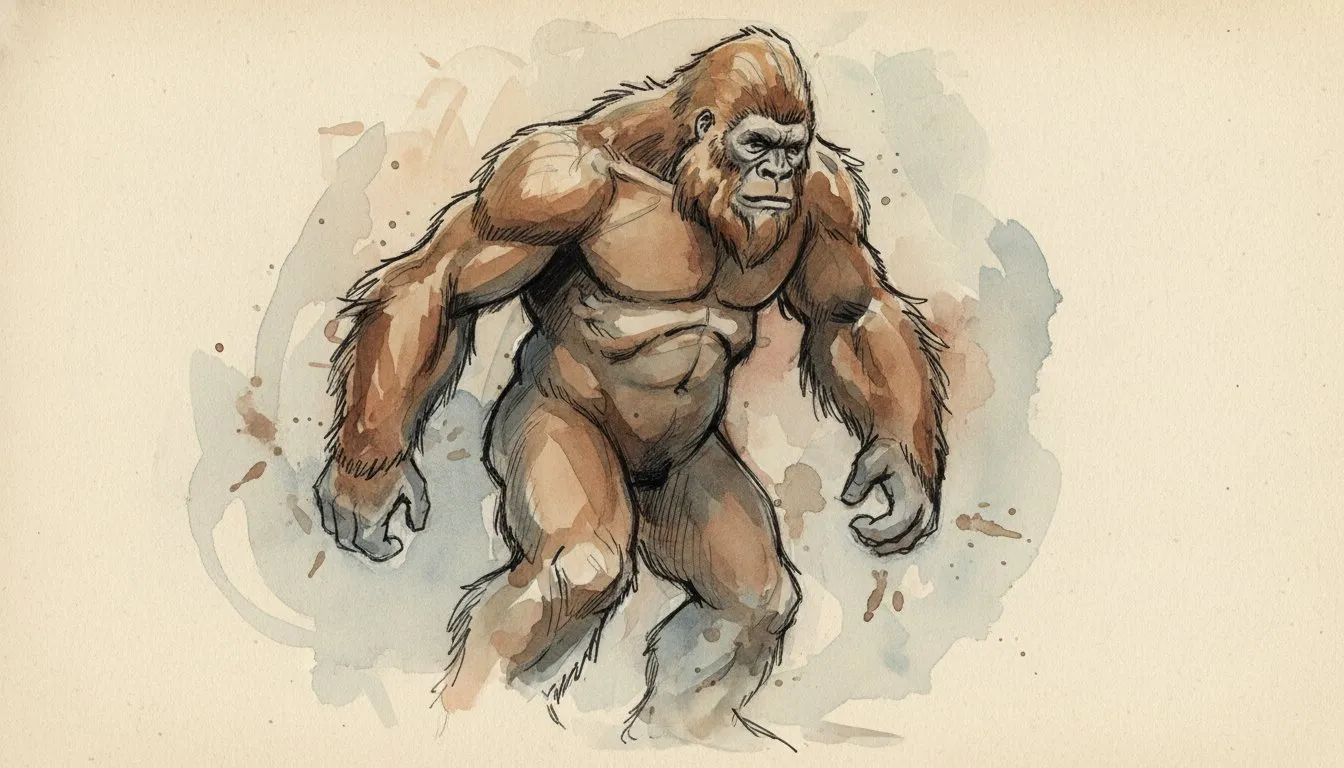
Bigfoot
The towering ape-man of the Pacific Northwest, glimpsed in fog and legend for centuries.
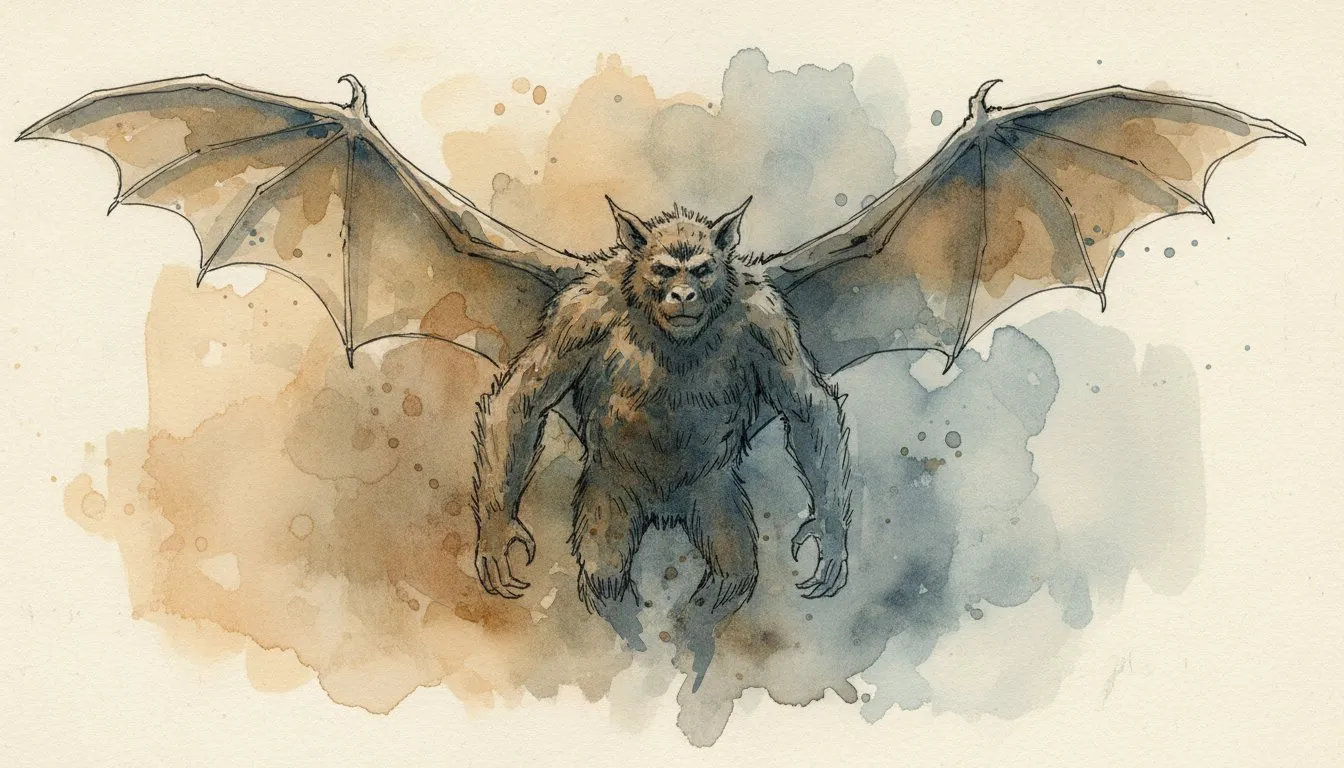
Batsquatch
A purple-skinned, bat-winged ape seen near Mount St. Helens after the eruption.
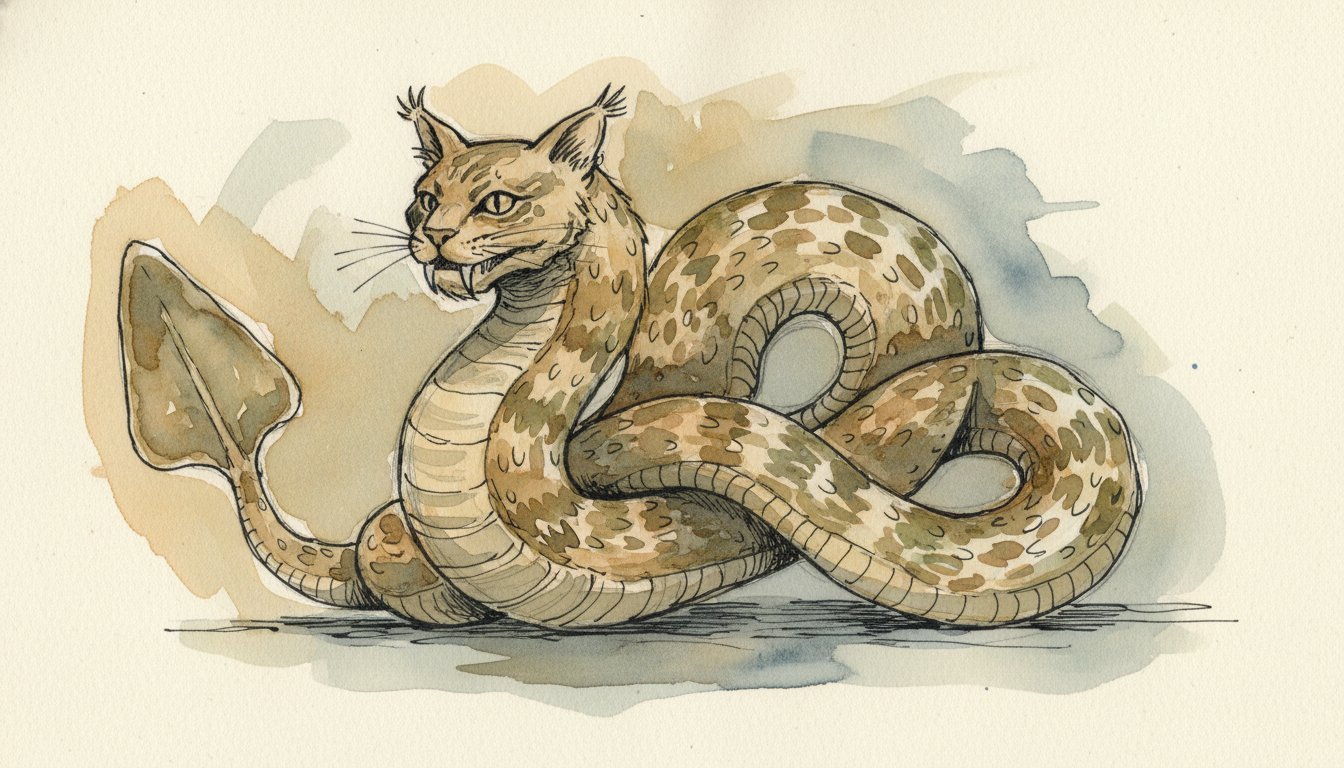
Death Adder Cat
A striped, cat-sized predator prowling the Australian bush, matching nothing in the known fossil record since the Pleistocene.
Moehau
A hairy, rock-throwing giant reported in New Zealand's Coromandel Range long before the Bigfoot craze.