
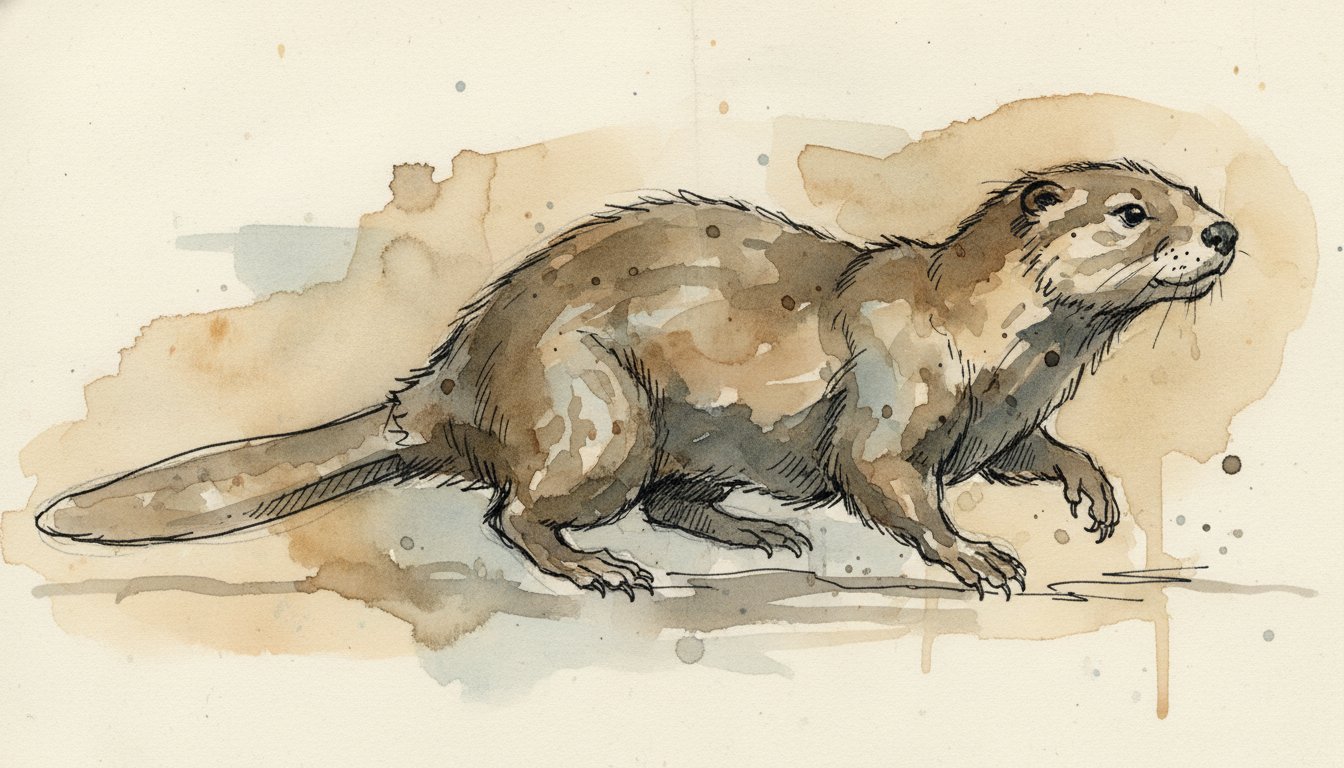
Waitoreke
Also known as: Kaurehe, New Zealand Otter
A small, otter-like animal in New Zealand's South Island rivers, where no native mammal should exist.
Pre-colonial Maori accounts; 1773 (Cook expedition notes)
South Island rivers, New Zealand (Otago, Fiordland)
1-2 ft long
Shy, elusive
Unconfirmed
The Lore
The Waitoreke is a small semi-aquatic mammal reported from the rivers and lakes of New Zealand's South Island, primarily in Otago and Fiordland. It's described as resembling a small otter or beaver, about 1-2 feet long, with brown fur and a flat tail. New Zealand has no native land mammals other than bats, making any mammalian discovery extraordinary. Maori oral tradition describes the Kaurehe as a riverside creature, and European naturalists from the 1860s onward have collected enough reports to take the possibility seriously. Captain James Cook's expedition noted what may have been the same animal.
The waitoreke is New Zealand's most tantalizing zoological mystery, a small semi-aquatic mammal reported by both Maori communities and early European settlers in the South Island's river systems and lake margins. The creature occupies a unique position in the history of New Zealand natural science because, unlike most cryptids, serious natural historians and zoologists gave it considerable credence for decades. The reason for this seriousness is straightforward: if the waitoreke existed, it would represent the only native terrestrial mammal in New Zealand beyond bats, filling a remarkable gap in the island's otherwise bat-dominated mammal fauna.
Maori accounts of a small, otter-like animal living in the rivers and lakes of the South Island were documented by some of the earliest European naturalists to work in New Zealand. Johann Forster, the naturalist aboard Captain Cook's second voyage, noted Indigenous accounts of a small aquatic animal in 1773. Julius von Haast, the Swiss-born geologist who conducted foundational natural history surveys of the South Island in the 1860s and 1870s, took the waitoreke seriously enough to write to Charles Darwin about it. Darwin himself expressed interest in the reports as potential evidence of an endemic New Zealand mammal.
Witness descriptions of the waitoreke are consistent enough to be suggestive. Observers describe an animal roughly the size of a rabbit or small cat, with a rounded body, a short tail, and dense, dark brown or yellowish fur. It is said to move through water with ease and to live in burrows along riverbanks, feeding on aquatic invertebrates and fish. These characteristics would make it functionally analogous to an otter, though no otters are native to Australasia. Proposed identifications have included an undiscovered native monotreme, a small platypus relative, or a surviving population of some small mammal that arrived in New Zealand before its Gondwanan breakaway.
No specimen has ever been collected, photographed, or definitively identified. The South Island's extensive system of river flats, braided rivers, and lakeside margins has been increasingly modified by agriculture and settlement, and any small native mammal population would face severe habitat pressure. Most zoologists now consider the waitoreke likely to be either a misidentification of introduced species or a case of stories perpetuated through cultural transmission rather than direct observation. But the creature's plausibility, given New Zealand's actual ecological history, keeps it in a category of cryptid that cannot be entirely dismissed.
Notable Witnesses
- Captain James Cook (possible, 1773)
- Julius von Haast (geologist, 1861)
Further Reading
No book is devoted to this creature. These are the general references that cover the field, plus a direct search if you want to dig further.
- Cryptozoology A to Z by Loren Coleman and Jerome Clark (1999)
The standard one-volume encyclopedia, roughly two hundred entries covering creatures, investigators, and hoaxes.
- Mysterious Creatures: A Guide to Cryptozoology by George M. Eberhart (2002)
The larger reference guide, stronger on sourcing and on creatures that never reached the popular books.
Search Amazon for Waitoreke books
As an Amazon Associate, Cryptid Vault earns from qualifying purchases. Links open Amazon in a new tab.
Get the Field Notes.
Field notes from the Vault, when there is something worth sending. No spam.
No spam. Unsubscribe anytime.
You might also like
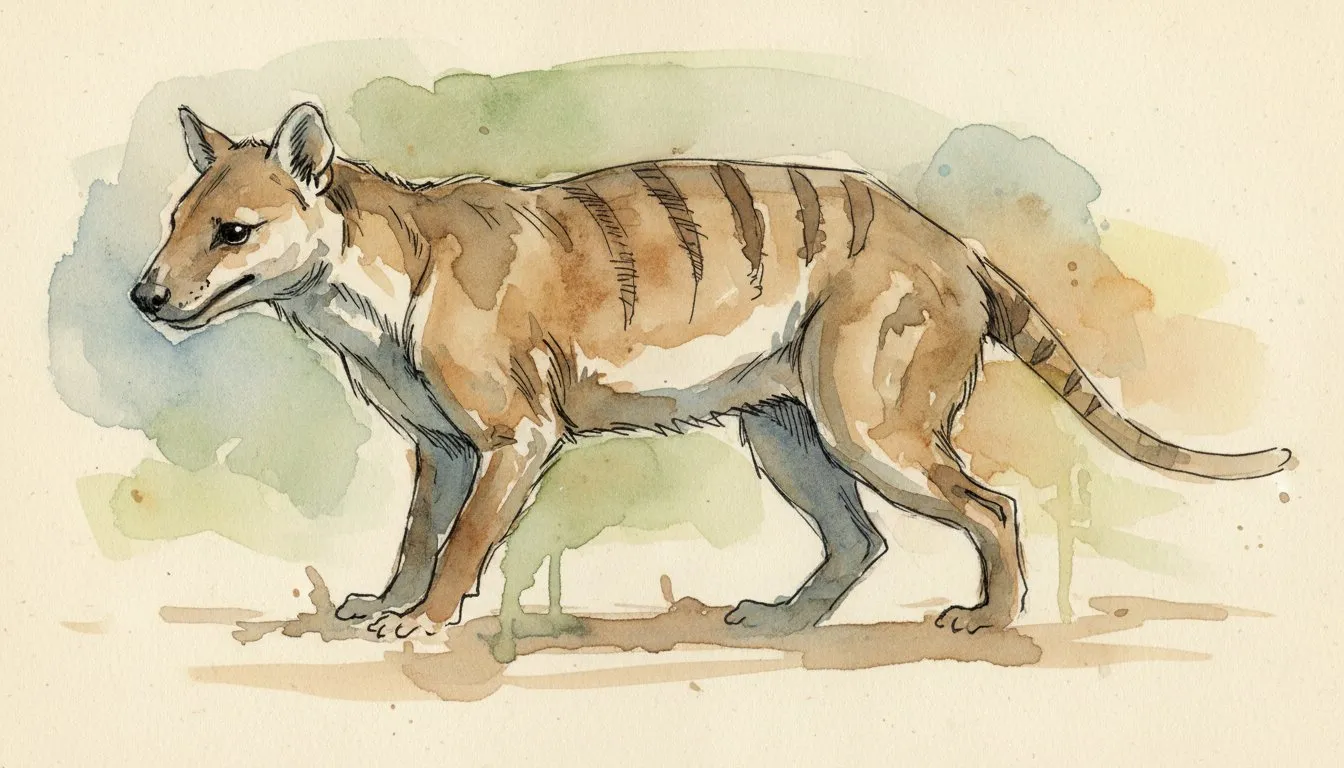
Thylacine
Officially extinct since 1936, the Tasmanian tiger is the subject of more credible survival sightings than almost any other lost species.
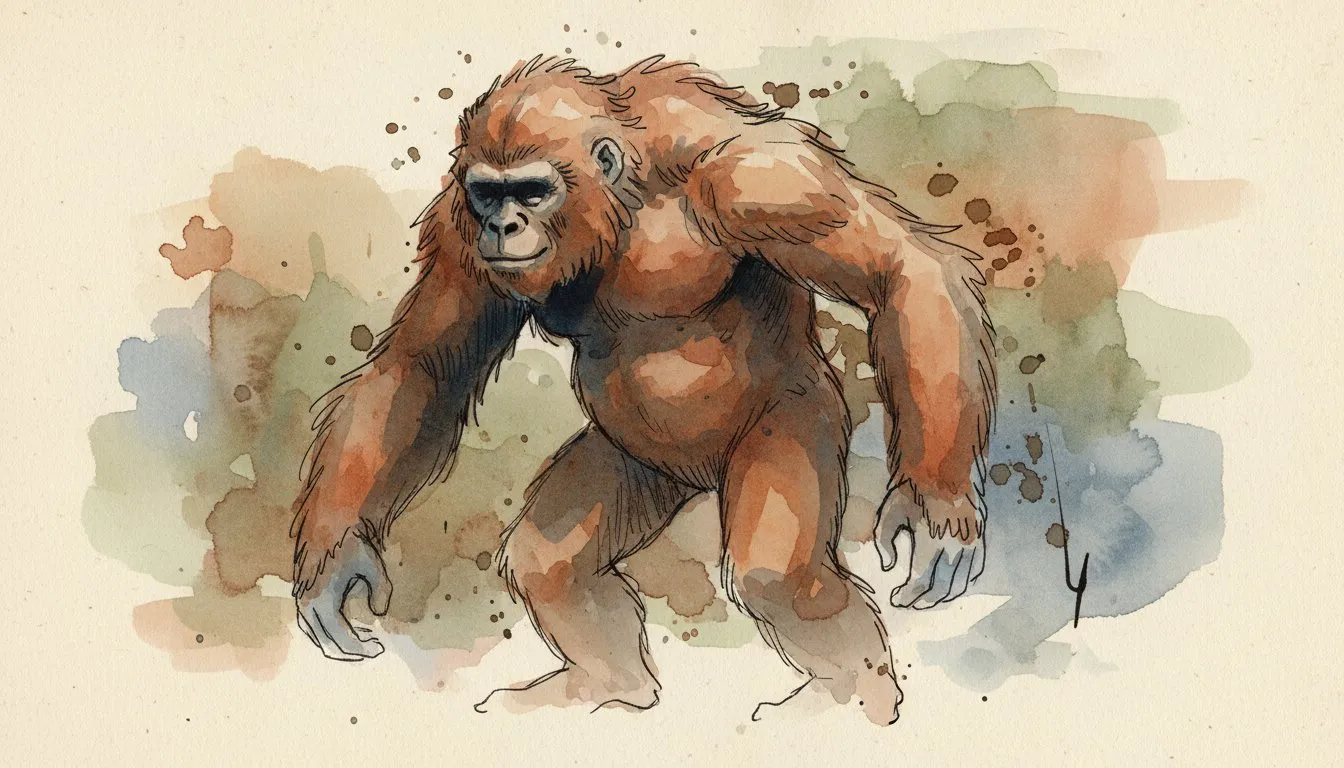
Orang Pendek
A short, bipedal ape covered in golden-brown fur walks the jungles of Sumatra, and credible scientists have spent decades trying to prove it exists.
Bunyip
Australia's lurking water spirit, feared by indigenous peoples for thousands of years.
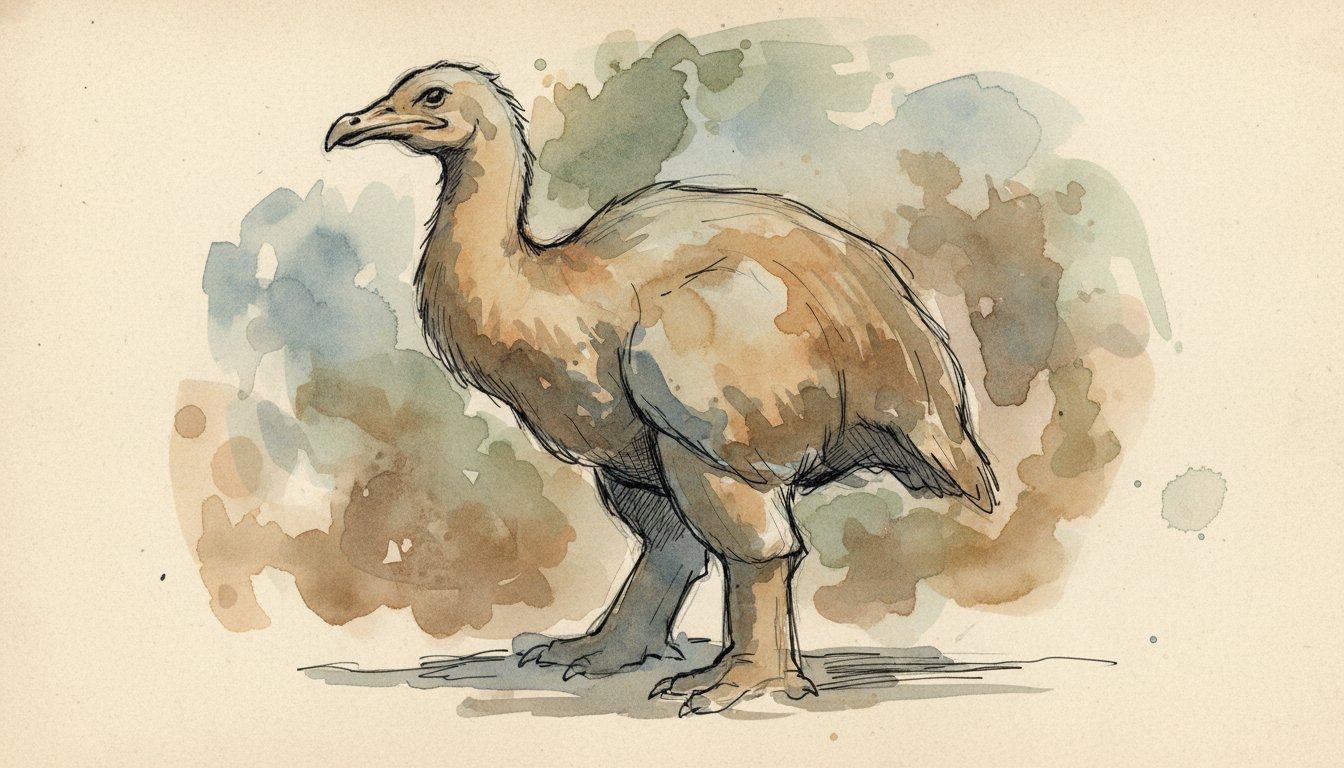
Moa
A 12-foot flightless bird, officially extinct for 600 years, with enough backcountry sighting reports to keep the search alive.
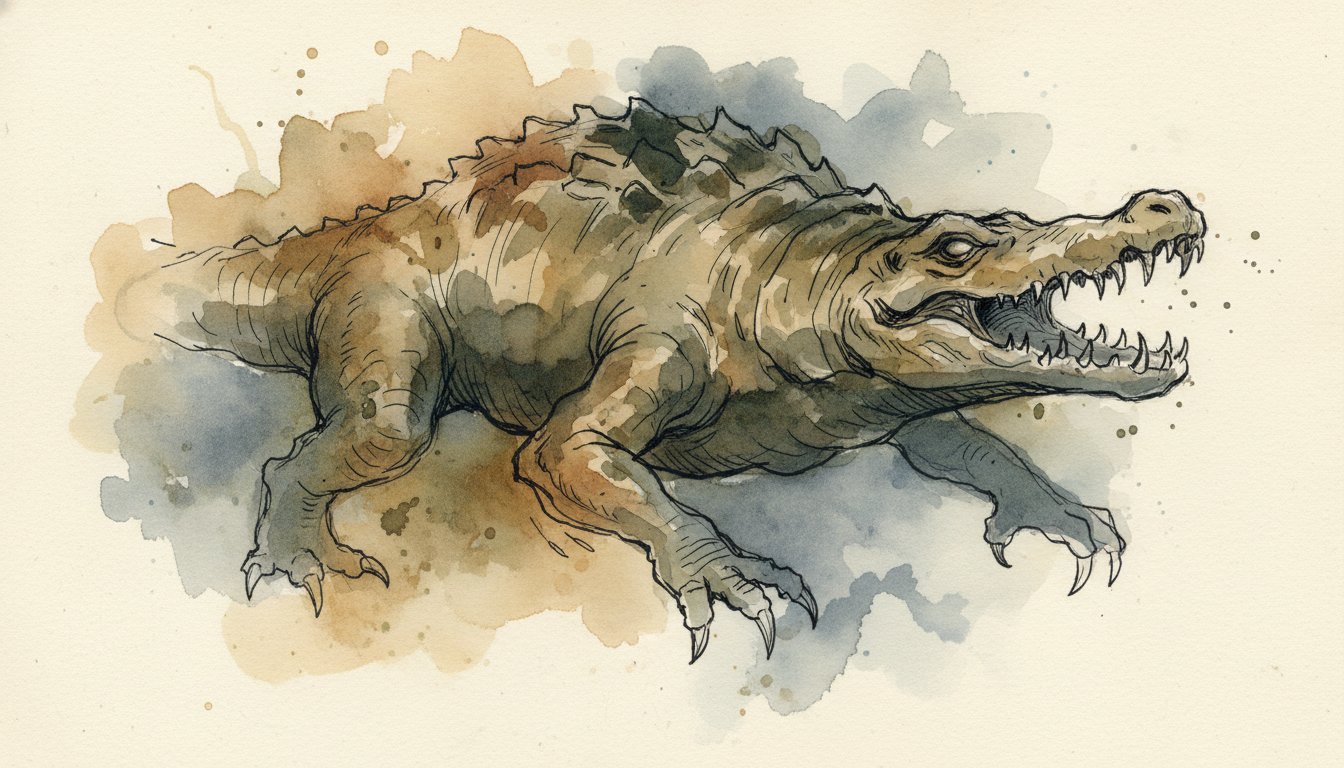
Muldjewangk
A colossal water creature in Australia's Murray River that punishes anyone who disturbs its territory with a wasting sickness.
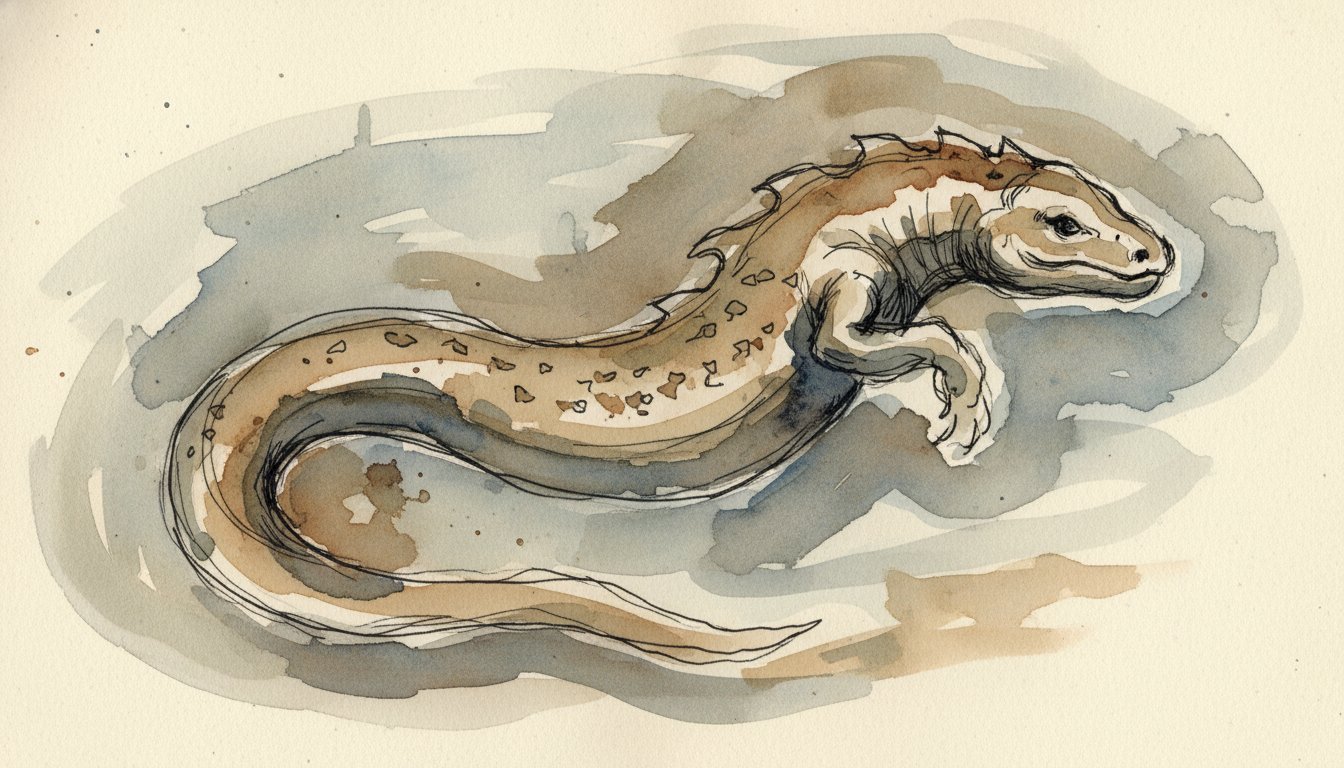
Hawkesbury River Monster
A plesiosaur-shaped creature in the murky tidal waters north of Sydney, reported by fishermen for over a century.
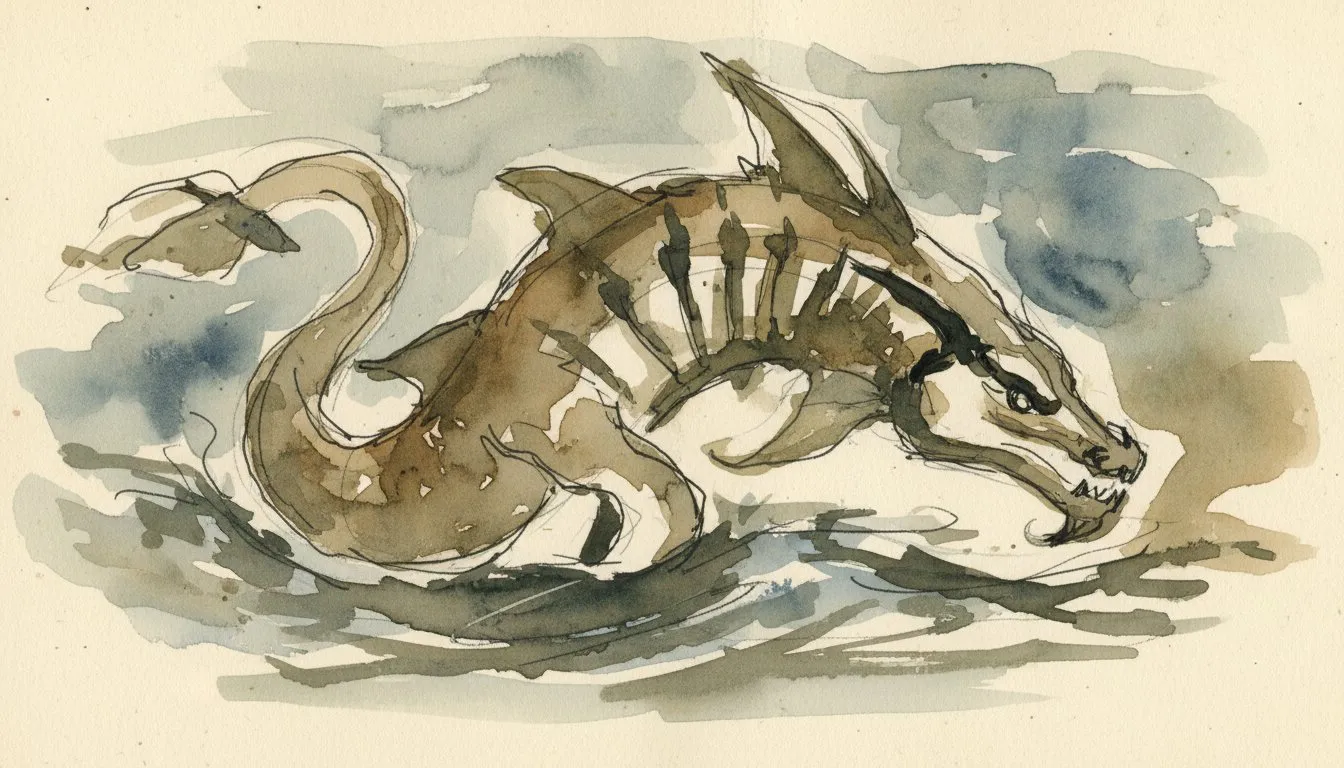
Taniwha
Sacred water guardians of Maori tradition that shape rivers, protect tribes, and sometimes drag the unwary to their doom.
Dingonek
A saber-toothed, armored aquatic predator was reported in a Kenyan river by a big-game hunter in 1907.