
Mokoi
Also known as: Evil Spirit
In the Australian outback, a malevolent spirit stalks those who practice sorcery and kills them in their sleep.
Ancient Yolngu oral tradition
Arnhem Land, Northern Territory, Australia
Variable, often invisible
Malicious, targets wrongdoers
Folklore
The Lore
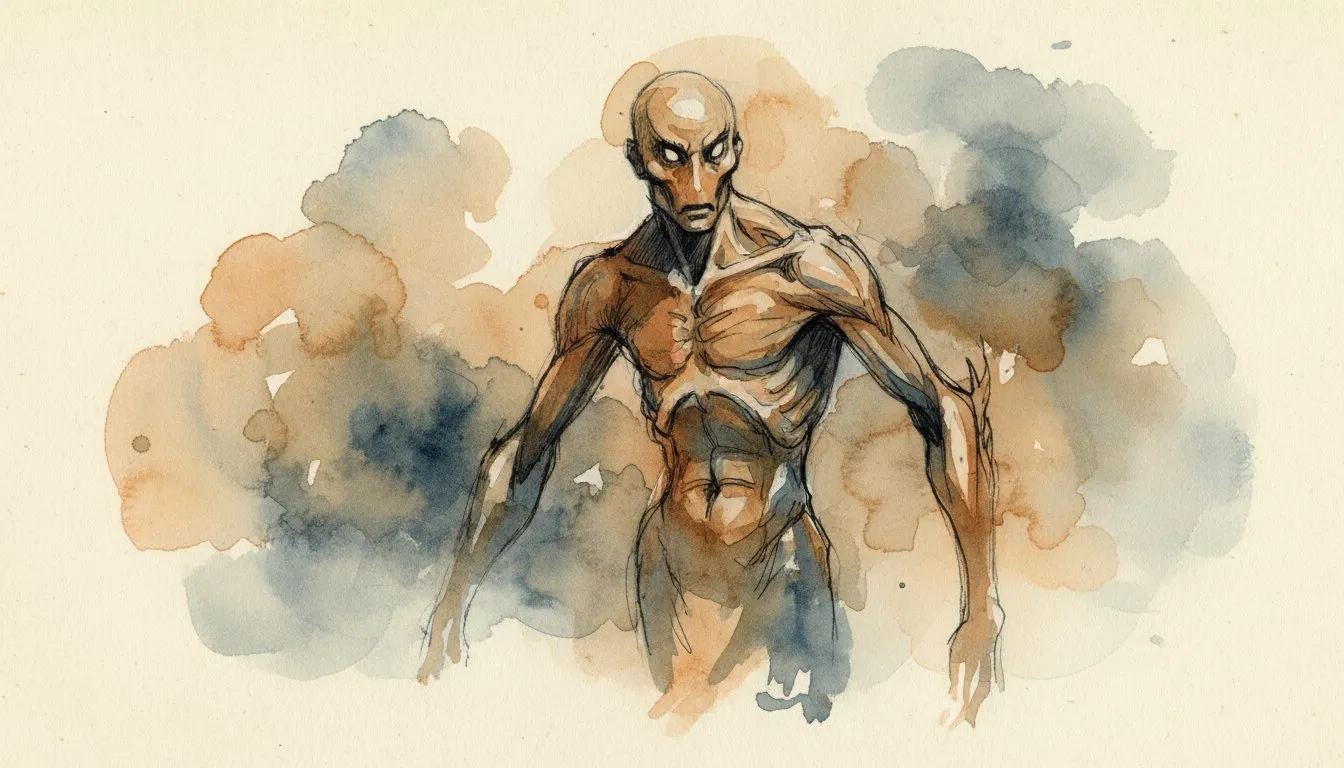
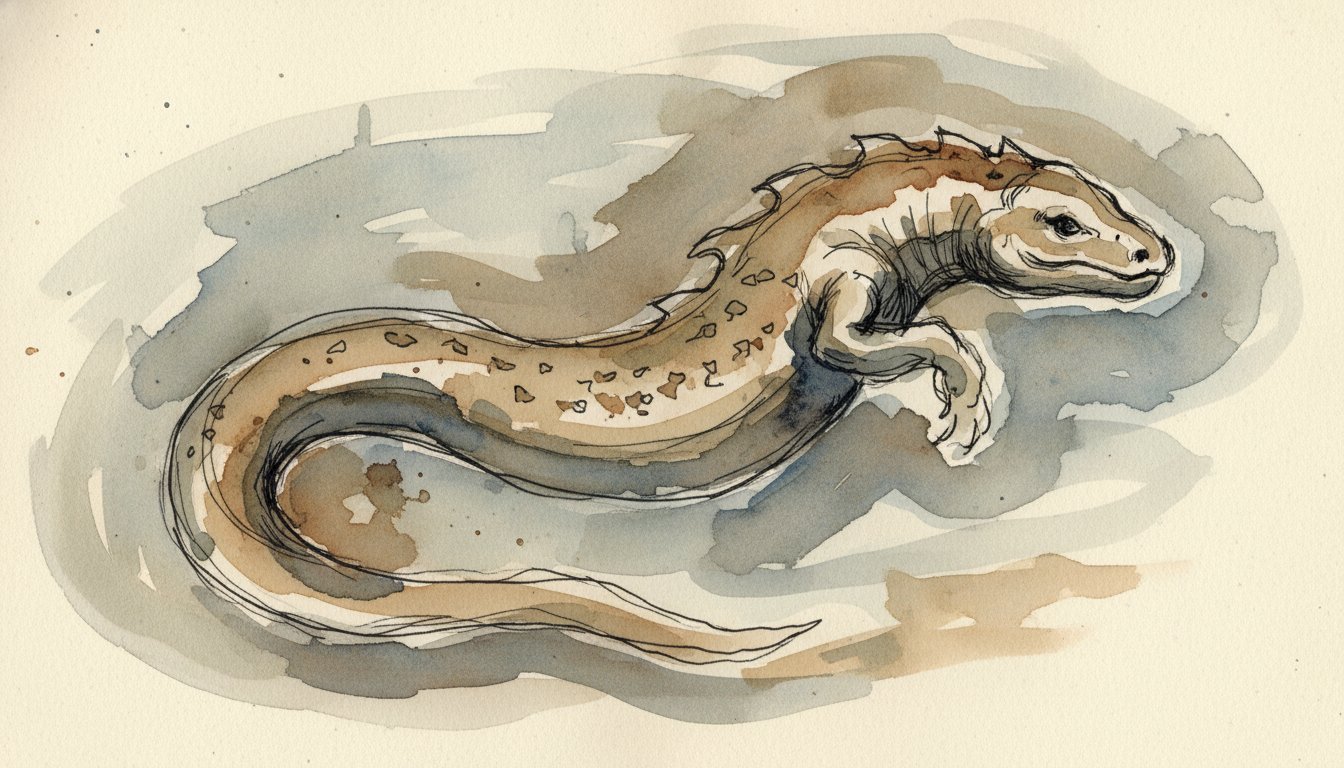
The Mokoi is an evil spirit from the mythology of the Yolngu people of Arnhem Land in northern Australia. Unlike physical cryptids, the Mokoi is considered a spiritual entity that targets sorcerers and wrongdoers, killing them while they sleep. It moves unseen through the bush and is blamed for unexplained deaths. The Mokoi occupies a distinct space in Aboriginal cosmology as a punisher rather than a random predator.
In the spiritual traditions of the Yolngu people of Arnhem Land in the Northern Territory of Australia, the Mokoi is a malevolent spirit associated with death, disease, and supernatural harm. The Mokoi is not a creature in the physical sense of a flesh-and-blood animal but rather a category of dangerous spiritual being that exists on the boundary between the living world and the world of the dead. Yolngu cosmology is elaborate and internally consistent, and the Mokoi occupies a specific and clearly defined role within it: a spirit that preys on the living, particularly those who have violated sacred law or who are in states of spiritual vulnerability.
Descriptions of the Mokoi vary somewhat across different Yolngu clans and language groups, but certain characteristics appear consistently. The Mokoi is associated with night and with the peripheral spaces of human habitation, the edges of camp, the margins of the forest, and the places where the desert meets inhabited land. It is said to be drawn to blood, illness, and grief. When a person dies, the Mokoi may attempt to steal or corrupt the spirit before it can make the proper journey to the ancestral realm. Ceremonial specialists perform specific rituals to protect the community from Mokoi interference during mortuary ceremonies.
The Mokoi has occasionally been described in more concrete physical terms by Yolngu people speaking to outsiders. In some accounts, the Mokoi takes a semi-corporeal form when interacting with the physical world, appearing as a small, dark figure with disproportionately long limbs, moving with unnatural speed in the dark. These descriptions have been collected by anthropologists including W. Lloyd Warner, whose foundational 1937 work on Yolngu society documented Mokoi beliefs in considerable detail.
The inclusion of the Mokoi in cryptozoological discussions reflects a broader tension in the field between Western materialist frameworks and Indigenous spiritual knowledge systems. Yolngu scholars have been careful to note that treating the Mokoi as simply a monster strips it of its theological and cosmological context. The Mokoi is meaningful precisely because of the role it plays in Yolngu understanding of death, community protection, and sacred law. Whether approached as folklore, spiritual reality, or cultural record, the Mokoi represents an intricate and long-standing element of one of the world's most ancient living knowledge traditions.
Further Reading
No book is devoted to this creature. These are the general references that cover the field, plus a direct search if you want to dig further.
- Cryptozoology A to Z by Loren Coleman and Jerome Clark (1999)
The standard one-volume encyclopedia, roughly two hundred entries covering creatures, investigators, and hoaxes.
- Mysterious Creatures: A Guide to Cryptozoology by George M. Eberhart (2002)
The larger reference guide, stronger on sourcing and on creatures that never reached the popular books.
As an Amazon Associate, Cryptid Vault earns from qualifying purchases. Links open Amazon in a new tab.
Get the Field Notes.
Field notes from the Vault, when there is something worth sending. No spam.
No spam. Unsubscribe anytime.
You might also like
Adze
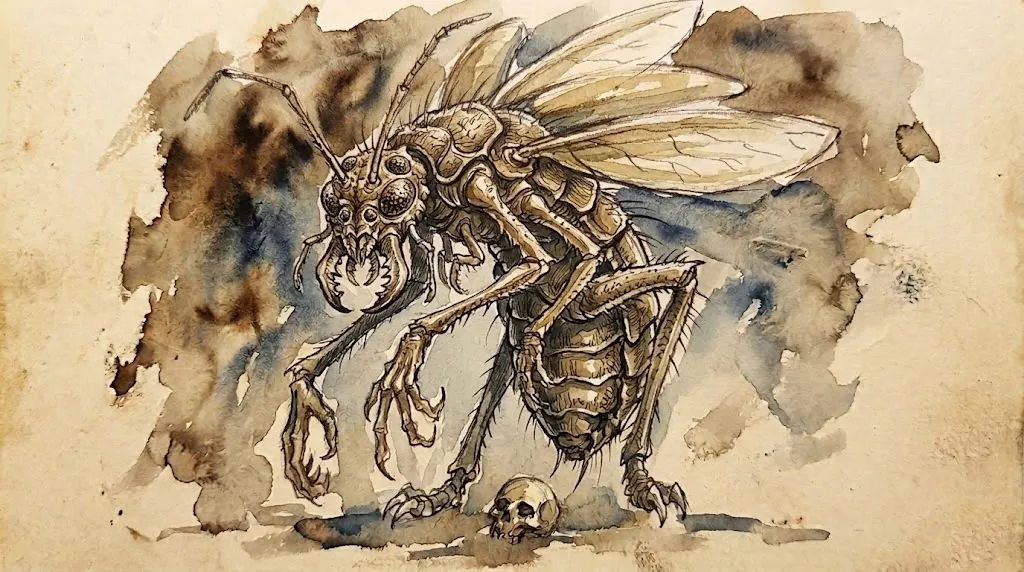
In Togo, a vampire disguised as a glowing firefly slips through locked doors to feed on the sleeping.
Popobawa
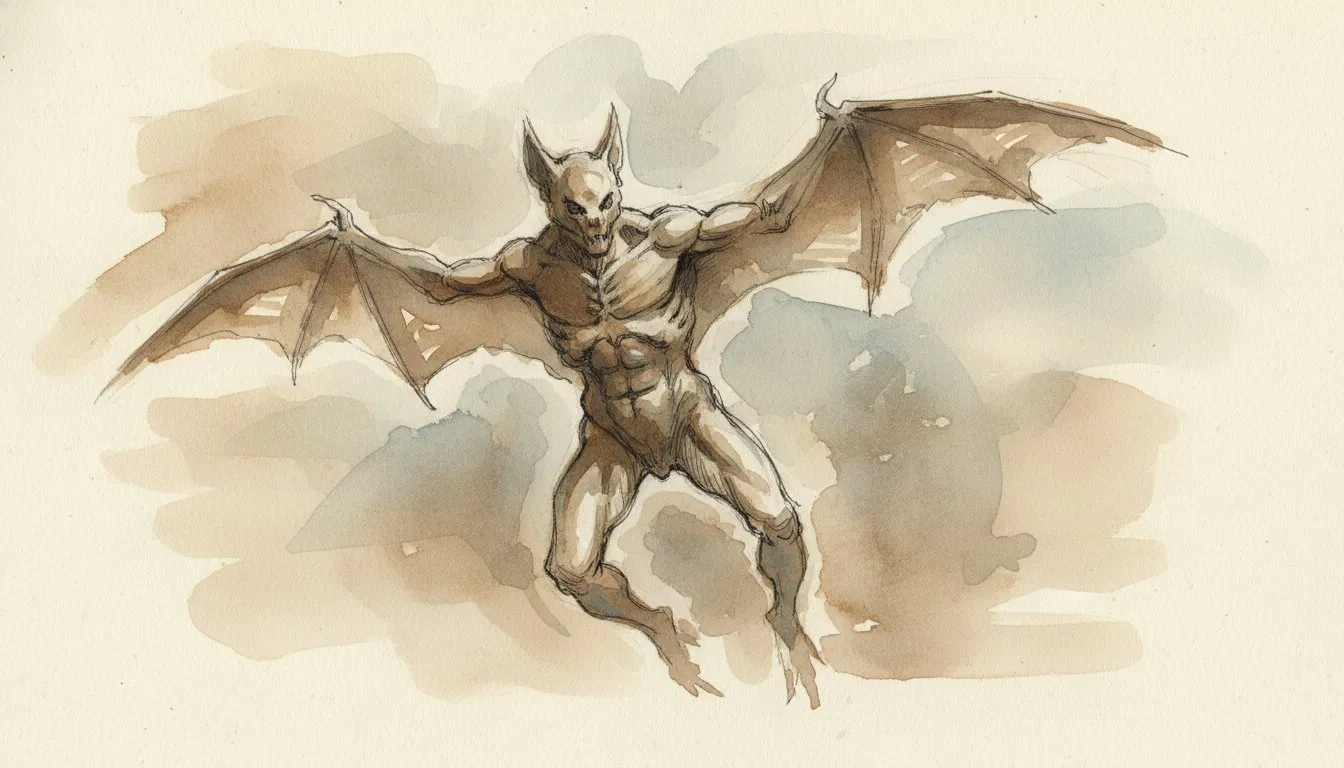
Zanzibar's most feared entity attacks at night and demands that victims tell others, or it returns.
Tokoloshe
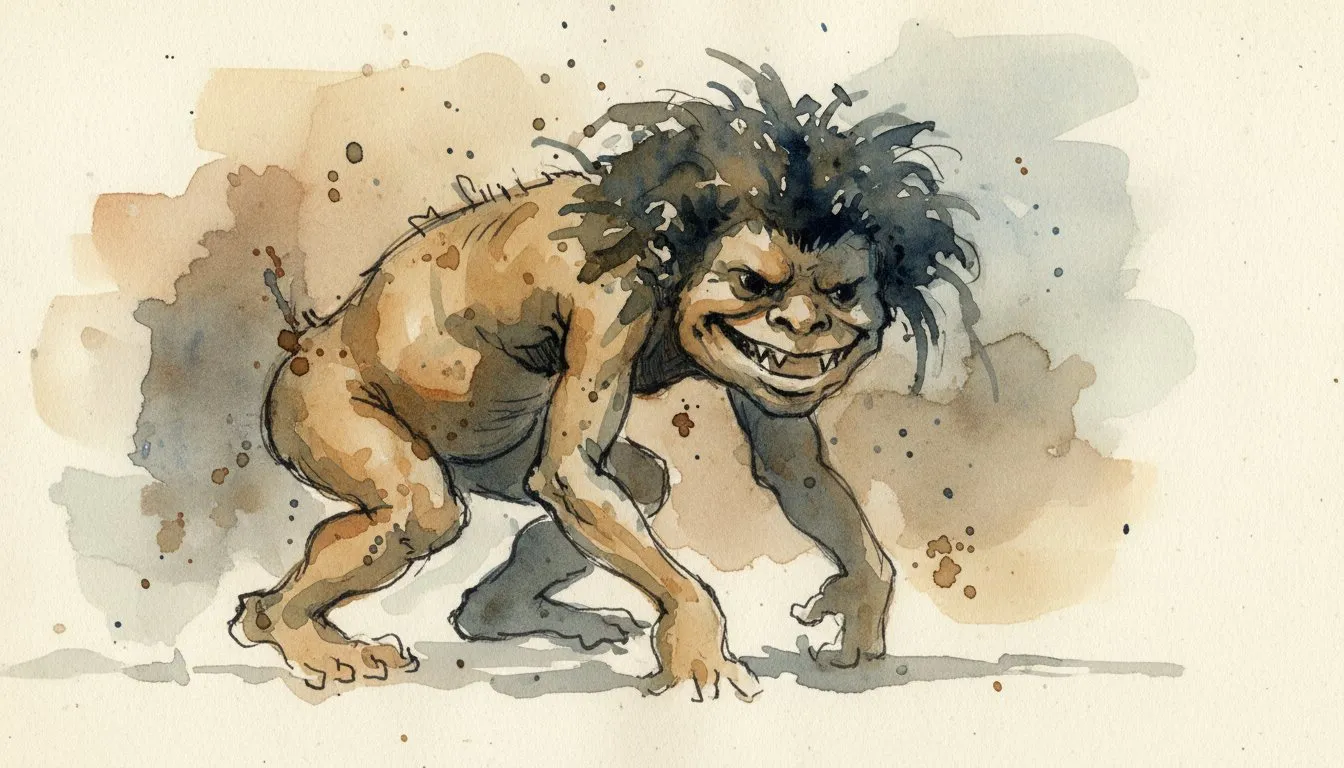
Millions of South Africans still raise their beds on bricks to stay out of reach of this invisible dwarf.
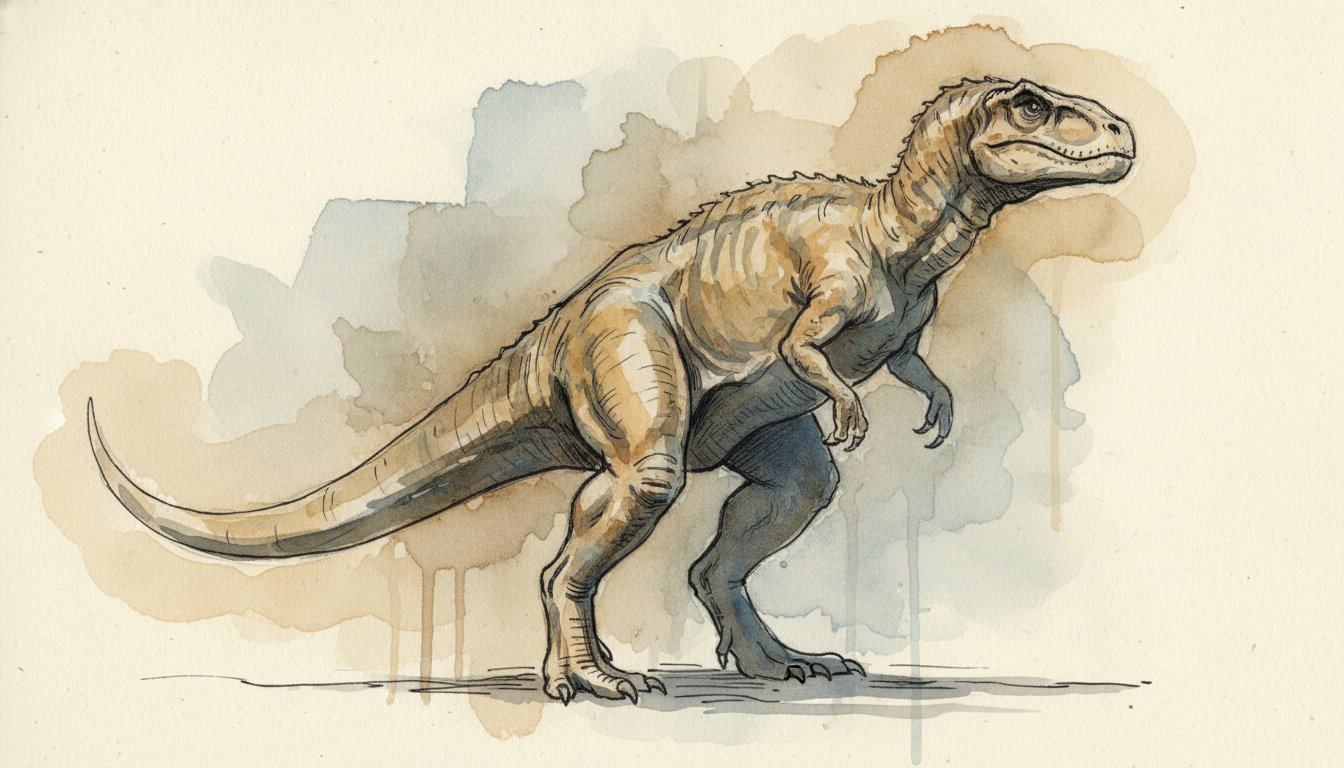
Burrunjor
A bipedal reptilian predator stomping through the Australian outback, leaving three-toed tracks in places nothing large should be.
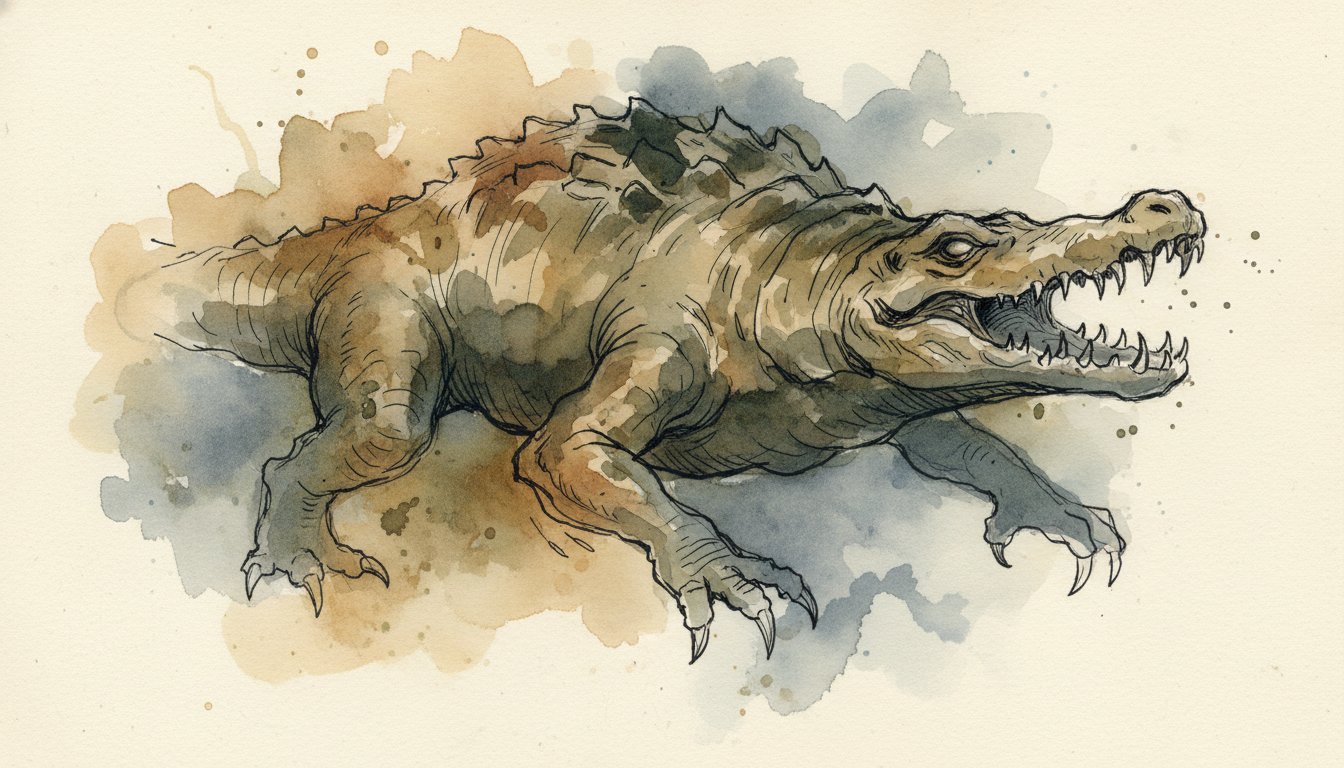
Muldjewangk
A colossal water creature in Australia's Murray River that punishes anyone who disturbs its territory with a wasting sickness.
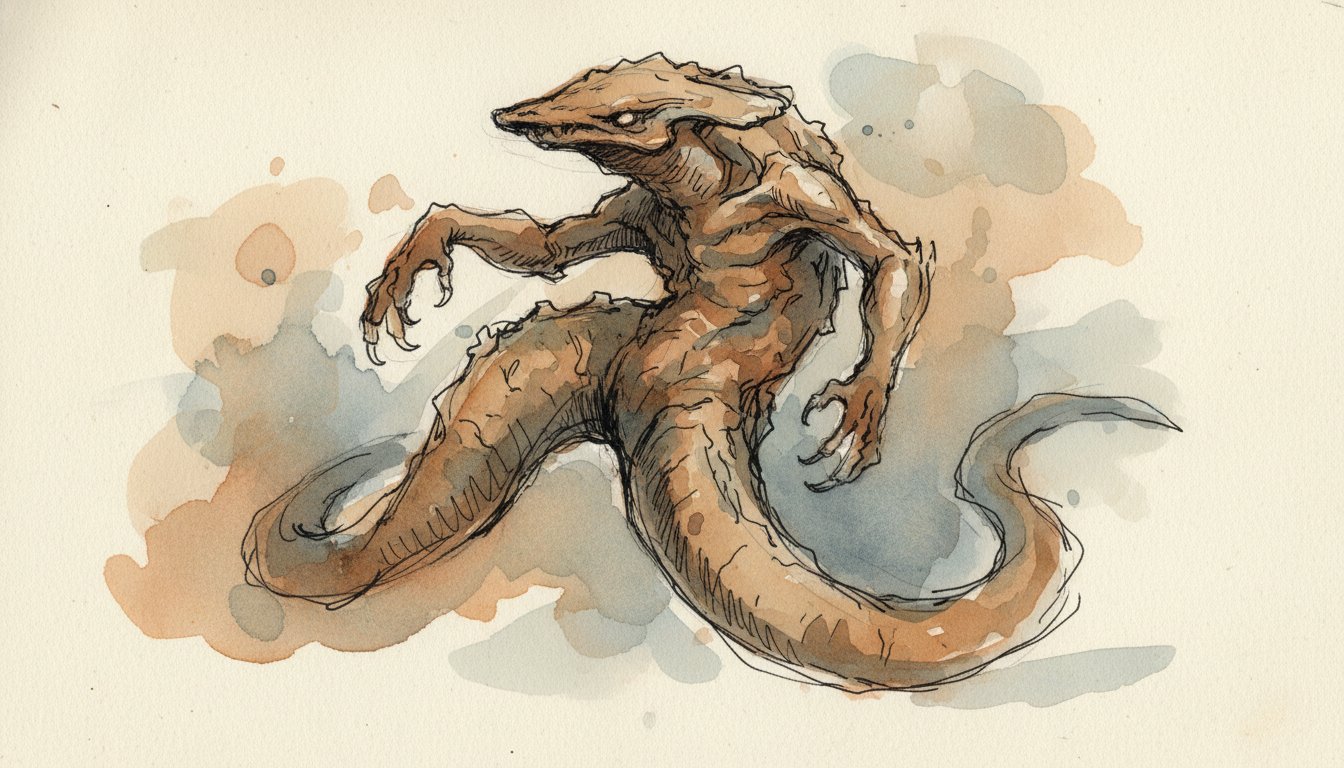
Marrul
A giant serpent of the Australian interior, thick as a tree trunk, still reported near remote waterholes.
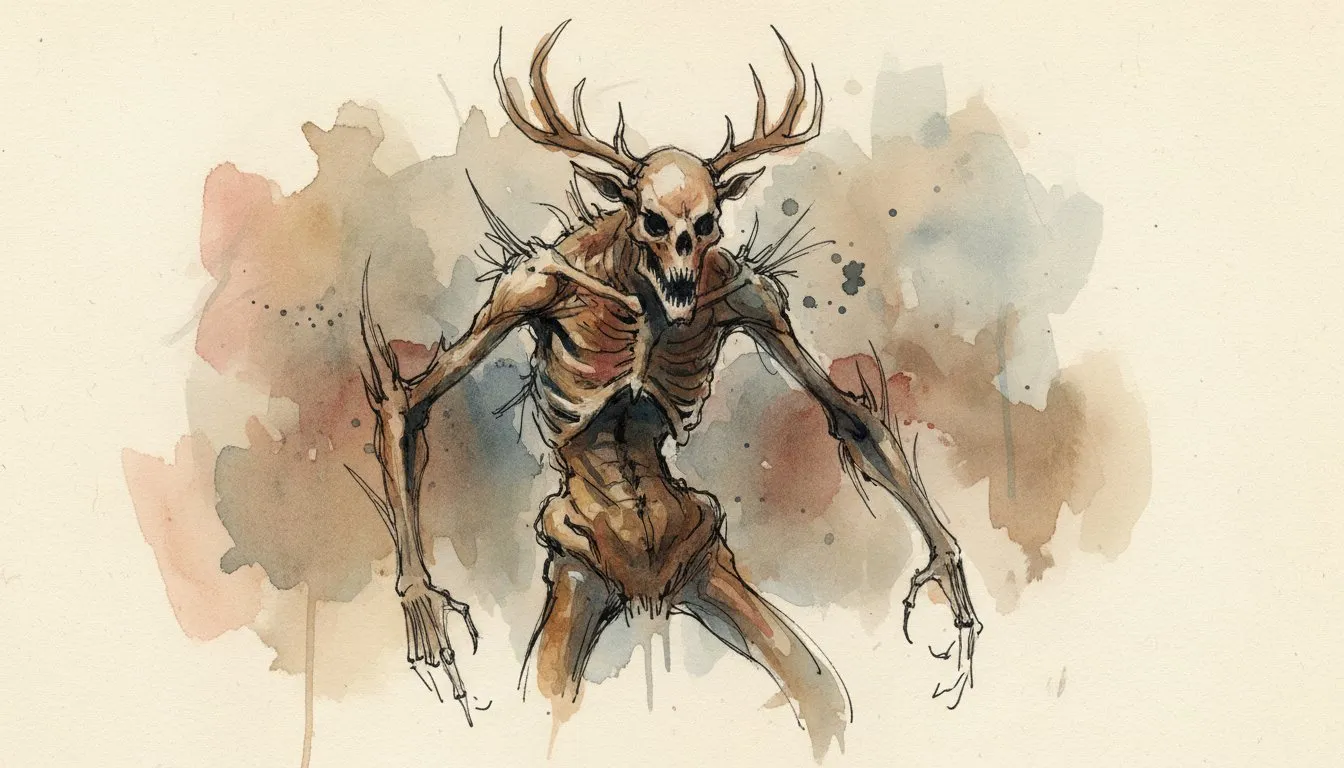
Wendigo
A gaunt, insatiable spirit of the frozen north that was once human.
Hawkesbury River Monster
A plesiosaur-shaped creature in the murky tidal waters north of Sydney, reported by fishermen for over a century.