
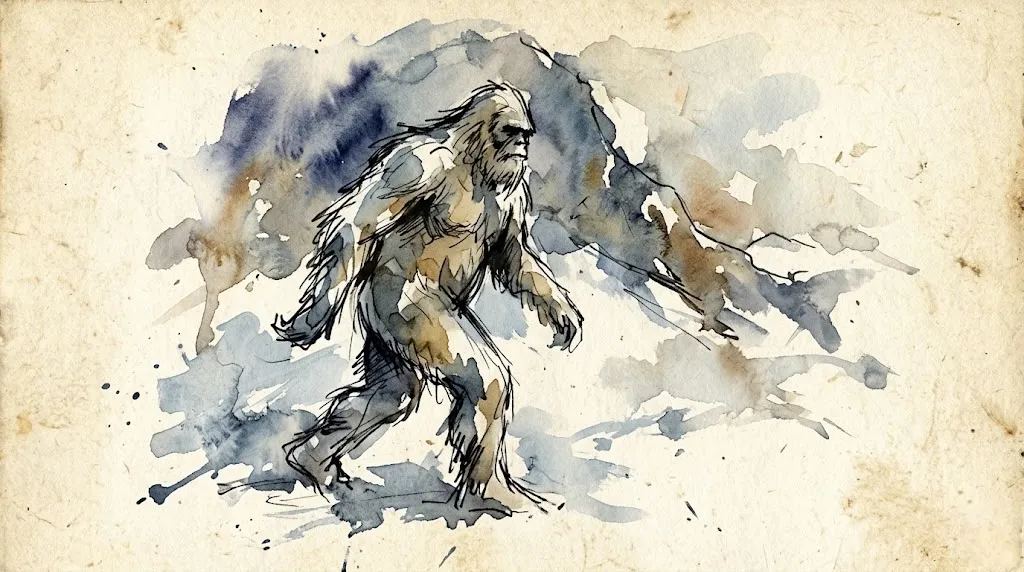
Yeti
Also known as: Abominable Snowman, Meh-Teh, Migoi
The ape-man of the Himalayas, tracked through snow but never confirmed.
Pre-colonial (Sherpa tradition)
Himalayas (Nepal, Tibet, Bhutan)
6-8 ft tall (est.)
Reclusive, powerful
DNA evidence points to bears
The Lore
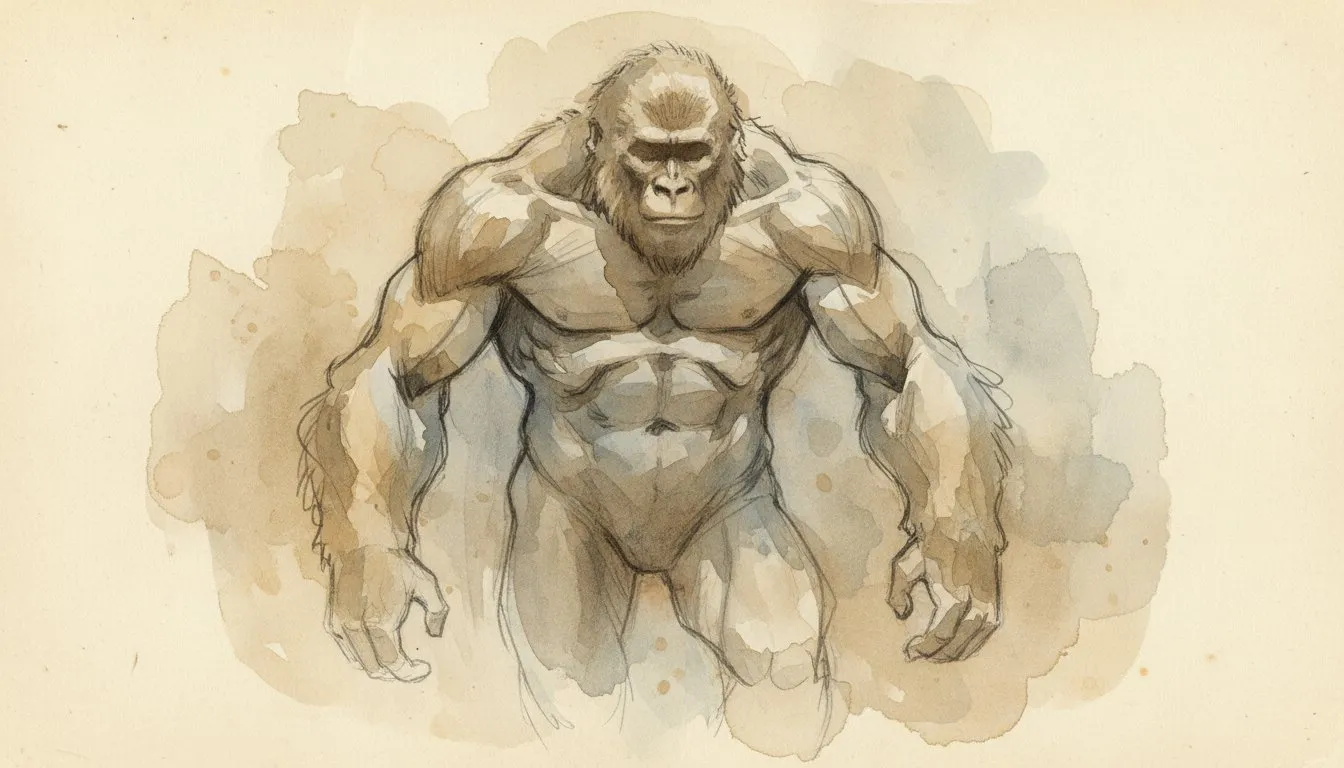
The Yeti is a large, ape-like creature said to inhabit the Himalayan mountains of Nepal, Bhutan, and Tibet. Sherpa cultures have long told stories of this powerful being. Western interest exploded in the 1950s when mountaineers reported finding enormous footprints in the snow during Everest expeditions. DNA analysis of alleged Yeti hair samples has consistently matched known bears.
High in the Himalayas, stories of a wild, ape-like creature have circulated among Sherpa communities for centuries. Known as Yeti, or sometimes Meh-Teh (meaning "man-bear"), the creature is deeply embedded in Tibetan and Nepali folklore. The Yeti occupies a spiritual role in some traditions, serving as a guardian of the mountains and a symbol of the boundary between the human world and the wilderness beyond.
Western awareness of the Yeti began in 1832, when British explorer B.H. Hodgson reported that his Nepali guides had fled in fear from a tall, bipedal creature covered in dark hair. In 1921, Lieutenant Colonel Charles Howard-Bury led a British reconnaissance expedition to Mount Everest and observed dark figures moving across a snowfield at 17,000 feet. Porters identified the tracks left behind as belonging to "metoh-kangmi," which journalist Henry Newman mistranslated as "abominable snowman." The name stuck.
The most significant evidence came in 1951, when mountaineer Eric Shipton photographed a series of large footprints in the snow on the Menlung Glacier at roughly 20,000 feet. The prints measured 13 inches long and 8 inches wide, with clear toe impressions. Shipton's photographs remain among the most scrutinized images in cryptozoology. Some analysts have argued the prints were made by a bear whose tracks melted and expanded in the sun, while others maintain the proportions are inconsistent with any known animal.
In 1960, Sir Edmund Hillary led an expedition specifically to search for the Yeti. The team examined a Yeti scalp preserved at Khumjung monastery and concluded it was made from the skin of a serow, a goat-like Himalayan animal. This finding disappointed believers but did not end the search.
Witnesses who claim to have seen the Yeti describe a bipedal creature standing 6 to 8 feet tall, covered in reddish-brown or dark hair, with a conical head and powerful build. Footprints are the most commonly reported evidence, appearing in remote snowfields far from human settlement.
Modern genetic studies have tested hair samples attributed to the Yeti and found they belong to Himalayan brown bears, Tibetan blue bears, or domestic animals. A 2017 study published in the Proceedings of the Royal Society analyzed nine purported Yeti specimens and identified eight as bears and one as a dog. Despite these findings, the Yeti endures as a powerful symbol of the unknown, and Himalayan mountaineers continue to report encountering unexplained footprints in the snow.
Notable Witnesses
- B.H. Hodgson (1832 report)
- Charles Howard-Bury (1921 Everest expedition)
- Eric Shipton (footprint photographs, 1951)
- Sir Edmund Hillary (1960 expedition)
- Tenzing Norgay
- Reinhold Messner (mountaineer, claimed sighting)
Media Appearances
- Shipton footprint photograph (1951)
- The Abominable Snowman (film, 1957)
- Monsters, Inc. (2001, Abominable Snowman character)
- Smallfoot (2018)
- Abominable (2019)
- Far Cry 4 (video game, 2014)
- Uncharted 2: Among Thieves (video game, 2009)
Further Reading
The yeti is unusual in this field: much of its literature was written by working scientists and serious mountaineers rather than by enthusiasts. Several of them went to the Himalaya and came back pointing at bears.
- My Quest for the Yeti by Reinhold Messner (2001)
Messner had an encounter he could not explain in eastern Tibet and spent years chasing it through Nepal, Bhutan, India and Tibet. He concluded he had met a Himalayan brown bear.
- Yeti: The Ecology of a Mystery by Daniel C. Taylor
Oxford University Press. Taylor treats the footprints as an ecological question rather than a monster hunt, which is a different and more useful way in.
- Bigfoot: The Yeti and Sasquatch in Myth and Reality by John Napier (1973)
The Smithsonian primatologist covers the yeti and the sasquatch together, including a close look at the 1951 Shipton footprint photograph that started the modern era.
- Abominable Science!: Origins of the Yeti, Nessie, and Other Famous Cryptids by Daniel Loxton and Donald R. Prothero (2013)
The skeptical counterweight, and the best account of how the Abominable Snowman story was built by newspapers and expeditions.
As an Amazon Associate, Cryptid Vault earns from qualifying purchases. Links open Amazon in a new tab.
Get the Field Notes.
Field notes from the Vault, when there is something worth sending. No spam.
No spam. Unsubscribe anytime.
You might also like
Bigfoot
The towering ape-man of the Pacific Northwest, glimpsed in fog and legend for centuries.
Mapinguari
A stinking, one-eyed ground sloth still roaming the Amazon, if the locals are right.
Orang Pendek
A short, bipedal ape covered in golden-brown fur walks the jungles of Sumatra, and credible scientists have spent decades trying to prove it exists.
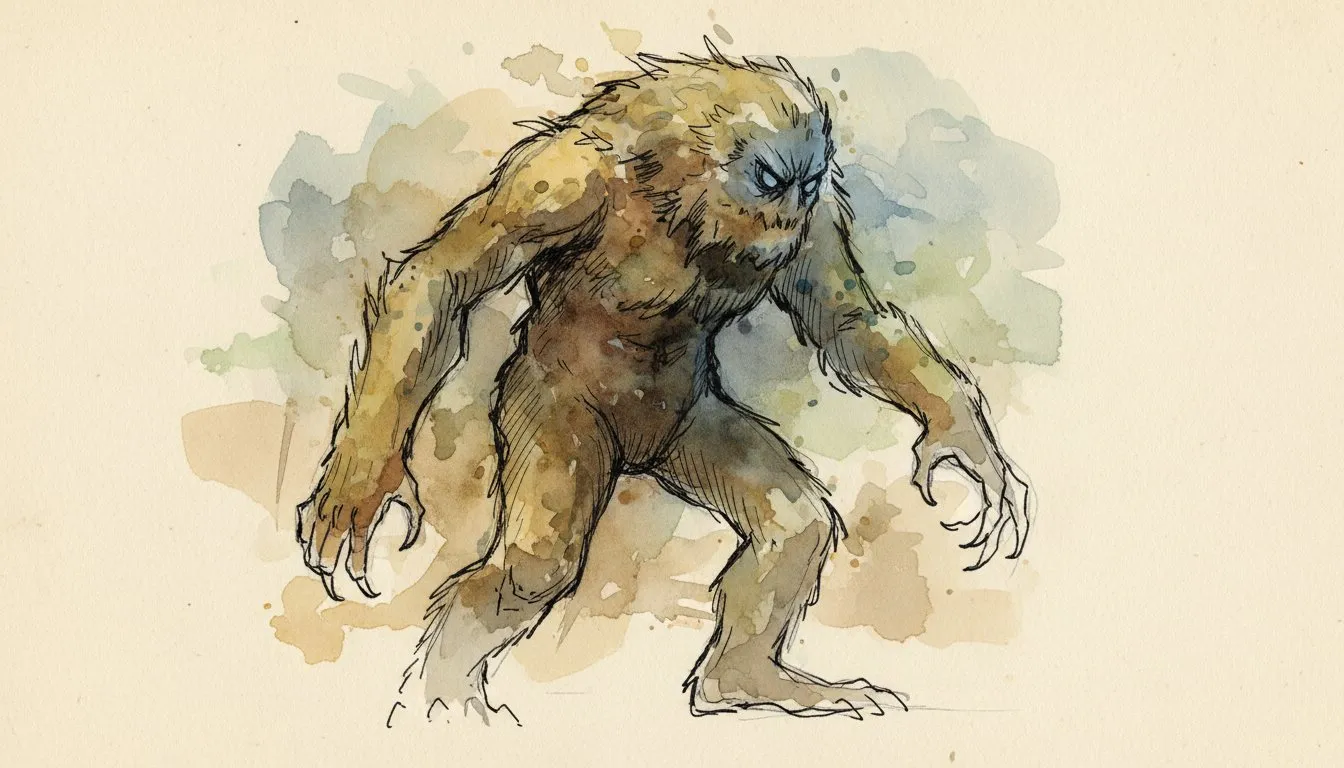
Fouke Monster
The hairy hominid of Boggy Creek, Arkansas, that inspired one of horror's first docudramas.
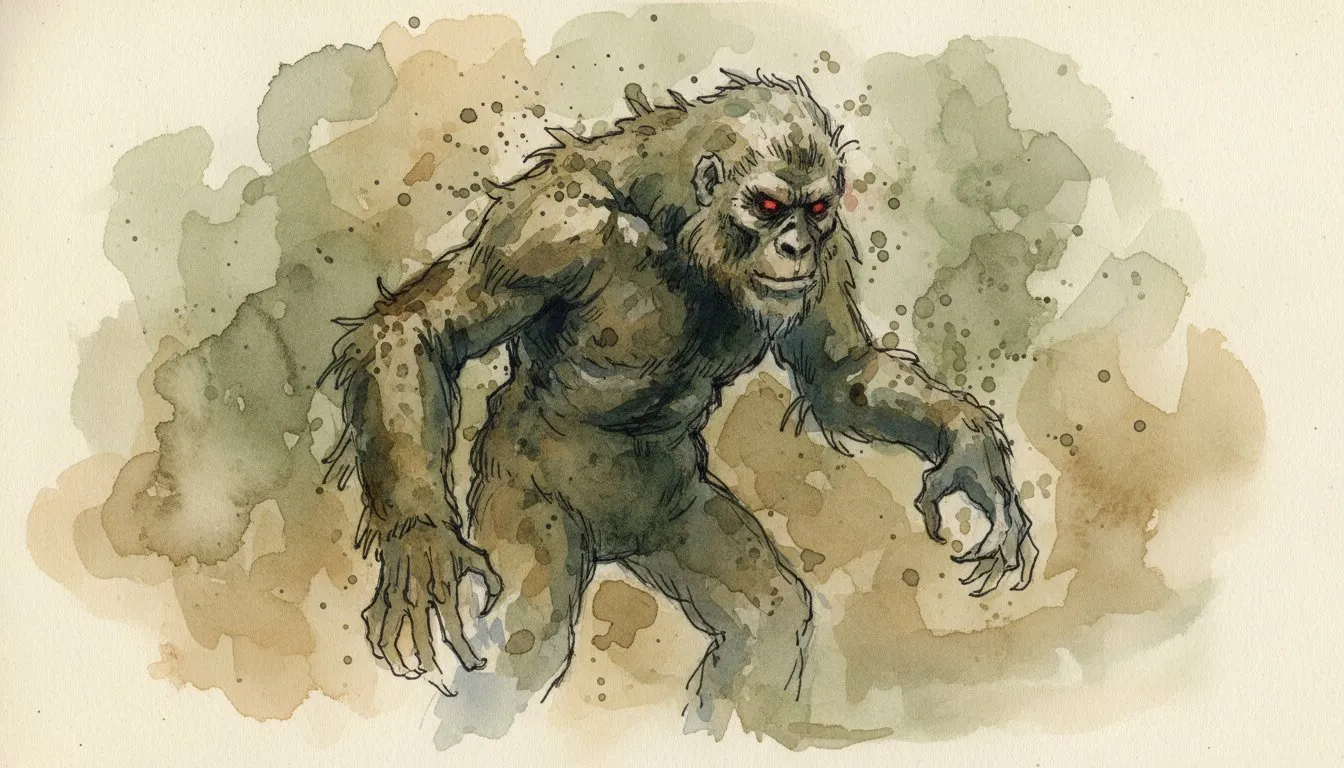
Honey Island Swamp Monster
A web-footed, amber-eyed beast haunting one of America's most pristine swamps.
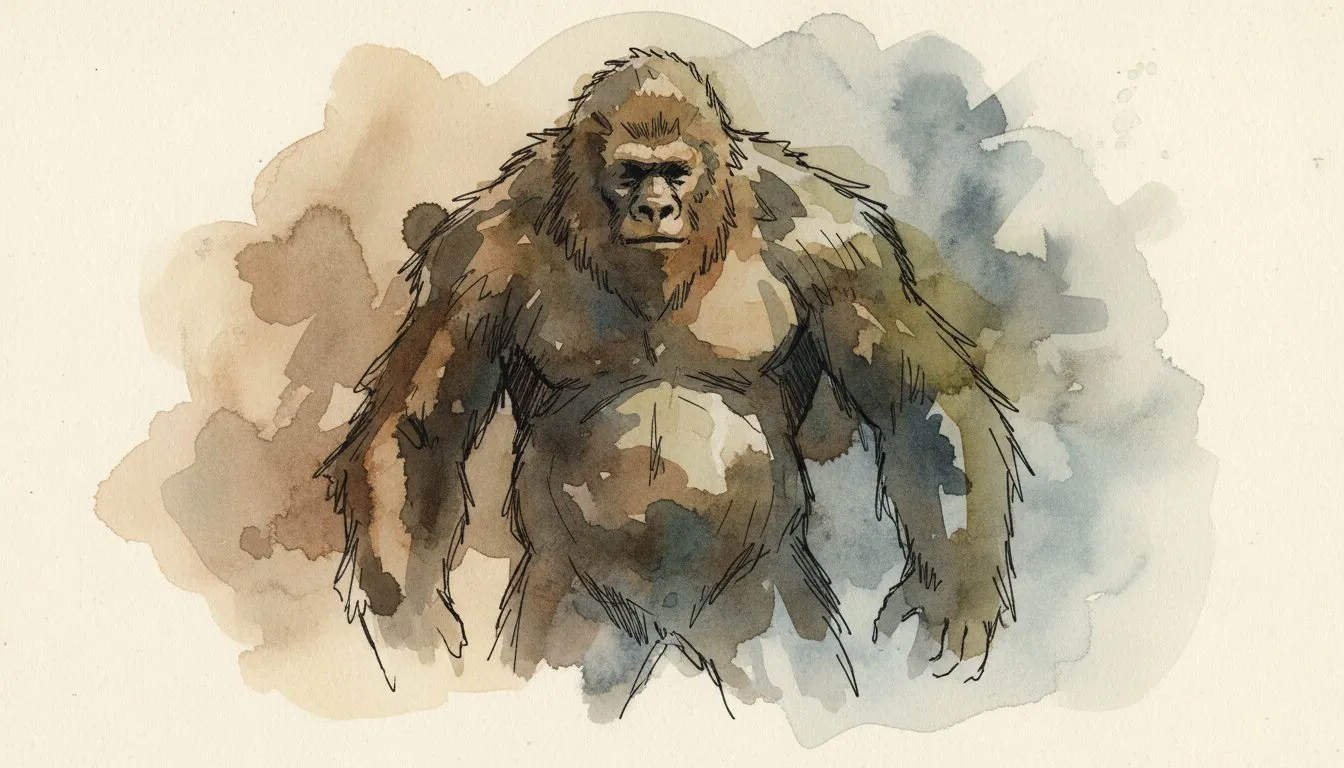
Skunk Ape
Florida's foul-smelling answer to Bigfoot, lurking in the Everglades heat.
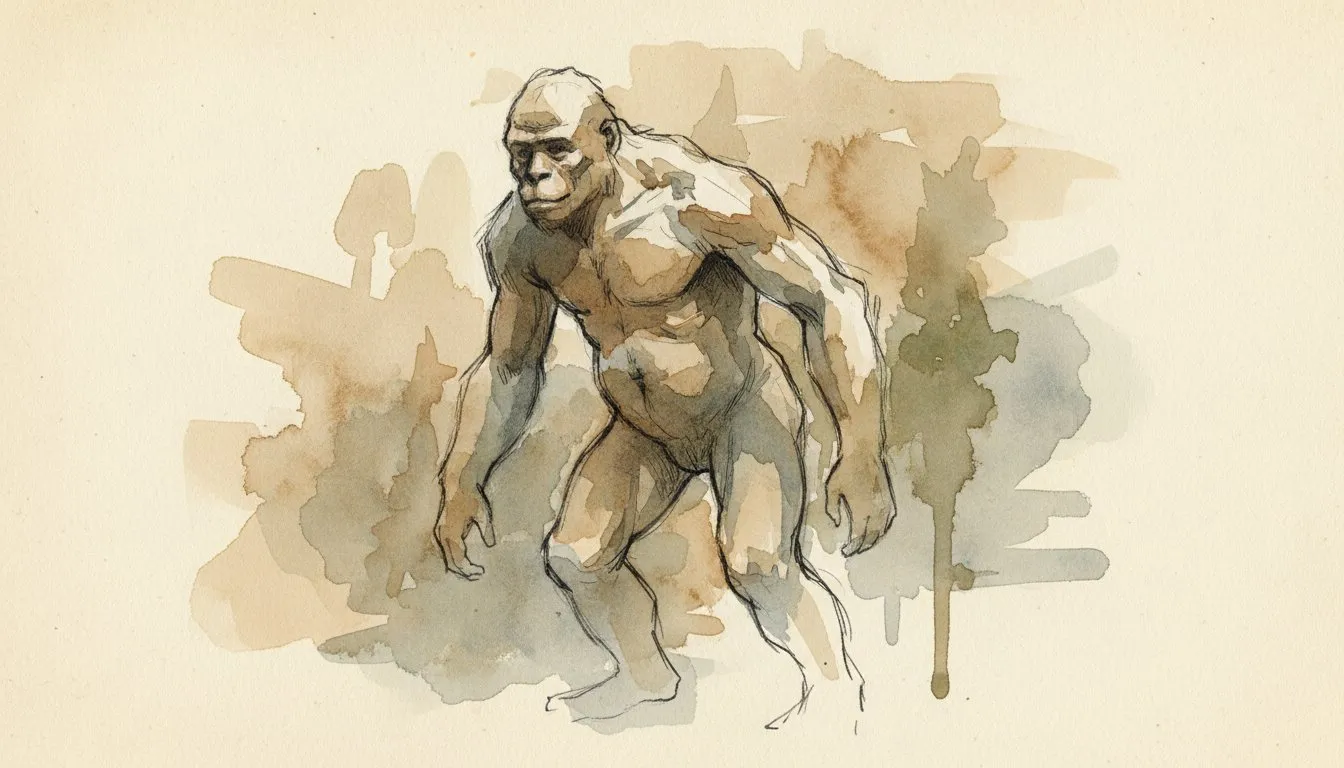
Agogwe
Across East Africa, multiple credible witnesses have reported small, rust-colored ape-men walking upright.
Almas
Nomadic herders across Mongolia and Central Asia have described encounters with a stocky, hairy humanoid that walks upright and avoids civilization.