
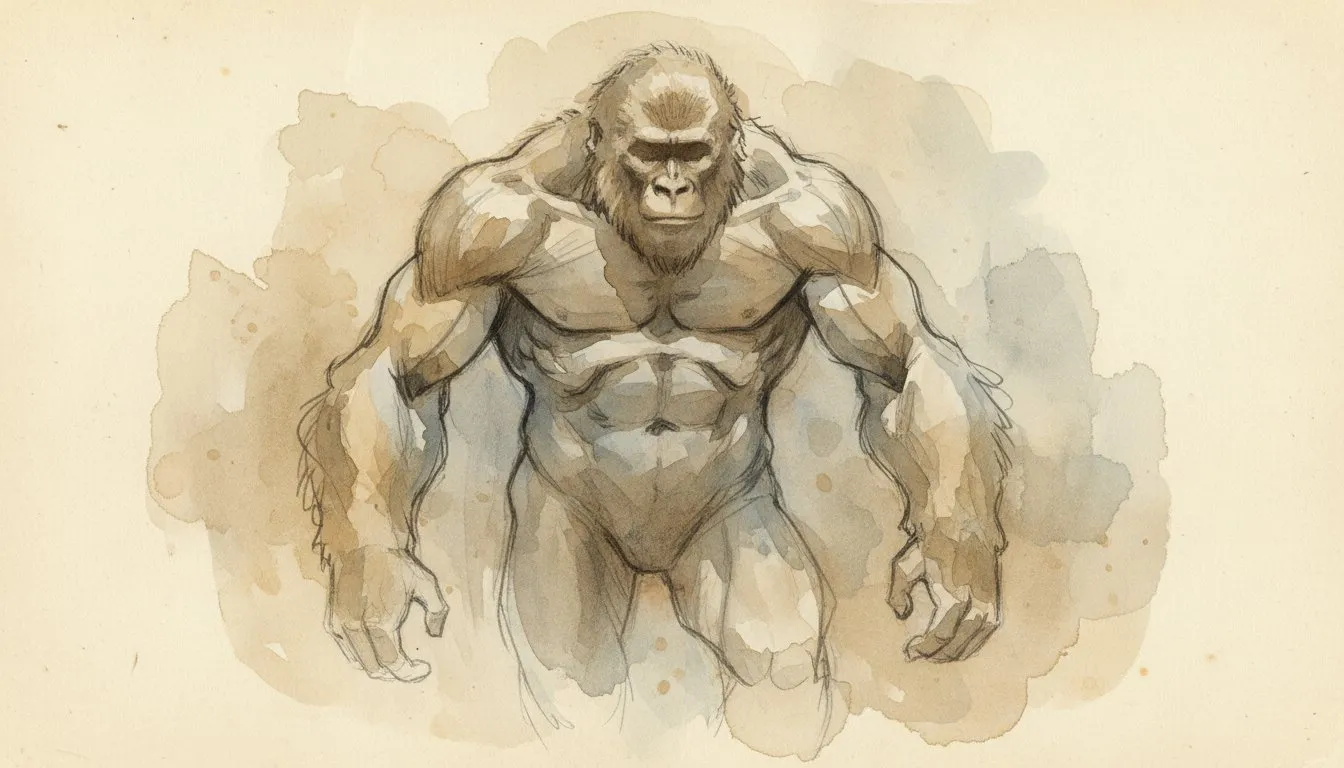
Almas
Also known as: Almasty, Mongolian Wildman
Nomadic herders across Mongolia and Central Asia have described encounters with a stocky, hairy humanoid that walks upright and avoids civilization.
15th century (written accounts)
Mongolia, Kazakhstan, Caucasus Mountains
5-6 feet tall, stocky build
Shy, avoids humans
Occasional sightings from remote areas
The Lore
The Almas is a humanoid cryptid reported across Mongolia, Kazakhstan, and the Caucasus Mountains. Unlike Bigfoot, the Almas is described as shorter, more human-proportioned, and closer to a Neanderthal in appearance. Witnesses describe a stocky figure around 5-6 feet tall covered in reddish-brown hair, with a heavy brow ridge and no language. Russian and Mongolian expeditions in the 20th century collected numerous testimonies from nomadic herders. Some researchers have connected the Almas to the possibility of surviving Neanderthal populations.
The Almas is the wild man of Central Asia, reported across an immense geography that spans the Caucasus Mountains, the Pamirs of Tajikistan, the Tien Shan, and the Altai ranges of Mongolia and Siberia. The name derives from Mongolian and Kazakh roots meaning, roughly, wild human, and unlike Bigfoot or the Yeren the Almas is almost always described as essentially human in scale, five to six feet tall, hair-covered but clearly bipedal and anatomically near to Homo sapiens. This near-humanity has made the Almas uniquely interesting to scientists who speculate about relict hominid populations.
Medieval accounts of wild men in Central Asian mountains appear in works as early as the thirteenth-century writings of Hans Schiltberger, a Bavarian captive who described hair-covered people in the Tien Shan. Mongolian folk traditions are older still and remarkably matter-of-fact, treating the Almas less as a monster than as a neighbor, a kind of shy wild person who occasionally stole food or livestock but generally avoided contact. Soviet-era scientist Boris Porshnev spent much of his career arguing the Almas represented a surviving population of Neanderthals or a related archaic hominid, collecting eyewitness testimony, footprint casts, and second-hand anatomical descriptions across the Caucasus.
The most famous Almas case is that of Zana, a hair-covered woman captured in the Abkhazian forest in the mid-nineteenth century by the nobleman Edgi Genaba. Zana reportedly lived in captivity for decades, never learning to speak, enormously strong, and bore several children by local men. One of her sons, Khwit, was exhumed in the late twentieth century, and researcher Bryan Sykes analyzed the DNA, concluding controversially that Zana was of sub-Saharan African ancestry rather than an archaic human, possibly an enslaved woman from Ottoman trade networks. The finding did not fully close the case, as the anatomical descriptions of Zana do not match any known modern human population cleanly.
The Almas sits at the intersection of folklore, history, and paleoanthropology in a way few cryptids manage. Its range overlaps with sites that have yielded Neanderthal and Denisovan fossils, and the region is vast enough and politically fragmented enough to have hidden its secrets through much of the twentieth century. Whether the Almas is a genuine relict hominid, a folk memory of extinct cousins, or a synthesis of older traveler tales, it remains the most biologically plausible of the world's wild man legends.
Notable Witnesses
- Professor Boris Porshnev
- Mongolian herders (numerous accounts)
Media Appearances
- Destination Truth (TV investigation)
Further Reading
No book is devoted to this creature. These are the general references that cover the field, plus a direct search if you want to dig further.
- Cryptozoology A to Z by Loren Coleman and Jerome Clark (1999)
The standard one-volume encyclopedia, roughly two hundred entries covering creatures, investigators, and hoaxes.
- Mysterious Creatures: A Guide to Cryptozoology by George M. Eberhart (2002)
The larger reference guide, stronger on sourcing and on creatures that never reached the popular books.
As an Amazon Associate, Cryptid Vault earns from qualifying purchases. Links open Amazon in a new tab.
Get the Field Notes.
Field notes from the Vault, when there is something worth sending. No spam.
No spam. Unsubscribe anytime.
You might also like
Barmanou
A foul-smelling ape-man reportedly abducts women and kills livestock in the remote mountain passes of northern Pakistan.
Orang Pendek
A short, bipedal ape covered in golden-brown fur walks the jungles of Sumatra, and credible scientists have spent decades trying to prove it exists.
Fear Liath
Climbers on Scotland's second-highest peak report a towering grey figure following them through the mist, accompanied by crunching footsteps and overwhelming dread.

Old Yellow Top
A Bigfoot-like creature with a distinctive blonde mane has been spotted near mining towns in northern Ontario since the 1900s.

Moehau
A hairy, rock-throwing giant reported in New Zealand's Coromandel Range long before the Bigfoot craze.
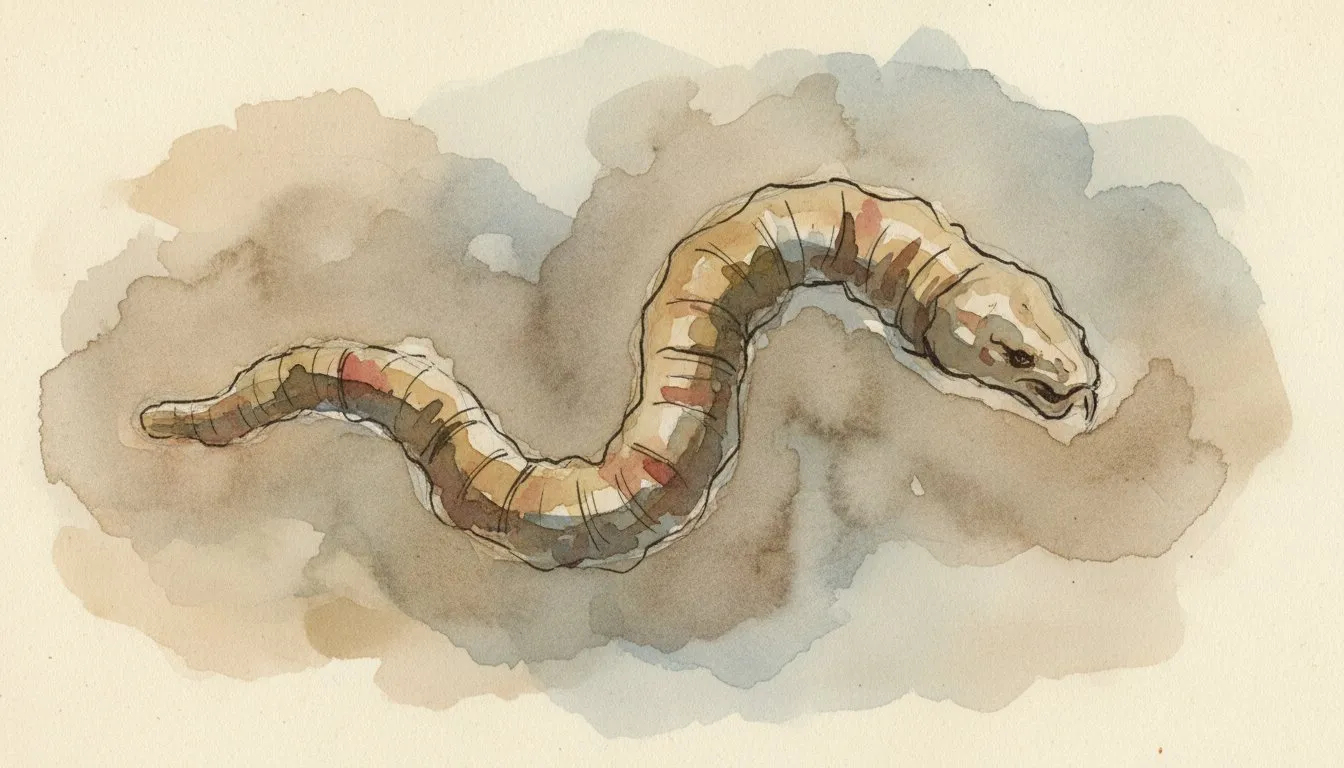
Mongolian Death Worm
A blood-red worm said to kill with electric shocks and acid venom from beneath the Gobi sands.
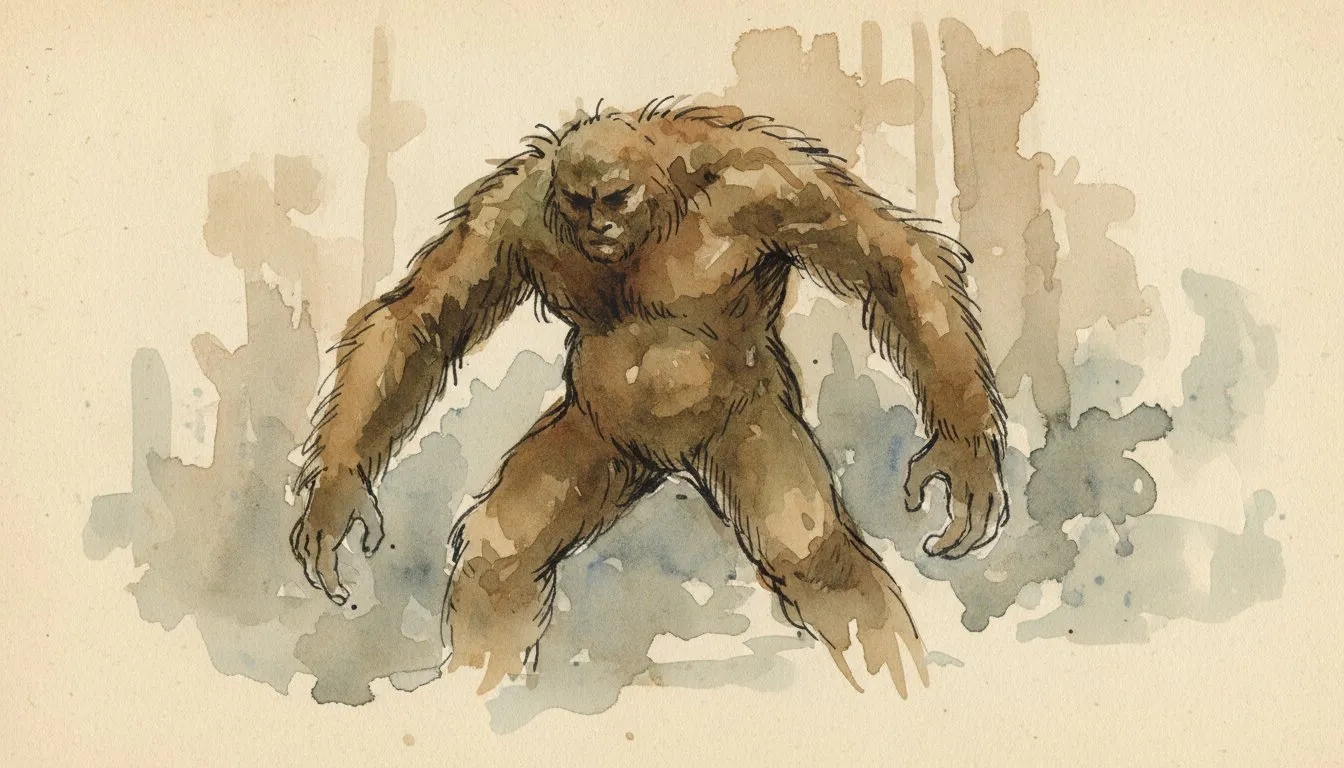
Yeren
China's Bigfoot roams the thick forests of Hubei Province, backed by thousands of reported sightings.
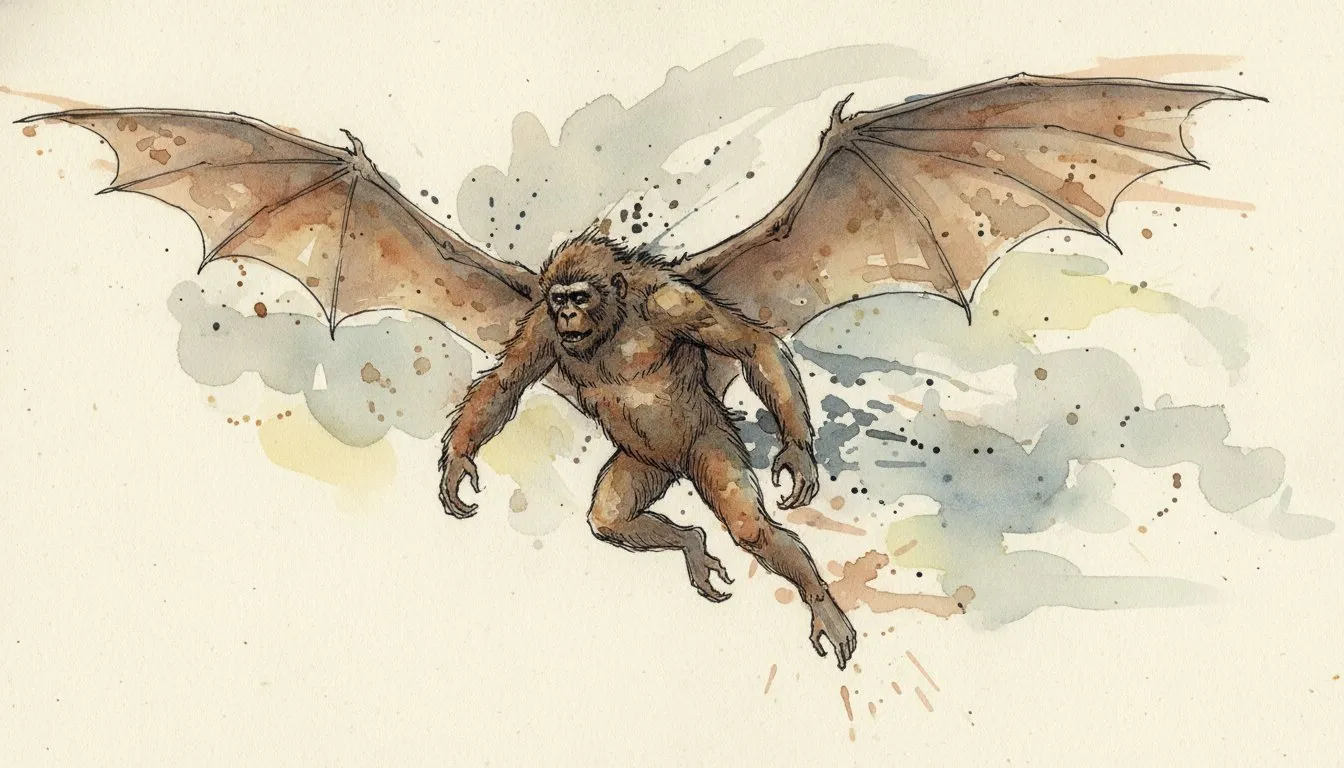
Batutut
A bipedal ape spotted by both Vietnamese villagers and American soldiers during the war.