
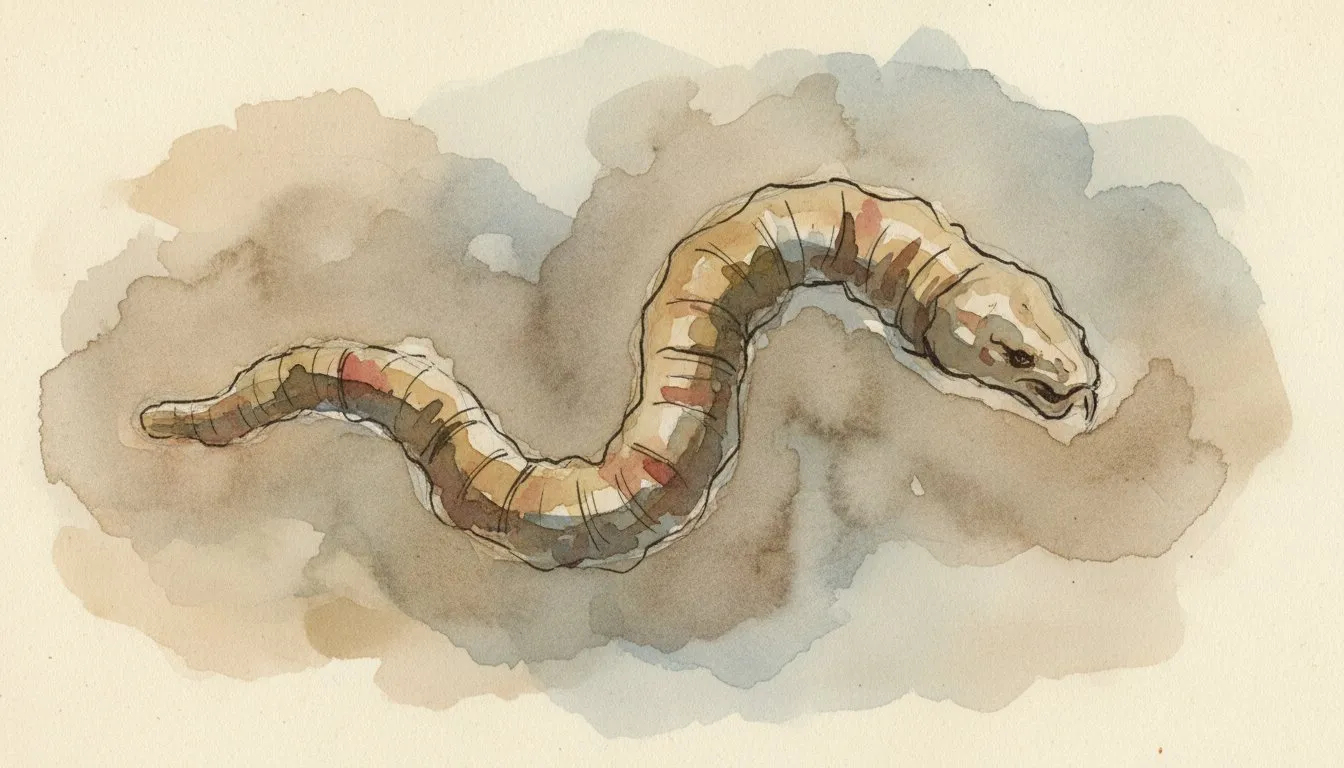
Mongolian Death Worm
Also known as: Olgoi-Khorkhoi, Intestine Worm
A blood-red worm said to kill with electric shocks and acid venom from beneath the Gobi sands.
1926 (first Western documentation)
Gobi Desert, Mongolia
2-5 ft long
Lethal, ambush predator
No physical evidence found
The Lore
Known locally as Olgoi-Khorkhoi ('intestine worm'), this creature allegedly lives in the Gobi Desert. Described as a thick, dark-red worm 2-5 feet long, it reportedly kills at a distance through either electric discharge or acidic venom. Nomadic Mongolian herders treat the creature with genuine fear, avoiding the sandy dunes where it reportedly surfaces after rain.
The Mongolian Death Worm, called olgoi-khorkhoi by the nomadic herders of the Gobi, is distinctive among cryptids for the precision of the dangers it is said to pose. It is not described as merely threatening or frightening. Witnesses and traditional accounts describe two specific lethal mechanisms: an acidic yellow venom that sprays from the mouth and corrodes any metal or flesh it touches, and an electrical discharge capable of killing a man or a camel from several feet away. The creature itself is said to be two to five feet long, bright red or dark red, with a thick cylindrical body resembling a length of cow intestine, which is the literal meaning of its Mongolian name.
Outer knowledge of the creature reached the West through Roy Chapman Andrews, the American paleontologist and adventurer who led expeditions into the Gobi in the 1920s searching for dinosaur fossils. In his memoir On the Trail of Ancient Man, Andrews recounted that Mongolian officials and herders warned him repeatedly about the allergorhai-horhai, describing it with such consistency and fear that he took the reports seriously even though he considered them unlikely. Andrews never saw the creature, and his expeditions discovered the first documented dinosaur eggs instead, but his notes preserved one of the earliest external accounts and established the creature in Western cryptozoological literature.
The Death Worm is said to live underground for most of the year, emerging from the sand only during the hottest summer months, particularly June and July, and only after rain. It allegedly travels by rolling or undulating across the surface and can sense vibrations from considerable distances. Herders have reported livestock dying suddenly in the presence of the creature, with camels or sheep falling dead without visible injury. The electrical kill mechanism, which no known Mongolian animal possesses, is the element skeptics most struggle to fit to a real species, though some researchers have proposed misidentified sand boas or amphisbaenian worm lizards, neither of which shock or spray venom but which can produce the right general silhouette in sun-blurred glimpses.
Multiple expeditions have searched for the creature, including a 2005 Czech-led effort and a 2009 expedition funded by the NewAnimal.org cryptozoological fund. None have returned with evidence. The Gobi is one of the most sparsely populated and logistically difficult regions on earth, and the proposed habitat of the worm is among its least accessible corners. Whether the olgoi-khorkhoi is a surviving unknown reptile, a remembered legend of a venomous animal now locally extinct, or a purely mythological creature that serves to encode the real dangers of the desert, Mongolian herders continue to treat it as something to be avoided rather than discussed.
Further Reading
No book is devoted to this creature. These are the general references that cover the field, plus a direct search if you want to dig further.
- Cryptozoology A to Z by Loren Coleman and Jerome Clark (1999)
The standard one-volume encyclopedia, roughly two hundred entries covering creatures, investigators, and hoaxes.
- Mysterious Creatures: A Guide to Cryptozoology by George M. Eberhart (2002)
The larger reference guide, stronger on sourcing and on creatures that never reached the popular books.
Search Amazon for Mongolian Death Worm books
As an Amazon Associate, Cryptid Vault earns from qualifying purchases. Links open Amazon in a new tab.
Get the Field Notes.
Field notes from the Vault, when there is something worth sending. No spam.
No spam. Unsubscribe anytime.
You might also like
Kraken
The ship-swallowing sea beast of Norse legend, now partially explained by giant squid.
Ningen
A ghostly white humanoid shape rising from Antarctic waters, seen by Japanese fishermen.
Alkali Lake Monster
A 40-foot beast in a shallow Nebraska lake, where something that size should have nowhere to hide.
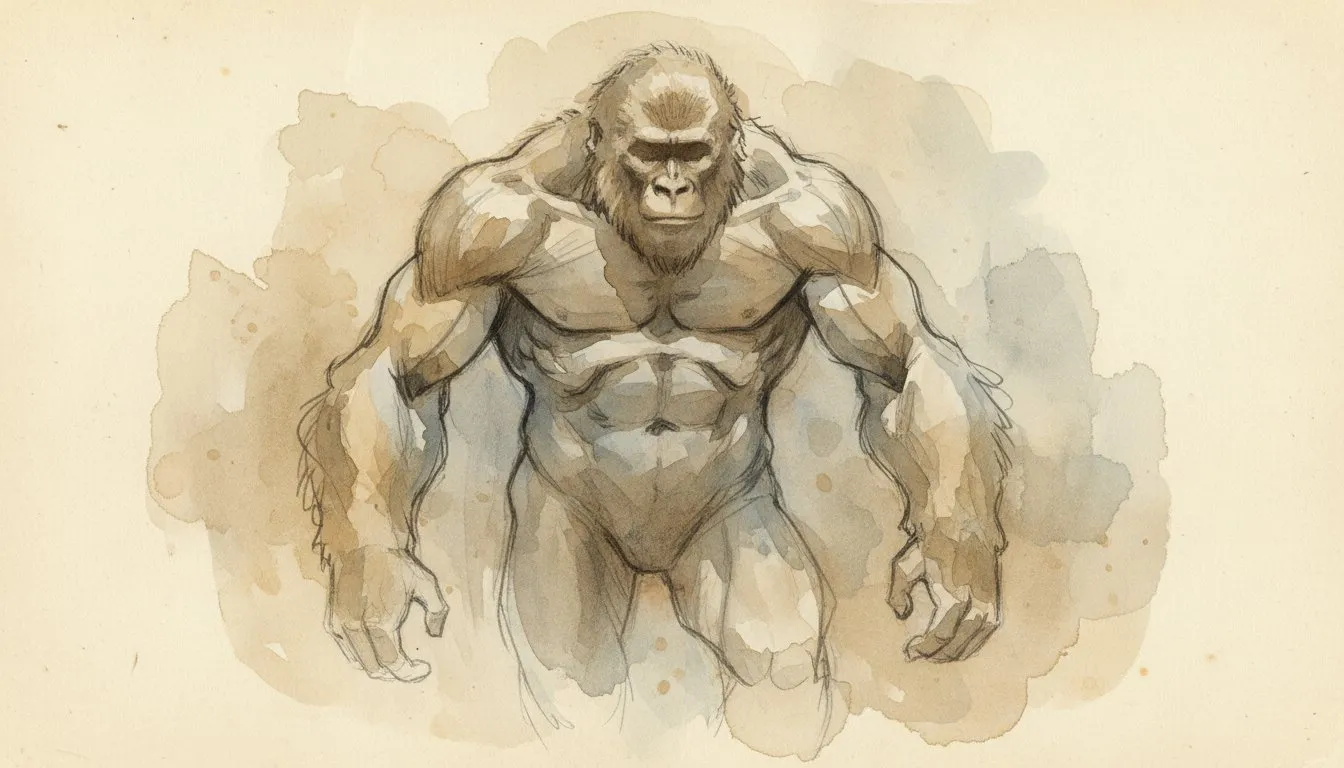
Almas
Nomadic herders across Mongolia and Central Asia have described encounters with a stocky, hairy humanoid that walks upright and avoids civilization.
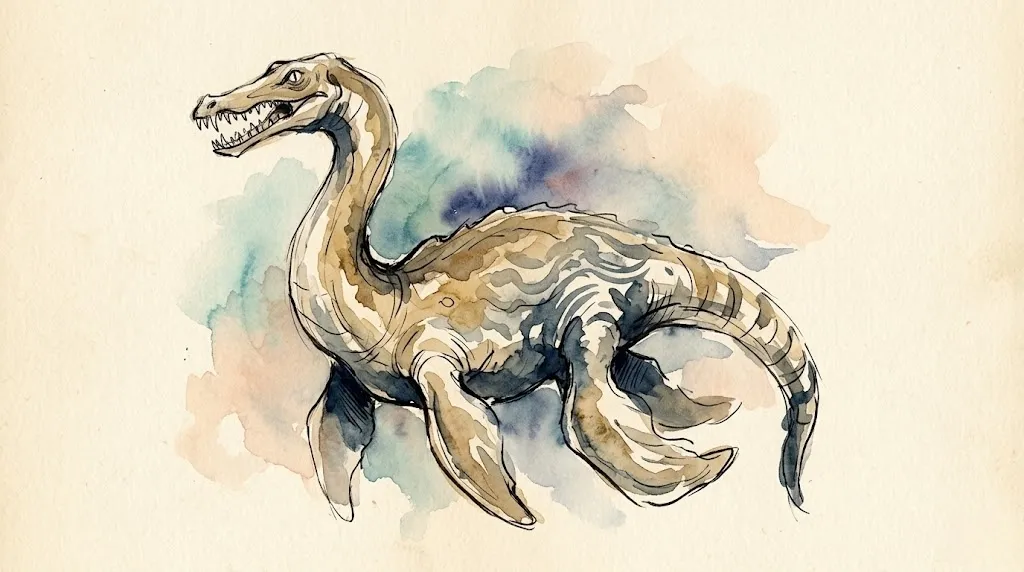
Issie
Japan's answer to Nessie lives in a volcanic crater lake on the southern tip of Kyushu.
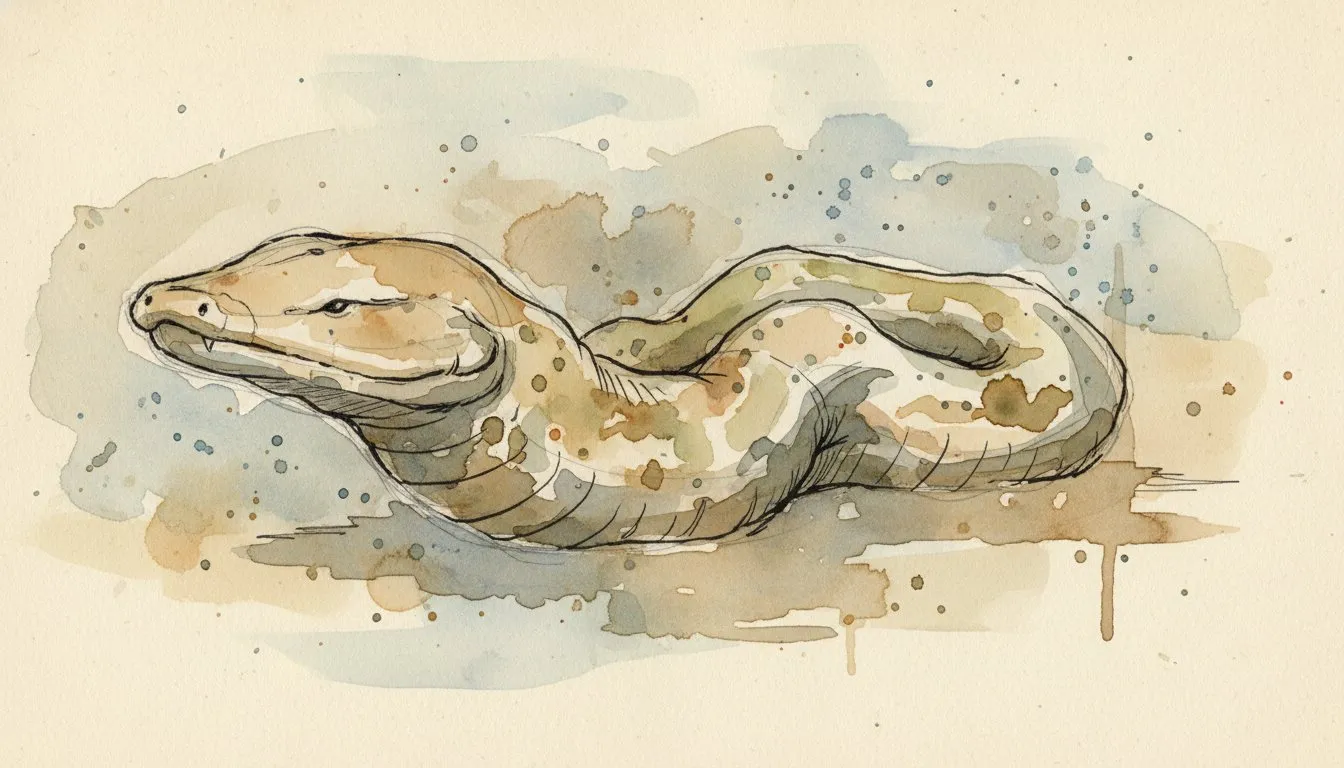
Tsuchinoko
A fat, stumpy snake that supposedly jumps, speaks, and has a taste for alcohol.
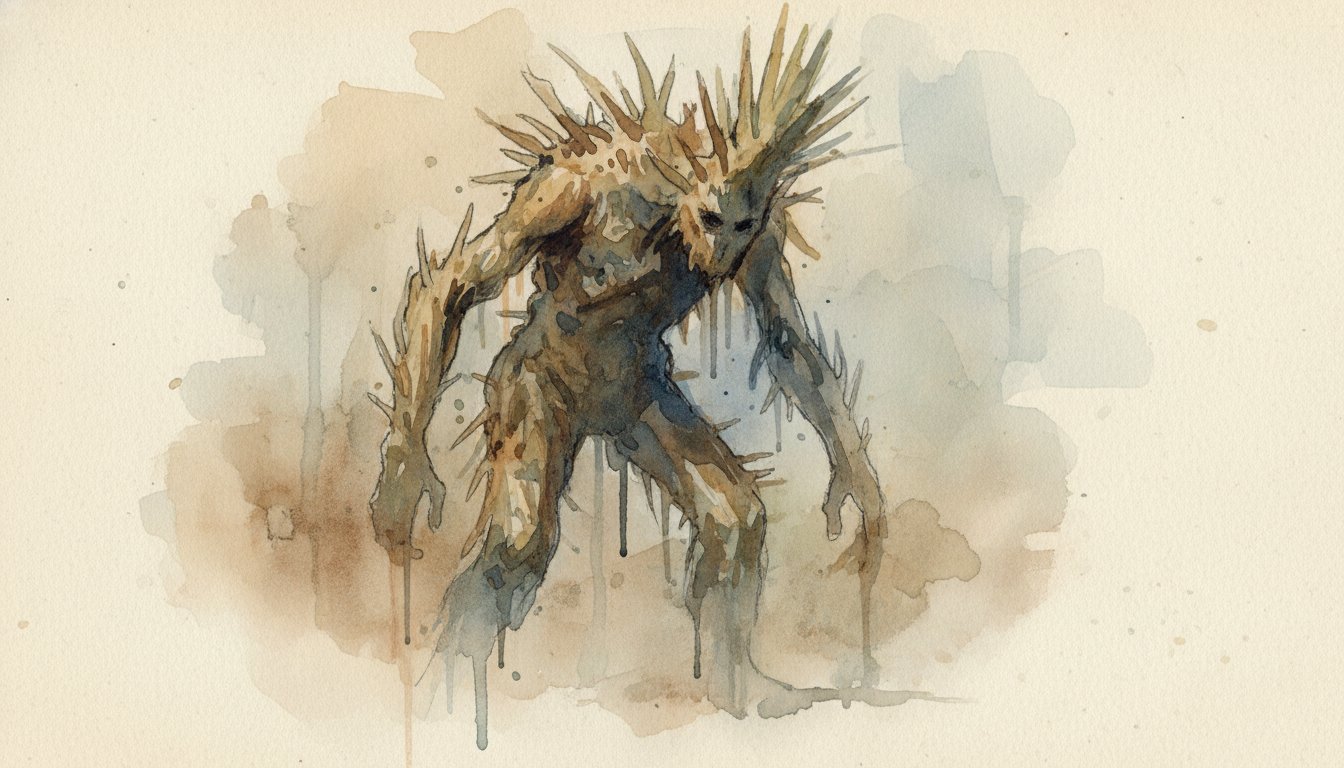
Yucca Man
A massive, foul-smelling humanoid stalking the Mojave near Joshua Tree, where the desert watches back.
Con Rit
A segmented, armored sea creature with dozens of lateral fins, washed ashore in Vietnam in 1883.