
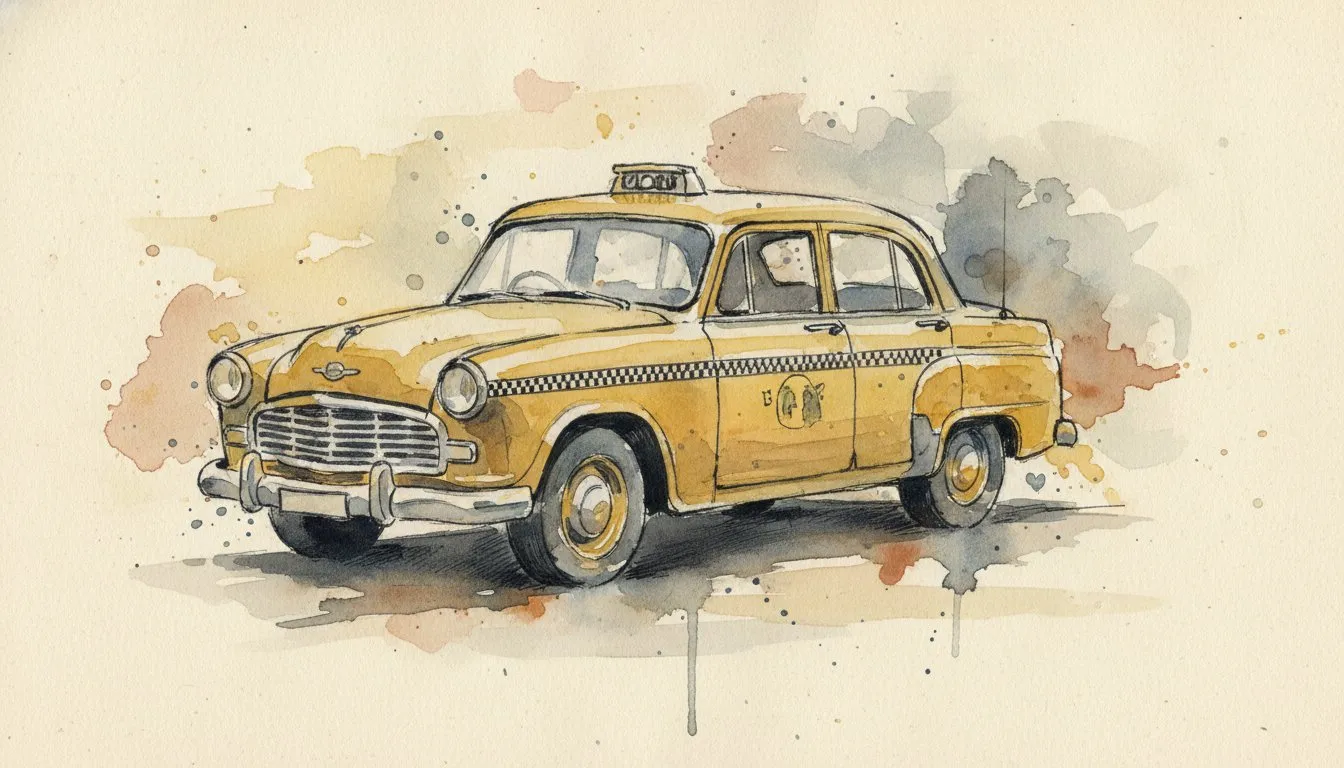
Old Yellow Top
Also known as: Yellow Top, Precambrian Shield Man
A Bigfoot-like creature with a distinctive blonde mane has been spotted near mining towns in northern Ontario since the 1900s.
1906
Cobalt, Ontario, Canada
7-8 feet tall
Observant, avoids direct contact
Occasional sightings continue
The Lore
Old Yellow Top is a large, hairy humanoid reported in the Cobalt, Ontario area since at least 1906. It is distinguished from standard Bigfoot reports by the consistent description of a light-colored or blonde patch of hair on its head, contrasting with its dark body fur. Miners, bus drivers, and local residents have reported encounters spanning over a century. In 1970, a group of miners near Cobalt claimed to see a large dark figure with a yellowish head crest watching them from a ridge. The creature remains one of Canada's most specific and persistent Bigfoot variants.
The mining communities of northern Ontario have produced one of Canada's most consistent and underappreciated cryptid traditions. Old Yellow Top - named for the distinctive pale or yellowish crown of long hair that witnesses describe on an otherwise dark-haired, bipedal creature - has been reported in the wilderness around Cobalt, Ontario since at least 1906. Unlike Bigfoot accounts from the Pacific Northwest, which often involve remote forest encounters, Old Yellow Top sightings have clustered around the industrial landscape of northern Ontario's hard-rock mining country, where workers moving between camps and towns in the pre-dawn hours apparently encountered something that did not fit any familiar animal.
The earliest documented account dates to 1906, when prospectors working claims near the Cobalt silver discovery described a "half-human, half-beast" creature that stood upright and watched them from the tree line before withdrawing. A sighting in 1923 near the Cobalt area again placed the creature in proximity to human activity rather than deep wilderness. The most detailed modern account came in August 1970, when a bus carrying workers from a mine near Cobalt reportedly disturbed a large, upright figure on the road. Multiple passengers, including the driver, described a creature that stood several feet taller than a man, was covered in dark body hair, and had a conspicuous pale or white crown that caught the headlights as it moved off into the brush.
The Cobalt region's geology and history may contribute to the legend's specificity. The area saw intense mineral extraction in the early twentieth century, with thousands of prospectors, miners, and camp followers moving through country that remained genuinely wild between clearings. The boreal forest of northern Ontario is vast, and the ecological conditions - mixed coniferous forest, abundant lakes, sparse human population - are similar to habitat associated with Bigfoot reports further west. Some researchers have speculated that Old Yellow Top and Bigfoot represent the same species or a closely related population distributed across the boreal zone.
What distinguishes Old Yellow Top from comparable North American cryptids is its long documentary record in a single geographic area, the occupational specificity of many witnesses (mining workers not prone to fanciful storytelling), and the consistent physical detail of the pale crown - a feature not commonly associated with Bigfoot descriptions elsewhere. Whether Old Yellow Top persists in the vast unsurveyed boreal forest of northern Ontario, or existed only in the anxieties of isolated mining communities, its legend endures in the cultural memory of Cobalt and the surrounding Shield country.
Notable Witnesses
- Cobalt miners (1906, 1970)
- Bus passengers near Cobalt (1923)
Further Reading
No book is devoted to this creature. These are the general references that cover the field, plus a direct search if you want to dig further.
- Cryptozoology A to Z by Loren Coleman and Jerome Clark (1999)
The standard one-volume encyclopedia, roughly two hundred entries covering creatures, investigators, and hoaxes.
- Mysterious Creatures: A Guide to Cryptozoology by George M. Eberhart (2002)
The larger reference guide, stronger on sourcing and on creatures that never reached the popular books.
Search Amazon for Old Yellow Top books
As an Amazon Associate, Cryptid Vault earns from qualifying purchases. Links open Amazon in a new tab.
Get the Field Notes.
Field notes from the Vault, when there is something worth sending. No spam.
No spam. Unsubscribe anytime.
You might also like
Almas
Nomadic herders across Mongolia and Central Asia have described encounters with a stocky, hairy humanoid that walks upright and avoids civilization.
Fear Liath
Climbers on Scotland's second-highest peak report a towering grey figure following them through the mist, accompanied by crunching footsteps and overwhelming dread.
Barmanou
A foul-smelling ape-man reportedly abducts women and kills livestock in the remote mountain passes of northern Pakistan.
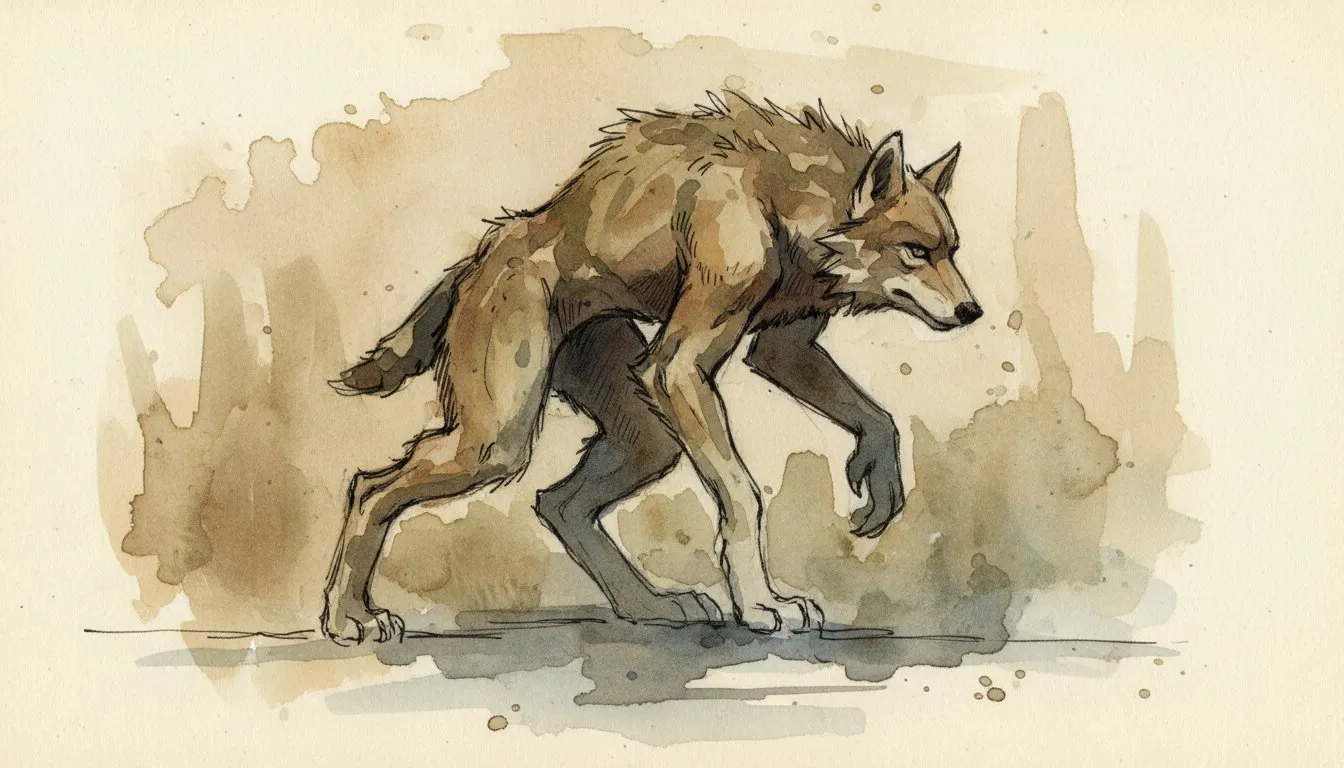
Beast of Bray Road
A shaggy, upright canine prowling a rural Wisconsin road since the 1980s.
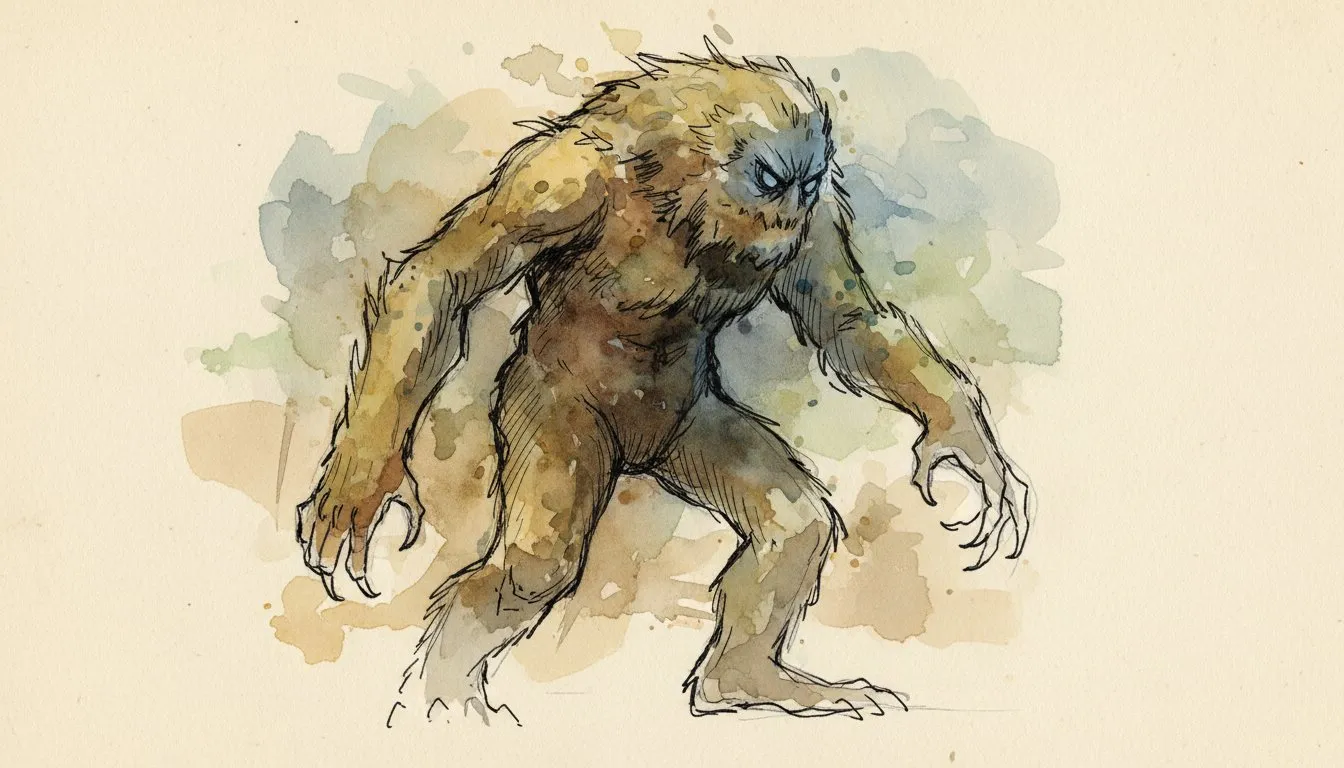
Fouke Monster
The hairy hominid of Boggy Creek, Arkansas, that inspired one of horror's first docudramas.
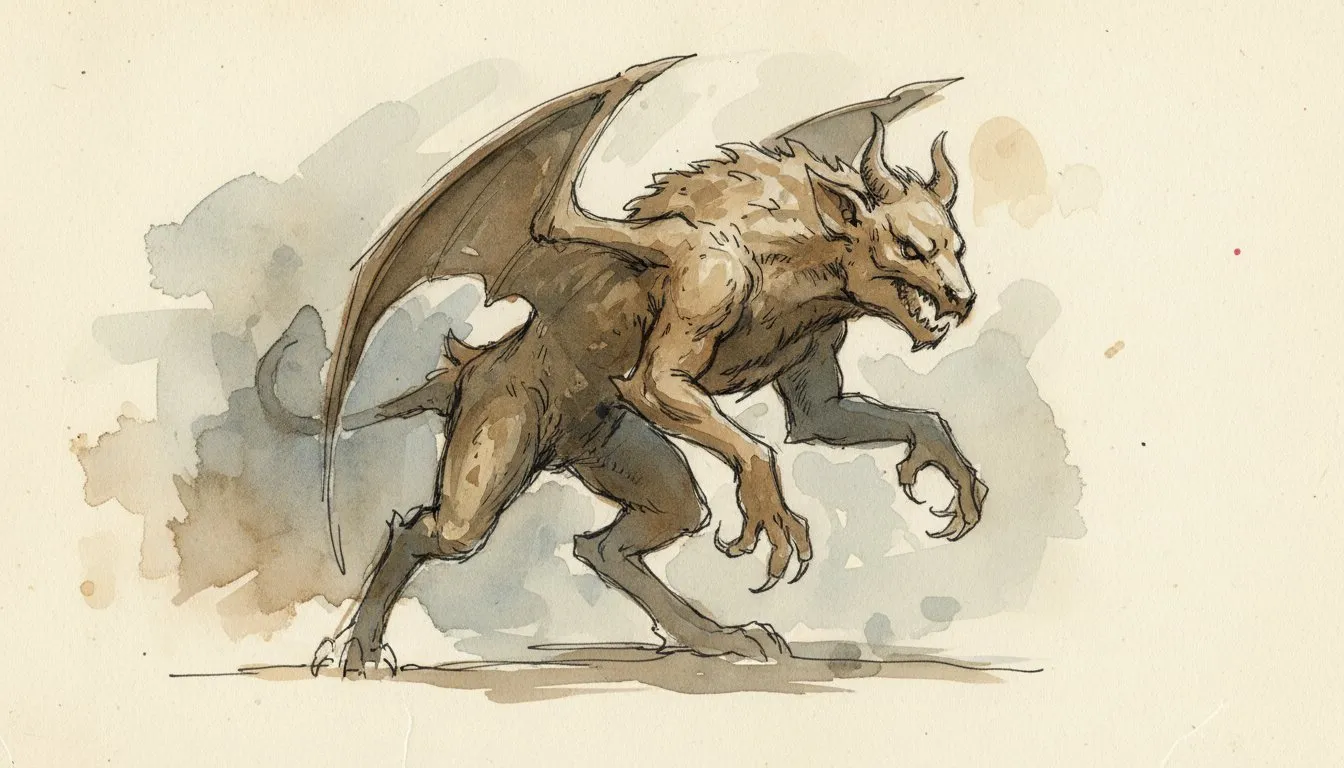
Jersey Devil
A bat-winged, hoofed terror born from a colonial curse in the Pine Barrens.
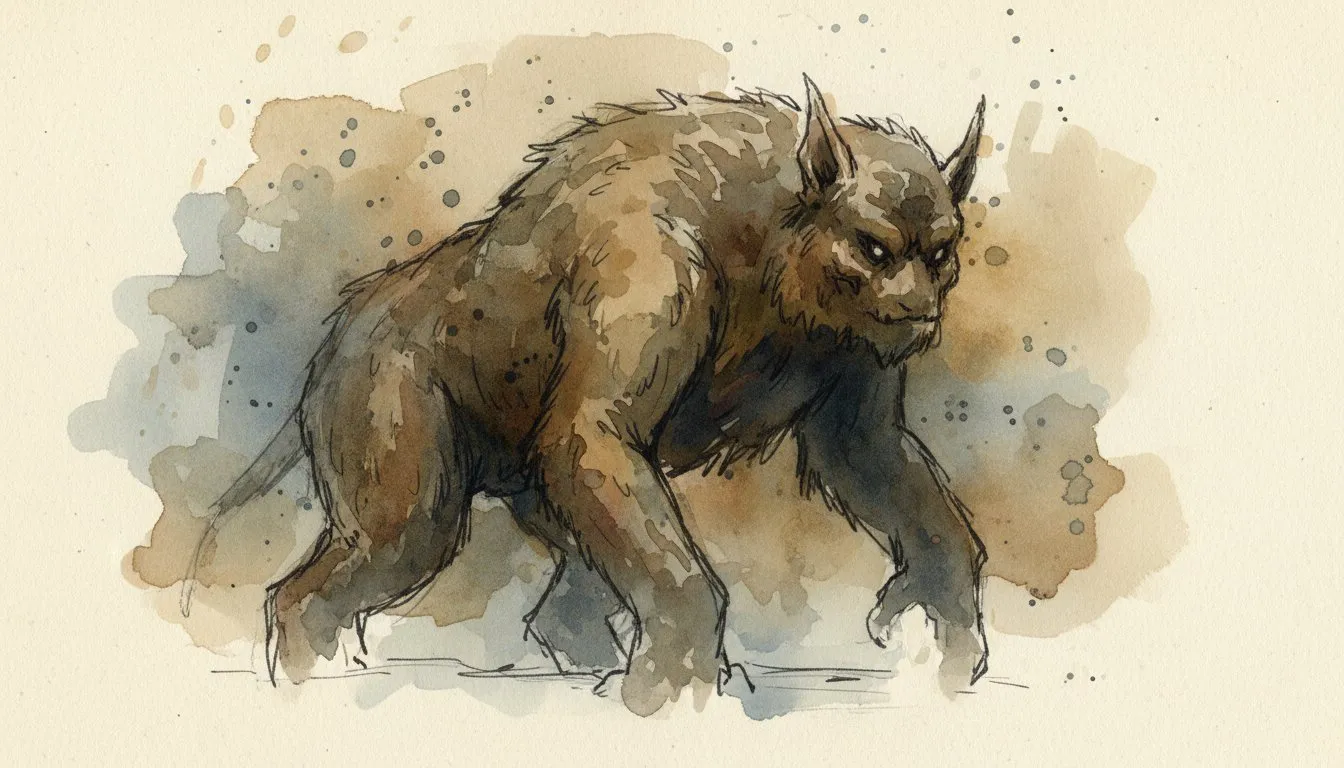
Lake Worth Monster
A scaly, goat-like creature that charged a crowd of onlookers at a Texas lake in 1969.
Memphre
A lake monster lurks in the cross-border waters of Lake Memphremagog, spotted from both the Quebec and Vermont shores.