
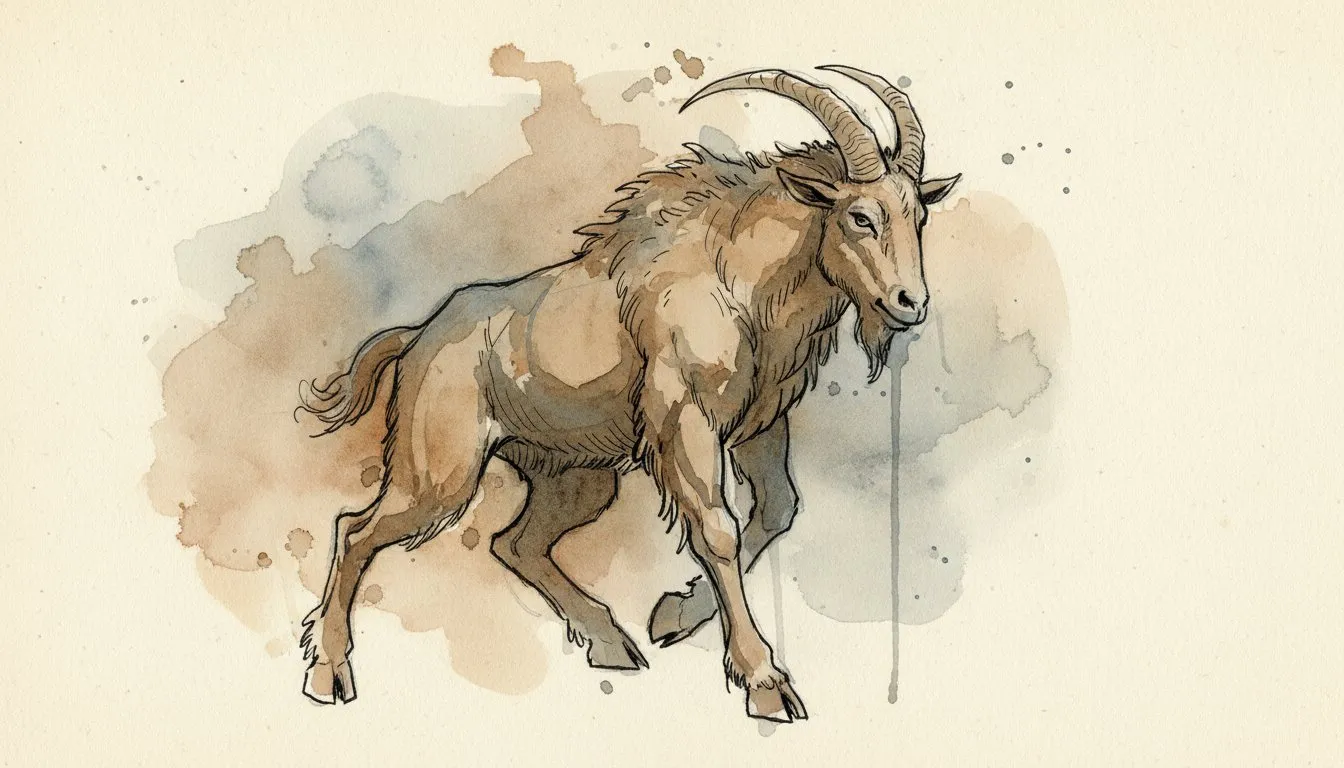
Goatman
Also known as: Maryland Goatman, Prince George's Goatman
A half-man, half-goat said to roam the back roads of Maryland with an axe.
1957
Prince George's County, Maryland
6-7 ft tall
Aggressive, territorial
Sporadic sightings continue
The Lore
Maryland's Goatman is said to be a former government scientist mutated by an experiment gone wrong. This axe-wielding, horned humanoid with goat legs has been reported along Fletchertown Road since the 1950s. Sightings often involve screams in the woods, mutilated pets, and a figure that vanishes when approached. Similar goatman legends exist across the United States.
The Goatman is one of American folklore's great regional shape-shifters, a creature whose form and origin story adjust to fit the local woods. The most famous version haunts Prince George's County, Maryland, particularly the network of rural roads, railroad trestles, and second-growth forest around Old Bowie, Fletchertown Road, and the Glenn Dale Hospital ruins. Stories took their modern shape in the early 1970s when the Prince George's Post and Washington Post ran accounts of a half-man, half-goat figure, sometimes wielding an ax, that was blamed for beheaded dogs and terrorizing parked teenagers on lovers' lanes.
Local rumor almost always ties the creature to the nearby United States Department of Agriculture Beltsville Agricultural Research Center, with the standard tale involving a scientist named Stephen Fletcher whose goat experiment went catastrophically wrong and left him either transformed or unhinged. The scientist-gone-wild motif is old enough to predate the Goatman by decades and surfaces in cryptid traditions across the United States, but the proximity of a real, secretive federal research facility gave the Maryland version unusual staying power. Folklorist Barry Pearson of the University of Maryland documented dozens of versions of the legend in the 1970s, collecting variants from high school students across the D.C. suburbs.
A parallel and equally robust Goatman tradition clings to the Old Alton Bridge in Denton County, Texas, a narrow iron bridge over Hickory Creek locally nicknamed Goatman's Bridge. That version roots itself in the 1938 lynching of a Black goat farmer named Oscar Washburn, transforming a real racial atrocity into a supernatural revenge figure in a pattern folklorists recognize across the American South. Visitors report sulfurous smells, glowing eyes across the creek, and the sound of hooves on wooden planks after dark.
What makes the Goatman distinctive among American cryptids is how clearly it functions as a cautionary geography. Its haunts are always the liminal places of suburban life, the dark end of the road, the bridge at the edge of the county, the woods behind the housing development. The creature's form, part man and part livestock, maps onto ancient satyr and devil imagery, while its modern backstories knit together Cold War anxieties, civil rights trauma, and teenage misbehavior. Whether or not anything walks those roads, the Goatman has become a durable way of talking about what waits beyond the streetlight.
Further Reading
No book is devoted to this creature. These are the general references that cover the field, plus a direct search if you want to dig further.
- Cryptozoology A to Z by Loren Coleman and Jerome Clark (1999)
The standard one-volume encyclopedia, roughly two hundred entries covering creatures, investigators, and hoaxes.
- Mysterious Creatures: A Guide to Cryptozoology by George M. Eberhart (2002)
The larger reference guide, stronger on sourcing and on creatures that never reached the popular books.
Search Amazon for Goatman books
As an Amazon Associate, Cryptid Vault earns from qualifying purchases. Links open Amazon in a new tab.
Get the Field Notes.
Field notes from the Vault, when there is something worth sending. No spam.
No spam. Unsubscribe anytime.
You might also like
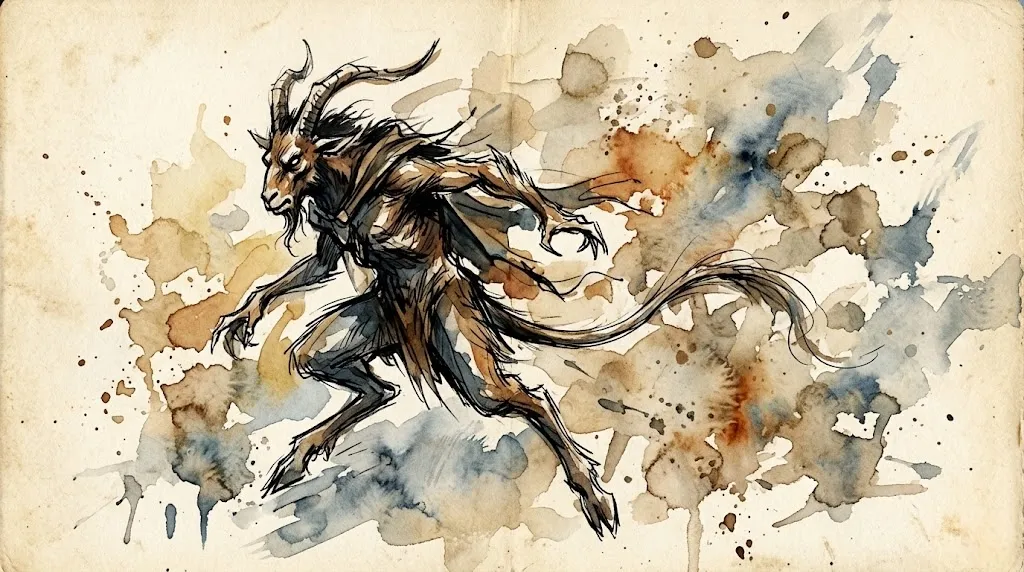
Pope Lick Monster
A half-man, half-goat lurking beneath a railway trestle in Louisville.
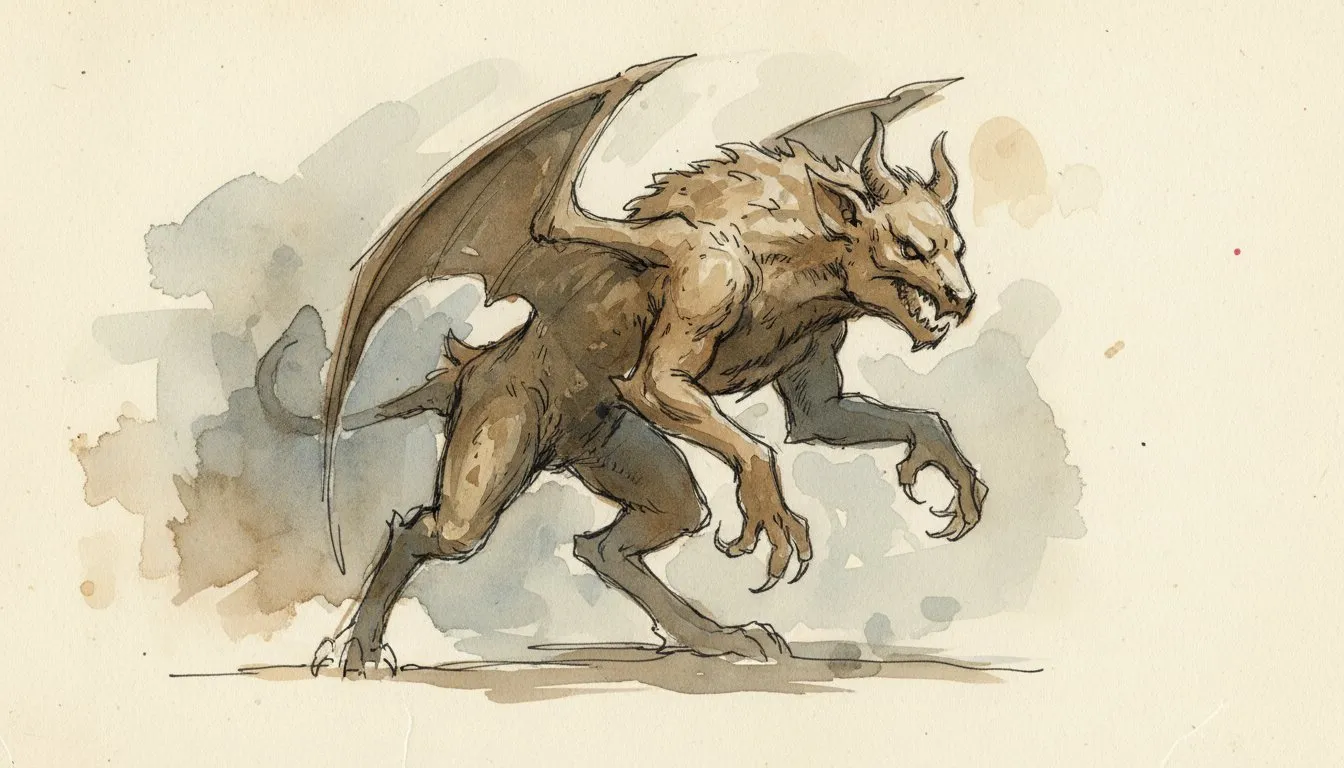
Jersey Devil
A bat-winged, hoofed terror born from a colonial curse in the Pine Barrens.
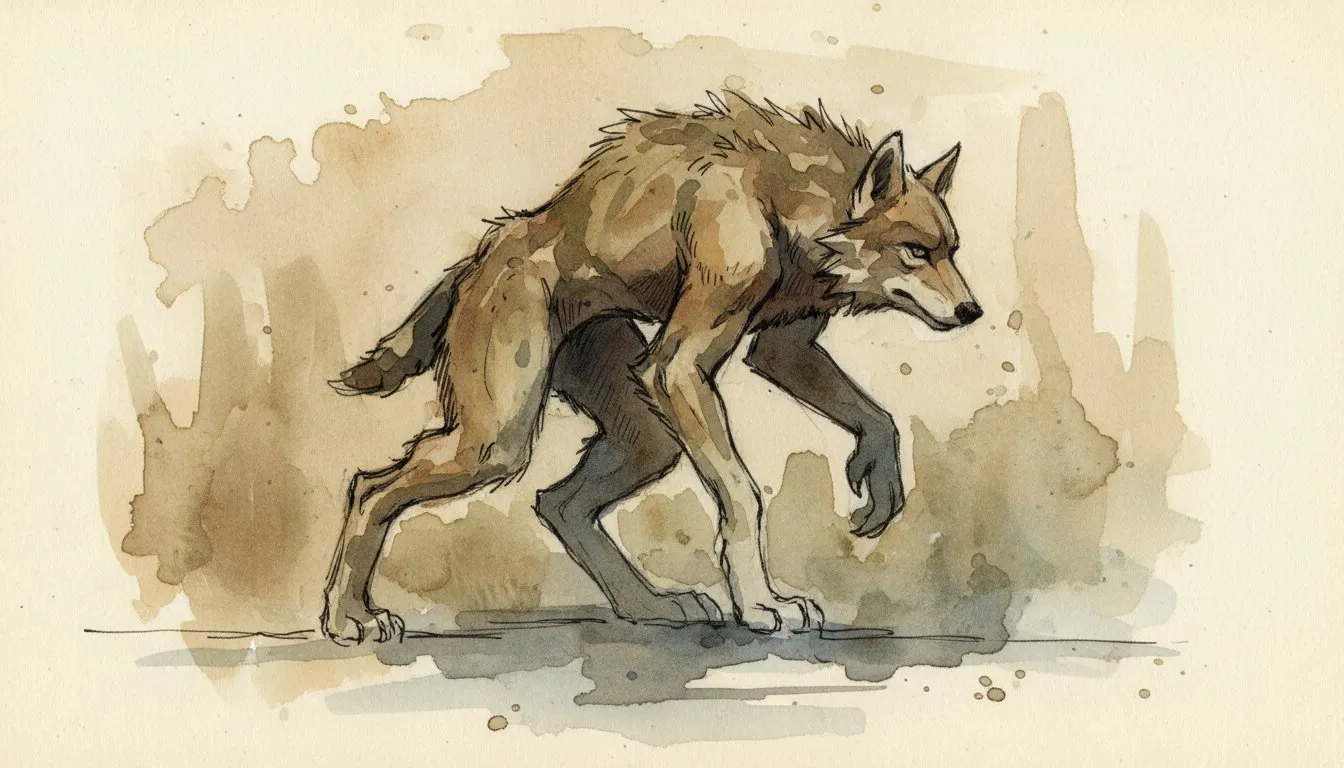
Beast of Bray Road
A shaggy, upright canine prowling a rural Wisconsin road since the 1980s.
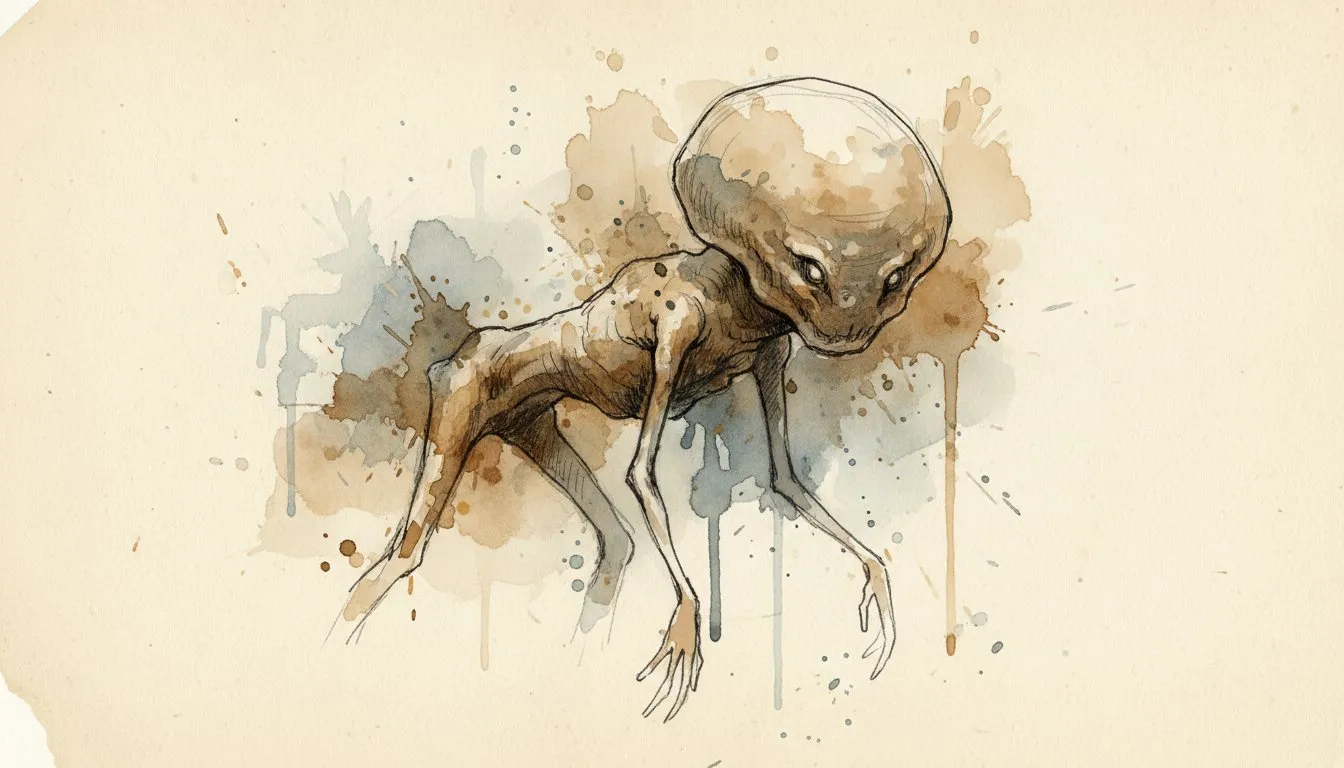
Dover Demon
A watermelon-headed creature spotted three times in two nights, then never again.
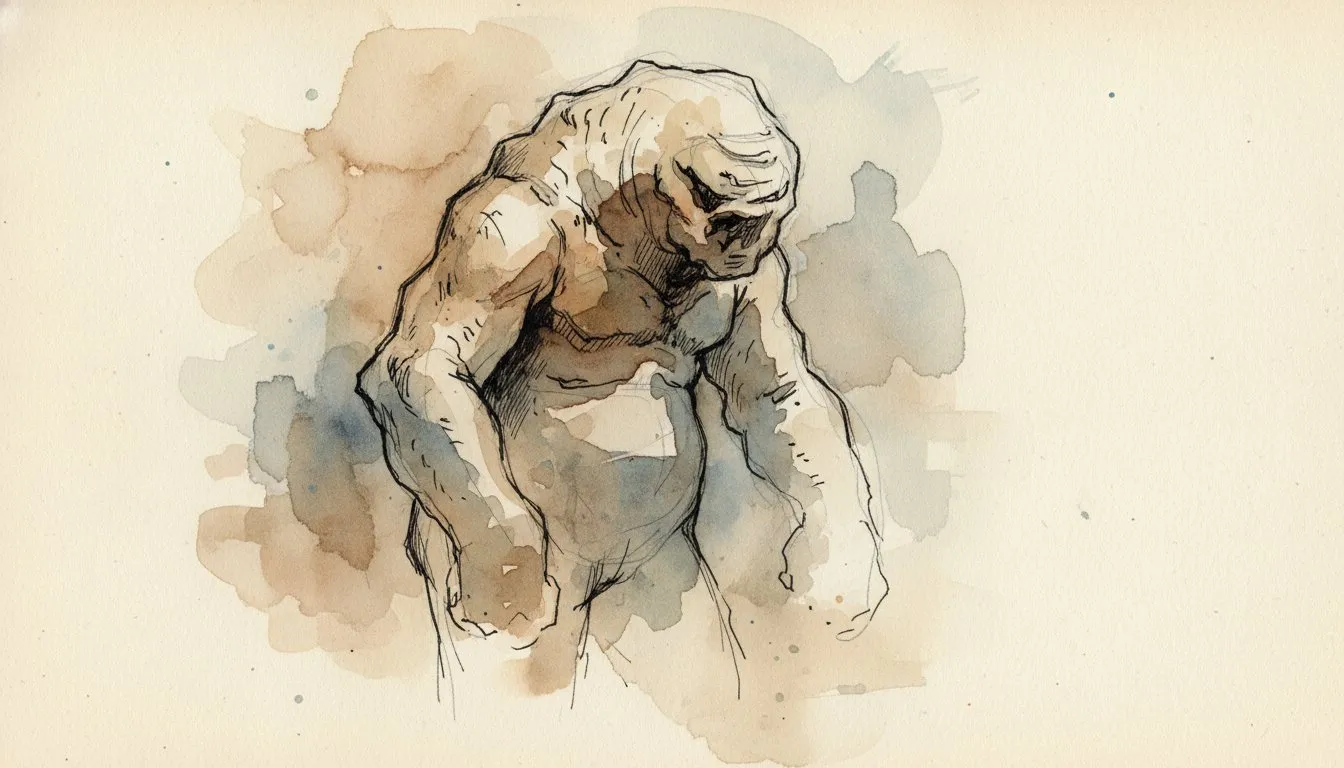
Grafton Monster
A headless, pale giant spotted lumbering through a West Virginia town in 1964.
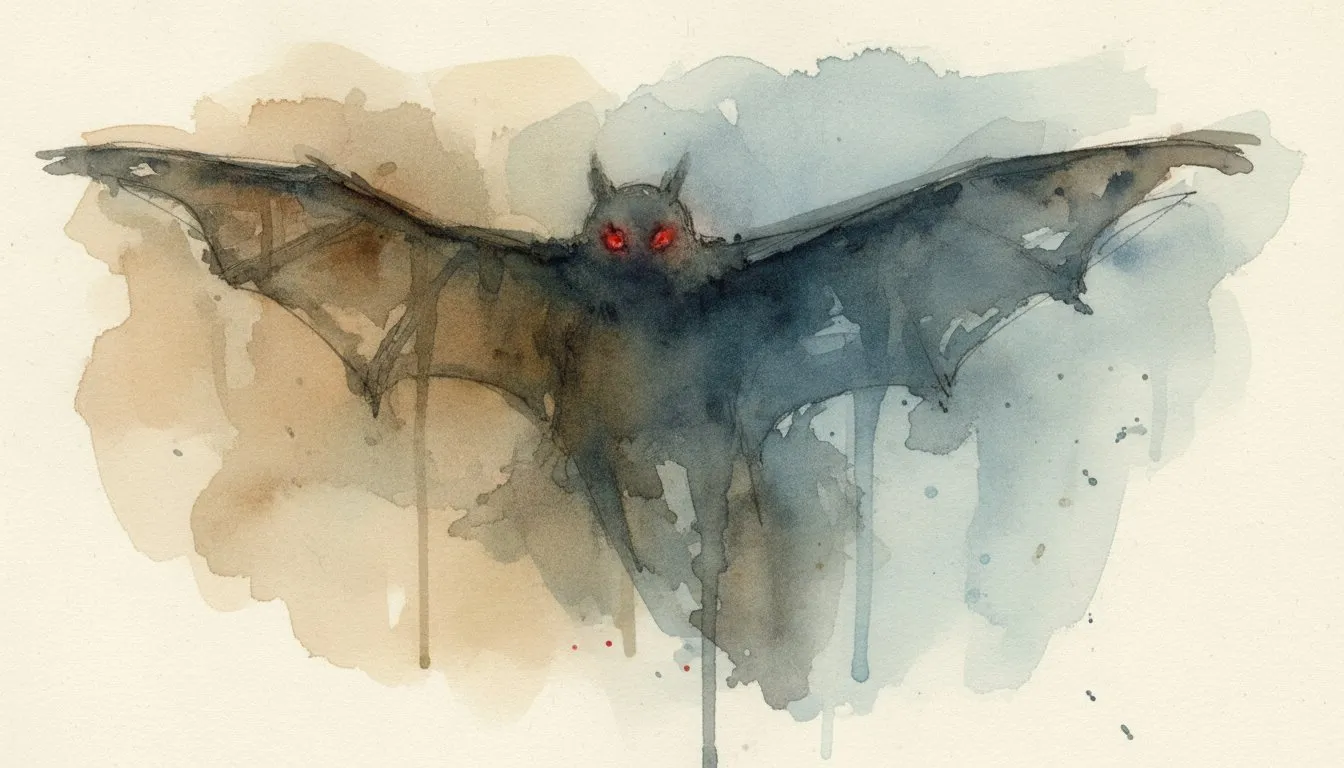
Mothman
A winged humanoid with blazing red eyes, haunting Point Pleasant before disaster struck.
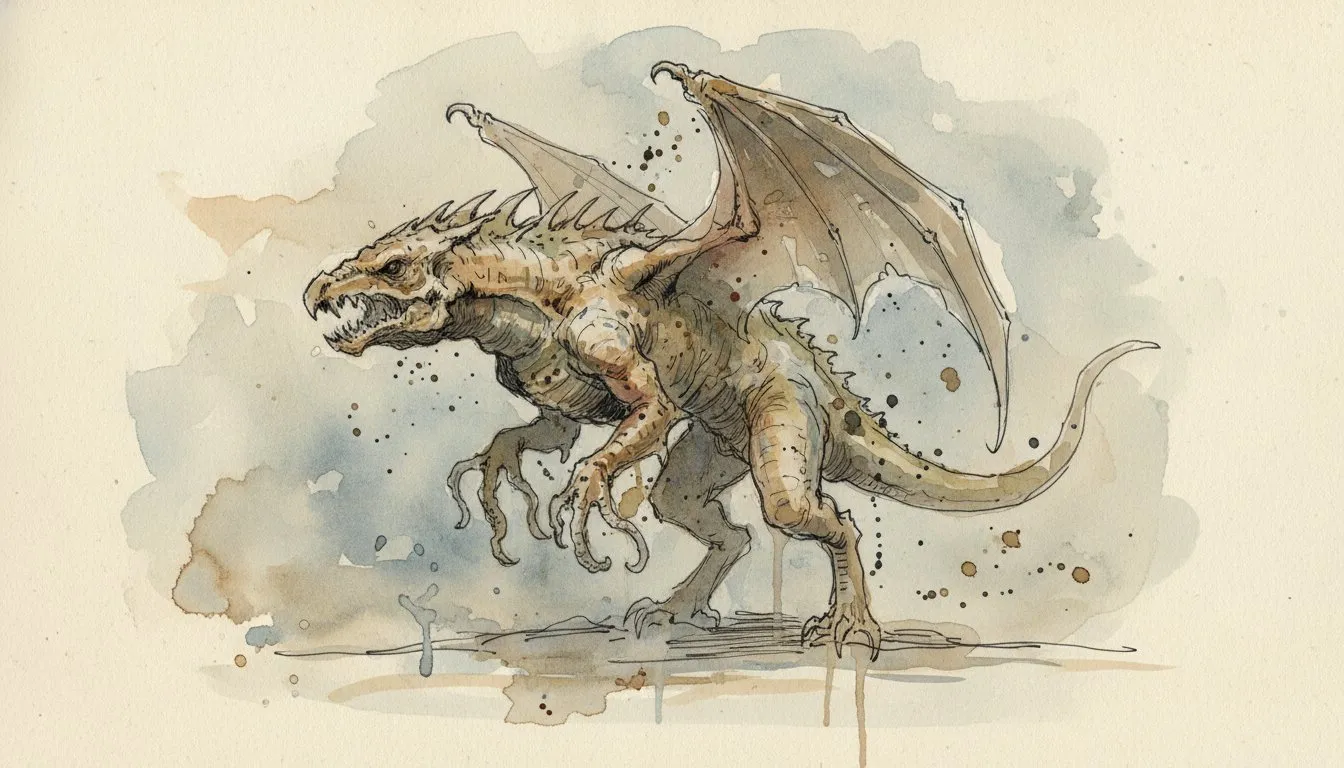
Snallygaster
A half-bird, half-reptile terror from Maryland with a taste for livestock and legend.
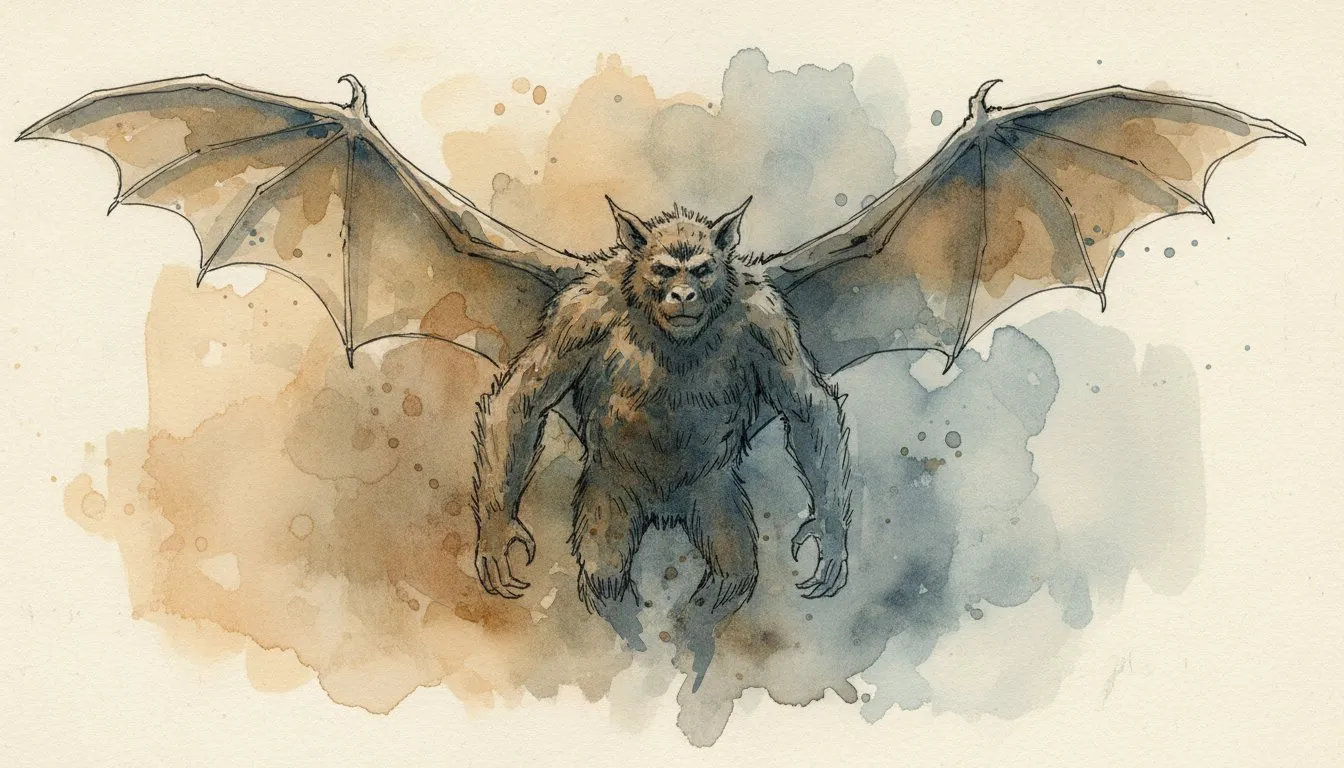
Batsquatch
A purple-skinned, bat-winged ape seen near Mount St. Helens after the eruption.