
Deep South Cryptids: The Swamp, the River, and the Hollow
Country That Resists Searching
The Deep South's cryptid record is shaped by two things. The first is terrain: bottomland hardwood swamp, blackwater river, and cane thicket are the hardest country in North America to search on foot, and they sit right up against small towns and farm roads. The second is that this region's folklore stayed oral longer than New England's did, so the written record starts late and starts with newspapers rather than learned societies.
The result is a file with fewer sworn depositions and more physical odds and ends: scratch marks on a car roof, a Super 8 reel found in a dead man's effects, and two state legislatures that decided to protect an animal nobody has produced.
Louisiana: The Bayou Cases
Louisiana carries two entries that sit at opposite ends of the evidence scale.
The Rougarou is Cajun and Acadian French folklore: a creature with a human body and the head of a wolf, traditionally invoked as a warning against breaking Lenten rules. It is a moral instrument first and a monster second, which is exactly why it lasted. Modern reports cluster in Terrebonne and Lafourche parishes.
The Honey Island Swamp Monster is a straightforward sighting claim. The wildlife photographer Harlan Ford reported it in 1963 and described a seven-foot figure with gray matted hair, yellow eyes, and webbed feet. After Ford died in 1974 his family found Super 8 footage he had shot in the swamp. The footage exists. What it shows has been argued about ever since, and the fact that it surfaced posthumously cuts both ways: it means Ford never promoted it, and it also means he was never asked about it.
Arkansas: The Two Protected Cases
Arkansas has the region's strangest legal footnote and its most famous film.
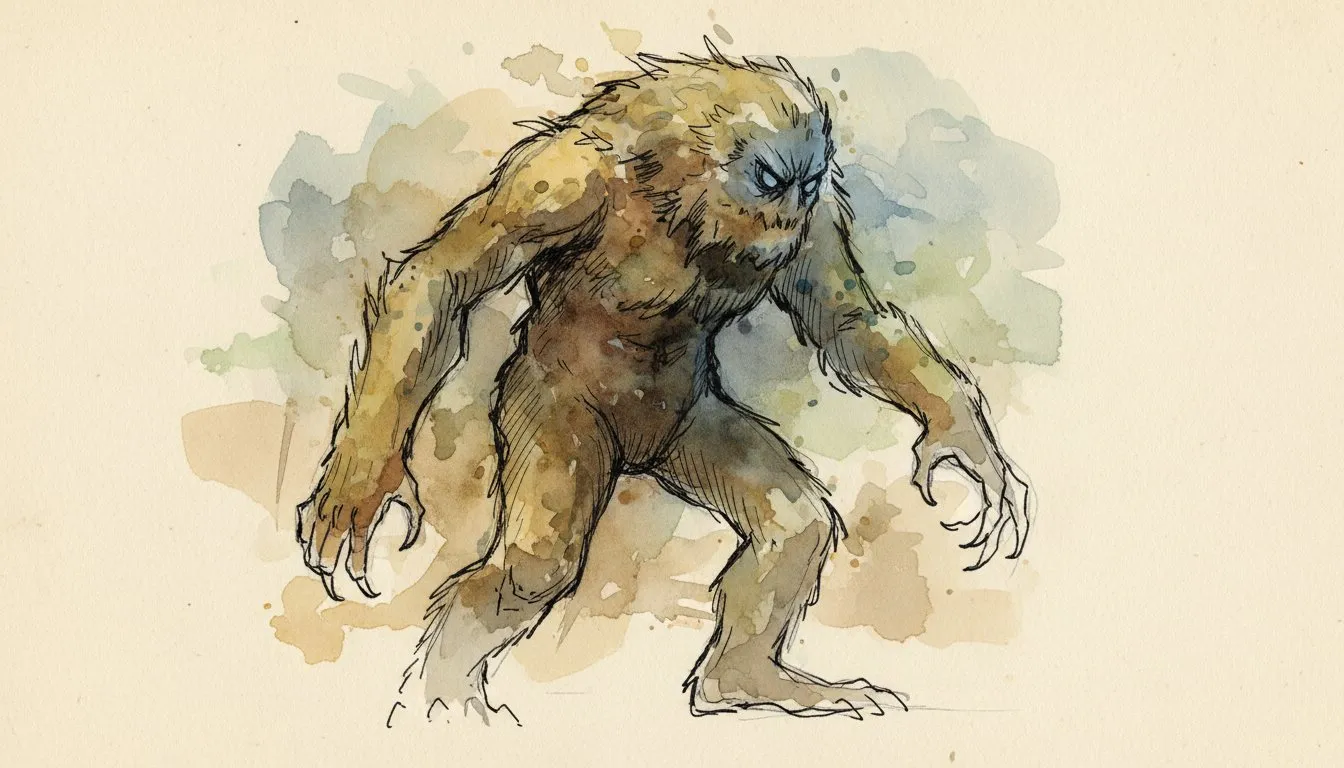
The Fouke Monster has been reported around Fouke since the late 1800s. It became national news in 1971 when Bobby Ford reported being attacked at his home, and the 1972 docudrama The Legend of Boggy Creek turned a Miller County flap into a permanent piece of American horror. Witnesses describe a seven-foot biped with reddish-brown hair and a strong odor. Reports continue.
The White River Monster is the odder story. First reported near Newport in 1915, it drew real attention in 1937 when the plantation owner Bramlett Bateman described an animal the length of a boxcar with gray, elephant-like skin. After another surge of sightings in 1971 the Arkansas legislature passed a resolution creating the White River Monster Refuge, making it illegal to harm the creature. That is the second time in this article a legislature has protected an unconfirmed animal, and it will not be the last.
South Carolina: The Case With a Damaged Car
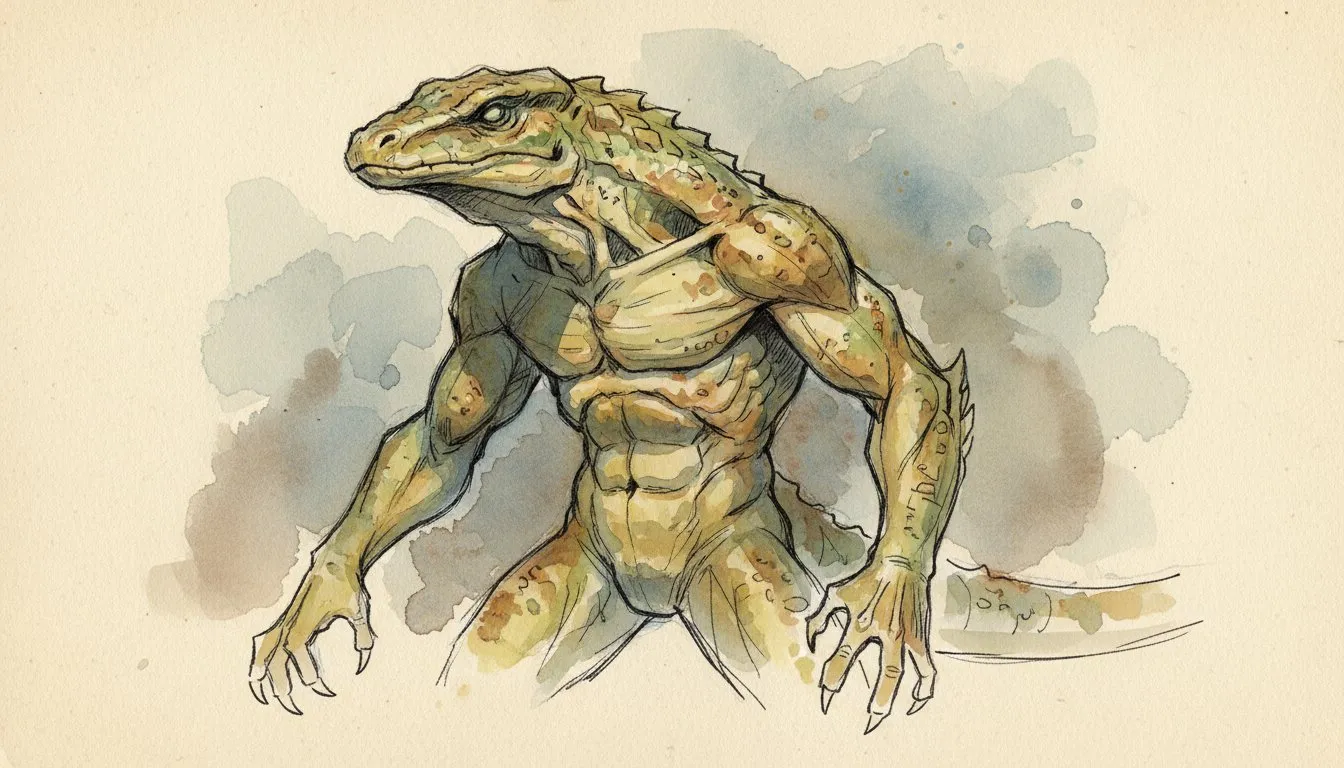
On June 29, 1988, seventeen-year-old Christopher Davis was changing a flat tire near Scape Ore Swamp in Lee County, South Carolina, when he reported that a seven-foot reptilian figure with red eyes charged his car and got onto the roof.
What makes the Lizard Man of Scape Ore Swamp unusual is that something was left behind: scratch marks on the roof and a damaged side mirror. Physical damage is not proof of what caused it, and that distinction is the whole argument in this case. It is also more than almost any other Southern report has. Further encounters were claimed over the following weeks and the county spent a summer under a national media crush.
Georgia and Mississippi
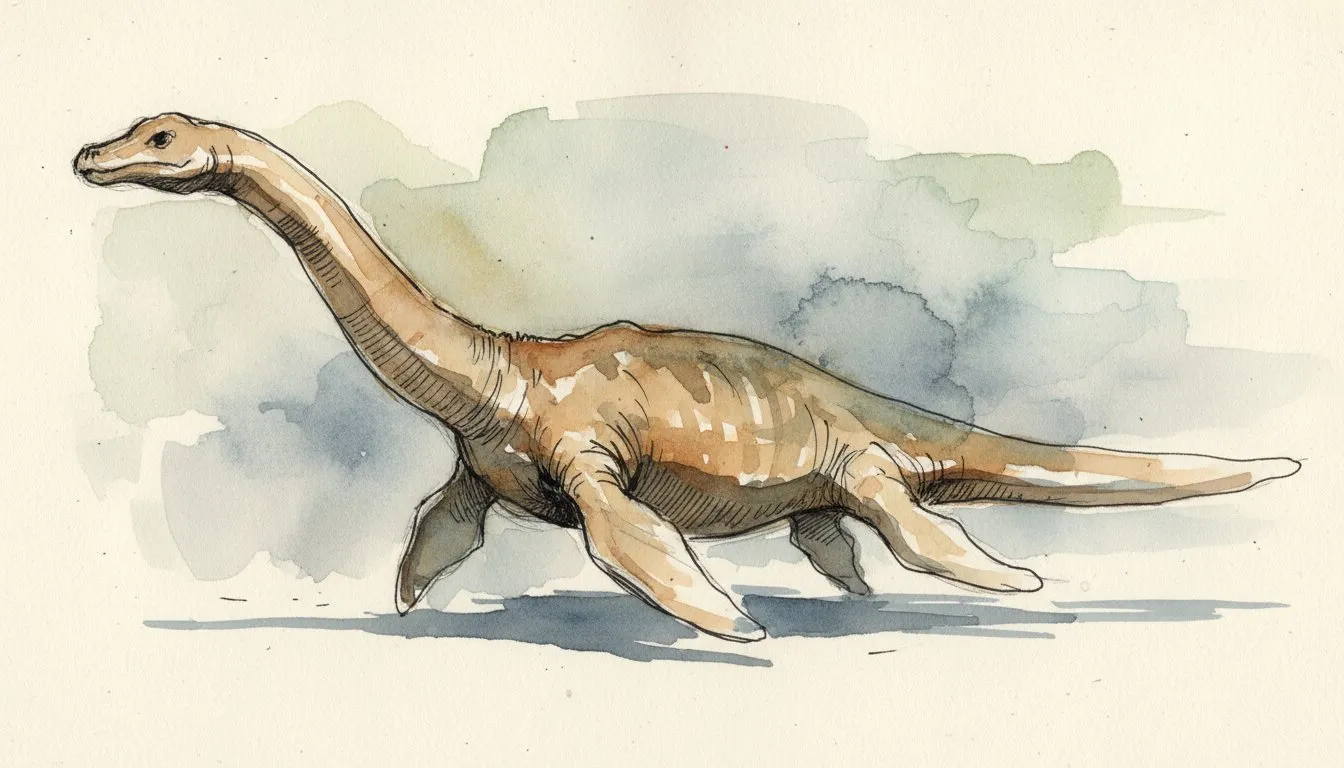
Georgia has Altamaha-ha, reported in the Altamaha River in the southeast of the state and described as twenty to thirty feet long with a seal-like head, a long neck, and a horizontal tail. The Tama people described a creature in that water before European settlement, and the town of Darien has since adopted Altie outright.
Mississippi has the Pascagoula case of October 11, 1973, in which Charles Hickson and Calvin Parker reported being taken aboard a craft by three pale, claw-handed beings while fishing on the river. The detail that keeps investigators on it is procedural: after the interview the two men were left alone in a room with a recorder running, and the private conversation showed them in genuine distress rather than in on a joke. That establishes sincerity. It does not establish what happened.
The Wampus Cat, and a Note on Sourcing
The Wampus Cat is claimed across Alabama, Tennessee, and the Carolinas: a huge feline, sometimes given six legs, whose scream is said to precede a death.
It is usually introduced with a Cherokee origin story about a woman who wore a cougar skin to spy on a sacred ritual and was cursed into her half-cat form. That story is worth flagging, because the version told on ghost tours does not appear in James Mooney's Myths of the Cherokee, published in 1900 and still the standard early ethnography. Something older is probably underneath the modern legend, but the specific origin tale that gets repeated everywhere is not sourced where people say it is. The Vault files the creature as folklore for that reason.
The Ozark Howler of the Arkansas, Missouri, and Oklahoma highlands sits in the same uncertain space. Its horned, shaggy profile and its layered howl are vivid and consistent, and researchers genuinely disagree about whether it is old regional folklore or a more recent invention that back-filled itself. Scattered accounts do appear to predate the internet.
The Southern Pattern
The South's cases are mostly single-witness or single-family, they cluster around water that cannot be walked, and an unusual number of them ended up as town mascots or state resolutions rather than as investigations.
For the peninsula next door, which has the deepest catalog in the region, see our Florida field guide. For the swamp cases as a category, see the swamp cryptids collection.
Get the Field Notes.
Field notes from the Vault, when there is something worth sending. No spam.
No spam. Unsubscribe anytime.
Creatures mentioned in this post
Lizard Man of Scape Ore Swamp
A 7-foot reptilian biped that attacked a teen's car in a South Carolina swamp.

Rougarou
Louisiana's Cajun werewolf stalks the bayou, cursing the sinful and haunting those who break Lent.
Altamaha-ha
Georgia's river serpent, a long-necked mystery lurking in the murky Altamaha.
Fouke Monster
The hairy hominid of Boggy Creek, Arkansas, that inspired one of horror's first docudramas.