
Florida Cryptids: A Field Guide Beyond the Skunk Ape
The Strangest State in the Union for a Creature Hunt
Florida is built for cryptids. Almost the entire state sits at sea level or close to it, laced with rivers and dotted with thousands of lakes, and its interior is the vast, half-drowned sawgrass country of the Everglades and Big Cypress. Add a deep bench of folklore, a long coastline that delivers strange things onto the sand, and a tourism economy that keeps every good story in circulation, and you get one of the richest cryptid traditions in the country.
The skunk ape takes the headlines, and deservedly so. But it is far from alone. Pull back from the one famous swamp ape and Florida's bestiary is unusually crowded, and unusually varied: a photographed ape, a river monster, a genuine carcass that washed ashore, and a backwoods legend that became a town mascot. Here is the fuller field guide to Florida's creatures.
The Skunk Ape: The One Everybody Knows
Start with the signature. The skunk ape is Florida's Bigfoot: a tall, reeking, ape-like figure reported for decades out of the Everglades and the cypress swamps of the southwest coast, named for the sulfurous smell witnesses describe. It has its own long record of sightings, hoaxes, and roadside research stations, which we cover in full in our history of the skunk ape's sightings. Treat what follows as everything the skunk ape's fame tends to overshadow.
The Myakka Ape: The Photographs That Would Not Go Away
In late 2000, an anonymous woman near the Myakka River in Sarasota County mailed two photographs to the county sheriff's animal-services office. In a short note she said an ape-like animal had come onto her back porch on two nights, reaching for apples she had left out, and that she was worried it was an escaped orangutan. The images, of a dark, wide-mouthed ape looming out of the palmettos, became the most-discussed piece of skunk-ape evidence ever produced.
They have never been resolved. Skeptics have argued for a costume or an actual escaped orangutan; believers read them as the clearest look anyone has gotten at the animal. What is documented is narrow and worth stating plainly: two photographs, an anonymous source, and no follow-up. That gap is exactly what keeps the Myakka case alive.
The St. Johns River Monster: Pinky
In 1955, along the St. Johns River near Jacksonville, a run of reports described a large creature in the water that the papers nicknamed "Pinky." Witnesses gave it a dinosaur-like or serpentine shape, and for a stretch of that year the sightings were a real local phenomenon. Like most river-monster waves it faded without a specimen or a photograph that settled anything, and it belongs firmly in the column of documented reports rather than documented animals. But the St. Johns, long and dark and tidal, is the kind of water that keeps a story like Pinky in the folklore for generations.
The St. Augustine Monster: The One That Actually Washed Ashore
This is the Florida case for anyone who likes a mystery with physical evidence. In November 1896, two boys found an enormous pale carcass half-buried in the sand on Anastasia Island, near St. Augustine. It weighed several tons. A local physician, DeWitt Webb, documented and photographed the mass and preserved samples of its tissue.
For decades the specimen was argued to be the remains of a colossal octopus, a radical claim that drew in serious naturalists of the day. Later analysis of the preserved tissue pointed instead to the tough collagen of a large whale. That makes the St. Augustine Monster one of the original globsters, the shapeless sea carcasses that look like nothing on earth until the science catches up. It is the honest version of a cryptid story: something real and strange washed ashore, people did the work, and the answer turned out to be stranger-looking than the truth.
The Bardin Booger: North Florida's Home-Grown Legend
Not every Florida cryptid comes with a carcass. Bardin, a small community in Putnam County, has its own backwoods Bigfoot, the Bardin Booger, a hairy manlike figure of local lore. What makes it worth including is what the town did with it: rather than fear the legend, Bardin adopted it, complete with a locally famous novelty song in the 1980s and a place in the community's identity. It sits squarely in folklore, not in the sightings record, and it is a fine reminder that a cryptid can be a piece of a place's culture as much as a claim about its wildlife.
Florida's Place in a Wider Southern Tradition
Florida's creatures rhyme with the rest of the South, where warm, wet, hard-to-search country grows cryptids the way it grows everything else. The Honey Island Swamp Monster haunts the Louisiana bayous, the Altamaha-ha is said to move through the tidal rivers of the Georgia coast, and the Fouke Monster works the bottomlands of Arkansas. Read together, they describe a single landscape of swamp and slow water where the map still has blank spaces.
Seeing Florida's Cryptid Country
The traditions are anchored to real, visitable places. The Everglades and Big Cypress are skunk-ape country. The Myakka River has its state park. The St. Johns runs the length of the northeast. The beach at St. Augustine gave up its monster. And the crossroads at Bardin still claims its Booger. Peak tourist season, when the state fills up, is also when the stories get retold most, which is its own kind of survival strategy for a legend. For the full roster, browse every cryptid reported in Florida.
Florida's neighbors have their own catalog, from the Lizard Man of Scape Ore Swamp to the Rougarou of the Louisiana bayous: see our guide to Deep South cryptids. The Myakka photographs also sit inside a much larger picture, covered in the cryptid photograph record.
Get the Field Notes.
Field notes from the Vault, when there is something worth sending. No spam.
No spam. Unsubscribe anytime.
Creatures mentioned in this post
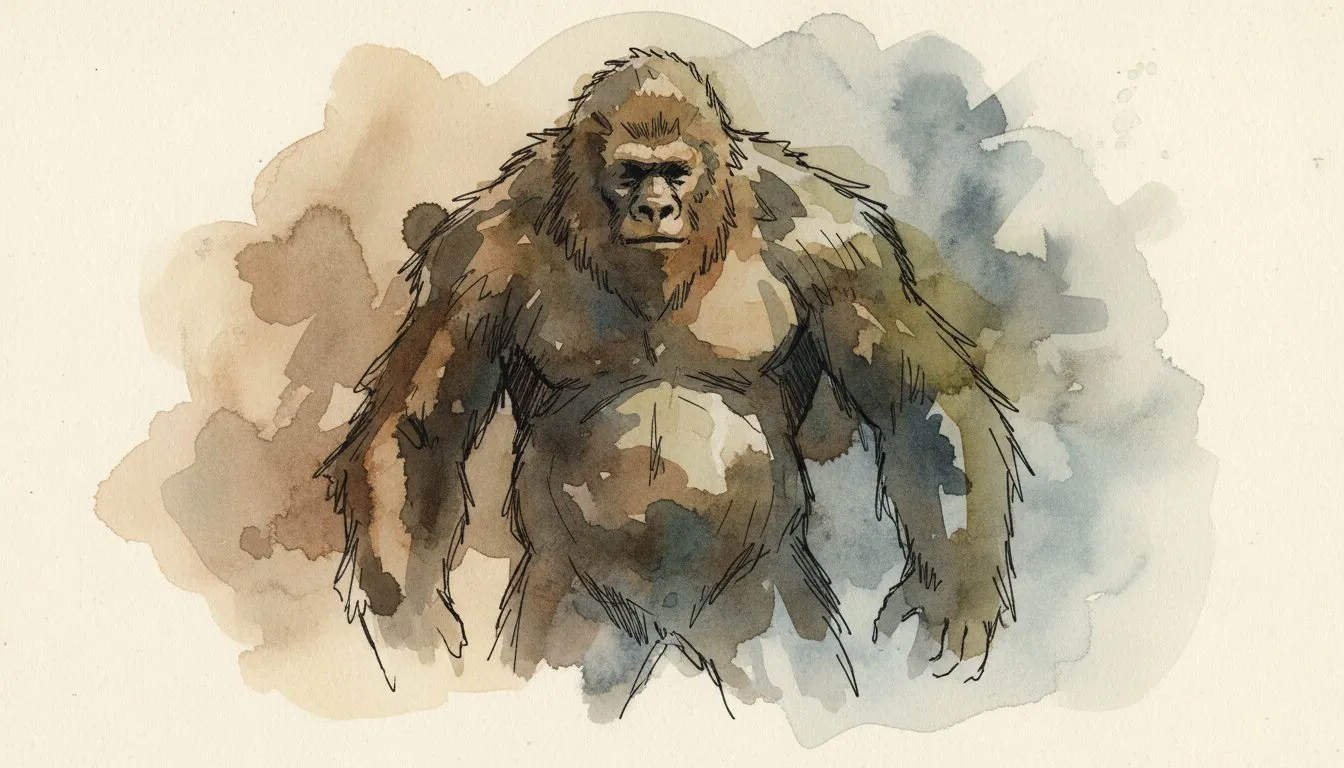
Skunk Ape
Florida's foul-smelling answer to Bigfoot, lurking in the Everglades heat.
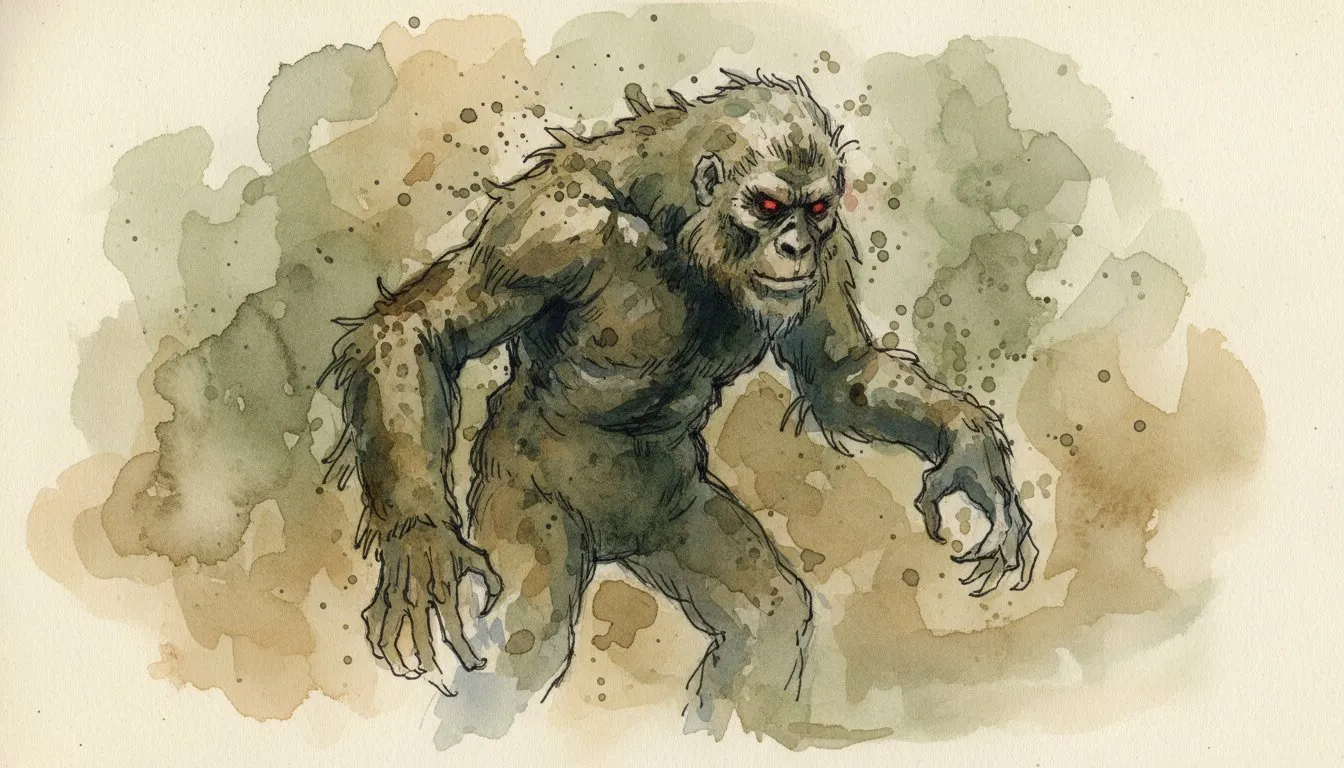
Honey Island Swamp Monster
A web-footed, amber-eyed beast haunting one of America's most pristine swamps.
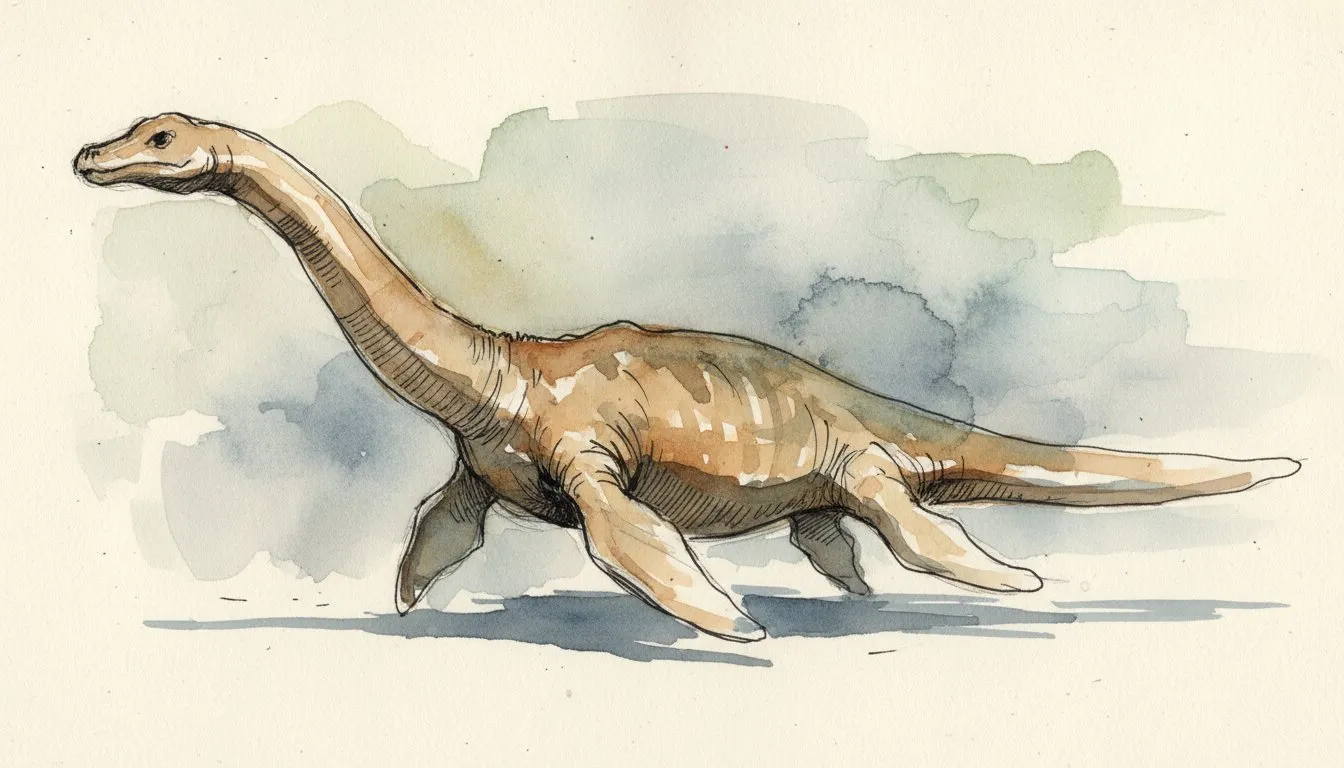
Altamaha-ha
Georgia's river serpent, a long-necked mystery lurking in the murky Altamaha.
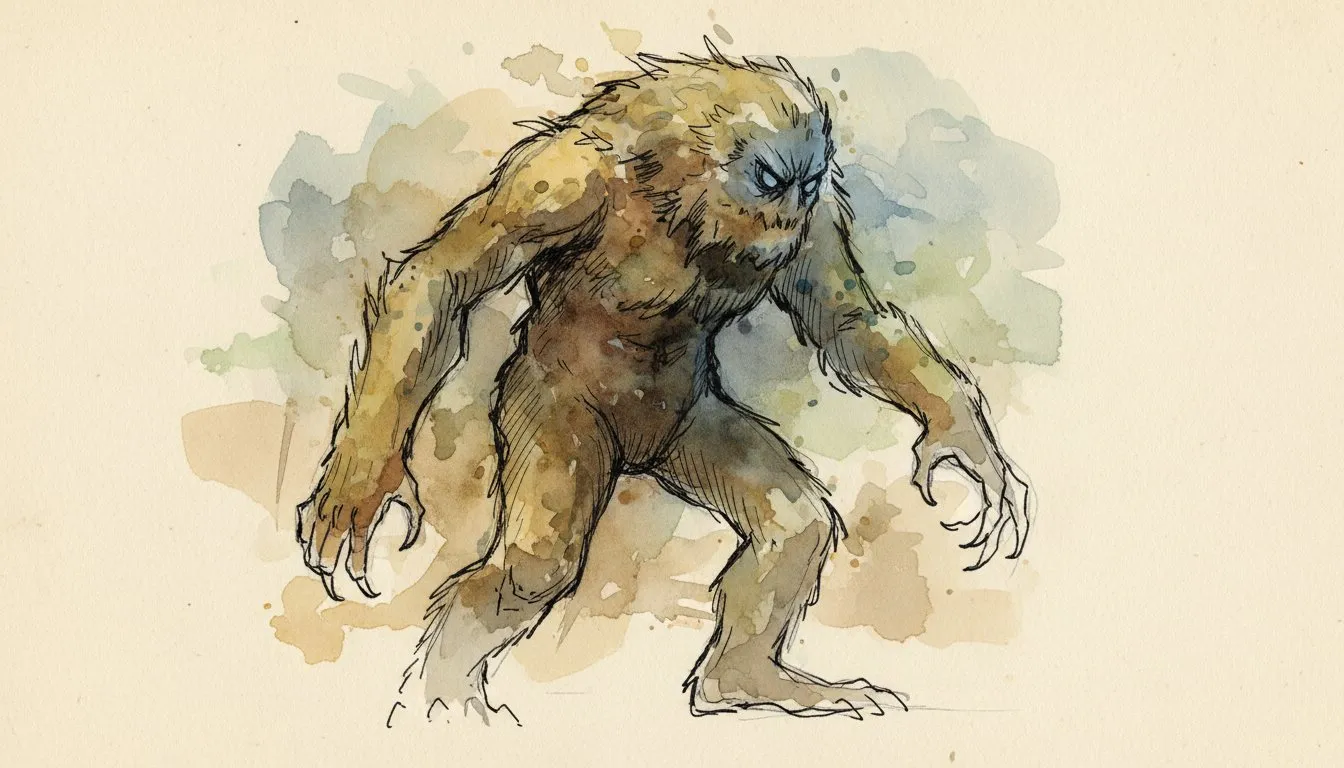
Fouke Monster
The hairy hominid of Boggy Creek, Arkansas, that inspired one of horror's first docudramas.