
The Skunk Ape: Florida's Bigfoot and Why Spring Is When Sightings Spike
Not Bigfoot. Something Else.
The Pacific Northwest gets the headlines. Bigfoot country, the Cascades, Patterson-Gimlin. But Florida has its own primate, reported for over a century, photographed in 2000, and distinct from the PNW version in ways that make researchers treat it as a separate phenomenon.
The Skunk Ape is Florida's answer to Bigfoot, and the key difference isn't size or appearance. It's the smell. Witnesses describe a sulfurous, swampy odor - rotting eggs and wet animal - that precedes most encounters and lingers long after the creature is gone. It's described so consistently across unrelated witnesses that researchers consider it a diagnostic characteristic, not an embellishment.
And spring is when the sightings concentrate.
A History Going Back to the 1920s
Skunk Ape reports in Florida predate the national Bigfoot phenomenon by decades. Accounts from the 1920s and 1930s describe large, foul-smelling bipedal creatures in the Everglades region, collected in newspaper archives and later by cryptozoologists compiling regional accounts.
The reports followed the ecology of the state. Early sightings cluster in the cypress swamps and sawgrass prairies of South Florida, exactly the kind of dense, inaccessible terrain that could support a large animal without being discovered. The Everglades alone covers 1.5 million acres. Much of it is accessible only by boat or airboat, and significant portions have never been systematically surveyed on foot.
The 1970s brought a media spike. Florida papers ran Skunk Ape stories, radio call-in shows received witness accounts, and the Florida legislature briefly considered a bill that would have made it illegal to capture or harm the creature. The bill didn't pass, but the debate established that authorities were treating the reports as something requiring a formal response.
The 2000 Myakka City Photographs
In December 2000, the Sarasota County Sheriff's Office received an anonymous letter from a woman claiming to be an elderly resident of Myakka City, Florida. The letter described a creature that had been raiding her porch for apples over several nights. She had photographed it.
Two photographs were enclosed. Both showed what appears to be a large primate crouching or moving through low brush and scrub, visible in what looks like a residential backyard. The face is visible in one image - wide-set eyes, flat nose, and an expression that reads as startled or aggressive.
The letter writer never came forward. The photographs were never definitively explained. Multiple primatologists examined them and agreed the face did not match any known ape species. The mouth structure and the proportions were wrong for a gorilla or orangutan. One researcher noted the browridge was inconsistent with any captive species that might have escaped.
The Myakka photos remain the most-discussed piece of Skunk Ape evidence. Unlike many cryptid photographs, they weren't produced by known hoaxers, don't show obvious staging, and generated genuine disagreement among people with professional reasons to dismiss them.
Dave Shealy and the Skunk Ape Research Headquarters
If there is one person who has dedicated his life to the Florida Skunk Ape, it's Dave Shealy. He claims his first sighting was at age 10, in the Big Cypress Swamp near his family's land. He's been looking ever since.
Shealy runs the Skunk Ape Research Headquarters in Ochopee, Florida, a small roadside attraction in the heart of Big Cypress that serves simultaneously as a gift shop, research center, and campground. He has recorded multiple videos he attributes to the creature, collected hair samples, made casts of footprints, and spent more cumulative hours in the Big Cypress swamp looking for the Skunk Ape than possibly anyone else alive.
In 2000, around the same time as the Myakka photographs, Shealy filmed footage of what he described as a Skunk Ape crossing a road at night. The footage is blurry and contested, but the location - directly in the territory he'd been surveying for years - added to his credibility among researchers who had crossed paths with him in the field.
The Skunk Ape Research Headquarters is located on US 41, the Tamiami Trail, roughly 10 miles east of Everglades City. It's open year-round. Shealy is often on site and will talk with anyone who comes through. It's one of the few places in American cryptid tourism where the primary researcher is literally present.
Why the Everglades Are the Right Habitat
Skeptics of Bigfoot-type creatures point to the absence of fossil evidence, the lack of a breeding population explanation, and the implausibility of large mammals evading modern detection. In the Everglades, several of those arguments get weaker.
First, the size. 1.5 million acres of designated protected area, with additional millions in surrounding Big Cypress and private land. Much of it is functionally inaccessible to humans without specialized equipment.
Second, the food supply. The Everglades supports abundant fruit production, fish, turtle eggs, alligator nests, and deer. A large omnivore would have no shortage of calories.
Third, precedent. The Florida panther was considered functionally extinct in the early 1970s and is now a confirmed, tracked, breeding population. A large mammal can survive in that terrain without being seen for years.
The Skunk Ape is consistently reported in the transition zones - the edges where cypress swamp meets saw grass prairie, or where the Glades margin meets suburban South Florida. Transition zones concentrate food resources, which is why large mammals favor them.
Why Spring Produces More Sightings
Florida's cryptid sighting calendar follows the state's seasonal logic. Winter brings tourists and winter residents (snowbirds) who push into natural areas they don't normally visit. The dry season, roughly November through April, makes backcountry travel easier because water levels drop and ground firms up.
But the real spring driver is the end of dry season in March and April. Water starts rising in the Glades. Animals that retreated to higher ground during the dry months begin moving through areas closer to human habitation as their dry-season refuges flood. If the Skunk Ape follows the same movement patterns as other large mammals in the ecosystem, spring would be when it gets pushed toward margins - and toward people.
Multiple witnesses who reported spring sightings in the Myakka and Big Cypress areas described encounters near the edges of residential neighborhoods that border the swamp. Not in the deep Glades, but at the interface.
What Makes It Different From PNW Bigfoot
Researchers who study both treat them as distinct phenomena for several reasons.
The smell. PNW Bigfoot reports mention odor occasionally. Skunk Ape accounts mention it almost universally, as a primary characteristic.
The habitat. Tropical swamp versus temperate mountain forest requires different physiology. Flat terrain versus steep slopes. Year-round warmth versus seasonal extremes.
The behavior. Skunk Ape reports more frequently describe aggressive displays - vocalizations, branch-throwing, close approaches to residences. PNW accounts tend toward avoidance.
The size. Skunk Ape witnesses consistently estimate 5-7 feet, shorter and lighter than typical PNW Sasquatch descriptions of 7-10 feet.
Whether these are regional variants of the same species or genuinely different creatures is an open question. What's notable is that Florida's version has a documented history that predates the national Bigfoot phenomenon, suggesting it wasn't imported from Pacific Northwest mythology.
Visiting the Skunk Ape Research Headquarters
Address: 40904 Tamiami Trail East, Ochopee, FL 34141 (US-41, Big Cypress)
Hours: Generally open daily, but call ahead - it's a small operation (239-695-2275)
What to expect: Gift shop with Skunk Ape merchandise, Shealy's video evidence on display, footprint casts, and a campground. If Shealy is there, ask him about recent activity. He'll talk.
Best time to visit: March through May for the spring transition window. The area around Ochopee and the Tamiami Trail is good for wildlife viewing generally - this is active Florida panther territory, as well as black bear and numerous bird species.
Nearby: Everglades City is 10 miles west. Fakahatchee Strand Preserve State Park is north on FL-29 and has some of the best backcountry access in the region.
The Skunk Ape is one of many creatures reported near where people camp. See the full guide to cryptids reported near U.S. campgrounds.
The Myakka photographs are one entry in a long and uneven photographic record. For how the rest of it has held up, from the Surgeon's Photo to the Fresno Nightcrawler footage, see the cryptid photograph record.
Related creatures: Skunk Ape, Bigfoot, Honey Island Swamp Monster, Fouke Monster.
For the rest of the state's bestiary, from the Myakka photographs to the 1896 St. Augustine carcass, see our field guide to Florida cryptids.
Get the Field Notes.
Field notes from the Vault, when there is something worth sending. No spam.
No spam. Unsubscribe anytime.
Creatures mentioned in this post
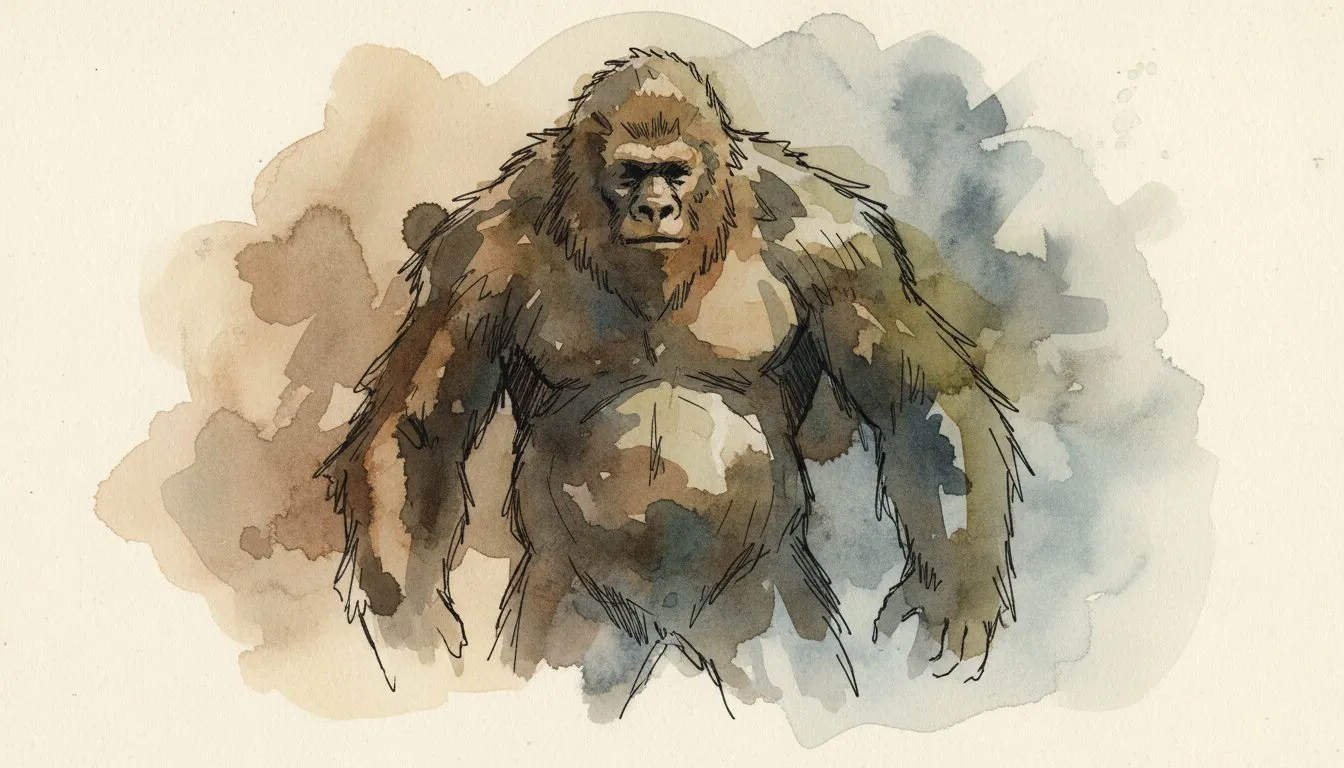
Skunk Ape
Florida's foul-smelling answer to Bigfoot, lurking in the Everglades heat.
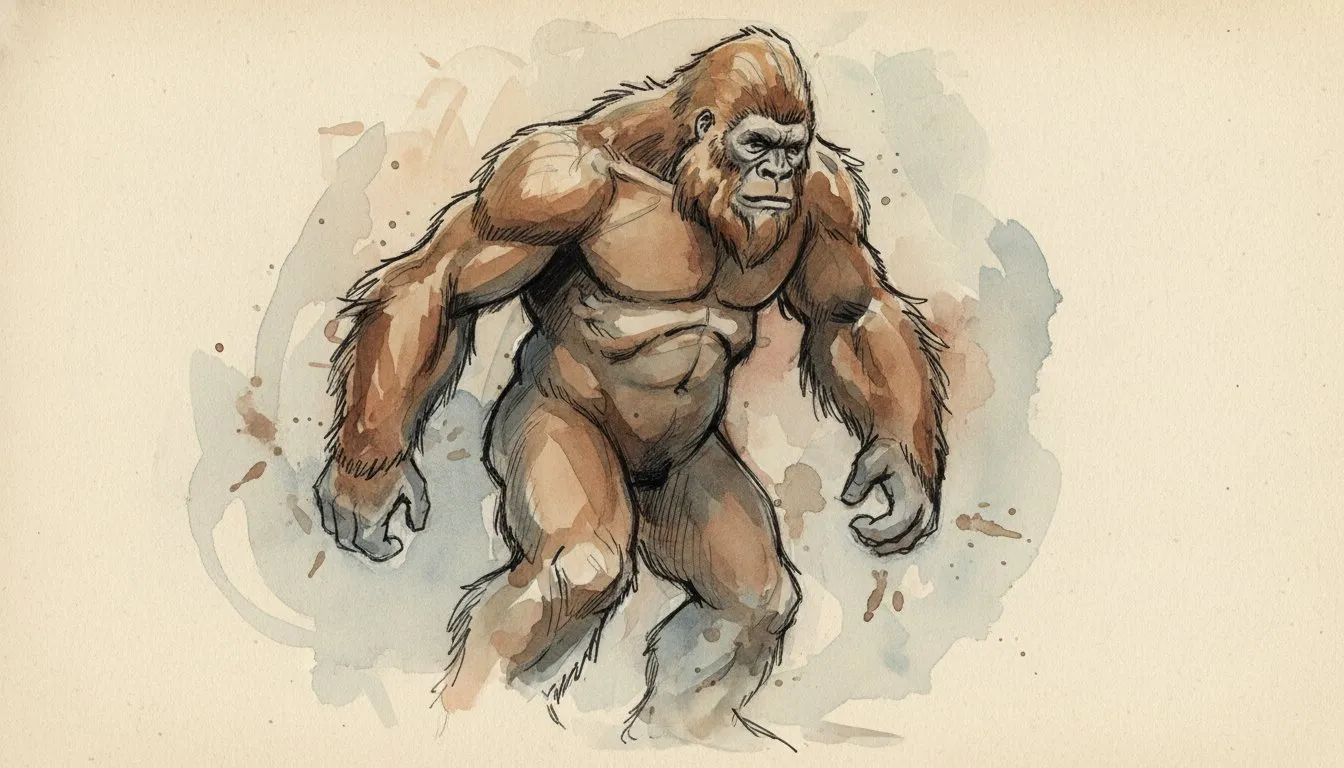
Bigfoot
The towering ape-man of the Pacific Northwest, glimpsed in fog and legend for centuries.
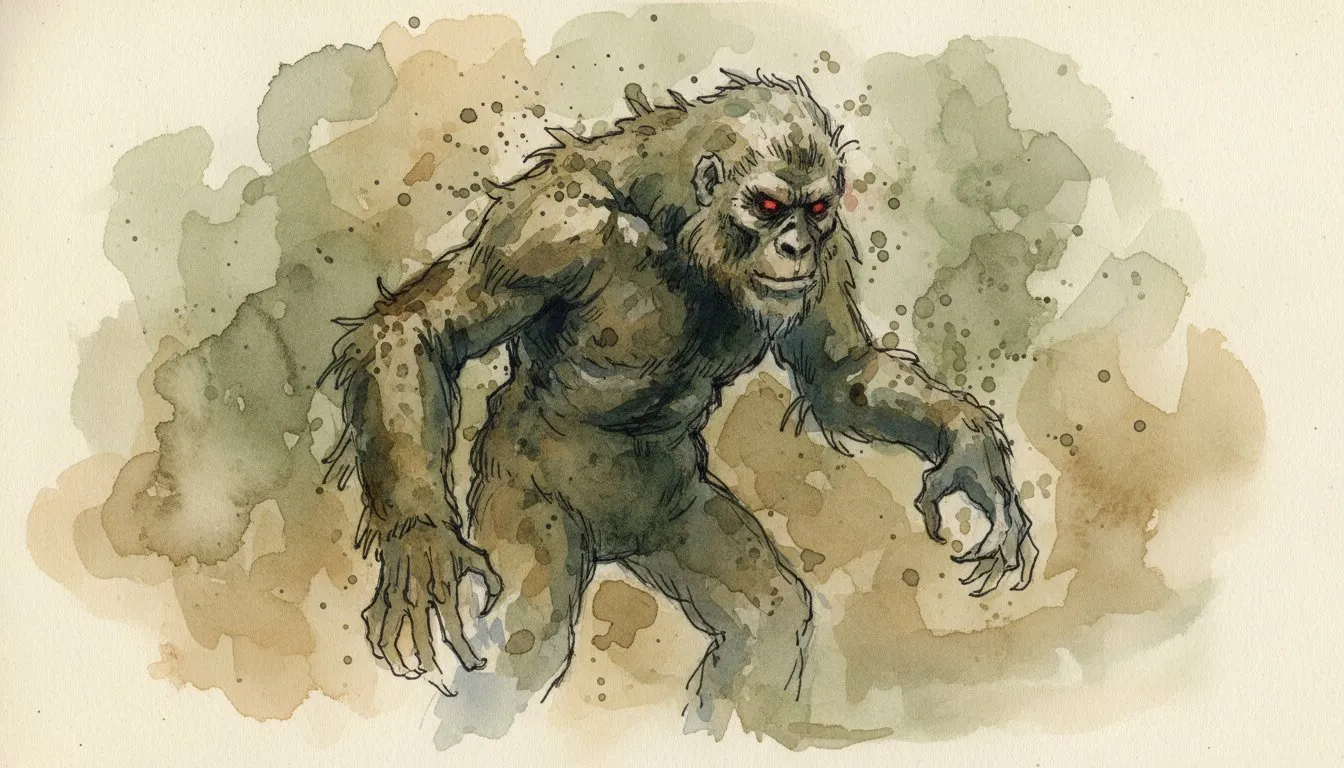
Honey Island Swamp Monster
A web-footed, amber-eyed beast haunting one of America's most pristine swamps.
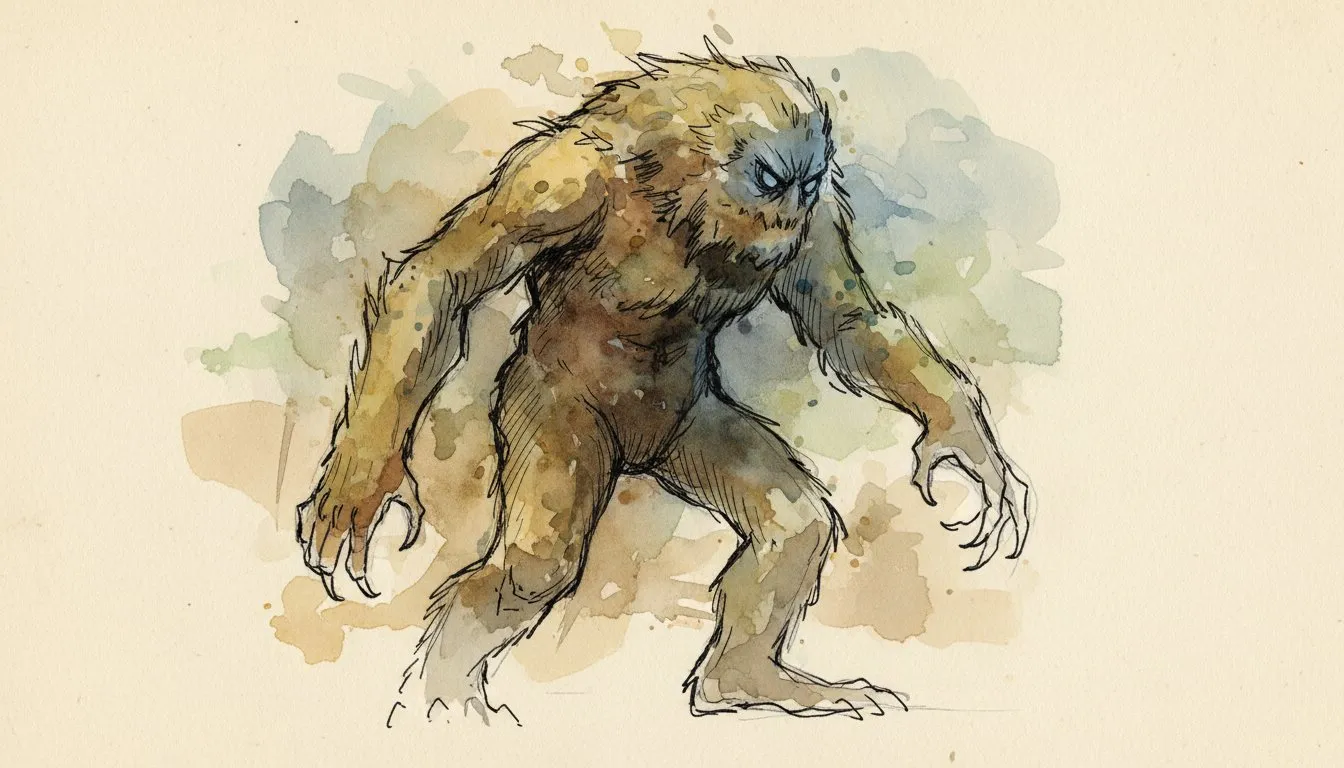
Fouke Monster
The hairy hominid of Boggy Creek, Arkansas, that inspired one of horror's first docudramas.