
The Pacific Northwest Cryptid Map: Every Creature Reported from the Cascades to the Coast
The Most Active Cryptid Region in the World
If you drew a map of global cryptid activity and sized each region by reported sightings, the Pacific Northwest would dominate it. Washington, Oregon, and British Columbia account for a disproportionate share of Bigfoot reports, two of the most compelling lake creature cases in North America, and one of the only credible winged cryptid sightings on record.
Spring is when sightings spike. Snow melts, hikers hit the trails, and whatever lives in those forests moves. The Bigfoot Field Researchers Organization (BFRO) database shows consistent peaks in PNW sightings between April and June, correlating with increased human activity at the edges of wilderness areas.
Here's what's been reported, organized by where.
The Cascade Range - Bigfoot Country
The Cascades are the spine of the Pacific Northwest, running from northern California through Oregon and Washington into British Columbia. They are also the most Bigfoot-dense stretch of terrain on the planet.
Washington state alone accounts for more BFRO database entries than any other state. The combination of factors is compelling: old-growth forest with limited access, year-round snowpack that preserves tracks, and a human population concentrated in coastal cities that leaves vast interior areas nearly empty.
The most significant documented case from this area remains the 1967 Patterson-Gimlin film, shot at Bluff Creek near the Oregon-California border. Whatever is in that footage - and debate continues over its authenticity - it set the visual template for every Bigfoot report that followed. Described as a female, approximately 7 feet tall, walking with a long stride and visible muscle movement under hair.
More recent and less contested: the Skookum Cast, collected in 2000 by a BFRO research team in the Gifford Pinchot National Forest in Washington. A large impression in mud, consistent with a large primate sitting down, with accompanying hair samples and footprints. Cast to scale, it suggests a creature weighing several hundred pounds.
The habitat argument is straightforward. The Cascades have the food supply (deer, elk, salmon), the tree cover, and the isolation. If something like this exists anywhere, this is where.
The Olympic Peninsula
The Olympic Peninsula juts into the Pacific, bordered by the Strait of Juan de Fuca to the north and the Pacific Ocean to the west. The interior is dominated by Olympic National Park, one of the least-visited wilderness areas in the continental U.S. despite being just a few hours from Seattle.
Sasquatch reports from the Olympic Peninsula differ slightly from Cascade accounts. Witnesses describe creatures more comfortable in coastal forest and river delta environments, comfortable near water. The Hoh Rainforest, one of the few temperate rainforests in North America, has produced multiple footprint finds and several visual accounts.
The density of vegetation here is extreme. Visibility in parts of the Hoh Rainforest is measured in feet rather than yards. Something large could move through that environment without being seen.
The Pacific Coastline - Cadborosaurus
Shift west to the Pacific Ocean and the nature of the reports changes entirely. Cadborosaurus - Caddy to locals - is the sea serpent of the Pacific Northwest coast, reported from Alaska to Northern California for over a century.
The creature is described as 40-70 feet long, with a horse-like head, a long serpentine neck, and a body that moves in vertical undulations rather than side-to-side like a fish. Witnesses include fishermen, naval officers, and waterfront residents along Vancouver Island, the Strait of Georgia, and Puget Sound.
The most significant piece of physical evidence came in 1937 when whalers at a station near Naden Harbour, British Columbia, opened the stomach of a sperm whale and found an unusual carcass inside. The remains were photographed before decomposition made identification impossible. The photographs show a long-necked creature with what appears to be flippers and a horse-like skull. Zoologists who examined the photos at the time could not match it to any known species. The original specimen was lost.
Modern sightings continue. The waters between Vancouver Island and the mainland are deep, cold, and productive enough to support a large predator. Whether Cadborosaurus is a surviving plesiosaur, an unknown species of pinniped, or something else entirely, it remains one of the most geographically specific and consistently described sea creatures in North American cryptid history.
The Columbia River Gorge - Batsquatch
On the night of April 9, 1994, a 18-year-old named Brian Canfield was driving toward Mount St. Helens when his truck inexplicably died and a creature descended from the sky and landed on the road in front of him.
He described it as approximately 9 feet tall with purplish-black wings spanning 50 feet, blue-tinted fur, yellow eyes, and a face that combined simian and bird features. It stood in the road for several minutes before launching back into the air and disappearing over the tree line. His truck started normally after it left.
Batsquatch has been reported in the area around Mount St. Helens and the Columbia River Gorge since the early 1990s. The proximity to the 1980 eruption site - which dramatically altered the local ecosystem - has led some researchers to speculate that the explosion disturbed something living in the volcanic terrain. That's speculative. What isn't speculative is that multiple witnesses across a decade reported a similar creature in a similar geographic area.
The Gorge itself, carved by the Columbia River through the Cascades, creates unusual air currents and microclimates. If a large flying creature existed in this region, the thermals along the Gorge walls would be the obvious flight corridor.
Interior Washington and British Columbia - Ogopogo
Head north and east into the interior, away from the ocean, and the dominant cryptid shifts to lake creatures.
Ogopogo is reported in Okanagan Lake in British Columbia, a 135-kilometer glacial lake running north-south through the interior plateau. The lake reaches depths of 232 meters, has cold, oxygen-poor lower layers that could theoretically support a large cold-adapted animal, and has produced sighting reports going back to the 1800s when indigenous Syilx communities already had a name and traditions around the creature.
Descriptions are more consistent than most lake monster cases. Witnesses typically report a creature 15-20 feet long with a dark green or black body, visible humps, and a head described variously as horse-like or sheep-like. Multiple witnesses have reported the creature simultaneously from different vantage points, making single-witness misidentification harder to argue.
Okanagan Lake is also one of the few cases where the geographic area has been formally surveyed for large aquatic organisms, most recently in the early 2000s. No conclusive evidence was found, but the survey also acknowledged that the lake's depth and thermal structure could conceal a large animal from surface sonar.
Similar reports come from Kalamalka Lake, Wood Lake, and other water bodies connected to the Okanagan system. Whether these represent sightings of the same creature or multiple animals using a lake network is an open question.
Best Places for Cryptid Tourism in the PNW
Mount St. Helens National Volcanic Monument, Washington. The Batsquatch area and active Bigfoot corridor. The visitor center at Johnston Ridge is a good base. Trails run through terrain with multiple sighting reports.
Ape Canyon, Washington. Named after a disputed 1924 incident where miners reported being attacked by large ape-like creatures. Access from the south side of Mount St. Helens. The canyon itself is remote enough to feel genuinely isolated.
The Hoh Rainforest, Olympic National Park. The most intact temperate rainforest in the U.S. The Hall of Mosses trail is accessible but the further you go on the Hoh River Trail, the more isolated it gets. Multiple footprint finds in this area.
Okanagan Lake, British Columbia. Kelowna sits at the midpoint of the lake and has an active Ogopogo tourism culture. The waterfront park has a statue. Boat tours run from May through September.
Fort Langley, British Columbia. On the Fraser River, this is one of the most historically documented areas for Sasquatch activity in BC. Harrison Hot Springs, nearby, hosted one of the first organized Sasquatch searches in North America in 1958.
What Spring Means for the Region
Spring in the Pacific Northwest is transition season. Snow recedes from the high Cascades, opening routes that were impassable for months. Salmon begin their upstream runs, drawing bears and other large animals to river corridors. And hikers start moving into areas that had no human presence for five months.
If there is something in those mountains, spring is when you're most likely to cross paths with it. Not because it becomes more active, but because you do.
The Cascades are the densest cluster of campground sighting reports in the country. See how the region compares in our guide to cryptids reported near U.S. campgrounds.
The same Western wilderness logic plays out in the national parks. See the creatures of Yellowstone in the Northern Rockies and Yosemite in the Sierra Nevada.
Cadborosaurus and Ogopogo both cross into a wider Canadian file: see our guide to Canadian cryptids. Cadborosaurus's ocean habitat is also part of a worldwide roster: see our guide to ocean cryptids.
Explore the creatures: Bigfoot, Cadborosaurus, Batsquatch, Ogopogo.
Get the Field Notes.
Field notes from the Vault, when there is something worth sending. No spam.
No spam. Unsubscribe anytime.
Creatures mentioned in this post
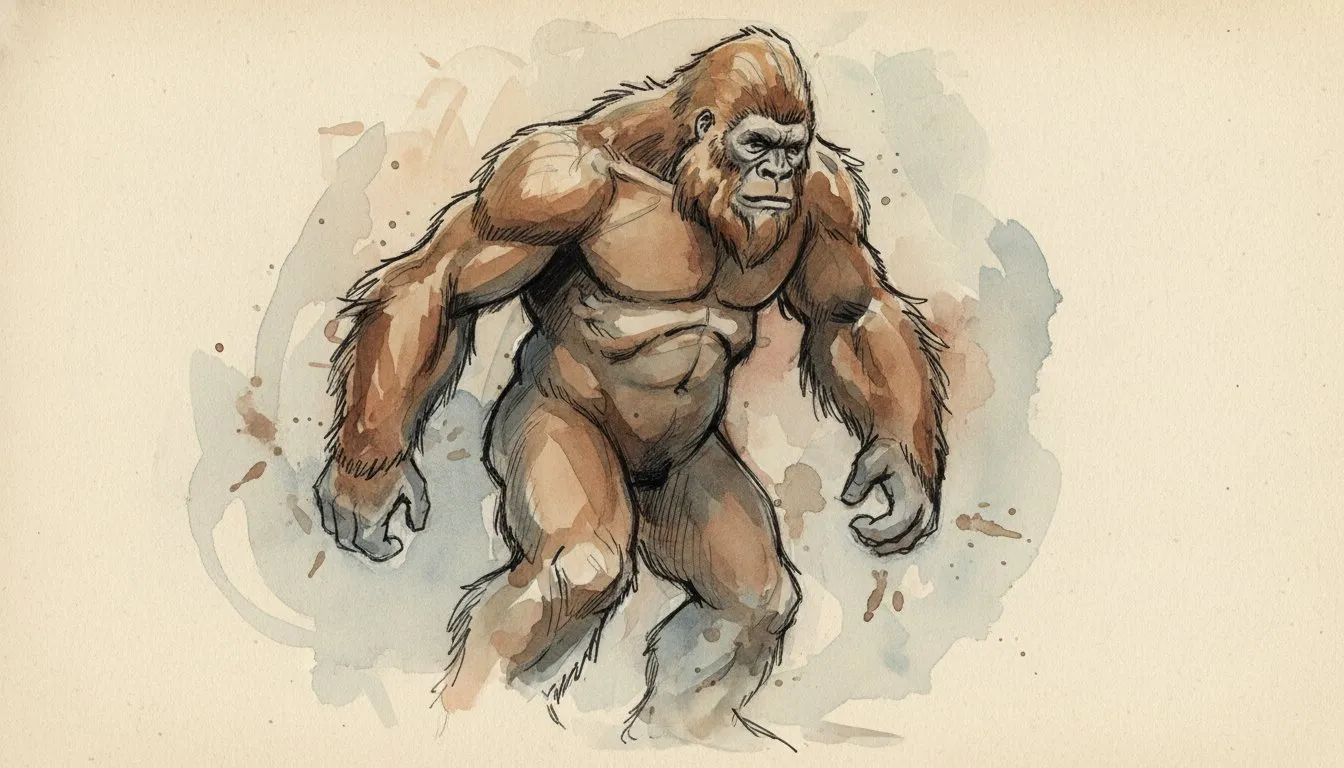
Bigfoot
The towering ape-man of the Pacific Northwest, glimpsed in fog and legend for centuries.
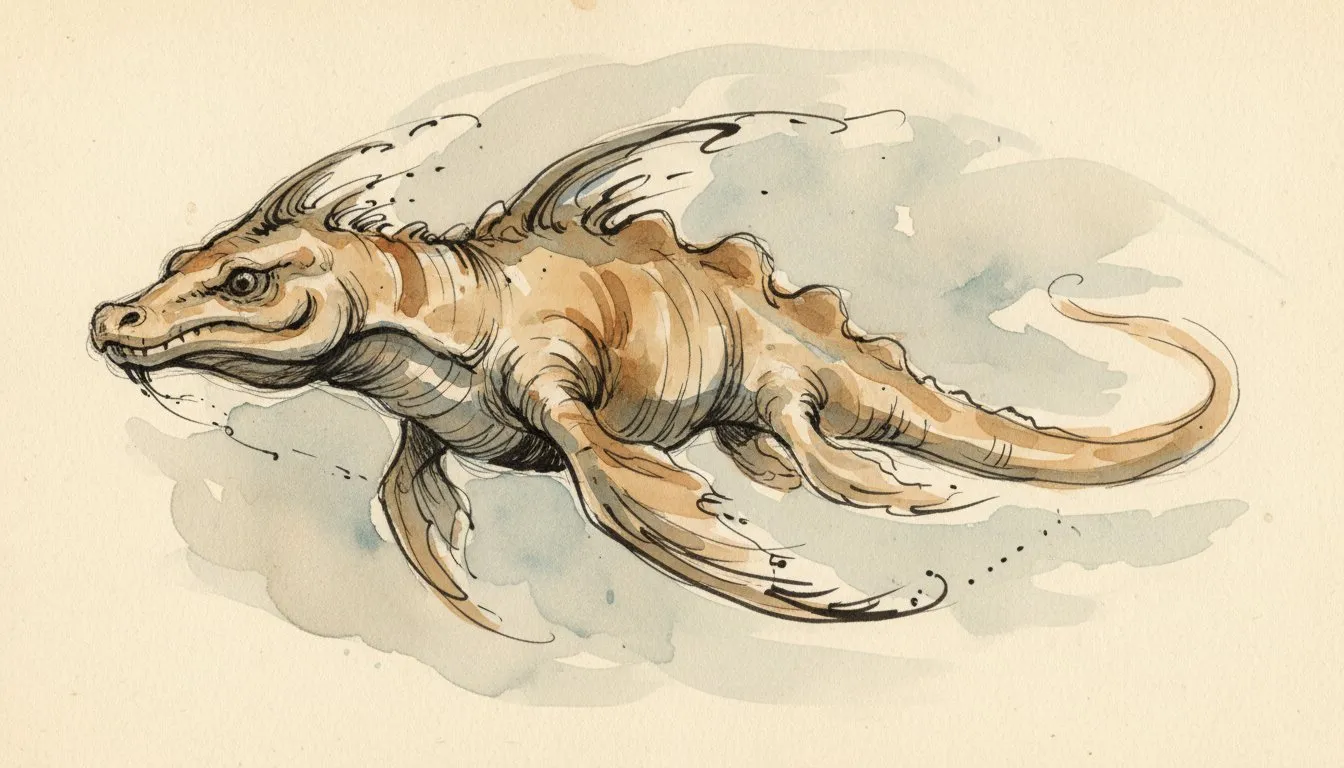
Cadborosaurus
A horse-headed sea serpent weaving through the waters of the Pacific Northwest.
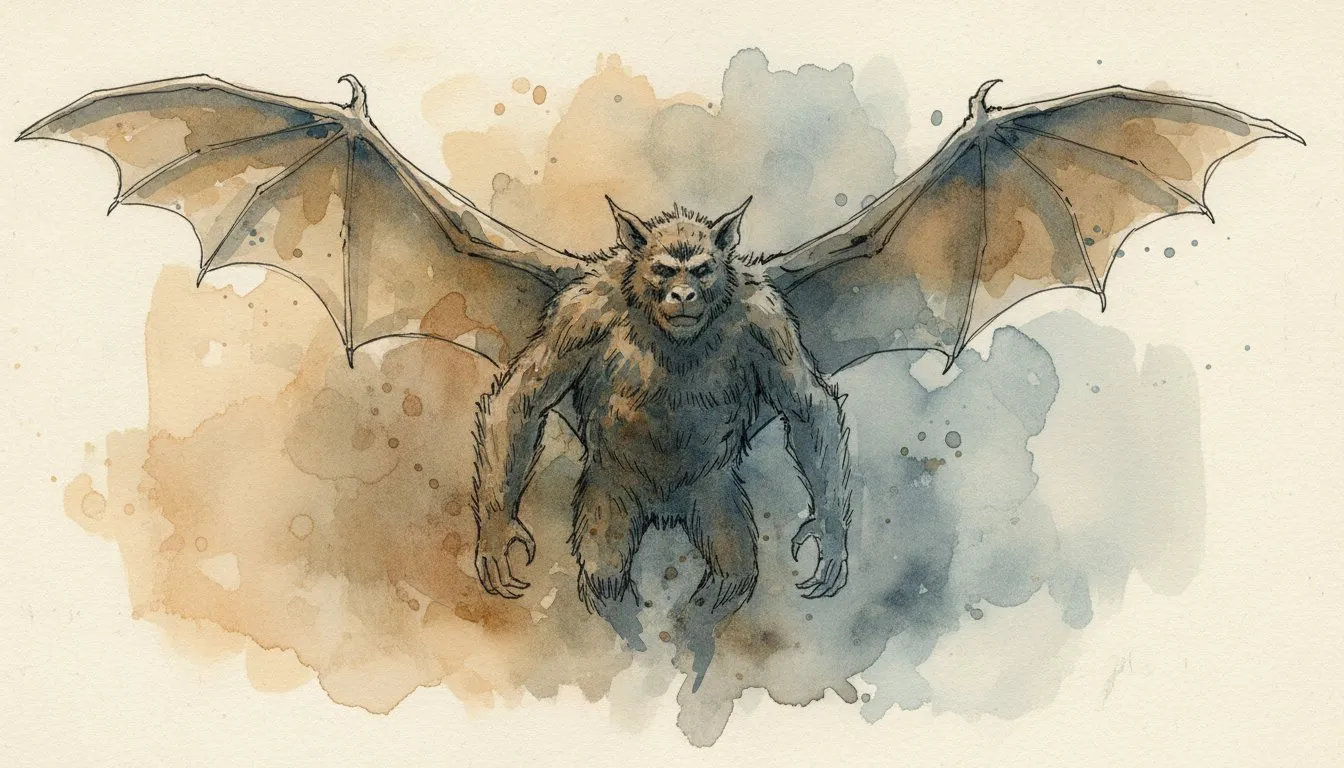
Batsquatch
A purple-skinned, bat-winged ape seen near Mount St. Helens after the eruption.
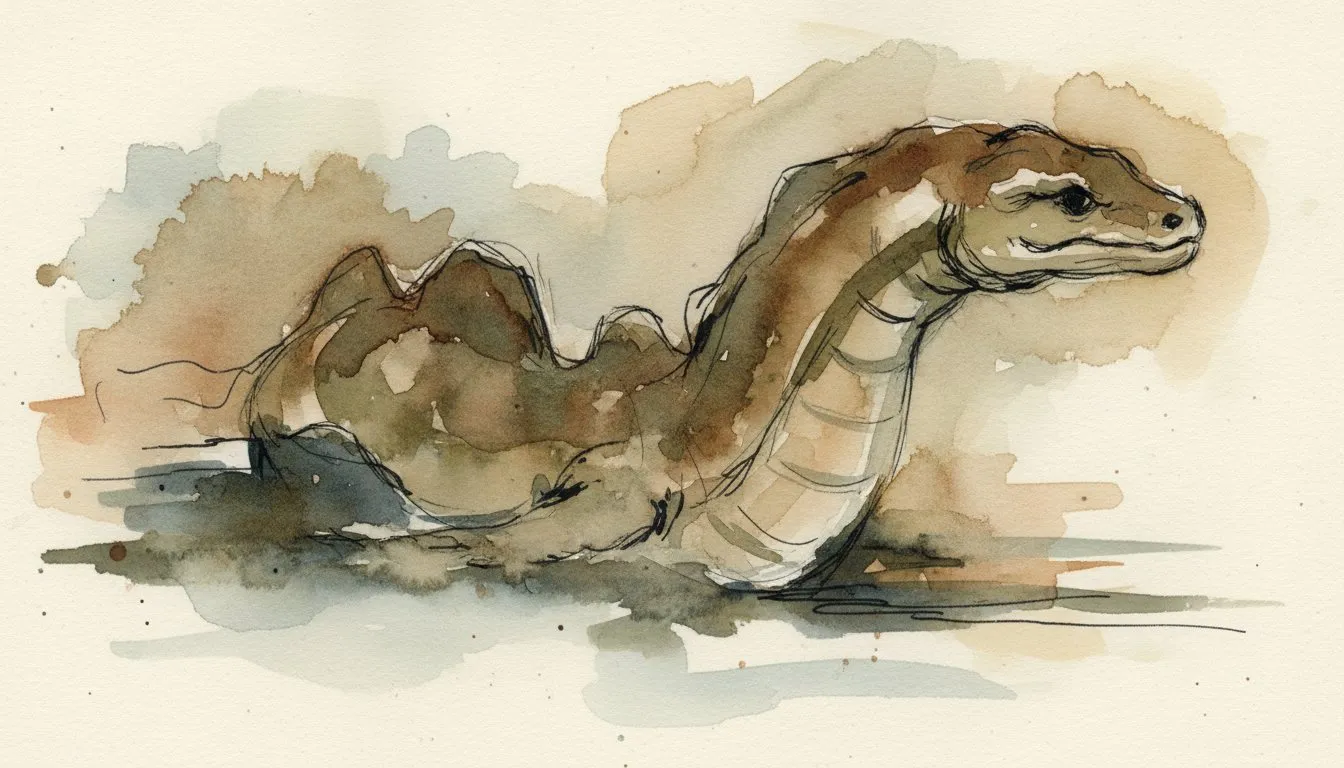
Ogopogo
Canada's answer to Nessie, coiling through the depths of Okanagan Lake.