
The Summer Swimming Hole Cryptids: Lake Monsters and River Creatures Reported by Swimmers and Kayakers
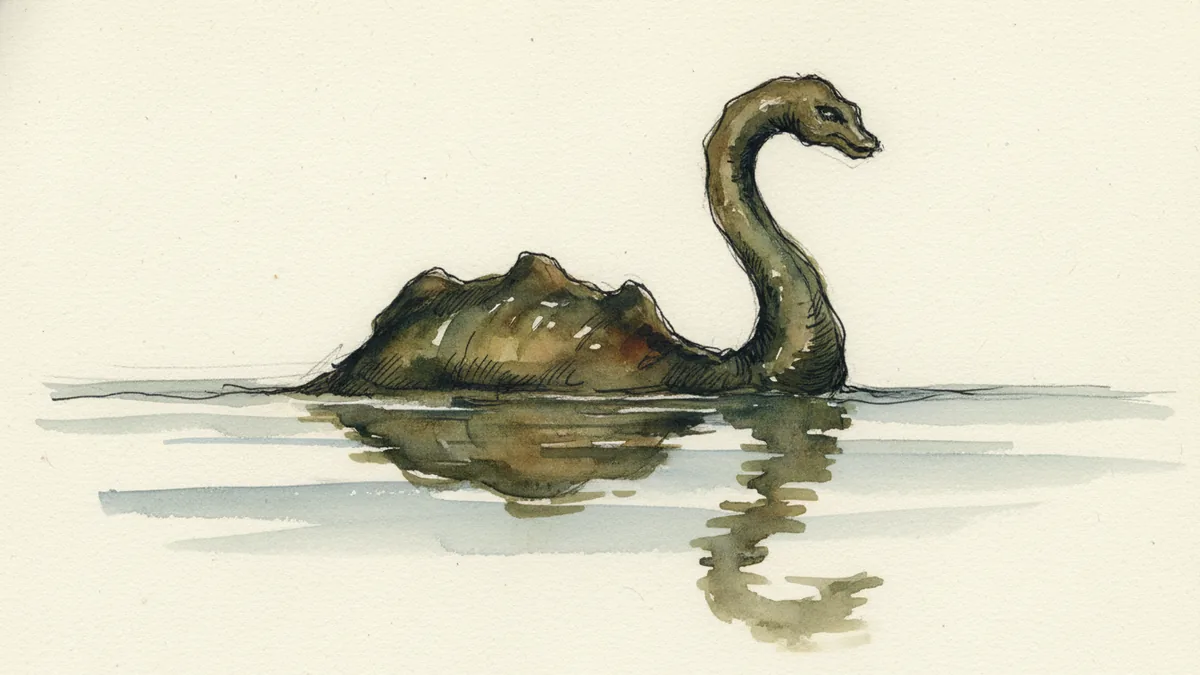
You Are Not Watching From the Boat. You Are In It With Them.
Most lake monster stories come from the deck of a boat or the safety of the shore. This is a different collection. These are accounts from people who were in the water, or right at its edge, when something happened: swimmers, divers, waders, and kayakers sitting low enough that their eyes were inches above the surface.
That vantage changes everything. A paddler in a kayak is quiet, slow, and seated at the exact height where a passing wake reads as a body. A swimmer has no hull between their legs and whatever shares the water. And summer is the season when the most people are in the water at once.
If you want the broad survey of freshwater cryptids, we have that list. This is the wet-skin version.
Why Summer Produces More In-Water Encounters
Three things stack up between June and September.
First, sheer numbers. Swimming holes, river bends, and shallow lake coves fill with people. More bodies in the water means more chances for someone to feel or see something they cannot explain.
Second, visibility drops in a specific way. Warm water triggers algae blooms and swimmers kicking through a cove stir up sediment, so you can often see only a foot or two ahead. Anything below that becomes a shape and a guess.
Third, the water gets quieter in the places that matter. Many swimming holes and protected coves ban motorboats or sit upstream of them. Less engine noise and less propeller wash means, the argument goes, less reason for a large animal to stay deep and hidden. Skeptics counter that quiet water just makes people notice ordinary ripples. Both can be true.
Champ: The Thing That Brushed a Leg
Champ, the creature of Lake Champlain between Vermont and New York, is usually photographed from boats. The famous 1977 Mansi photo was taken from the shore. Less discussed are the swimmer reports: people treading water off the Vermont beaches who describe a hard, smooth surface bumping a leg, or a swell of displaced water lifting them when no boat had passed.
The skeptical read is a lake sturgeon. Champlain holds sturgeon that reach six feet, bottom-feeders with bony plates that would feel exactly like a hard, ridged surface against a swimmer's shin. A startled one moving off would shove a wall of water ahead of it.
Believers point out that sturgeon are rare and protected in the lake, that most swimmers know what a fish feels like, and that a single bump does nothing to explain the long-necked shapes other witnesses report from shore. The bump alone is weak evidence. It is the bump plus a century of other accounts that keeps people uneasy.
Altamaha-ha: The Wake That Came From Under the Kayak
Georgia's Altamaha-ha, nicknamed Altie, lives in the blackwater of the Altamaha River near Darien. The river runs tea-dark with tannins, and kayakers are the people most often on it. The recurring kayaker account is not a clear sighting. It is a heavy wake rising on a windless, boatless stretch, sometimes lifting the bow, and a long shape rolling under the hull before the water closes over it.
Skeptics reach for the Atlantic sturgeon, which still runs up the Altamaha to spawn and can top eight feet, or for a large alligator moving fast below the surface. Both produce exactly that kind of rolling wake under a small boat.
The objection from locals is about shape and length. An alligator surfaces and you see the alligator. Altie reports describe something that stays submerged, longer than any gator they have seen, with a vertical undulation more like a mammal than a reptile. The water is too dark to prove them right, and too dark to prove them wrong.
Tahoe Tessie: What Divers Say About the Cold Below
Tahoe Tessie is a different case, because Lake Tahoe is clear and brutally deep, over 1,600 feet, and the interesting accounts come from divers and deep swimmers rather than surface watchers. Divers describe large dark shapes at the edge of visibility in the cold layer, and a few report the sense of being watched a beat before something moves off into the black.
Here the skeptical explanation is almost elegant: thermoclines. Tahoe has sharp temperature layers, and the boundary between warm surface water and the frigid deep bends light and smears shapes across it. A trout hanging at the thermocline can look enormous and wrong. Cold, low visibility, and a diver's adrenaline finish the job.
Divers who believe they saw something counter that they know what a thermocline looks like, and that a refraction artifact does not track you with what feels like attention. The fair position is that the deep cold of Tahoe is one of the least observed environments in North America, which is exactly why it holds onto its mystery.
White River Monster: What the Waders Felt
Arkansas gave the White River Monster, nicknamed Whitey, the rare distinction of a state-protected refuge after a wave of 1937 sightings near Newport. The river is shallow and muddy in the stretches where people wade and swim, and the in-water accounts are tactile rather than visual. Waders describe the bottom seeming to move, a large body sliding past their legs, and water shoving up around them with no boat anywhere in sight.
The standard explanation is a big flathead catfish or an out-of-place alligator gar, both of which the lower White River holds, plus the slim chance of a bull shark, which can travel far up freshwater rivers. Any of those brushing a wader's legs in murky water would feel monstrous.
What keeps Whitey alive is scale. The 1937 descriptions were of something the length of a boxcar with gray, peeling skin, far beyond any catfish. People wading that water today are not feeling a legend. They are feeling something large in low visibility, and the old record tells them exactly what to be afraid of.
The Loveland Frog: Met at the Water's Edge, on Foot
Not every water cryptid is felt from in the water. Ohio's Loveland Frog is encountered on foot, at the seam where land meets the Little Miami River. The 1972 police sightings put a three to four foot froglike biped on a guardrail before it leapt over and into the river, and the 1955 original account is similar: something crouched at the riverbank, upright, that retreated to the water when noticed.
Skeptics have a strong candidate here. In 2016 a teenager's viral Loveland Frog photo was matched to a large escaped pet iguana, and a sober reading of the 1972 case is a misidentified animal at night, a beaver or an oversized frog or a person in a costume, magnified by darkness and a quiet road.
Believers separate the modern hoaxes from the police reports, which came from two officers, independently, who had no obvious reason to invent a frog. The water's edge is the throughline. Whatever was seen, it was always next to the river, and it always went back to it.
Hawkesbury River Monster: The Quiet One the Paddlers Know
The least famous of the group lives northwest of Sydney. The Hawkesbury River Monster, called Mirreeulla by the Dharug people who carved it into riverside rock long before European settlement, haunts a wide, tidal, murky river system that is now thick with kayakers and small craft. Paddler accounts describe a long neck breaking the surface ahead of the boat, or a plesiosaur-shaped silhouette rolling alongside before it dives.
The skeptical menu is the familiar one: large bull sharks, which thrive in the brackish Hawkesbury, plus floating logs, the occasional fur seal that wanders upriver, and the way a tidal current can animate a half-sunk branch into something that appears to swim.
The counterargument is the rock art. The shape the Dharug engraved thousands of years ago matches what paddlers say they see now, a continuity that is hard to wave off as a few people mistaking a seal. Whether that continuity points to a real animal or to a very old story the river keeps retelling is the question that makes it worth the paddle.
If It Ever Happens to You
If you are the person in the water, a few habits turn a story into something useful.
- Photograph or film immediately, and keep filming. A continuous clip with the shoreline in frame for scale is worth far more than a single sharp still.
- Note the conditions while they are fresh: water depth, visibility in feet, time of day, water temperature, and whether any boats had passed recently.
- Mark your location precisely. A pinned map point lets other people check sightlines and rule out a passing wake.
- Resist the urge to tidy up the account. What you actually saw or felt, including the boring parts, is more valuable than a clean narrative.
- Report it. The Bigfoot Field Researchers Organization (BFRO) takes more than Bigfoot reports, regional cryptid groups and university biology departments will accept freshwater sightings, and a calm, detailed report helps the next person who feels something brush a leg.
None of this proves a monster. It is simply the difference between an anecdote and a record. Most encounters resolve into a sturgeon, a thermocline, or a log doing something convincing in bad light. A few never quite resolve, and those are the ones that keep people coming back to the water every summer with their eyes just above the surface, half hoping.
Sturgeon come up again and again in freshwater reports, and nowhere more than in the five biggest lakes on the continent. Read the Great Lakes water monsters for the per-lake roster and the fish behind a good share of it.
If the lake is your Fourth of July plan, our Fourth of July cryptid files maps the creatures reported near America's busiest summer destinations.
Champ is one of two lake creatures on Vermont's borders. For the other, and for the rest of the regional record, see our guide to New England cryptids.
Get the Field Notes.
Field notes from the Vault, when there is something worth sending. No spam.
No spam. Unsubscribe anytime.
Creatures mentioned in this post

Champ
America's own lake monster, surfacing in the waters between Vermont and New York.
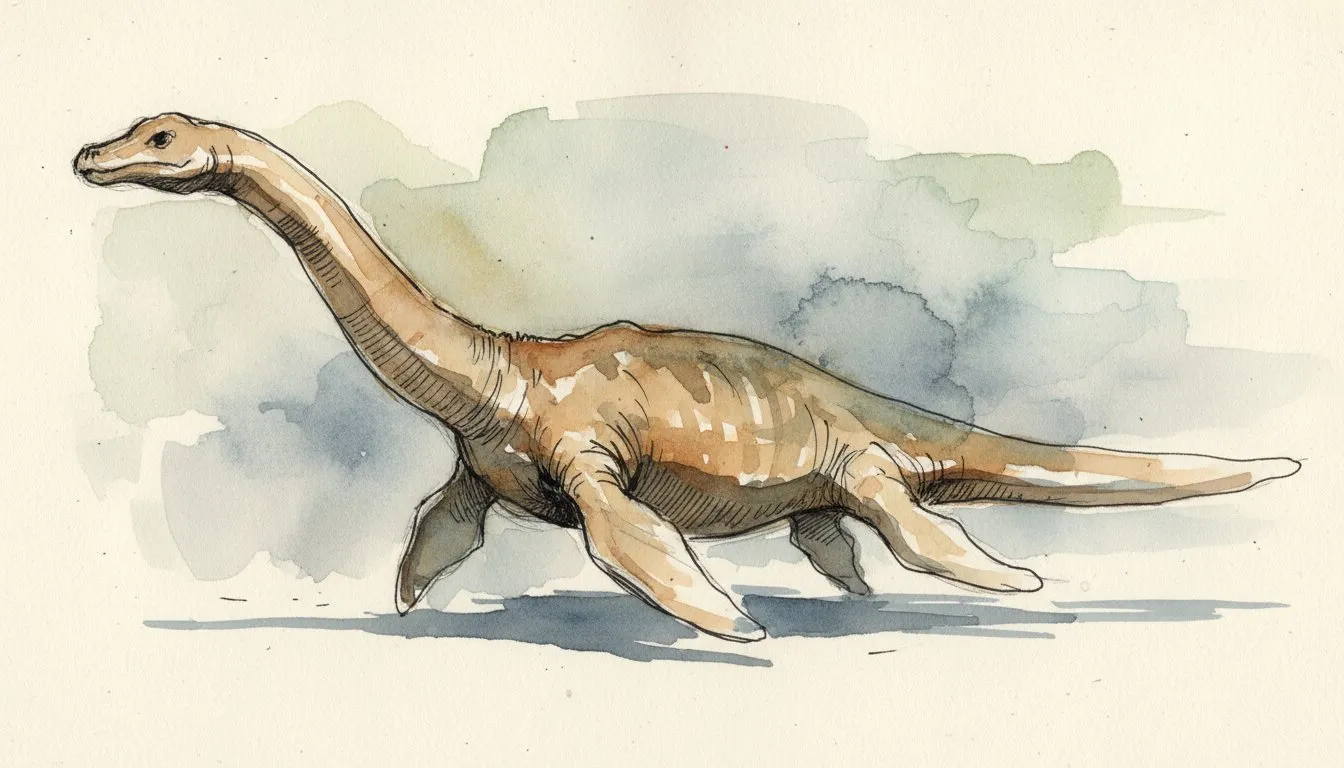
Altamaha-ha
Georgia's river serpent, a long-necked mystery lurking in the murky Altamaha.
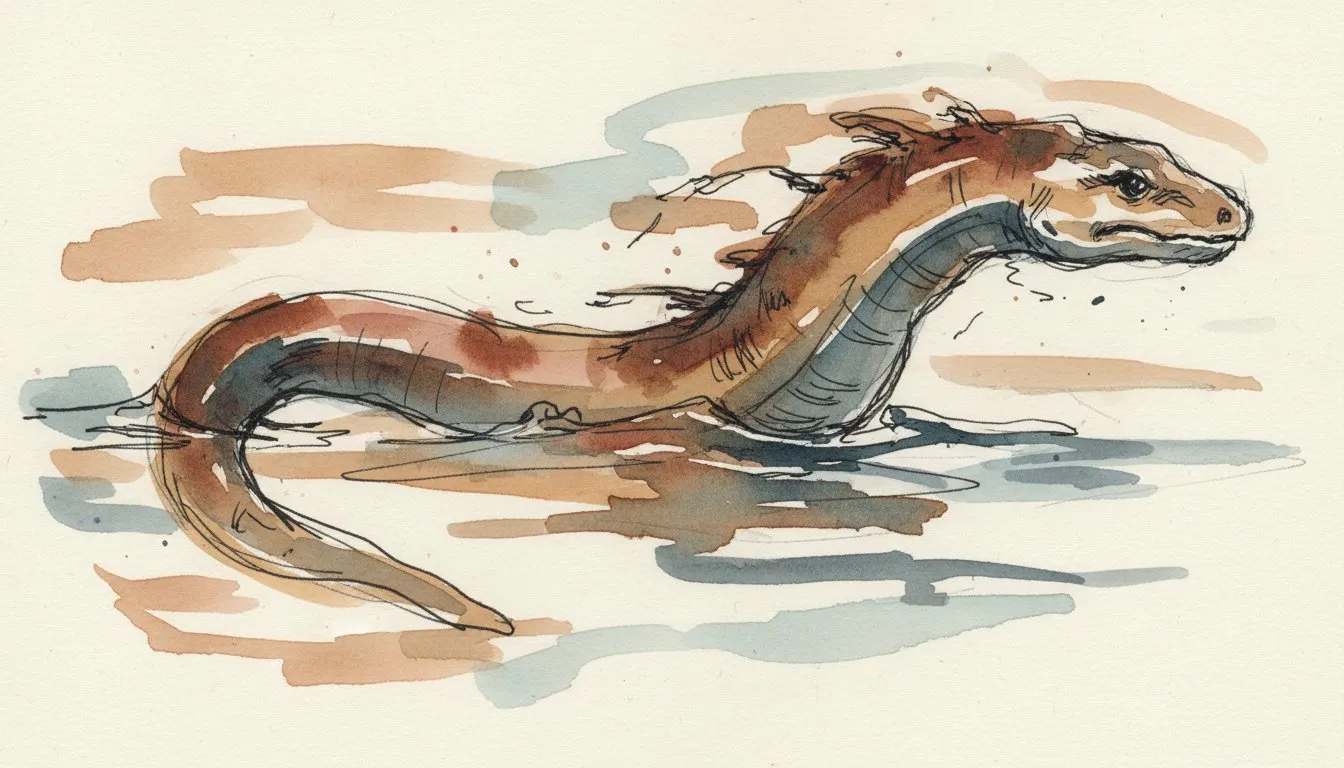
Tahoe Tessie
A serpentine lake dweller hiding in the frigid depths of Lake Tahoe since Washoe legend.
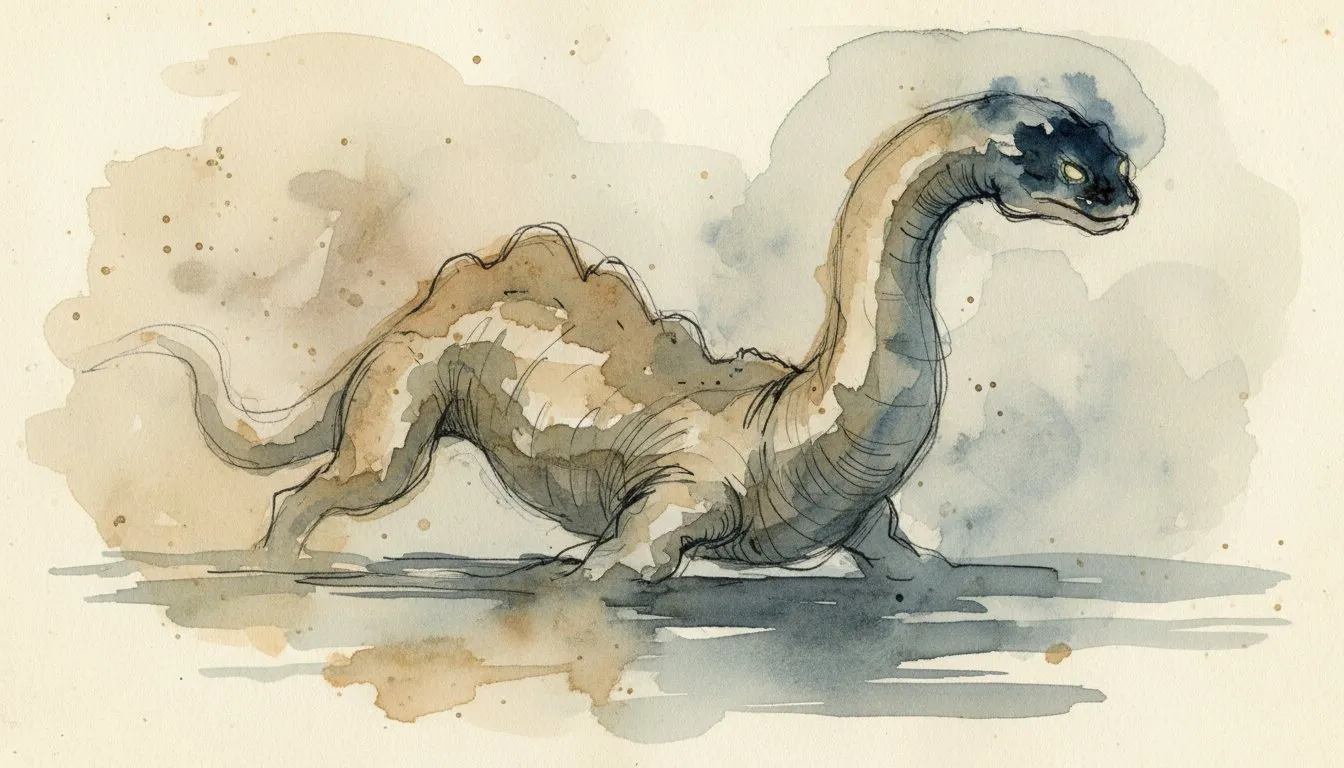
White River Monster
An enormous gray creature that churned the White River and earned state legal protection.