
Bigfoot Sightings Spike Every Spring: Why April Through June Is Peak Season
The Pattern in the Data
Every year, like clockwork, Bigfoot sighting reports surge in the spring. The Bigfoot Field Researchers Organization (BFRO) database, the largest public repository of Sasquatch encounter reports, shows a consistent spike beginning in April and peaking in May and June. This isn't random. It's a pattern that has held for decades across thousands of reports.
The question isn't whether the spike is real. It is. The question is why.
More Boots on More Trails
The simplest explanation is exposure. Americans return to the outdoors in massive numbers once spring arrives. The National Park Service and U.S. Forest Service both report that trail traffic doubles or triples between March and June compared to winter months. More people in the woods means more potential witnesses.
But raw foot traffic doesn't fully explain the pattern. Summer months see even higher trail usage, yet sighting reports taper off in July and August. If this were purely a numbers game, peak sightings would track with peak visitation. They don't. Something else is happening in spring specifically.
Snowmelt Reveals What Winter Hid
Spring snowmelt is a major factor in track discoveries. Across the Pacific Northwest, the Rockies, and the Appalachian range, retreating snow exposes soft ground underneath. This is prime conditions for footprint preservation. Large tracks that would be invisible on frozen ground or hidden under snow suddenly appear in mud, riverbanks, and forest floors.
The BFRO logs show that track and footprint reports are disproportionately concentrated in April and May. Many witnesses don't see a creature at all. They find tracks, sometimes following them for hundreds of yards before the trail disappears into rocky terrain or water.
Animal Behavior and Food Cycles
If a large, undiscovered primate exists in North American forests, it would be subject to the same seasonal pressures as known wildlife. Spring is when food sources shift dramatically. Berry bushes begin producing. Fish runs start in Pacific Northwest rivers. Deer move to lower elevations with their new fawns.
A large omnivore following these food sources would become more active and more visible in spring. Black bears, which share much of the same habitat attributed to Bigfoot, show identical behavioral patterns. They emerge from winter dens, range widely in search of calories, and are spotted near human activity far more often between April and June.
The Skunk Ape of Florida follows a slightly different calendar. Sightings in the Everglades and Big Cypress Swamp tend to start earlier, in March, tracking with the subtropical climate and earlier onset of warm weather activity.
The Dawn and Dusk Window
Spring also changes the light. Days grow longer, and the critical dawn and dusk periods, when wildlife is most active, now overlap with hours when hikers are actually on trails. In winter, dusk falls at 4:30 or 5:00 PM. By May, it stretches past 8:00 PM. That extra window of low-light activity is when a significant percentage of sightings occur.
The BFRO data confirms this. Across all seasons, the majority of visual sightings happen in the two hours after dawn and the two hours before full dark. Spring simply puts more people outdoors during those windows.
Regional Hotspots in Spring
The spring spike isn't uniform across the country. It concentrates in specific regions.
Pacific Northwest. Washington and Oregon see their highest sighting rates from May through July, as mountain snow recedes and hikers access higher-elevation trails. This is classic Bigfoot territory, dense old-growth forest with minimal road access.
Appalachian Corridor. From Pennsylvania down through West Virginia and into the Carolinas, spring sightings cluster along river valleys and ridgelines. The Fouke Monster of Arkansas follows a similar spring pattern, with sighting reports peaking as the Sulphur River bottoms warm up and flood cycles recede.
Great Lakes Region. Michigan, Ohio, and Wisconsin report spikes in April and May. The Dogman of Michigan, while a distinct phenomenon from Bigfoot, also shows increased spring reporting, particularly in the northern Lower Peninsula.
What Skeptics Say
Skeptics offer a straightforward counter-argument. More people outdoors means more misidentifications. Black bears standing upright, large hikers seen at a distance through brush, stumps in low light. All of these become "Bigfoot" to someone primed by the cultural expectation of seeing one.
This is a reasonable point. Misidentification certainly accounts for some percentage of reports. But it doesn't explain the track evidence, the audio recordings of vocalizations that peak in spring, or the reports from experienced outdoors people, hunters, wildlife biologists, and forestry workers who know what a bear looks like.
The Yeti Calendar
The seasonal pattern extends beyond North America. Yeti sighting reports from Nepal and Bhutan also concentrate in spring and early summer, when Himalayan snow retreats and climbing expeditions begin. Sherpas and local herders report tracks and sightings most frequently between April and June, precisely when high-altitude passes become accessible.
The parallel is striking. Two continents, two distinct cultural contexts, same seasonal pattern.
What to Watch For This Spring
If you're heading into the woods between now and June, pay attention to a few things. Soft ground near water sources. Unusual tree breaks or structures. Vocalizations at dawn that don't match known wildlife. And that feeling, reported by hundreds of witnesses, of being watched from a tree line.
Spring is when the woods wake up. And maybe not just the woods.
More people sleep in the woods over the summer than any other time of year. Here's what gets reported near campgrounds across the U.S., region by region.
Bigfoot country includes the national parks too. Read about the creatures of Yellowstone and the surrounding Rockies.
Explore the creatures: Bigfoot, Skunk Ape, Yeti, Fouke Monster, Dogman.
Get the Field Notes.
Field notes from the Vault, when there is something worth sending. No spam.
No spam. Unsubscribe anytime.
Creatures mentioned in this post
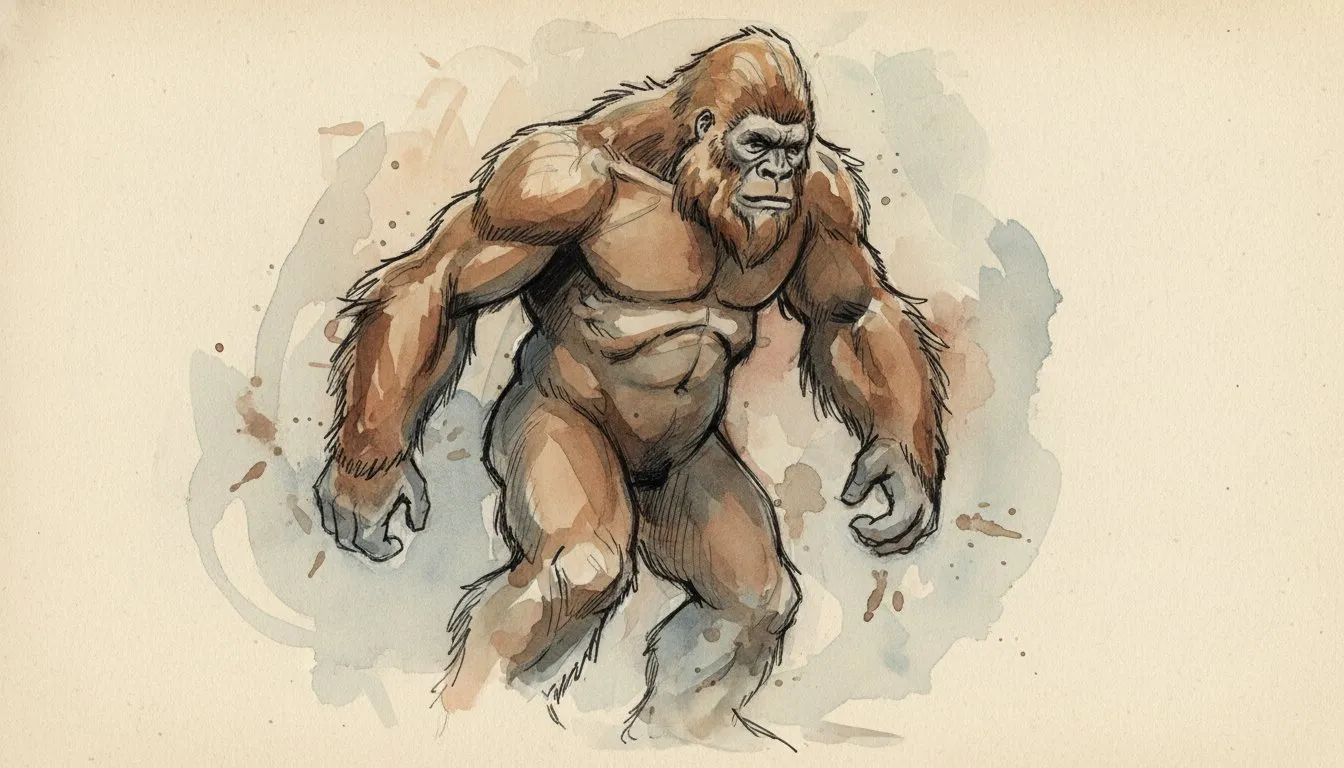
Bigfoot
The towering ape-man of the Pacific Northwest, glimpsed in fog and legend for centuries.
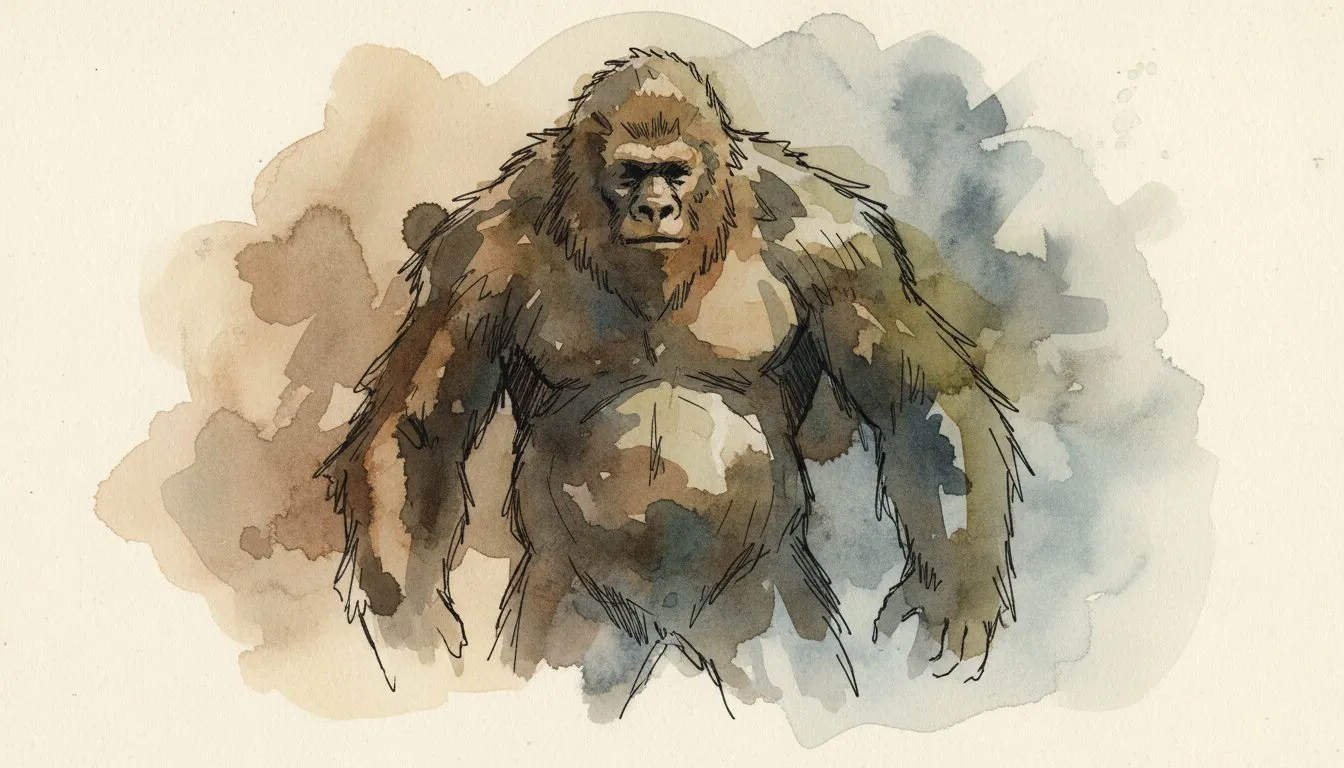
Skunk Ape
Florida's foul-smelling answer to Bigfoot, lurking in the Everglades heat.
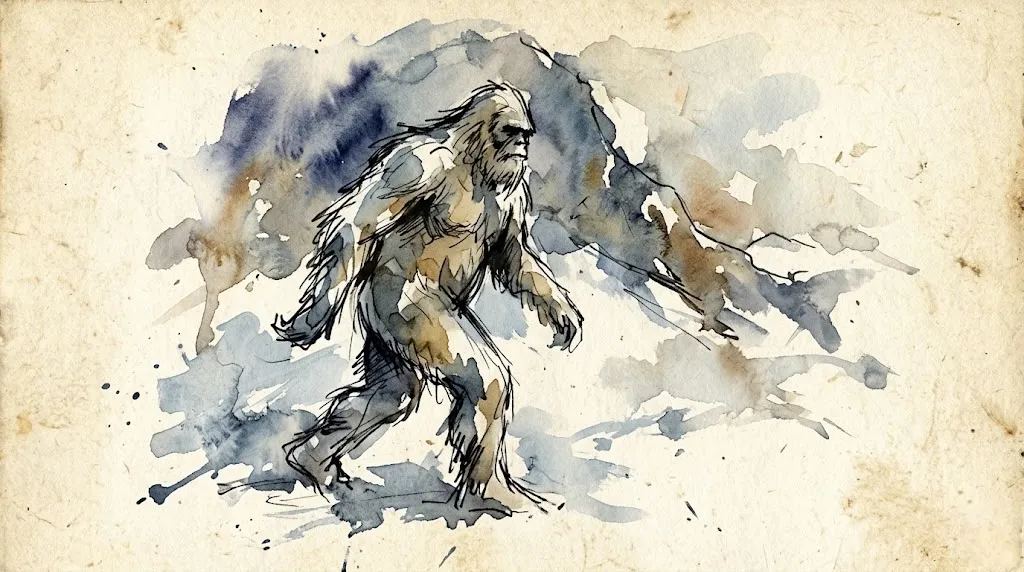
Yeti
The ape-man of the Himalayas, tracked through snow but never confirmed.
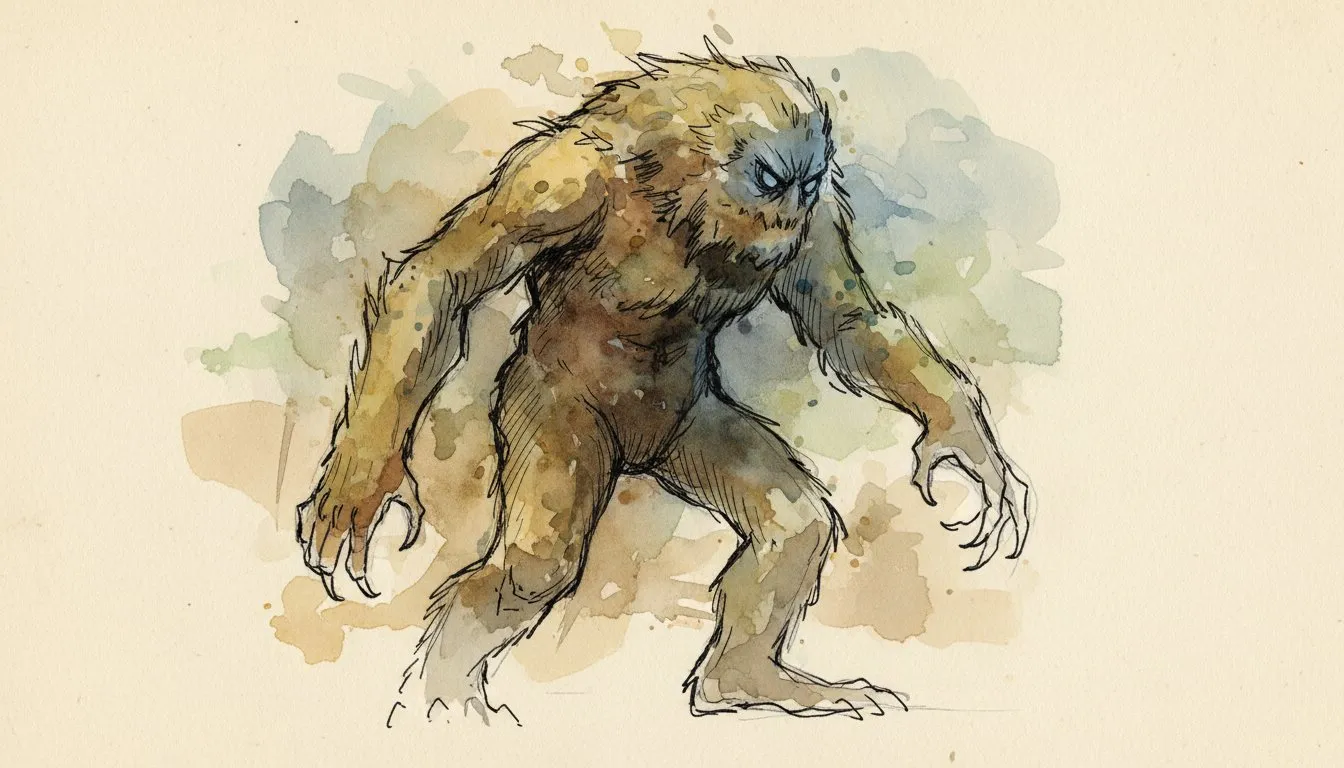
Fouke Monster
The hairy hominid of Boggy Creek, Arkansas, that inspired one of horror's first docudramas.