
Cryptids Reported Near U.S. Campgrounds: A Camper's Field Guide to the Creatures in the Woods
The Woods Are Where the Reports Come From
Most cryptid sightings have one thing in common: somebody was outside, away from town, when it happened. And no activity puts more ordinary people deep in the woods overnight than camping. Campgrounds sit exactly where sighting reports cluster - at the edge of forests, along rivers and lakeshores, inside state and national parks that double as classic cryptid habitat.
This isn't a guide about *when* sightings happen. It's a guide about *where*. If you've ever pitched a tent at a remote site and heard something heavy moving through the trees after dark, you were standing in the overlap between two maps: the one showing where people camp and the one showing where creatures get reported. They line up more often than you'd think.
Here's what gets reported near campgrounds across the U.S., region by region, and what campers actually describe.
Why Campgrounds Specifically
Campgrounds concentrate the exact conditions that produce sighting reports. They put unfamiliar people in unfamiliar terrain, at night, with food smells drifting from sites and a tree line a few yards from where they sleep. Sound carries differently in the dark. A deer becomes a silhouette. A bear standing upright becomes something taller.
That's the skeptical read, and it explains a real share of reports. But it doesn't explain all of them - and the creatures below have been described by hunters, rangers, and repeat campers who know exactly what local wildlife sounds like. The campground is just the place where a regular person is most likely to be standing when something doesn't add up.
Pacific Northwest: Bigfoot Country
If there's a heartland for campground encounters, it's the Pacific Northwest. The dense, wet old-growth forests of Washington and Oregon are the most-reported Bigfoot habitat on Earth, and they're packed with campgrounds along rivers, ridgelines, and lake basins.
Campers here describe the classics: wood knocks (the sound of something striking a tree trunk, often answered from another direction), rocks thrown toward a campsite from beyond the firelight, and the overpowering smell that gives Bigfoot half its regional nicknames. The Gifford Pinchot and Olympic forests turn up in report after report. If you camp the Cascades, you are camping in the single densest cluster of Sasquatch reports anywhere.
The Upper Midwest and Great Lakes: Dogmen and Stranger Things
Camp the northern forests of Michigan, Wisconsin, and Minnesota and the reports change shape - literally. This is the territory of the Michigan Dogman and the Beast of Bray Road, upright canine figures reported along rural roads and forest edges, often near where people camp and hunt.
Wisconsin also gave us the Hodag, a spined, horned swamp creature out of Rhinelander folklore that's now half-mascot, half-legend. Great Lakes campers tend to report sounds more than sightings: drawn-out howls that don't match a wolf or coyote, and the unsettling stretch of total silence - no insects, no frogs - that often gets described right before something is seen.
Appalachia and the South: Wood Boogers, Howlers, and Swamp Monsters
The southern Appalachians draw enormous numbers of backcountry campers, and the region has its own Bigfoot tradition - locally called the Wood Booger in parts of Virginia. Heavy forest cover, steep hollows, and low population density create exactly the conditions reports favor.
Move toward the Ozarks and the Deep South and the roster grows. The Ozark Howler, a bear-sized horned cat known for a blood-curdling cry, is reported across Arkansas and Missouri. The Fouke Monster haunts the swampy bottomlands of southern Arkansas. And the Wampus Cat prowls Appalachian and Southern folklore as a half-feline, half-woman figure tied to nighttime sounds. Campers in this region overwhelmingly report *vocalizations* - screams and howls that locals insist match nothing in the normal woods.
Florida and the Gulf Coast: The Skunk Ape
Florida's state parks and Everglades-edge campgrounds put visitors in the territory of the Skunk Ape, the South's smaller, fouler-smelling answer to Bigfoot. Reported since the 1920s and photographed in 2000, the Skunk Ape is described by campers and airboat guides alike, and its calling card is the smell - a rotten, sulfurous stench that reportedly hangs in the humid air long after the creature is gone.
West along the Gulf, the Honey Island Swamp Monster is reported in the Louisiana wetlands, another swamp-dwelling figure tied to remote, hard-to-reach camping and paddling routes.
The Northeast: Lakeside and Pine Barrens Camping
Lakeside campers in Vermont and New York sit on the shores of Lake Champlain, home of Champ, one of America's most-reported lake monsters. Waking up to camp beside the water here means camping beside more than a century of sightings.
Inland, the New Jersey Pine Barrens - over a million acres of pine forest threaded with campgrounds and trails - is the domain of the Jersey Devil, a winged, hoofed creature reported since the 1700s. Few cryptids are as tightly bound to a single camping region as the Devil is to the Barrens.
What Campers Actually Report (vs. What Movies Show)
Across every region, real campground reports share a pattern, and it's quieter than the movies:
- Sounds before sightings. Wood knocks, howls, screams, and the sudden total silence of the surrounding wildlife are reported far more often than a clear visual.
- Smell. A strong, lingering rotten odor shows up in Bigfoot, Skunk Ape, and Fouke Monster reports again and again.
- Movement at the tree line. Most "sightings" are a large shape moving just past the reach of a headlamp or campfire - rarely a long, clear look.
- Things moved or thrown. Rocks tossed toward camp, gear disturbed, tree branches snapped at heights that don't fit local animals.
If You Hear or See Something
A few practical notes, whether you're a believer or a skeptic:
- Stay at camp and stay calm. Don't go crashing into the dark after a noise. Most reports resolve as wildlife, and the real risks at a campground (bears, getting lost) are far more concerning than any cryptid.
- Note the details while they're fresh. Direction, time, distance, what you actually saw versus what you inferred. Memory rewrites fast in the dark.
- Record if you safely can. A timestamped audio clip of an unexplained howl is worth more than a description written the next morning.
- Know your local wildlife. Owls, foxes, elk bugling, and bears can all produce genuinely alarming sounds. Ruling those out is what makes a report interesting.
How to Report a Sighting
If something stays unexplained, the Bigfoot Field Researchers Organization (BFRO) maintains a public, county-by-county database of reports, and most regional cryptids have dedicated research groups and forums. Logging the location, date, and details - even a "probably nothing" account - is how the maps above get built in the first place.
Camping in the Overlap
You don't have to believe in any of this to notice the pattern: the places people love to camp are the same places people have reported strange things for generations. The deep woods, the swamp edges, the quiet lakeshores. Pitch a tent in Bigfoot country, the Pine Barrens, or the Everglades fringe, and you're not just sleeping outside - you're sleeping inside someone else's sighting report.
If your campsite sits on the water, the creatures reported by summer swimmers and kayakers are worth a read before you wade in.
Some of the busiest campgrounds in the country sit inside national parks. See the creatures reported in the regions of Yellowstone, the Great Smoky Mountains, and Yosemite.
Browse cryptids by U.S. state to see what's been reported where you're headed, or explore the full creature archive before your next trip into the woods.
Planning around the holiday weekend? See which creatures turn up near the parks and lakes everyone visits in our Fourth of July cryptid files.
Two regions carry more campground-adjacent reports than the rest: the woodlots and river bottoms covered in our guide to Midwest cryptids, and the bottomland swamp country in our guide to Deep South cryptids.
Get the Field Notes.
Field notes from the Vault, when there is something worth sending. No spam.
No spam. Unsubscribe anytime.
Creatures mentioned in this post
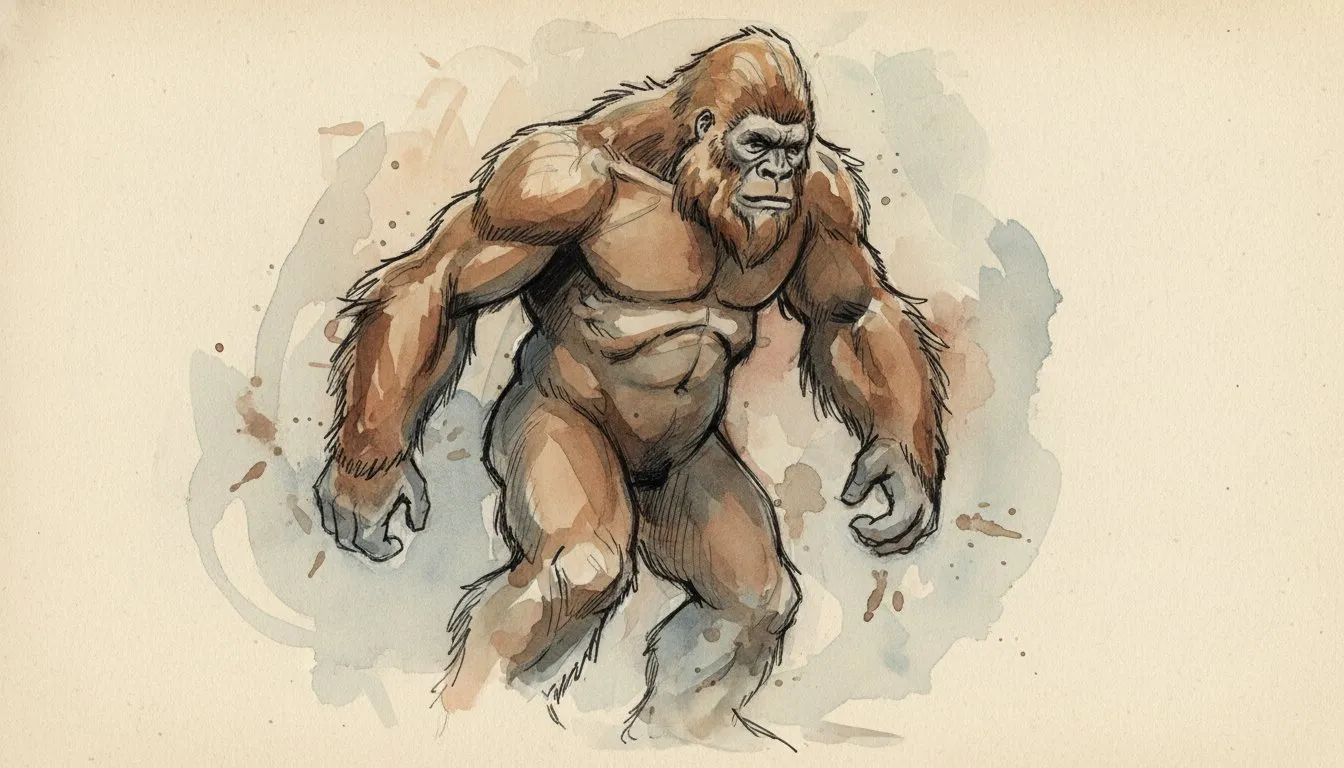
Bigfoot
The towering ape-man of the Pacific Northwest, glimpsed in fog and legend for centuries.
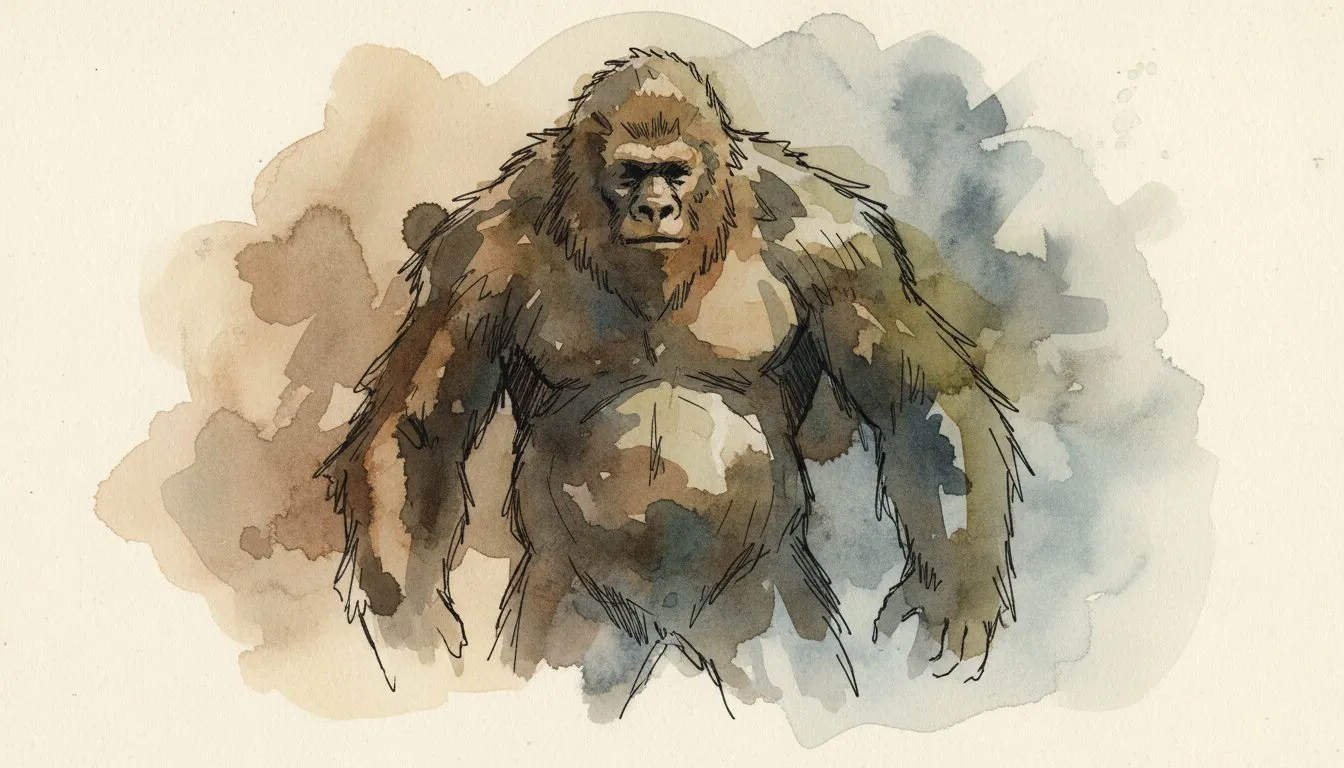
Skunk Ape
Florida's foul-smelling answer to Bigfoot, lurking in the Everglades heat.
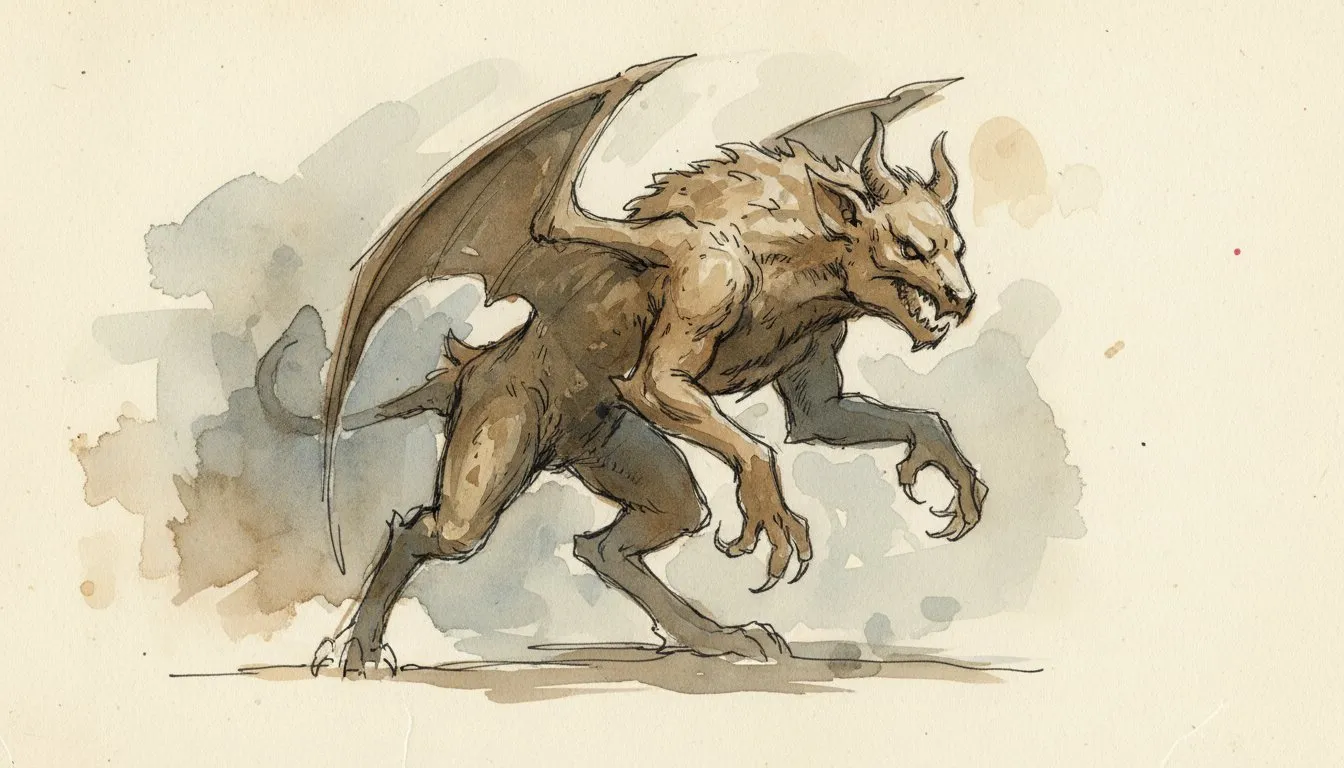
Jersey Devil
A bat-winged, hoofed terror born from a colonial curse in the Pine Barrens.

Champ
America's own lake monster, surfacing in the waters between Vermont and New York.