Cryptid Tourism: The Best Towns to Visit If You're a Believer
Some towns have a Main Street, a diner, and a creature. The creature is unproven, possibly imaginary, and absolutely central to the local economy. Welcome to cryptid tourism, where the line between folklore and civic pride disappears completely.
These six destinations have done more than just report sightings. They've built festivals, museums, statues, and gift shops around creatures that may or may not exist. Whether you're a true believer or just someone who appreciates a town that commits to a bit, these are worth the trip.
Point Pleasant, West Virginia - Mothman
No town on Earth has embraced its cryptid like Point Pleasant has embraced Mothman. The 12-foot stainless steel Mothman statue downtown is the most photographed landmark in West Virginia. The Mothman Museum houses artifacts from the original 1966-67 sighting wave, including newspaper clippings, witness interviews, and props from the 2002 Richard Gere film.
The annual Mothman Festival, held every third weekend of September, draws over 10,000 visitors to a town of 4,000. Expect guest speakers, vendor booths, live music, hayrides, and a pancake-eating contest. The local businesses sell Mothman cookies, Mothman coffee, and Mothman hot sauce.
Best time to visit: September for the festival. Spring and fall for quieter exploration of the TNT area where the original sightings occurred.
Fouke, Arkansas - The Fouke Monster
Fouke is a small town in Miller County that became famous after the 1971 sightings of a large, ape-like creature near Boggy Creek. The encounters inspired "The Legend of Boggy Creek" (1972), one of the most successful independent films of its era, which grossed $25 million on a $160,000 budget.
The Fouke Monster is essentially the Southern Bigfoot. Witnesses describe a 7-foot, foul-smelling, bipedal creature covered in reddish-brown hair. The Monster Mart on Highway 71 serves as the unofficial visitor center, stocked with Fouke Monster merchandise, newspaper clippings, and a healthy dose of local pride. The surrounding Sulphur River bottomlands offer hiking through the exact habitat where sightings have been reported for over 50 years.
Best time to visit: Late spring or early fall. Summers in southwest Arkansas are brutal. The Fouke Monster Festival typically runs in late September.
Whitehall, New York - Bigfoot Capital of New York
Whitehall, a village of about 2,500 near the Vermont border, declared itself the "Bigfoot Capital of New York" after a wave of sightings in the 1970s and 1980s. Multiple witnesses reported a large, bipedal creature in the woods and farmland around the village. Several sightings occurred along the Champlain Canal corridor.
The town installed a large wooden Bigfoot statue on the main drag and sells Bigfoot-themed merchandise in local shops. The Skene Valley Country Club hosts a Bigfoot calling contest. Whitehall leans into the oddity of it all with a sense of humor, but the original witnesses stand by their accounts. The surrounding Adirondack foothills offer some of the best hiking in the Northeast, with or without a Sasquatch sighting.
Best time to visit: Summer and early fall. The area is beautiful during foliage season in October.
Drumnadrochit, Scotland - Loch Ness Monster
You can't discuss cryptid tourism without Loch Ness. The village of Drumnadrochit, on the western shore of the loch, is ground zero for Nessie tourism and has been since the famous 1934 "Surgeon's Photograph" put the Loch Ness Monster on the global map.
The Loch Ness Centre (formerly the Loch Ness Exhibition Centre) offers a detailed, research-driven history of sightings, sonar surveys, and scientific expeditions. Boat tours on the loch range from casual cruises to sonar-equipped expeditions that let you watch the screen for anomalies. Urquhart Castle, perched on the shore, provides the classic photo backdrop that appears in every Nessie documentary.
Loch Ness draws roughly 500,000 visitors per year, making it the most commercially successful cryptid destination on the planet. The creature has generated an estimated $80 million annually for the Scottish Highlands economy.
Best time to visit: May through September for the best weather. June and July offer the longest daylight hours, giving you maximum loch-watching time.
El Yunque, Puerto Rico - Chupacabra
The Chupacabra first entered public consciousness in 1995 when livestock in Canovanas, Puerto Rico were found drained of blood with puncture wounds. The sightings quickly spread across the island, and El Yunque National Forest, the only tropical rainforest in the U.S. National Forest System, became the creature's unofficial home territory.
El Yunque offers world-class hiking through dense cloud forest, with waterfalls, observation towers, and some of the most biodiverse terrain in the Caribbean. The Chupacabra connection adds a layer of intrigue to an already spectacular destination. Local guides will share sighting accounts while leading you through trails where the forest canopy blocks out the sky. The nearby town of Luquillo has excellent food and beach access for when you've had enough monster hunting.
Best time to visit: December through April for drier weather, though El Yunque gets rain year-round. That's part of its charm.
Chehalis, Washington - Bigfoot Country
The Pacific Northwest is Bigfoot heartland, and the stretch of Highway 12 through Chehalis and the surrounding Lewis County has become a pilgrimage route for Sasquatch enthusiasts. The area sits between Mount Rainier and Mount St. Helens, both of which have long histories of Bigfoot sightings. The 1924 "Ape Canyon" incident, in which miners near Mount St. Helens reported being attacked by rock-throwing ape creatures, is one of the earliest modern Bigfoot reports.
The town hosts Bigfoot-themed businesses, and the nearby Gifford Pinchot National Forest offers hundreds of miles of trails through old-growth timber. The Bigfoot Lounge in nearby Randle serves burgers and local beer in a Sasquatch-decorated setting. For the committed, the Skookum Meadows area south of Randle is where the famous "Skookum Cast," a body impression found in 2000 by BFRO researchers, was discovered.
Best time to visit: July through September. The rest of the year is wet, though serious researchers argue that rainy conditions actually improve your chances of finding tracks.
Planning Your Trip
Cryptid tourism works best when you pair the creature hunt with the natural landscape. Every town on this list sits in genuinely beautiful country. The creatures are the hook, but the forests, mountains, lakes, and rivers are the real payoff.
Pack binoculars. Bring a camera. Keep your expectations flexible and your eyes open.
Something might be watching back.
For trips built around a national park, see the creatures of the Great Smoky Mountains, Yellowstone, and Yosemite.
For a holiday-timed version, see which creatures are reported near the parks and lakes Americans flock to in our Fourth of July cryptid files.
Related creatures: Dogman, Flatwoods Monster, Skunk Ape.
Get the Field Notes.
Field notes from the Vault, when there is something worth sending. No spam.
No spam. Unsubscribe anytime.
Creatures mentioned in this post
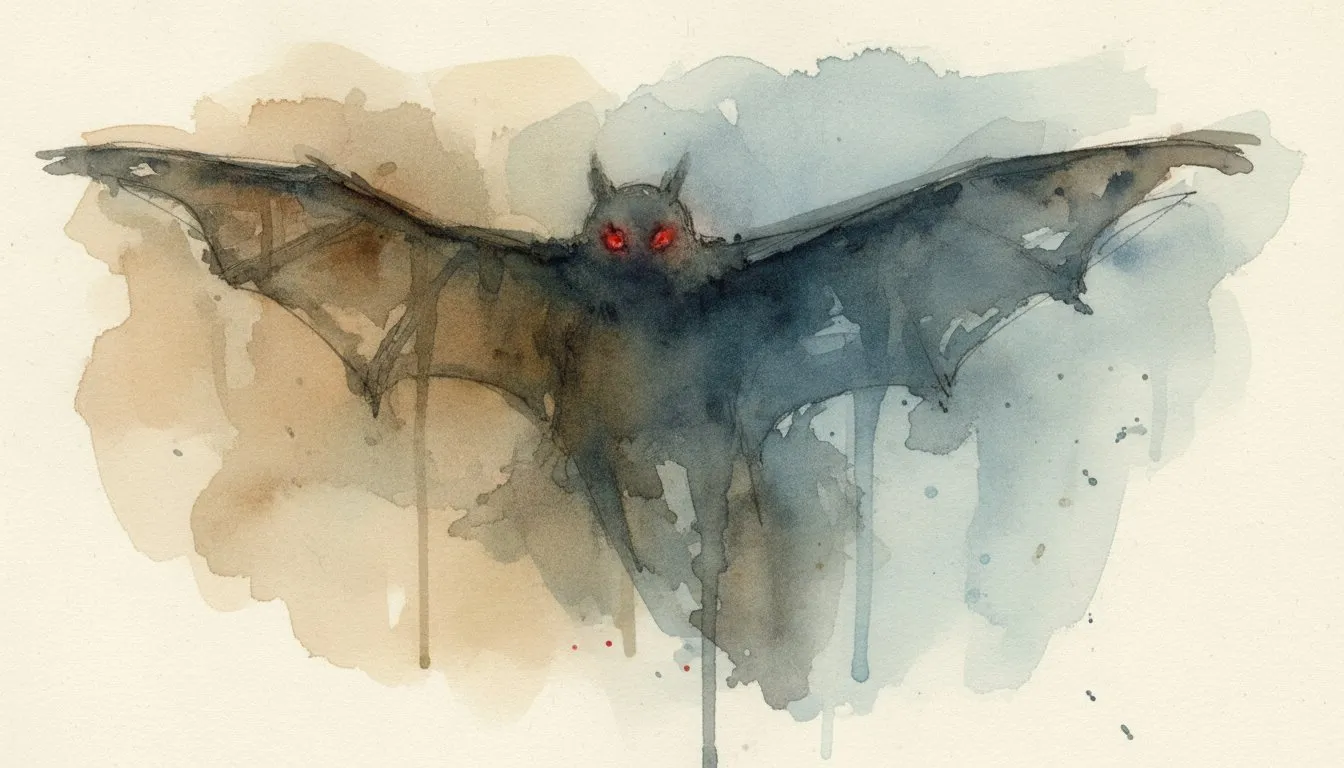
Mothman
A winged humanoid with blazing red eyes, haunting Point Pleasant before disaster struck.
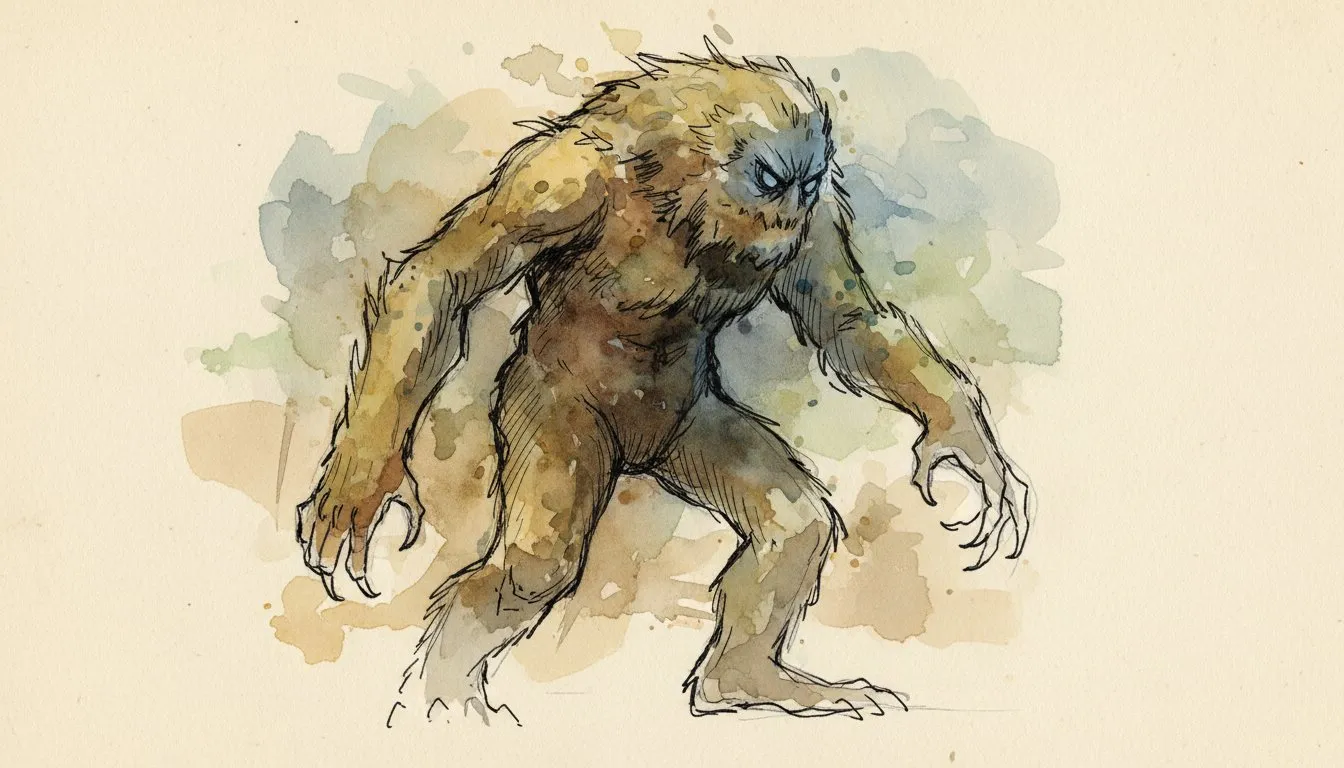
Fouke Monster
The hairy hominid of Boggy Creek, Arkansas, that inspired one of horror's first docudramas.
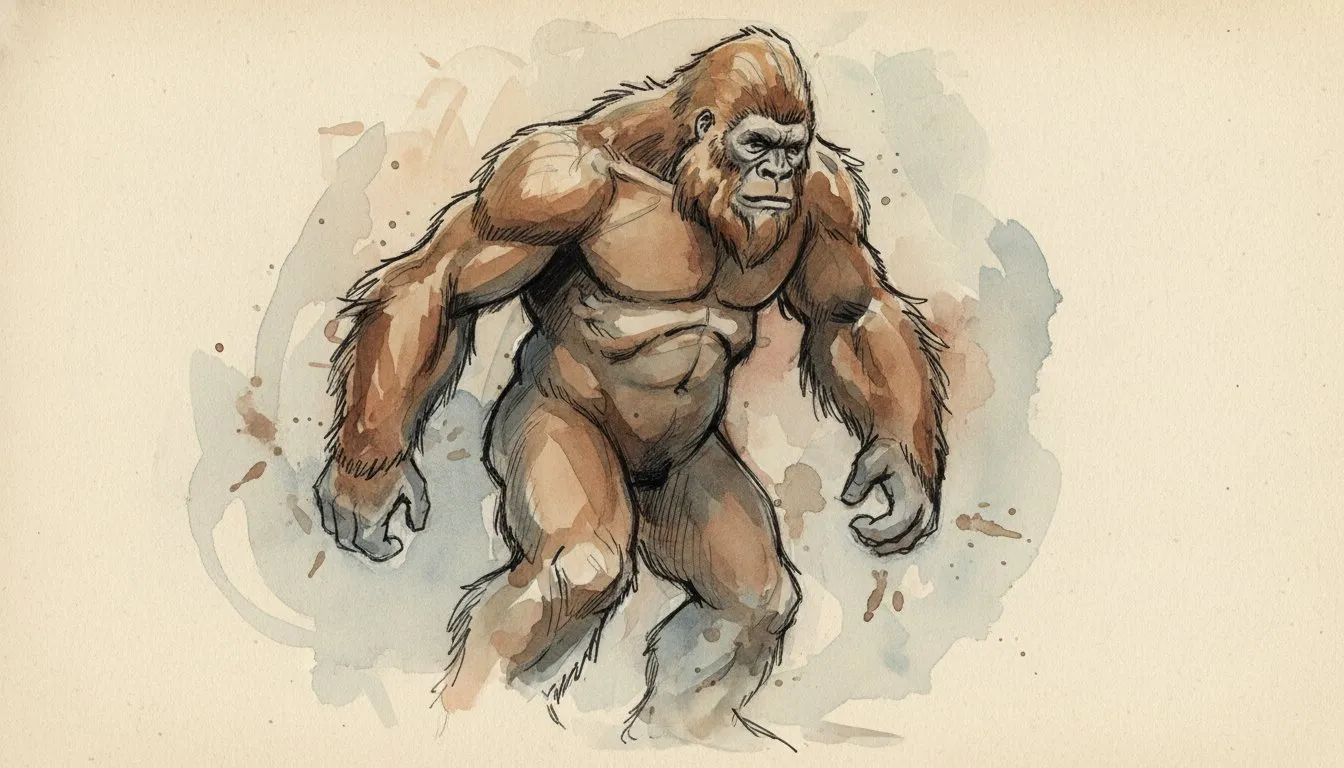
Bigfoot
The towering ape-man of the Pacific Northwest, glimpsed in fog and legend for centuries.
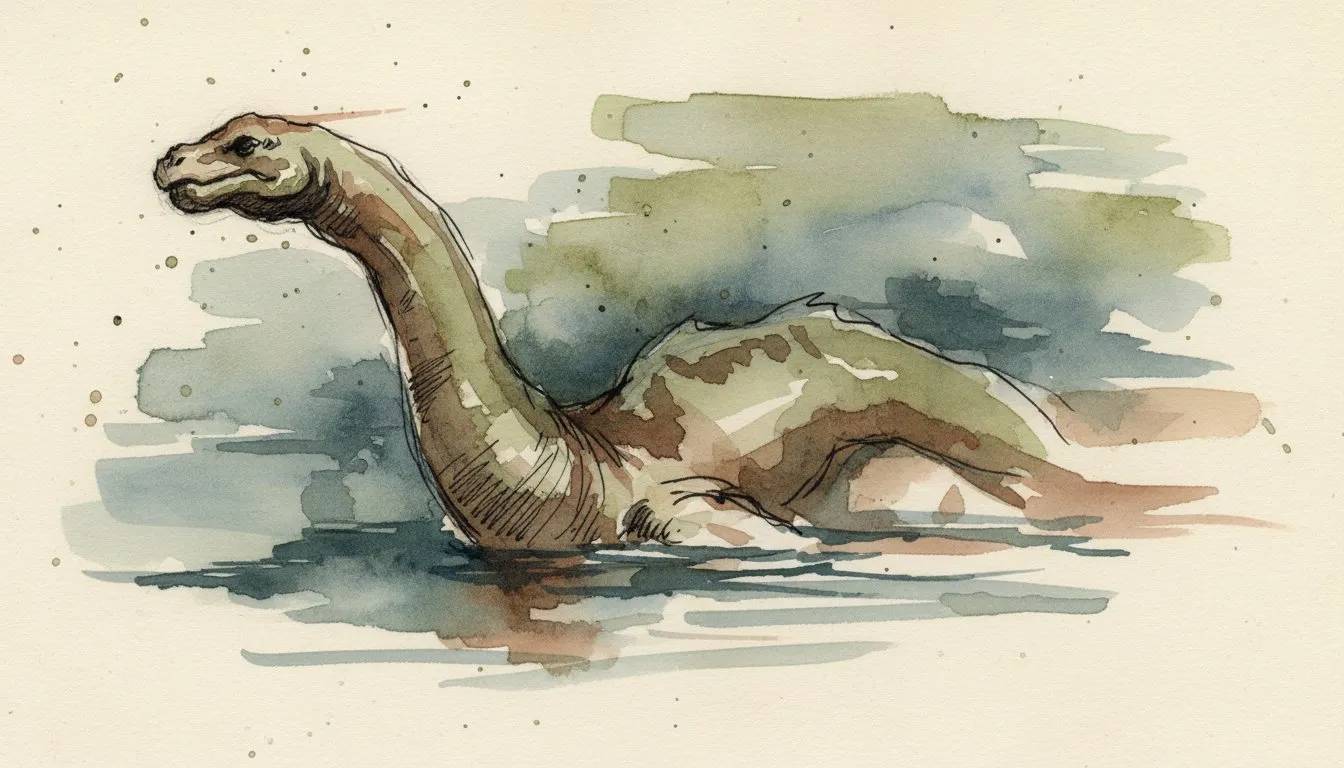
Loch Ness Monster
The legendary lake serpent of Scotland, photographed, sonar-scanned, and never found.