
How to Research a Cryptid Sighting
Start With What "Evidence" Means Here
Every creature on this site carries an evidence badge, and the six-tier scale behind it is the most useful tool this site has for separating a good story from a documented one. Most cryptid content online treats every sighting as equally weighted: a five-second phone video, a two-century-old oral tradition, and a formal 19th-century naval report all get filed under "evidence" and left there. That flattens exactly the distinction that matters. Here is how to do it properly, using the same framework this site runs on.
The Evidence Ladder
The catalog sorts every entry into one of six tiers, and reading them as a ladder rather than a list is the whole trick.
Folklore only sits at the base: a tradition with no dated eyewitness account behind it, like the Vodyanoy or the Cu-Sith. That does not make it worthless. It makes it a different kind of claim, a cultural one rather than a factual one, and the site's job is to report it as exactly that.
Eyewitness reports is a single dated, attributed account or a handful of them, not yet a pattern. Repeated sightings means the same creature has been independently reported enough times, often across decades, that the volume itself becomes part of the case, the way Selma has accumulated over 500 reports from Norway's Lake Seljord since 1750.
Photo/video claims and physical evidence claims move past testimony into something you can look at directly: a footprint cast, a carcass, a frame of film. This is also where hoaxes get caught fastest, because a photograph can be examined in ways a memory cannot.
Debunked/disputed is its own honest category, reserved for cases where the specific evidence offered has been directly contradicted, like the Jackalope, a confirmed 1932 taxidermy joke the site still catalogs because the legend it created is real culture, whatever the animal is not.
A Second Axis: Where the Legend Came From
Evidence level answers how well documented a claim is. It does not answer where the legend came from, which is a separate question this site tracks too. The catalog's folklore-origin tags run from indigenous tradition and regional folklore through modern urban legend, media-amplified, hoax-associated, and historical reports, and the two axes do not always move together. A creature can carry solid eyewitness evidence and a media-amplified origin at the same time, which is exactly the situation the Michigan Dogman case sits in: real, dated, sincere-sounding call-in reports stacked on top of an origin that was, provably, a 1987 April Fools radio song. Knowing both axes at once, how well a claim is documented and where the story actually started, tells you more than either one alone.
What Makes a Witness Worth Reading Closely
Not all eyewitness reports are equal, even within the same tier, and a few details separate the reports worth taking seriously from the ones that dissolve on inspection.
A name and a date matter more than almost anything else. Compare the Beast of Bray Road, where journalist Linda Godfrey collected dozens of attributed accounts by name, to a claim with no witness attached at all. Attribution does not prove an account true. It means the account can be checked, followed up on, and weighed against the person's own credibility and stake in the story, which is the entire difference between a rumor and a record.
Professional exposure is a second useful filter. Naval officers, police officers, and government scientists have careers that a fabricated report would put at risk rather than help. That is part of why naval sea-serpent logs hold up as well as they do in our sea serpents guide, and why a pair of police officers' account carries different weight than an anonymous internet post, as our 2026 Ohio Bigfoot flap coverage lays out directly.
Independent corroboration is the third. When Van Meter, Iowa's 1903 visitor was reported over three consecutive nights by a doctor, a banker, and a hardware store owner working from different vantage points, that is a meaningfully different situation than one person's account repeated by others secondhand. The Michigan Dogman case shows the opposite trap worth watching for: a 1987 April Fools radio song produced a wave of sincere-sounding call-in reports, a clean demonstration of how quickly a joke can generate what looks, on the surface, like independent corroboration.
Reading a Recantation Honestly
Some of the most instructive cases on this site are the ones where a witness later walked their story back, and the discipline is to log the recantation as carefully as the original claim. The Loveland Frog is the clearest example: one of the two police officers who reported it in 1972 later said he had seen a large iguana. The site keeps both halves of that record, the original sighting and the walk-back, rather than deleting the case or pretending the recantation never happened. A recantation is data too.
How to Check the Record Yourself
Every claim in this catalog is filterable, not just readable. The browse page lets you sort the full catalog by evidence level, region, habitat, body type, and danger level at once, which means you can build your own version of this exercise: pull up everything tagged photo/video claims in a single region, for instance, and see how the pattern holds or falls apart. That filter set is the fastest way to test whether a region's reputation matches its actual paper trail, or whether it turns out to rest on newspapers rather than wilderness.
The Discipline, in Short
Treat the evidence tier as the first fact you check, not the last. Read for a name, a date, and a reason the witness had nothing to gain from lying. Weight corroboration by how independent it actually is, not by how many people repeated it after the fact. And when a witness recants, write that down too. None of this proves or disproves a single cryptid on this site. It just means that when you finish reading an entry here, you know exactly what kind of claim you are holding, which is the one thing most of this subject's writing never bothers to tell you.
Get the Field Notes.
Field notes from the Vault, when there is something worth sending. No spam.
No spam. Unsubscribe anytime.
Creatures mentioned in this post
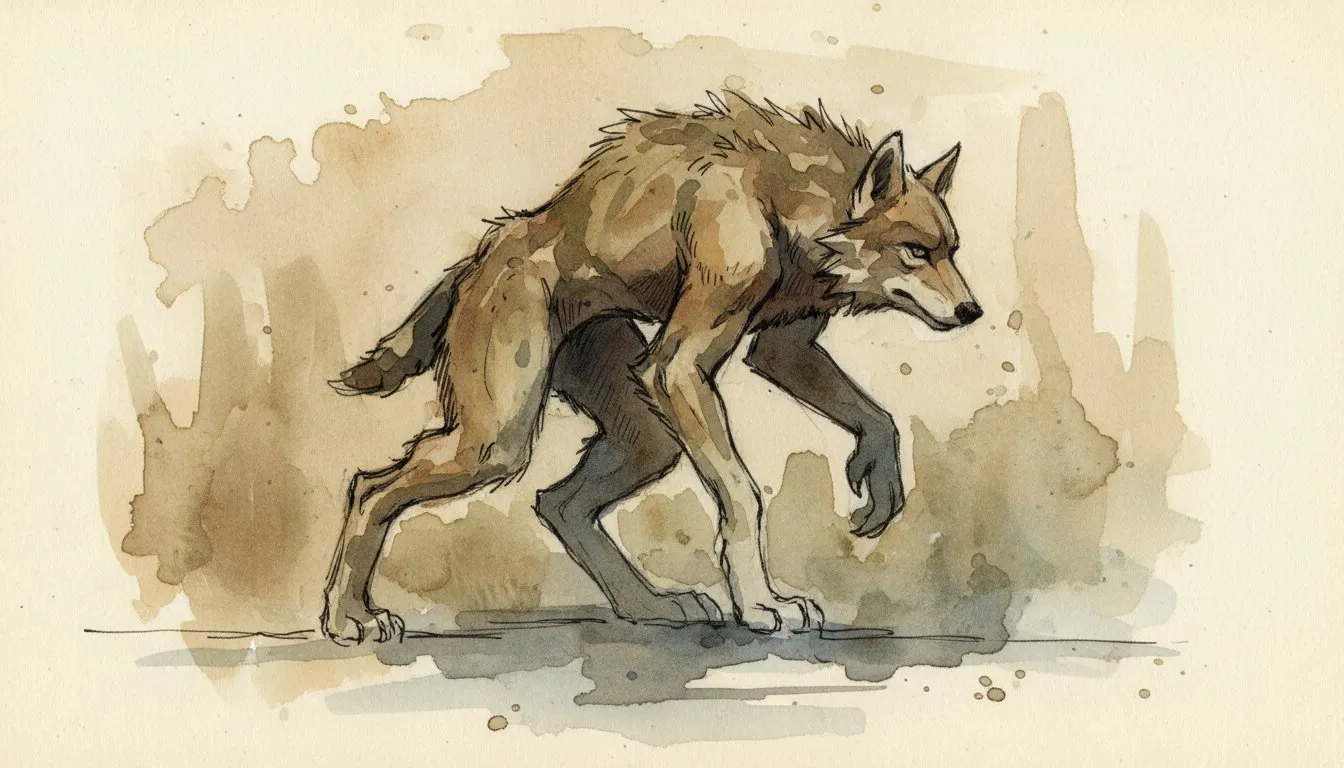
Beast of Bray Road
A shaggy, upright canine prowling a rural Wisconsin road since the 1980s.
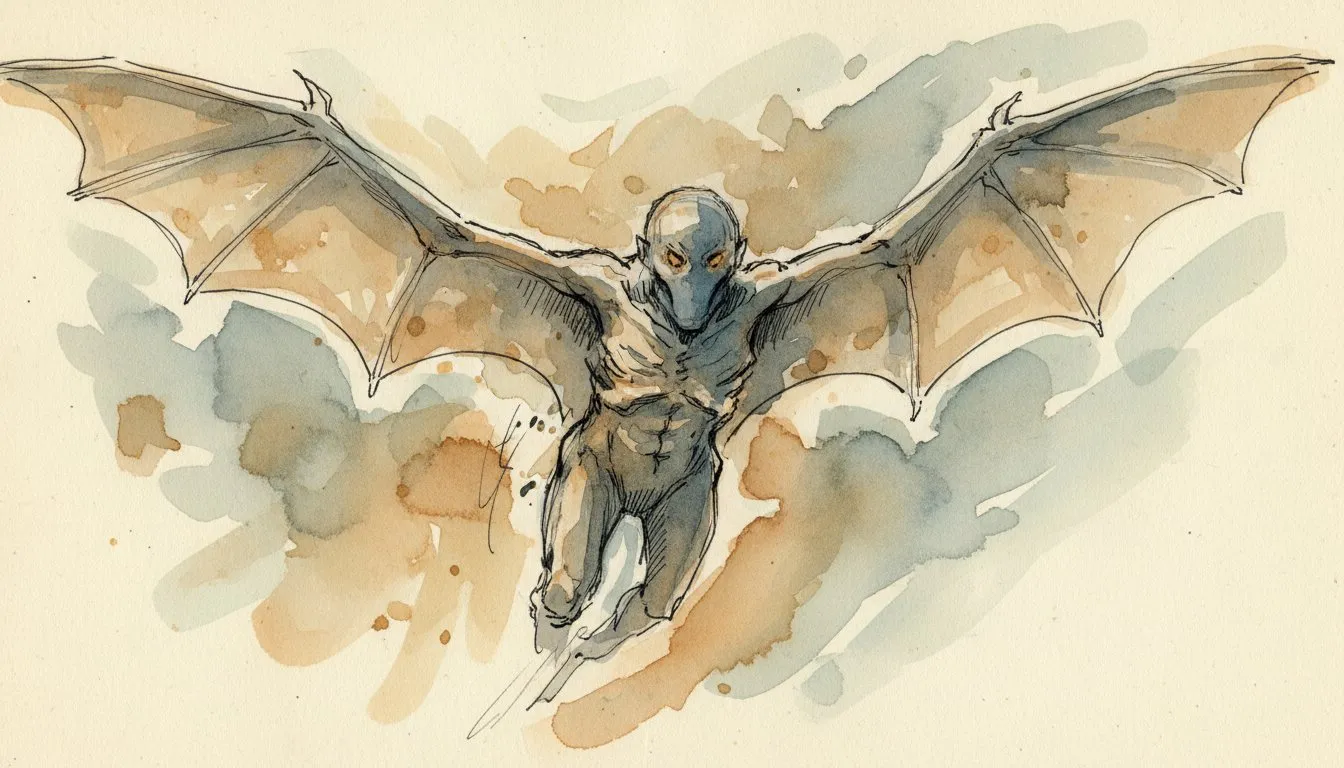
Van Meter Visitor
A winged, light-emitting creature that besieged a small Iowa town for three nights in 1903.
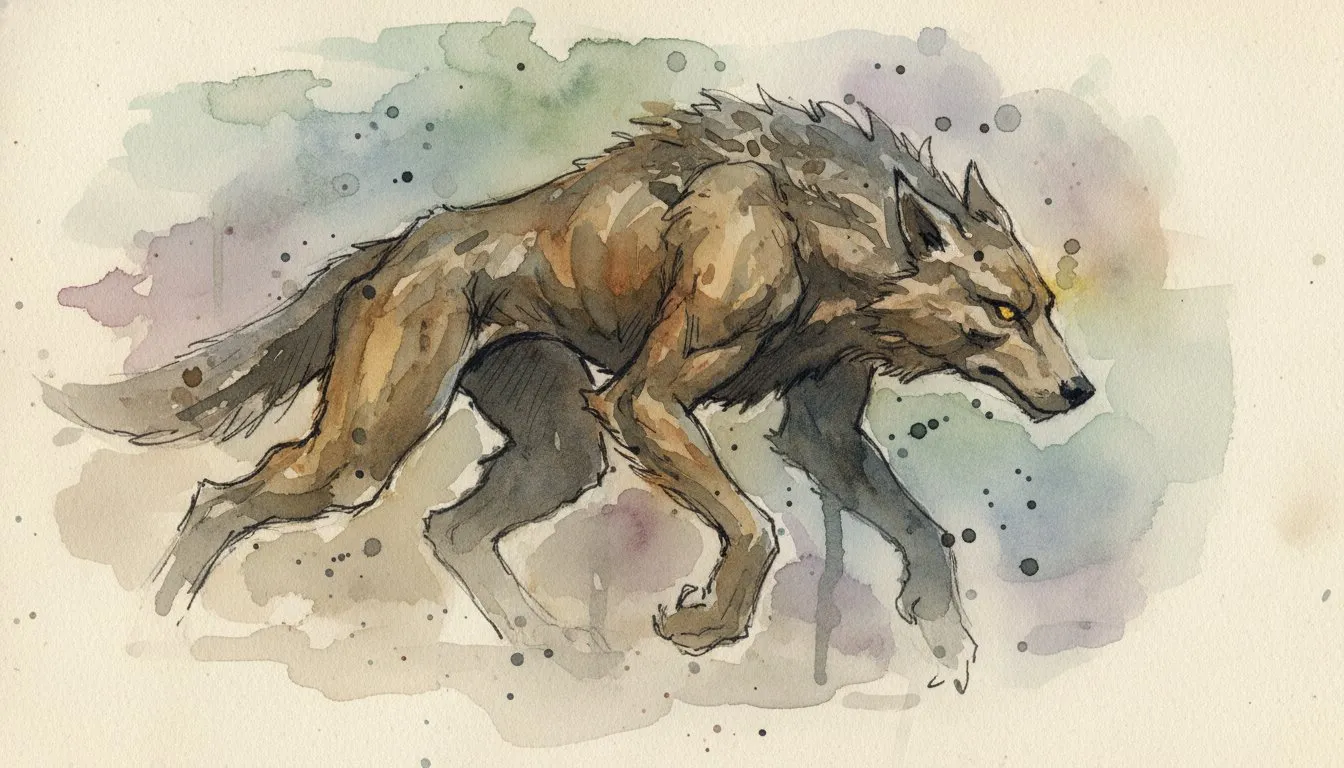
Michigan Dogman
An upright canine terror first reported in 1887, stalking Michigan's north woods ever since.
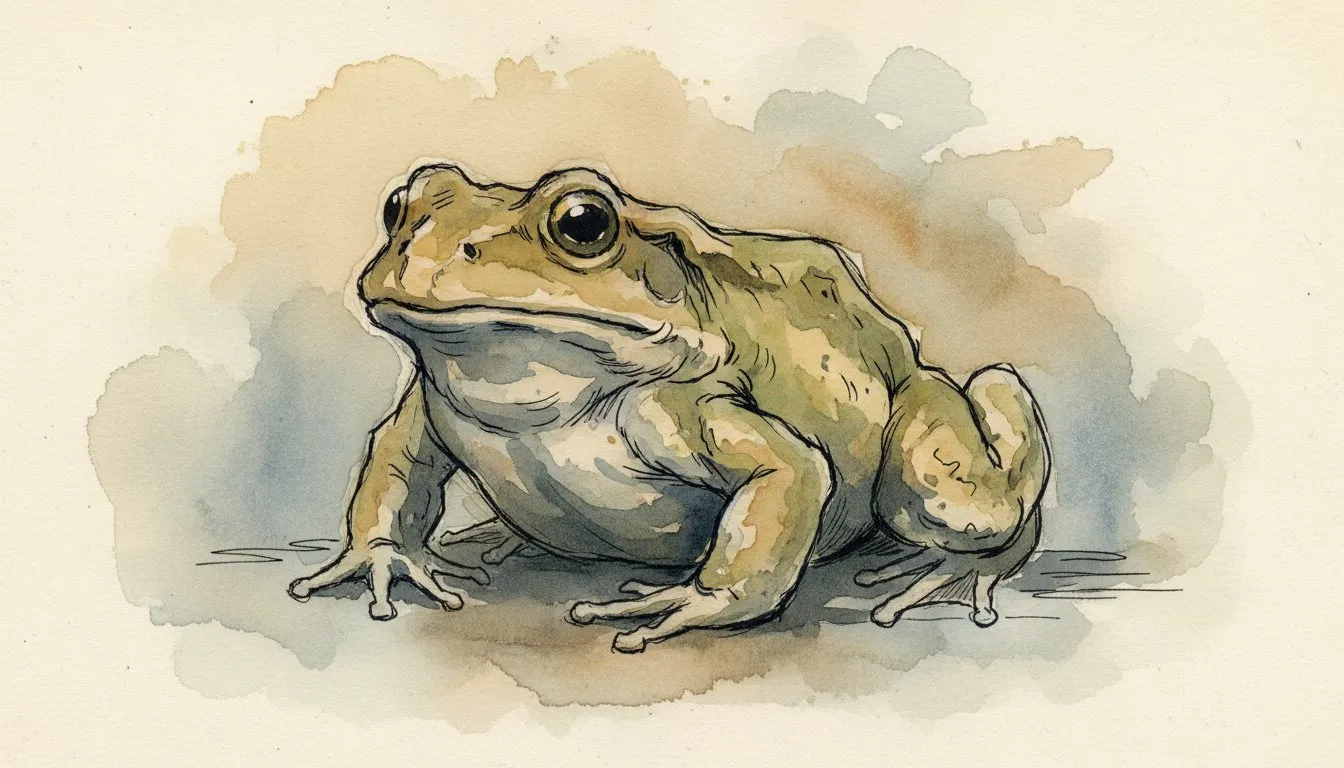
Loveland Frog
A bipedal frog-like humanoid spotted by police on an Ohio road at night.