
The October Effect: Why Halloween Season Produces More Cryptid Sighting Reports Than Any Other Month
The Numbers Don't Lie
Every year, October breaks the curve. Across multiple sighting databases, from BFRO reports to MUFON filings to regional paranormal organizations, October produces a disproportionate number of cryptid encounter reports. The spike isn't subtle. Depending on the dataset, October sightings run 30 to 60 percent above the annual monthly average.
This holds true for Bigfoot encounters in the Pacific Northwest. It holds for Dogman reports across Michigan and Wisconsin. It holds for winged humanoid sightings, shadow creature encounters, and even aquatic anomalies. Something about October bends the numbers upward across nearly every category.
The question isn't whether the spike exists. It's why.
The Halloween Hypothesis
The most obvious explanation is psychological priming. Halloween saturates the culture starting in late September. Decorations go up. Horror films dominate streaming queues. Conversations about ghosts, monsters, and the unexplained become normal dinner table talk. By mid-October, the average person's threshold for noticing something strange in the woods has dropped considerably.
This is a real cognitive phenomenon. When your attention is primed toward a category, you notice things in that category more frequently. A person walking through the woods in July might dismiss a snapping branch. That same person in October, fresh off a horror movie, might stop, stare, and later report what they thought they saw in the tree line.
Psychological priming explains some of the spike. But it doesn't explain all of it.
Shorter Days, Longer Shadows
October brings a dramatic shift in daylight hours across the Northern Hemisphere. Sunset moves earlier by roughly a minute per day. By late October, most of the continental U.S. is losing light before 6 PM. That means more people are driving home from work, walking their dogs, and doing outdoor chores in twilight or full darkness.
Low-light conditions are where misidentification thrives. A stump becomes a crouching figure. A deer standing on its hind legs to reach a branch becomes something bipedal. An owl's silhouette against a gray sky becomes a winged humanoid.
But low light also creates conditions where something that usually stays hidden might feel comfortable moving. The Skinwalker traditions of the Navajo Nation have always associated these beings with darkness and the transitional hours. October offers more of those hours than any month since March.
The Animal Behavior Factor
October is one of the most active months in North American wildlife behavior. Deer enter the rut, becoming aggressive and unpredictable. Bears go into hyperphagia, eating up to 20,000 calories a day before hibernation. Coyotes become more vocal. Elk bugle. Owls begin winter territorial calls.
This matters for cryptid sightings in two ways. First, unusual animal behavior gets misread. A bull elk screaming at dusk sounds otherworldly if you've never heard one. A black bear standing upright to strip berries from a branch, silhouetted against a fading sky, looks very much like what witnesses describe when they report a Bigfoot encounter.
Second, if large undocumented primates or canids do exist, they're subject to the same seasonal pressures. October would push them into more active foraging, wider movement patterns, and closer proximity to human settlements. The same forces that bring bears to bird feeders in October would bring anything else out of deep cover.
Historical October Events
The cryptid calendar is heavy in the fall months. The Mothman sightings in Point Pleasant, West Virginia began in November 1966, but the atmosphere of dread that witnesses described started weeks earlier. The Flatwoods Monster encounter in Braxton County, West Virginia occurred on September 12, 1952, right at the edge of the October window.
The famous Jersey Devil flap of 1909 technically occurred in January, but it shares the same atmospheric DNA as an October event. Short days, freezing temperatures, people moving between warm indoor spaces and dark outdoor ones. The conditions that produce flaps are seasonal regardless of the calendar month.
Black Shuck sightings across East Anglia have historically clustered in autumn, when mist rolls off the North Sea and the fens become difficult to navigate. The Wendigo traditions of the Algonquin peoples associate the creature with the onset of winter, the hunger months that begin in late October.
The Uncomfortable Possibility
There's a fifth explanation that researchers tend to avoid stating directly. Maybe October changes something. Not in our psychology. Not in our perception. In whatever is actually out there.
Seasonal patterns in sightings mirror seasonal patterns in other phenomena that resist easy explanation. Infrasound propagation changes with temperature and humidity shifts. Electromagnetic anomalies in certain geological formations fluctuate with barometric pressure. The October atmosphere, cooling rapidly, increasingly humid, barometrically unstable, creates conditions that are measurably different from summer.
If these phenomena have any physical basis, October provides different physical conditions. That's not proof of anything. But it's not nothing.
What This Means for Investigators
Field researchers have known about the October effect for decades. The serious ones plan their expeditions accordingly. Trail cameras go up in September. Audio equipment gets deployed before the leaves finish turning. The window between late September and early November is considered prime season for a reason.
For the rest of us, October offers something simpler. A reminder that the world outside our doors is wilder, stranger, and less fully mapped than we like to believe. When the light fades early and the woods go quiet except for sounds you can't quite identify, the October effect isn't just a data pattern.
It's a feeling. And it's the same feeling that every witness describes in the moment before they see something they'll spend the rest of their life trying to explain.
The season isn't the only factor in where reports come from. See what campers describe near U.S. campgrounds, broken down by region.
Several of October's most-reported creatures belong to one category, and it is the category where the evidence question changes shape entirely: see our field guide to shapeshifter cryptids.
Explore more: Bigfoot, Mothman, Jersey Devil, Dogman, Black Shuck, Skinwalker, Wendigo, Flatwoods Monster.
Get the Field Notes.
Field notes from the Vault, when there is something worth sending. No spam.
No spam. Unsubscribe anytime.
Creatures mentioned in this post
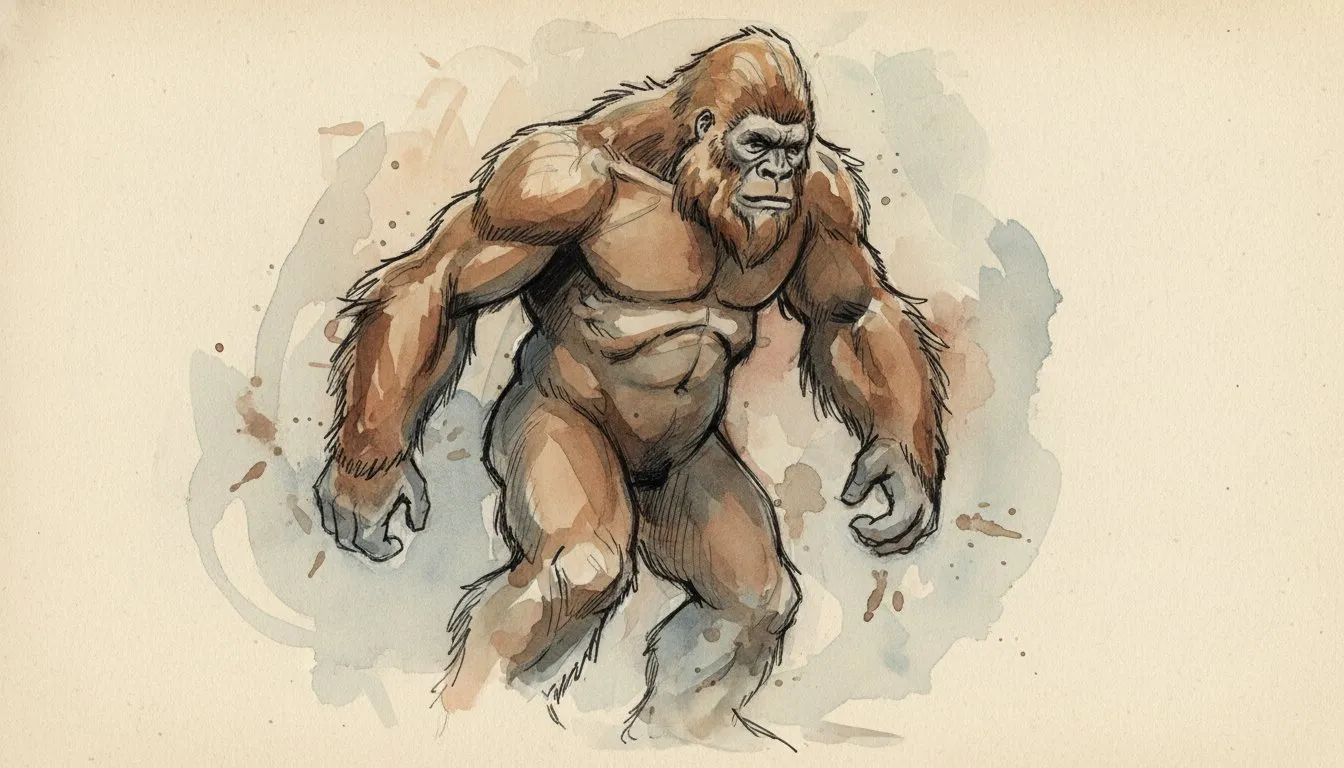
Bigfoot
The towering ape-man of the Pacific Northwest, glimpsed in fog and legend for centuries.
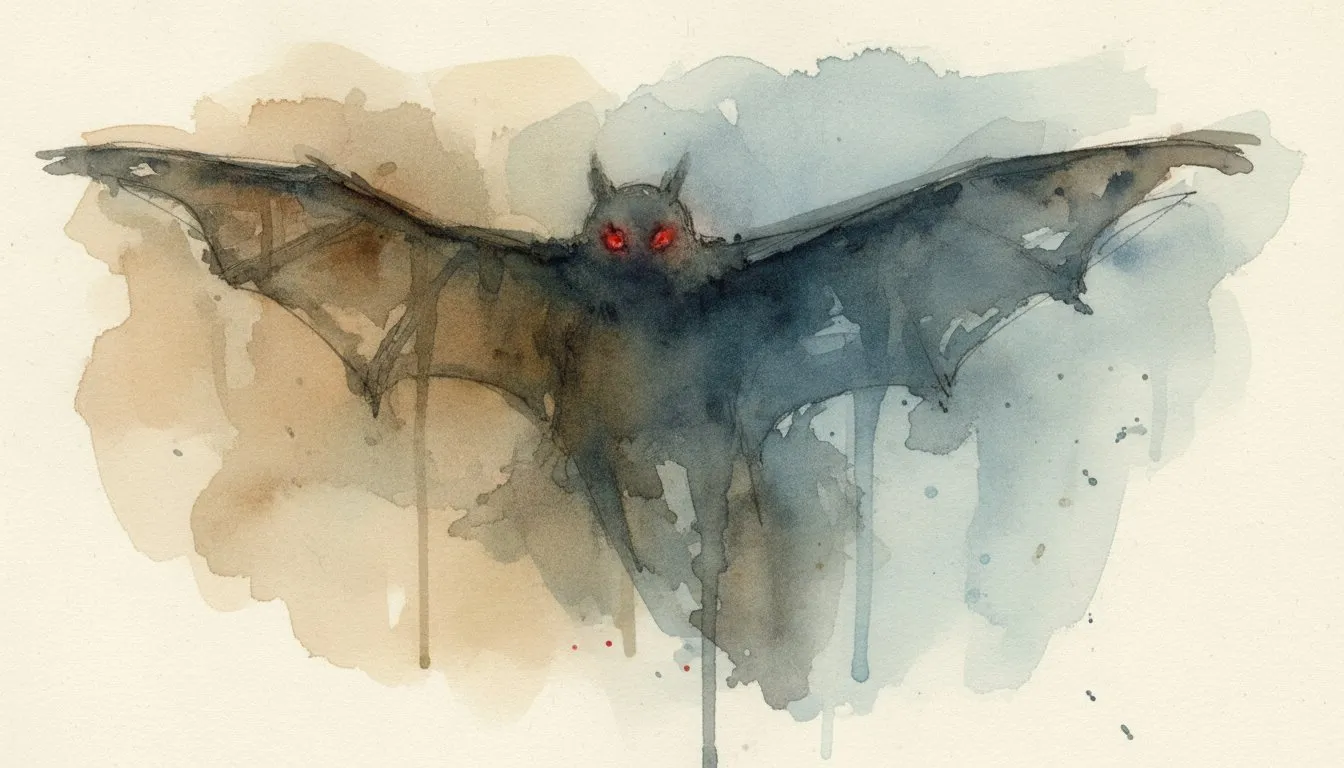
Mothman
A winged humanoid with blazing red eyes, haunting Point Pleasant before disaster struck.
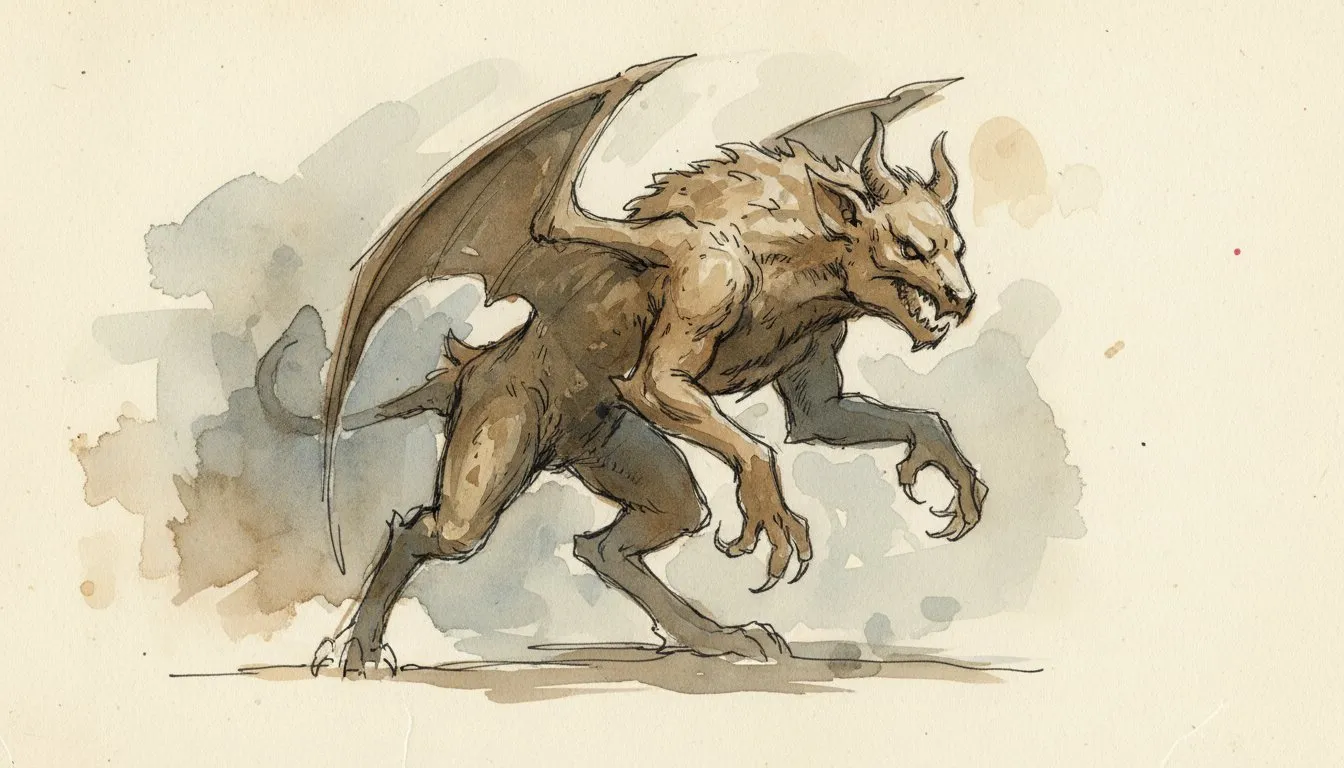
Jersey Devil
A bat-winged, hoofed terror born from a colonial curse in the Pine Barrens.
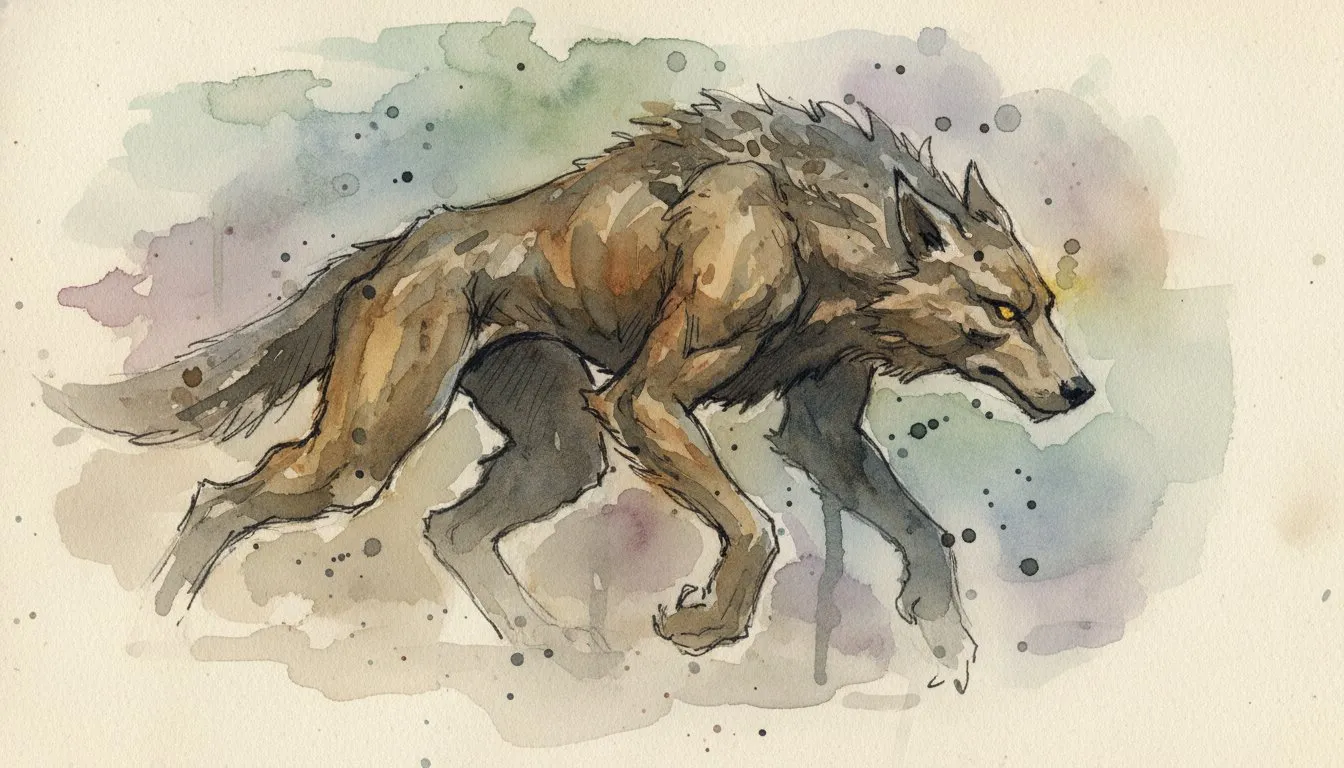
Michigan Dogman
An upright canine terror first reported in 1887, stalking Michigan's north woods ever since.