
Mid-Atlantic Cryptids: The Densest, Best-Papered Corridor in the Country
The Region With a Paper Trail Instead of a Wilderness
Most of this site's regional guides lean on wilderness: the depth of a lake, the size of a forest, the acres nobody walks. The Mid-Atlantic does not have that argument available. This is the most densely populated corridor in the country, the stretch of highway and rail line and suburb running from the Delaware Valley down to the Chesapeake, and the cryptids reported here were never going to get the cover a Sasquatch gets in the Cascades.
What the corridor has instead is history. New Jersey, Maryland, Delaware, and the flatter, less mountainous reaches of Pennsylvania and Virginia were among the first places in the country with newspapers, courts, and neighbors close enough to compare notes. When something strange turned up here, it tended to get written down fast, and the record shows it. Pennsylvania and Virginia get their own full pages elsewhere on this site, thick with their own mountain reports. This is the flatter, older, more crowded story next door.
New Jersey: The Original Colonial Curse
No creature anchors this region the way the Jersey Devil anchors the Pine Barrens. The legend is specific and old: Mother Leeds, pregnant with her thirteenth child in 1735, is said to have cursed the pregnancy in frustration, and what she delivered was a kangaroo-bodied, bat-winged thing with a forked tail and a goat's head, which promptly flew up the chimney and into the pines.
The Pine Barrens gave it somewhere real to hide, well over a million acres of sandy, stunted forest that still counts as one of the largest undeveloped tracts on the Eastern Seaboard. But the Jersey Devil's real claim to fame is what happened in January 1909, when reports poured in from towns across the Delaware Valley for the better part of a week: hoofprints in the snow where hoofprints made no sense, factories closing early so workers could get home before dark. Nelson Evans of Burlington described the animal in enough specific detail that his account is still the one most retellings quote. It is one of the few cryptid panics in American history with a documented, named cast of witnesses on the doorstep of one of the country's biggest cities.
Maryland: The State With Two Legends and a Bay
Maryland does not get talked about as a cryptid state the way West Virginia does, which is strange, because it has produced two of the more distinctive creatures on this site.
The Goatman is Prince George's County's own, first reported along Fletchertown Road in the 1950s: an axe-wielding, horned figure, goat from the waist down, said locally to be a government scientist whose experiment went wrong. Mutilated pets and screams in the woods are the recurring details. What makes the Goatman worth a closer look is where it is reported. This is not backcountry. Prince George's County sits at Washington DC's back door, one of the more densely suburbanized counties in the state, which makes it the clearest example on this site of a cryptid legend that grew up in commuter-belt suburbia rather than wilderness.
The Snallygaster belongs to Frederick County, further northwest, and it is older: German immigrants were describing a "Schneller Geist," a quick ghost, in the early 1700s. Its big moment came in 1909, the same year as the Jersey Devil's, when Frederick County newspapers ran accounts of a winged, metal-beaked creature with a single eye, sensational enough that papers claimed President Theodore Roosevelt considered detouring his African safari to hunt it. The Snallygaster's range is usually described as spilling toward the Pennsylvania and Virginia mountains, and the fuller account of that spread, plus West Virginia's own dense cluster next door, is in our guide to the Appalachian Trail.
Maryland's other claim is water, not woods. Chessie has been reported in the Chesapeake Bay, which Maryland shares with Virginia, since the mid-20th century, most famously in a 1982 home video that a review panel including Smithsonian scientists could neither identify nor dismiss. Chessie gets the full story, sightings, video, and all, in its own dedicated guide.
Delaware: The Small State in the Shadow
Delaware does not have a signature creature of its own on this site. What it has is proximity: the Snallygaster's range is generally described as bleeding across the Maryland line, and Delaware's Bigfoot reports read like an extension of the same wooded corridor that produces them in Maryland and southern New Jersey. Small states inside a busy region often end up as the connective tissue between their neighbors' legends rather than the source of their own, and Delaware is this region's clearest case of that.
Pennsylvania and Virginia: What the Corridor Adds to the State Pages
Pennsylvania and Virginia both carry their own full pages on this site, and this guide is not trying to replace them. But each state contributes something to the Mid-Atlantic picture specifically that is worth pulling out.
Pennsylvania's is airborne. The state's Thunderbird reports concentrate over the Susquehanna Valley, the broad river corridor cutting across the state's midsection, distinct from the forest-floor Bigfoot and Dogman reports clustering in the Poconos further north.
Virginia's contribution is the water it shares with Maryland. The Chesapeake Bay runs the length of Virginia's own coast, which makes Chessie as much a Virginia creature as a Maryland one, even though the most famous footage was shot from the Maryland side near Kent Island.
What the Corridor Actually Tells You
Every creature in this guide was reported within a short drive of a courthouse, a newspaper office, or in the Goatman's case, the Capital Beltway. That is not a coincidence, and it is not a knock against the reports either. It means this region's cryptid record is the best-papered kind this site has: named witnesses, dated newspaper accounts, and, in New Jersey and Maryland alike, an entire week of 1909 that regional papers spent covering a flying, screaming thing overhead.
Whatever these animals are or are not, the Mid-Atlantic makes its case with paperwork instead of wilderness. That is a different kind of interesting than a hundred square miles of unmapped forest, and on a site built around taking the evidence seriously, it might be the more useful kind.
For the mountain half of this region, where Pennsylvania and Virginia's reports run into West Virginia's, see our guide to the Appalachian Trail. For the full Chesapeake Bay story, read about Chessie.
Get the Field Notes.
Field notes from the Vault, when there is something worth sending. No spam.
No spam. Unsubscribe anytime.
Creatures mentioned in this post
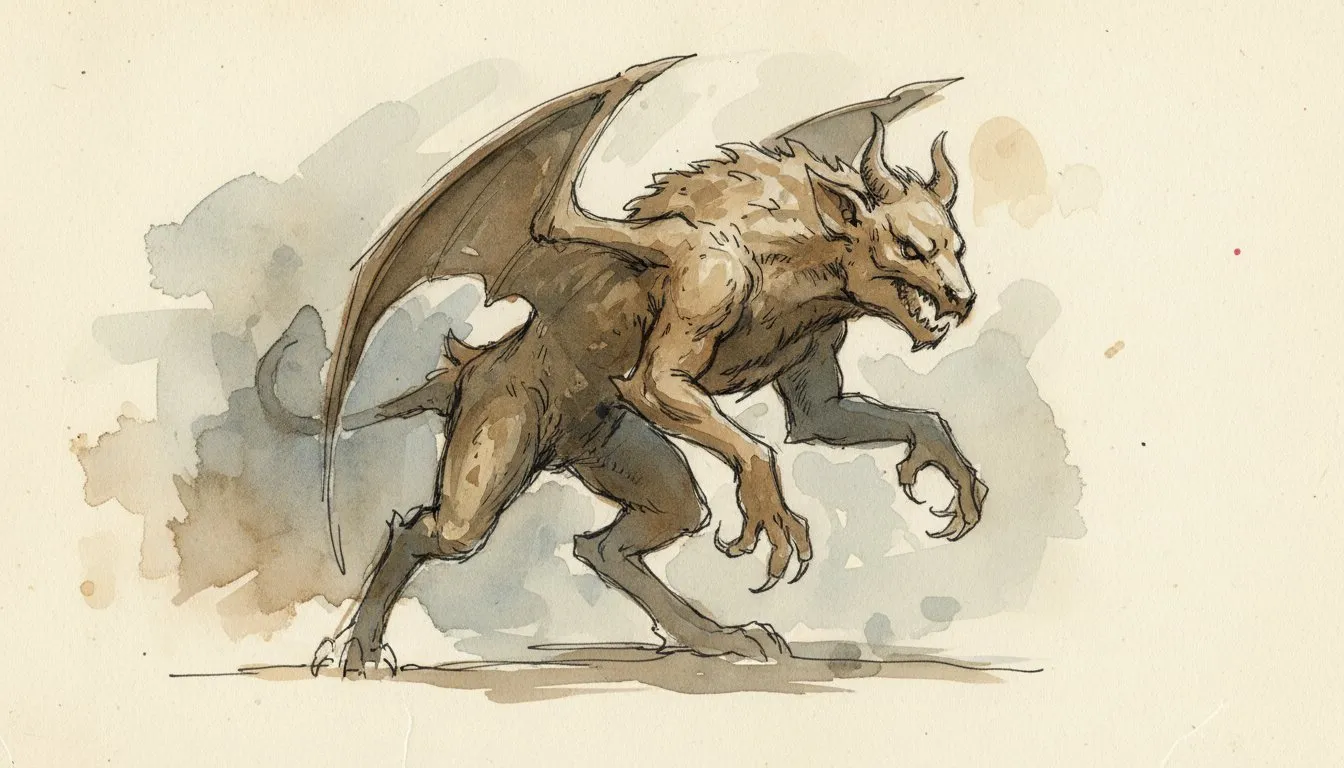
Jersey Devil
A bat-winged, hoofed terror born from a colonial curse in the Pine Barrens.
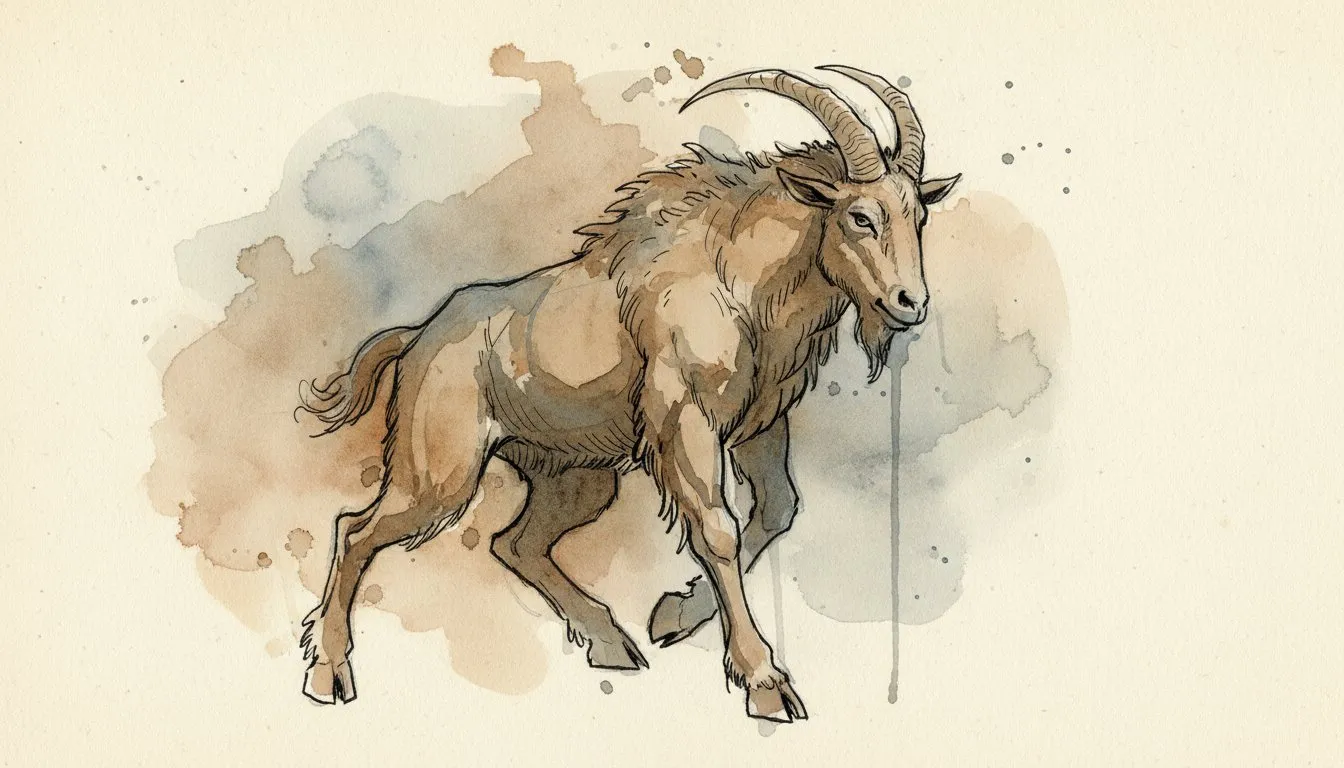
Goatman
A half-man, half-goat said to roam the back roads of Maryland with an axe.
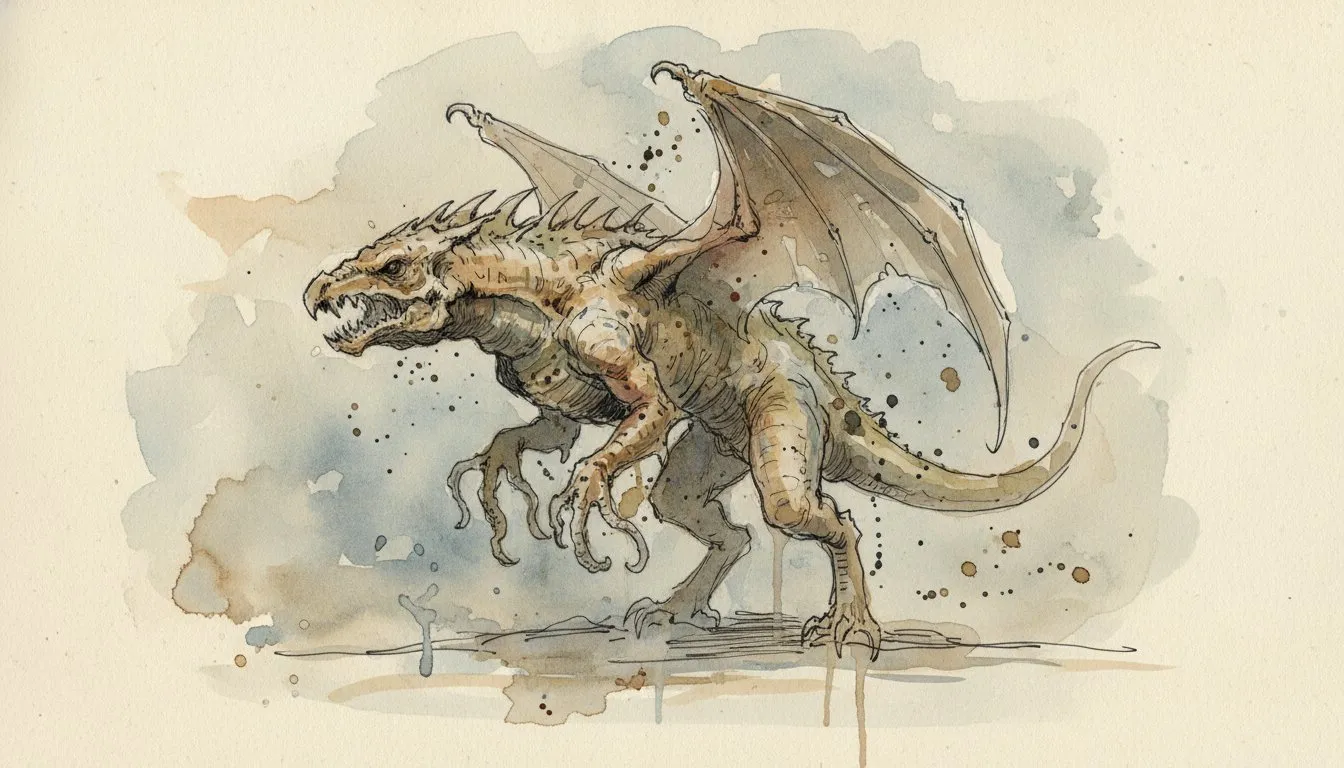
Snallygaster
A half-bird, half-reptile terror from Maryland with a taste for livestock and legend.
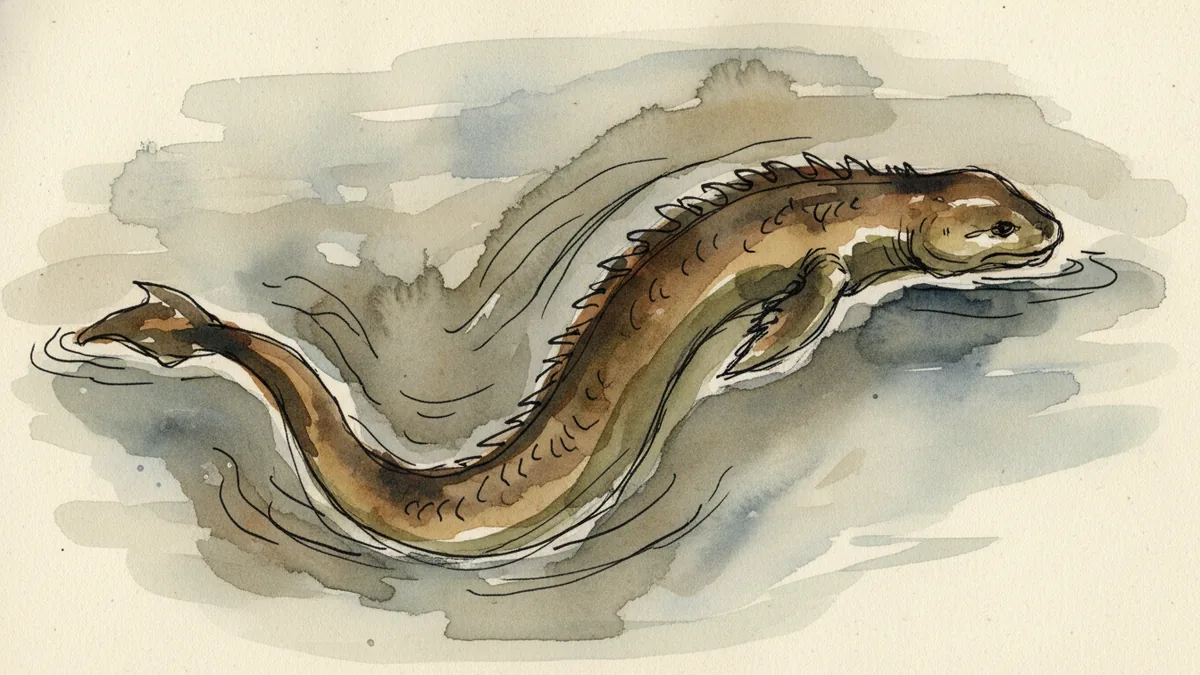
Chessie
A serpentine creature reported in the Chesapeake Bay for half a century, caught on video in 1982.