
Chessie: The Chesapeake Bay Sea Monster and Why Summer Boating Season Produces the Most Sightings
Nessie Has a Cousin in Maryland
Loch Ness gets the documentaries. Lake Champlain gets Champ. But the largest estuary in the United States has its own serpent, and it has been surfacing in front of watermen, weekend boaters, and waterfront homeowners for half a century.
Chessie - the name is a deliberate nod to its Scottish counterpart - is the long, dark, snake-like creature reported in the Chesapeake Bay. It is not a single grainy photo and a legend. It is a body of eyewitness accounts collected over decades from people who spend their lives looking at this exact water, plus a piece of 1982 video footage that scientists at the Smithsonian reviewed and could not explain away.
And the reports are not spread evenly across the year. They pile up in summer, right when the bay fills with boats. Memorial Day to Labor Day is Chessie season.
A Sighting Record Going Back Half a Century
The Chesapeake Bay runs about 200 miles from the mouth of the Susquehanna River in Maryland down to the Atlantic off Virginia. It is fed by more than 150 rivers and creeks and drains a 64,000-square-mile watershed across six states. It is also strangely shallow for its size, averaging only around 21 feet deep, which means anything large moving through it tends to break the surface.
Scattered accounts of a serpent in the bay turn up across the early and mid-20th century, but the named Chessie phenomenon took shape during a surge of reports in the 1970s. Boaters, charter captains, and people sitting on their own docks began describing the same thing: a dark animal, 25 to 40 feet long, as thick as a telephone pole, moving through the water in vertical humps with no visible fins or flippers.
What gives the record weight is who is doing the reporting. The Chesapeake is a working bay. Watermen who crab and oyster these waters every day, and who know exactly what a sturgeon, a school of fish, or a string of swimming deer looks like, are among the witnesses. They are describing something that does not fit the catalog.
The 1982 Frew Video
The single most important piece of Chessie evidence was recorded in May 1982.
Robert and Karen Frew were hosting guests at their home overlooking the bay near Love Point, on the northern tip of Kent Island, Maryland. Robert grabbed a home video camera and filmed a long, dark shape moving through the water several hundred feet offshore. The footage runs a few minutes and shows a submerged, serpentine form surfacing and diving, moving with the up-and-down undulation that witnesses consistently describe.
The tape did not just circulate among enthusiasts. Through researcher Mike Frizzell and his Enigma Project, which had been collecting Chessie reports for years, the footage was brought to a 1982 gathering at the Smithsonian Institution. Scientists and image analysts reviewed it frame by frame.
Their verdict was carefully inconclusive, and that is exactly why it matters. They agreed the video showed something animate and substantial in the water. But the image was not sharp enough to identify a species, so they could neither confirm an unknown animal nor prove a hoax. A non-dismissal from credentialed institutional scientists is rare in this field, and it is a large part of why Chessie is taken more seriously than the average regional lake monster.
Why Summer Boating Season Produces the Most Sightings
Cryptid sighting calendars usually track human behavior more than animal behavior, and Chessie is a clean example.
The Chesapeake is one of the most heavily used recreational waterways in the country. From Memorial Day through Labor Day, the bay fills with sailboats, powerboats, fishing charters, kayakers, and jet skis. The single biggest driver of summer Chessie reports is simple: that is when the most people are on the water, looking at it, for the most hours. More eyes on the surface means more chances that someone catches a glimpse of something they cannot place.
But it is not only crowding. Warm water changes what is happening below the surface too. Summer is when the bay's fish are most active near the surface, when large animals move into the shallows and tidal river mouths, and when long, warm evenings put boaters on calm water at dusk - the low-light, glassy conditions in which a wake, a roll, or a surfacing animal is easiest to misread and hardest to forget.
Winter empties the bay of casual traffic. The watermen still work it, but the recreational fleet that generates most reports is gone. The sightings track the boats.
Could the Bay Actually Hide Something?
Skeptics have real candidates, and an honest look at Chessie has to take them seriously.
The strongest is the Atlantic sturgeon. This is a primitive, armored fish that can exceed 14 feet, was once abundant in the Chesapeake, and surfaces and rolls in ways that can look distinctly reptilian. By the late 20th century overfishing had made large sturgeon rare enough that most boaters had never seen one - so an unfamiliar 12-foot fish breaking the surface is exactly the kind of thing that gets reported as a monster. Large eels, otters or swimming deer strung out in a line, and floating debris have all been offered for individual sightings.
There is also a genuine source of name confusion. In 1994 a real West Indian manatee wandered far up the bay and was tracked all the way to New England. Biologists nicknamed it Chessie. That manatee was a well-documented, photographed animal - and it has nothing to do with the serpent, beyond sharing a nickname.
None of these explanations closes the case for every account, especially the ones describing a 30-foot animal with vertical undulation and no fins. What the bay clearly does offer is room. It is huge, biologically rich, connected to the open Atlantic, and busy enough that anything unusual gets seen - but murky and trafficked enough that nothing gets pinned down.
Where Chessie Turns Up
Reports concentrate along the bay's main stem and the mouths of its tidal rivers rather than in any single cove.
- Kent Island and Love Point, Maryland - the site of the 1982 Frew video and a recurring sighting area on the eastern shore.
- The Bay Bridge corridor near Annapolis, where heavy boat traffic and a fixed vantage point produce frequent reports.
- The Potomac River mouth and the lower tidal rivers, where brackish water meets the main bay.
- The Virginia bay down toward the Atlantic, where the estuary opens to the ocean.
If you want to look, summer is the season and a boat or a quiet stretch of eastern-shore waterfront at dusk is the place. Bring a better camera than the Frews had in 1982.
Chessie in the Bigger Picture
Chessie does not stand alone. It belongs to a class of North American water serpents that share a strikingly similar description across very different bodies of water - Champ in Lake Champlain, Ogopogo in British Columbia, and others. For the full map of these creatures beyond the famous Scottish one, see the lake monsters beyond Nessie. And for the broader question of whether any of these serpent reports could describe a real, undiscovered animal, read the case for sea serpents being something real.
The Chesapeake has had its serpent for fifty years and a piece of footage the Smithsonian could not dismiss. This summer, with the bay full of boats, is when it tends to show up again.
Chessie is hardly the only creature people meet in the water in summer. Swimmers and kayakers report the same thing across the country's lakes and rivers.
The same argument runs in fresh water a few hundred miles northwest. See the water monsters of the Great Lakes, where shallow, crowded Lake Erie produces far more serpent reports than Lake Superior's 1,332 feet of cold water.
Chessie shares its bay with a wider Mid-Atlantic file of legends: see our guide to Mid-Atlantic cryptids for the Jersey Devil, the Goatman, and the rest. Cadborosaurus, meanwhile, belongs to a Canadian file of its own: see our guide to Canadian cryptids.
Related creatures: Chessie, Champ, Loch Ness Monster, Cadborosaurus.
Get the Field Notes.
Field notes from the Vault, when there is something worth sending. No spam.
No spam. Unsubscribe anytime.
Creatures mentioned in this post
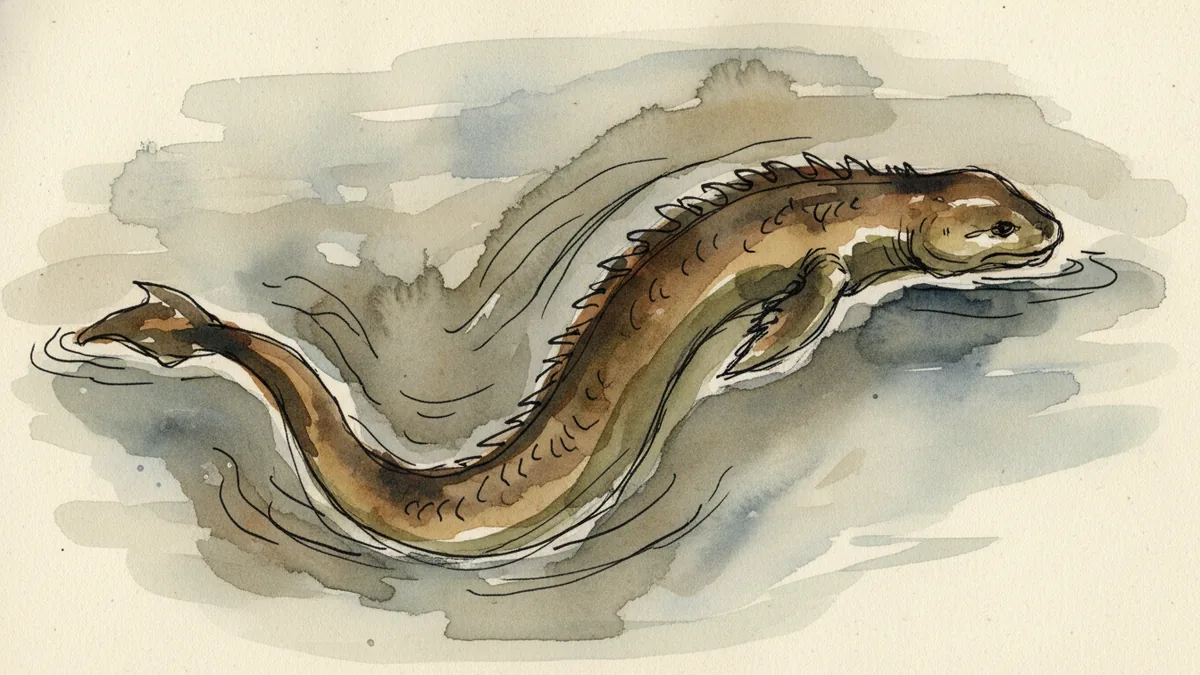
Chessie
A serpentine creature reported in the Chesapeake Bay for half a century, caught on video in 1982.

Champ
America's own lake monster, surfacing in the waters between Vermont and New York.
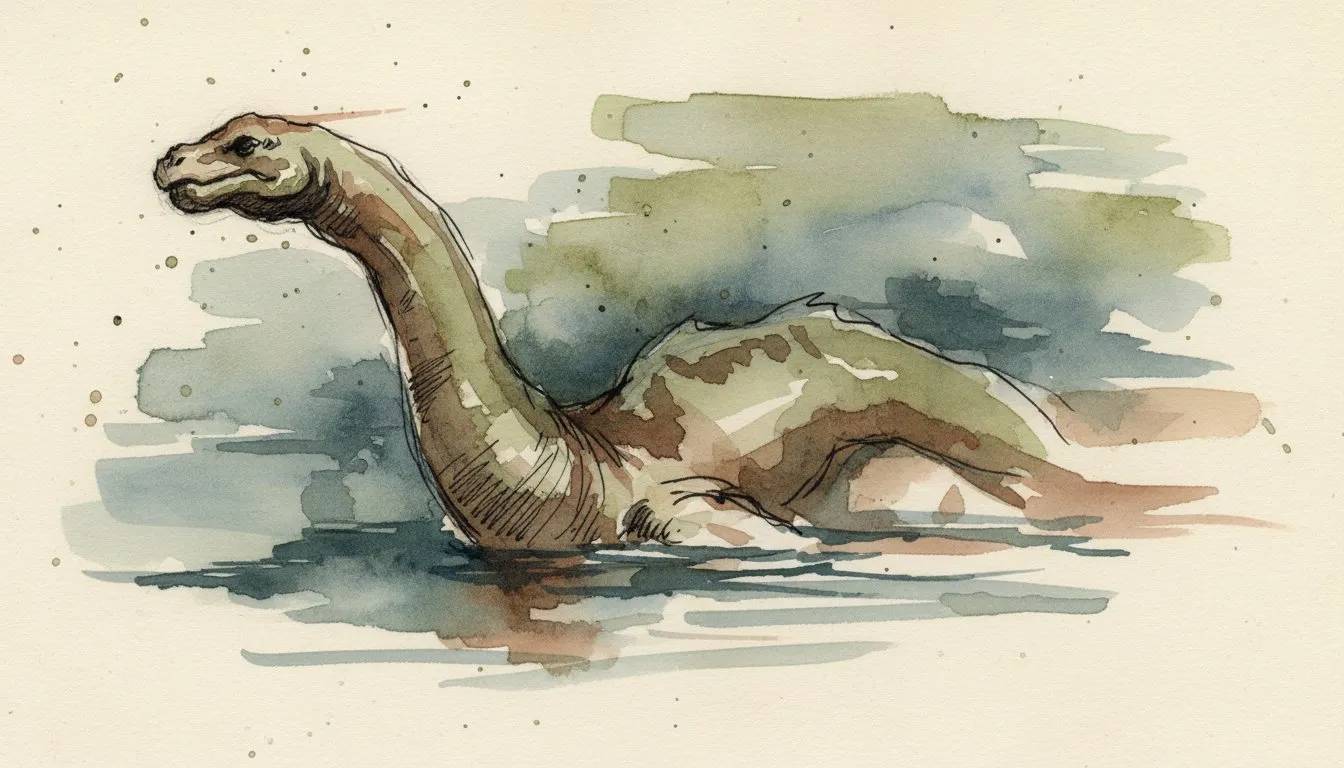
Loch Ness Monster
The legendary lake serpent of Scotland, photographed, sonar-scanned, and never found.
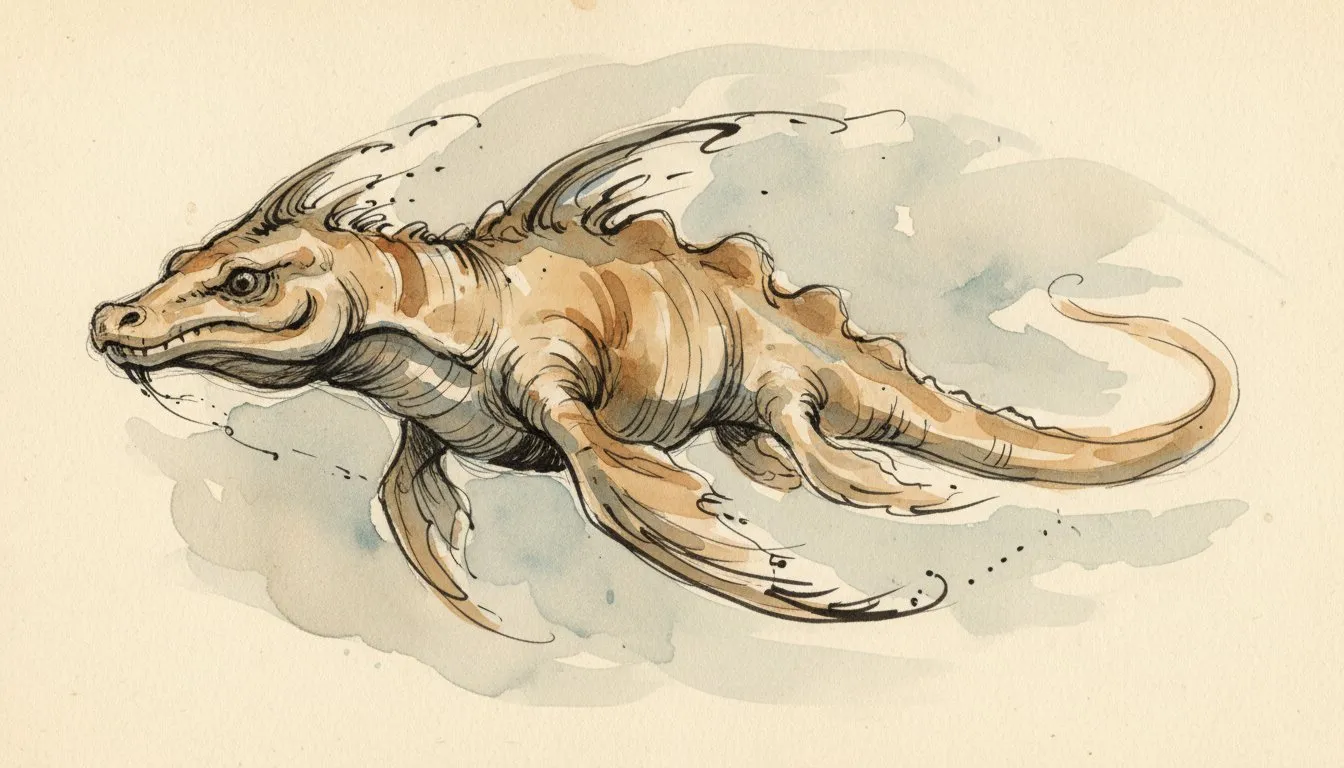
Cadborosaurus
A horse-headed sea serpent weaving through the waters of the Pacific Northwest.