
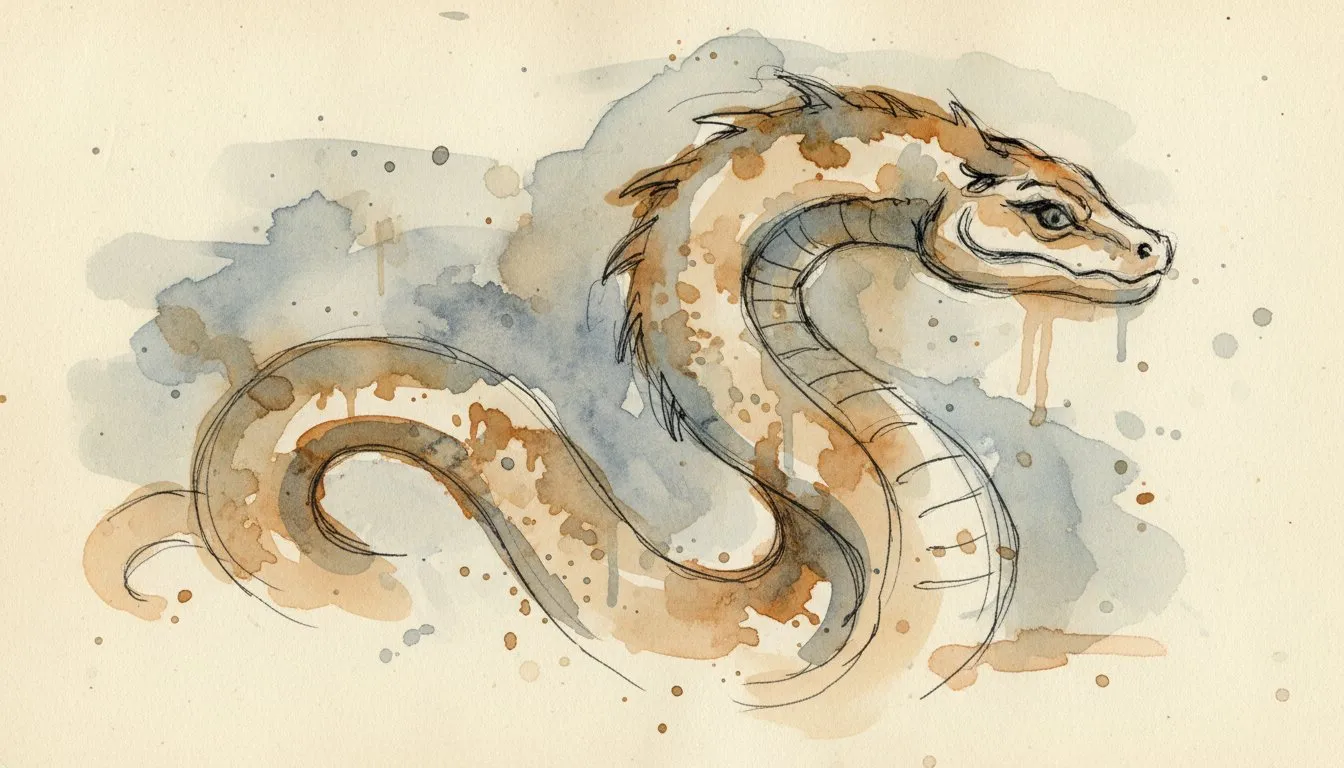
Inkanyamba
Also known as: Storm Serpent
When devastating storms hit KwaZulu-Natal, the Zulu say a giant winged serpent is rising from the falls.
Ancient Zulu oral tradition
Howick Falls, KwaZulu-Natal, South Africa
20-50 feet long
Wrathful, controls storms
Unverified
The Lore
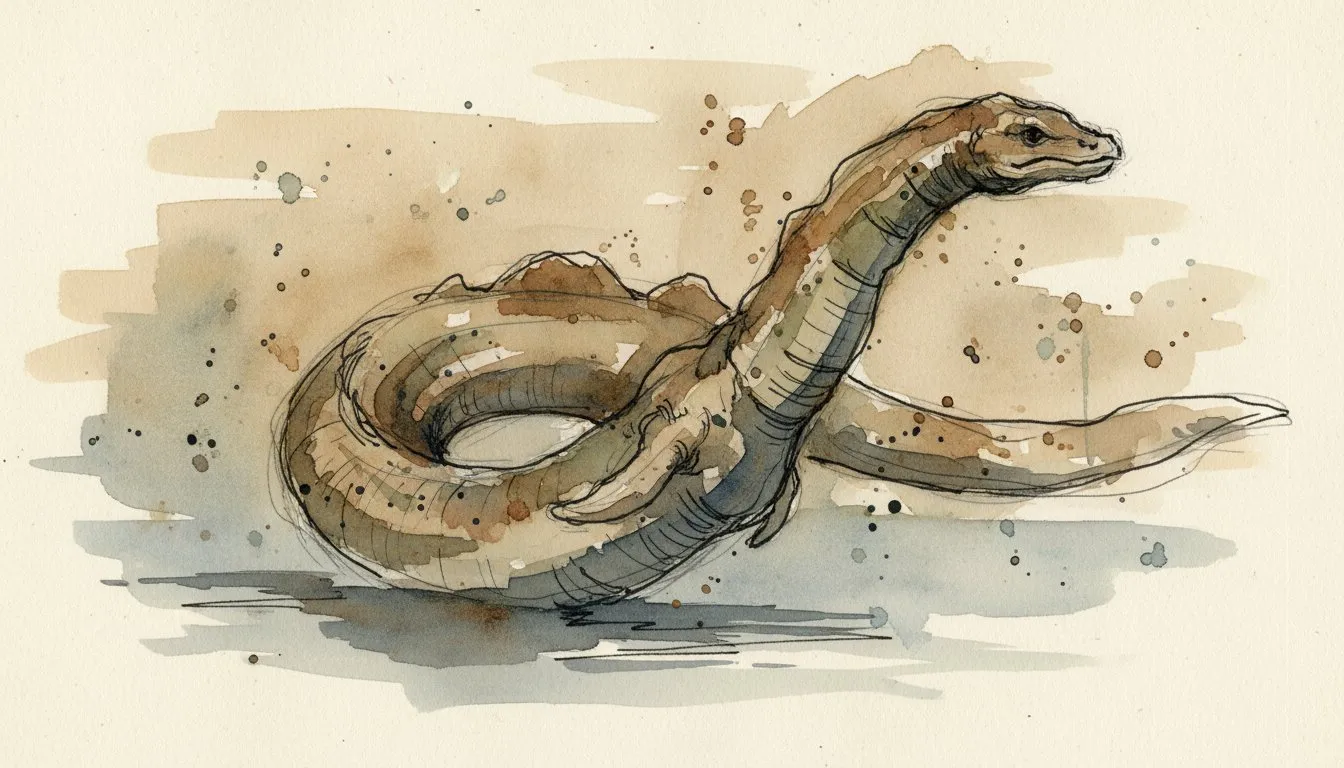
The Inkanyamba is a massive serpentine creature from Zulu mythology, associated with violent seasonal storms in the KwaZulu-Natal region of South Africa. Said to dwell in waterfalls, particularly Howick Falls, it emerges during summer to fly through the air and create tornados and tempests. In 1995, a photograph reportedly captured a large serpentine form near Howick Falls. Local sangomas (traditional healers) still make offerings to appease it.
Among the Zulu and Xhosa peoples of southern Africa, the Inkanyamba is understood not merely as a large animal but as a force of nature given physical form. This enormous, horse-headed serpent is said to inhabit the deep pools beneath waterfalls, the most celebrated of which is Howick Falls in KwaZulu-Natal province, where the Mgeni River drops nearly one hundred feet into a plunge pool of uncertain depth. The Inkanyamba is held responsible for the violent summer storms that sweep across the region - when the creature is angered or leaves its pool to search for a mate, it is said to fly through the sky, its movements generating the cyclonic winds and lightning that define a Natal thunderstorm.
Zulu oral tradition treats the Inkanyamba with deep respect bordering on reverence. Sangomas - traditional healers - have long described the creature as a spiritual entity as much as a physical one, capable of causing illness, misfortune, and environmental catastrophe when disturbed. Rituals of appeasement have historically been performed at Howick Falls, and community elders have cautioned against swimming in the pool or speaking disrespectfully near the water. The falls themselves sit within land that local communities regard as sacred, and the cultural weight attached to the site is inseparable from the legend of the creature that lives within it.
A number of alleged modern sightings have drawn attention to the Inkanyamba. In the 1990s, several witnesses reported seeing a large, dark, serpentine form surfacing in the Howick pool during a period of drought, which local residents interpreted as the creature emerging to seek rain. Photographs taken at the scene were disputed - some analysts saw a large eel or piece of debris, while believers pointed to the elongated shape and apparent head as consistent with traditional descriptions. Eels of considerable size do inhabit the Mgeni River system, and the longfin eel (Anguilla mossambica) found in the region can grow to impressive lengths.
What makes the Inkanyamba distinctive among African cryptids is the seamless integration of physical description, meteorological phenomenon, and spiritual authority. The creature is not simply a monster to be feared or hunted - it is a living manifestation of the natural order, a guardian of water whose moods are legible in the weather itself. This quality gives the Inkanyamba a significance in living cultural practice that few cryptids anywhere in the world can match.
Media Appearances
- Destination Truth (TV)
Further Reading
No book is devoted to this creature. These are the general references that cover the field, plus a direct search if you want to dig further.
- Cryptozoology A to Z by Loren Coleman and Jerome Clark (1999)
The standard one-volume encyclopedia, roughly two hundred entries covering creatures, investigators, and hoaxes.
- Mysterious Creatures: A Guide to Cryptozoology by George M. Eberhart (2002)
The larger reference guide, stronger on sourcing and on creatures that never reached the popular books.
Search Amazon for Inkanyamba books
As an Amazon Associate, Cryptid Vault earns from qualifying purchases. Links open Amazon in a new tab.
Get the Field Notes.
Field notes from the Vault, when there is something worth sending. No spam.
No spam. Unsubscribe anytime.
You might also like
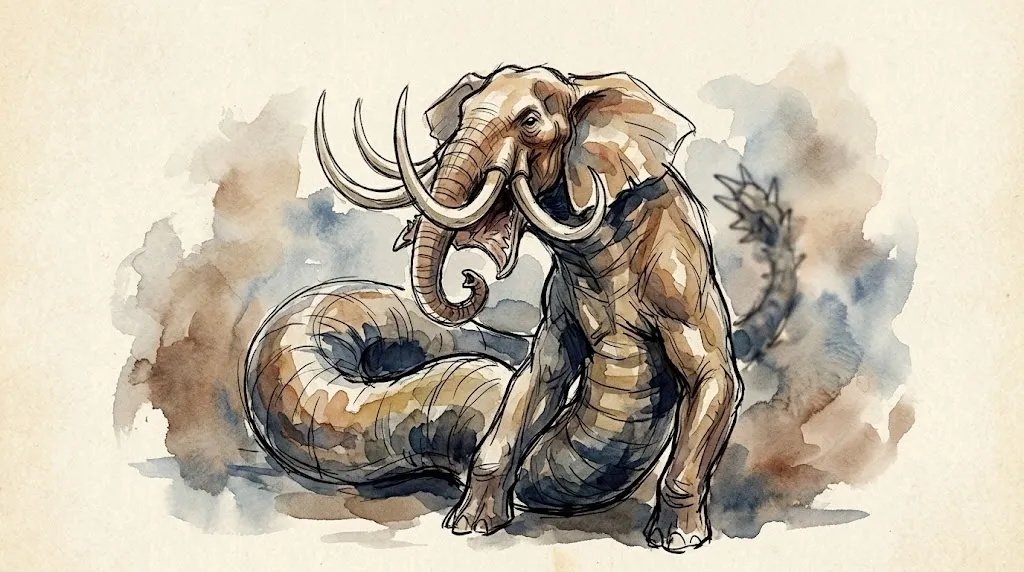
Grootslang
South African legend says the gods made a creature so powerful they had to split it into elephants and snakes.
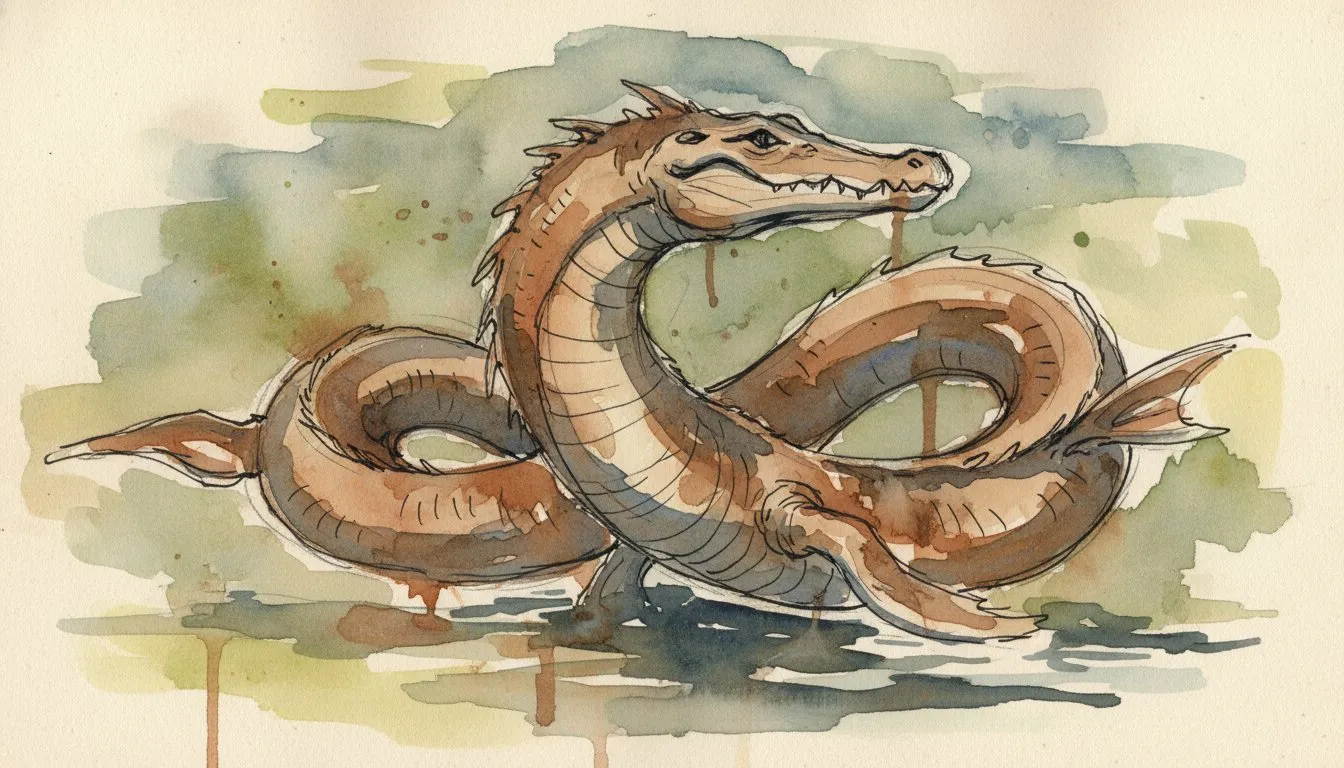
Mamlambo
Nine bodies pulled from a South African river in 1997 were all missing their faces and brains.
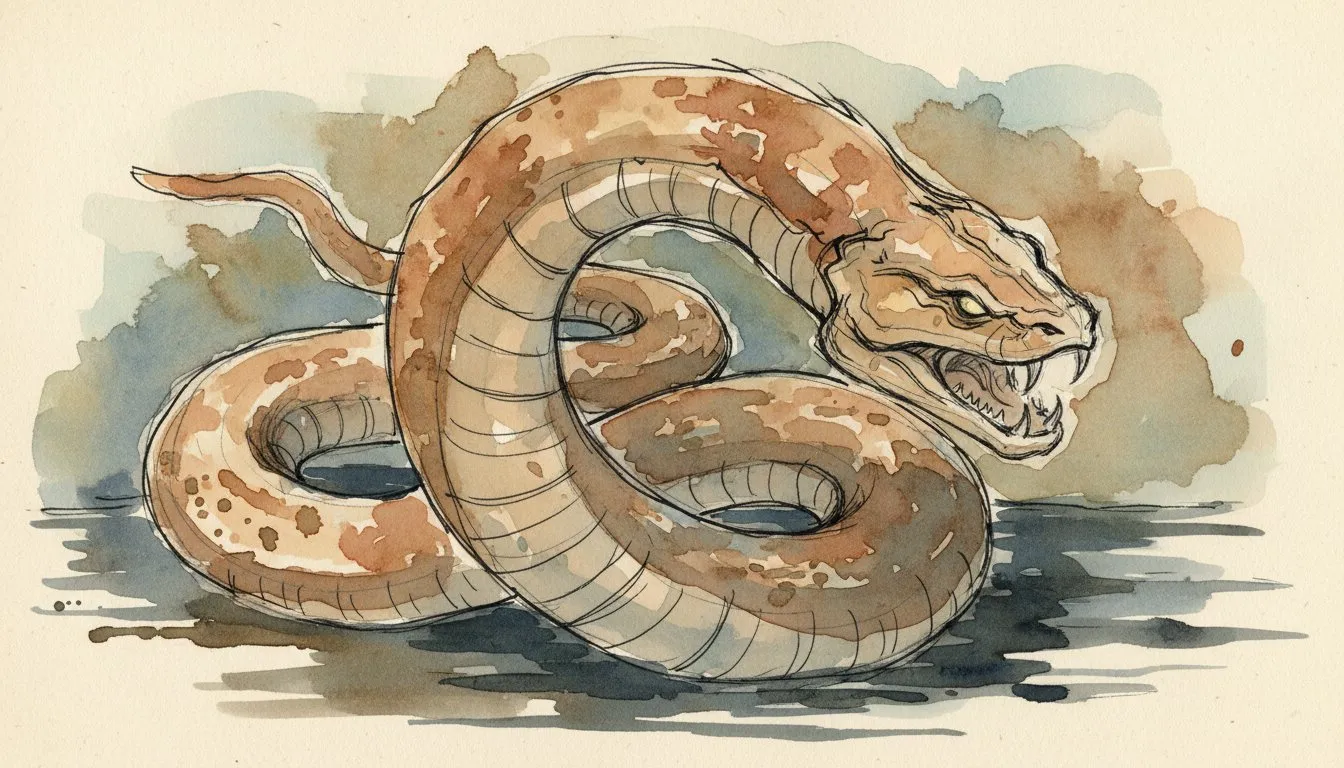
Yacumama
Deep in the Amazon, locals say a snake longer than a river is wide guards the waterways.
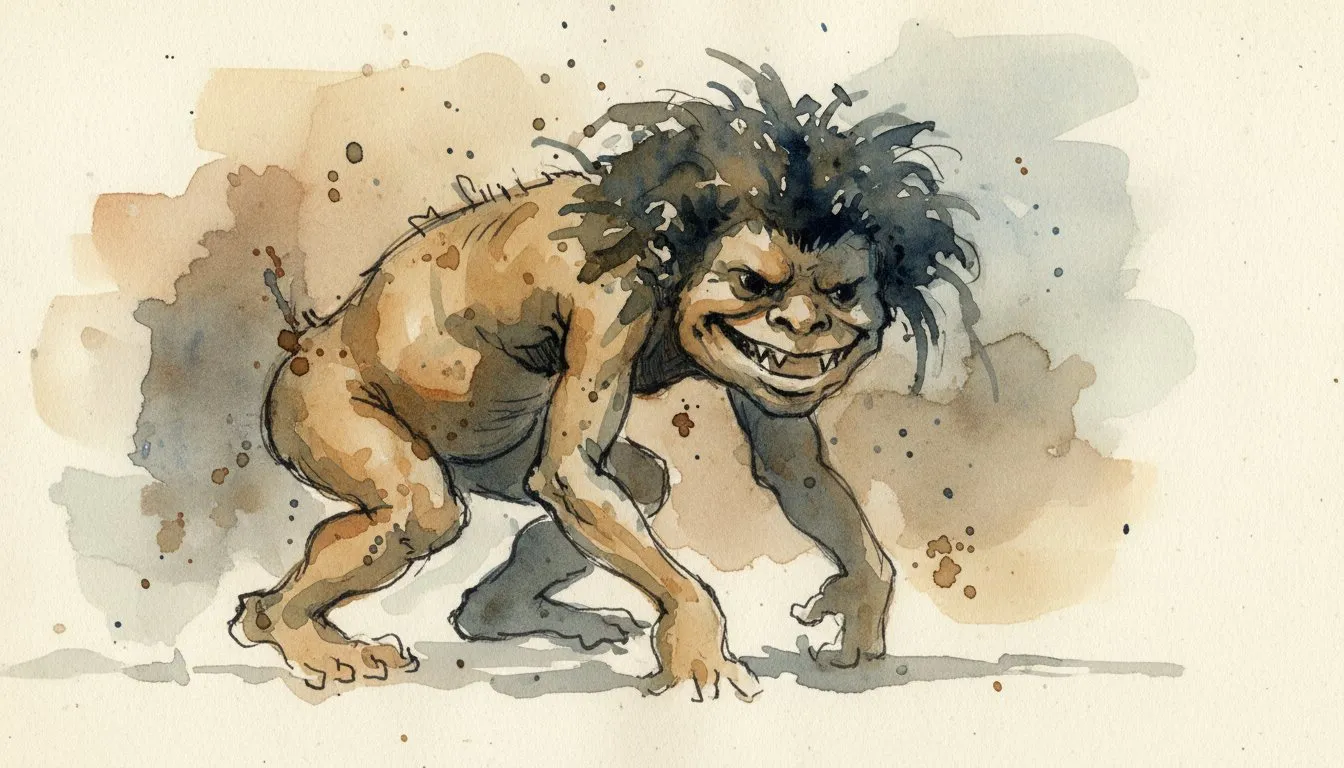
Tokoloshe
Millions of South Africans still raise their beds on bricks to stay out of reach of this invisible dwarf.
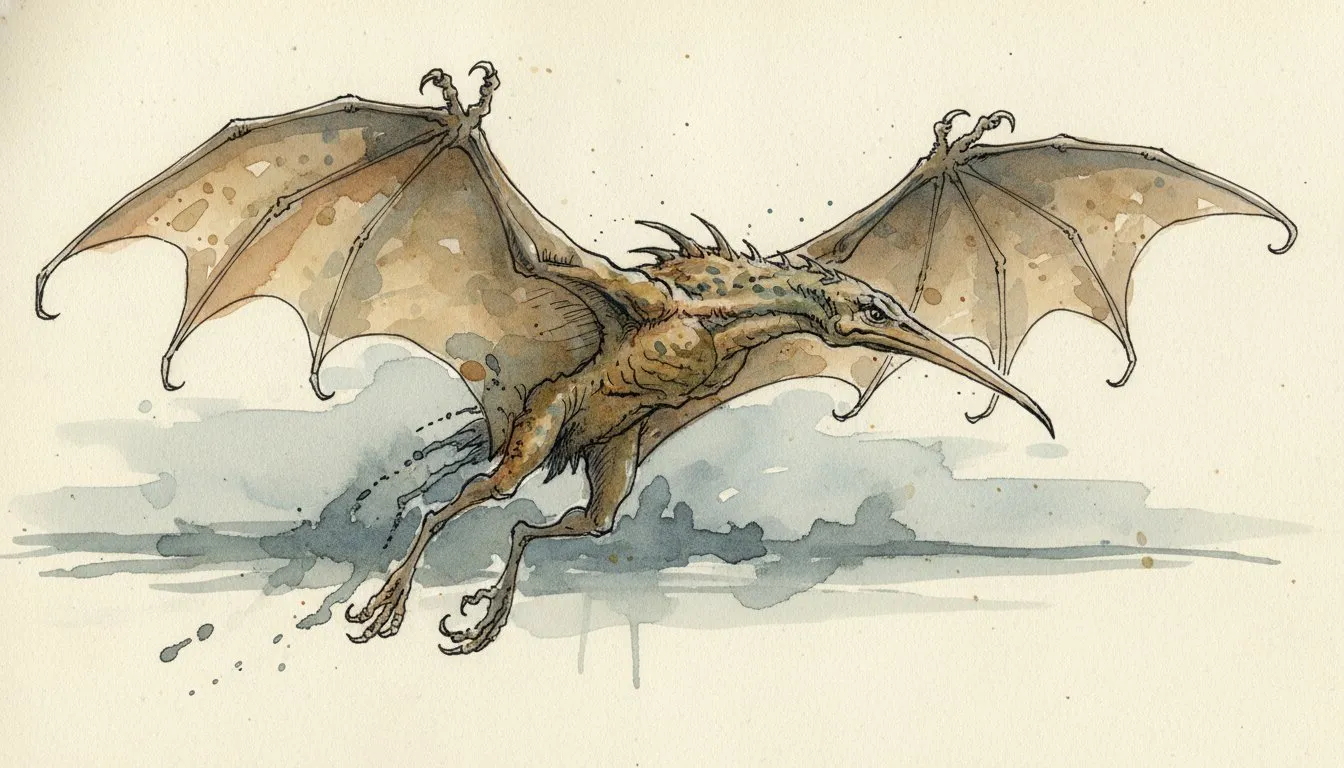
Kongamato
Zambian fishermen describe a flying reptile with leathery wings and teeth that capsizes their boats.
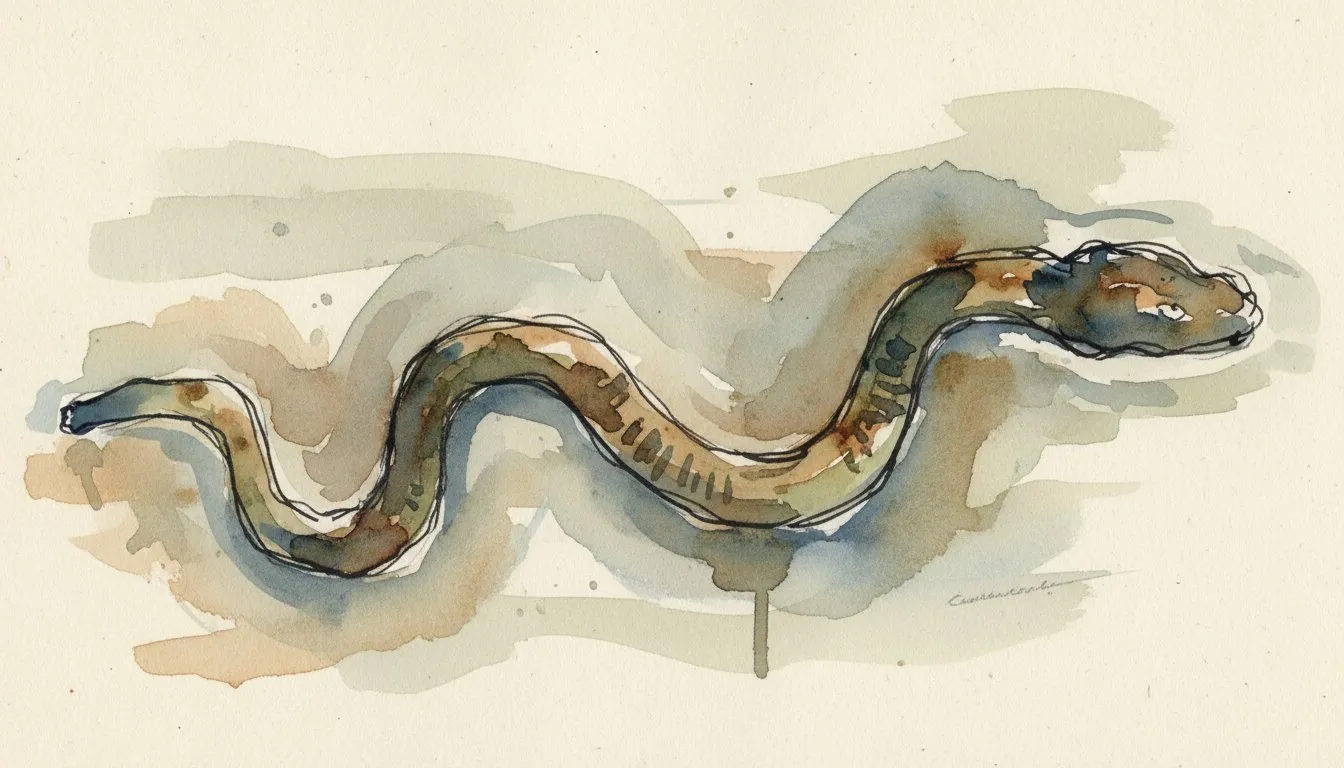
Lagarfljot Worm
Iceland's answer to the Loch Ness Monster lives in a glacial river-lake and may have been sighted on camera in 2012.
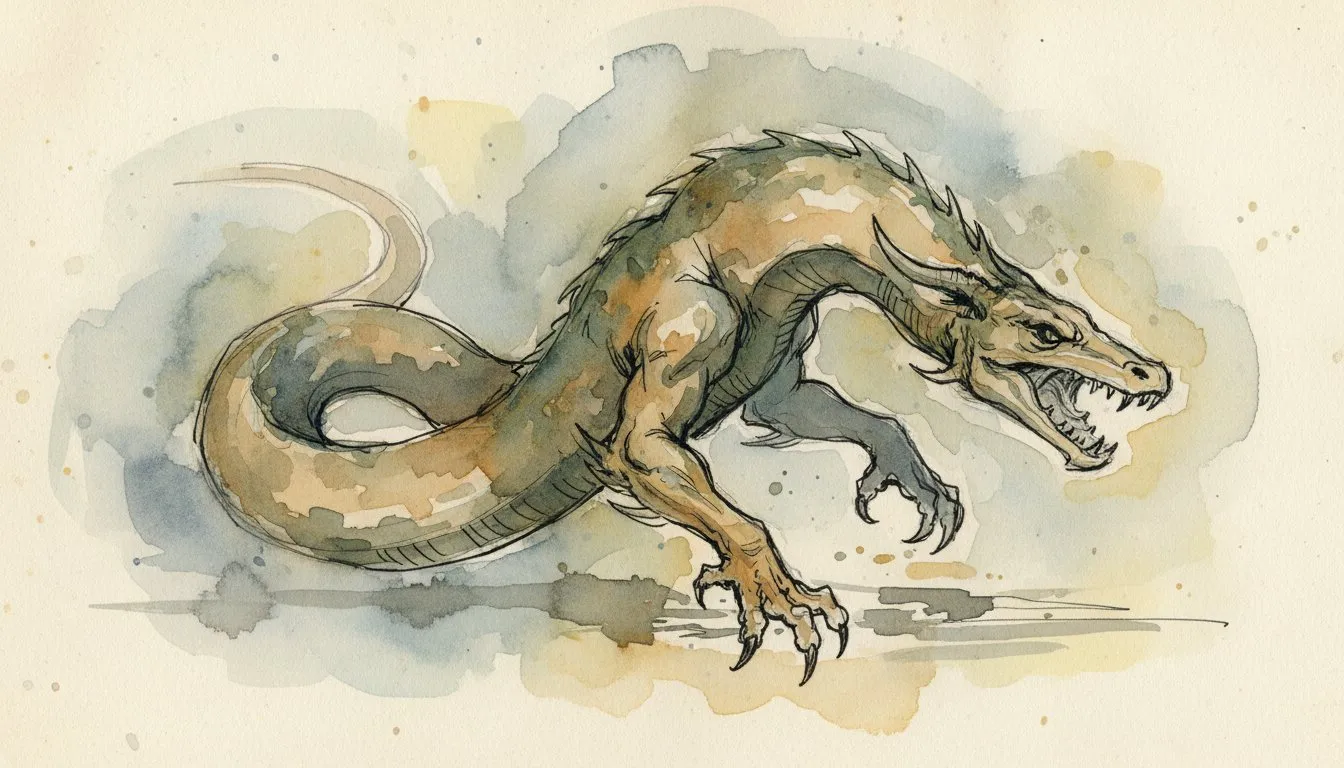
Lindworm
A legless or two-legged dragon slithers through Scandinavian and Germanic legends as a creature of both terror and strange wisdom.
Manipogo
Lake Manitoba's serpentine lake monster has been reported by Indigenous communities for centuries and photographed at least twice.