Cryptids of Yosemite: Shadows in the Sierra Nevada
Granite, Giant Sequoias, and Something on the Ridge
Yosemite draws close to four million visitors a year, the bulk of them packed into the summer months when the high passes open and Half Dome's cables go up. The park covers nearly 1,200 square miles of the central Sierra Nevada in California, from the granite walls of the valley to alpine meadows above 10,000 feet and groves of giant sequoias older than recorded history.
It is a landscape built for legends. John Muir wrote about the Sierra as a place of overwhelming scale, and that same scale, vertical granite, deep forest, and high country that empties out the moment the snow returns, is where cryptid lore takes root.
No creature is documented as "reported in Yosemite" specifically. What follows are the creatures of Yosemite's region: the Sierra Nevada, the surrounding California ranges, and the high desert and valley country at the park's edges.
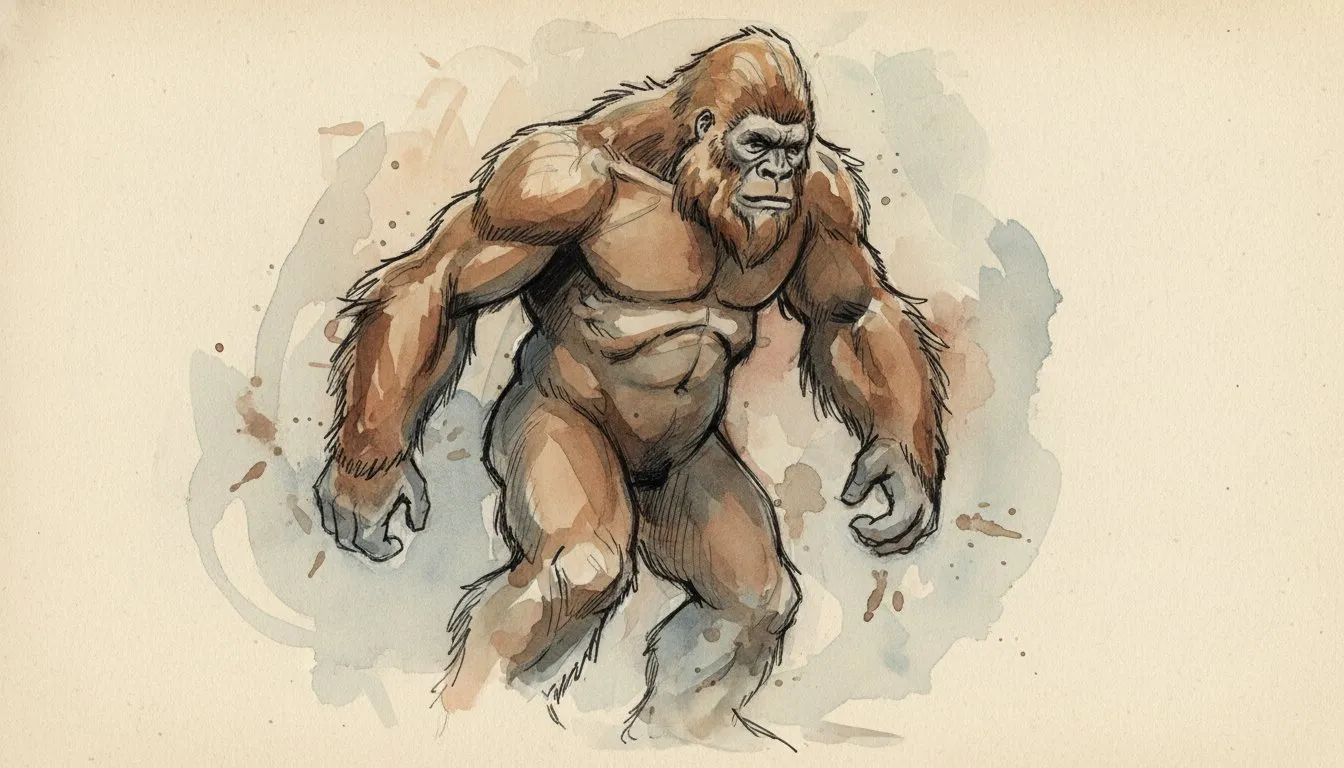
Bigfoot: The Sierra Nevada Has Its Own
Bigfoot is a California creature as much as a Pacific Northwest one. The famous 1967 Patterson-Gimlin film was shot at Bluff Creek in Northern California, and Sasquatch reports run the length of the state's mountain ranges, including the Sierra Nevada that Yosemite sits in the heart of.
The habitat fits the familiar pattern: vast tracts of forest, granite-walled canyons that funnel any large animal into narrow corridors, and millions of acres of backcountry that see almost no people once you leave the trailhead. Yosemite's wilderness, more than ninety percent of the park, is exactly the kind of terrain where a population of large undocumented animals could persist unseen.
The Dark Watchers: Figures on the Ridgeline
The Dark Watchers are among California's eeriest legends, towering shadow figures seen standing on high ridgelines at dusk, silhouetted against the sky, that vanish the instant you look directly at them. The tradition is rooted in the Santa Lucia Mountains of California's Central Coast, where it goes back to the Chumash people and was later written about by John Steinbeck.
We include them honestly as a California ridge-and-mountain legend rather than a Yosemite sighting. But the experience they describe, a lone figure on a high granite ridge in the fading light, gone the moment you blink, is exactly the kind of trick the Sierra's vast scale and shifting alpenglow can play on the eye. Anyone who has watched the light die on a high Yosemite ridge will understand the legend.
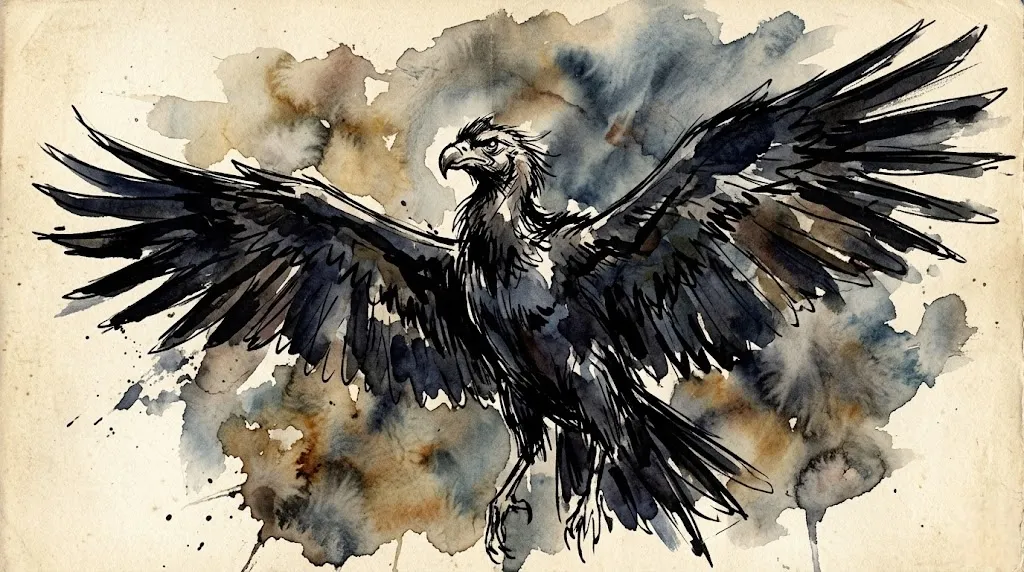
The Thunderbird: Over the High Sierra
The Thunderbird is a pan-continental legend from the indigenous traditions of many North American nations, including the peoples of California, and it describes an enormous raptor with a wingspan wide enough to blot out the sun. The Sierra Nevada is real condor country, home to the California condor, the largest flying bird in North America with a wingspan approaching ten feet.
That overlap is not a coincidence. The high updrafts off the Sierra escarpment are exactly the kind of place a truly enormous bird would ride, and the sight of a condor banking over a granite ridge is the closest thing in living memory to the Thunderbird the legend describes.
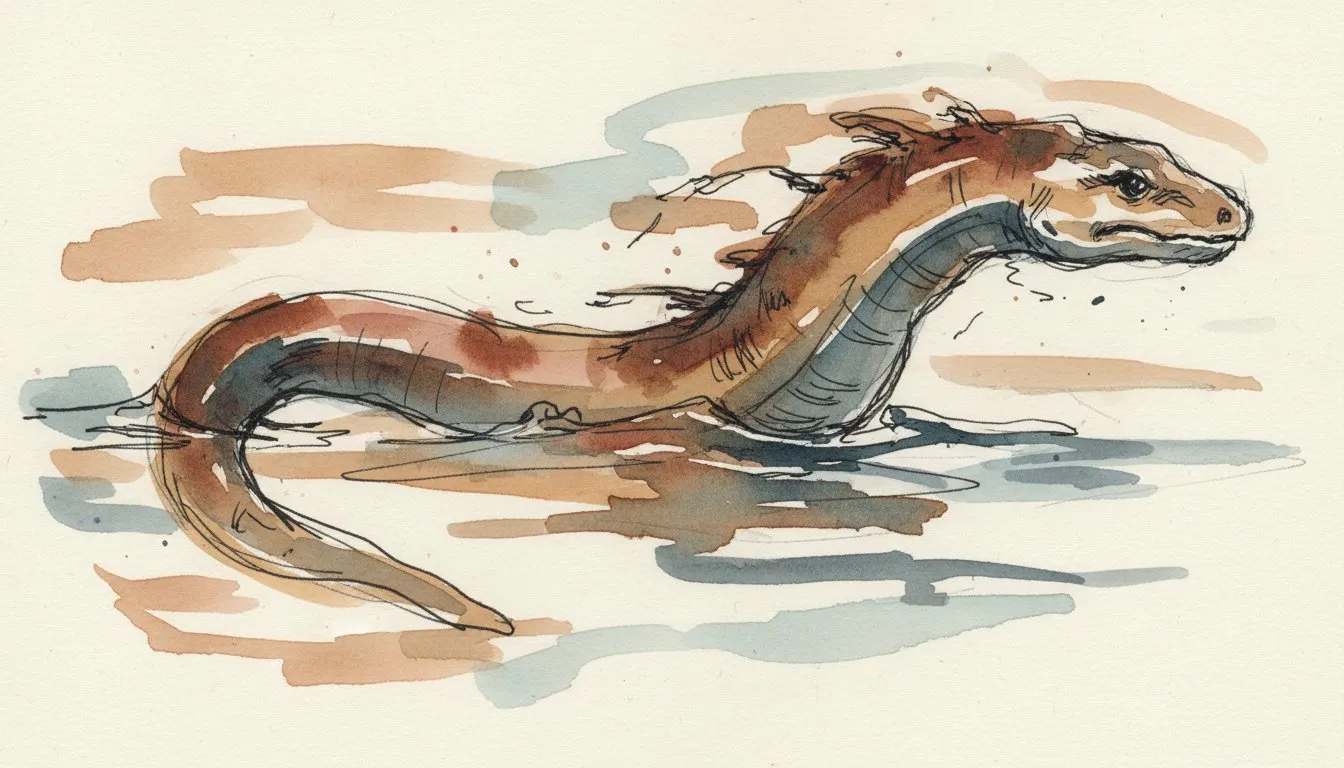
Tahoe Tessie: The Serpent in the Lake to the North
To the north of Yosemite, where the Sierra crest meets the California and Nevada line, lies Lake Tahoe and its resident serpent, Tahoe Tessie. The legend traces to the Washoe people, who told of a creature in the lake long before the casinos and ski resorts arrived, and modern boaters and shoreline witnesses have reported a large serpentine animal in the deep blue water.
Tahoe is one of the deepest lakes in North America, cold and clear and more than 1,600 feet deep in places. It belongs to the same Sierra Nevada that Yosemite anchors, and Tessie is the high country's contribution to North America's long roster of lake monsters.
The Fresno Nightcrawler: At the Gateway to the Park
The Fresno Nightcrawler haunts the Central Valley city of Fresno, the main southern gateway to Yosemite. It is one of the strangest entries in the modern cryptid record: a pair of impossibly long, pale legs topped by a tiny body, walking slowly through the dark, captured on more than one home security camera.
It makes the list as the creature of Yosemite's doorstep. The Central Valley flatlands give way to the Sierra foothills and then the park itself, and the Nightcrawler is the local legend that travelers pass through on their way up to the granite. It is a reminder that the strangeness of California is not confined to its mountains.
Visiting Yosemite in Peak Season
Summer is Yosemite at full capacity. The valley floor fills with traffic, Tioga Road opens across the high country, and the wilderness permits for the backcountry go fast. Most of those four million visitors never leave the valley, and almost none of them see anything stranger than a black bear working a campground.
But Yosemite rewards the people who go deep and stay late. Climb out of the valley into the high country, watch the alpenglow burn out on a granite ridge, and the scale of the place becomes overwhelming. Whatever is or is not standing on that distant ridge, the Sierra is big enough and old enough to hold the question open.
For more Western creatures, see our Pacific Northwest cryptid map and the creatures of Yellowstone. For the wider picture, read about what gets reported near U.S. campgrounds.
The Sierra is one range among many. See our guide to mountain cryptids for the Alps, the Highlands, and the rest of the world's high country.
Explore the creatures: Bigfoot, Dark Watchers, Thunderbird, Tahoe Tessie, Fresno Nightcrawler.
Get the Field Notes.
Field notes from the Vault, when there is something worth sending. No spam.
No spam. Unsubscribe anytime.
Creatures mentioned in this post
Bigfoot
The towering ape-man of the Pacific Northwest, glimpsed in fog and legend for centuries.

Dark Watchers
Towering shadow figures that haunt California's Santa Lucia ridgelines at dusk - and vanish the moment you look directly at them.
Thunderbird
A colossal bird from indigenous legend with a wingspan that blots out the sun.
Tahoe Tessie
A serpentine lake dweller hiding in the frigid depths of Lake Tahoe since Washoe legend.