Cryptids of Yellowstone: The Creatures of America's Wildest Wilderness
America's First National Park, and Its Strangest Residents
Yellowstone draws more than four million visitors a year, and the crowds peak in July and August, when the high country finally thaws and the roads to the backcountry open. It sits across three states, Wyoming, Montana, and Idaho, spanning more than two million acres of geyser basins, lodgepole forest, and high alpine plateau. It is one of the last large intact temperate ecosystems on Earth.
It is also grizzly country, wolf country, and bison country, a place where the wildlife is genuinely dangerous and the wilderness is genuinely vast. That combination, real megafauna plus enormous tracts of roadless terrain, is exactly the soil that cryptid lore grows in.
A quick, honest note. No specific cryptid is officially "reported in Yellowstone" the way Mothman is tied to Point Pleasant. What we have instead is a regional cast of creatures rooted in Wyoming, the Rockies, and the surrounding West, plus the pan-continental legends that any deep wilderness inherits. Here is who shares the neighborhood.
The Jackalope: Wyoming's Official Tall Tale
No creature is more tied to Yellowstone's home state than the Jackalope, the antlered jackrabbit of Wyoming. Its origin is documented and unusually specific: the town of Douglas, Wyoming, where in the 1930s a pair of taxidermist brothers grafted deer antlers onto a jackrabbit mount and a frontier legend was born. Douglas now calls itself the Jackalope capital of the world.
The Jackalope is the rare cryptid that everyone agrees is a tall tale, and that is exactly what makes it perfect for a road trip. It belongs to the same tradition of Western exaggeration that gave us the rest of this list, the campfire one-upmanship of people in a landscape big enough to swallow any story whole.
The Slide-Rock Bolter: A Predator Built for the Slopes
The Slide-Rock Bolter is a lumberjack legend out of the Colorado Rockies, and the same alpine terrain runs straight up through Yellowstone's high country. The creature was described as a whale-sized beast that lay flat against the steepest mountainsides, gripping the ridgeline with hooked tail flukes, then released to slide thousands of feet down the slope and swallow anything in its path, hikers and tourists included.
It is folklore in the grand fearsome-critter tradition of the old logging camps, a story invented to explain the genuine danger of steep, loose mountain terrain. Yellowstone has no shortage of that terrain. Stand at the edge of the Grand Canyon of the Yellowstone and the Bolter starts to feel less ridiculous.
The Bear Lake Monster: The Serpent on the Border
Drop south toward the Idaho line and you reach Bear Lake, home of the Bear Lake Monster. The lake straddles the Utah and Idaho border, and its creature has been reported since the 1860s, first by Shoshone communities and later by Mormon settlers who described a serpentine animal moving faster than a horse could run, surfacing far from shore.
The lake is deep, cold, and a striking turquoise from suspended limestone. It is the kind of water that hides things well. Bear Lake sits within a long day's drive of Yellowstone's southern reaches, part of the same Greater Yellowstone and Rocky Mountain corridor, and its monster is one of the most persistently reported lake creatures in the interior West.
Bigfoot: The Rockies Have Their Own
Bigfoot is most associated with the Pacific Northwest, but Sasquatch reports follow the forests, and the Northern Rockies are full of forest. Montana, Wyoming, and Idaho all produce Bigfoot sighting reports, and the habitat argument is the same one that holds in the Cascades: old-growth timber, low human population, abundant elk and deer, and millions of acres where a large animal could move unseen.
Yellowstone's backcountry is among the most remote terrain in the lower 48. If a population of large undocumented primates persisted anywhere in the interior West, the Greater Yellowstone Ecosystem is the kind of place the habitat math would point to.
The Thunderbird: The Sky Over the High Country
The Thunderbird is not a single local legend but a continent-spanning one, rooted in the indigenous traditions of many nations across North America, including the peoples of the Plains and the Rockies. It is described as an enormous raptor with a wingspan wide enough to darken the ground, associated with storms and the thunder that rolls off the mountains.
Yellowstone's summer afternoons are famous for sudden, violent thunderstorms boiling up over the peaks. In the worldview the Thunderbird comes from, that weather is not just weather. The big skies above the Yellowstone plateau are exactly the kind of place the legend was built to explain.
The Wendigo: The Hunger of the Cold North
The Wendigo belongs to the Algonquian-speaking peoples of the northern forests and the Great Lakes, and its range in the popular imagination has spread across the cold, lonely woods of the northern tier, including the high country of the Northern Rockies. It is a gaunt, insatiable spirit associated with winter, starvation, and isolation, a creature that was once human and was hollowed out by hunger.
We include it honestly, as a legend of the cold northern wilderness rather than a Yellowstone-specific sighting. But anyone who has been snowed into a Yellowstone winter, when the park goes silent and the cold becomes a physical presence, will understand the worldview that produced it.
Visiting Yellowstone in Peak Season
Summer is when Yellowstone is most alive and most crowded. The high passes open, the wildlife is active, and the backcountry trails fill with hikers moving into terrain that sees no human presence for most of the year.
That is the real point these legends circle. Yellowstone is one of the few places left in the country genuinely big enough and wild enough that you can feel how little of it you actually know. You will almost certainly see bison, probably elk, maybe a bear or a wolf. Whatever else is out there in those two million acres, summer is when your paths are most likely to cross.
For the wider Western picture, see our Pacific Northwest cryptid map and the creatures reported near U.S. campgrounds. Heading to the Smokies instead? Read Cryptids of the Great Smoky Mountains.
East of the park, the plains flatten out fast: see our guide to Great Plains cryptids for what that open country actually reports. For the Rockies' place in a wider, range-by-range file, see our guide to mountain cryptids.
Explore the creatures: Jackalope, Slide-Rock Bolter, Bear Lake Monster, Bigfoot, Thunderbird, Wendigo.
Get the Field Notes.
Field notes from the Vault, when there is something worth sending. No spam.
No spam. Unsubscribe anytime.
Creatures mentioned in this post
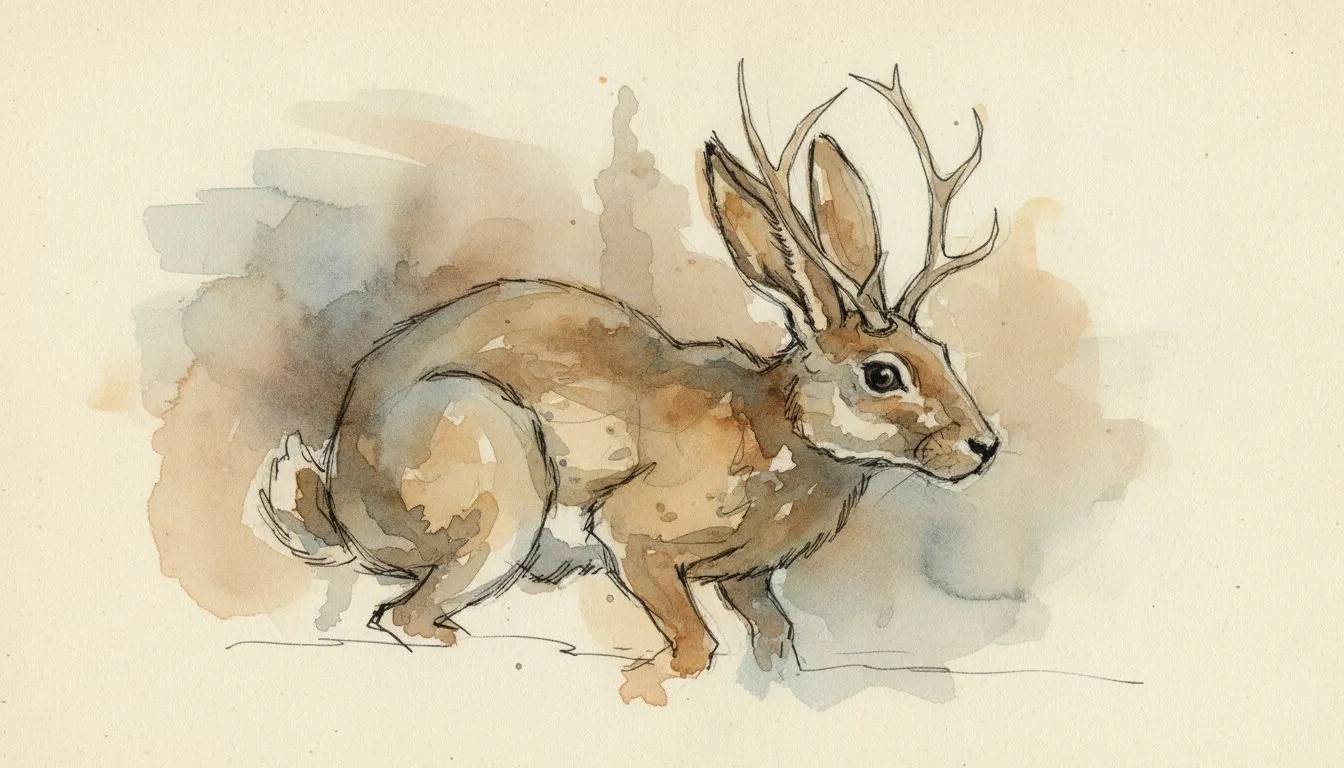
Jackalope
The antlered rabbit of the American West, born from taxidermy humor and frontier tall tales.
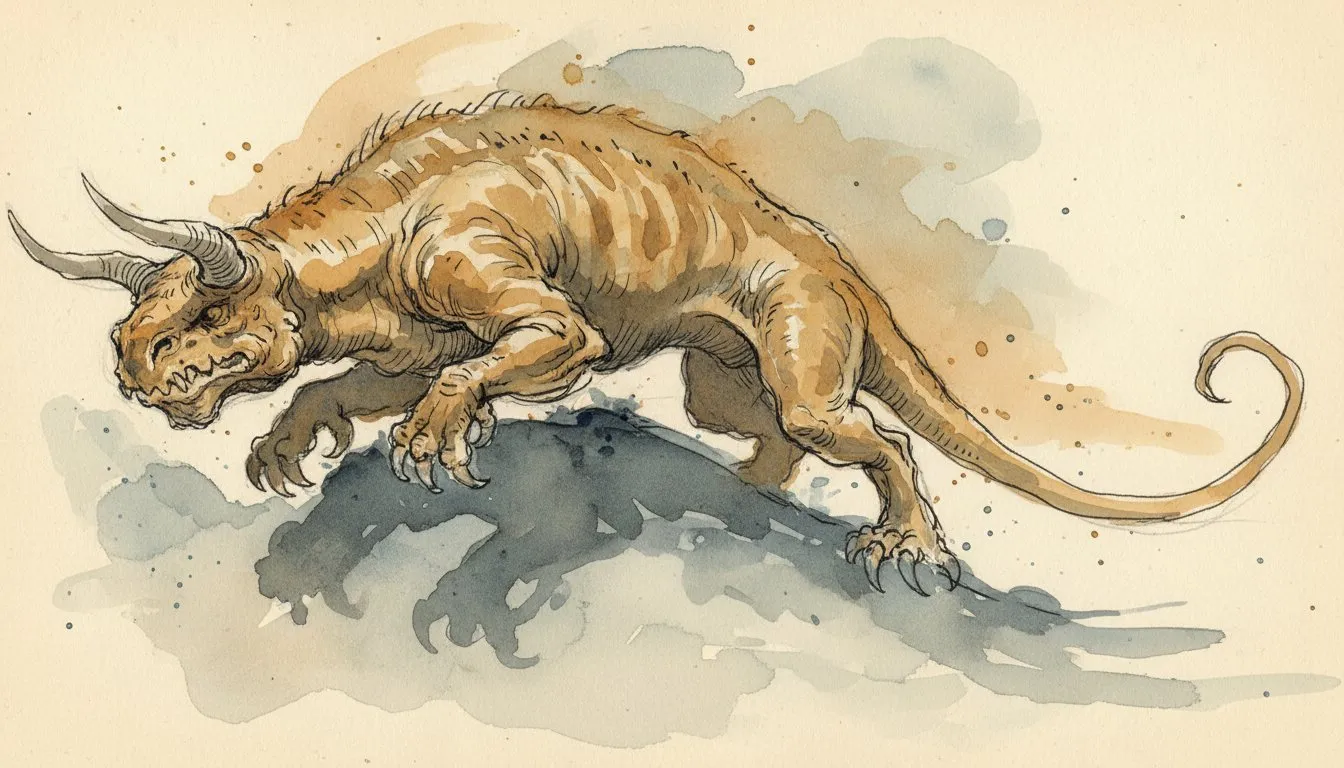
Slide-Rock Bolter
A whale-shaped mountain predator that slides down Colorado slopes to swallow hikers whole.
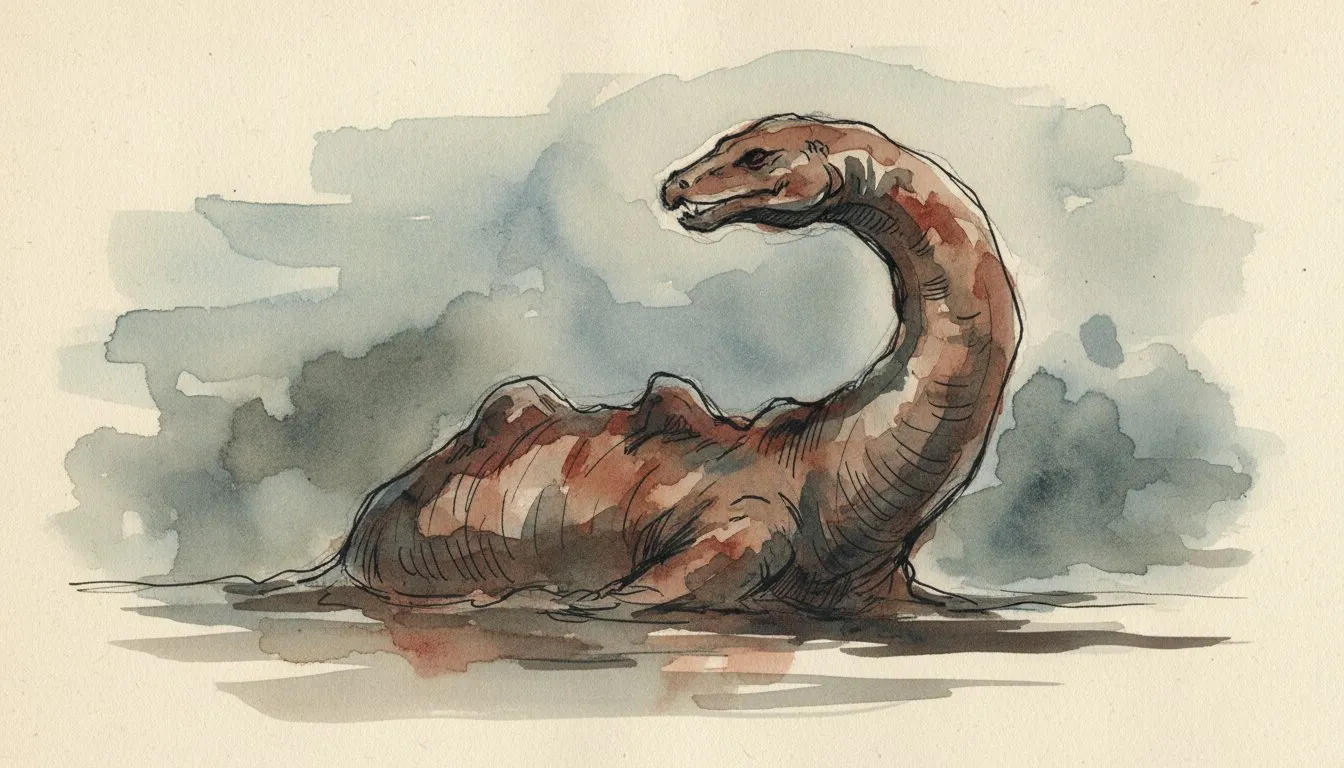
Bear Lake Monster
A serpentine terror of Bear Lake, first reported by Mormon settlers and Shoshone alike.
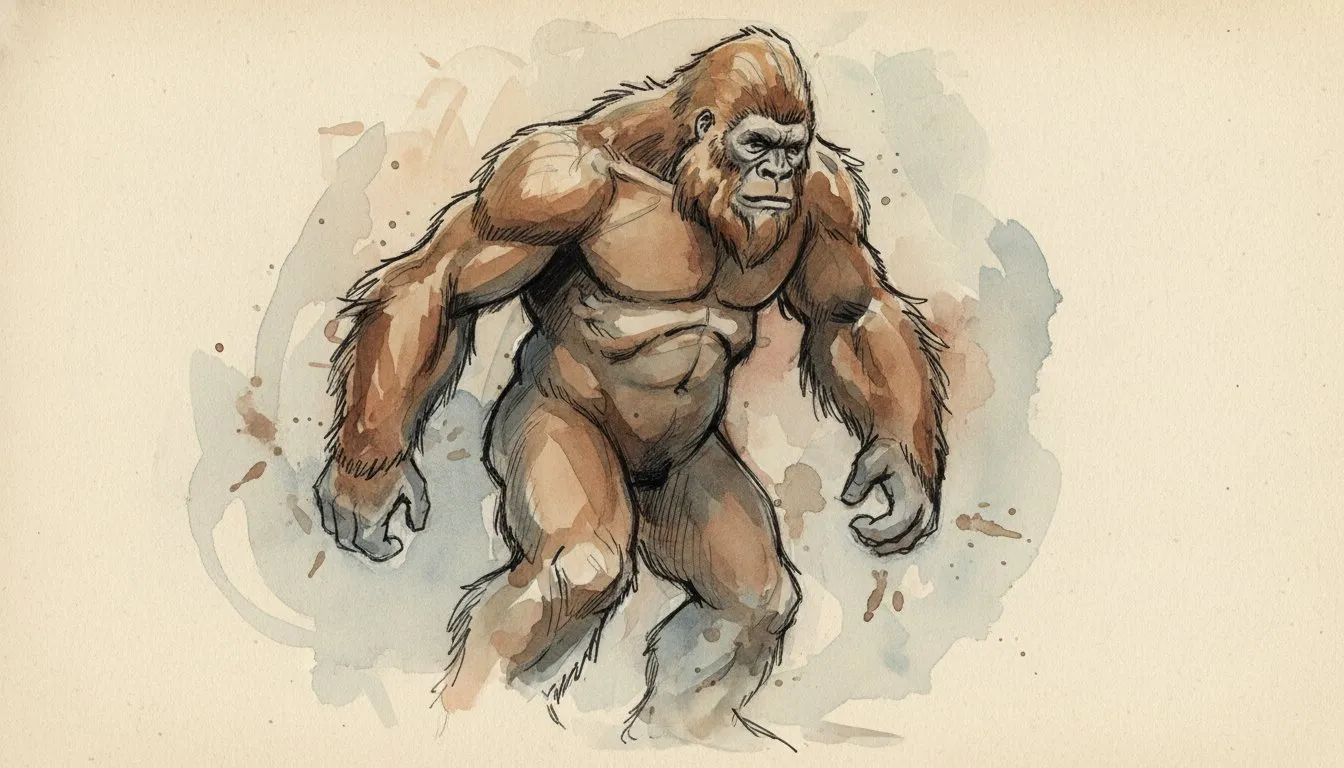
Bigfoot
The towering ape-man of the Pacific Northwest, glimpsed in fog and legend for centuries.