
Great Plains Cryptids: The Emptiest File on This Site, and Why
The Habitat With No Argument Left
Every regional guide on this site leans on cover somewhere: a forest canopy, a lake's depth, a stretch of unmapped wilderness large enough to hide something. The Great Plains cannot make that argument. This is some of the most open, most surveyed, most agriculturally worked land in the country, mile after mile of wheat and cattle country under a sky with nothing to interrupt it. For most of the 19th century the region held tens of millions of bison in plain view of anyone who cared to look. There was no shortage of large animals here. There was just nowhere for one to be unaccounted for.
That openness did not stop the fences and roads that followed. By the early 20th century the tallgrass and shortgrass prairie that once ran unbroken from Texas to the Canadian border had been plowed, fenced, and crossed by rail, which means anything that might once have moved through this country unseen has had more than a century of steadily shrinking room to do it in.
That should make the Great Plains the thinnest cryptid file in this catalog, and by named, page-worthy creatures, it mostly is. What is left once you strip away the terrain argument is more honest than most regional guides get to be: a Bigfoot record that clusters specifically in the handful of places the plains still offer cover, one bird seen in nearly every state, and a single, cheerfully fake antlered rabbit that the region embraced anyway.
Bigfoot: Wherever the Trees Still Are
Bigfoot reports turn up across North Dakota, South Dakota, Nebraska, Kansas, and Oklahoma, and the pattern across all five states is the same: the sightings do not spread evenly across the open plains, they cluster in the terrain that still has cover. North Dakota's reports concentrate in the Turtle Mountains and the Sheyenne River forest belt. South Dakota's cluster in the Black Hills and the Badlands, the one part of the state with real elevation and timber. Nebraska's follow the Sandhills and the wooded stretches of the Platte River. Kansas has no mountains or badlands to offer at all, so its reports cluster along the state's wooded river bottoms and creek systems instead, the thin ribbons of forest that follow the water. Oklahoma's heaviest activity sits in its heavily wooded eastern third, the Ouachita Mountains and Ozark foothills, about as far from open-plains character as the state gets.
Read together, that is not really a Great Plains Bigfoot pattern. It is a demonstration of the same rule the desert cryptids guide found in the Mojave and the Gobi, just from the other direction. Open ground does not stop the reports. It just pushes them into whatever cover is left, river bottom, butte, or tree line, and the plains states happen to have just enough of that left to keep producing them.
Thunderbird: The One Legend Every State Shares
If Bigfoot is the plains' borrowed legend, Thunderbird is the one that actually belongs here. Every state in this guide, North Dakota through Oklahoma, lists Thunderbird sightings on its own record, and the bird's roots run through the Plains nations specifically, long before any settler wrote a report down. Modern accounts describe an enormous dark bird, wingspans well past what any known raptor carries, seen against the kind of huge, unbroken sky the plains are built from. The deeper indigenous history behind the legend, and the version of Thunderbird that anchors the Rockies further west, are covered fully in our guides to indigenous cryptid traditions and Yellowstone.
Jackalope: The Legend That Knows What It Is
No plains guide is complete without the one creature the region has fully claimed as its own, even though everyone involved knows exactly what it is. The Jackalope started in 1932 when Douglas, Wyoming taxidermist Douglas Herrick mounted deer antlers on a jackrabbit, and the joke never stopped. Douglas still issues mock hunting licenses and runs an annual festival, and antlered-rabbit postcards and roadside statues are practically their own genre of plains highway culture. It is a confirmed hoax the region kept anyway, the same move Wisconsin made with the Hodag. The fuller story, and Wyoming's real Bigfoot record alongside it, is in our guide to Yellowstone.
What an Empty File Is Good For
Most cryptid content treats a thin regional record as a problem to paper over. This site treats it as its own kind of answer. The Great Plains has had more open, watched, surveyed land than almost anywhere else in the country for a century and a half, and its cryptid file reflects exactly that: a borrowed forest-dweller pushed into the last scraps of cover, one genuinely regional sky legend, and a joke everyone kept in on purpose. That is not a lesser record than the Pacific Northwest's or Appalachia's. It is what the evidence looks like once the habitat argument runs out, worth knowing before you read the next region's file and assume the cover explains everything. A thin file is still a file. It just tells you about the land instead of the animal, which on a site built to take the evidence seriously is not a consolation prize.
For the states just north and west of this file, see our guide to Yellowstone and the Rockies. For the wooded states directly east, see our Midwest cryptids guide, where Nebraska's Alkali Lake Monster and the rest of the region's water cases live.
Get the Field Notes.
Field notes from the Vault, when there is something worth sending. No spam.
No spam. Unsubscribe anytime.
Creatures mentioned in this post
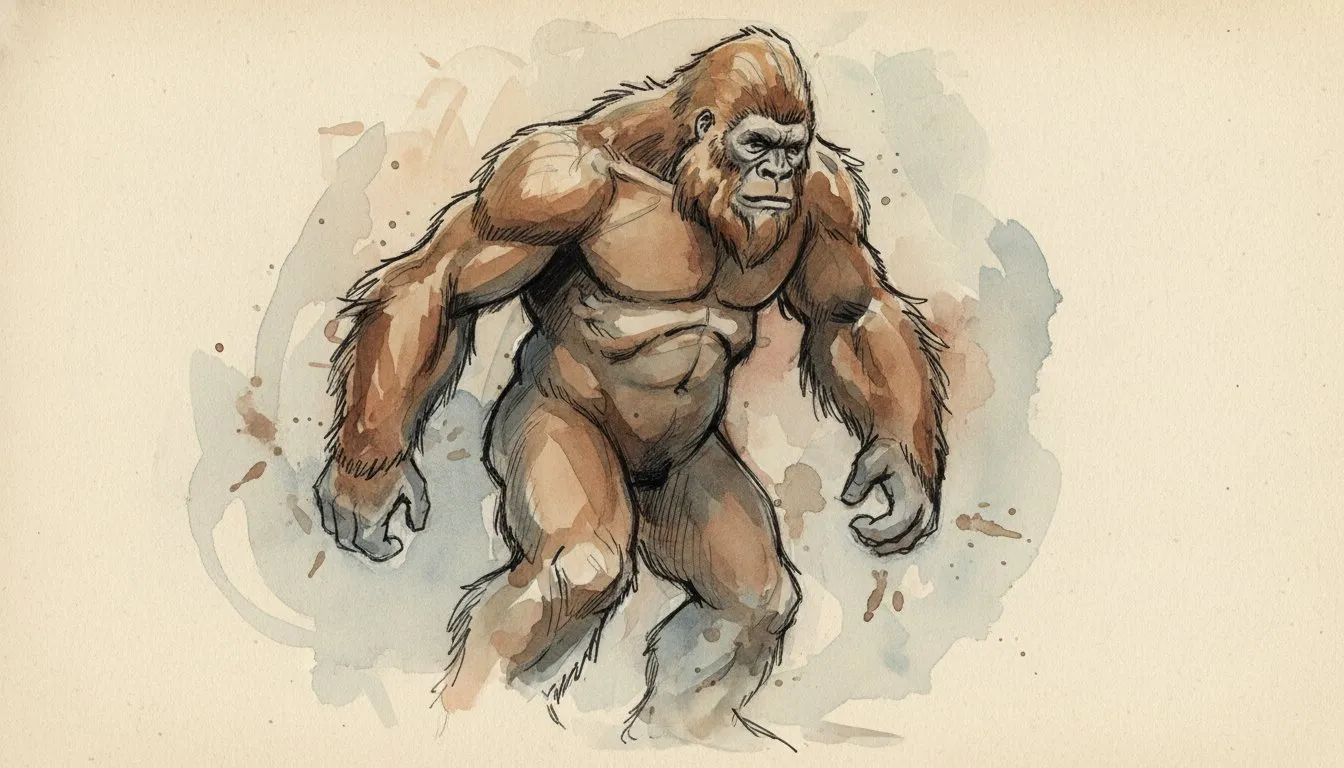
Bigfoot
The towering ape-man of the Pacific Northwest, glimpsed in fog and legend for centuries.
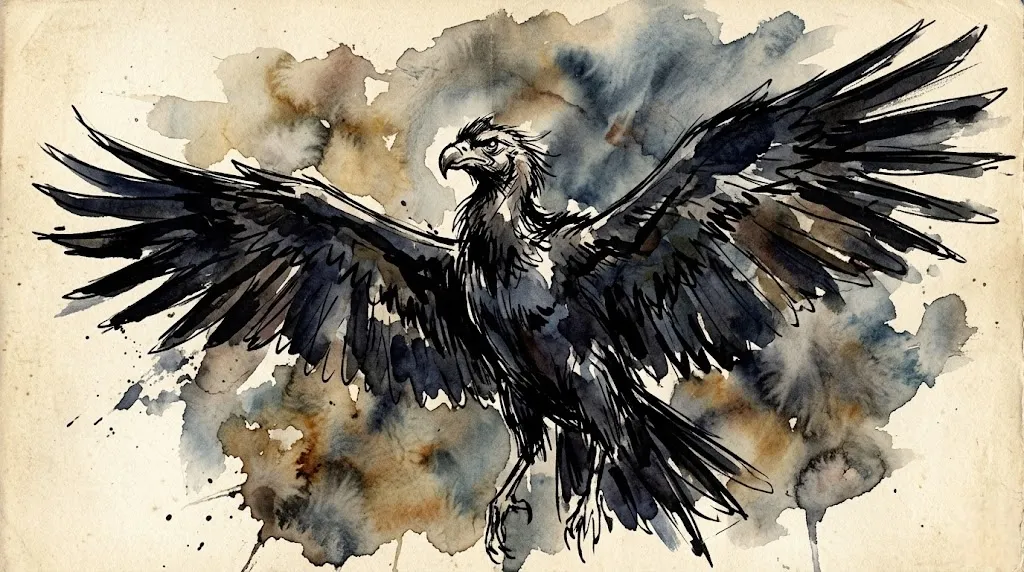
Thunderbird
A colossal bird from indigenous legend with a wingspan that blots out the sun.
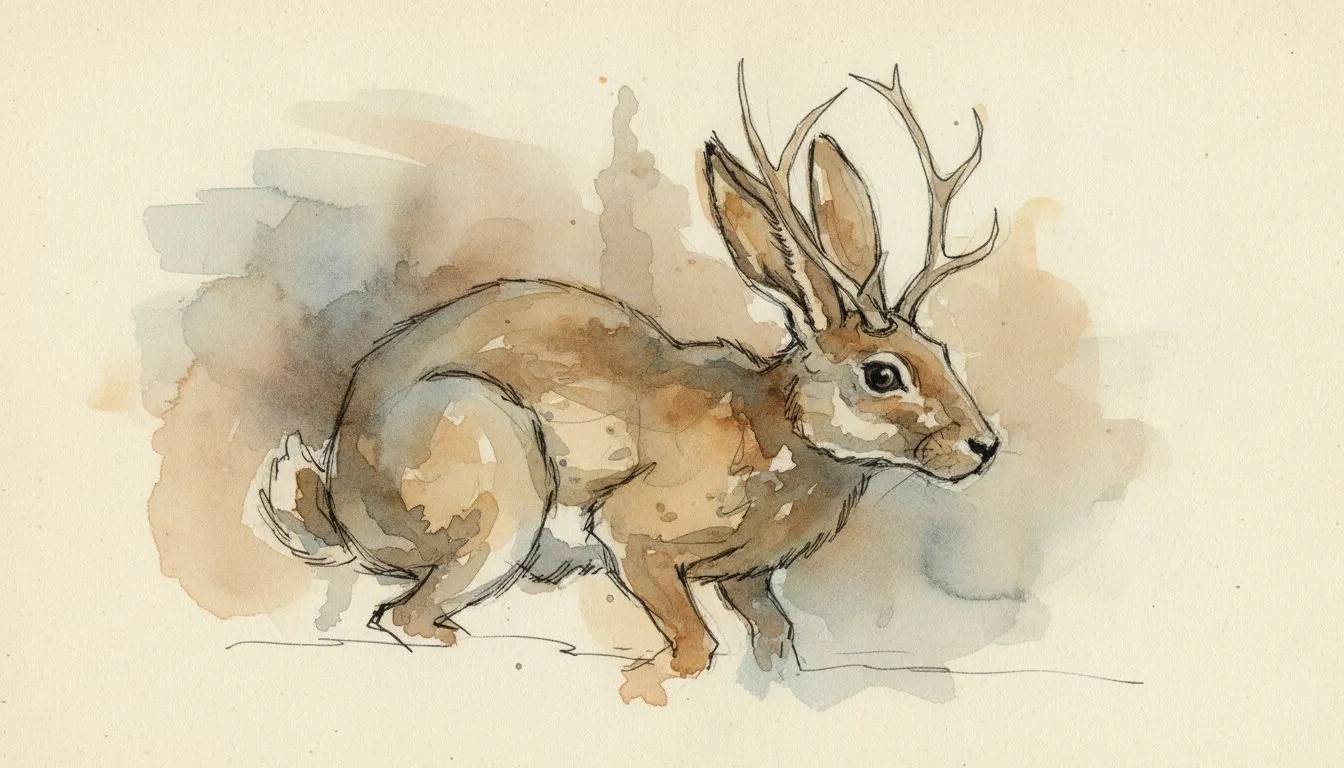
Jackalope
The antlered rabbit of the American West, born from taxidermy humor and frontier tall tales.