
Why Indigenous Communities Reported These Creatures Long Before "Cryptid" Was a Word
The word "cryptid" was coined in 1983. The creatures it describes have been part of indigenous oral traditions for thousands of years.
That gap matters. When we talk about Bigfoot, Thunderbird, or Wendigo, we're often treating them as modern mysteries, puzzles waiting to be solved by trail cameras and thermal imaging. But for the communities that first documented these beings, they were never mysteries. They were known. Named. Woven into systems of knowledge that predate European contact by millennia.
This isn't about whether these creatures are "real" in the way a zoologist would use the word. It's about recognizing that indigenous traditions represent the longest-running field research on these phenomena that exists. And most of the cryptid world ignores it.
Sasquatch: A Name That Predates the Internet by Centuries
The word Sasquatch comes from Sasq'ets, a word from the Halkomelem-speaking peoples of British Columbia. But Bigfoot isn't just a Pacific Northwest phenomenon in indigenous knowledge. The Sts'ailes people of the Fraser Valley have detailed accounts of the creature they call Sasquatch going back generations. The Lummi Nation has Ts'emekwes. The Spokane people have similar traditions.
These aren't vague legends. Many nations describe specific behavioral patterns, habitat preferences, and seasonal movements. Some traditions frame the creature as a guardian of the forest. Others describe it as something to avoid. The consistency across nations that had limited contact with each other is one of the most compelling aspects of the Sasquatch record.
When Roger Patterson filmed his famous footage in 1967, he was walking through territory where Hoopa and Yurok people had been describing the same creature for centuries.
Wendigo: A Warning, Not a Monster
The Wendigo tradition comes from Algonquian-speaking peoples, including the Cree, Ojibwe, and Innu. In Western cryptid culture, it's often reduced to a scary cannibal creature in the woods. The original tradition is far more complex and far more disturbing.
The Wendigo is fundamentally about consumption without limit. In Algonquian traditions, a person who resorted to cannibalism, especially during harsh winters, could become Wendigo. The creature represents the horror of insatiable hunger, of need that grows with every feeding rather than diminishing. It's a moral framework encoded in a being.
Historically, Wendigo psychosis was recognized as a real condition by some Algonquian communities. People believed to be turning Wendigo were treated, and in extreme cases, executed. This wasn't superstition. It was a cultural response to a very real threat in communities where winter starvation was a constant danger.
Reducing the Wendigo to a jump-scare creature does a disservice to the tradition it comes from.
Thunderbird: Seen Across Nations, Across Centuries
The Thunderbird appears in the traditions of numerous nations across North America, from the Ojibwe and Lakota of the Great Lakes and Plains to the Kwakwaka'wakw and Nuu-chah-nulth of the Pacific Northwest coast. The details vary, but the core description is consistent: an enormous bird associated with storms, thunder, and lightning.
In Lakota tradition, the Wakinyan are powerful spiritual beings. In Ojibwe tradition, the Animikii create thunder with their wingbeats. Pacific Northwest nations carved Thunderbird at the top of totem poles, above all other figures, indicating its position in the spiritual hierarchy.
What makes the Thunderbird tradition remarkable is its geographic spread. Nations separated by thousands of miles, speaking unrelated languages, independently described the same type of being. Modern sightings of enormous birds in Illinois, Pennsylvania, and Alaska continue to echo these traditions.
Skinwalker: Sacred Boundaries
The Skinwalker comes from Navajo (Dine) tradition, and it requires a different kind of discussion.
Many aspects of Skinwalker knowledge are considered sacred by the Navajo people. The tradition involves specific ceremonies, specific protections, and specific dangers that are not meant to be shared casually with outsiders. Many Navajo people are reluctant to discuss Skinwalkers at all, especially with non-Native audiences, because speaking about them is believed to attract their attention.
Cryptid Vault respects this boundary. What we can say is that the Skinwalker tradition is taken seriously within Navajo communities. It is not treated as folklore or legend. It is treated as a real and present danger. The proliferation of Skinwalker content on social media and in horror media, often sensationalized and stripped of cultural context, is something the Navajo community has repeatedly spoken against.
We encourage readers to approach this topic with the understanding that you are encountering the edge of someone else's living spiritual tradition, not a campfire story.
Beyond North America
Indigenous traditions documenting cryptid-like beings are not unique to North America. The Taniwha of Maori tradition in Aotearoa (New Zealand) are powerful water beings that inhabit rivers, lakes, and coastal areas. They can be guardians or dangers depending on the context, and their presence has influenced land use decisions in New Zealand into the 21st century. In 2002, a Taniwha was cited in legal proceedings regarding a highway route.
The Bunyip of Aboriginal Australian tradition, with descriptions varying across nations, has been part of indigenous knowledge for thousands of years. The Aswang of Filipino tradition carries deep cultural significance across multiple indigenous Filipino communities. The Kelpie and Each-Uisge of Scottish and Irish Gaelic tradition served as warnings about dangerous waterways, encoding practical survival knowledge in narrative form. The Strigoi of Romanian tradition predates the literary vampire by centuries.
In every case, the indigenous tradition predates the Western "discovery" of the creature by hundreds or thousands of years.
What This Means for Cryptozoology
The cryptid community has a choice. It can continue to treat indigenous traditions as colorful background material, cherry-picking details that support modern theories while ignoring the cultural frameworks those details come from. Or it can recognize these traditions as the primary sources they are.
Indigenous communities didn't need the word "cryptid" to document what they observed. They didn't need podcasts or trail cameras. They had oral traditions with the rigor and specificity to transmit detailed observations across dozens of generations.
If we're serious about understanding these phenomena, the traditions come first. Not as decoration. As data.
The creatures were named long before we arrived.
The Plains nations' own Thunderbird tradition, the version that actually belongs to this open country, gets the fuller regional treatment in our guide to Great Plains cryptids.
Two of these traditions are treated at greater length elsewhere: the transformation traditions in our field guide to shapeshifter cryptids, and the Four Corners and outback entries in our guide to desert cryptids.
Get the Field Notes.
Field notes from the Vault, when there is something worth sending. No spam.
No spam. Unsubscribe anytime.
Creatures mentioned in this post
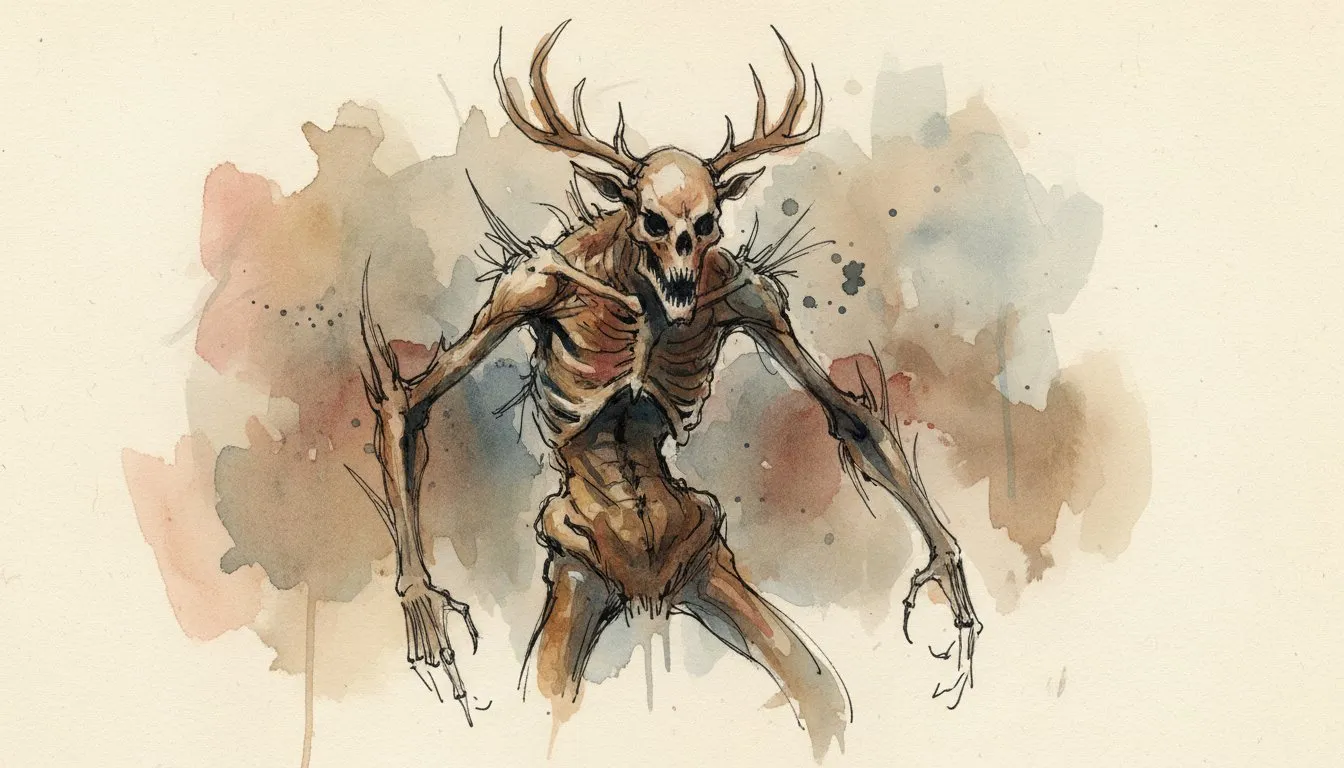
Wendigo
A gaunt, insatiable spirit of the frozen north that was once human.
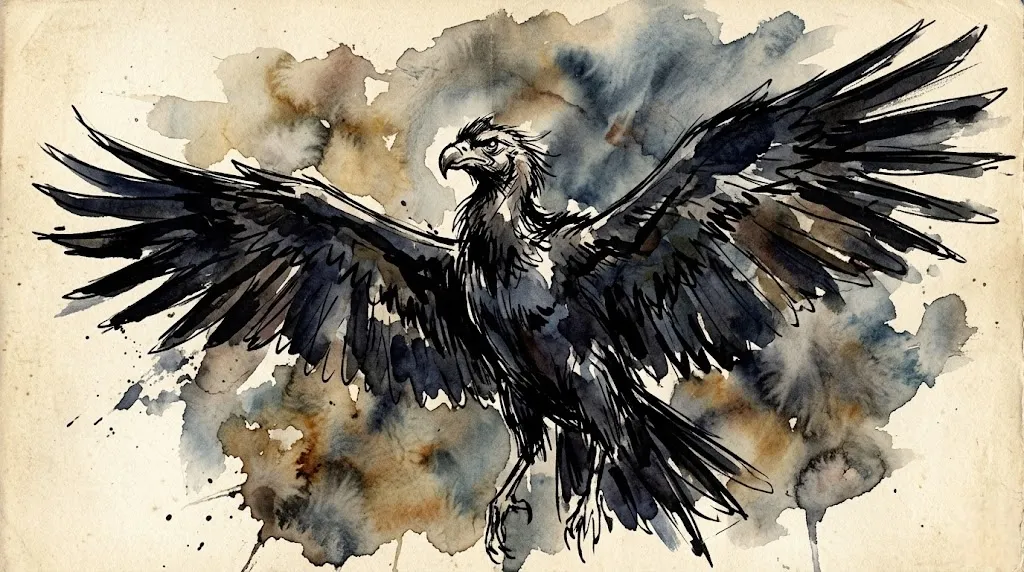
Thunderbird
A colossal bird from indigenous legend with a wingspan that blots out the sun.
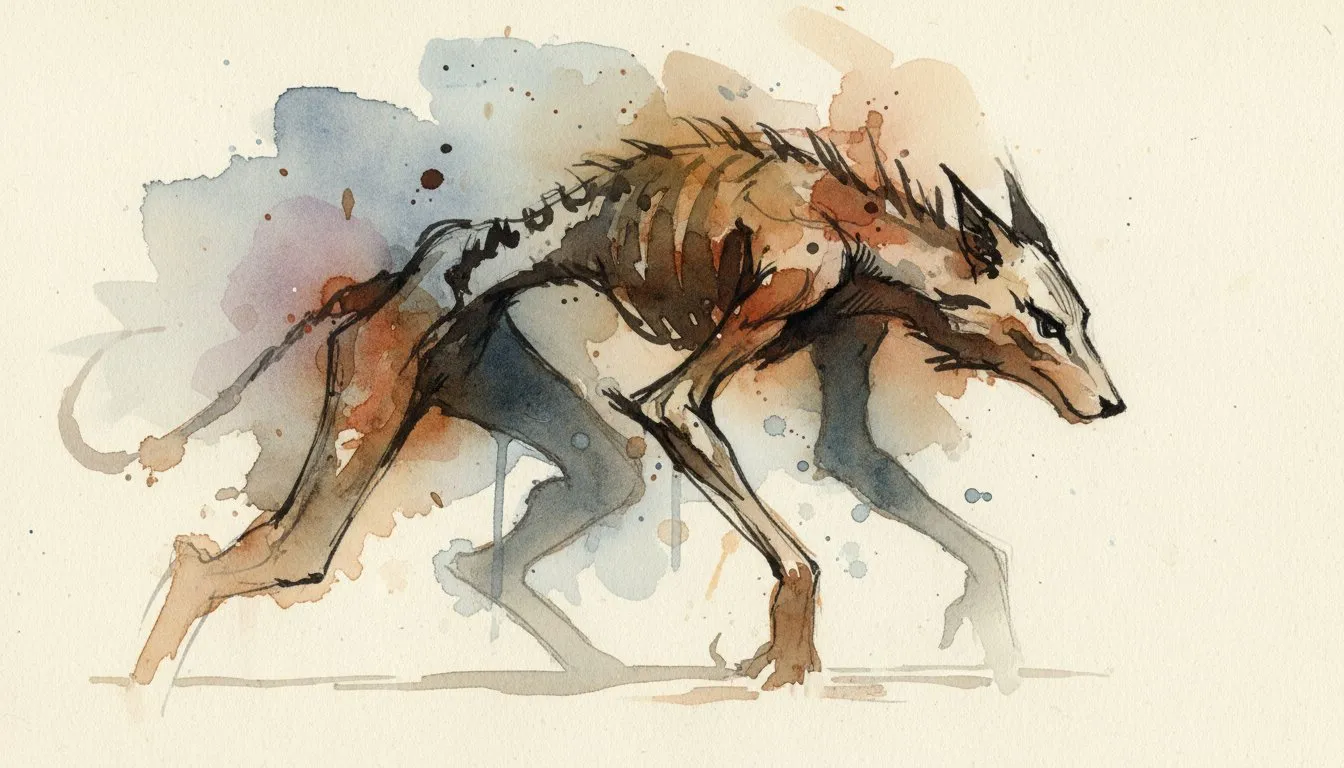
Skinwalker
A Navajo witch who wears the skins of animals and walks between worlds.
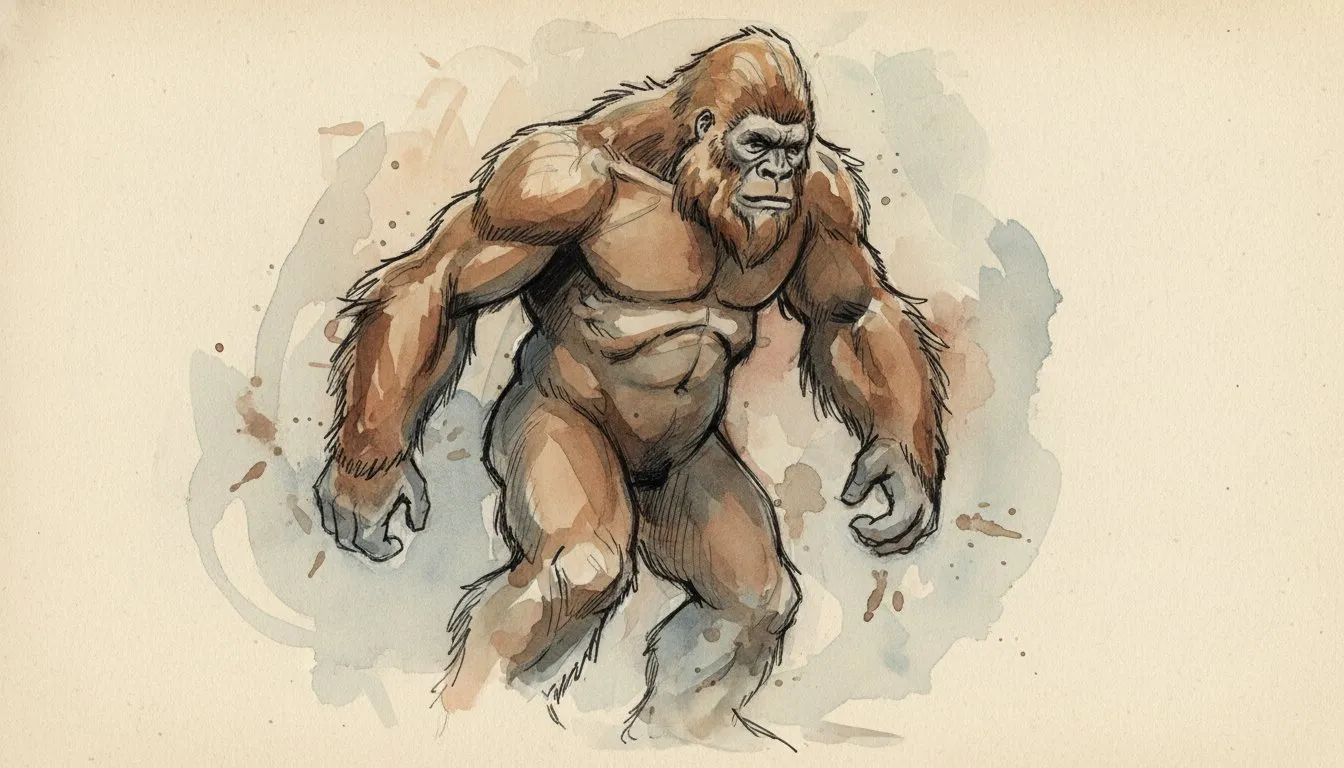
Bigfoot
The towering ape-man of the Pacific Northwest, glimpsed in fog and legend for centuries.