
Mountain Cryptids: What Lives at Altitude
The Habitat That Cuts Both Ways
Altitude is a strange argument for a cryptid. Height means fewer witnesses, worse weather, and terrain that keeps most people out entirely, which is exactly the kind of cover this site's other habitat guides go looking for. But it also means fewer places to hide once you are above the treeline, and it means anyone who does make the climb tends to remember exactly what happened to them up there. More entries in this catalog carry the mountain tag than almost any other habitat, and they split cleanly by continent and by kind: the ape-men of the high passes, the specific named beasts of a single range, and the ones that only work as a story once you have felt what altitude does to your judgment.
The Himalaya: Where It All Started
No mountain cryptid casts a longer shadow than the Yeti, reported across Nepal, Tibet, and Bhutan for as long as Sherpa oral tradition has existed, and pushed into the Western imagination by a wave of 1950s Everest expeditions that kept finding footprints in the snow nobody could explain. DNA testing of alleged Yeti hair samples has repeatedly matched known bear species, which has not slowed the reports at all. The Yeti's full record, and its place among the animals that crossed from legend into biology, gets its own space in our real animals that were once cryptids guide. This file moves on to the ranges that get talked about far less.
The Alps: A Beast, a Dragon, and a Prank
Three very different cases share the same mountain range. France's contribution is the deadliest cryptid case on this entire site: the Beast of Gevaudan killed more than 100 people in the rural highlands of south-central France between 1764 and 1767, a toll high enough that King Louis XV sent professional royal hunters after it. A local farmer, Jean Chastel, finally killed an animal large enough to end the attacks in 1767, and what species it actually was is still argued today.
The Tatzelwurm is a stranger, smaller case, reported across the Austrian, Swiss, and Bavarian Alps since the 1500s: a thick, cylindrical body two to six feet long, a cat-like face, and just two stubby front legs. A disputed 1934 photograph from the Swiss Alps is the closest thing to physical evidence the case has, and sightings have thinned out considerably since.
Not every Alpine legend wants to be believed. The Dahu is a mountain goat with legs shorter on one side of its body than the other, perfectly built for walking around a slope in one direction and one direction only. It is a running regional joke, complete with mock hunts organized for tourists, and it survives precisely because everyone involved knows it is a joke and tells it anyway.
The Scottish Highlands: Two Kinds of Dread
Scotland's mountains produce a different flavor of report than its lochs. On Ben MacDhui, the country's second-highest peak, climbers have described a presence known as Fear Liath, the Big Grey Man, since mountaineer Norman Collie first went public with his account in 1925: footsteps behind him in the mist, matching his own pace, and a wave of uncontrollable panic that sent him running. Later climbers report the same combination, a towering grey shape glimpsed in fog and a fear that arrives before any clear sighting does. Some attribute the phenomenon to a Brocken spectre, an optical effect that throws a climber's own shadow onto cloud, though witnesses describe a terror that outruns the explanation.
The Cu-Sith, older and more folkloric, is a bull-sized hound said to move silently across the moors in a straight line, barking three times before whoever hears it dies of fright if they have not reached shelter by the third bark. It is a story built to keep people off the high moor after dark, and it likely shaped the black-dog traditions that spread across the rest of Britain afterward.
South and Southeast Asia: The Cases Soldiers and Shepherds Both Reported
Pakistan's Barmanou is reported in the Chitral and Shishi Koh valleys near the Afghan border, a roughly six-foot hairy biped local shepherds describe approaching villages at night. Spanish zoologist Jordi Magraner spent years in the region interviewing witnesses and collecting footprint casts before concluding the case might represent a surviving Neanderthal population, a claim mainstream science has not accepted but has not been able to fully close either.
Vietnam's Batutut occupies similarly remote terrain in the Vu Quang forests, reported independently by indigenous villagers, French colonists, and American and Vietnamese soldiers during the war, three groups of witnesses with essentially no contact with each other converging on the same description. What keeps the case alive for researchers is the neighborhood: Vu Quang is the same region that produced the saola, a genuinely new large mammal species discovered by science as recently as 1992.
Australia and the Pacific: No Native Primates, and a Roster Anyway
Australia and New Zealand share one detail that makes their mountain cryptids stand out: neither has any native primate species, which is exactly what makes their ape-man reports so persistently strange to mainstream zoology. The Yowie is Australia's version, reported in the ranges of New South Wales and Queensland from Aboriginal Dreamtime tradition through to modern highway encounters. New Zealand's Moehau haunts the Coromandel Peninsula, described in Maori tradition as the maero, a wild and aggressive forest dweller distinct from the water-based taniwha, with settler accounts adding a detail the Yowie lacks: a prospector allegedly found dead in the range in 1882 with a broken neck and unexplained footprints nearby.
Queensland holds a second, very different mountain case in the Death Adder Cat, also called the Queensland Tiger: a striped, cat-sized predator matching nothing in Australia's living fauna but resembling Thylacoleo carnifex, the extinct marsupial lion, closely enough that the comparison gets made every time the case comes up. And Papua New Guinea's highlands produced one of the odder colonial-era reports in this catalog, the Gazeka, a horse-sized, long-snouted animal described by a colonial administrator in 1910 in mountain terrain so remote it remains among the least-surveyed on Earth.
What Altitude Actually Buys You
Strip away the ape-men and the pattern in this file is genuinely different from a forest or desert guide. Nobody argues that a Yeti or a Yowie is easy to find at altitude because the terrain hides it well. They argue it because almost nobody goes there, and the ones who do are already exhausted, oxygen-starved, and primed to misjudge distance and shape in blowing snow or fog. That is not a reason to dismiss every account. Fear Liath's witnesses include working mountaineers, not casual hikers. It is a reason to read mountain reports slightly differently than a lake sighting or a roadside glimpse, and to notice how often the fear arrives in these accounts before the sighting does.
The full mountain-tagged roster is on the mountain habitat page. For the habitat on the opposite end of the visibility spectrum, see our guide to desert cryptids.
Get the Field Notes.
Field notes from the Vault, when there is something worth sending. No spam.
No spam. Unsubscribe anytime.
Creatures mentioned in this post
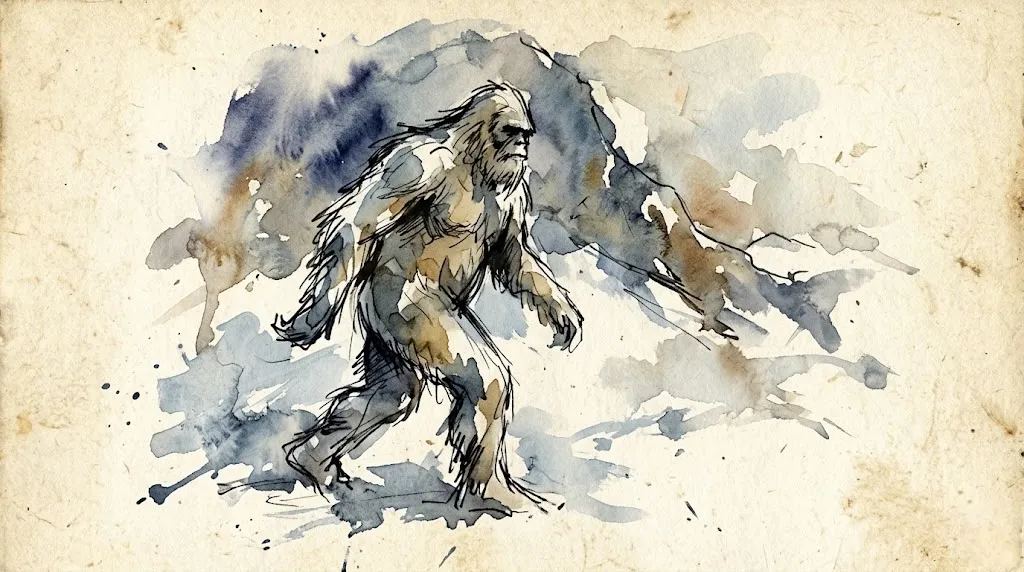
Yeti
The ape-man of the Himalayas, tracked through snow but never confirmed.
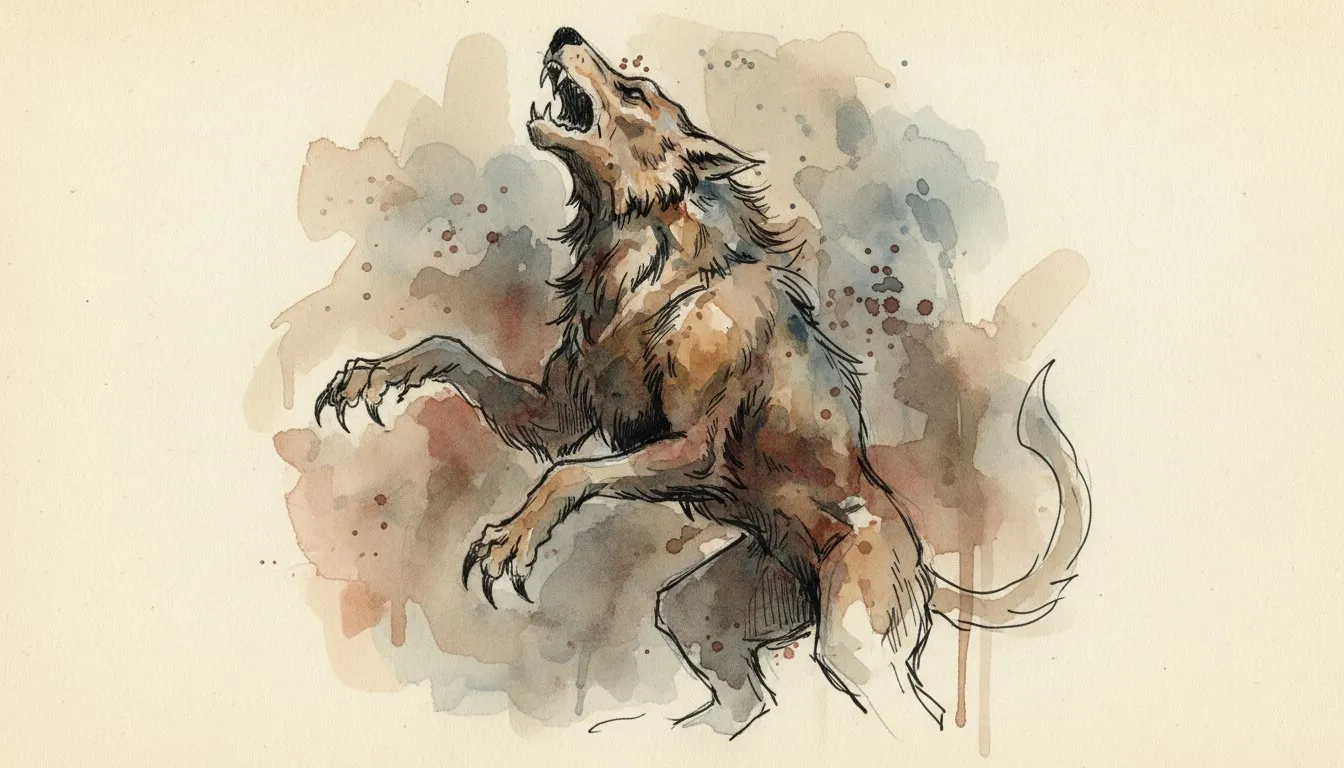
Beast of Gevaudan
A massive wolf-like predator terrorized rural France for three years, killing over 100 people before it was finally brought down.
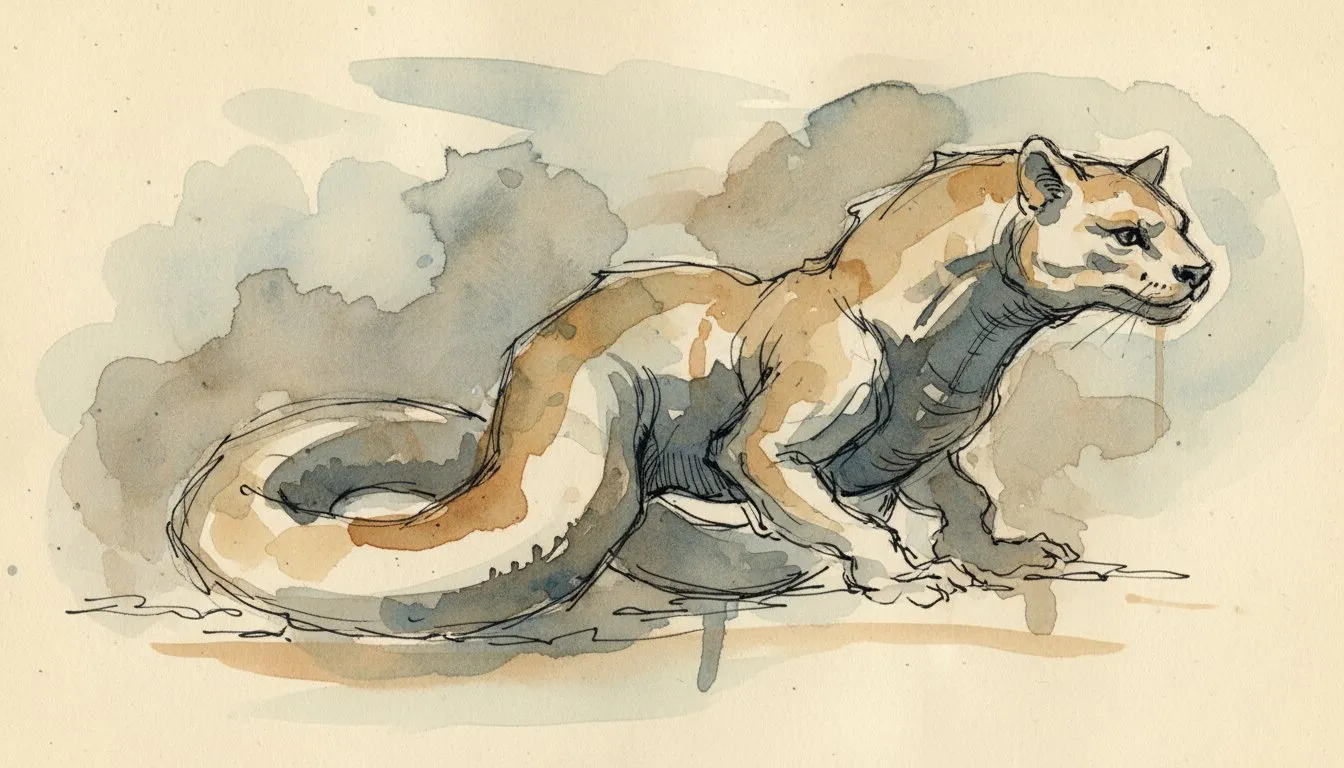
Tatzelwurm
A stubby, venomous dragon-cat with two front legs haunts the caves and cliffs of the European Alps.
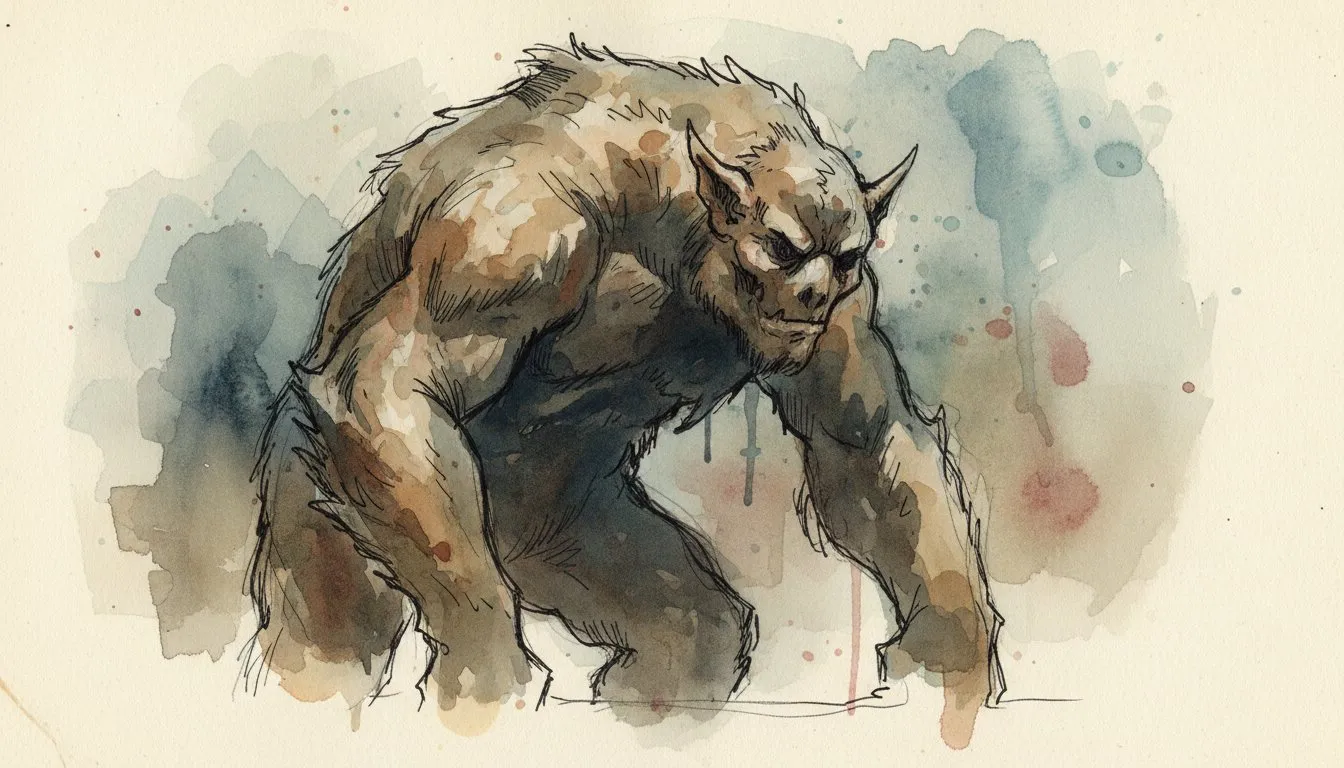
Fear Liath
Climbers on Scotland's second-highest peak report a towering grey figure following them through the mist, accompanied by crunching footsteps and overwhelming dread.