
Ebu Gogo
Also known as: Grandmother Who Eats Anything
The people of Flores Island describe small, hairy cave-dwellers who stole food and children, and the story gained credibility when Homo floresiensis fossils were found.
Ancient oral tradition, documented in 20th century
Flores Island, Indonesia
About 3 feet tall
Mischievous, stole food and reportedly children
Believed extinct, tradition persists
The Lore
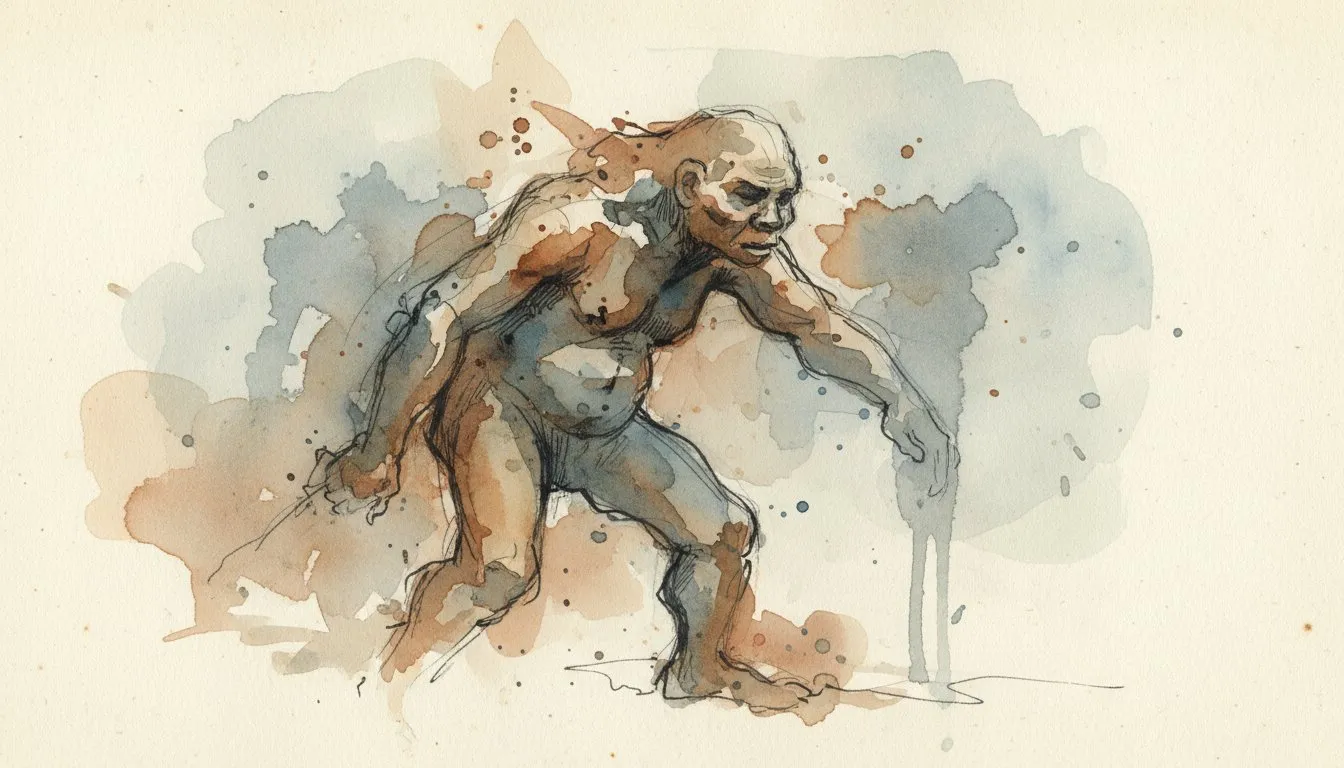
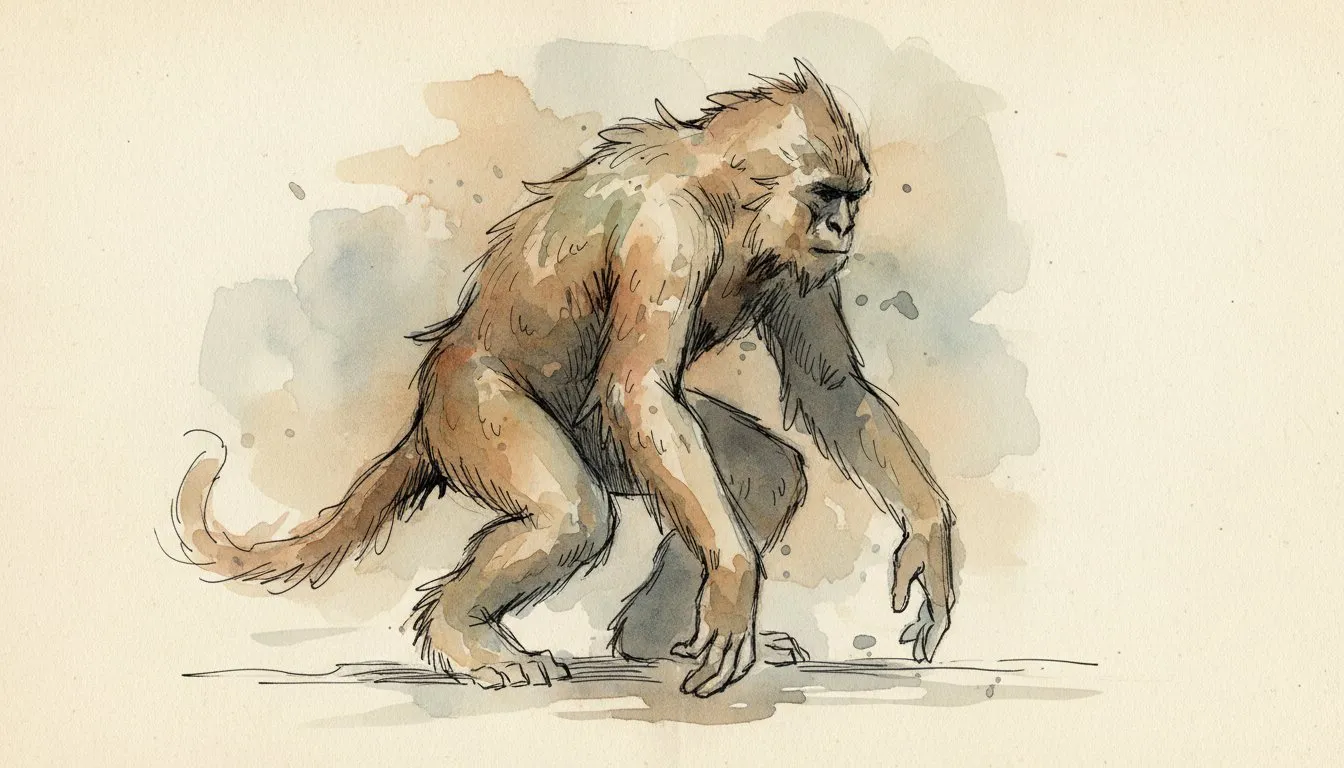
The Ebu Gogo are small humanoid creatures described in the oral tradition of the Nage people of Flores, Indonesia. They are said to stand about 3 feet tall, covered in hair, with long arms and a pot belly. According to tradition, they lived in caves, could repeat human speech without understanding it, and were eventually driven out or exterminated by villagers. When the fossil species Homo floresiensis was discovered on Flores in 2003, standing about 3.5 feet tall, researchers drew immediate comparisons to the Ebu Gogo legends.
On the tropical island of Flores in eastern Indonesia, the Nage people of the Ngada region have long told stories of the Ebu Gogo, which translates roughly as the grandmother who eats everything. These were said to be a race of small, hair-covered people who lived in the limestone caves above the village of Boawae, raided Nage crops and livestock, and could mimic human speech without understanding it. The traditional accounts describe them as barely four feet tall, with long arms, protruding bellies, low foreheads, and a shambling gait, essentially a distinct and older people who shared the landscape with the Nage until relatively recently.
The folklore is unusually specific. Nage oral tradition holds that the Ebu Gogo were generally tolerated until they stole and ate a human child, at which point the villagers lured them back to their cave with gifts of palm fiber, then ignited the fiber and drove or suffocated the entire population out of the region. Different versions place this event roughly two hundred years ago, with some accounts specifying the eighteenth century, and note that a remnant pair may have fled into the deeper forest. The tale was recorded by ethnographers in the early twentieth century and had the texture of local history rather than mythology.
Everything changed in 2003, when Australian and Indonesian paleoanthropologists excavating the Liang Bua cave on Flores announced the discovery of Homo floresiensis, a dwarf hominid species roughly three and a half feet tall, with a small brain and distinctive anatomy, that had survived on the island until at least twelve thousand years ago and possibly considerably later. The fossils fit the Ebu Gogo description with unsettling closeness, and several researchers, including discovery team members Mike Morwood and Peter Brown, suggested openly that Nage folklore might preserve the memory of a surviving H. floresiensis population encountered by modern humans within the last few centuries.
The Ebu Gogo case is cryptozoologically and scientifically unique. It offers a rare instance in which a specific folkloric tradition may correspond to a physically documented species, and it raises serious questions about how long oral tradition can preserve accurate zoological information. Whether the last Ebu Gogo died in that burning cave or slipped into the Flores forests where sightings of small wild people still occasionally surface, the creature has become the standard-bearer for the idea that folklore can be deep memory rather than mere invention.
Notable Witnesses
- Nage elders of Flores
Media Appearances
- Flores Man documentaries
Further Reading
No book is devoted to this creature. These are the general references that cover the field, plus a direct search if you want to dig further.
- Cryptozoology A to Z by Loren Coleman and Jerome Clark (1999)
The standard one-volume encyclopedia, roughly two hundred entries covering creatures, investigators, and hoaxes.
- Mysterious Creatures: A Guide to Cryptozoology by George M. Eberhart (2002)
The larger reference guide, stronger on sourcing and on creatures that never reached the popular books.
Search Amazon for Ebu Gogo books
As an Amazon Associate, Cryptid Vault earns from qualifying purchases. Links open Amazon in a new tab.
Get the Field Notes.
Field notes from the Vault, when there is something worth sending. No spam.
No spam. Unsubscribe anytime.
You might also like
Orang Pendek
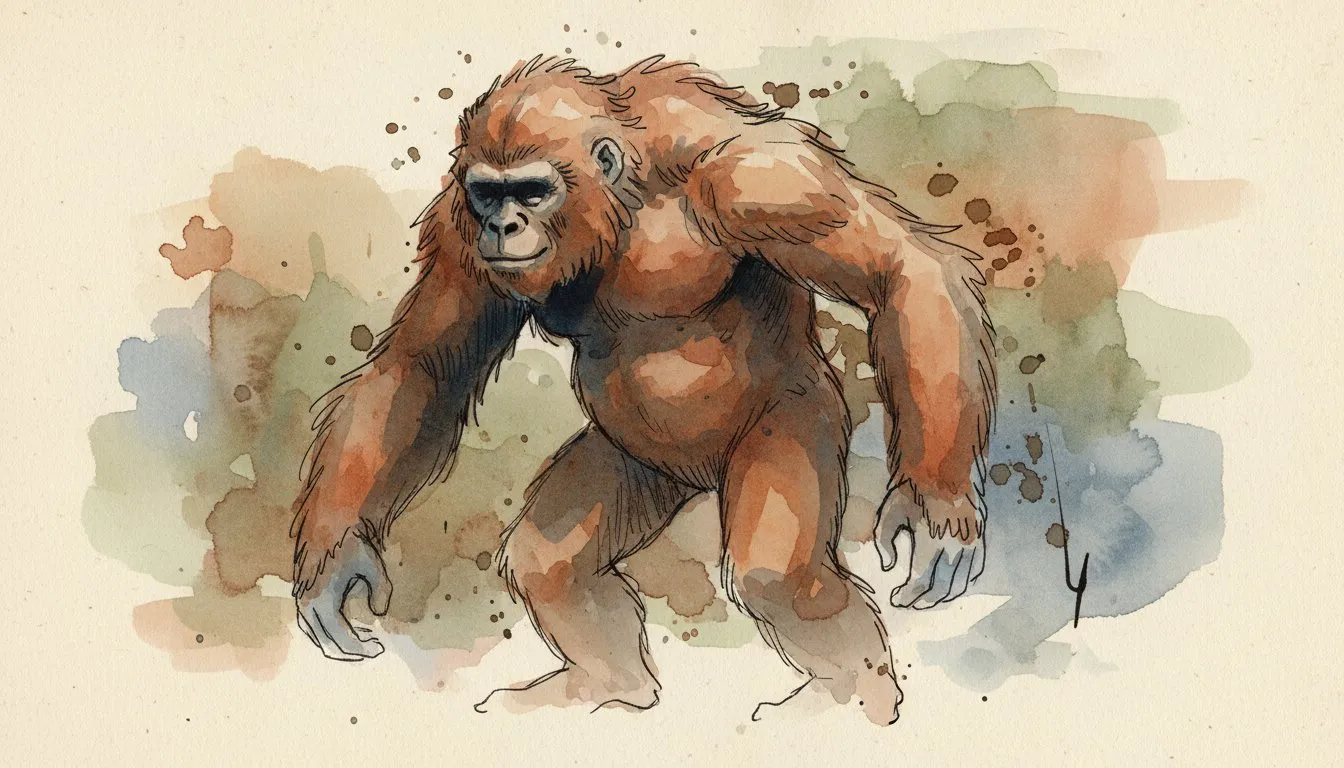
A short, bipedal ape covered in golden-brown fur walks the jungles of Sumatra, and credible scientists have spent decades trying to prove it exists.
Almas
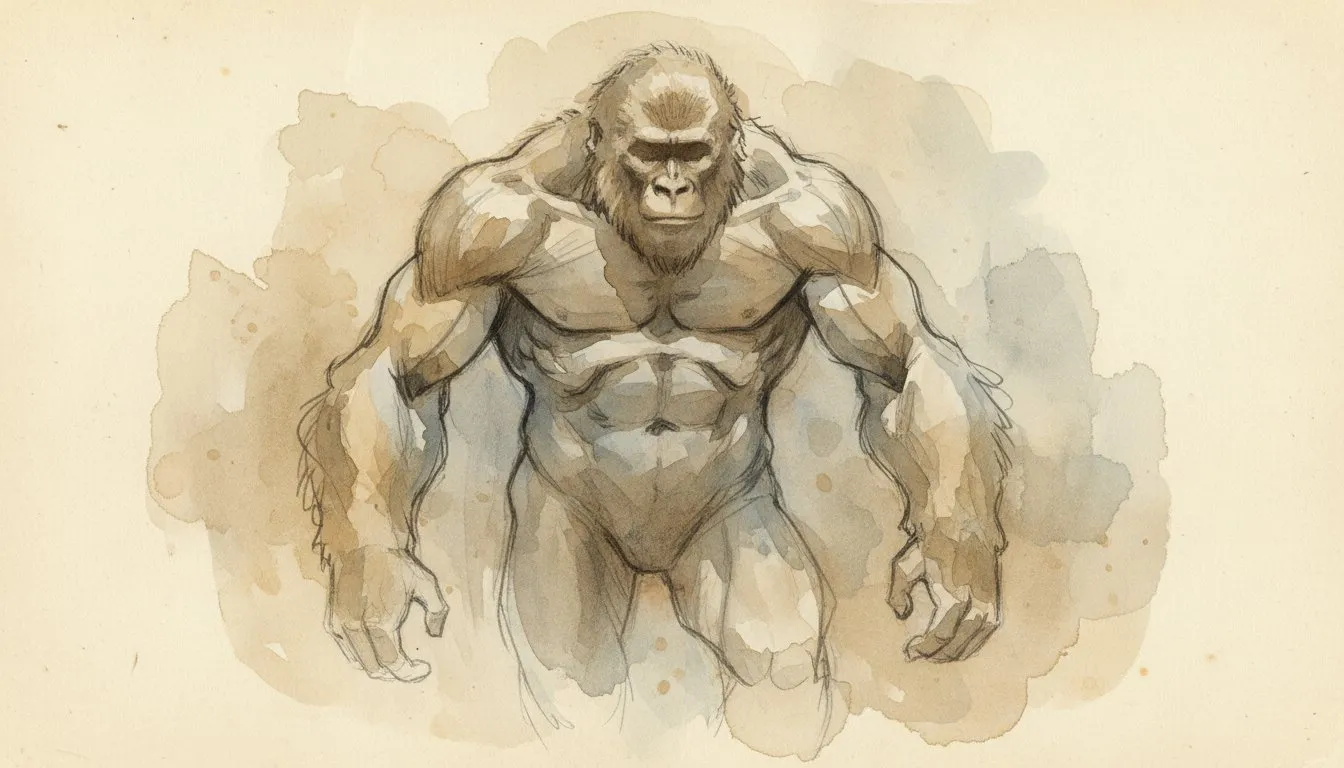
Nomadic herders across Mongolia and Central Asia have described encounters with a stocky, hairy humanoid that walks upright and avoids civilization.
Ahool
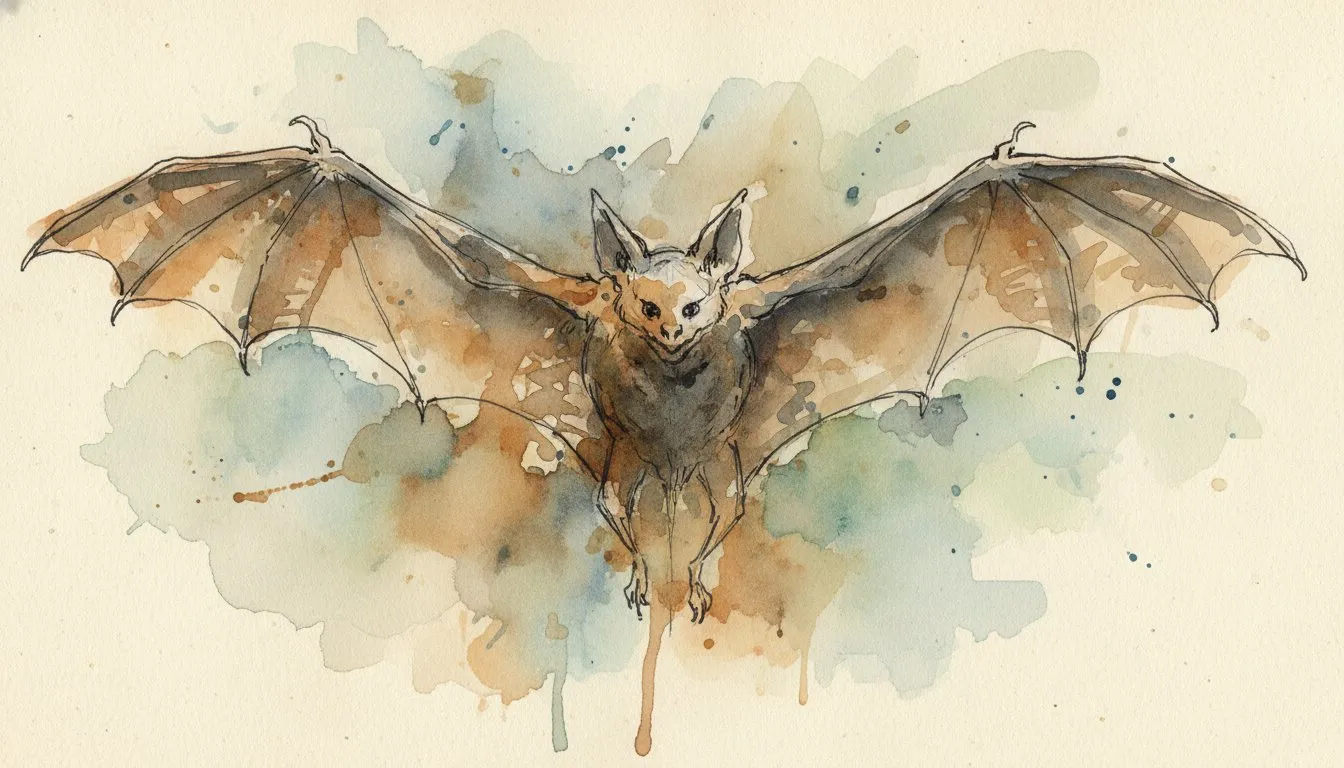
A giant bat with a 10-foot wingspan, screaming through the jungles of Java.
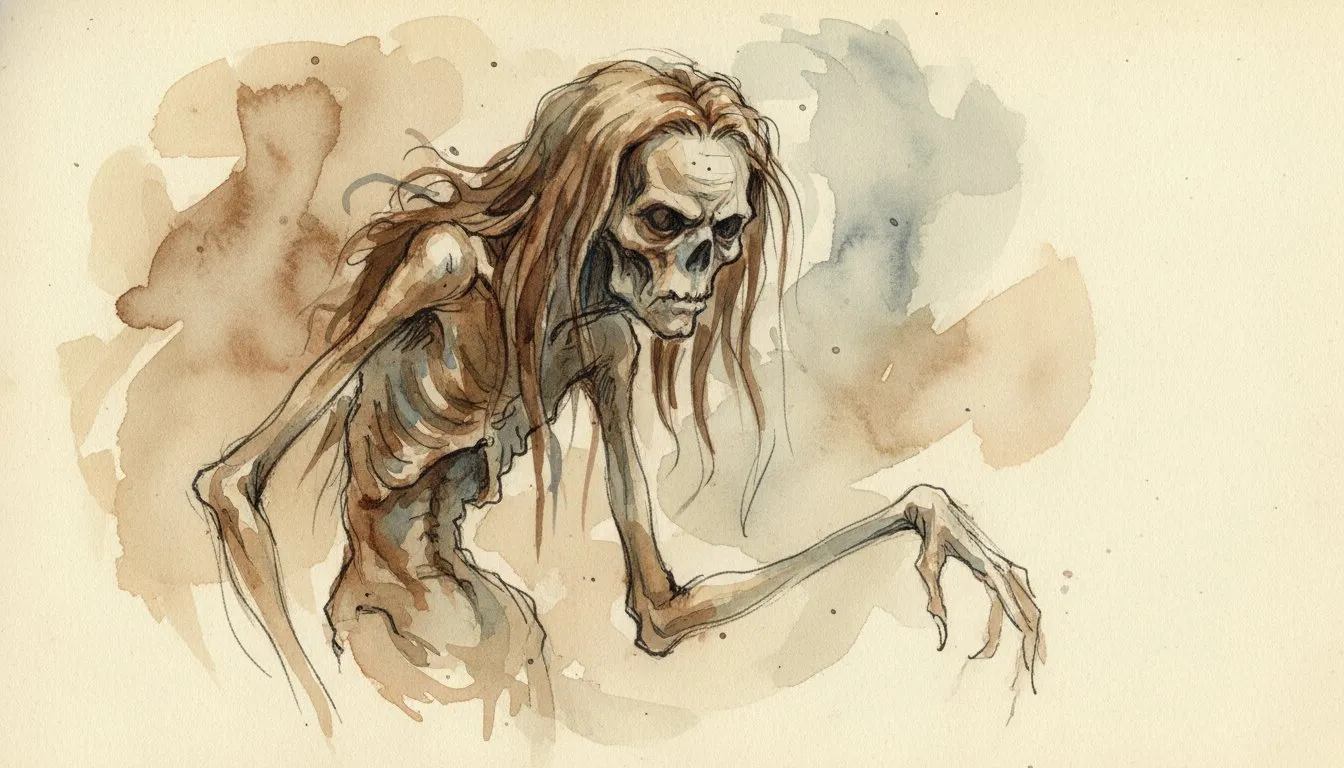
Jenglot
A tiny, wizened mummy-like figure found across Indonesia, said to be alive and fed with human blood.
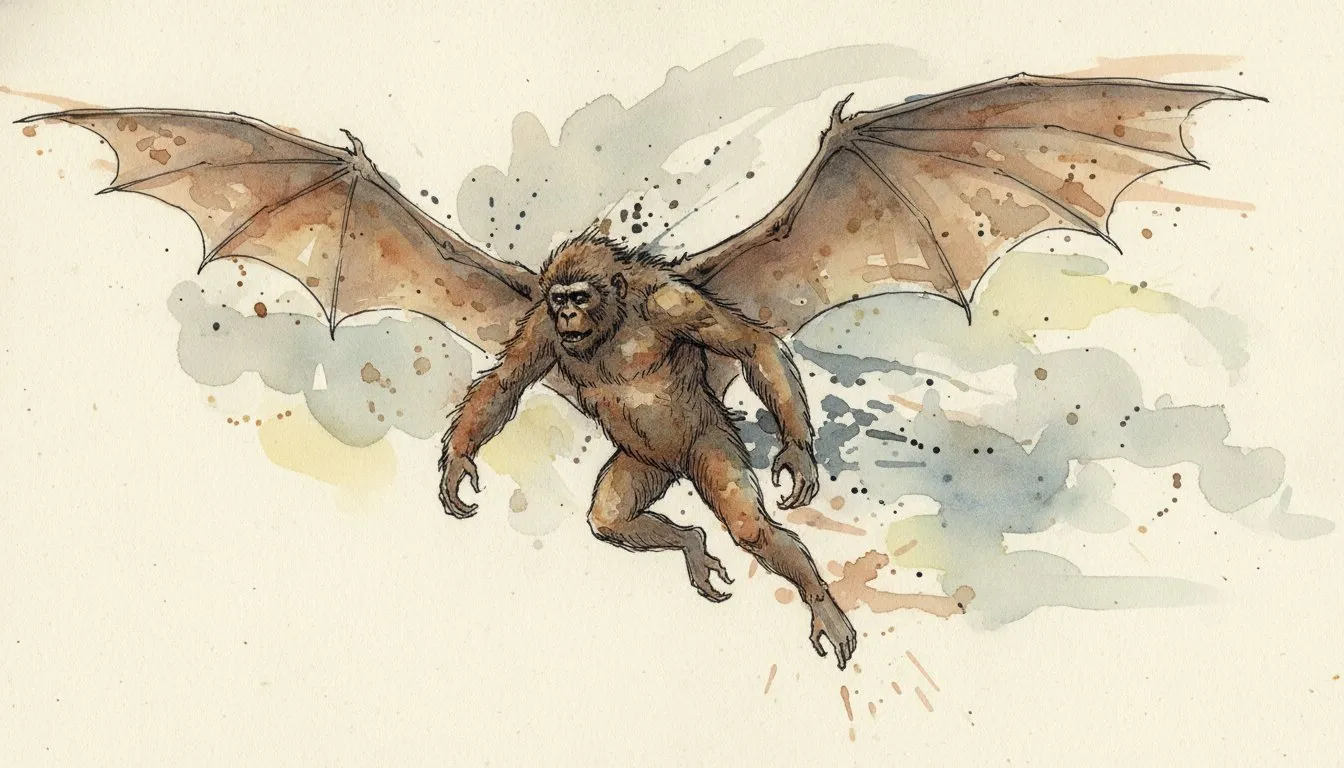
Batutut
A bipedal ape spotted by both Vietnamese villagers and American soldiers during the war.
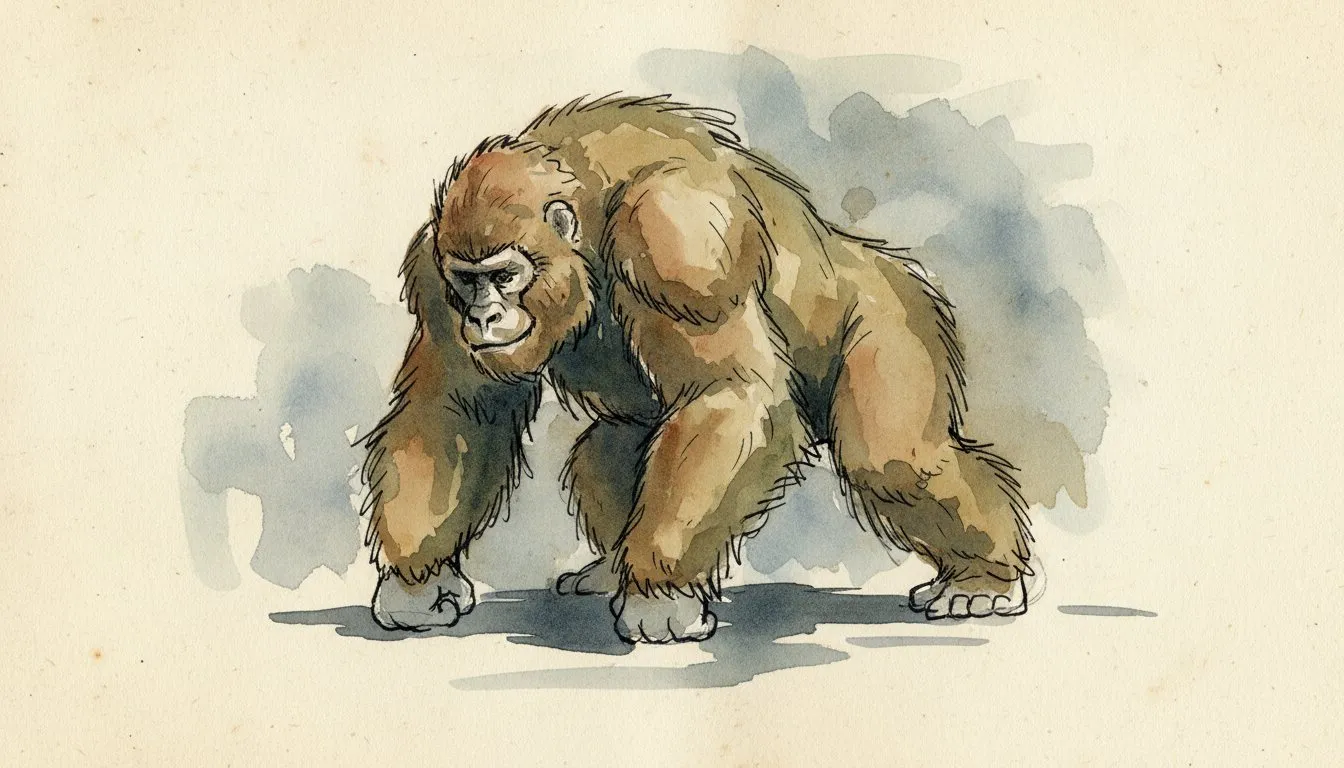
Hibagon
A foul-smelling ape-man stalking the misty slopes of Mount Hiba in rural Japan.
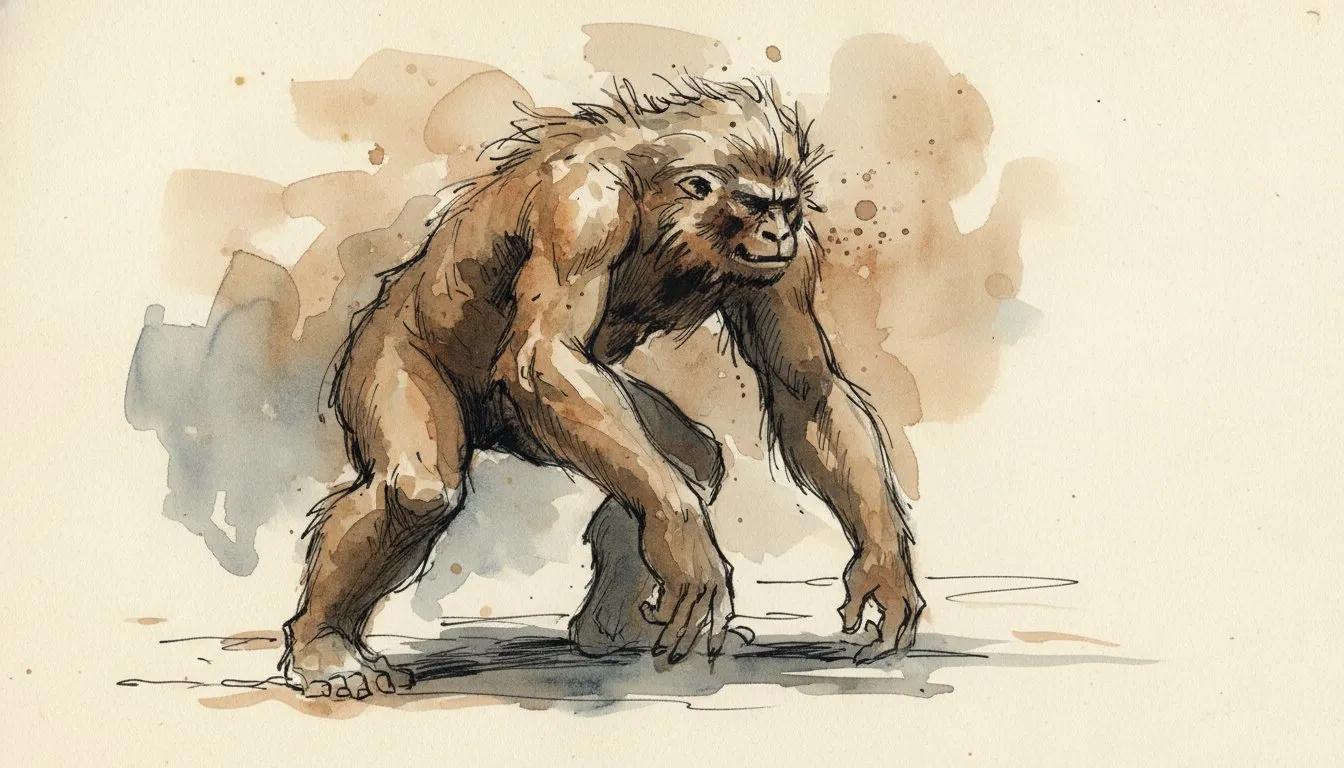
Nguoi Rung
Deep in Vietnam's jungles, soldiers and scientists have reported a powerfully built ape that walks like a man.
Barmanou
A foul-smelling ape-man reportedly abducts women and kills livestock in the remote mountain passes of northern Pakistan.