
Jenglot
A tiny, wizened mummy-like figure found across Indonesia, said to be alive and fed with human blood.
Traditional, widely publicized 1997
Java and other Indonesian islands
10-20 centimeters
Inert or dormant
Specimens regularly surface, debated authenticity
The Lore
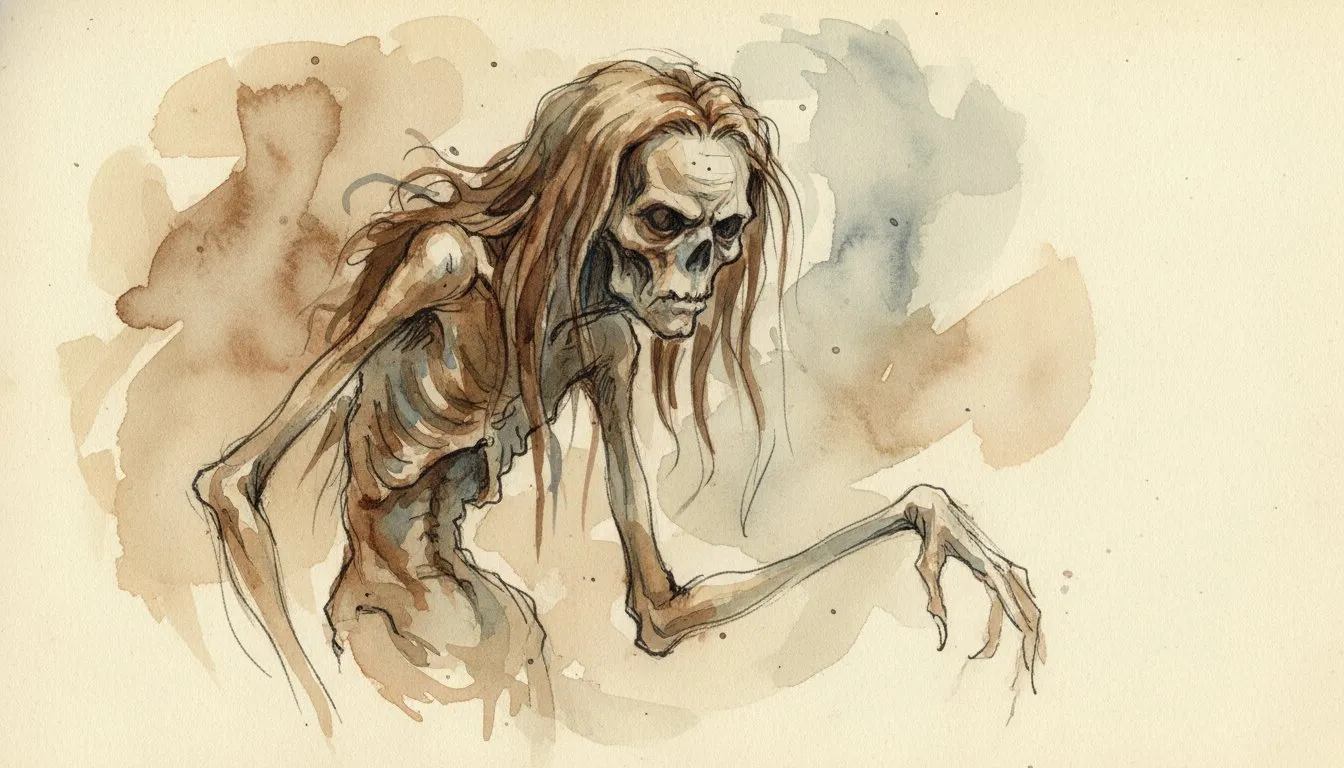
Jenglot are small humanoid figures, typically 10-20 centimeters tall, found throughout Indonesia. They resemble tiny, dried-out humanoids with long hair, sharp teeth, and claw-like nails. Local tradition holds that jenglot are the remains of people who sought immortality through dark practices and became trapped in a cursed, shrunken form. Owners claim to feed them drops of blood. Scientific analyses of some specimens have found them to be constructed from animal parts and synthetic materials, but their cultural significance remains strong.
Indonesia's most commercially successful paranormal artifact may also be its most contentious. The Jenglot is described as a tiny, mummified humanoid figure, typically measuring between six and twelve inches in length, with elongated fingernails and toenails, a wizened face, and long, matted hair. The figures turn up in unexpected places - hidden in old houses, buried under tree roots, discovered during construction work - and are treated by their finders and subsequent owners as living beings requiring regular feeding with drops of human blood or raw meat. Those who possess a Jenglot and neglect its feeding are said to suffer misfortune, illness, and death. Proper ownership confers protection and, in some traditions, luck or magical power.
Jenglots entered widespread public consciousness in Indonesia in 1997 when a practitioner of Javanese mysticism presented several specimens to the Jakarta media and claimed they had been discovered in the city. Scientists at the University of Indonesia who examined the specimens initially reported finding no internal organs - consistent with taxidermy - but also noted characteristics inconsistent with simple carving or taxidermy of known animals. The absence of a clear identification became the story: if the Jenglots were manufactured, they were manufactured from materials that resisted easy identification. Subsequent examinations of other specimens over the following years produced similarly ambiguous results, with some researchers suggesting they were constructed from various animal parts, human hair, and other organic materials by skilled craftsmen.
The commercial dimension of the Jenglot phenomenon is impossible to ignore. The 1997 media coverage coincided with Indonesia's economic crisis and produced a sudden boom in Jenglot ownership and trade. Specimens that might have been quietly held by private families suddenly had monetary value, and new specimens appeared with suspicious regularity. Mystics offering Jenglot-related services proliferated. The figures became tourist curios sold in markets alongside batik cloth and carved puppets. This commercialization has made it virtually impossible to distinguish genuine traditional artifacts from recent fabrications.
In Javanese and broader Indonesian spiritual practice, the Jenglot is understood within the framework of the makhluk halus - subtle or invisible beings that coexist with humans. The tradition of keeping bound supernatural entities as familiars or protective objects is ancient in Southeast Asian magic, and the Jenglot represents a particularly physical, objectified version of this practice. Whether any given Jenglot is a genuine anomalous organism, a skillfully made artifact, or something in between remains genuinely uncertain.
Further Reading
No book is devoted to this creature. These are the general references that cover the field, plus a direct search if you want to dig further.
- Cryptozoology A to Z by Loren Coleman and Jerome Clark (1999)
The standard one-volume encyclopedia, roughly two hundred entries covering creatures, investigators, and hoaxes.
- Mysterious Creatures: A Guide to Cryptozoology by George M. Eberhart (2002)
The larger reference guide, stronger on sourcing and on creatures that never reached the popular books.
Search Amazon for Jenglot books
As an Amazon Associate, Cryptid Vault earns from qualifying purchases. Links open Amazon in a new tab.
Get the Field Notes.
Field notes from the Vault, when there is something worth sending. No spam.
No spam. Unsubscribe anytime.
You might also like
Sigbin
A blood-drinking creature from the Philippines that walks backward and hides in the shadows of its owner.
Orang Minyak
A slippery, oil-coated humanoid that terrorizes Malaysian towns at night, impossible to catch or hold.
Aswang
The Philippines' most feared shapeshifter hides as your neighbor by day and hunts as a beast by night.
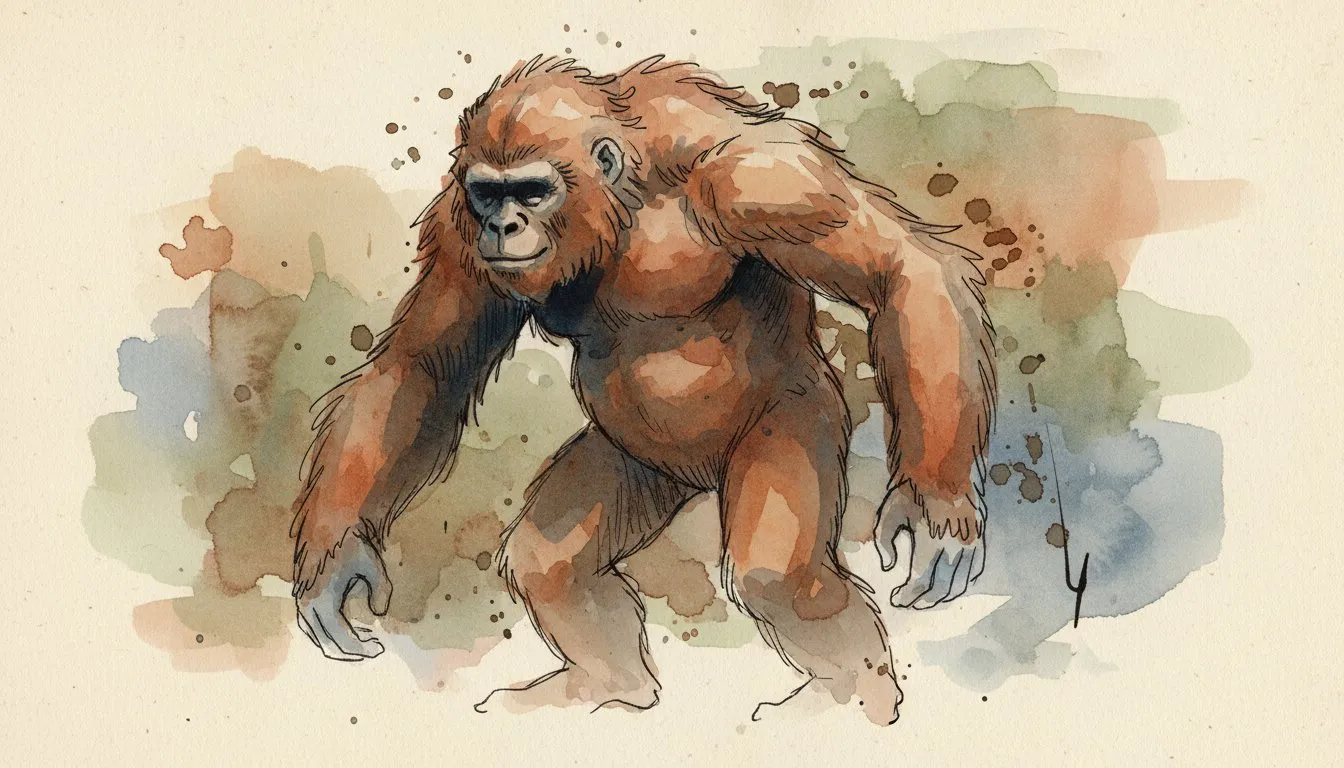
Orang Pendek
A short, bipedal ape covered in golden-brown fur walks the jungles of Sumatra, and credible scientists have spent decades trying to prove it exists.
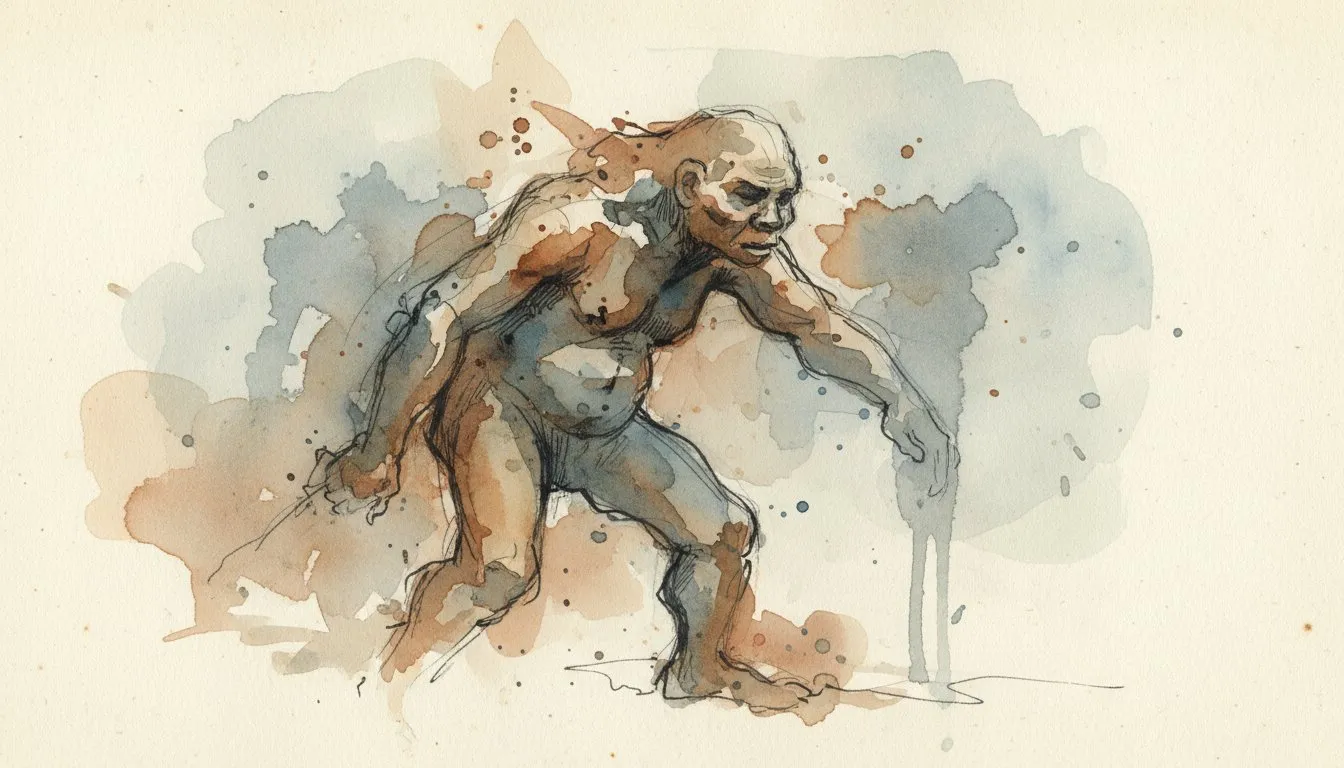
Ebu Gogo
The people of Flores Island describe small, hairy cave-dwellers who stole food and children, and the story gained credibility when Homo floresiensis fossils were found.
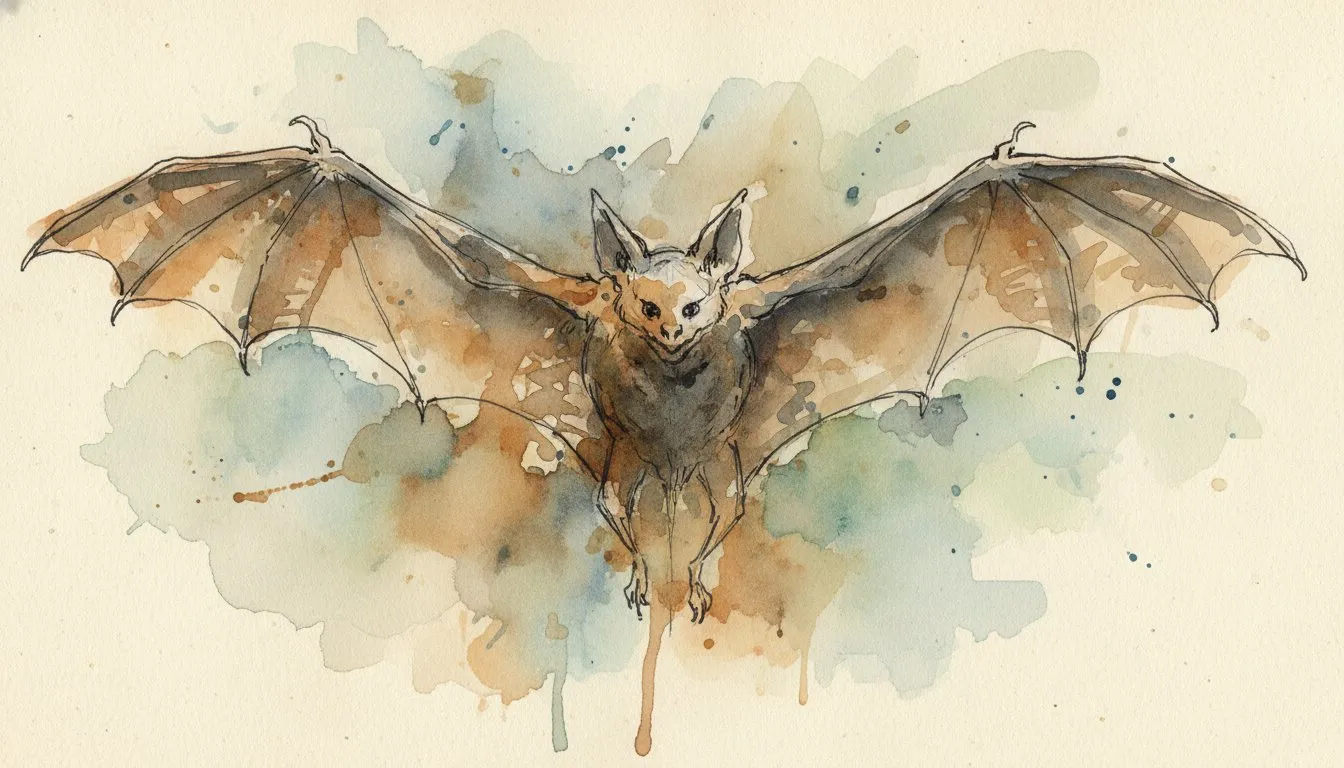
Ahool
A giant bat with a 10-foot wingspan, screaming through the jungles of Java.
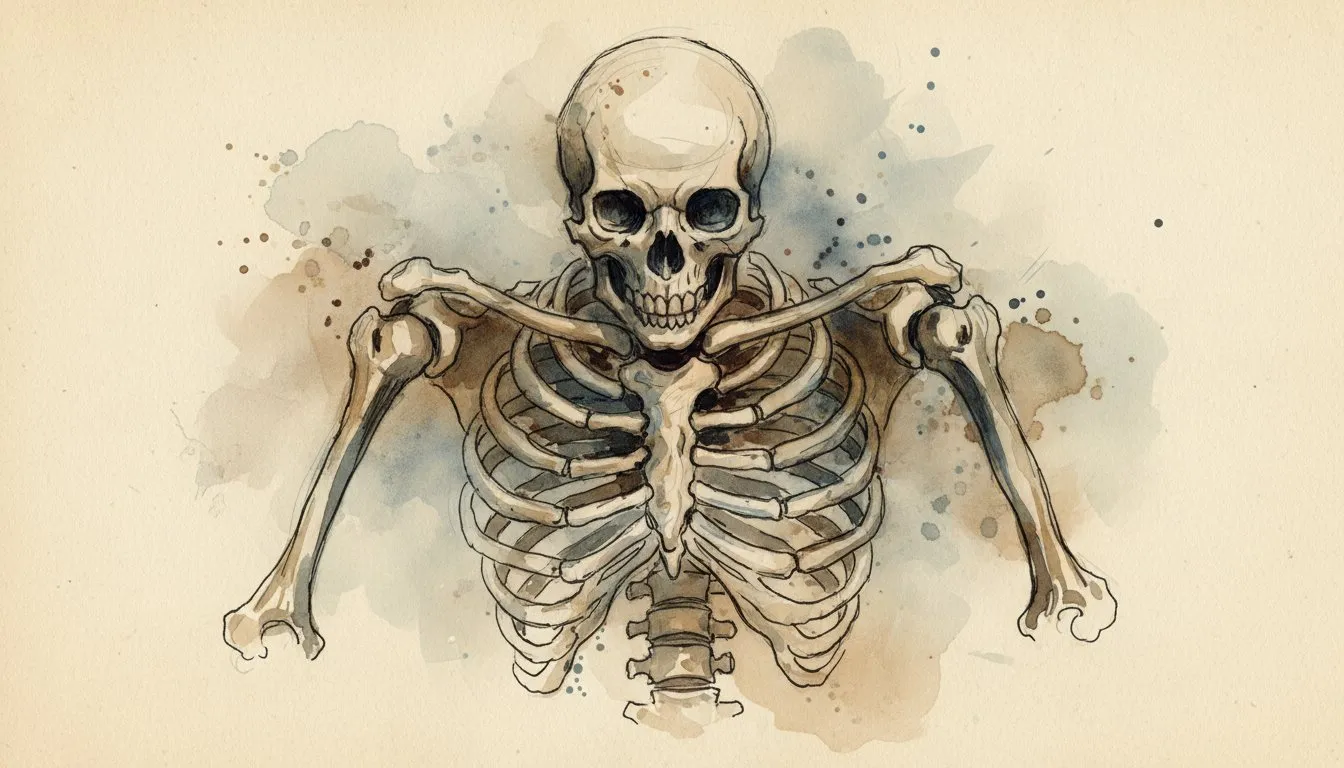
Gashadokuro
A towering skeleton formed from the bones of the unburied dead, rattling through the night to bite off heads.
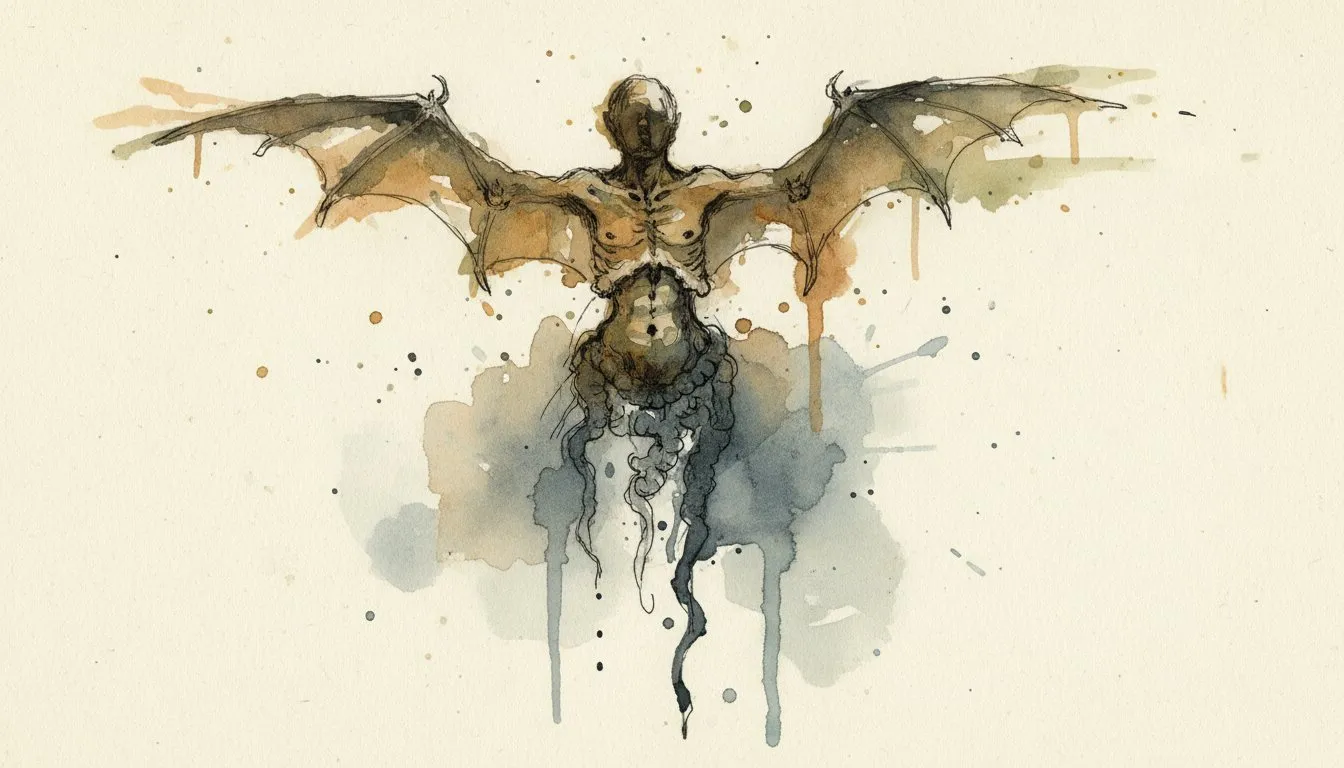
Manananggal
A vampire that tears its own torso free and flies through the night on bat-like wings, trailing its entrails below.