
Canadian Cryptids: The Country With More Lake Than Land Can Explain
The Country With More Lake Than Land Can Explain
Canada is often credited with close to 60 percent of the world's lakes by surface area and the longest coastline of any country on Earth. Put that much water in one country and the cryptid record follows it. Where the United States spreads its lake monsters thin across a handful of famous cases, Canada's file is stacked with them, province after province, each with its own serpentine resident and its own century of witnesses. The pattern holds from the Pacific coast to the Quebec border, and it only breaks once, in a mining town far from any lake at all.
British Columbia: Two Coasts of Water, Two Different Animals
No Canadian cryptid is better known than Ogopogo, reported in British Columbia's Okanagan Lake for more than a hundred years. The Syilx people knew it long before European settlers arrived, as N'ha-a-itk, a lake spirit to be respected rather than provoked. Modern witnesses describe a serpentine animal 15 to 50 feet long with dark green skin and a body that seems to move in humps, and it remains one of the most actively reported lake cryptids anywhere in the world, a steady stream of sightings rather than a single famous flap.
The province's other water monster lives in salt water, not fresh. Cadborosaurus, known locally as Caddy, has been reported along the Pacific coast from Alaska to California for close to a century, but Vancouver Island's Cadboro Bay is its namesake and its densest cluster. Witnesses describe a horse-like head, a long neck, and a humped, flippered body, and more than 300 sightings have been logged since the 1930s, including a strange 1937 case in which something matching Caddy's description was reportedly found in the stomach of a sperm whale processed at a whaling station in Naden Harbour.
Manitoba: The Lake Too Shallow to Make Sense
Manipogo is Manitoba's answer to Ogopogo, reported in Lake Manitoba since Cree and Ojibwe tradition first described a creature there, with the modern case building through the 20th century. In 1957, fishermen Tom Chicken and Chris Flyn described a three-humped serpentine animal, and in 1962 two separate photographs surfaced that appear to show a dark, elongated shape breaking the surface. What makes Manipogo genuinely hard to explain away is the lake itself. Lake Manitoba is large but shallow, averaging only about 12 feet deep, which leaves a large undiscovered animal very little water to disappear into. Most lake-monster arguments lean on depth. This one does not have that luxury.
Ontario: The One That Walks Instead of Swims
Not every Canadian legend needs water. Old Yellow Top has been reported near Cobalt, Ontario, a mining town in the Canadian Shield, since at least 1906, and it is a Bigfoot-type report with one consistent, distinguishing detail: a light-colored or blonde patch of hair on an otherwise dark-furred body. Miners, bus drivers, and local residents have described encounters spanning more than a century, including a 1970 sighting by a group of miners who reported a dark figure with a yellowish head crest watching them from a ridge. It is one of the most specific and internally consistent Bigfoot variants on this site, the kind of case where the details do not drift much from witness to witness even a century apart.
No other Canadian legend has held its details this steady for this long.
Bigfoot's own name has Canadian roots that go deeper than any single sighting. The word Sasquatch comes from Sasq'ets, from the Halkomelem-speaking peoples of British Columbia, and several First Nations maintain detailed, independent traditions of the creature that predate any settler account. That history gets the fuller treatment it deserves in our guide to indigenous cryptid traditions. British Columbia alone accounts for a disproportionate share of Sasquatch reports across the whole continent, a function of the province's genuinely enormous forested interior, much of which has no road access at all. That is the same habitat argument the rest of this site makes for the Pacific Northwest, just extended another few hundred miles north across a border the terrain itself never noticed.
The Border Cases
Canada's file does not stop at its own line on the map. Wendigo, the gaunt winter spirit of Algonquian tradition, is rooted in the Great Lakes region straddling Ontario and the northern United States, and Memphre is reported in a lake that is technically half Canadian and half American, Lake Memphremagog on the Quebec-Vermont border. Both cases are reminders that a cryptid's range rarely respects a border drawn by treaty rather than terrain. Memphre's fuller story, and the Vermont side of that same lake, is in our guide to New England cryptids.
What the Water Tells You
Line up Ogopogo, Manipogo, and Cadborosaurus and a pattern holds across all three: indigenous tradition first, settler reports layered on top, and a body of water genuinely large enough, or in Manipogo's case strange enough despite being shallow, to keep the question open. Old Yellow Top is the exception that proves it. Take away the water and Canada still produces a hairy-biped report as consistent as anything in the Pacific Northwest, just with a different color patch and a mining town's newspaper instead of a lake town's. Six provinces, three coasts, and one shared shape: tradition first, modern witnesses after, and water too large, or in one case too shallow, to fully rule out.
For the full roster of North American water cryptids, see our lake monsters collection, and for the Pacific coast picture that Cadborosaurus shares with Washington and Oregon, read our guide to Pacific Northwest cryptids.
Get the Field Notes.
Field notes from the Vault, when there is something worth sending. No spam.
No spam. Unsubscribe anytime.
Creatures mentioned in this post
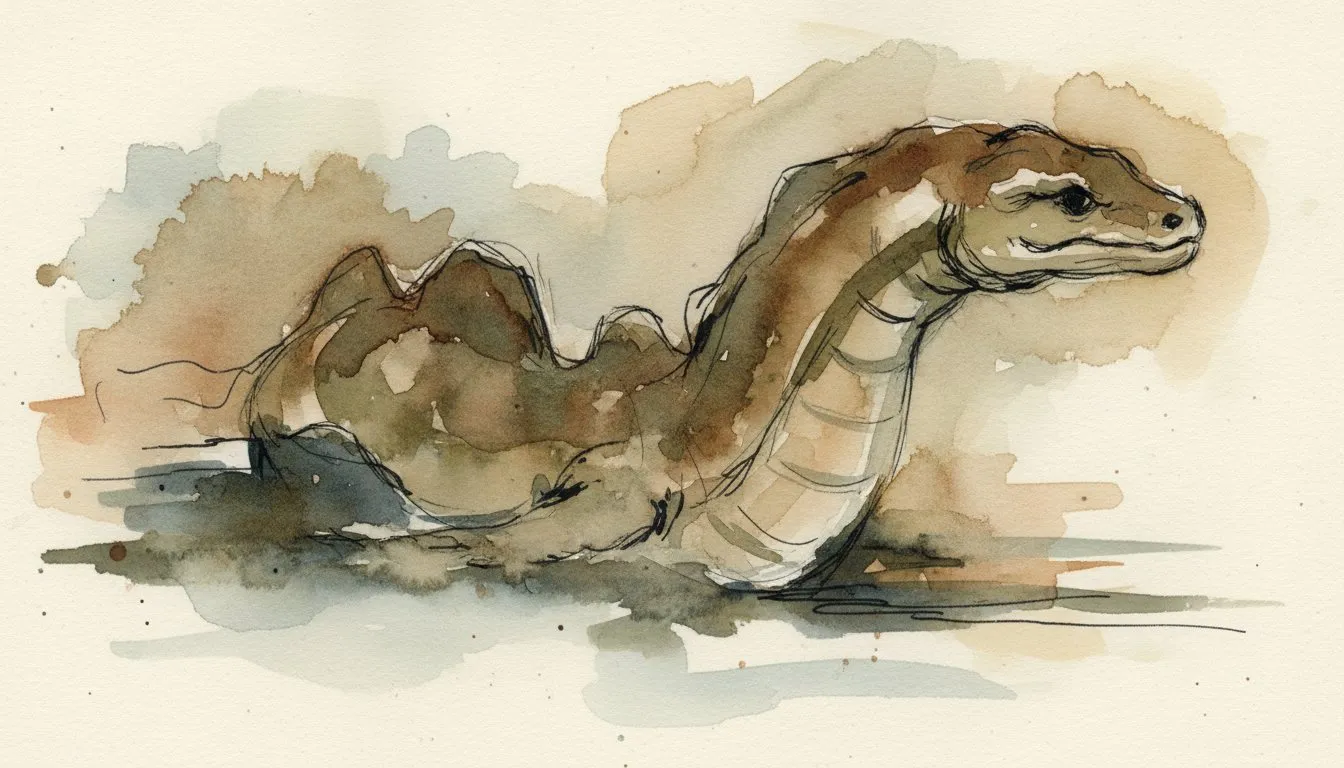
Ogopogo
Canada's answer to Nessie, coiling through the depths of Okanagan Lake.
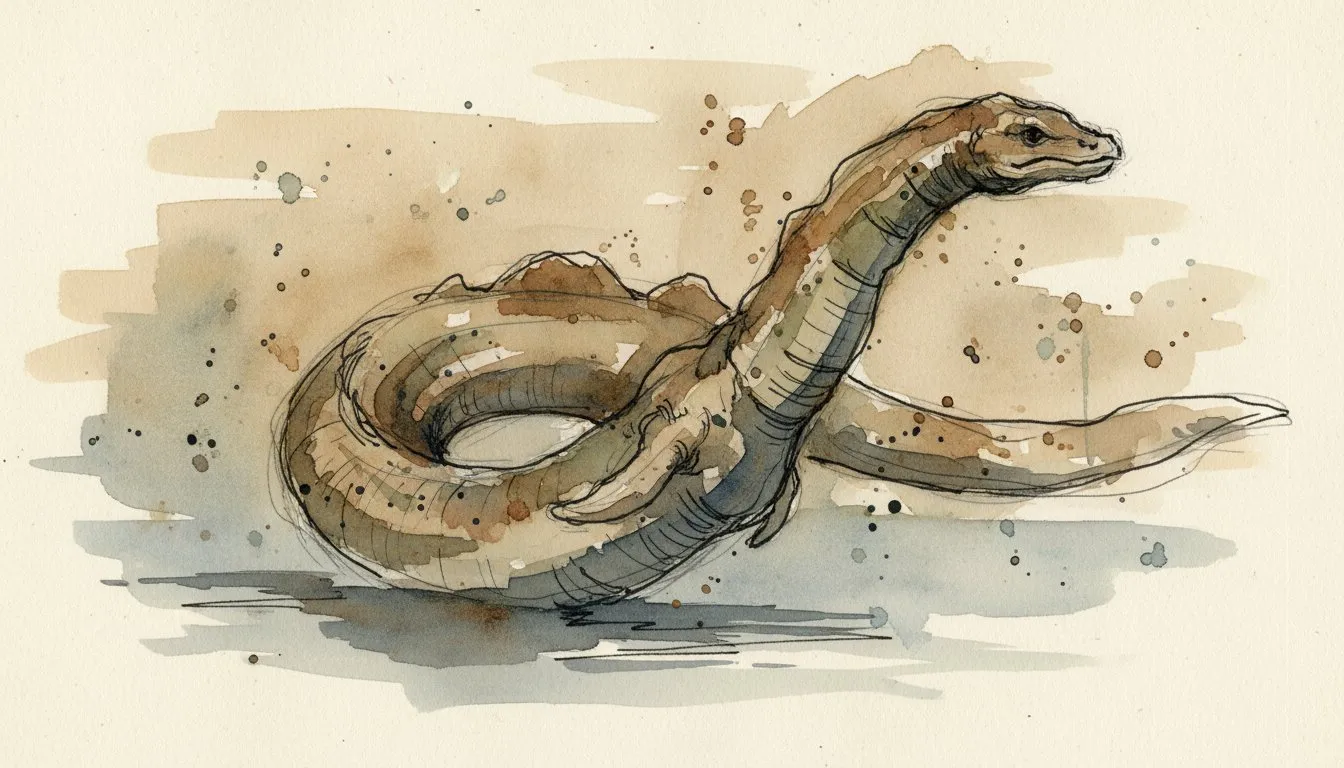
Manipogo
Lake Manitoba's serpentine lake monster has been reported by Indigenous communities for centuries and photographed at least twice.
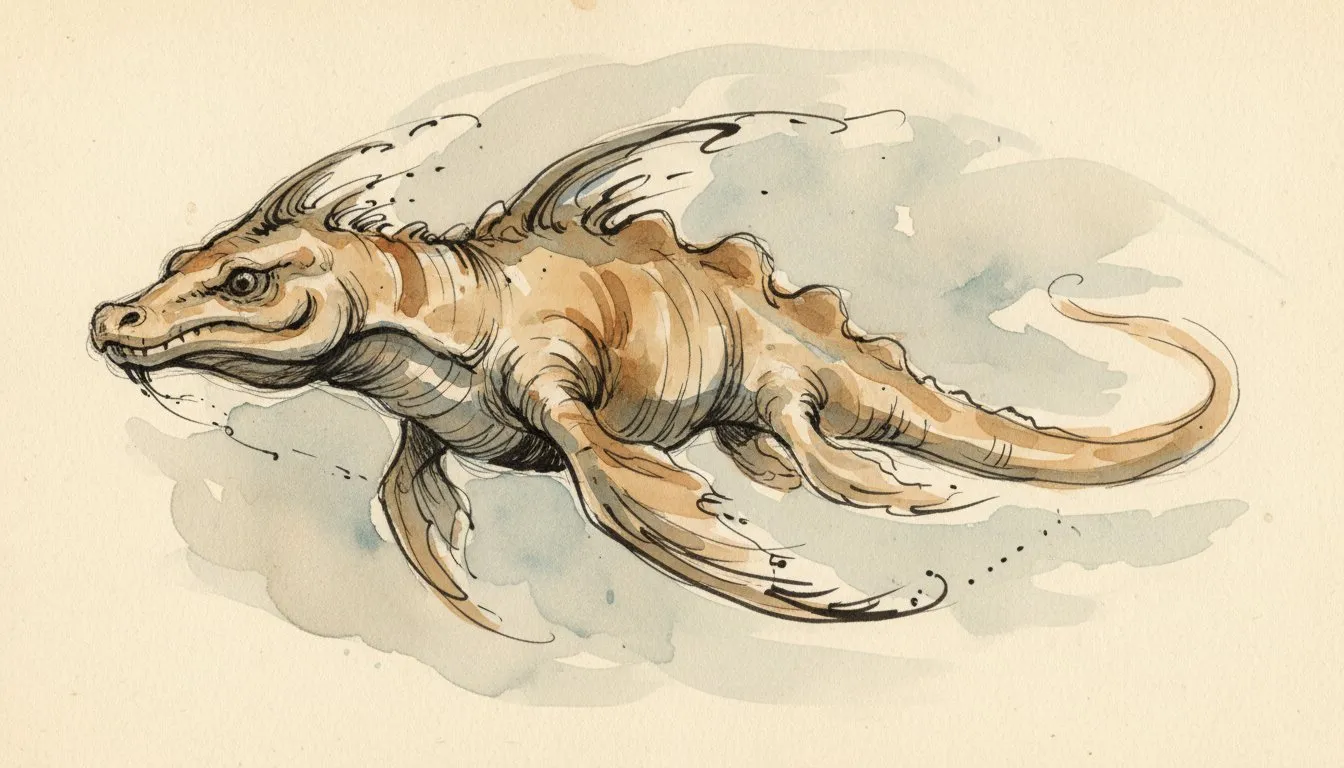
Cadborosaurus
A horse-headed sea serpent weaving through the waters of the Pacific Northwest.

Old Yellow Top
A Bigfoot-like creature with a distinctive blonde mane has been spotted near mining towns in northern Ontario since the 1900s.