
New England Cryptids: The Six-State Record
The Region With the Paperwork
New England's cryptid record is not the largest in the country. It is the oldest and the best attested, for a boring structural reason: the region had newspapers, harbor towns, and scientific societies at a point when most of the continent had none of those things. When something was reported here in 1817, somebody took depositions.
That gives the six states a strange profile. The creatures are relatively few. The documentation is unusually heavy. And the single best-witnessed case is nearly two centuries old.
Gloucester, 1817: The Case With Sworn Depositions
In August 1817 a large serpentine animal was observed repeatedly in Gloucester Harbor, Massachusetts, over a period of weeks. Witnesses included fishermen, sailors, and prominent townspeople, and they described a dark body sixty to a hundred feet long moving through the water in a series of vertical humps.
What separates the Gloucester Sea Serpent from every other sea-serpent story on this site is what happened next. The Linnaean Society of New England opened a formal investigation and collected sworn depositions from dozens of eyewitnesses. That is a genuine nineteenth-century scientific body treating a monster report as evidence to be gathered rather than a rumor to be laughed at, and the resulting file remains one of the best-documented sea serpent flaps anywhere.
It is also the honest limit of the whole enterprise. Dozens of sworn statements, weeks of observation, an organized scientific inquiry, and no animal. The same serpent tradition runs down the coast through Maine, New Hampshire, and Rhode Island, where the state pages list it as the regional marine report.
Dover, 1977: Three Sightings, Two Nights, Nothing Since
On the nights of April 21 and 22, 1977, three separate groups of teenagers in Dover, Massachusetts described the same thing: a small figure with a large watermelon-shaped head, glowing orange eyes, and long thin fingers. The groups reported it independently. The descriptions matched.
The cryptozoologist Loren Coleman named it the Dover Demon. It has never been reported again.
That combination, multiple independent witnesses and a total stop, is rare and it is why the case keeps getting revisited. It is also why it resists resolution. There is nothing to go back and check. Connecticut logs it as a shared regional report, along with the humanoid sightings that cluster near the older colonial settlements.
The Pukwudgie and the Bridgewater Triangle
The Pukwudgie is not a sighting in the way the Dover Demon is a sighting. It is a figure from Wampanoag and wider northeastern Algonquian tradition: two to three feet tall, gray-skinned, able to appear and vanish, credited with luring people to their deaths. That tradition long predates the word cryptid and it is still held.
What has happened more recently is that the Freetown-Fall River State Forest in southeastern Massachusetts, inside the area local writers call the Bridgewater Triangle, became the place modern encounters get reported. The Vault files the Pukwudgie under eyewitness reports for that reason while keeping the tradition and the modern reports clearly separated. They are not the same claim, and the older one deserves to be treated as a living tradition rather than a monster sighting. The same distinction runs through every entry in our guide to indigenous cryptid traditions.
Two Lakes, One Border
Vermont is the only state in the country that shares two well-documented lake monsters with two different neighbors.
Champ inhabits Lake Champlain on the Vermont and New York line. The reports go back to Abenaki and Iroquois tradition; the 1977 Mansi photograph, which appears to show a head and neck above the water, is the most argued-over image in American lake-monster history. Both Vermont and New York have passed resolutions protecting the animal from harm, which is a curious legal position to take toward something no state has established exists.
Sixty miles east, Memphre is reported in Lake Memphremagog on the Quebec border. Abenaki tradition describes a creature there long before European settlement, and the modern reports describe a dark serpentine body twenty to sixty feet long with a horse-like head. The lake runs over thirty miles and reaches about 350 feet deep. Jacques Boisvert documented more than two hundred sightings before his death in 2006.
Two deep, cold, long lakes on two international or state borders, each with an indigenous tradition underneath and a century of modern reports on top. Whatever else is true, the geography is consistent. The wider freshwater record is in our lake monsters collection.
The Quiet North
Maine, New Hampshire, and Rhode Island are thin in the file, and it is worth being straight about why. Their reports are mostly of the large bipedal kind, filed under Bigfoot, out of the White Mountains and the unbroken northern forest, and they come with far less documentation than the coastal and lake cases. Fewer witnesses, no photographs that have survived scrutiny, no formal investigations.
That is not an argument that nothing is there. It is a statement about what the record contains, which on this site is a different thing.
What New England Actually Has
The honest summary: this is the region with the best evidentiary manners and the fewest animals. It investigated its sea serpent properly in 1817 and found nothing. It got three independent witness groups on one creature in 1977 and never got a fourth. It legally protects a lake animal it has not confirmed.
That is a more interesting record than a longer list of sightings would be. Gloucester's sea serpent belongs to a wider ocean file too: see our guide to ocean cryptids for the world's other coastal cases, organized sea by sea.
For the mountain corridor that runs south out of the region, see our guide to the Appalachian Trail. For the national picture, see the state-by-state guide.
Get the Field Notes.
Field notes from the Vault, when there is something worth sending. No spam.
No spam. Unsubscribe anytime.
Creatures mentioned in this post
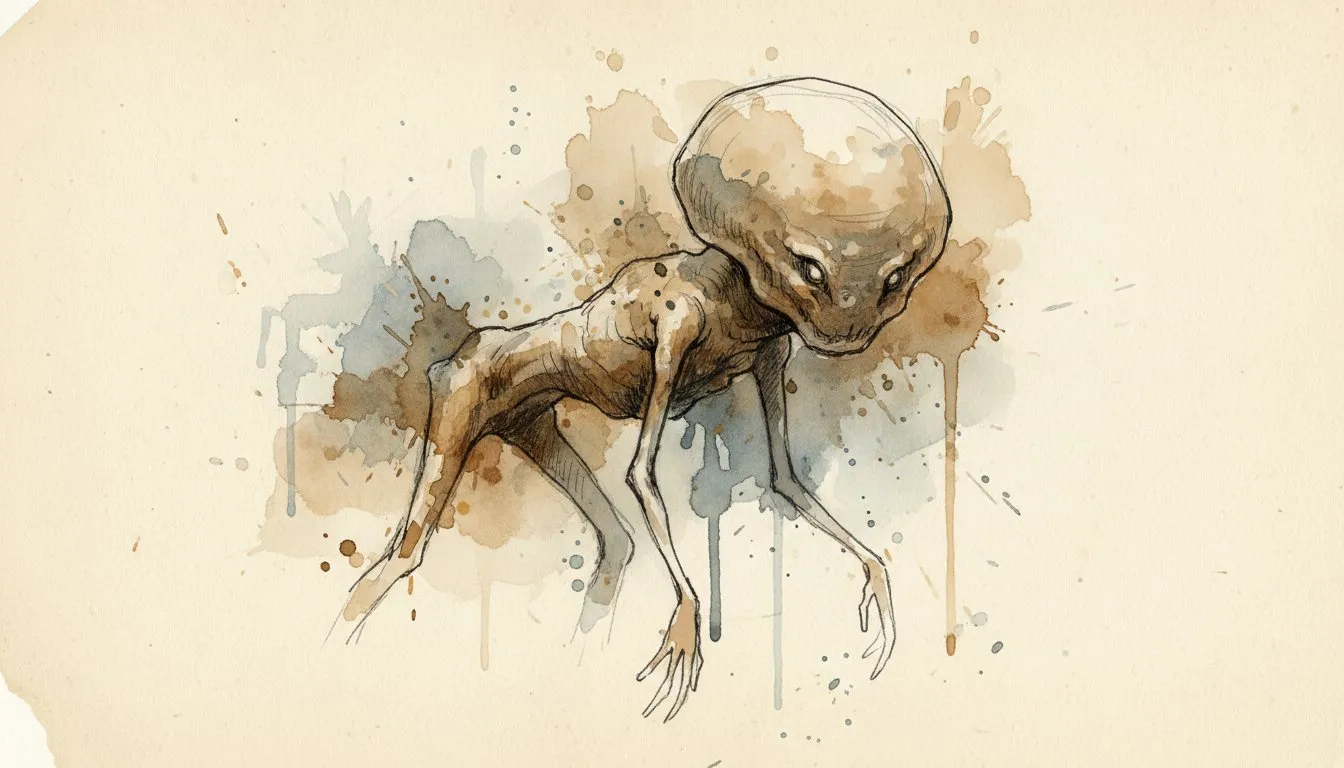
Dover Demon
A watermelon-headed creature spotted three times in two nights, then never again.
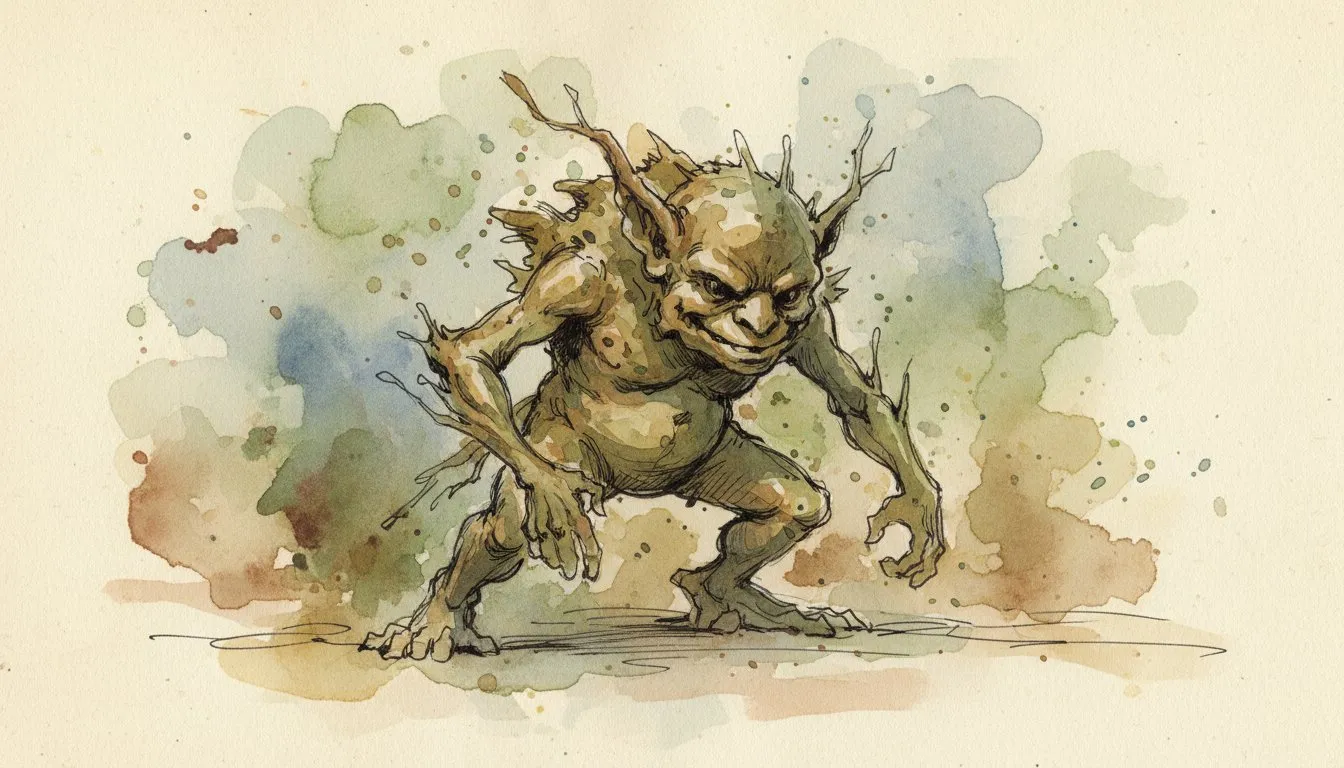
Pukwudgie
A small, troll-like trickster from Wampanoag legend that lures victims off cliffs.
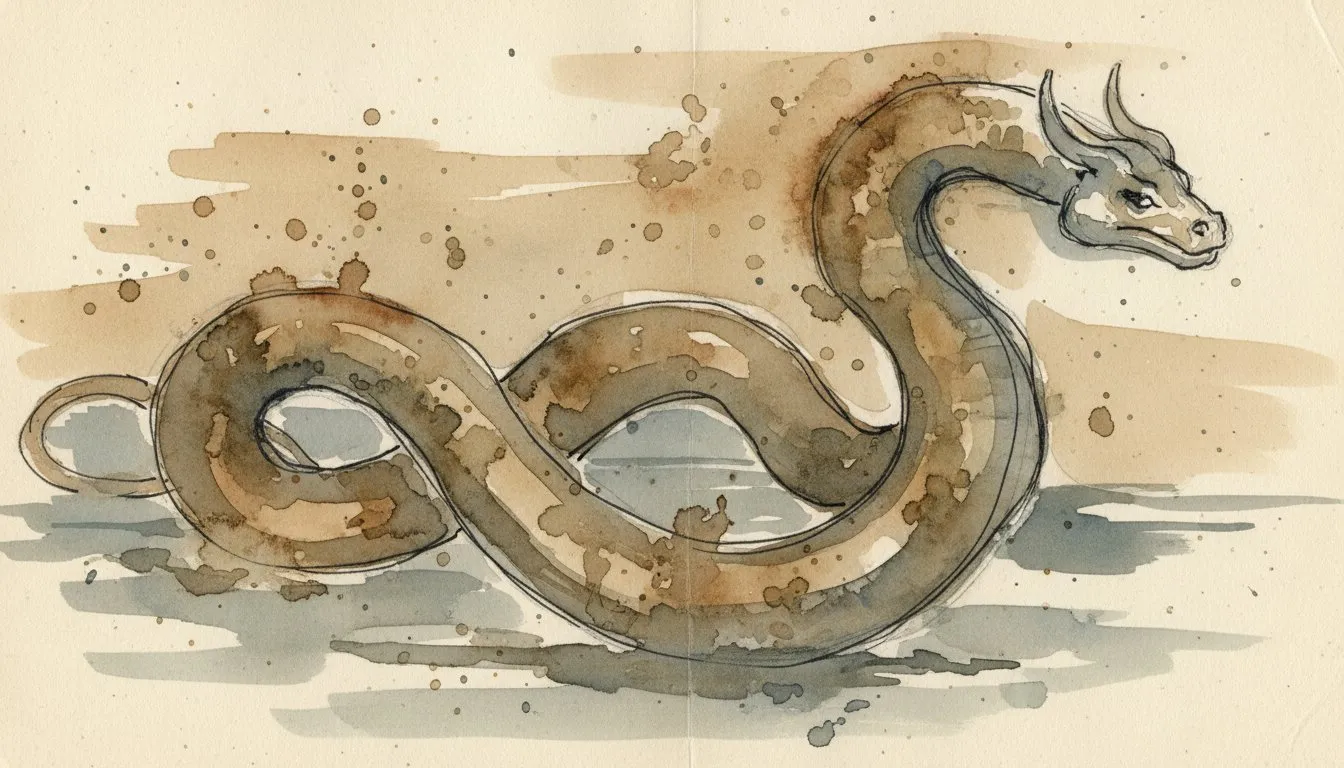
Gloucester Sea Serpent
Hundreds of witnesses watched a giant serpent patrol Gloucester Harbor for weeks in 1817.

Champ
America's own lake monster, surfacing in the waters between Vermont and New York.